
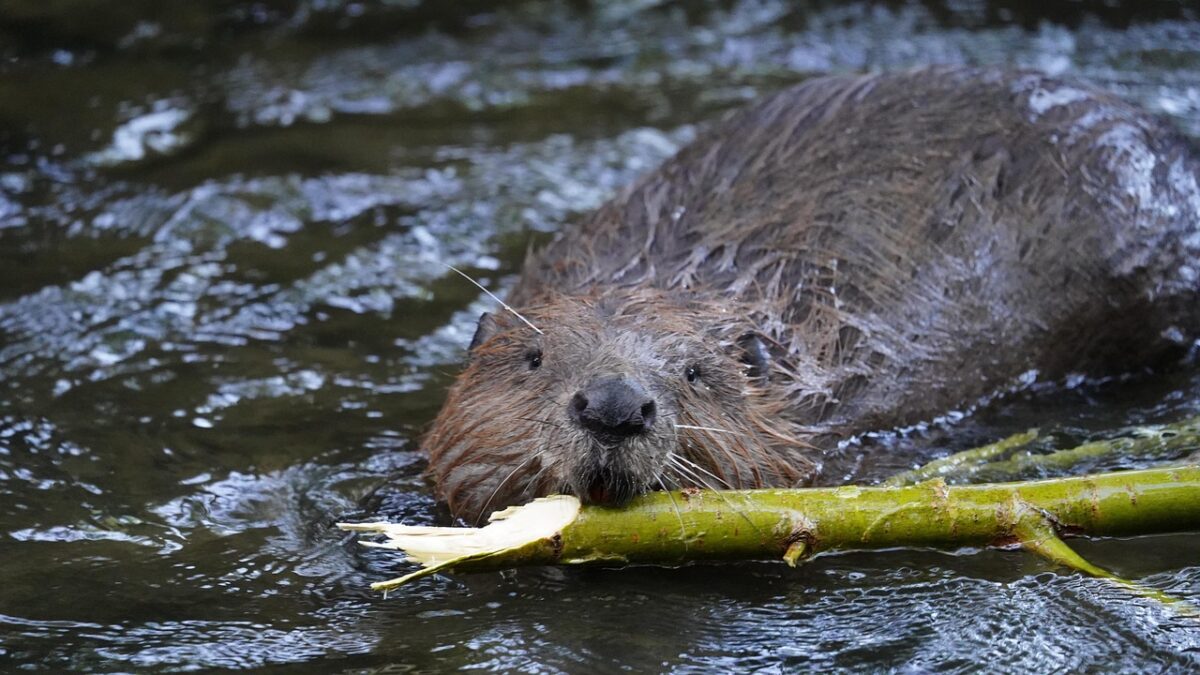
There’s a creature weighing no more than 65 pounds that has quietly reshaped entire landscapes for millions of years. It doesn’t have claws, venom, or massive size on its side. What it has is teeth, instinct, and an extraordinary drive to build. Beavers are not just industrious little rodents swimming through ponds. They’re arguably the most consequential non-human architects on the planet, capable of turning a dry creek into a thriving wetland ecosystem within a single season.
Most people know beavers as dam builders. What’s far less understood is just how profound the knock-on effects of that building are, from cleaner rivers and richer biodiversity to wildfire resistance and carbon storage. The science has only grown more compelling in recent years. Here are 12 remarkable facts that reveal just how transformative these animals truly are.
#1. They Are Officially Classified as Ecosystem Engineers
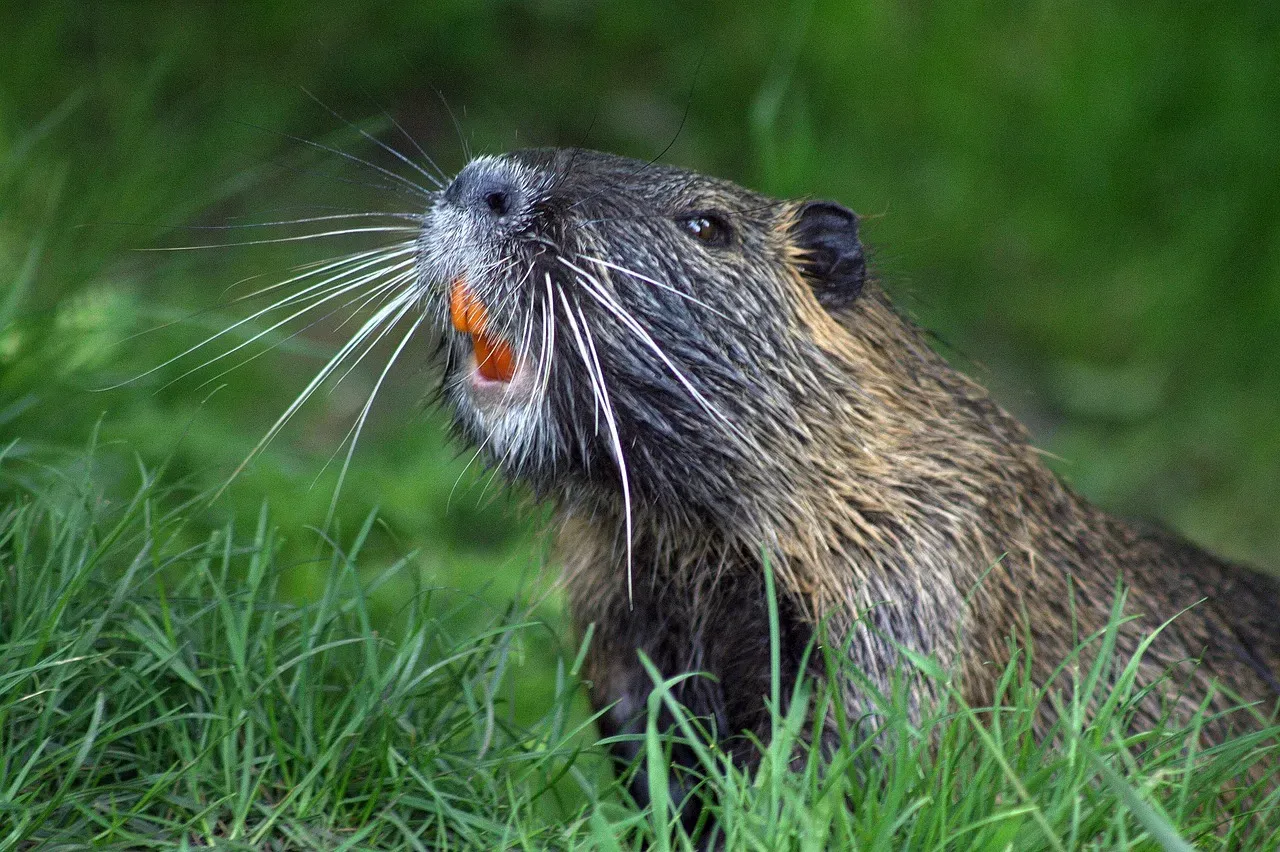
Beavers, known as Castor canadensis in North America and Castor fiber in Eurasia, are widely referred to as nature’s engineers due to their ability to rapidly transform diverse landscapes into dynamic wetland ecosystems. That designation isn’t just a flattering label. It carries real scientific weight.
Few other organisms exhibit the same level of control over local geomorphic, hydrologic, and ecological conditions. When scientists compare beavers to other animals that modify their surroundings, the beaver consistently stands in a category almost entirely its own.
#2. A Single Dam Can Turn a Dry Stream Into a Wetland
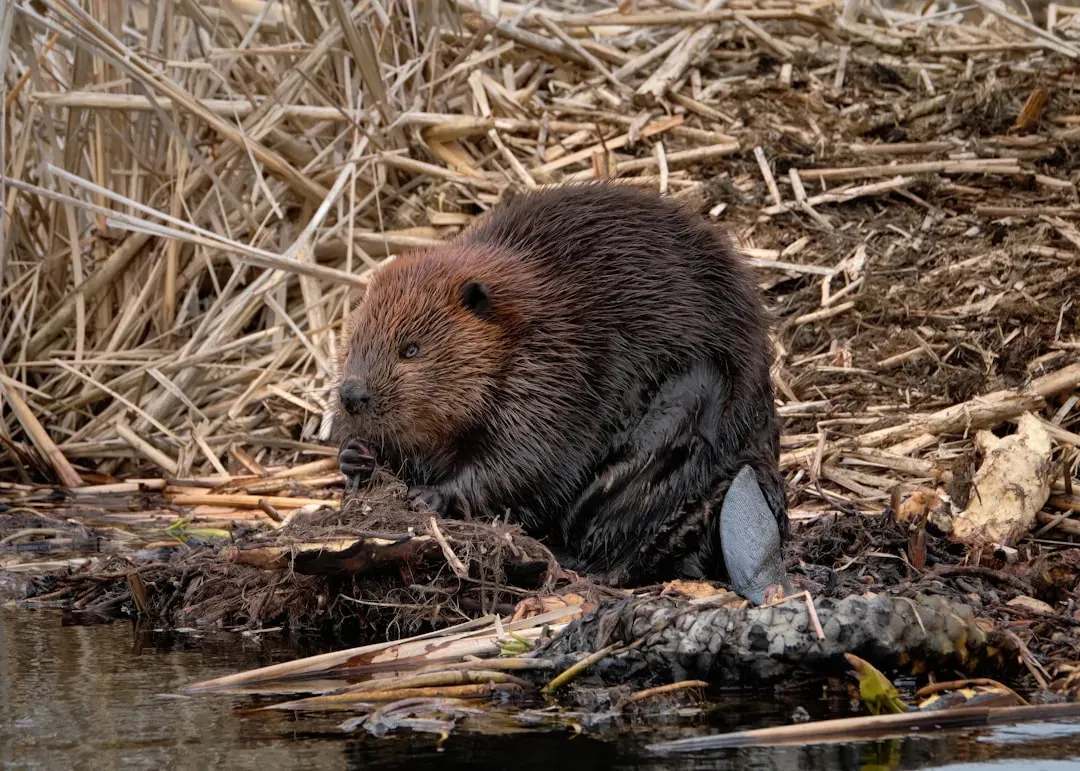
Dams are penetrable structures that slow water flow, resulting in less erosion and flooding than undammed, fast-flowing water. Dams physically store water on land where it soaks into the soil and initiates plant growth, able to turn bone-dry areas into bountiful wetlands. The transformation can happen surprisingly fast.
Once a dam is complete, the pace at which the waterway moves is slowed down, and its path is altered. This creates an extensive wetland upstream that houses vast amounts of biodiversity, including a multitude of endangered species. A variety of birds nest on the riverbanks, fish like rainbow smelt, steelhead, and salmon thrive in the ponds, and mink, muskrats, and otters forage the bogs.
#3. They Dig Canals to Extend Their Reach
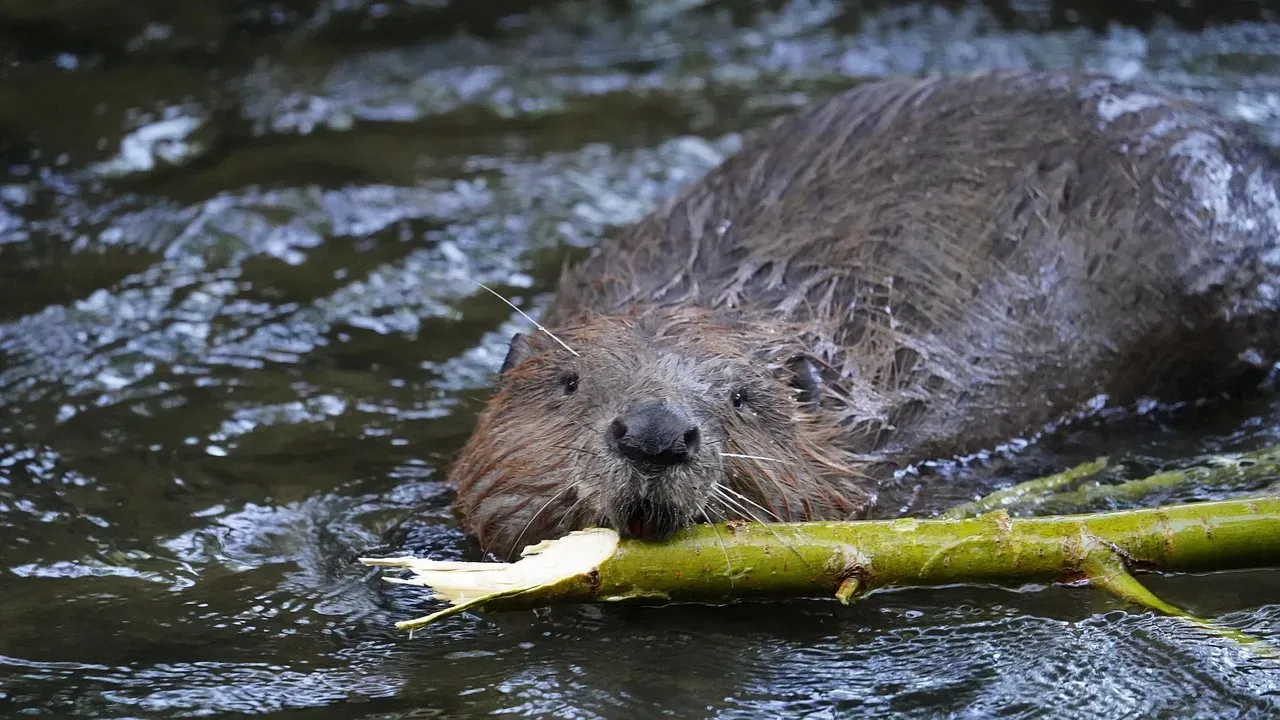
To cut down trees that are far away from their lodges and dams, beavers dig channels through the land. Those channels fill up with water and allow beavers to reach distant areas without having to walk. Using water allows beavers to transport wood and plants more easily. It’s a level of infrastructure planning you wouldn’t expect from a rodent.
Beavers excavate canals, laterally across floodplains, to access and transport food and building resources, enhancing floodplain connectivity and geomorphic dynamism. These canals don’t just serve the beaver. They quietly rewire the water flow of an entire landscape, creating new corridors for other wildlife to use.
#4. They Create Biodiversity Hotspots
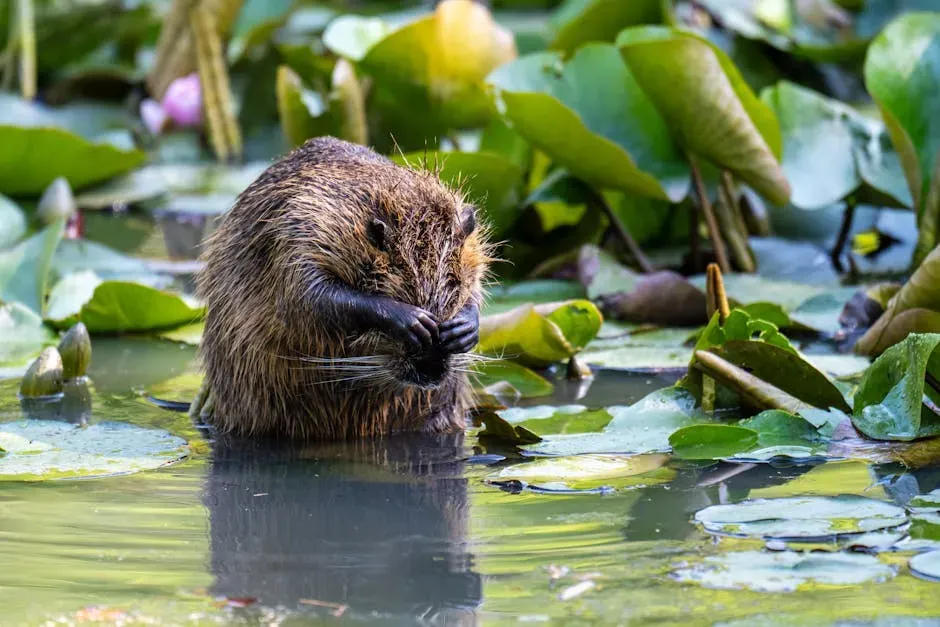
The creation of beaver ponds results in a mosaic of habitats that support a wide variety of organisms, including invertebrates, fish, amphibians, birds, and mammals. This isn’t incidental. The structural complexity that beaver ponds create provides niches that simply don’t exist in unmodified streams.
Beavers transform the landscape, creating healthier, more resilient watersheds, improving water quality, increasing the availability of fresh water, forming essential wetlands, reducing peak flood levels, limiting damage from forest fires, mitigating climate change, and helping other fish and wildlife species to survive a warming planet. That’s an impressive list of contributions for an animal that’s just trying to build a safe home.
#5. Their Ponds Recharge Underground Aquifers
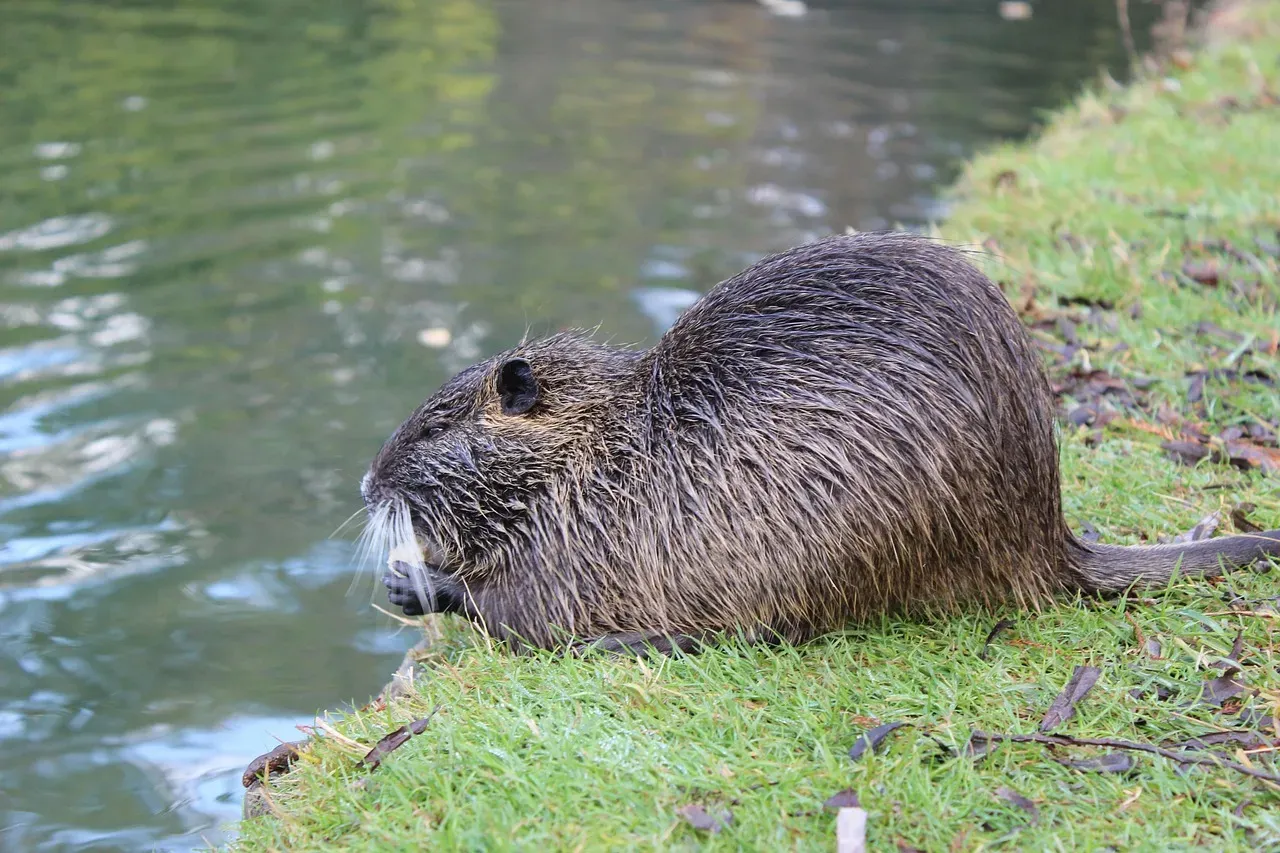
The beaver ponds have a weight that forces the water into the ground. This recharges aquifers that are depleting at a rapid pace. According to scientists, beaver ponds raised the water tables of the Rockies by half a foot. At a time when groundwater depletion is a serious concern in many regions, that matters more than it might seem.
Ponds hold around ten times as much water belowground as above them. The visible pond is almost the tip of the iceberg. The real water storage is happening silently underground, building reserves that sustain vegetation and wildlife long after surface water has dried up during summer months.
#6. They Act as Natural Water Retention Systems During Drought
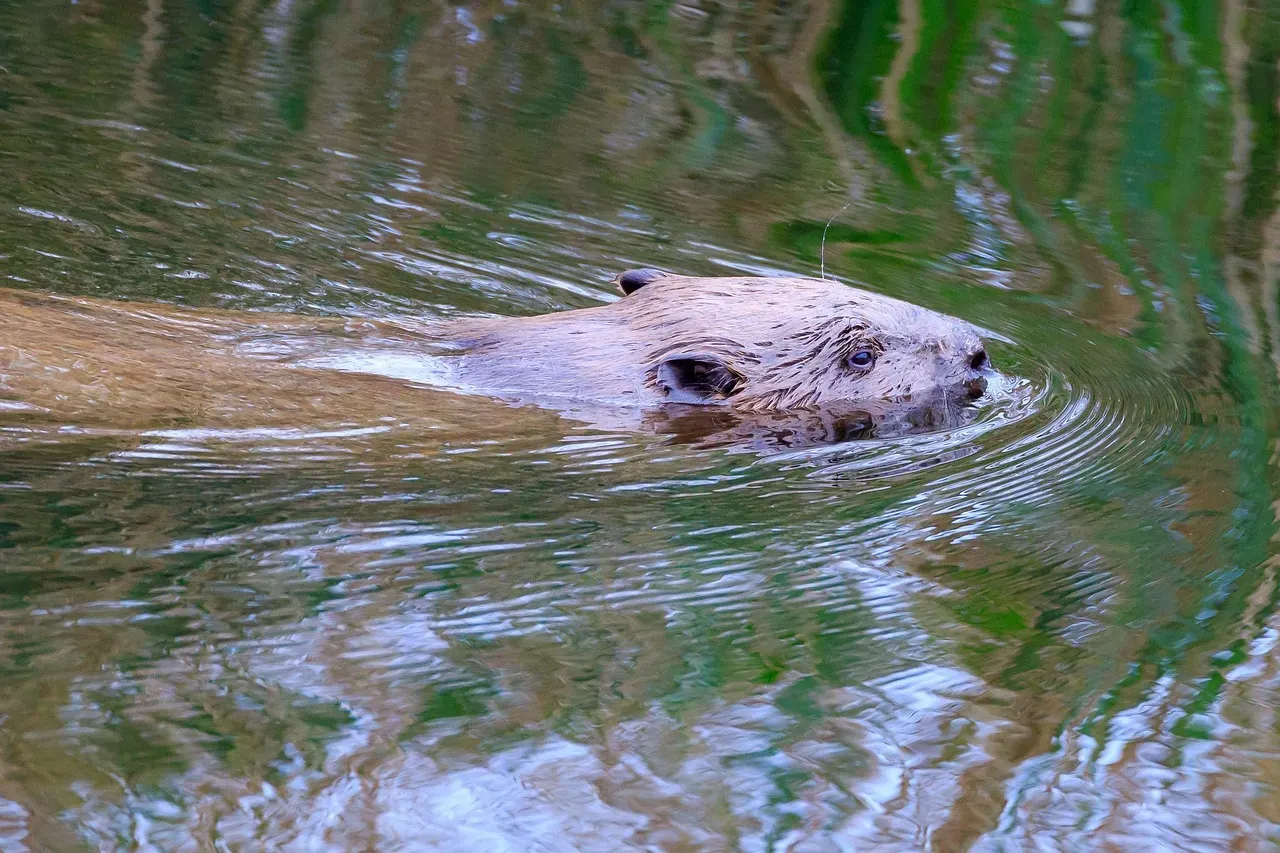
Research in Canada and the U.S. showed that areas with beavers retained nine times more water during droughts, proving their role as ecosystem engineers. That gap is staggering when you think about it. A landscape with beavers is fundamentally more resilient to dry conditions than one without them.
Beaver-engineered wetlands act like sponges during storms, slowing water flow and storing excess water in pond complexes to reduce downstream flooding. During dry periods and heatwaves, these ponds retain water in the landscape, replenishing aquifers and maintaining water availability when it is needed most. The same infrastructure that handles a flood also handles a drought. That kind of dual-purpose resilience is extremely rare in nature.
#7. They Filter Agricultural Pollution From Rivers
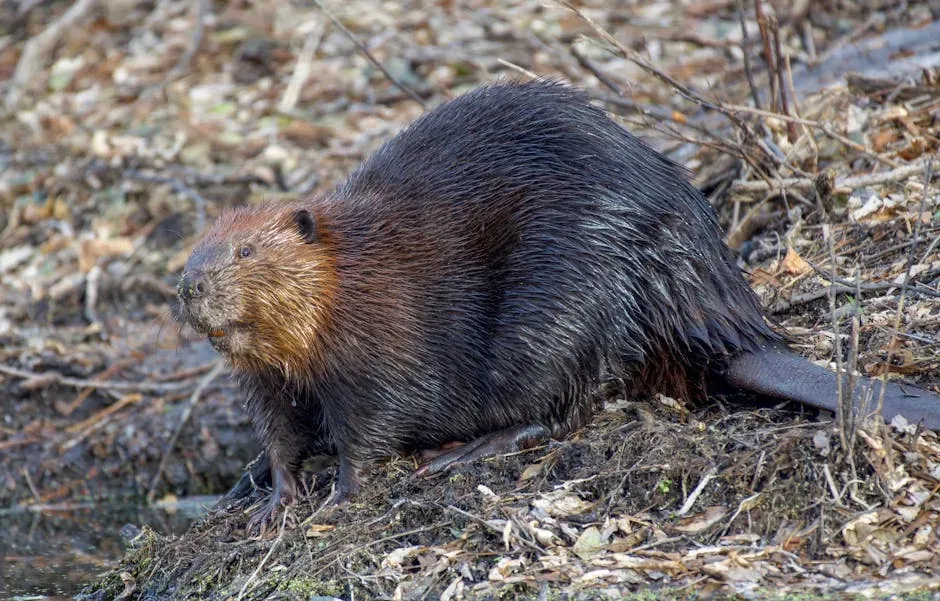
Beavers’ damming activities trap runoff and encourage bacteria that convert nitrate to harmless gas. This is how a system of beaver-made dammed ponds can avert ecological disasters. Beavers can cut up to forty-five percent of agricultural pollution from spreading further downstream, keeping healthier estuaries.
Beaver dams act as natural filters, trapping sediment and diffusing pollutants like nitrogen and phosphorus to improve water quality. Given that agricultural runoff is one of the leading causes of freshwater degradation globally, having a species that passively intercepts nearly half of that chemical load is a genuinely significant ecological service. No technology required.
#8. Their Dams Dramatically Reduce Flooding Downstream
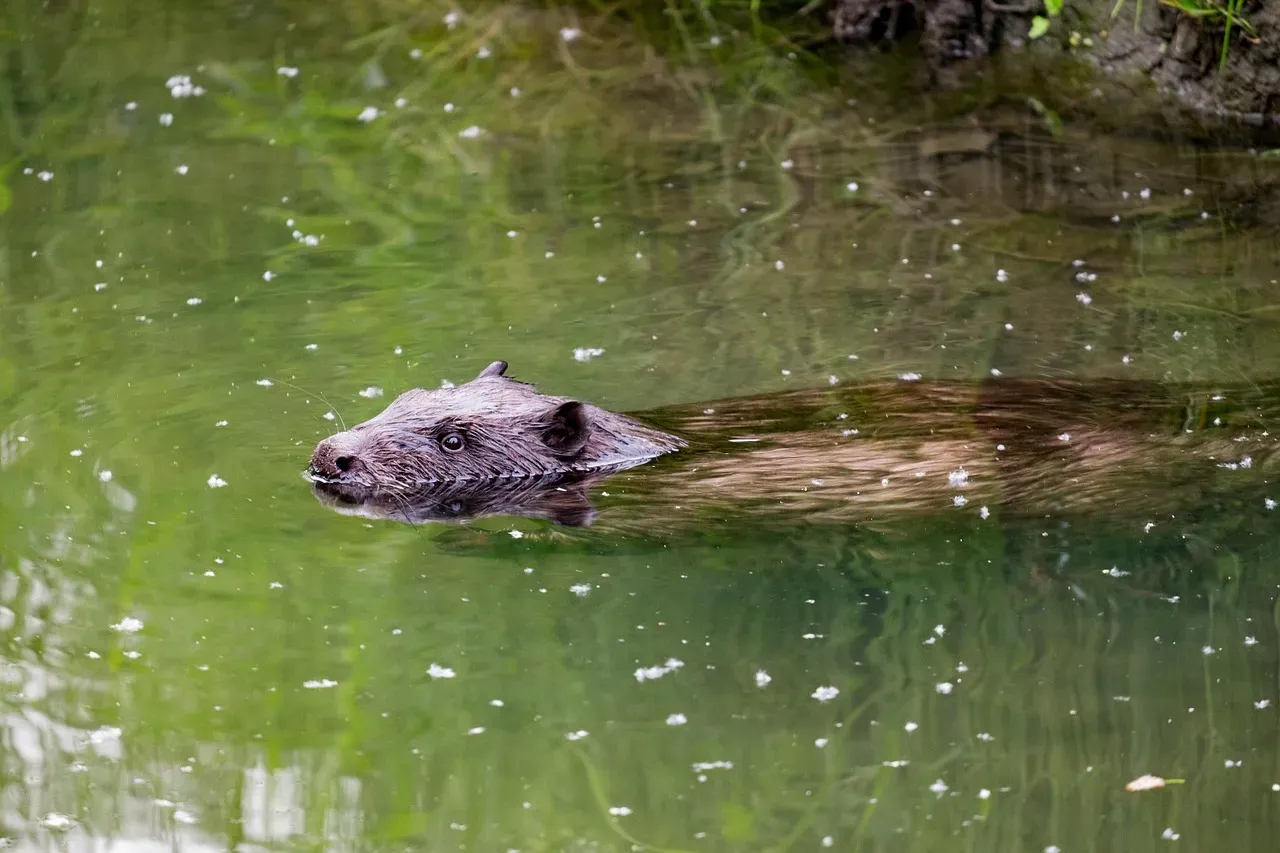
During a heavy rainstorm, some streams and rivers overflow their banks, but a beaver-engineered stream system handles floodwaters with ease. Their dams work like aquatic speed bumps, creating winding paths that slow rushing water. This physical slowdown gives water time to spread, soak in, and settle rather than rush downstream in a destructive surge.
These dams also mitigate flooding by storing excess water during heavy rainfall to reduce peak discharge, while ensuring steady downstream flow that benefits plants, animals, and human communities. Communities situated downstream of beaver-inhabited watersheds can benefit from this natural flood buffering, often without ever realizing the source of their protection.
#9. Beaver Wetlands Resist Wildfires
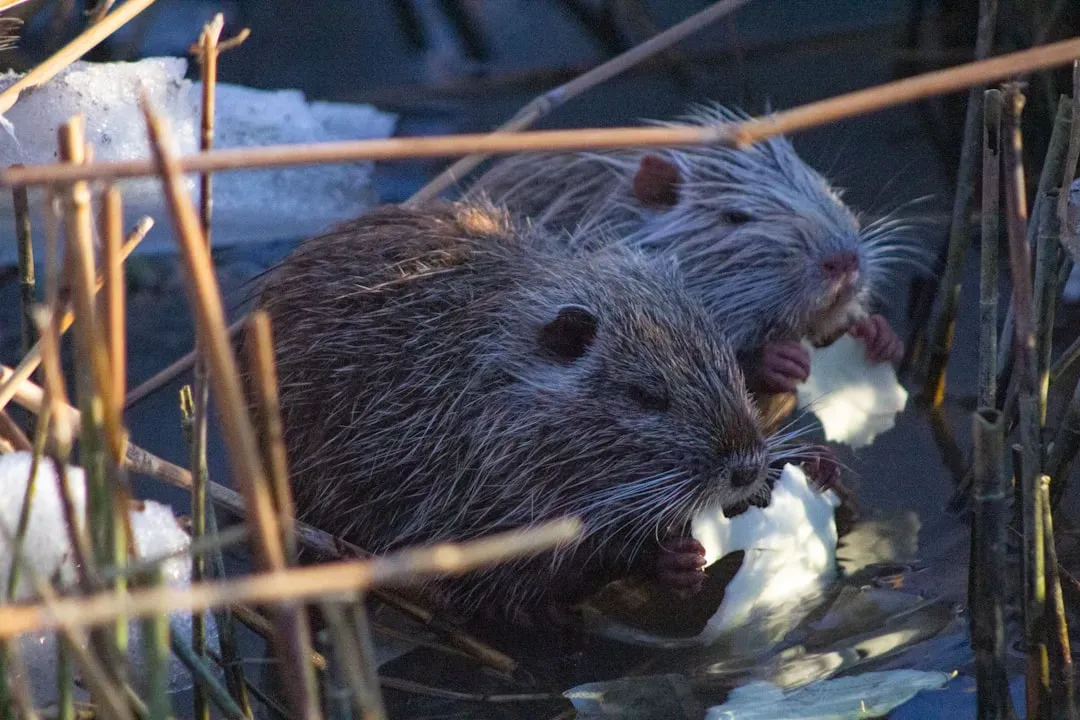
Even in areas completely ravaged by wildfire, where tree trunks are scorched into blackened toothpicks and soil is left gray and ashen, beaver complexes survive unscathed. The wet earth and thriving greenery resist burning, leaving oases of green in the middle of the lifeless moonscapes left behind by wildfire.
Research shows that beaver-modified landscapes suffer only one-third of the fire damage compared to similar regions without beavers. During the devastating Dixie and Sugar fires in California, a beaver-engineered complex stayed green and healthy even as the surrounding landscape burned. These areas remain resilient because the soil stays moist and the vegetation remains lush, even in high-heat conditions. In an era of increasingly severe fire seasons, that kind of natural firebreak has become deeply valuable.
#10. They Sequester Carbon on a Meaningful Scale

The sediments in beaver ponds and the vegetation in beaver meadows both help pull and store carbon from the atmosphere. Some research suggests that beaver-induced peat formation, partially decayed plant matter accumulated in water-saturated environments, also helps with sequestration by keeping the carbon absorbed by these plants within peat soils as they decay.
Some research suggests that beaver landscapes may sequester up to 470,000 tons of carbon annually, and it has been estimated that the ecosystem services beavers provide in the US are worth hundreds of millions of dollars. A 2026 study published in Nature further confirmed that beavers can convert stream corridors to persistent carbon sinks. The financial and environmental value of that is difficult to overstate.
#11. Their Populations Have Collapsed Dramatically Over Centuries
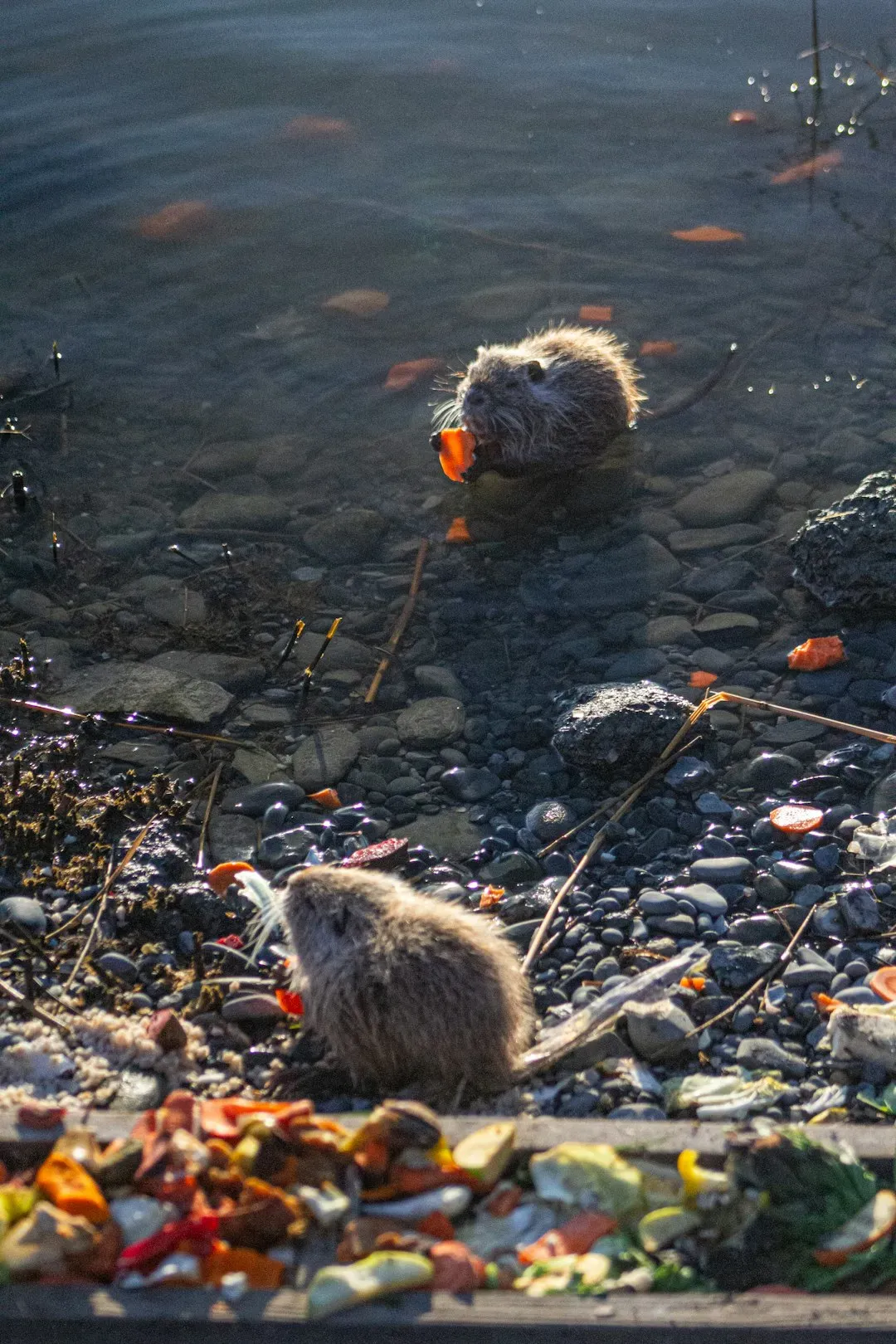
Beaver populations in North America have fallen from an estimated 60 to 400 million before European colonization to roughly 10 to 15 million today because of extensive hunting, habitat degradation, and trapping. That collapse didn’t just hurt beavers. It silently unraveled the wetland infrastructure they had spent millennia constructing.
When beavers are removed, large areas of stored surface water are lost, rivers flow faster, becoming flashy in times of flood and with lower base flows in times of drought. Woody debris and carbon in water, an essential building block of life in ponds, streams, rivers, estuaries, and marine environments, is reduced, undermining the food chains it supported. Wetlands dry up, wildlife moves on, or is possibly lost from ecosystems entirely. The decline of one species echoes across hundreds of others.
#12. Their Return Is Being Used as a Restoration Strategy
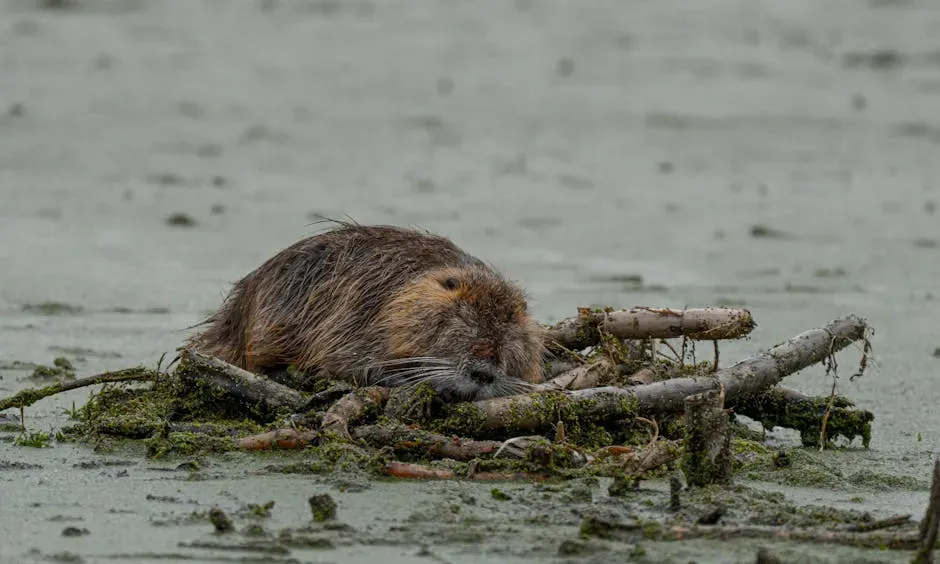
The ecological impact of beavers was rediscovered through long-term ecological studies and reintroduction efforts in North America and Europe. Scientists documented how beaver activity reduces drought, restores wetlands, and increases biodiversity. That scientific understanding has shifted policy in several countries, moving beavers from pest status to protected species.
By installing beaver dam analogs, communities can enhance resilience to climate change impacts such as droughts and floods, while promoting biodiversity and water conservation. Beaver dam analogs are versatile structures that can be tailored to suit various landscapes and hydrological conditions. Where real beavers can’t yet be reintroduced, humans are building imitations of their dams instead. That, perhaps, is the clearest sign of just how extraordinary these animals really are.
What Beavers Teach Us About Ecological Value
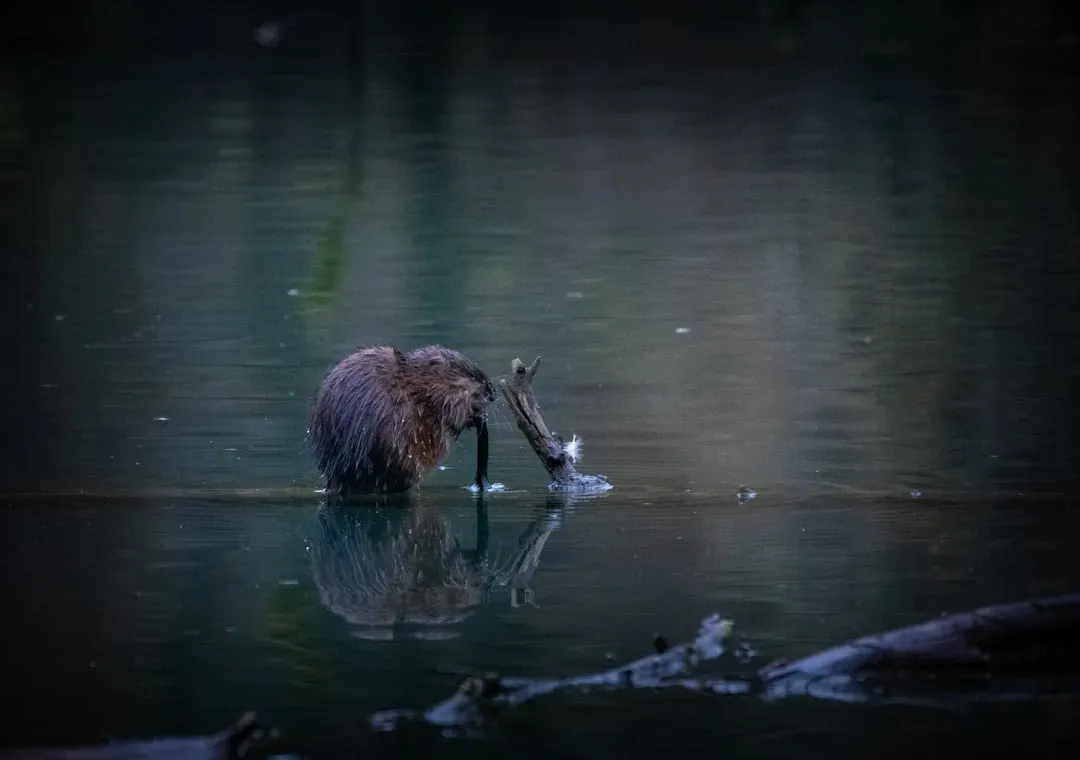
Beavers don’t set out to save ecosystems. They’re doing what they’ve always done: building shelter, storing food, and staying safe. The fact that all of this incidentally creates cleaner water, richer biodiversity, drought resistance, wildfire buffers, and carbon storage is a reminder of something easy to forget.
Nature rarely works in isolation. A single species, doing its own small thing, can quietly hold together systems far larger and more complex than itself. The beaver is living proof that the most powerful environmental tools aren’t always the ones we build. Sometimes, they’re already out there, chewing through a tree beside a quiet stream.

- 13 Reasons Goldfinches Stopped Coming to Your Yard – And the Simple Fix Most Gardeners Miss - June 13, 2026
- 14 Bizarre Hummingbird Behaviours in Your Garden That Mean Something Completely Different to What You Think - June 13, 2026
- How the Navajo Nation Built One of the Most Enduring Cultures in North America - June 13, 2026