

Have you ever wondered what it takes for a culture to not just survive, but thrive through centuries of challenges? The Navajo Nation’s story stands out as one of the most remarkable tales of cultural resilience in North American history. Their journey spans migrations, adaptations, devastating hardships, and an unwavering commitment to identity that continues into the present day.
With more than 399,000 enrolled tribal citizens as of 2021, the Navajo Nation is the second largest federally recognized tribe in the United States and has the largest reservation in the country. Yet their success goes far beyond numbers. It’s about maintaining a living culture while navigating the complexities of the modern world, all while staying grounded in traditions that reach back centuries.
The Power of Adaptability Through the Ages
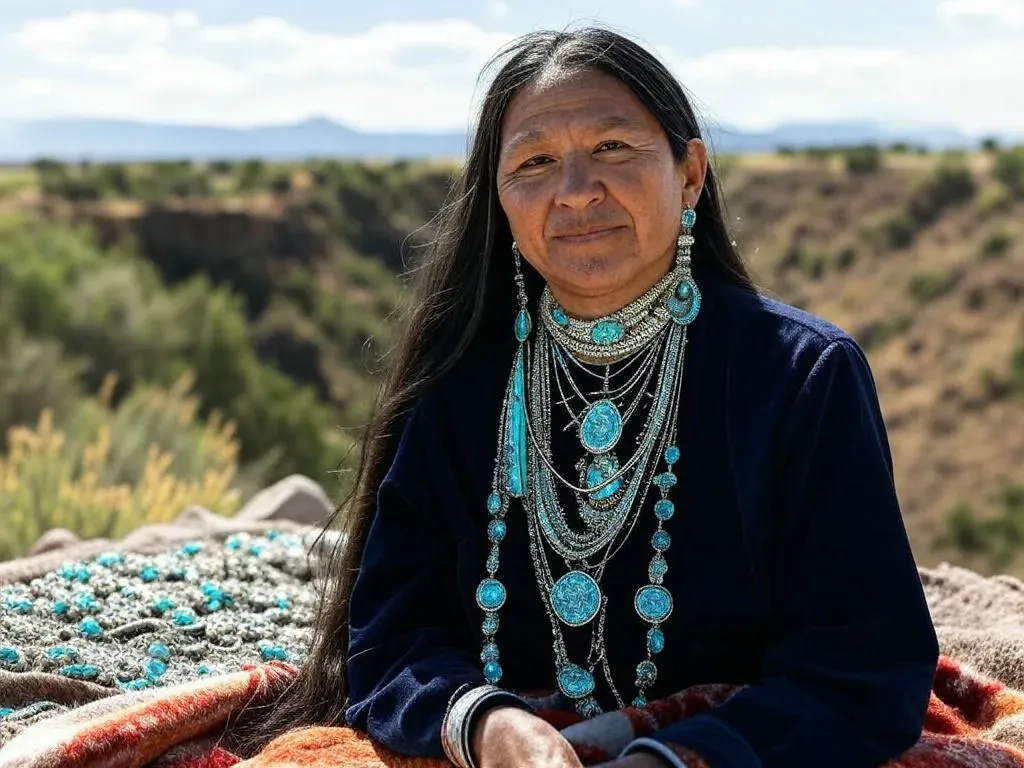
What makes a culture truly resilient? For the Navajo people, the answer lies in their remarkable ability to adapt without losing themselves. Throughout their history, the Navajo have enhanced their culture by learning from others. They adopted flood-plain agriculture and weaving from Pueblo Indians. They learned sheep herding from the Spaniards.
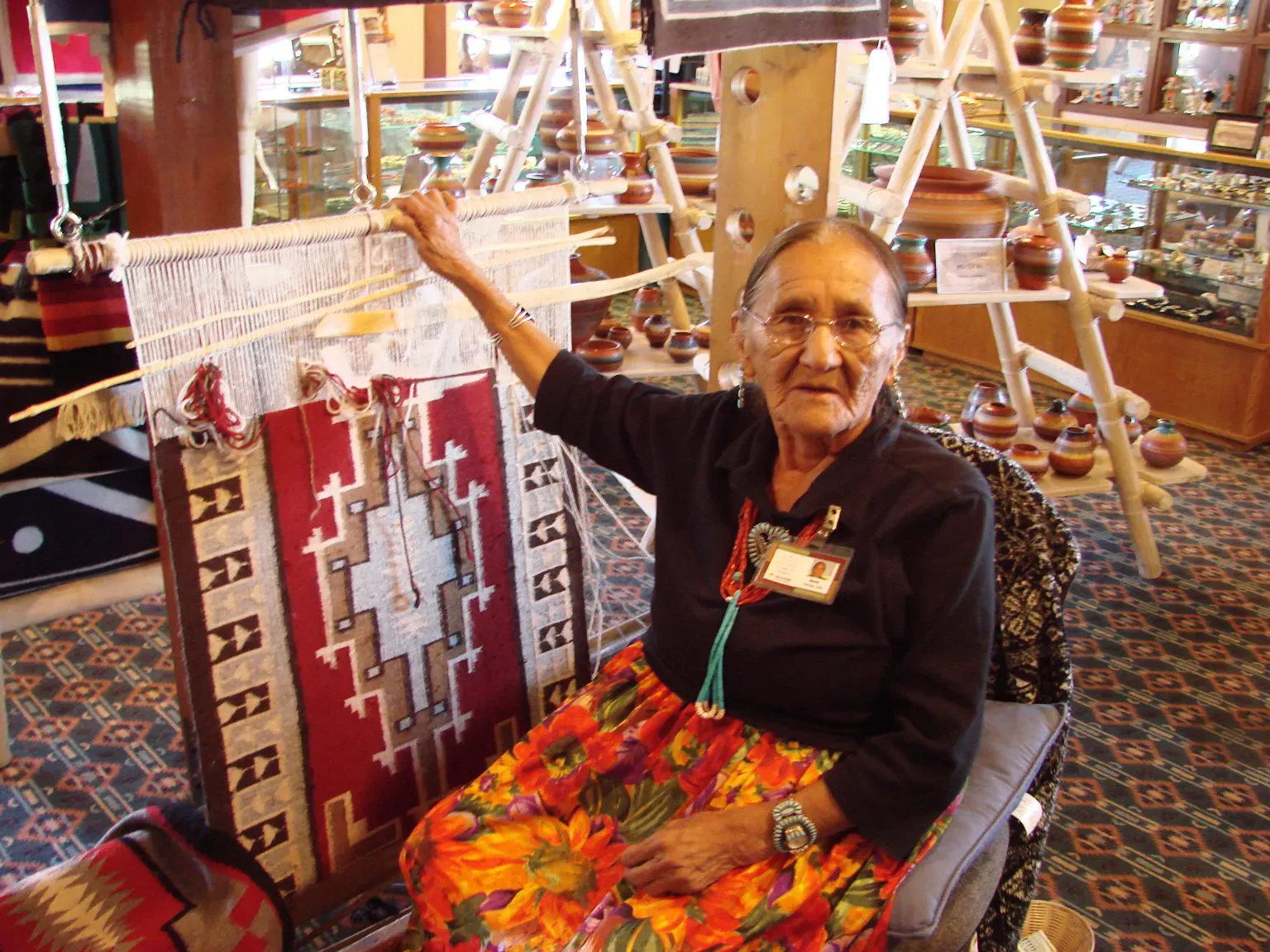
This wasn’t about abandoning who they were. Think of it like updating software while keeping the core operating system intact. Originally hunters and gatherers, the Navajo developed an agricultural economy through contact with their Pueblo neighbors and the Spanish. Sheep became central to Navajo life, not just as food but as a measure of wealth and social standing. Women transformed wool into stunning textiles that told stories through patterns and colors.
Navajos do have an impressive ability to incorporate new elements into their culture, a trait that shows up in their silver work and weaving. For instance, the Navajo squash blossom design, common in jewelry, incorporates a crescent-shaped pendant, an element that had its origin in the Islamic world and arrived with the Spanish. They weren’t simply copying others. They were selectively integrating what worked while maintaining their distinct identity.
This adaptability has been key to the survival of the Navajo Nation. It’s a lesson that extends far beyond one people or one place.
The Foundation of Balance and Harmony
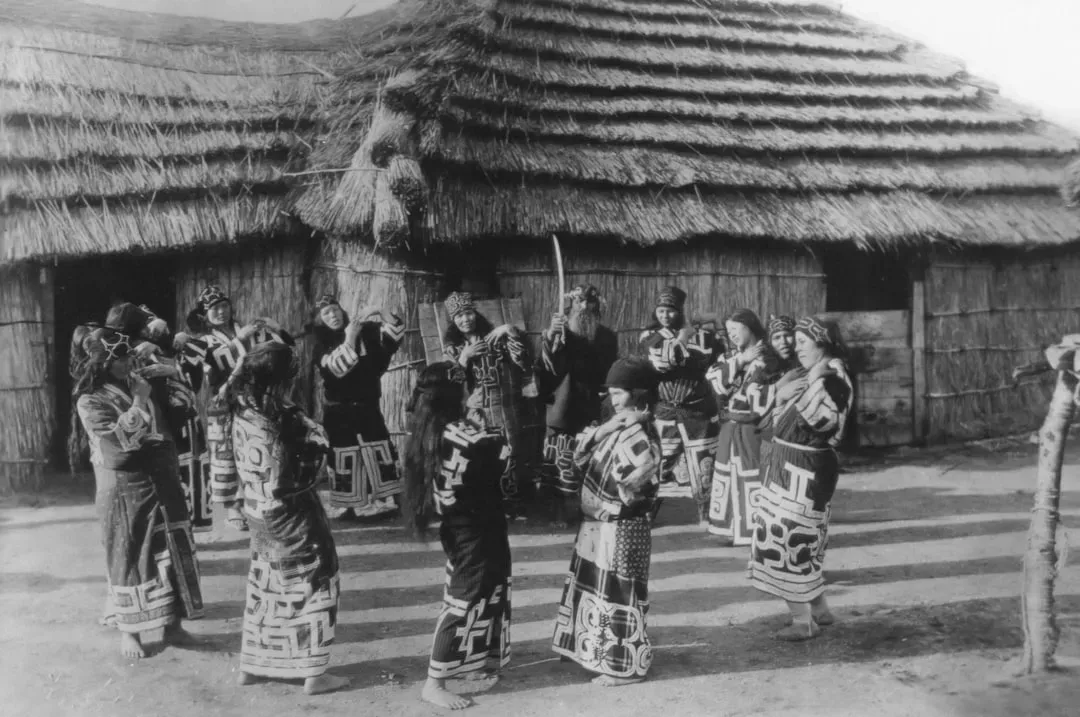
At the heart of Navajo culture lies a concept that explains much about their endurance. Navajo religion explains the universe as ordered, beautiful, and harmonious. Navajo religion emphasizes rituals to restore the harmony, balance, and order expressed by the word “hozho.”
Hózhó isn’t just a word. It’s a philosophy for living. When the world is in a state of hózhó there is no illness or misfortune. However, many things can throw the world out of balance, including ghosts, lightening, snakes, coyotes, and bears. Navajo ceremonies are designed to restore hózhó when this happens.
The Navajos still perform more than fifty healing ceremonies designed to meet particular ritual purposes and keep that important balance in life. Some of the ceremonies include visits to sacred sites in the Grand Canyon. These aren’t relics gathering dust in museums. They’re living practices that connect generations and provide frameworks for dealing with life’s difficulties.
Navajo culture today is a blend of old traditions adapted with new technologies and practices, an adaptability that traces to early times and is reflected in their mythology. This blending is deliberate, thoughtful, and deeply rooted in values that have guided the Diné for centuries.
Rising From the Ashes of Tragedy
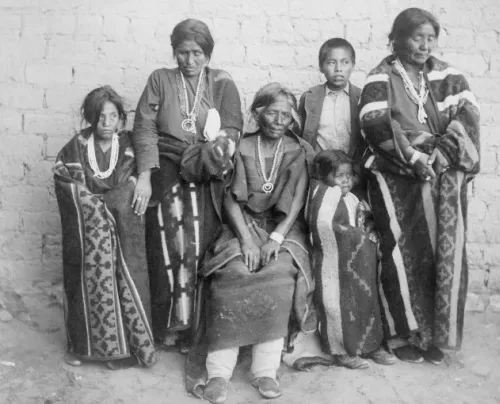
Let’s be honest about something. The Navajo story isn’t all triumph. There’s a chapter so painful that it still reverberates today. In the 1860s, the U.S. government tried to relocate the Navajo, along with the Apache, from their homelands to New Mexico. The Navajo had to walk 250 miles, only to be subjected to an assimilation project. When the government abandoned this human and financial disaster, the few survivors walked back to their homeland. Navajo refer to this tragic episode as the Long Walk.
Roughly 8,000 people were marched to Bosque Redondo in 1864 after a scorched-earth campaign destroyed their crops, homes, and livestock. Many died. Those who survived endured four years of suffering before negotiating their return in 1868.
Despite these challenges, the Navajo people demonstrated remarkable resilience, using the Treaty of 1868 to regain a portion of their ancestral homeland, marking the beginning of their resurgence. Not only did the Navajo recover, but they have thrived in the twentieth century.
How does a people come back from that? Through determination, cultural strength, and an unshakeable connection to their homeland and traditions. Rather than leading to despair, this adversity spurred a remarkable resilience that has become a cornerstone of Navajo identity. After their return to their homeland, the Navajo people faced the challenge of rebuilding their communities while grappling with the psychological scars left by the Long Walk. Community healing became a vital process, as individuals and families sought to reconnect with their cultural roots and restore the bonds that had been fractured during their forced relocation.
The Unbreakable Code That Changed History
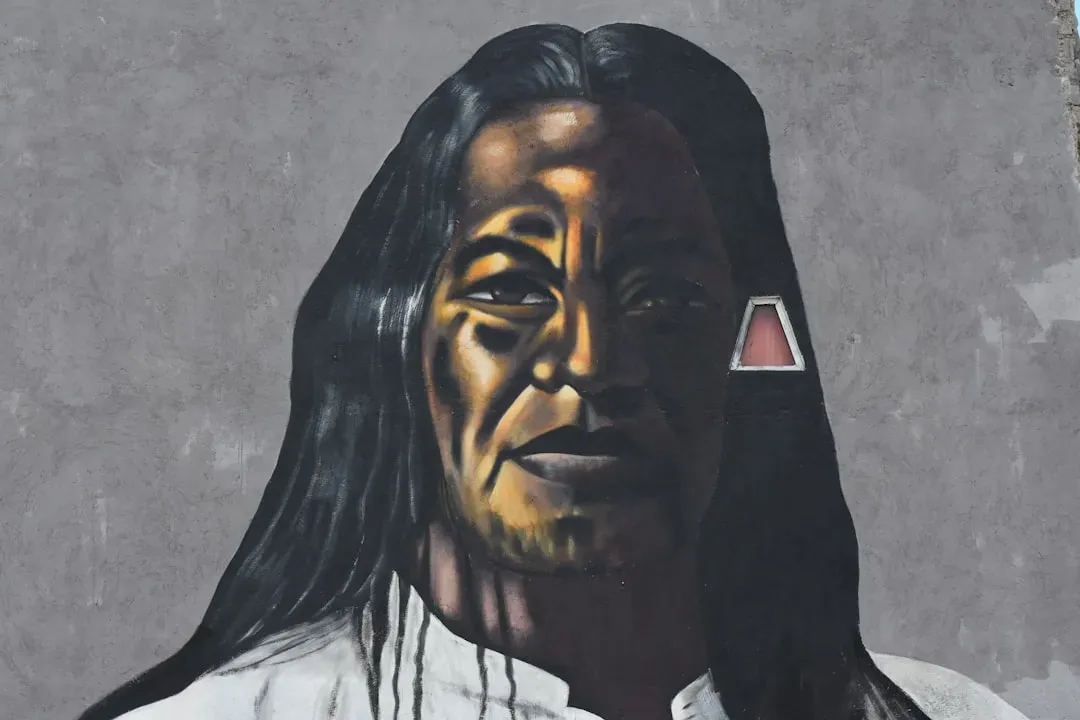
During World War II, something extraordinary happened. The very language that boarding schools had tried to erase became an unbreakable military code. Looking for a code that wouldn’t be broken, the US government enlisted 400 members of the Navajo tribe as frontline radio operators. Because of the complex syntax and grammar, the Navajo language was indecipherable to anyone who didn’t have extensive knowledge of their dialect. Known as the Code Talkers, these Navajo operators saw action in the Pacific Theatre and became essential to turning the tide of the war against the Japanese.
The Navajo code talkers of World War II – Marines who used their native language to foil enemy monitoring of vital communications – played a definitive role in winning the war (and saved countless lives) by maintaining crucial radio contact on the battlefield. It’s hard to overstate the irony. The language they’d been punished for speaking in schools became a strategic weapon that enemies couldn’t crack.
Many Navajo men volunteered for military service in keeping with their warrior culture, and they served in integrated units. This wasn’t just about patriotism. It connected to deeper cultural values of courage, protection, and service to community.
Keeping the Language Alive in a Changing World
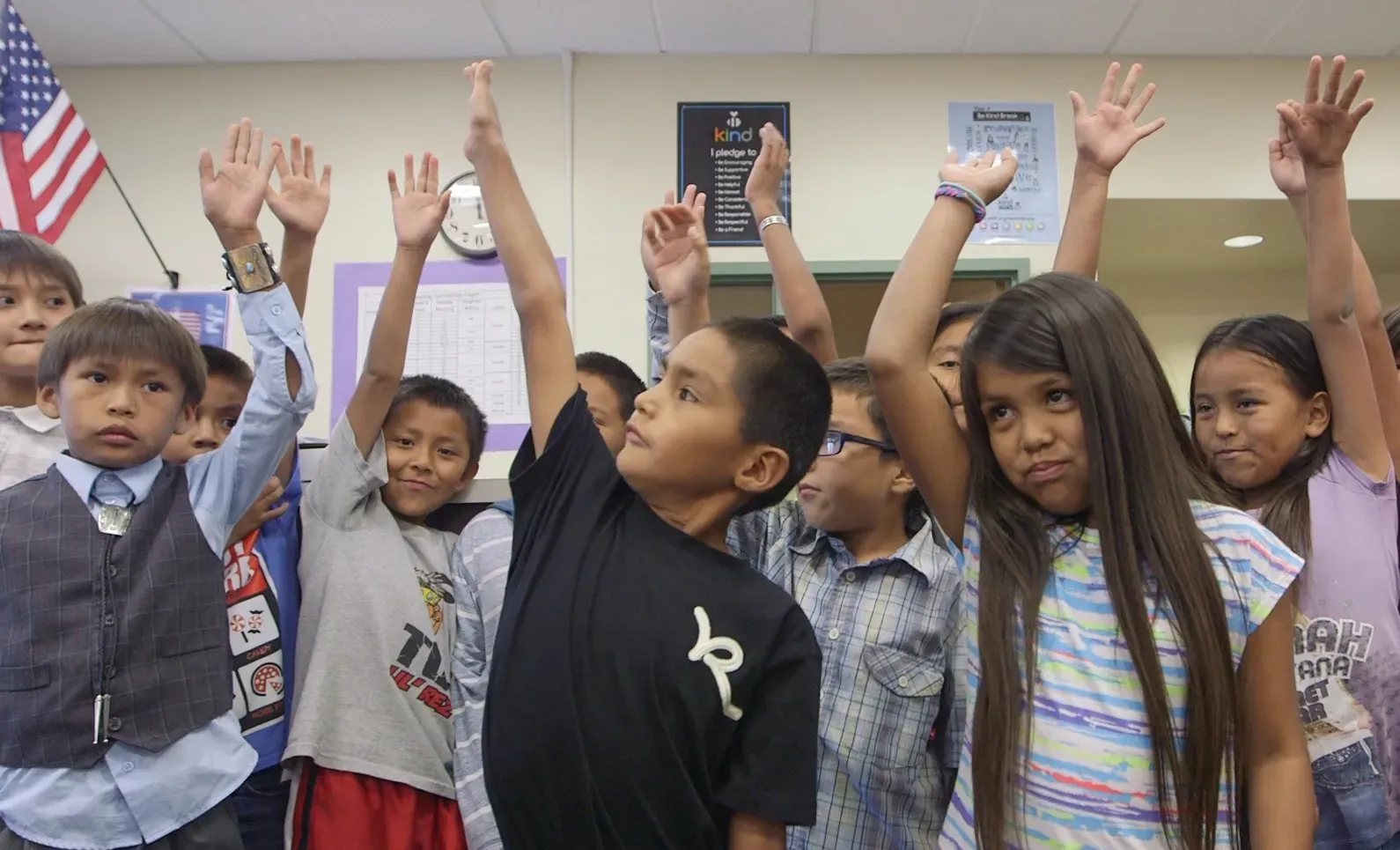
Here’s the thing though. Language preservation faces serious challenges today. In 1970, 95% of Navajo schoolchildren spoke the Navajo language. That number has dropped to just 3%. That’s a staggering decline in just a few generations.
The shift isn’t mysterious. English dominates schools, media, and economic opportunities. Many parents stopped teaching their children Navajo to protect them from the kind of punishment earlier generations faced. Students routinely had their mouths washed out with lye soap as a punishment if they did speak Navajo. Consequently, when these students grew up and had children of their own, they often did not teach them Navajo, in order to prevent them from being punished.
Still, efforts to revitalize the language are gaining momentum. On December 30, 2024, Navajo Nation President Buu Nygren made Navajo the official language of the Navajo Nation by signing legislation. He said, “One of my priorities coming in as President has always been to make sure that we make Navajo cool again.” The Navajo Nation operates Tséhootsooí Diné Bi’ólta’, a Navajo language immersion school for grades K-8 in Fort Defiance, Arizona. Located on the Arizona-New Mexico border in the southeastern quarter of the Navajo Reservation, the school strives to revitalize Navajo among children of the Window Rock Unified School District.
Social media has also become a powerful tool for language revitalization. Many young Navajo speakers utilize platforms like Facebook and Instagram to share content in Navajo, from poetry to everyday conversations. These digital spaces allow for creative expression and encourage the younger generation to engage with the language in a contemporary context.
Sacred Landscapes and Spiritual Geography
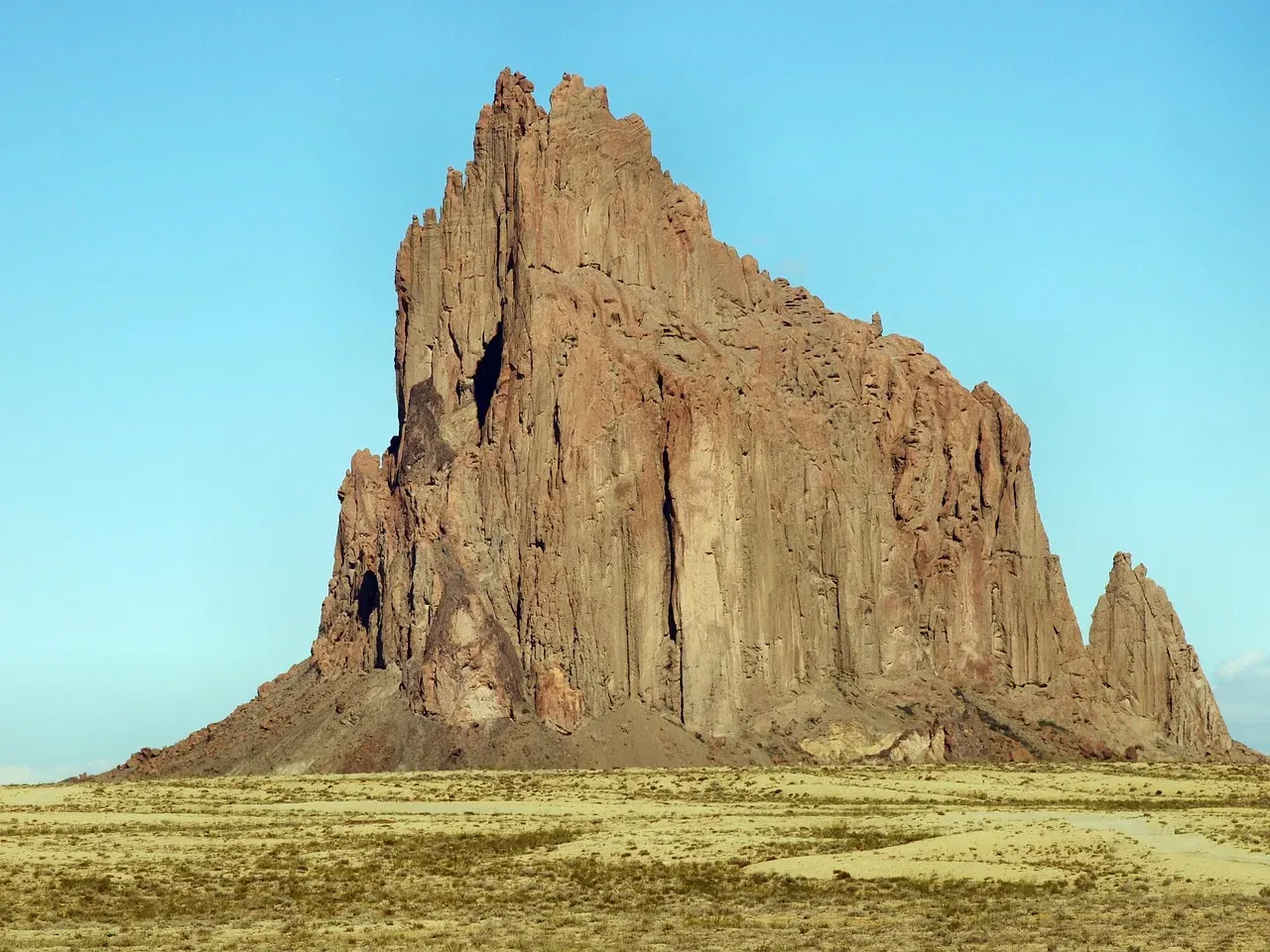
The Navajo relationship with land goes beyond ownership or resources. It’s spiritual, fundamental, woven into every aspect of identity. The Diné believe they passed through four worlds before entering this, the Fifth World. Their ancestral lands are bounded by what often are referred to as the four sacred mountains – to the east, Blanca Peak near Alamosa, Colorado; to the south, Mount Taylor near Grants, New Mexico; to the west, the San Francisco Peaks near Flagstaff, Arizona; and to the north, Mount Hesperus in the La Plata Mountains near Durango, Colorado.
These mountains aren’t just landmarks. The Holy People placed the four sacred mountains here and instructed the Earth People how to live in a way that maintains harmony and balance. They define the boundaries of the Navajo world and anchor their sense of place.
The Navajo religion is integrally related to the land they’d inhabit. This creates both strength and vulnerability. When forced from their land during the Long Walk, the cultural and spiritual devastation went hand-in-hand with physical suffering. Conversely, returning to their homeland allowed not just physical survival but cultural and spiritual renewal.
Poor forest management would endanger Navajo culture, which is rooted in the sublime beauty of the Navajo land. Traditional Navajos have a deep spiritual bond with the forest and view the natural environment as provider and parent. The land isn’t separate from culture. It’s the foundation upon which everything else rests.
Governance That Blends Old and New
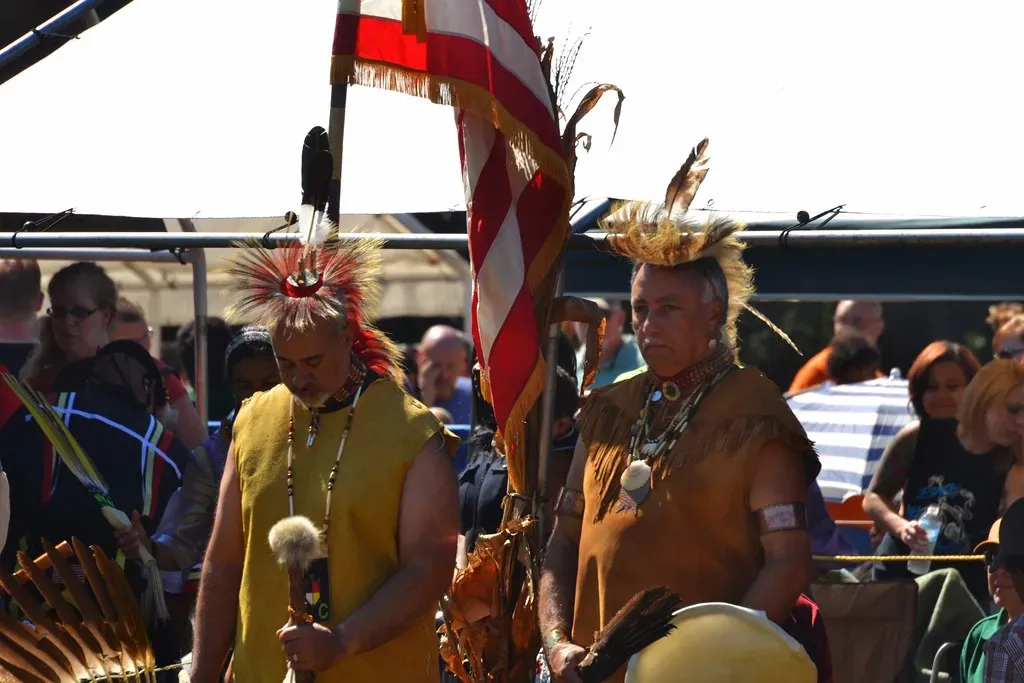
Until the 1850s, the Navajo were independent of colonial, political, and missionary controls. They maintained an informal, decentralized political, social, and economic system centered on local land-use groups organized around clan, domestic, and genealogical affiliations. There was no central tribal government in the way we think of it today.
That changed with external pressures. With the discovery of oil on Navajo land in 1922, non-Navajo companies needed local authorities with whom they could negotiate contracts. In 1923, the U.S. government appointed three Navajo men as a business council to deal with lease grants, and in 1938 instigated the formation of the Navajo Tribal Council.
What’s fascinating is how the Navajo transformed this imposed structure. The council was re-organized in 1991 into a three-branch government – executive, legislative and judicial – patterned after the U.S. Government. Yet it operates within a framework of traditional values. Council sessions often begin with prayers. Environmental policies reflect teachings about stewardship. The presidential seal displays the four sacred mountains.
The Navajo people have continued to transform their conceptual understandings of government since signing the Treaty of 1868. Social, cultural, and political academics continue to debate the nature of modern Navajo governance and how it has evolved to include the systems and economies of the “western world”. It’s an ongoing negotiation between tradition and modernity, one that the Navajo approach with intentionality.
Modern Challenges and Enduring Strength
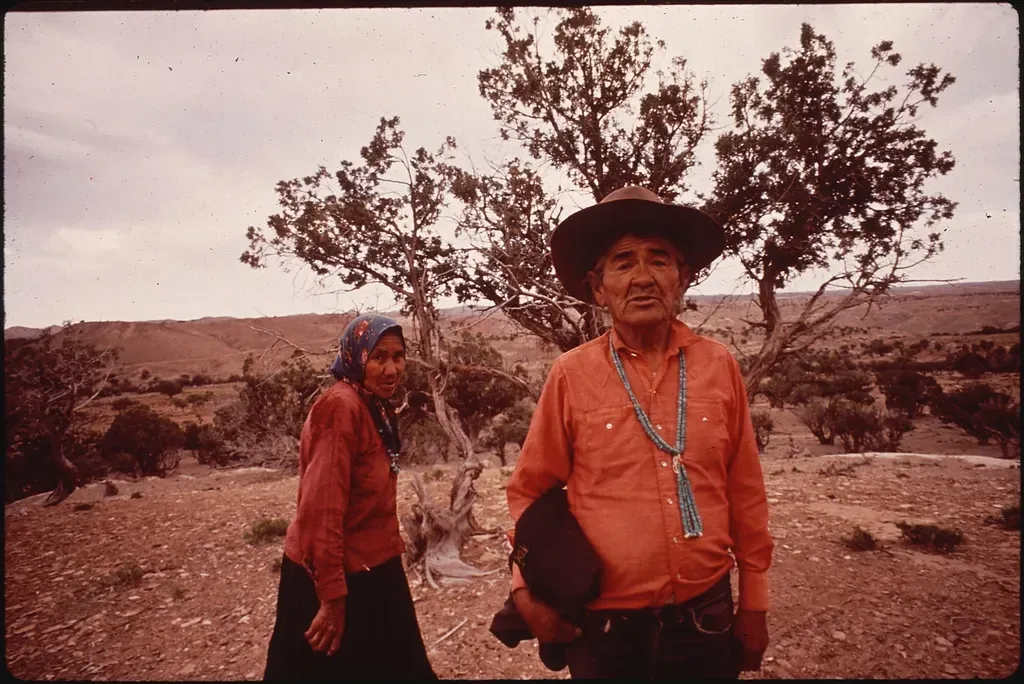
The Navajo Nation Reservation is the largest in the United States, covering 16 million acres across New Mexico, Arizona, and Utah. Yet size doesn’t automatically translate to prosperity or solving all problems. The Nation faces significant contemporary challenges.
Despite its significant achievements, the Navajo Nation continues to face numerous challenges, including poverty, health disparities, and access to education. The legacy of historical injustices has left a lasting impact on the community, necessitating ongoing efforts to address these issues.
Water rights remain a critical issue. Infrastructure gaps persist. Economic development must balance job creation with environmental protection and cultural preservation. These aren’t simple problems with easy solutions.
In the early 21st century many Navajo continued to live a predominantly traditional lifestyle, speaking the Navajo language, practicing the religion, and organizing through traditional forms of social structure. Navajo men and women also continued the tradition of volunteering for the armed services at a high rate, perhaps as an expression of a cultural ethic that emphasizes both personal competence and community. In maintaining these disparate traditions, the Navajo have been cultural innovators.
The ability to hold seemingly contradictory things in balance might be the Navajo’s greatest strength. Traditional ceremonies and smartphone apps. Sheep herding and solar energy projects. Ancient languages and modern governance. What’s remarkable is how these challenges are met with solutions that blend traditional wisdom with modern expertise. When the Nation develops solar projects, they’re planned with traditional land-use principles in mind. When language preservation programs use smartphone apps, they’re connecting ancient words with new technology.
Conclusion
The Navajo Nation’s endurance comes from something deeper than geography or population size. It flows from a worldview that values balance, a culture flexible enough to adopt what works while protecting what matters, and a fierce commitment to identity that has weathered centuries of pressure.
The history and culture of the Navajo people offer profound lessons about resilience, adaptation, and the importance of maintaining cultural identity in the face of overwhelming challenges. From their ancestral migration to their current status as the largest reservation-based Native American nation, the Diné have demonstrated remarkable strength and creativity. Their story is not one of passive victimhood or tragic decline, but rather of active resistance, strategic adaptation, and cultural persistence. Despite colonization, forced relocation, cultural suppression, and ongoing economic challenges, the Navajo people have maintained their language, spiritual practices, artistic traditions, and sense of identity.
They’ve survived what should have destroyed them. They’ve adapted without surrendering their core. They continue to evolve while staying rooted in traditions that connect them to ancestors and guide them toward the future. That’s not just survival. It’s a masterclass in cultural endurance.
What would it mean for all of us to approach change the way the Navajo have – with flexibility and firm foundations, innovation and tradition, looking forward while honoring what came before? It’s worth thinking about.

- 10 Remarkable Facts About the African Cheetah: The Lightning of the Grasslands - July 29, 2026
- 10 Most Heroic Horses in History - July 29, 2026
- Why You Should Never Play Dead When Attacked by a Black Bear - July 29, 2026