
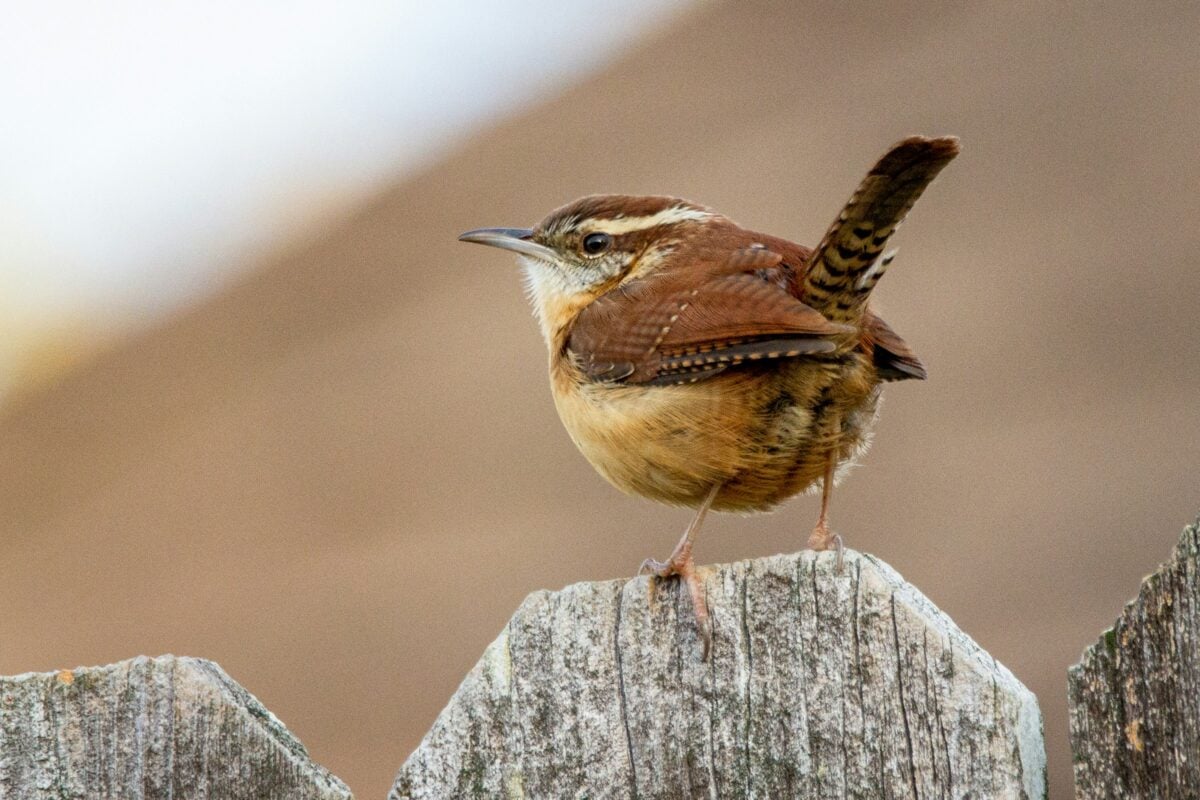
The Carolina Wren, a small yet remarkably resilient bird, has captivated backyard birdwatchers with its vibrant presence and melodious songs. Despite their diminutive size, these birds exhibit a series of fascinating traits that underscore their adaptability and survival skills. Here are 12 amazing facts about Carolina Wrens that highlight their status as backyard survivors.
1. A Vocal Powerhouse
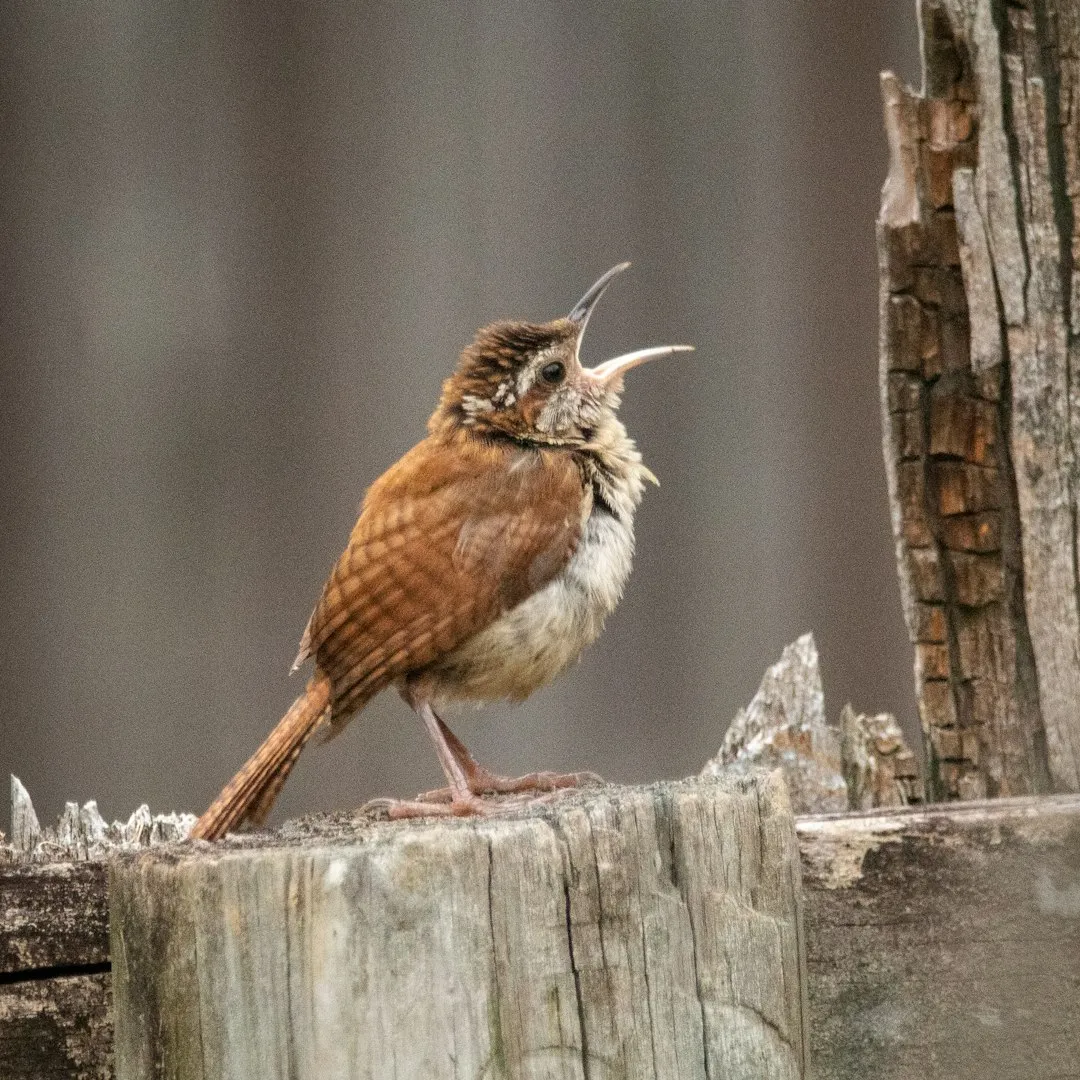
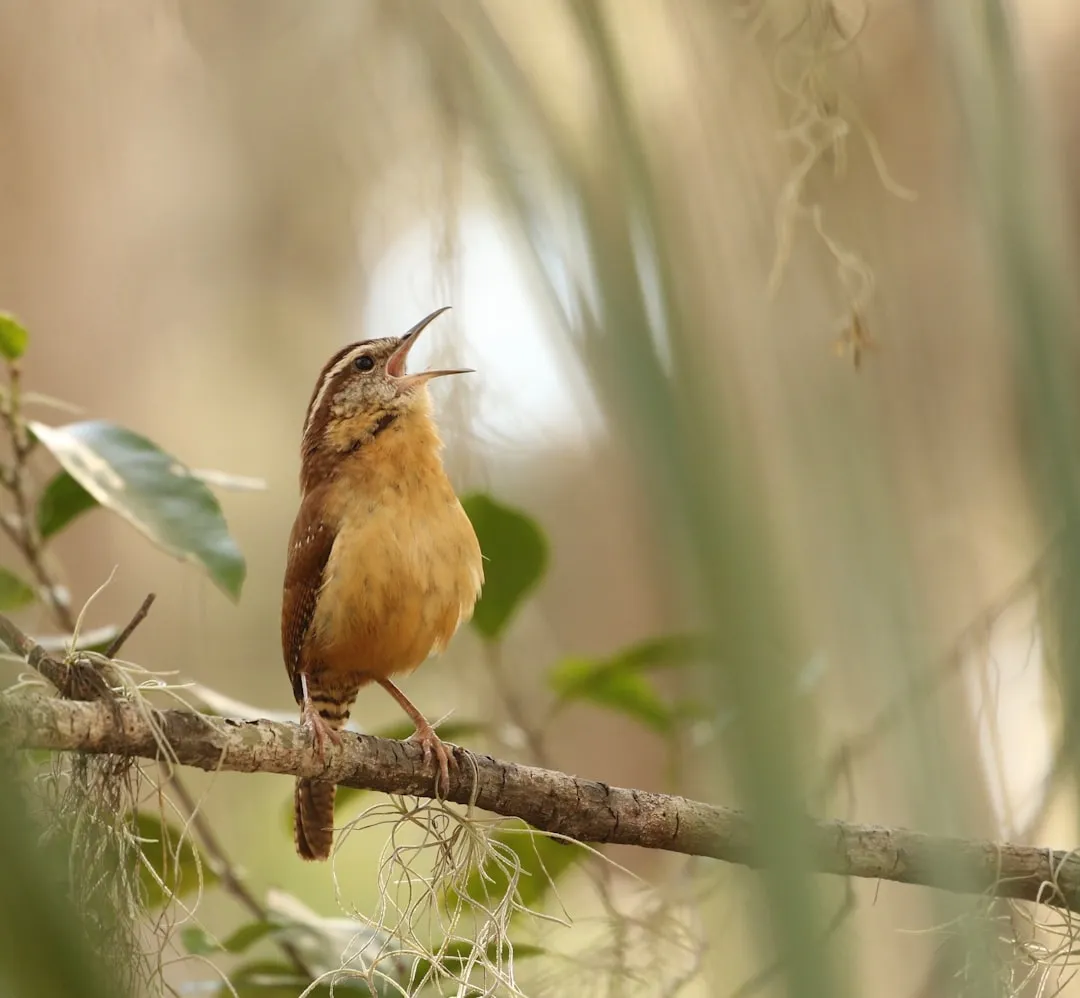
Carolina Wrens are renowned for their loud and distinctive songs, often described as a clear “tea-kettle, tea-kettle, tea-kettle” melody. Remarkably, only the males sing, and they can produce a repertoire of at least 20 different song patterns. In captivity, a male Carolina Wren was recorded singing nearly 3,000 times in a single day, showcasing their extraordinary vocal stamina. ([allaboutbirds.org](https://www.allaboutbirds.org/guide/Carolina_Wren/overview?utm_source=openai))
2. Year-Round Residents
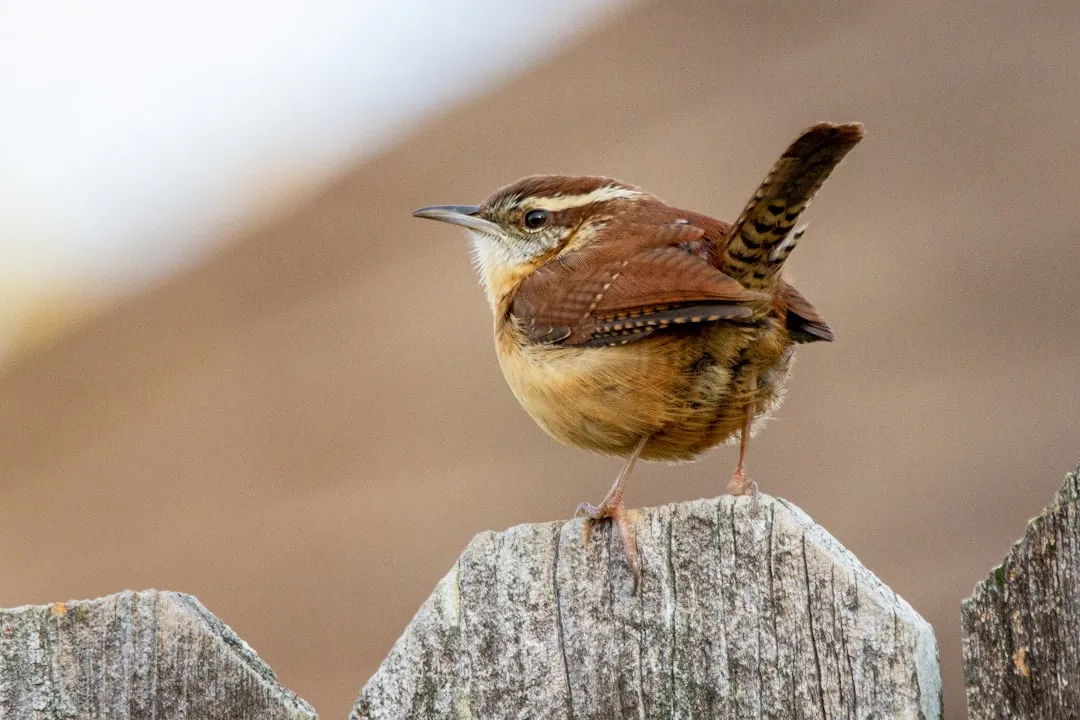
Unlike many bird species that migrate seasonally, Carolina Wrens are permanent residents throughout their range. They maintain their territories year-round, enduring various weather conditions. However, severe winters can impact their populations, especially in the northern parts of their range, leading to temporary declines. ([allaboutbirds.org](https://www.allaboutbirds.org/guide/Carolina_Wren/overview?utm_source=openai))
3. Monogamous and Loyal
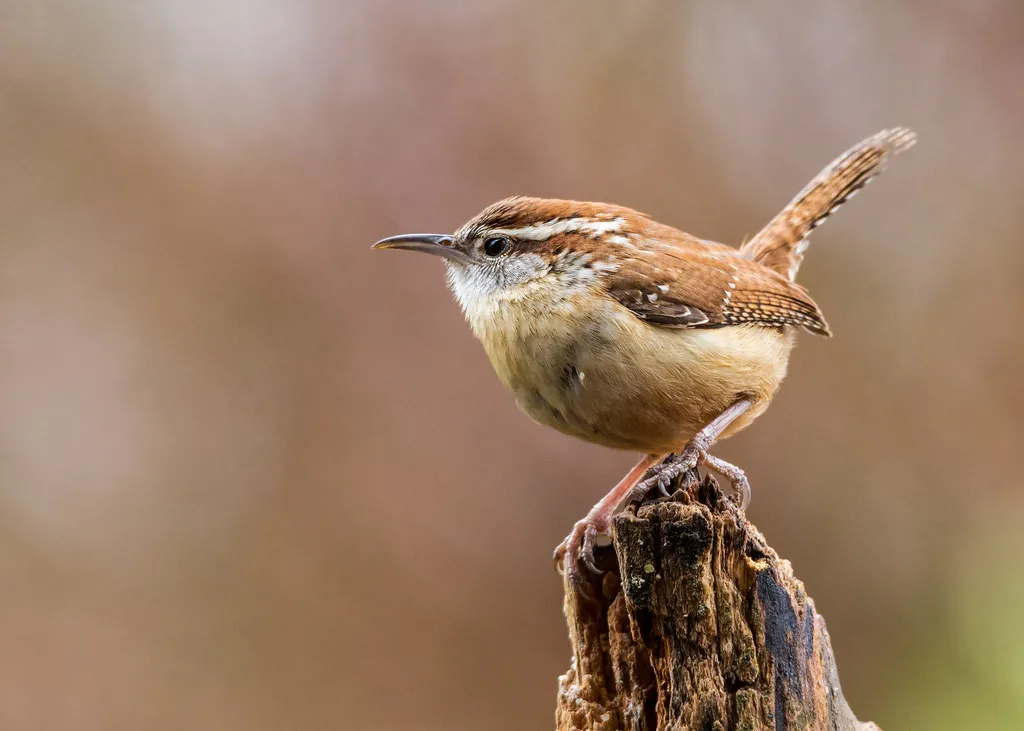
These wrens form monogamous pairs that often last a lifetime. Once a pair bond is established, the duo remains together, defending their territory and foraging side by side. This strong partnership enhances their survival, as both birds contribute to nest building, incubation, and feeding their young. ([allaboutbirds.org](https://www.allaboutbirds.org/guide/Carolina_Wren/overview?utm_source=openai))
4. Ingenious Nest Builders
Carolina Wrens exhibit remarkable creativity in selecting nesting sites. They often choose unconventional locations, such as mailboxes, flower pots, hanging plants, and even old boots. Their nests are typically dome-shaped with a side entrance, constructed from twigs, leaves, and lined with softer materials like moss and feathers. ([allaboutbirds.org](https://www.allaboutbirds.org/guide/Carolina_Wren/overview?utm_source=openai))
5. Diverse Diet
Primarily insectivorous, Carolina Wrens feed on a variety of insects and spiders, including beetles, caterpillars, and grasshoppers. They also consume small amounts of fruits and seeds, especially during winter months when insects are scarce. This dietary flexibility aids their survival across different habitats and seasons. ([allaboutbirds.org](https://www.allaboutbirds.org/guide/Carolina_Wren/overview?utm_source=openai))
6. Adaptable Habitat Preferences
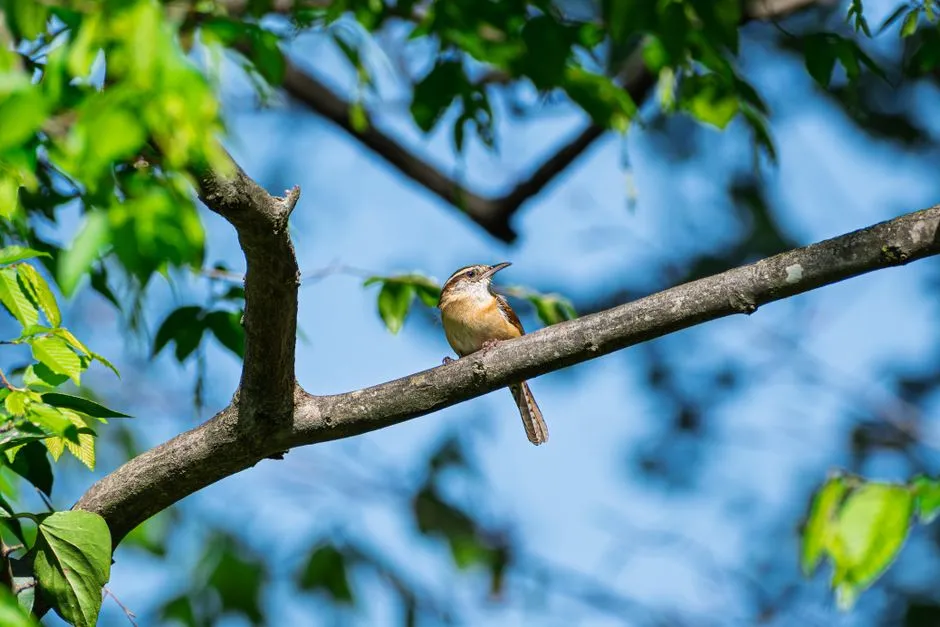
These birds thrive in a range of environments, from dense forests and swamps to suburban gardens and parks. They favor areas with ample underbrush and tangled vegetation, providing both food sources and shelter from predators. Their adaptability to human-altered landscapes has contributed to their widespread presence. ([allaboutbirds.org](https://www.allaboutbirds.org/guide/Carolina_Wren/overview?utm_source=openai))
7. Territorial Defenders
Carolina Wrens are known for their strong territorial instincts. Both males and females actively defend their territory against intruders, often engaging in loud vocalizations and displays to ward off other birds. This behavior ensures access to resources and suitable nesting sites within their domain. ([allaboutbirds.org](https://www.allaboutbirds.org/guide/Carolina_Wren/overview?utm_source=openai))
8. Resilience to Habitat Changes
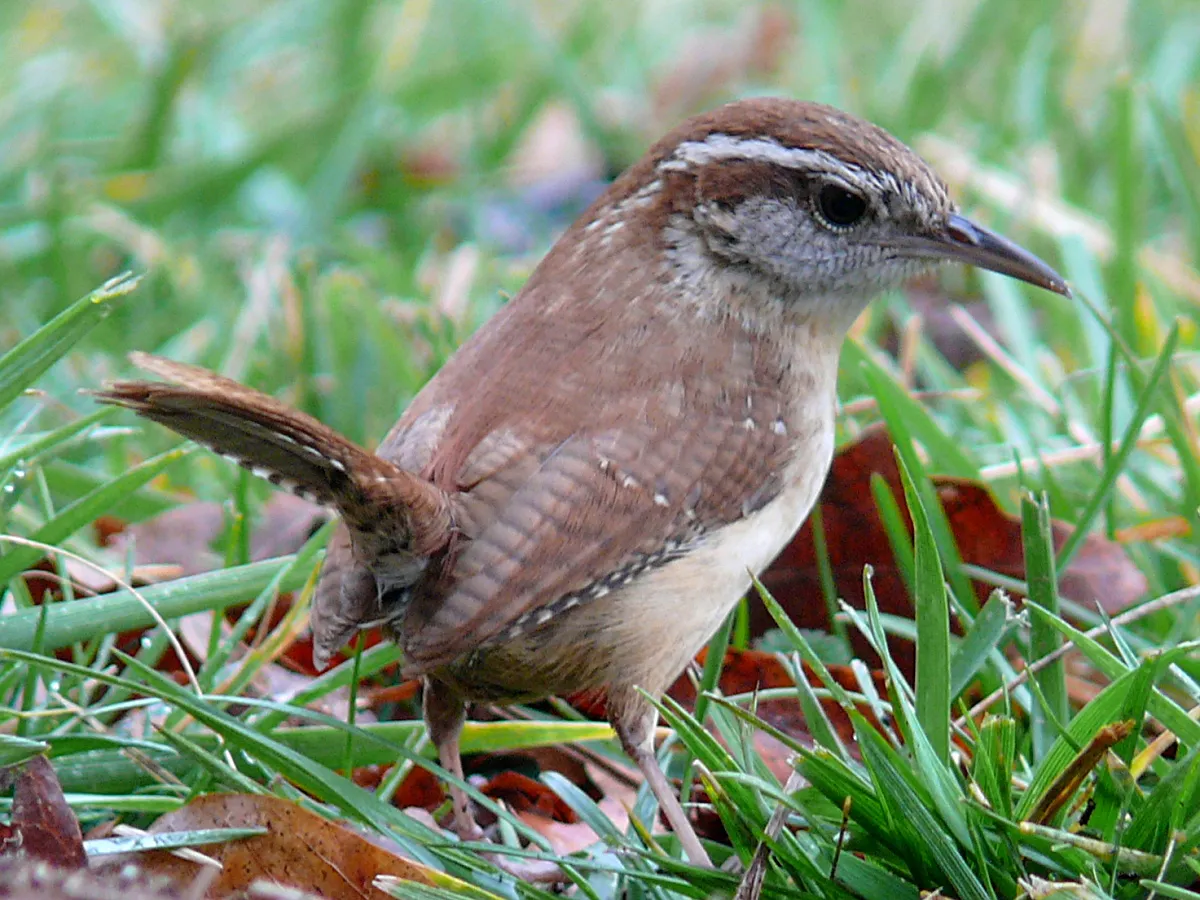
Despite habitat fragmentation and urbanization, Carolina Wrens have demonstrated remarkable resilience. They readily adapt to suburban and urban environments, often nesting in human-made structures and utilizing backyard feeders. This adaptability has allowed their populations to remain stable or even increase in certain areas. ([allaboutbirds.org](https://www.allaboutbirds.org/guide/Carolina_Wren/overview?utm_source=openai))
9. Sensitivity to Cold Weather
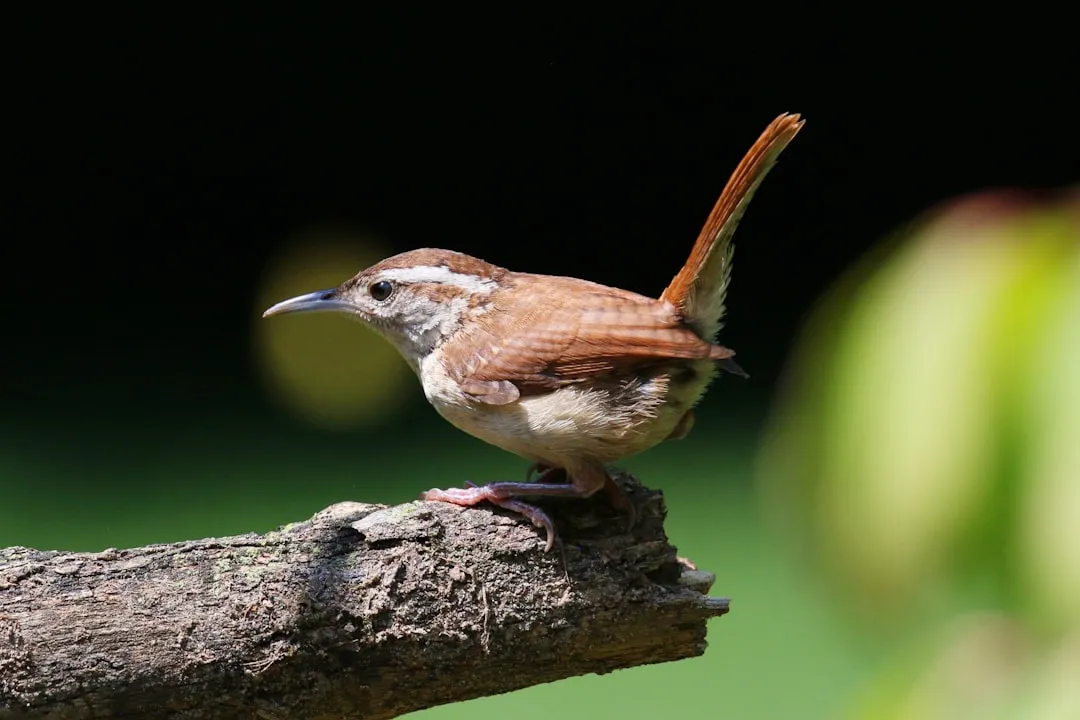
While they are hardy birds, Carolina Wrens are sensitive to prolonged cold weather. Severe winters with heavy snowfall can lead to significant mortality, particularly in the northern parts of their range. However, their populations often rebound quickly during milder seasons, showcasing their resilience. ([allaboutbirds.org](https://www.allaboutbirds.org/guide/Carolina_Wren/overview?utm_source=openai))
10. Rapid Reproduction
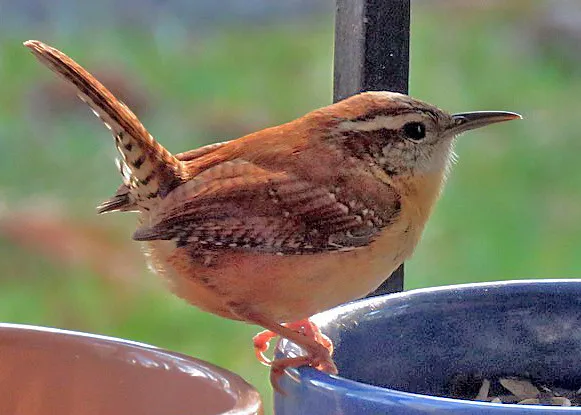
To offset potential losses from harsh conditions, Carolina Wrens have a high reproductive rate. They can raise multiple broods per year, with each clutch consisting of 3 to 7 eggs. This prolific breeding strategy helps maintain their population numbers despite environmental challenges. ([allaboutbirds.org](https://www.allaboutbirds.org/guide/Carolina_Wren/overview?utm_source=openai))
11. Distinctive Appearance
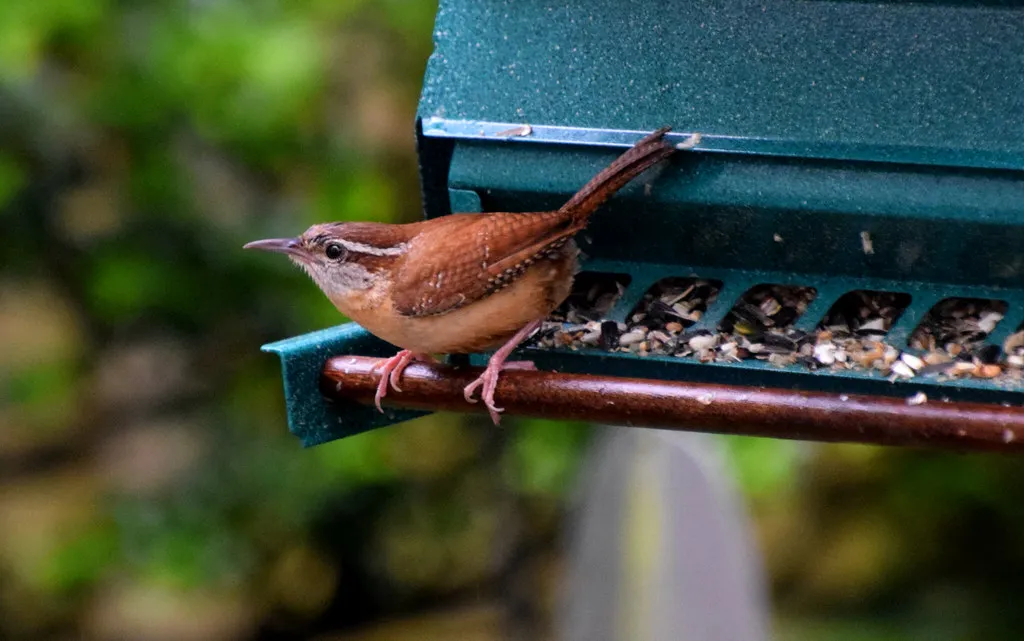
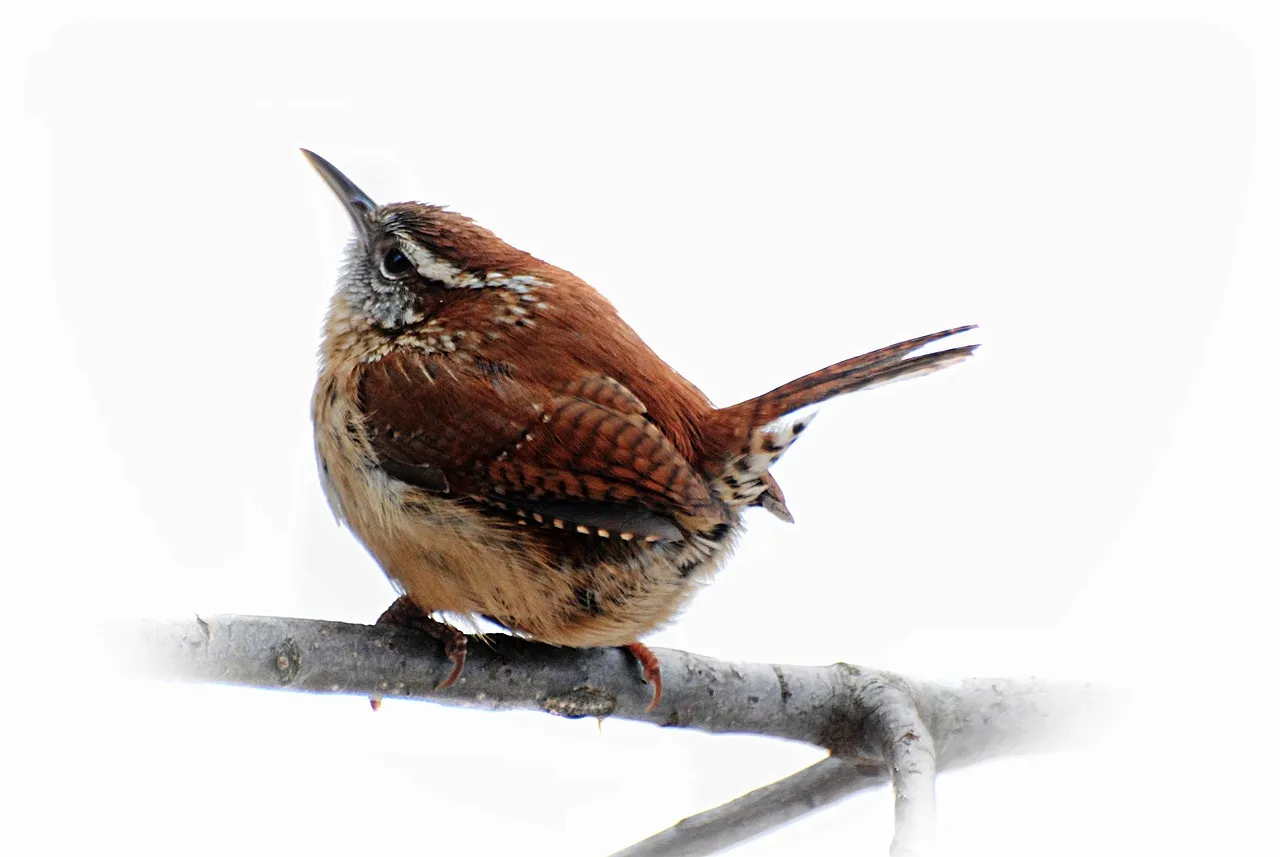
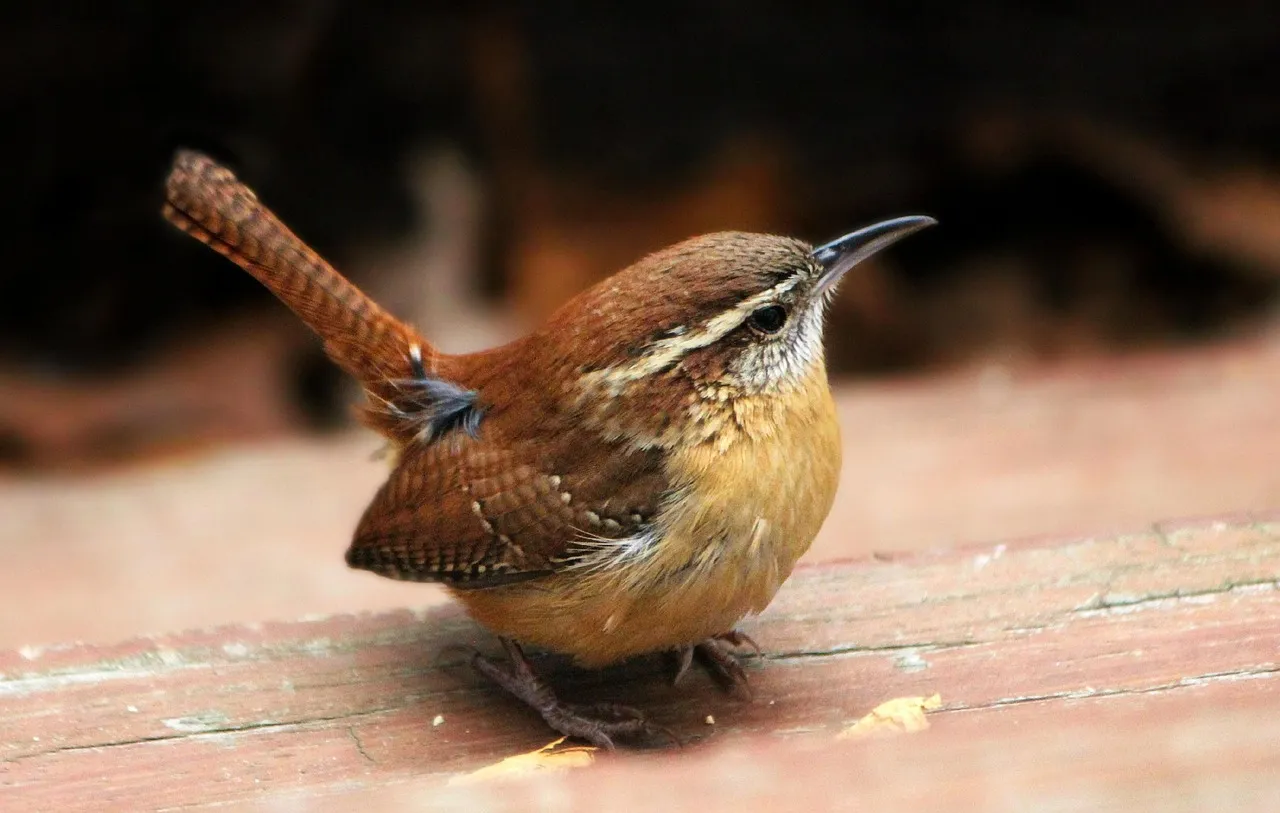
Carolina Wrens are easily recognizable by their rich reddish-brown upperparts, warm buff underparts, and a prominent white eyebrow stripe. Their slightly down-curved bill and upright tail posture add to their distinctive look, making them a favorite among bird enthusiasts. ([allaboutbirds.org](https://www.allaboutbirds.org/guide/Carolina_Wren/overview?utm_source=openai))
12. State Symbol
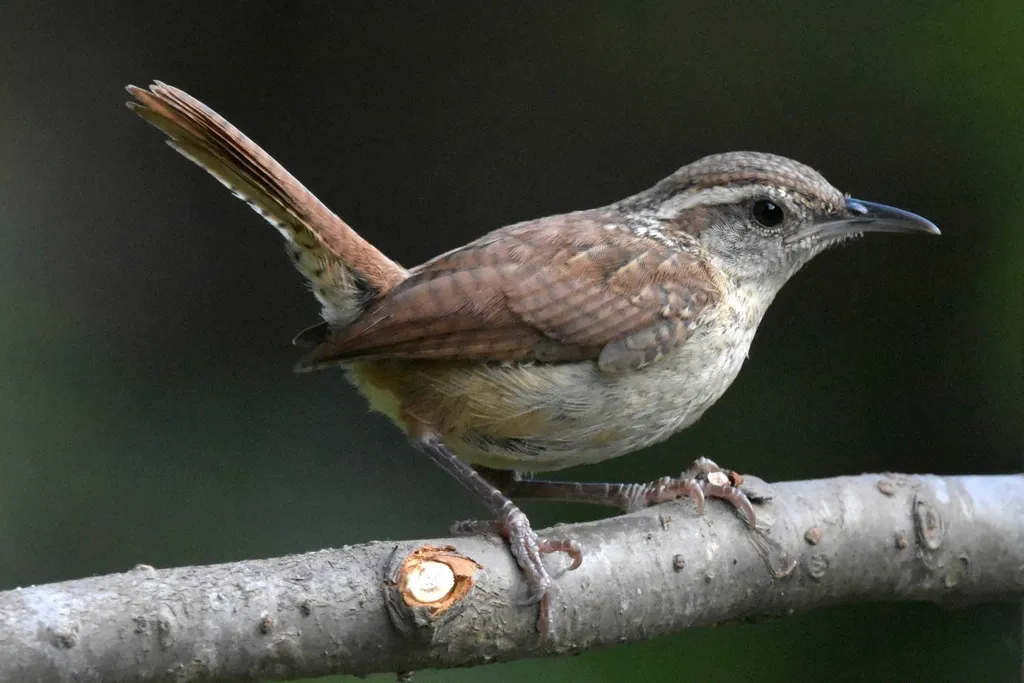
The Carolina Wren holds the honor of being the state bird of South Carolina. This designation reflects the bird’s prominence and cultural significance in the region, symbolizing the charm and resilience of the state’s natural heritage. ([en.wikipedia.org](https://en.wikipedia.org/wiki/Carolina_wren?utm_source=openai))
In conclusion, the Carolina Wren exemplifies the remarkable adaptability and resilience of nature’s creatures. Their ability to thrive in diverse environments, coupled with their endearing behaviors and melodious songs, makes them a cherished presence in many backyards. Observing these birds offers a daily reminder of the wonders of wildlife and the importance of preserving natural habitats.
