

They Walked the Earth Alongside Dinosaurs
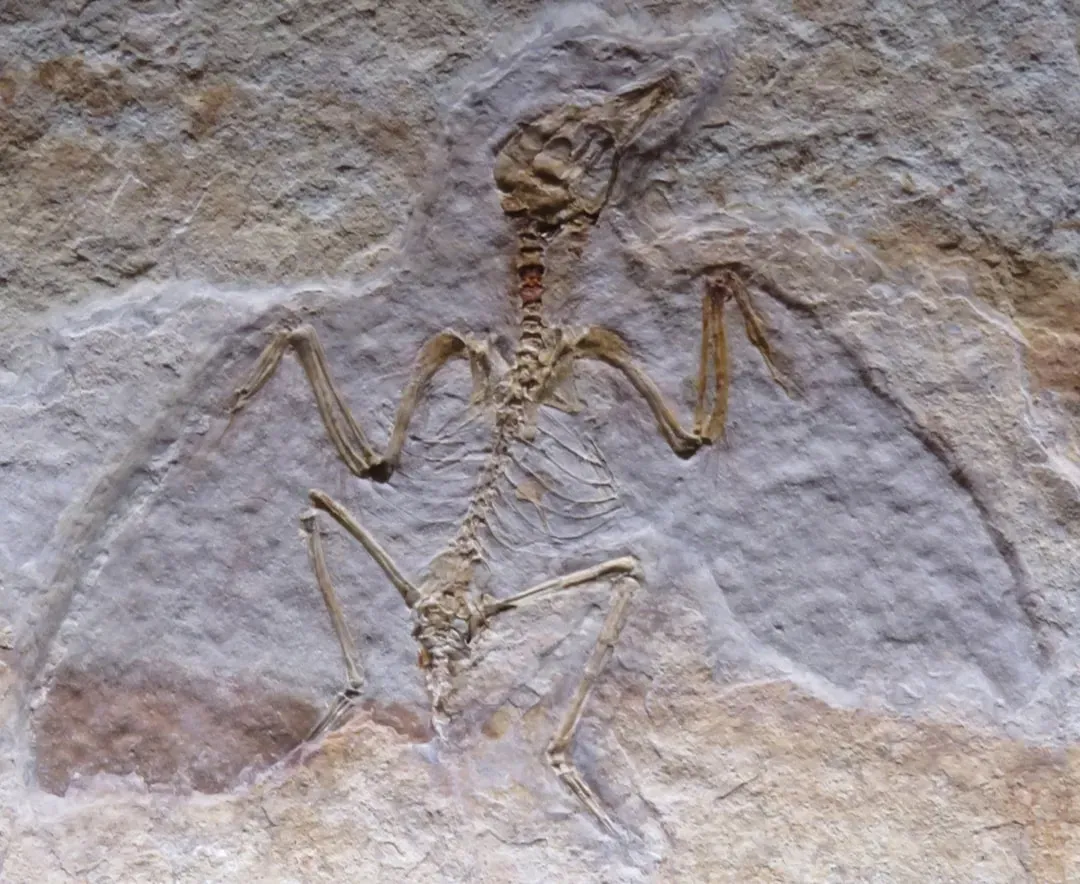
Opossums belong to a lineage that stretches back more than seventy million years. Fossil evidence shows their ancient relatives shared the planet with dinosaurs, and they have changed remarkably little since then. This long history marks them as true living fossils among mammals.
Their survival through mass extinctions and climate swings highlights an unmatched resilience. While many other species vanished, opossums adapted their habits and diet without major overhauls. Today they continue that same steady presence in a world far different from the one their ancestors knew.
They Are North America’s Only Native Marsupial
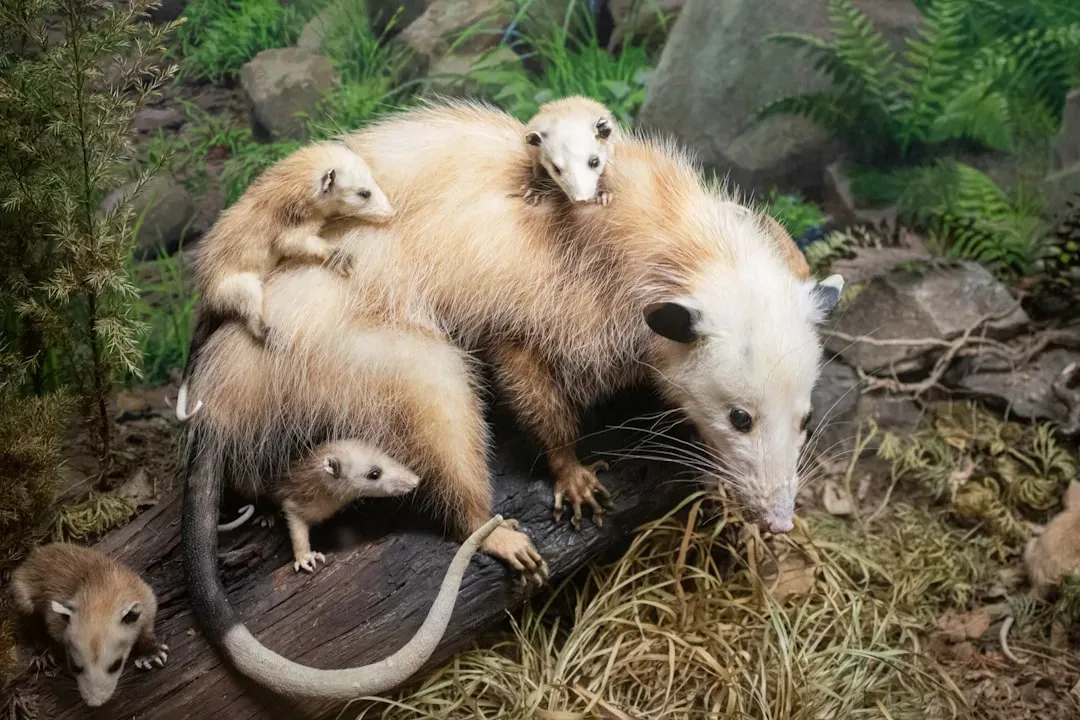
Unlike most mammals that give birth to developed young, opossums carry their offspring in a pouch like kangaroos. The tiny newborns, no bigger than honeybees, must crawl into the pouch on their own shortly after birth. Only those that reach a nipple survive the early weeks.
This reproductive strategy allows mothers to produce large litters while keeping the young protected during their most vulnerable stage. It has served the species well across changing landscapes. The pouch also lets females remain mobile even while nursing.
They Boast More Teeth Than Any Other North American Land Mammal
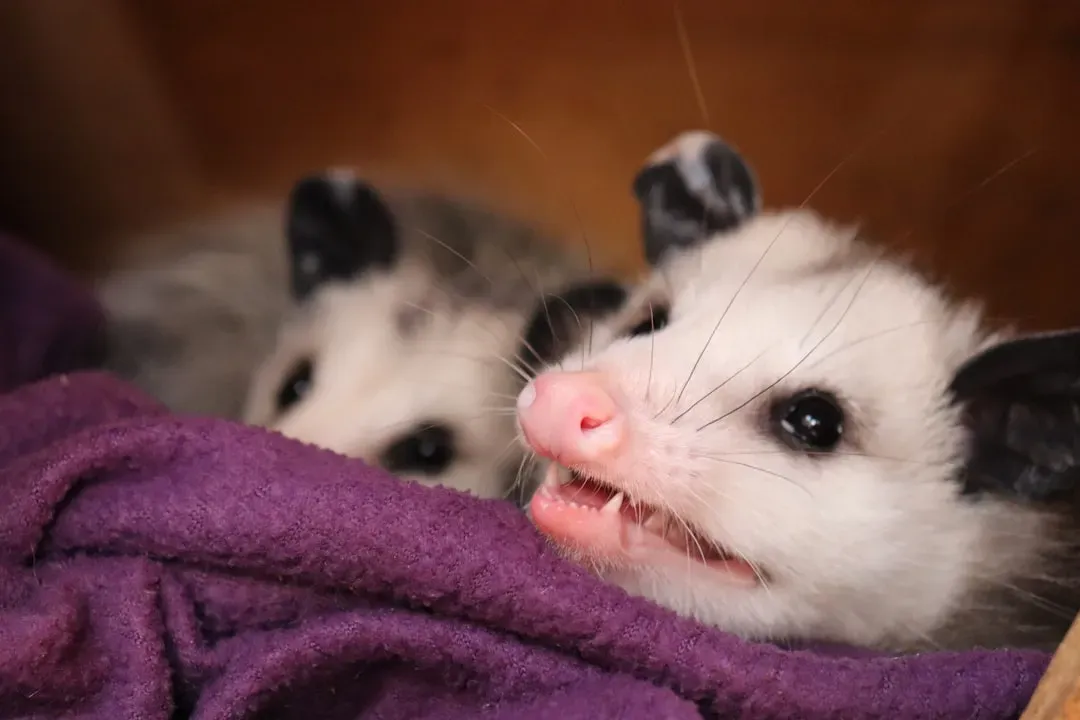
An adult opossum carries fifty teeth in its mouth. That total exceeds what any other land mammal native to the continent possesses. The extra teeth support their broad, opportunistic diet.
With such a dental toolkit they can handle everything from tough insects to soft fruit and small bones. The arrangement reflects a generalist approach that has helped them endure food shortages. Few animals match this sheer number of chewing tools.
They Perform a Convincing “Play Dead” Act
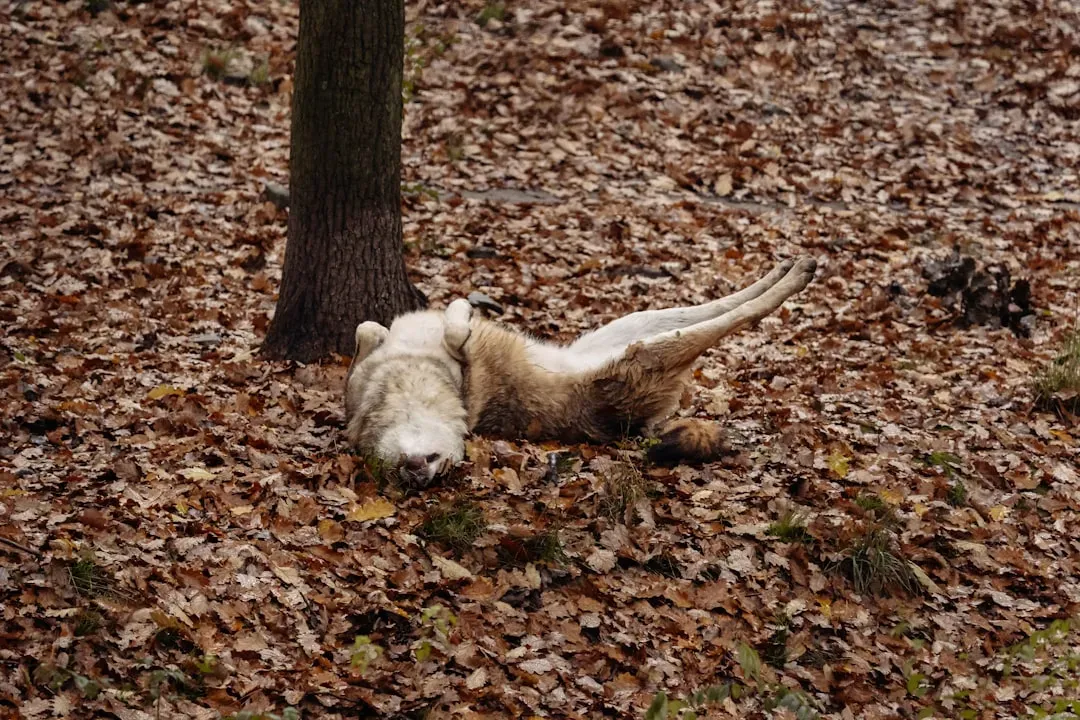
When cornered, an opossum can enter a state called thanatosis. Its body goes limp, its breathing slows dramatically, and it may even drool or release a foul odor. Predators often lose interest in what appears to be a carcass.
The response is involuntary rather than a conscious choice. It buys precious time until the threat moves on. This defense has kept countless individuals alive in dangerous encounters.
Their Low Body Temperature Shields Them From Rabies
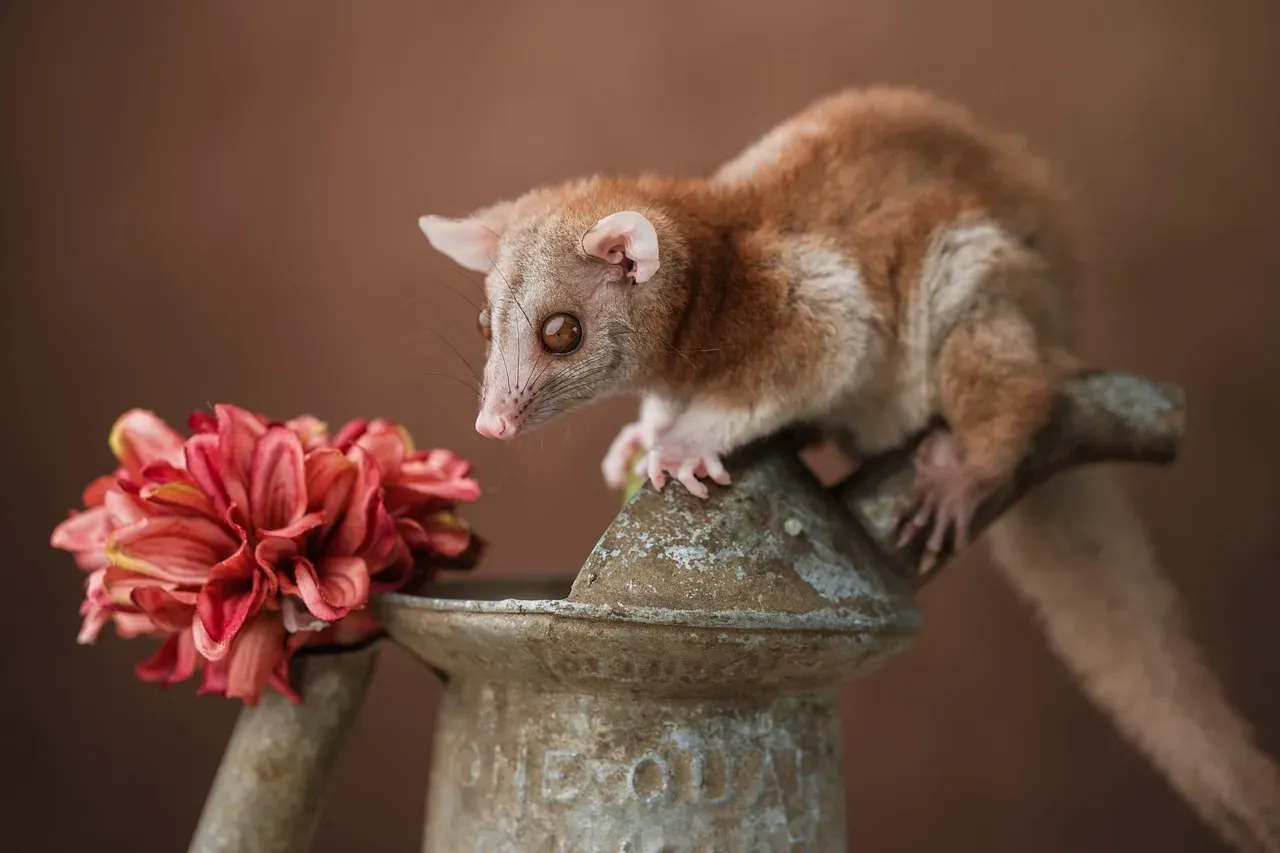
Opossums maintain a body temperature several degrees lower than most mammals. The rabies virus struggles to survive in such conditions. As a result, documented cases of rabid opossums remain extremely rare.
This natural barrier reduces one major health risk both for the animals and for any humans or pets that encounter them. It stands as one more built-in advantage in their survival kit. The trait has persisted across generations without any need for behavioral change.
They Show Resistance to Certain Snake Venoms
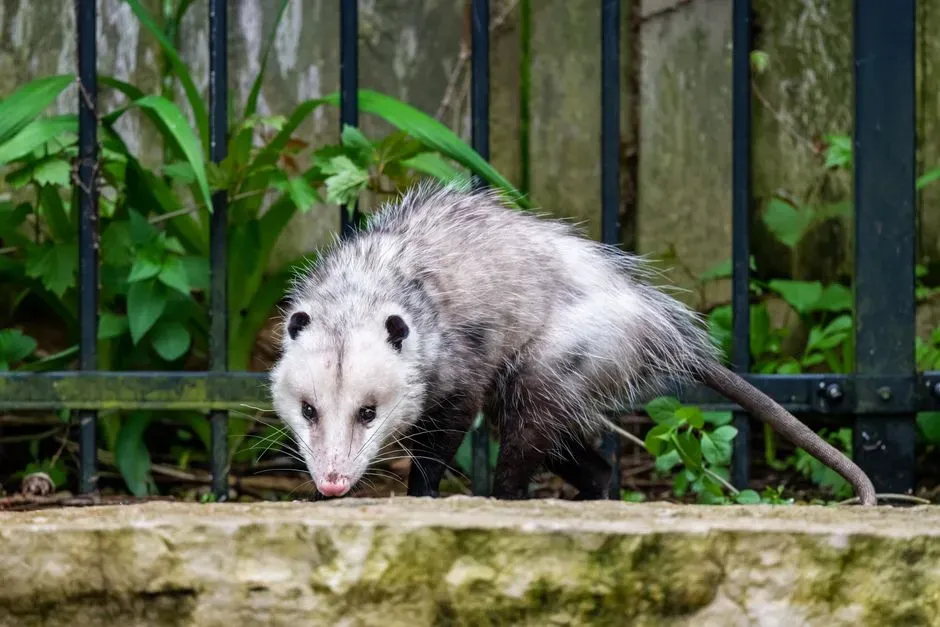
Opossums can withstand bites from several venomous snakes, including rattlesnakes and copperheads. Their blood contains proteins that neutralize the toxins. This ability lets them prey on snakes that would kill other animals of similar size.
The trait expands their food options in regions where venomous reptiles are common. It also positions them as occasional controllers of snake populations. Such physiological armor adds another layer to their reputation as survivors.
They Serve as Nature’s Versatile Cleanup Crew
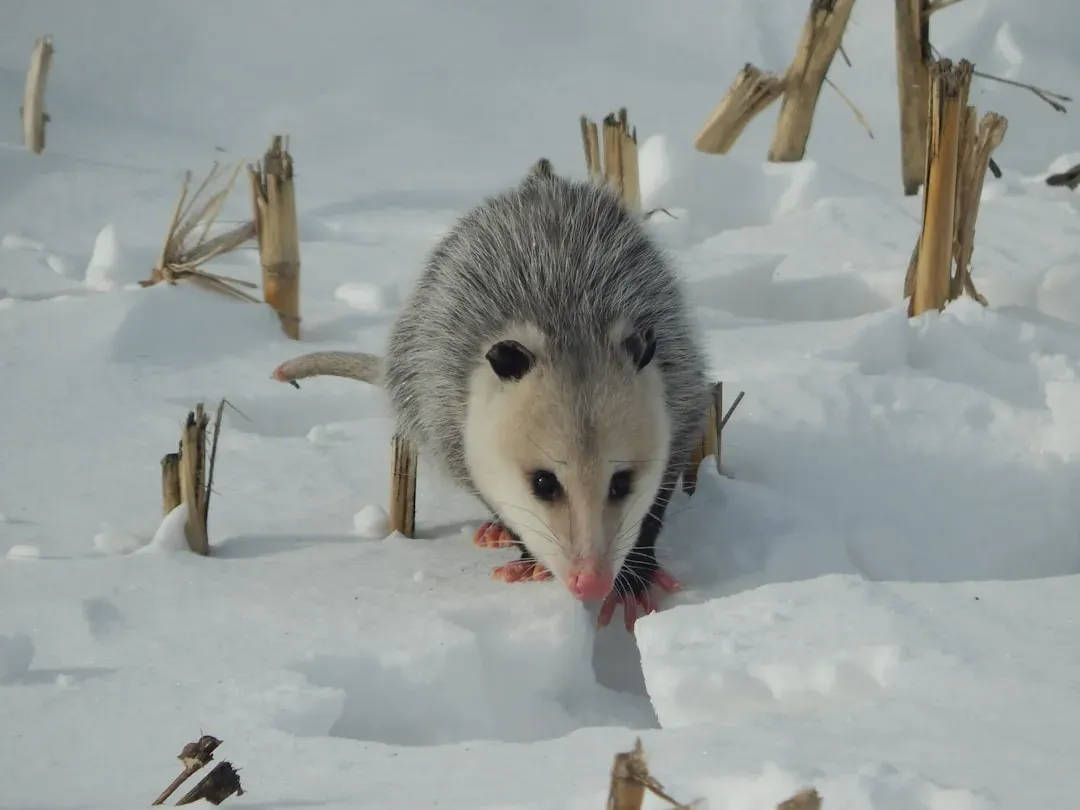
Opossums consume a wide range of items that many animals avoid. Their menu includes carrion, fallen fruit, insects, slugs, and even small rodents. By clearing away decaying matter they help limit the spread of certain diseases.
This scavenging lifestyle reduces waste in both wild and suburban settings. It requires little specialization, allowing them to switch foods as availability changes. The habit has supported their presence in diverse habitats for millions of years.
Their Prehensile Tail Aids Climbing and Balance
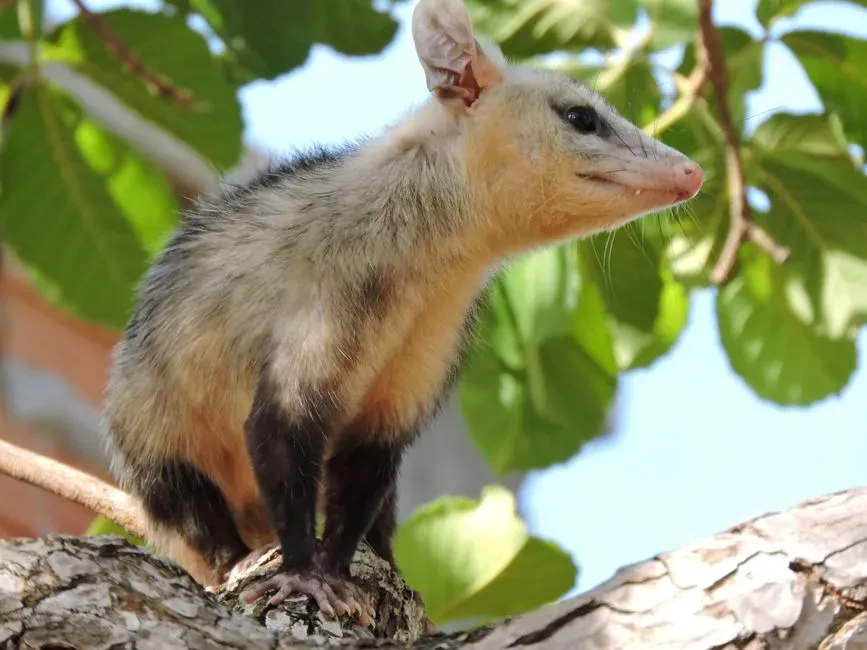
An opossum’s tail can grasp objects and provide extra support while moving through trees. Young animals sometimes hang briefly by the tail, though adults are usually too heavy for prolonged suspension. The tail functions almost like a fifth limb during navigation.
This feature helps them escape ground predators and reach food sources in the canopy. It also assists when they carry nesting material. The adaptation fits their partly arboreal lifestyle perfectly.
They Possess Opposable Thumbs on Their Hind Feet

Each hind foot features an opposable thumb that works much like a human thumb. Combined with four other digits, this structure improves grip on branches and other surfaces. It gives them an edge in climbing that many mammals lack.
The arrangement supports both tree life and quick escapes on the ground. It reflects fine-tuned anatomy shaped by long evolutionary pressure. Few other North American mammals share this exact foot design.
They Thrive in Human-Altered Landscapes
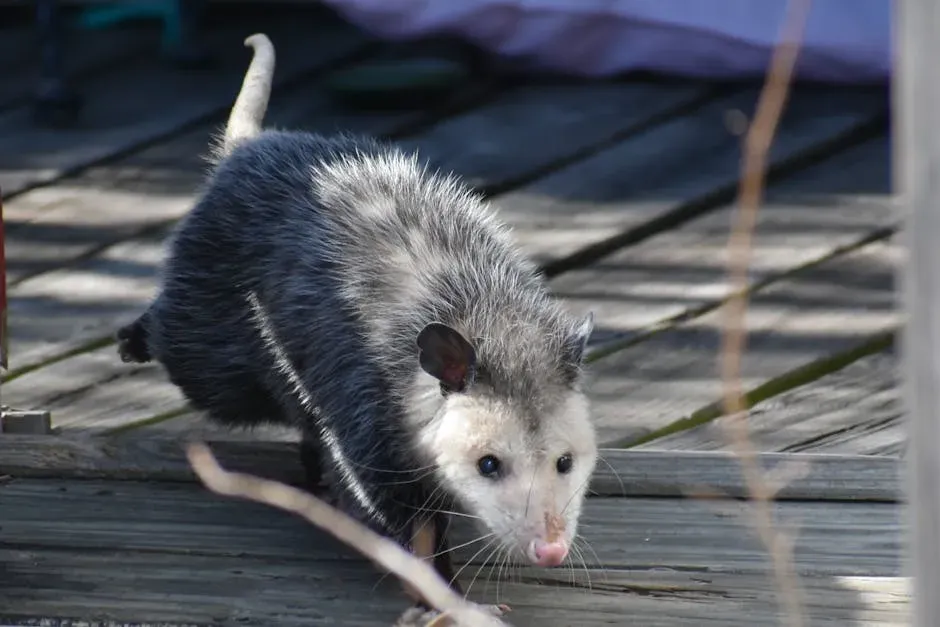
Opossums readily adapt to suburbs, farms, and city edges. They den in old buildings, under decks, or inside hollow trees without complaint. Food from gardens, trash, and pet bowls supplements their natural foraging.
This flexibility has allowed populations to persist even as forests shrink. They avoid confrontation and often go unnoticed by residents. Their success in these settings underscores a practical form of resilience.
They Reproduce Quickly Despite a Short Lifespan
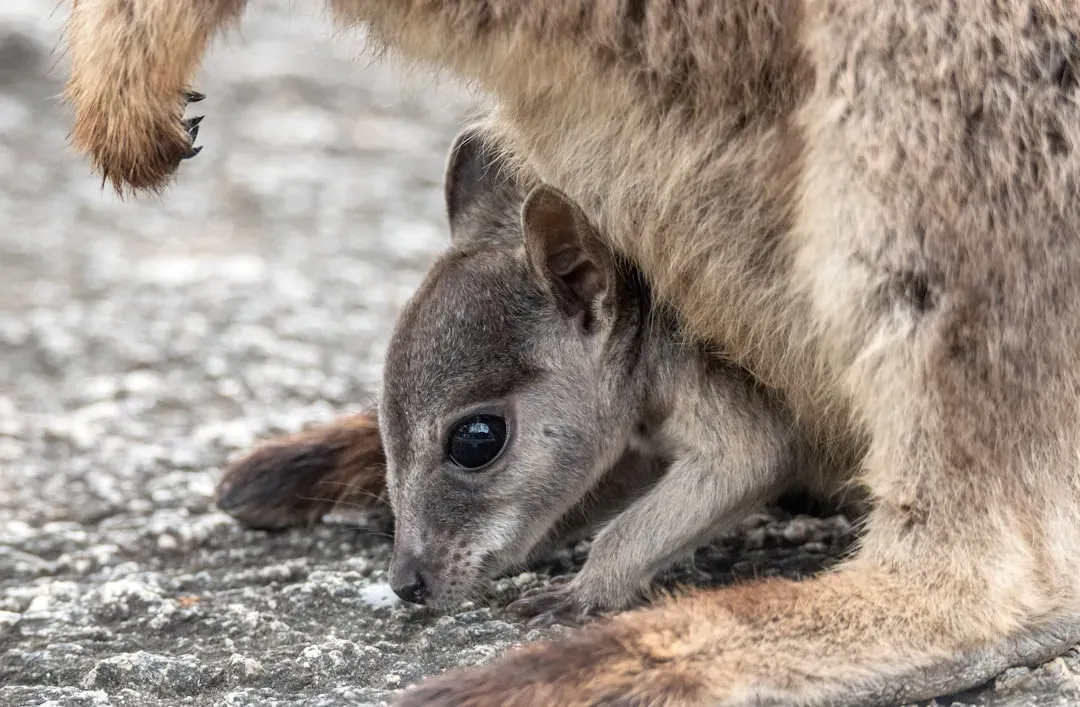
Most wild opossums live only one to two years. Females can produce two litters in a single breeding season, each with up to a dozen or more young. High birth rates offset the heavy losses from predators, vehicles, and harsh weather.
The strategy keeps the overall population stable even when individual survival is uncertain. It has sustained the species through periods of intense pressure. Rapid turnover is simply part of their long-term persistence.
They Help Limit Certain Pests in Their Habitat
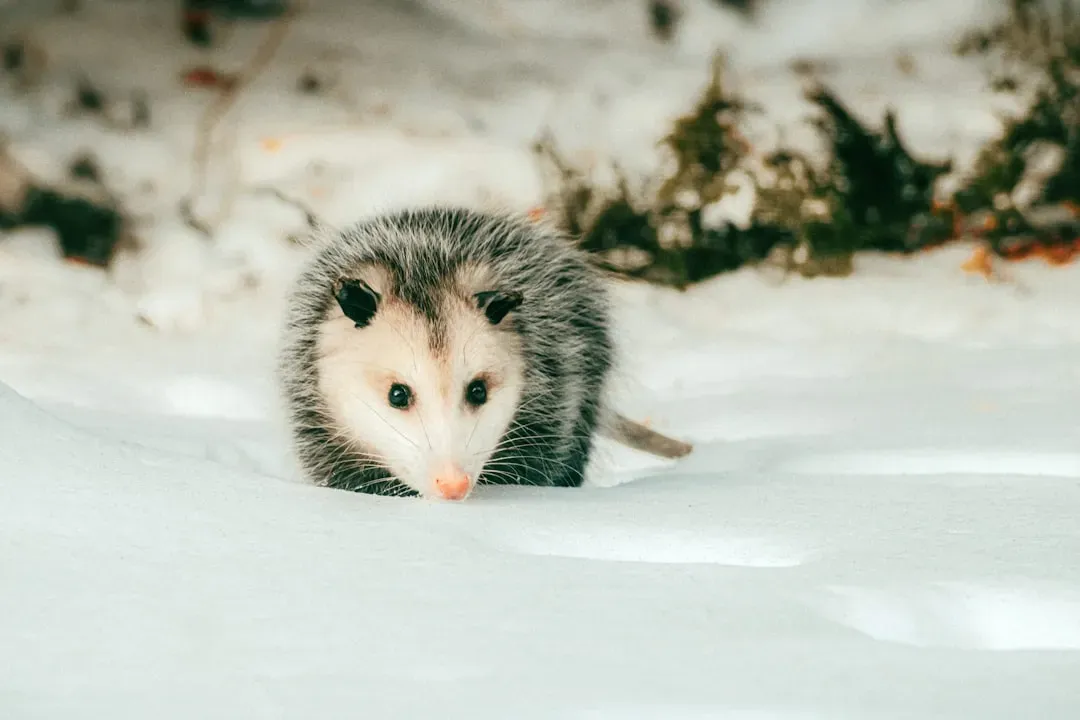
Opossums feed on insects, snails, and other small invertebrates that can damage gardens or spread discomfort. Their presence often reduces the numbers of these creatures without any human intervention. The effect benefits both plants and other animals sharing the same space.
By keeping pest populations in check they contribute to a healthier local balance. This service comes at no cost to homeowners who simply leave them alone. It represents another quiet way they support the ecosystems around them.
They Endure Extreme Weather With Minimal Complaint
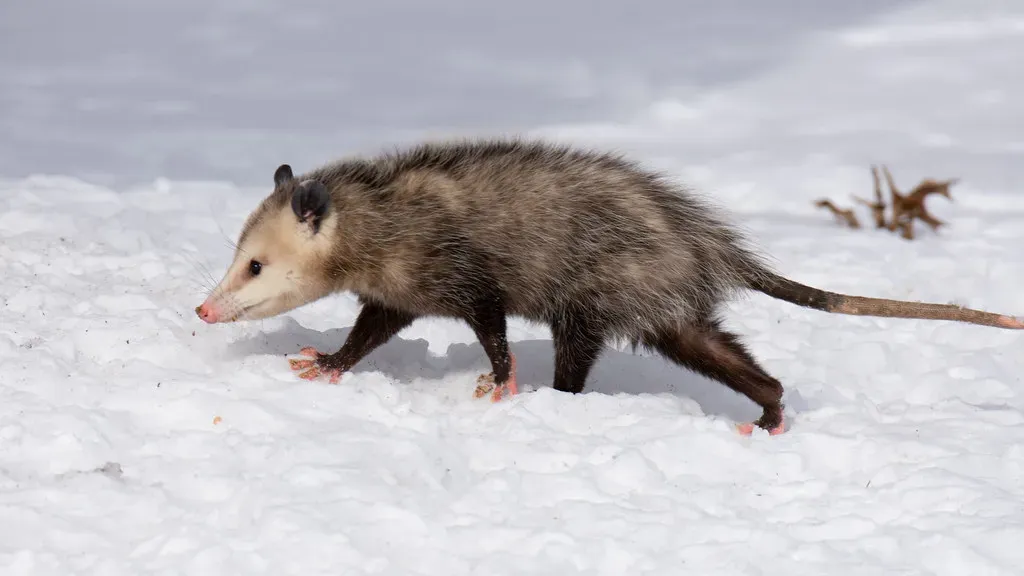
Opossums do not hibernate, yet they can remain active through cold snaps by sheltering in dens. Their tails and ears sometimes show frost damage after harsh winters, yet the animals recover and continue. Such tolerance extends their range into northern climates.
They also handle heat and drought by shifting activity times and food choices. This broad environmental tolerance has helped them occupy territory from Canada down through Central America. Few mammals match this level of climatic flexibility.
Opossums remind us that survival often favors the adaptable over the aggressive. Their unassuming toolkit of traits has carried them through epochs that eliminated far more imposing species. Appreciating them means recognizing quiet endurance as its own kind of strength.
- Why Veterinarians Say If Your Cat Sleeps With Their Back to You, It's the Highest Form of Trust in Feline Behavior - July 20, 2026
- The Zodiac Signs That Owls Avoid Completely (And What Folklore Says It Means About Your Energy) - July 20, 2026
- You Won’t Believe What These 5 Animals Eat for Dinner - July 20, 2026