
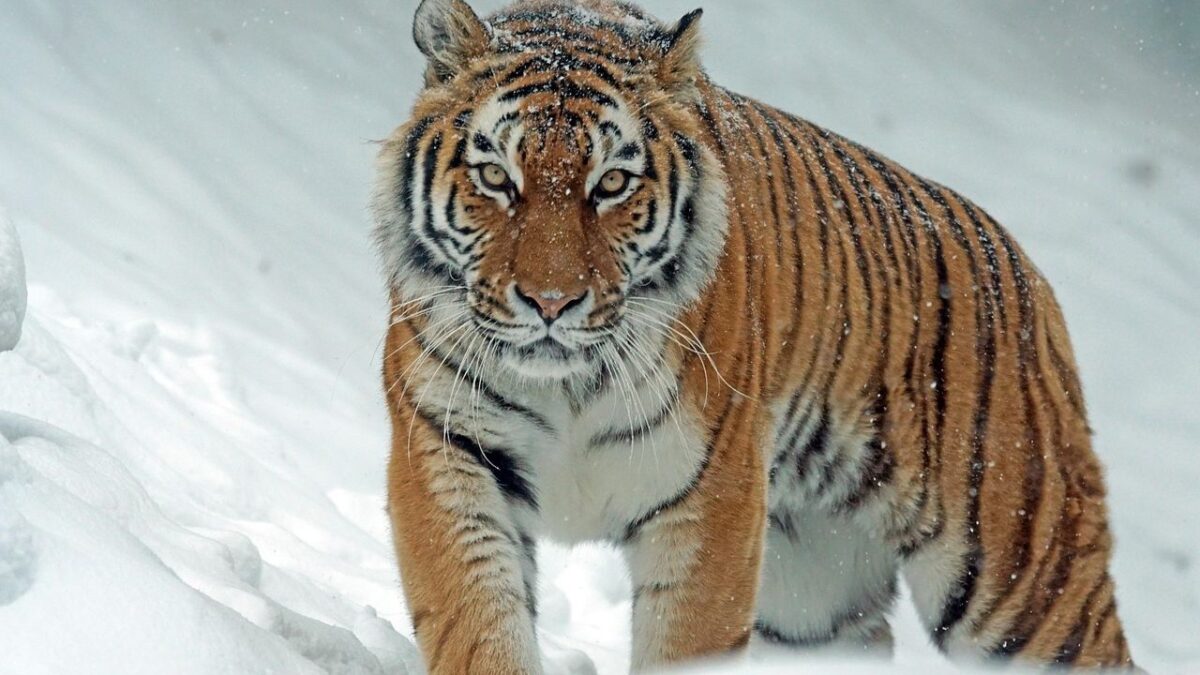
There is something almost supernatural about a tiger. It can weigh as much as a large motorcycle, move through dense jungle without making a sound, and vanish into tall grass as if it simply evaporated. For an animal so enormous, so visually striking, it can become genuinely invisible at will. That contradiction is exactly what makes tigers one of the most fascinating creatures to ever walk this planet.
From the science behind those famous stripes to jaw-dropping hunting tactics and shocking conservation numbers, there is so much about the tiger that most people simply do not know. Get ready to be surprised. Let’s dive in.
1. Every Tiger Wears a One-of-a-Kind Coat
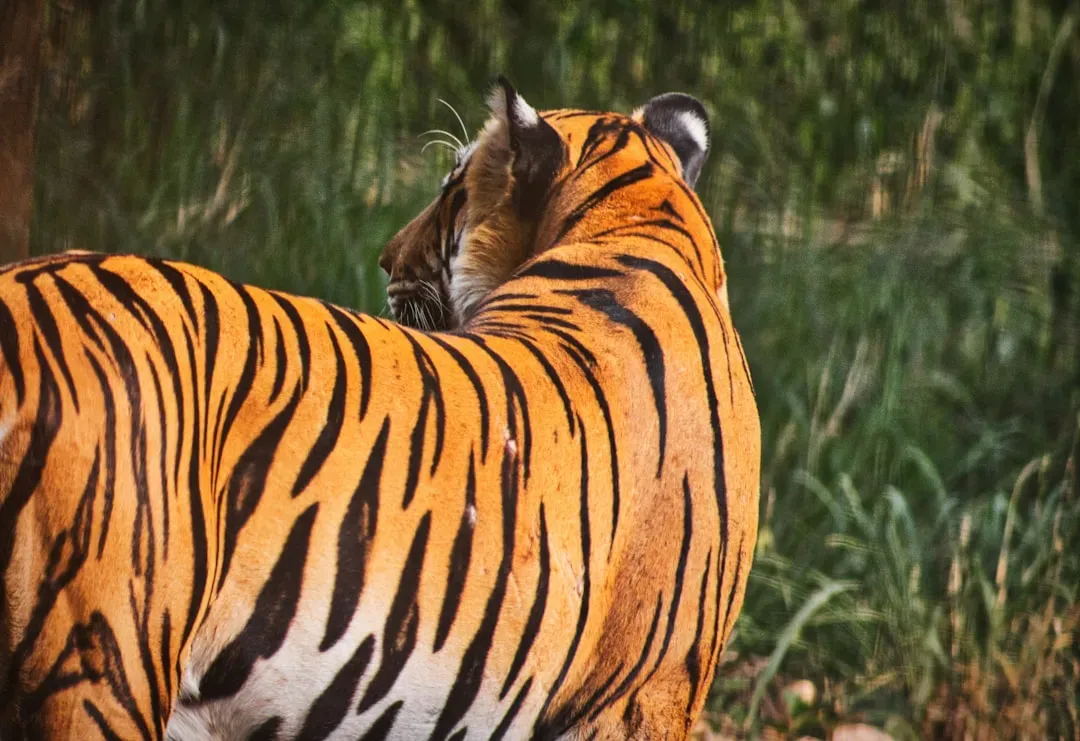
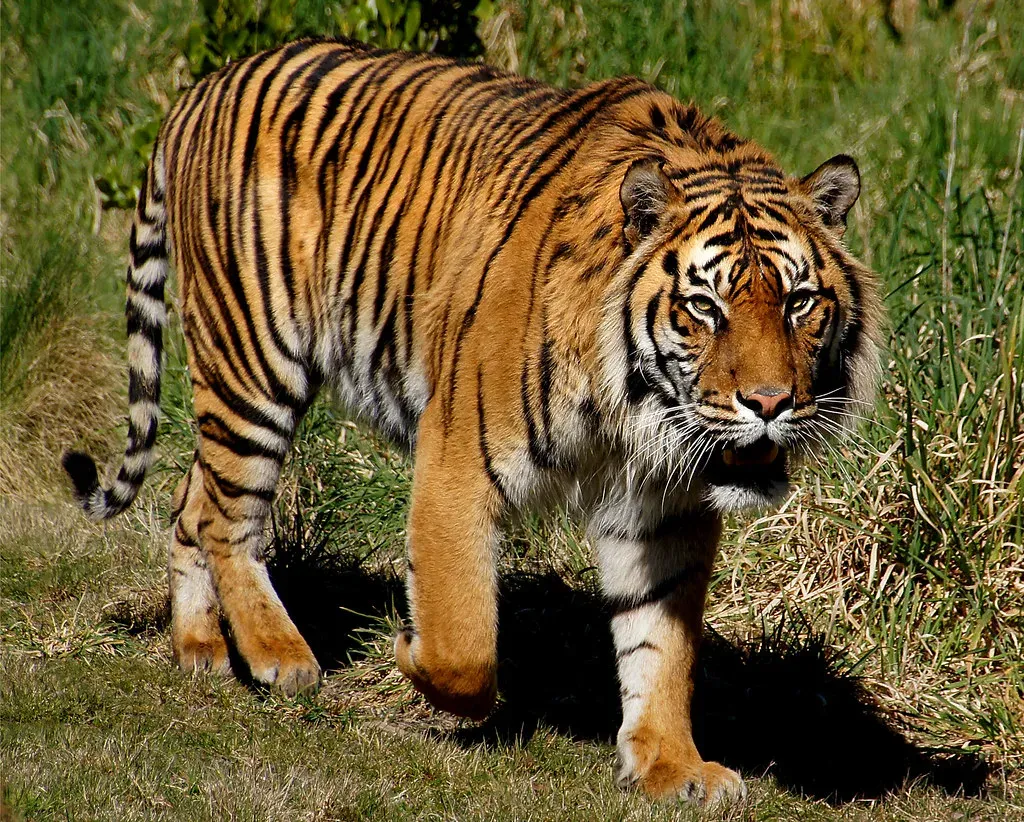
Think of the most unique thing about you as a person. Your fingerprint, right? Well, tigers have their own version of that. Like a human fingerprint, no two tigers have the exact same markings. This is not just a fun curiosity – it has real, practical implications for science.
Individual tigers are identified by their unique stripes and counted using camera trap images to estimate population numbers, whether in a protected area or on a bigger scale for a country population estimate. Conservationists in India have used this method so extensively that in 2018, India’s national tiger survey made it into the Guinness Book of World Records for being the largest camera trap exercise in the world.
Here is the part that genuinely blows people away: every tiger has its own unique stripe pattern, and they aren’t the same on both sides. A tiger is literally asymmetrical. That is a level of biological individuality most of us never think about.
2. The Stripes Go Deeper Than You Think – Literally
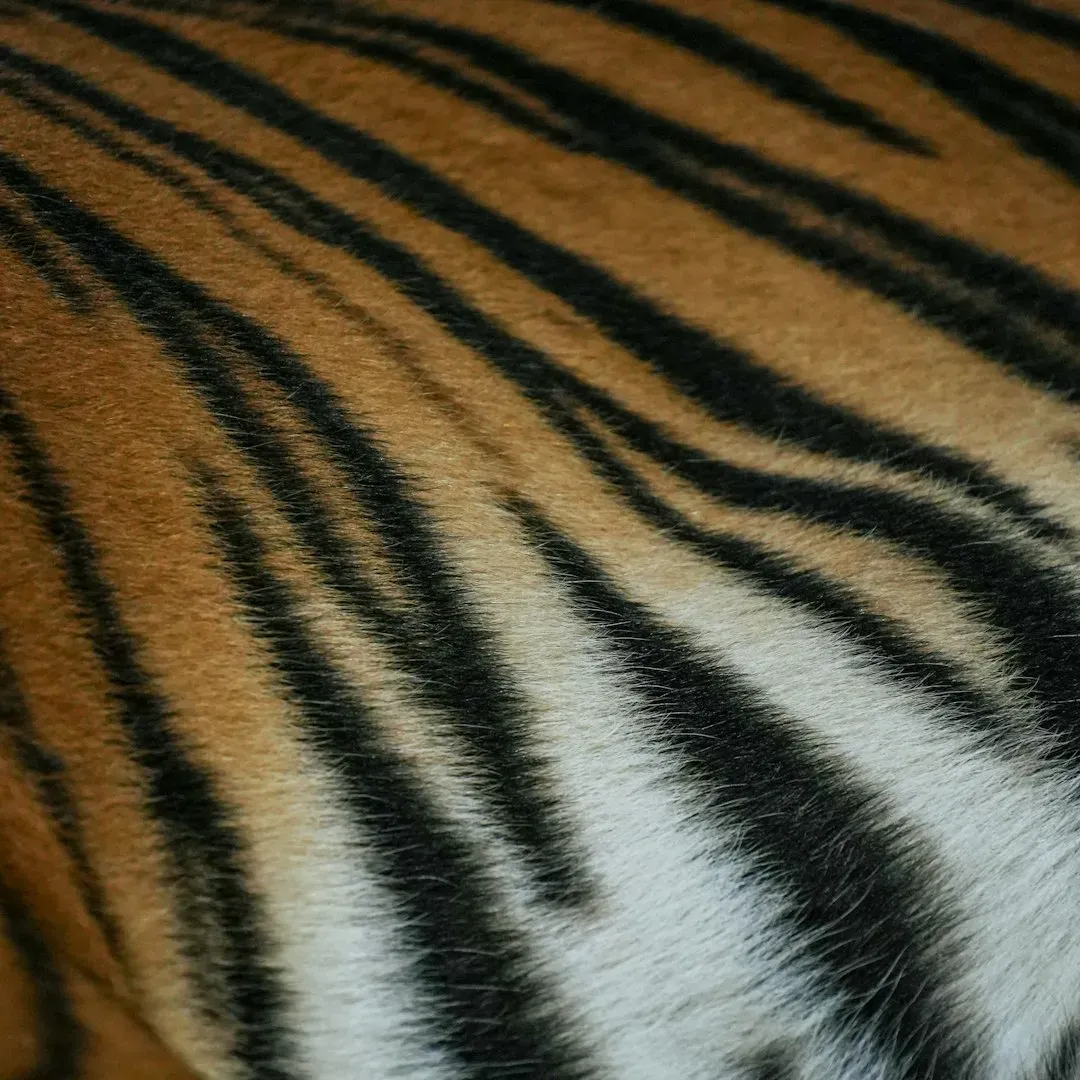
Most people assume a tiger’s stripes are just a feature of its fur. Shave the fur off, and you’d see plain skin underneath. Not even close. A tiger’s stripes aren’t just on its fur – they extend down to the skin beneath, creating a pattern that remains visible even if the animal were hairless. These dark markings are caused by pigment cells called melanocytes embedded in both the hair follicles and the skin.
When veterinarians sedate a tiger to treat an injury or perform dental work and shave its fur, the skin almost looks like it’s been tattooed, showing the same striped pattern as the fur. On average, a tiger has around 120 to 150 stripes on its fur, and each pattern is shaped by genetics. Tiger stripes are determined by a combination of genetic factors, where specific genes and their interactions dictate the width, length, density, and arrangement of the stripes.
3. Those Stripes Are a Master Class in Camouflage
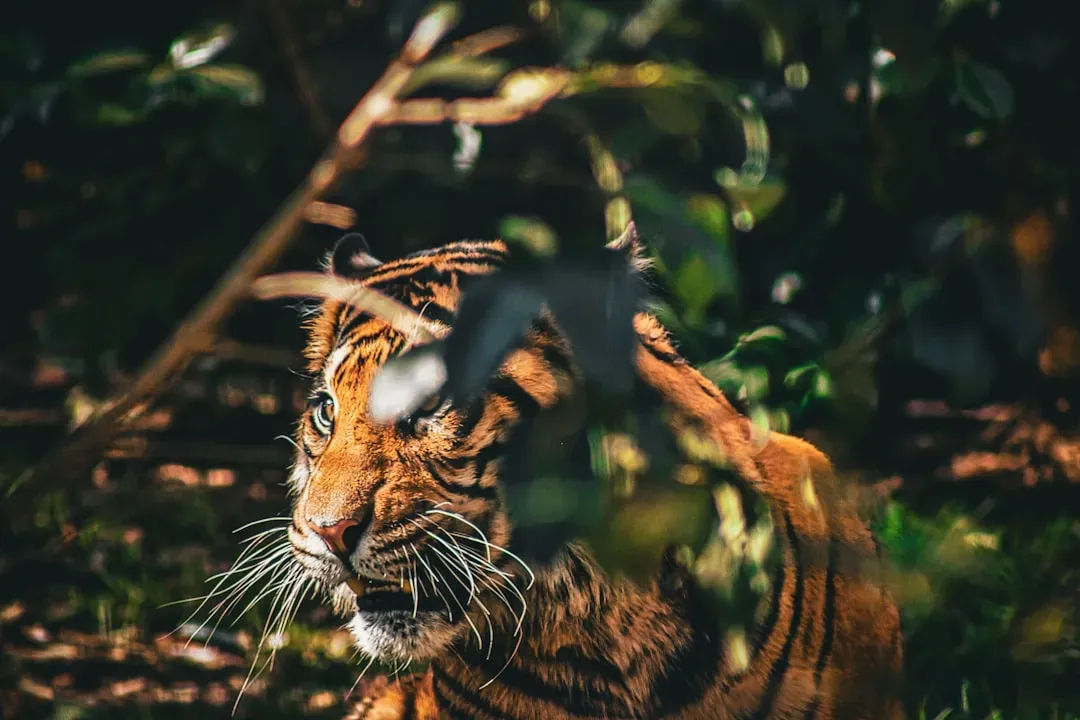
Here is something that seems contradictory: a bright orange and black animal that is nearly impossible to see in the wild. How does that work? The alternating black and orange bands break up the tiger’s outline, making it less visible to prey and predators alike. This form of camouflage is known as disruptive coloration.
When tigers stalk their prey, usually in the murky light of dusk or dawn, they are nearly invisible. Think of it like a magician’s misdirection – the bold pattern actually confuses the eye rather than drawing it in. In dense forests, the interplay of light and shadow creates an uneven visual field, and the tiger’s stripes blend seamlessly into this environment, allowing them to approach prey with stealth.
During the day, a tiger’s stripes can act as camouflage, allowing it to blend in with its surroundings for stalking and ambushing its prey. The whole system is astonishingly effective, and honestly, it makes you feel a little sorry for the deer.
4. Tigers Are the World’s Biggest Cats
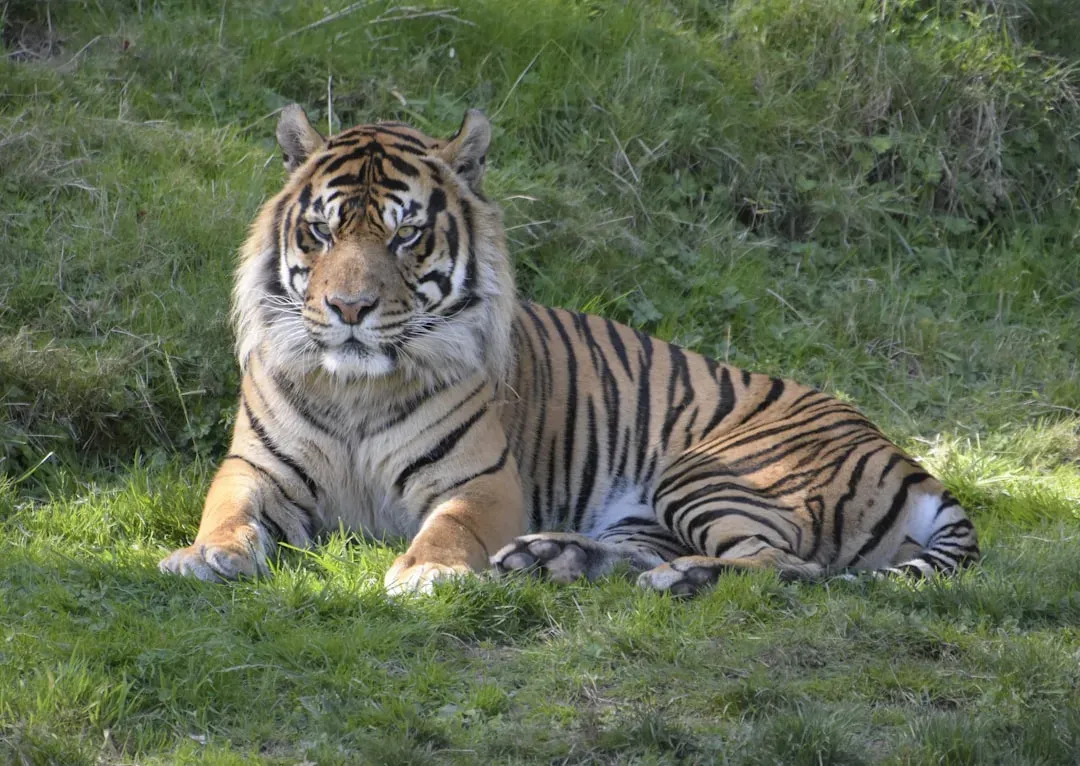
Let’s be real – the sheer size of a tiger is difficult to wrap your head around. Tigers are the largest members of the cat family, weighing up to 310 kg. To put that in perspective, that is heavier than most upright pianos. They are genuinely enormous.
The Amur tiger is the biggest subspecies of tiger, with females reaching weights of 167 kg and males an impressive 300 kg and over 3 meters long. At the other end of the scale, the Sumatran tiger is the smallest subspecies, with females weighing up to 110 kg and males 140 kg.
Tigers are the largest terrestrial mammal whose diet consists entirely of meat. So when people debate whether tigers or lions are bigger, the answer depends on the subspecies – but at the top end, a male Amur tiger has no real competition in the cat world.
5. A Hunter With a Nine-Out-of-Ten Failure Rate
For all that power, all that camouflage, and all that evolutionary brilliance, tigers are surprisingly bad at catching their prey – at least statistically speaking. Tigers are ambush hunters, with only about 1 in 10 hunts resulting in a meal. That’s a nearly ninety percent failure rate. Imagine working that hard every single night and mostly coming home empty-handed.
Tigers don’t need to eat a lot – in fact, they only need about one meal per week. However, they still hunt every day, as only about one in ten of a tiger’s hunting attempts are successful. When they do succeed, they make the most of it. Tigers are carnivores and can eat up to 40 kg in one sitting.
A tiger typically needs to approach undetected to within about 9 to 24 meters of prey before it can successfully rush and bring it down. That requires extraordinary patience. A tiger can crouch motionless for up to thirty minutes before it commits to a charge – think of it like a coiled spring waiting for the perfect moment.
6. Tigers Hide Their Leftovers Like Nature’s Meal-Preppers
What happens after a successful hunt? Something surprisingly clever. Tigers don’t usually eat their prey at the kill site – instead, they drag it into cover to feed. If a tiger leaves – say to get a drink – it will cover its kill by raking leaves, dirt, grass, and even rocks over the carcass.
After consuming the amount they need, tigers hide the remains of their prey, sometimes using leaves and dirt to cover it. This prevents scavenger animals such as vultures from consuming the rest of the meat, allowing tigers to return for a later meal. It is honestly like watching someone put their leftovers in the fridge – just significantly more primal.
7. The Tiger’s Roar Can Be Heard for Miles
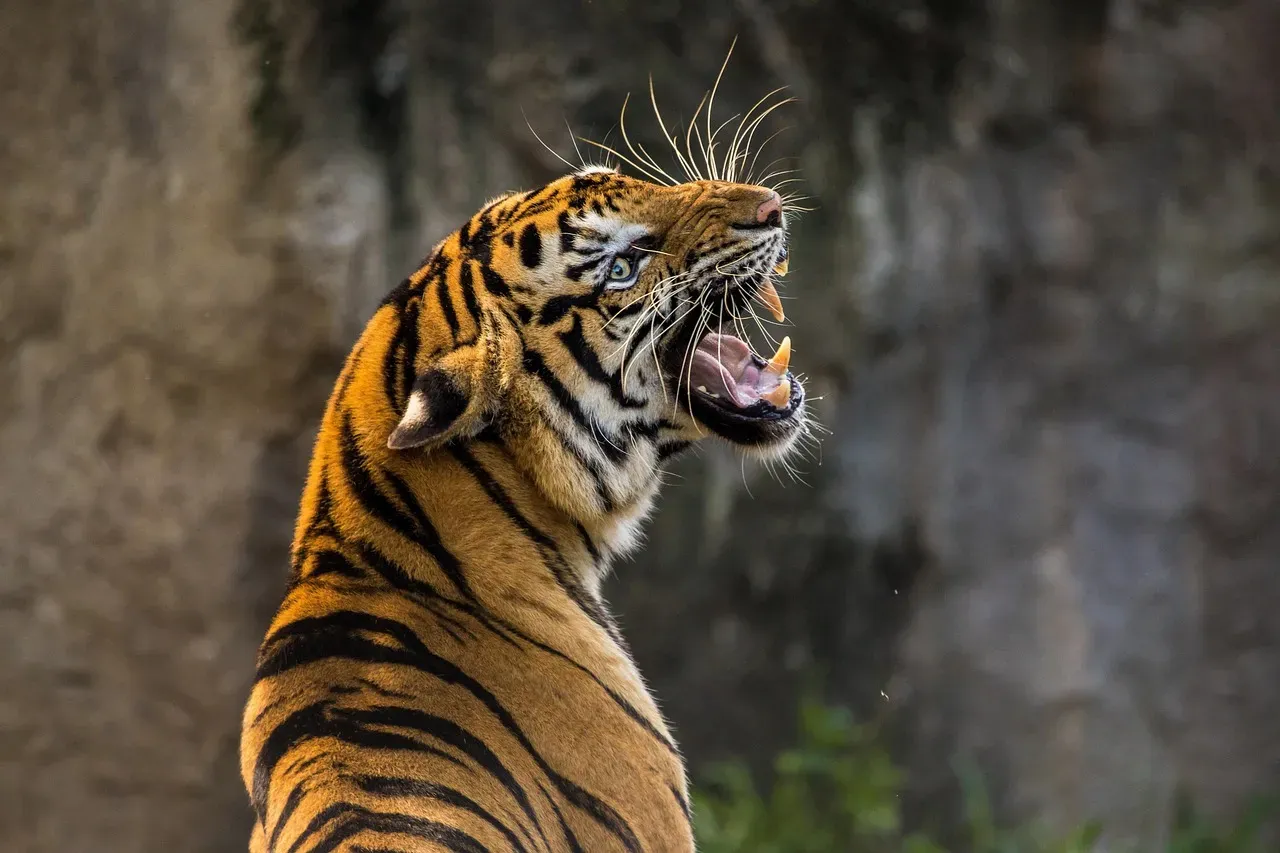
A tiger’s roar can be heard up to 3 km away. That is not a sound you hear so much as feel – a deep, chest-rattling vibration that instantly announces dominance. The reason it carries so far is fascinating from a physics standpoint.
A tiger’s confrontational roar contains energy in the infrasonic range, below human hearing, which helps the sound carry over long distances. Researchers have actually found that researchers can distinguish individual tigers by their roars with up to 90% accuracy. Every voice truly is its own.
The vocal repertoire of tigers is vast – they grunt, growl, roar, moan, snarl, chuff, hiss, and gasp. It’s thought that each vocalisation is used to communicate different things. That is a surprisingly rich communication toolkit for an animal often described as solitary.
8. Tigers Are Surprisingly Excellent Swimmers
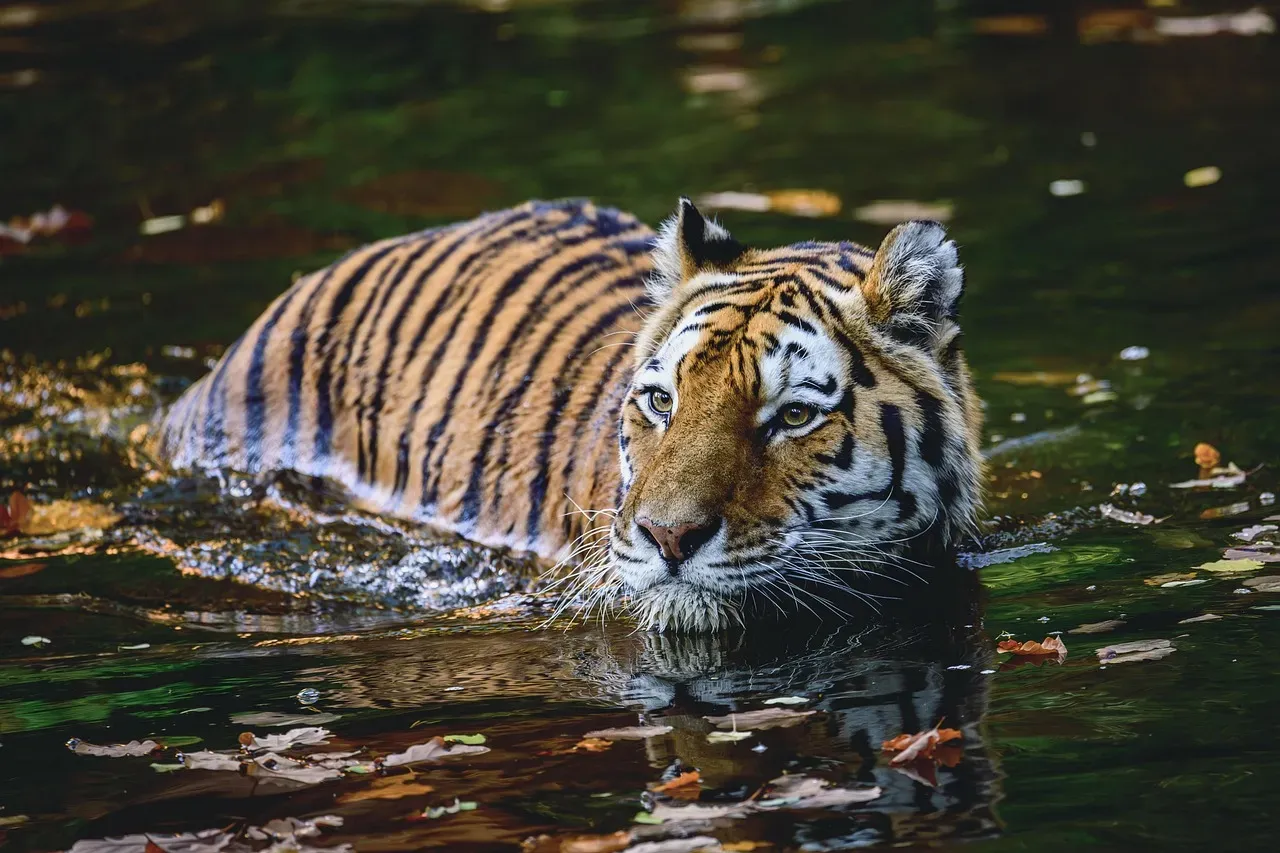
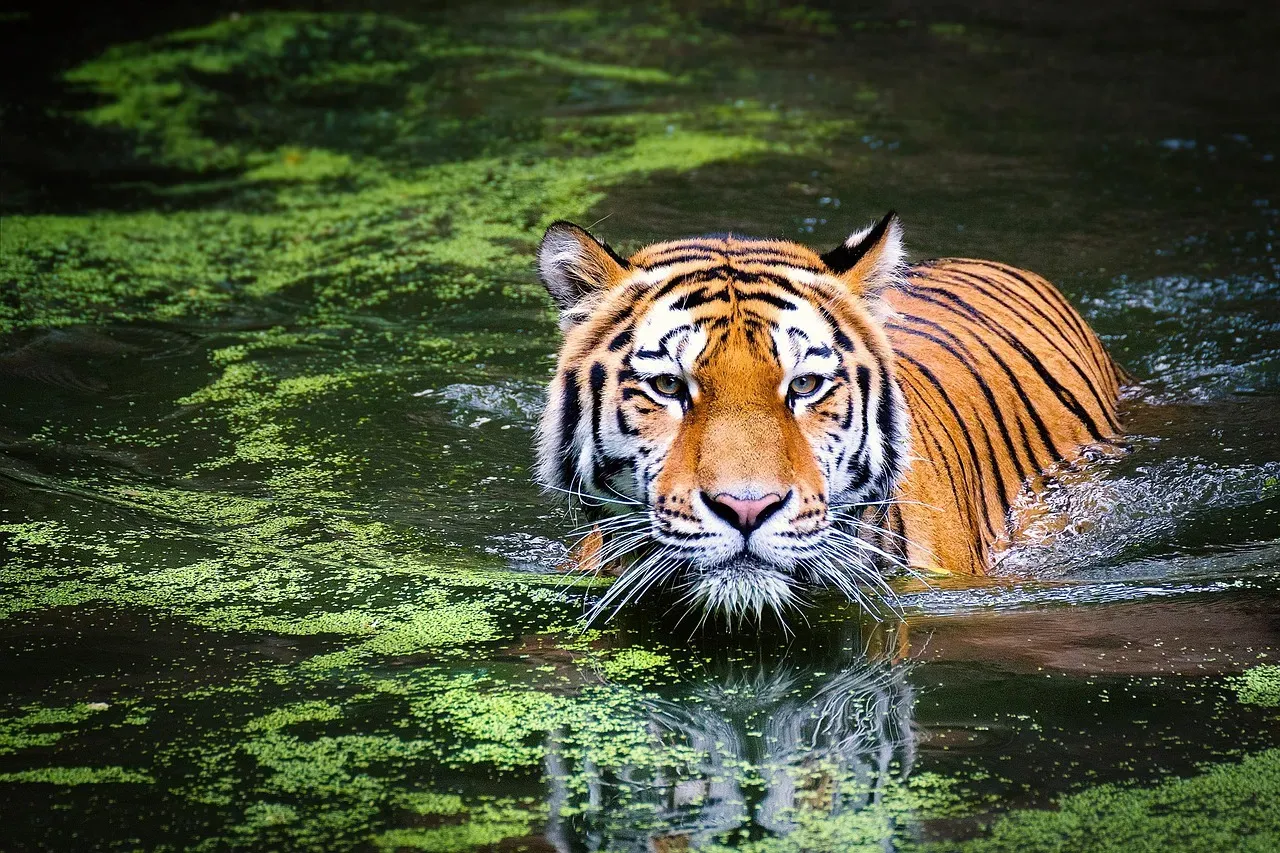
Most domestic cats treat water like it is personally offensive. Tigers? Completely the opposite. Tigers are adept swimmers and have even been recorded hunting in the water. This is not just occasional paddling either – they actively seek it out.
Unlike many cats, tigers are powerful swimmers and enjoy being in the water. They can cross rivers up to 8 km wide. On a hot day, they will wade into rivers and lakes to cool down, and they have been known to pursue prey right into the water. It is one of those facts that makes you rethink everything you assumed about cats and water.
9. Tigers Are Ancient – Far Older Than You’d Imagine

Tigers feel like a timeless feature of the natural world, and in geological terms, they practically are. The earliest tiger fossils date back about two million years. To put that in context, modern humans have only been walking the earth for roughly 300,000 years.
While tigers have been around longer than humans, the impacts of human development have caused their population to decline by 97% since the start of the last century. A creature that survived ice ages and mass extinctions is now being undone by one single species. That is a sobering thought if you stop to sit with it.
After twelve years of concerted conservation efforts, the Global Tiger Forum estimated there were 5,574 wild tigers in July 2023. Progress is real, but the numbers are still fragile. Today, tigers’ range has been reduced to around 7% of its former size.
10. Their Night Vision Is Extraordinary

Hunting mostly at night demands some serious visual hardware. A tiger’s night vision is six times better than that of a human. That is not a small advantage – that is almost like having built-in night-vision goggles compared to us stumbling around in the dark.
Tigers have soft toe pads which help them walk silently through their habitat, and a tiger will typically travel 6 to 12 miles during a night’s hunting. The combination of silent movement and exceptional vision at night makes the tiger one of the most perfectly engineered nocturnal hunters in the animal kingdom. It is almost unfair, honestly.
11. Tiger Territory Is Enormous – and Fiercely Defended
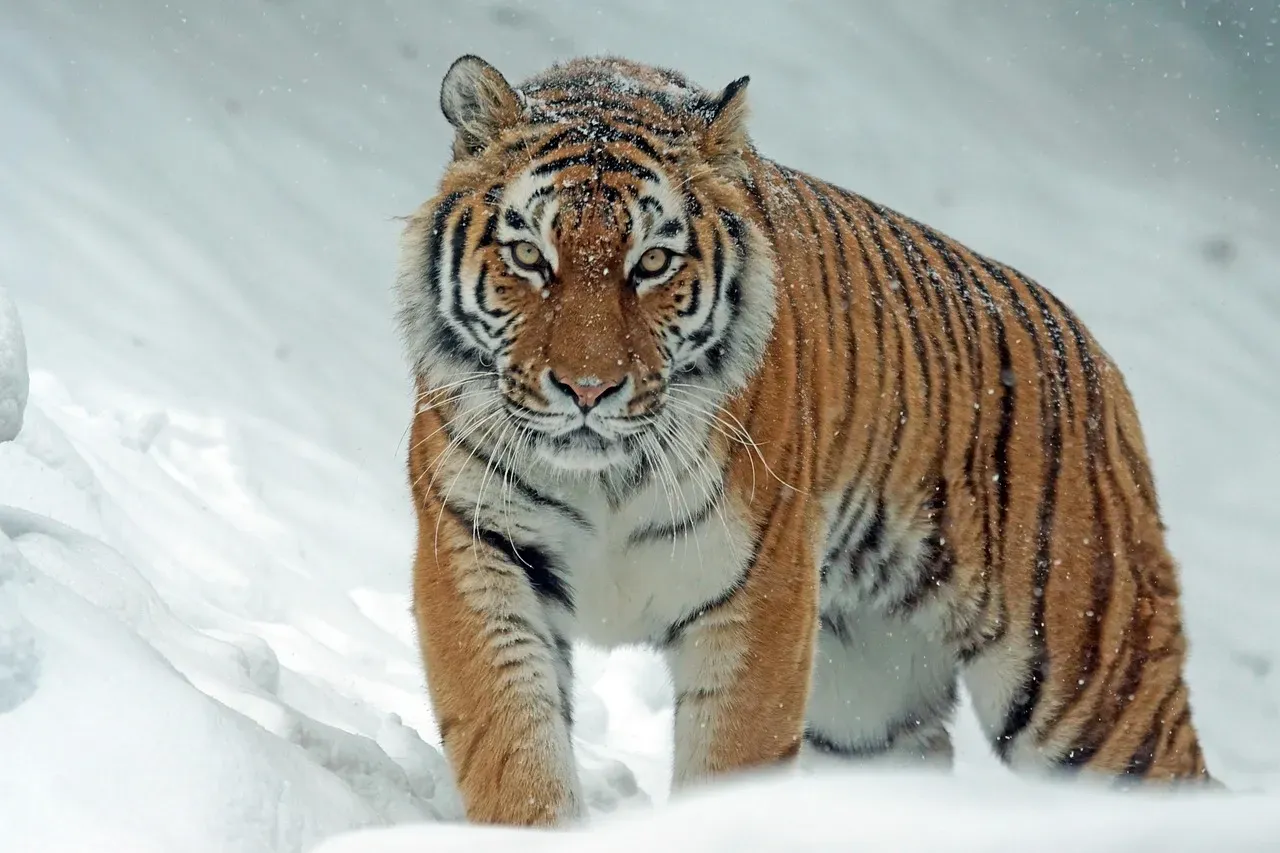
Despite having a collective name, tigers are usually solitary. Female tiger home ranges rarely overlap, while a male’s home range can overlap with those of one to three females. Think of it less like a neighborhood and more like each tiger has its own vast, private country.
The amount of prey available influences the size of a tiger’s home range. Where prey is plentiful, home ranges can be as small as 7 km², while the biggest home ranges have been recorded in Far East Russia where prey is scarce. That range can stretch to hundreds of square kilometers. Tigers are territorial and use scent marking to communicate with other tigers, marking their territory with urine, feces, and scratches on trees.
Here is a quirky detail worth noting: it’s been said that tiger urine smells like buttered popcorn. Strange but true. The chemical compound behind this, 2-acetyl-1-pyrroline, is also found in toasted bread. Nature has a bizarre sense of humor.
12. The Conservation Crisis Is More Urgent Than Most People Realize
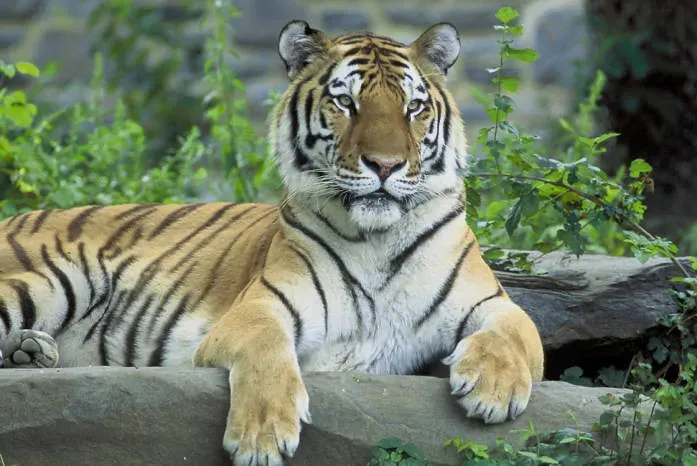
I think this is the fact that should genuinely keep us up at night. The tiger population has declined by 97% in the last century. Their decline is largely attributed to poaching, although habitat loss plays a major role, too. That is a staggering collapse for one of the world’s most iconic animals.
Tigers are poached both for the live animal trade and for their body parts, including their skins, bones, claws, organs, meat, and teeth. Their parts are often sold for tens of thousands of dollars and used in jewelry, traditional medicine, clothing, accessories, and trophies.
Sadly, three subspecies of tiger have become extinct – the Caspian, Bali, and Javan. Each loss is permanent. The South China tiger, once widespread in central China, is now functionally extinct in the wild, surviving only in captivity. The remaining subspecies hang on, but only just. The window to make a real difference is still open – but it is not wide.
Conclusion: The Phantom Deserves to Remain
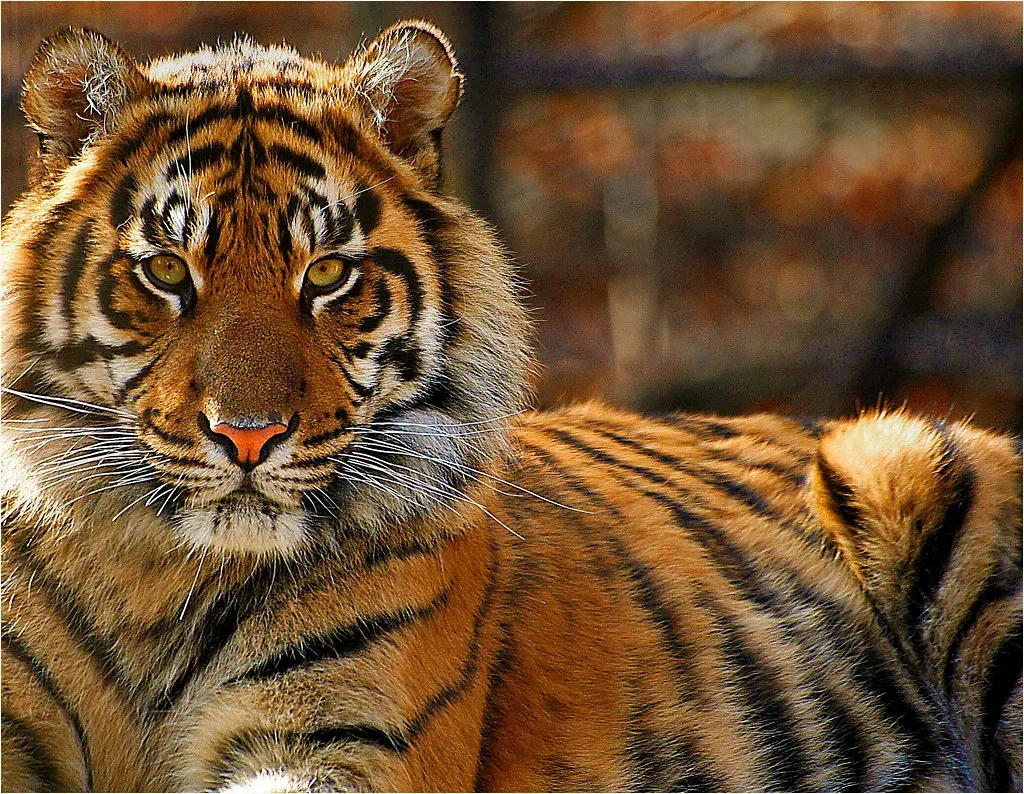
The tiger is not just an animal. It is a masterpiece of evolution – two million years of refinement packed into one impossibly beautiful, terrifyingly powerful body. From the tattooed stripes on its skin to its infrasonic roar rolling across kilometers of jungle, everything about the tiger is extraordinary.
Yet for all its power, the tiger is fragile in ways that should disturb us. A species that outlived the woolly mammoth and the saber-toothed cat is now counting on human decisions to survive. That is an extraordinary responsibility to hold.
The striped phantom of the jungle has already given us two million years of wonder. The real question is whether we will give it the chance to survive another century. What do you think – are we doing enough? Tell us your thoughts in the comments below.
