
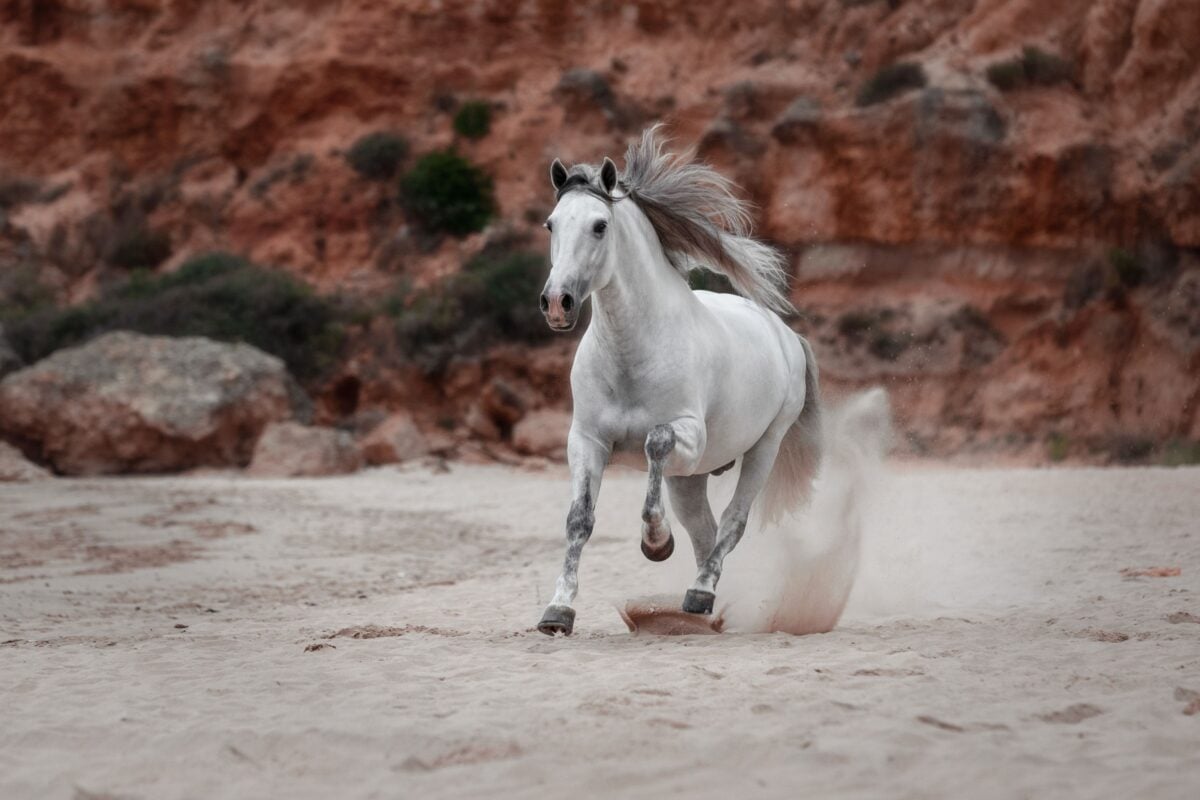
Most horse owners assume the priciest, purebred show horses rack up the biggest vet bills. Clinic intake sheets tell a very different story.
Some of the most “genetically loaded” breeds in the world walk through equine hospital doors far more often than plain old backyard horses ever do. Not because they’re weak, but because decades of breeding for looks, gait, or speed quietly built in some very specific, very predictable problems.
From congenital eye defects to a metabolism that can kill a horse in 48 hours without food, the patterns are strikingly consistent across practices nationwide. Here’s what equine vets actually say lands on their exam table more than any other breed, and the order might not be what you’d guess.
#1 – Miniature Horses
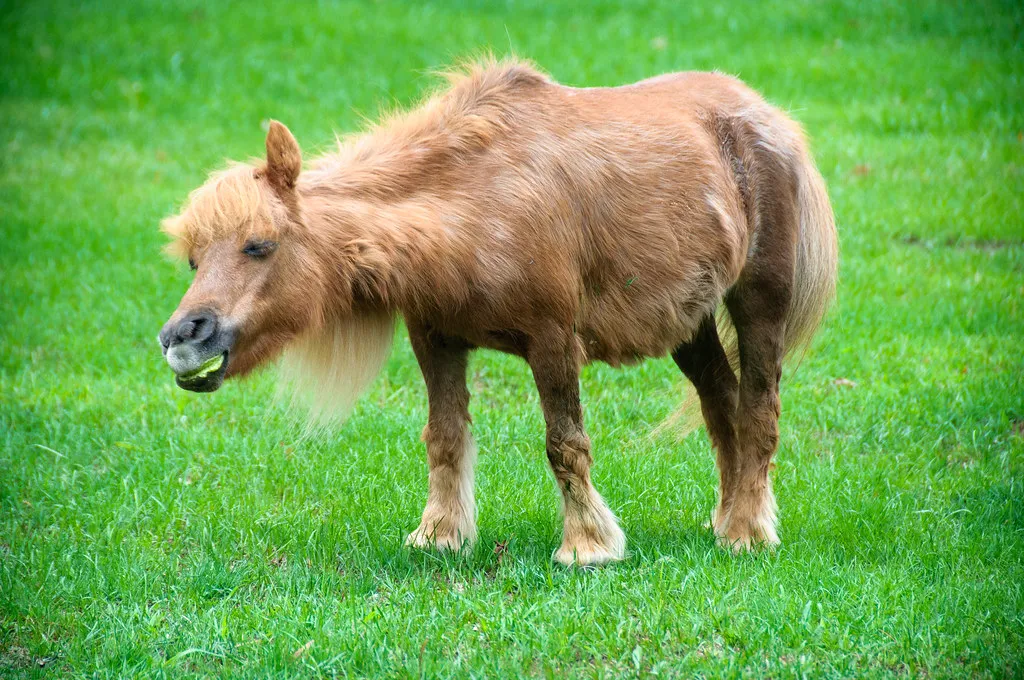
Miniature Horses look like the safest, lowest-maintenance horse in the barn, but vets know better.
Their tiny bodies process fat in a way that can turn a skipped meal into an emergency. A review of 23 American Miniature Horses with lipid disorders found the mean duration of clinical signs before treatment was just 2.4 days, and even with aggressive care, overall survival was only 61% (14/23). Enterocolitis was the single biggest trigger behind these cases, meaning a simple stomach upset can spiral into full liver failure in this breed.
Vets say the real issue is owners not realizing how fragile a Mini’s fat metabolism actually is. Secondary hyperlipemia is linked to another disease process, often some sort of gastrointestinal condition, and it’s seen more in Miniature horses. That means any illness that makes a Mini stop eating, even briefly, becomes a race against the clock. But wait until you see how a “healthy” chubby pony can crash without warning in #2.
Fast Facts
- 23 Miniature Horses studied for lipid disorders had a mean clinical-sign duration of just 2.4 days before treatment began
- Overall survival was only 61% (14 of 23 cases), even with aggressive veterinary care
- Enterocolitis was the leading trigger behind these hyperlipemia cases
- A skipped meal or minor GI upset can escalate into liver failure faster than in larger breeds
#2 – Shetland Ponies
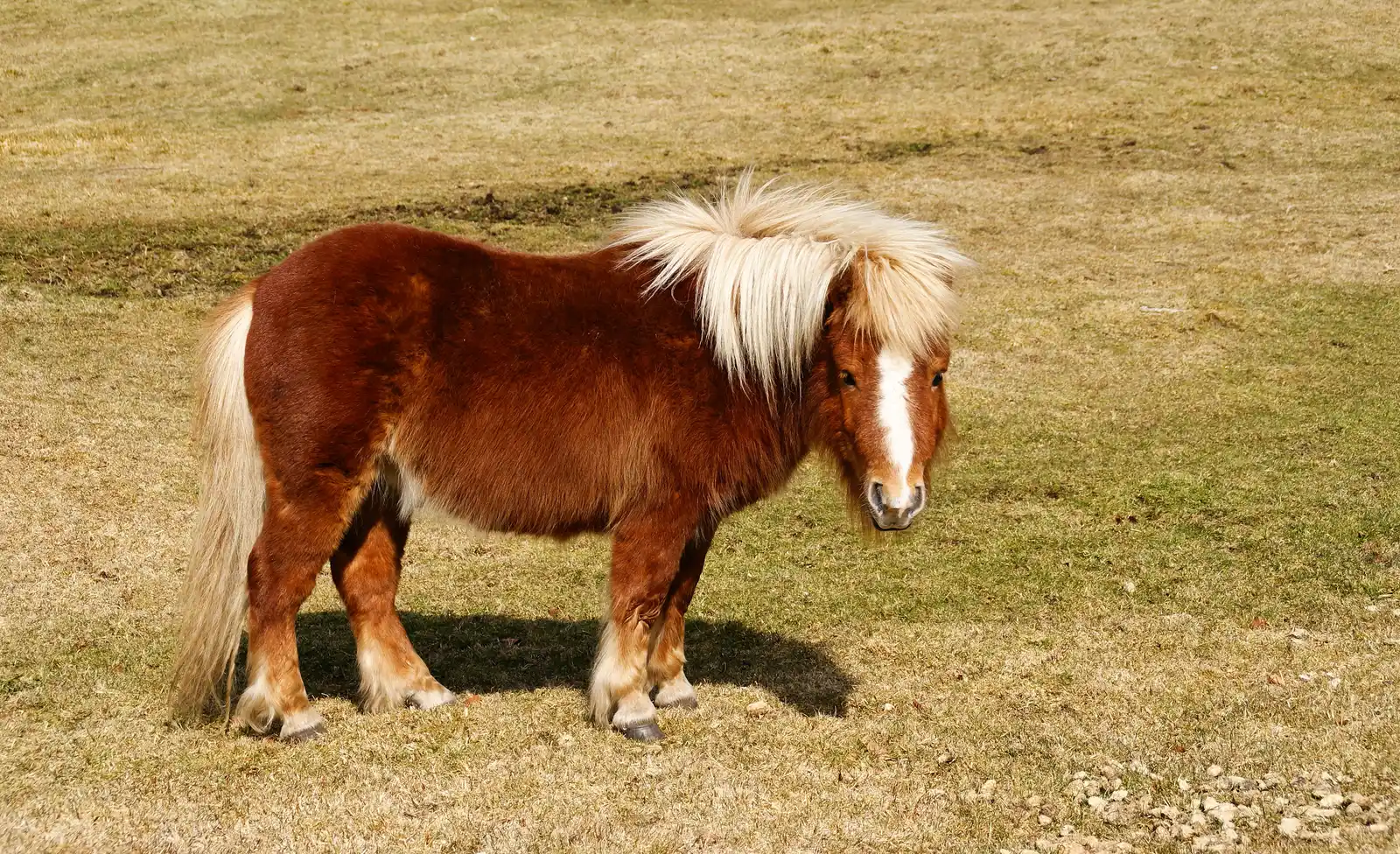
Shetland Ponies are the classic “easy keeper,” and that reputation is exactly what gets them into trouble.
Unlike most horses, Shetlands can develop a fat-metabolism crisis without any underlying illness at all. Primary hyperlipemia occurs without the presence of a predisposing disease, and this is more common in donkeys and Shetland ponies. That means a Shetland can crash purely from being overweight and then suddenly stressed, no infection required.
Most owners have no idea their pony’s chunky build is a medical red flag, not a cute quirk. Vets increasingly push back on the idea that a round, “fluffy” Shetland is a healthy Shetland, arguing the breed’s popularity as a low-cost first pony has actually made metabolic emergencies more common, not less. Yet even that’s mild compared to what modern turf is doing to breed #3.
#3 – Welsh Ponies
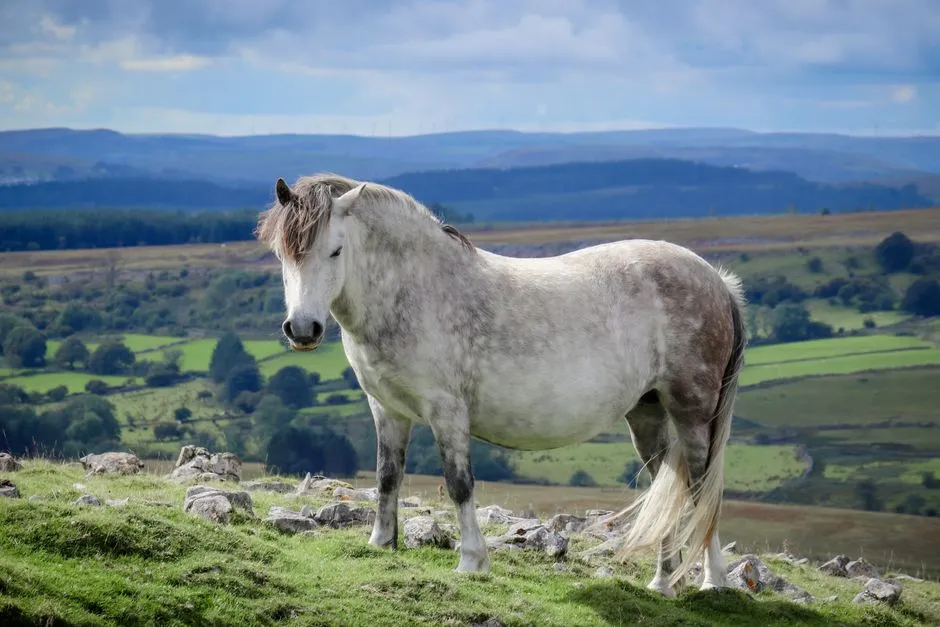
Welsh Ponies were bred to survive on scraps of mountain pasture, and that survival trait is now working against them in modern paddocks.
Vets frequently point to Welsh Ponies as textbook cases of “thrifty gene” metabolism colliding with lush, modern turnout. Bodies built for scarcity struggle the moment they’re given unlimited rich grass, and the result is chronic weight gain that quietly damages hoof structure over months, not days.
The scary part is that laminitis in ponies often shows no obvious limp until the damage is already severe. That silent progression is exactly why so many Welsh Ponies arrive at clinics already in crisis rather than for routine checkups. Some vets now argue this breed is dramatically over-fed by well-meaning owners who don’t adjust rations for a pony’s actual calorie needs. Still, none of that touches the eye disease hiding in breed #4.
#4 – Icelandic Horses
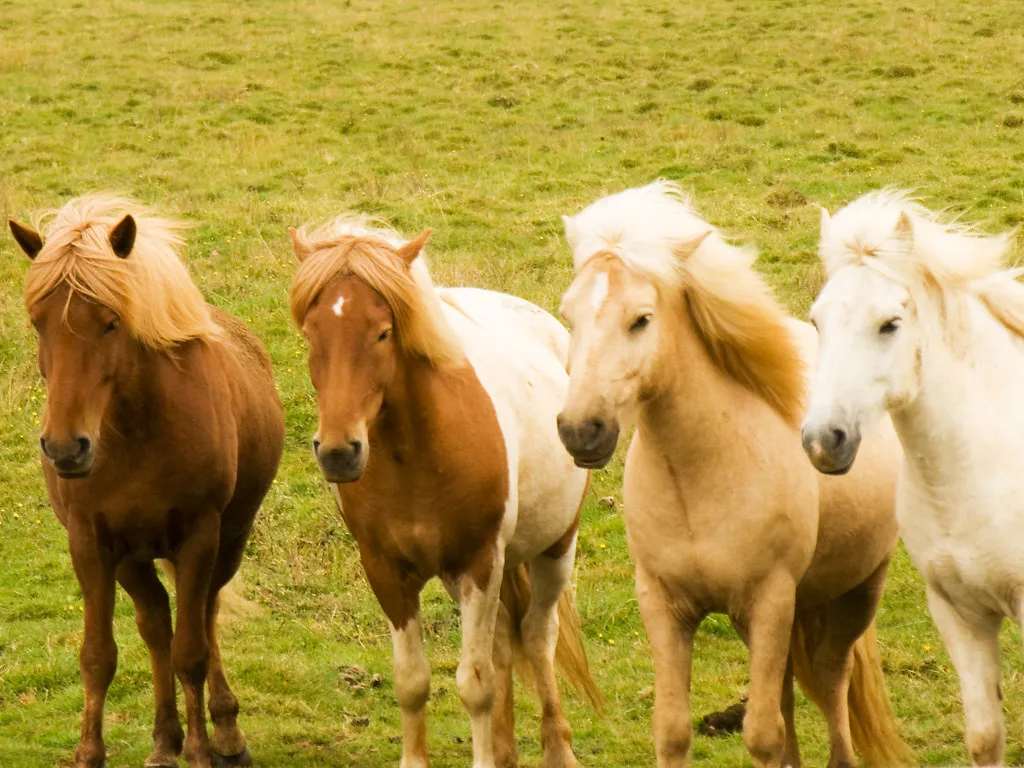
Icelandic Horses are famous for their smooth extra gaits, but their eyes tell a different story in the clinic.
Researchers studying inflammatory eye disease have specifically flagged this breed for closer study. Scientists are also working to identify the genetic components of equine recurrent uveitis (ERU) in other breeds, including Icelandic horses and warmbloods. Since ERU is one of the leading causes of blindness in horses generally, its documented presence in Icelandic bloodlines is a real concern for owners who assume the breed’s hardiness protects it from everything.
Most people don’t realize a horse bred for centuries of harsh isolation can still carry hidden eye disease risk. Vets note that owners often skip early eye exams on Icelandics precisely because the breed has such a tough, low-maintenance reputation. That’s unsettling, but wait until you see what happens to breed #5 once it leaves the mountains.
#5 – Haflingers
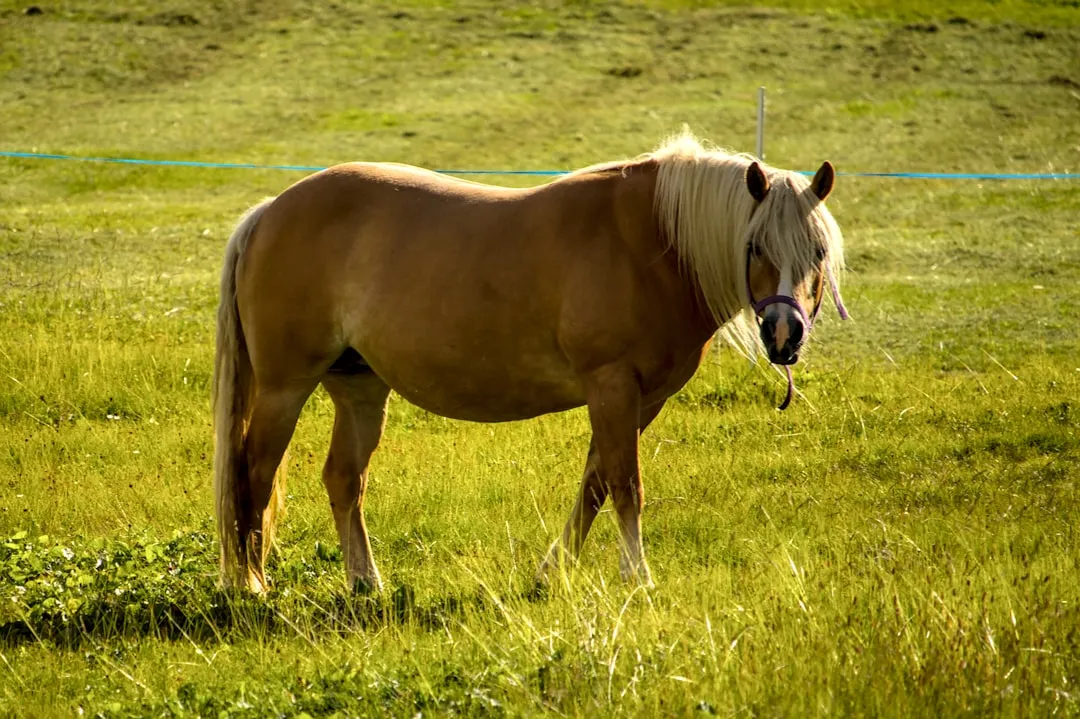
Haflingers are marketed as the ultimate family horse, but their golden good looks come with a metabolic price tag.
Like other pony-type breeds, Haflingers were developed in mountainous, low-calorie environments and never lost the efficient metabolism that comes with it. Dropped into a modern boarding barn with grain and rich pasture, that efficiency becomes a liability, driving obesity, insulin resistance, and laminitis risk.
Vets say Haflingers are consistently among the first breeds to develop metabolic syndrome once they’re moved from working farms to recreational barns. It’s a quiet epidemic that rarely gets discussed compared to flashier equine health topics. Compared to what’s tangled in the feathers of #6, though, that’s almost tame.
#6 – Gypsy Vanners
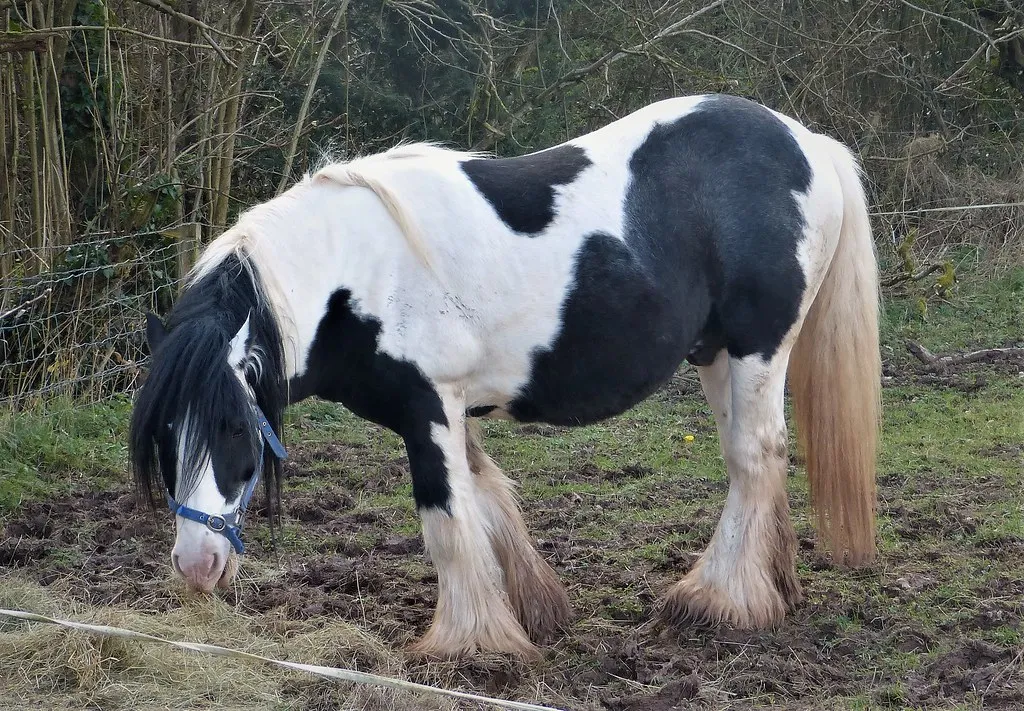
Gypsy Vanners were bred for jaw-dropping feathered legs, and those feathers are exactly what keeps bringing them back to the vet.
That thick, flowing hair around the fetlocks traps moisture and bacteria against the skin, creating a perfect environment for chronic dermatitis that’s notoriously stubborn to clear up. Vets describe treating these skin infections as a recurring, sometimes lifelong management issue rather than a one-time fix.
The irony is that the very feature people buy Gypsy Vanners for is the same feature that drives their most common clinic visits. Some vets have gone as far as saying heavy feathering is a cosmetic trait that modern breeding standards should reconsider for the horse’s own comfort. And if you think hair is a problem, wait until you see what sheer size does to #7.
#7 – Clydesdales
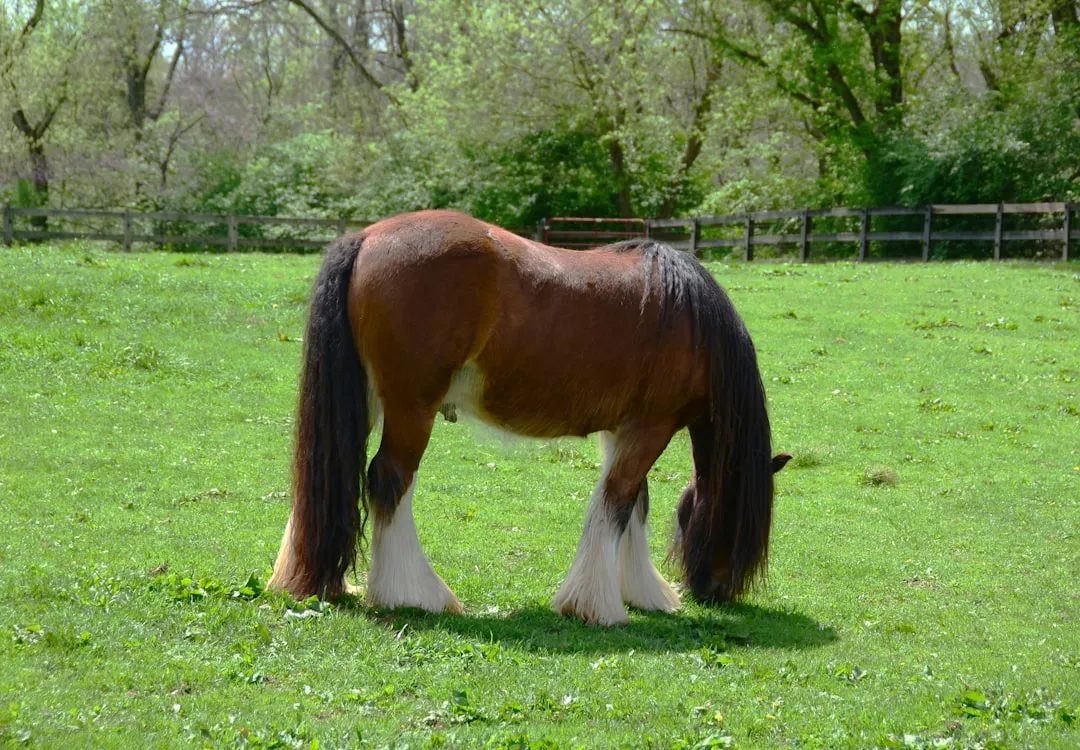
Clydesdales are the gentle giants of the horse world, and their sheer size is precisely what stresses their joints.
Carrying that much body weight on legs designed centuries ago for slow farm work, not modern riding or performance, puts constant pressure on joints and connective tissue. Add the same feathered-leg skin issues seen in other draft breeds, and Clydesdales end up needing frequent orthopedic and dermatological attention throughout their lives.
Most people assume bigger means tougher, but with Clydesdales it often means the opposite. Vets note that sheer body mass accelerates wear on joints in ways smaller breeds simply don’t experience at the same rate. Even that pales next to the tallest horse breed alive, #8.
#8 – Shires
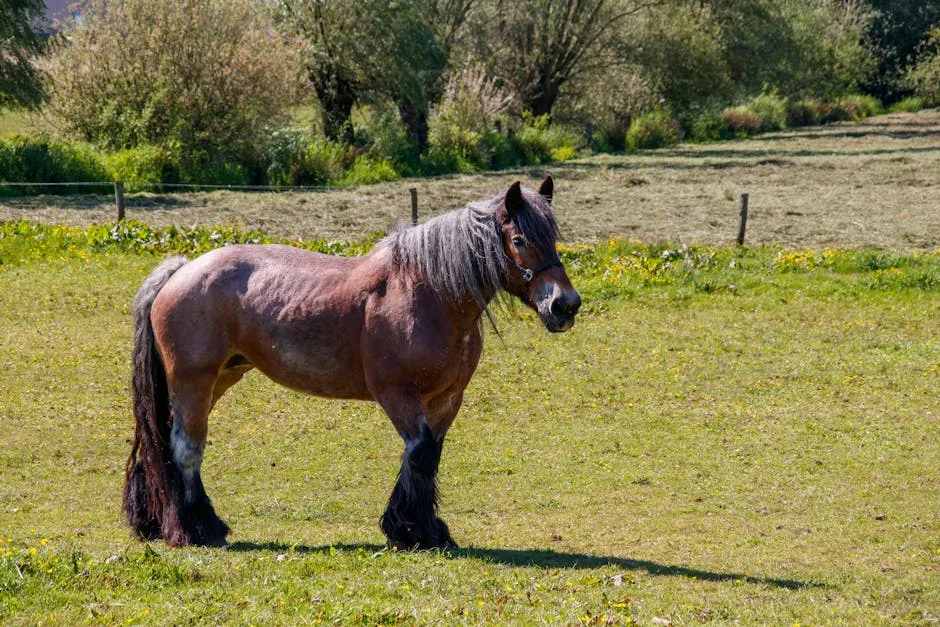
Shires are the tallest horse breed on record, and every extra inch adds strain vets have to manage.
Their massive frames mean that even minor conformation imperfections translate into major mechanical stress over a lifetime. Add in a slower metabolism and the same feathering-related skin vulnerabilities as other drafts, and Shires quietly rack up more joint, hoof, and skin appointments than their calm temperament would suggest.
Vets say the biggest mistake owners make is underestimating how much a Shire’s size compounds ordinary problems into serious ones. A hoof abscess that’s minor in a pony can become a major lameness event in a horse carrying this much weight. But #9 carries something far more serious than sore joints.
#9 – Belgian Draft Horses
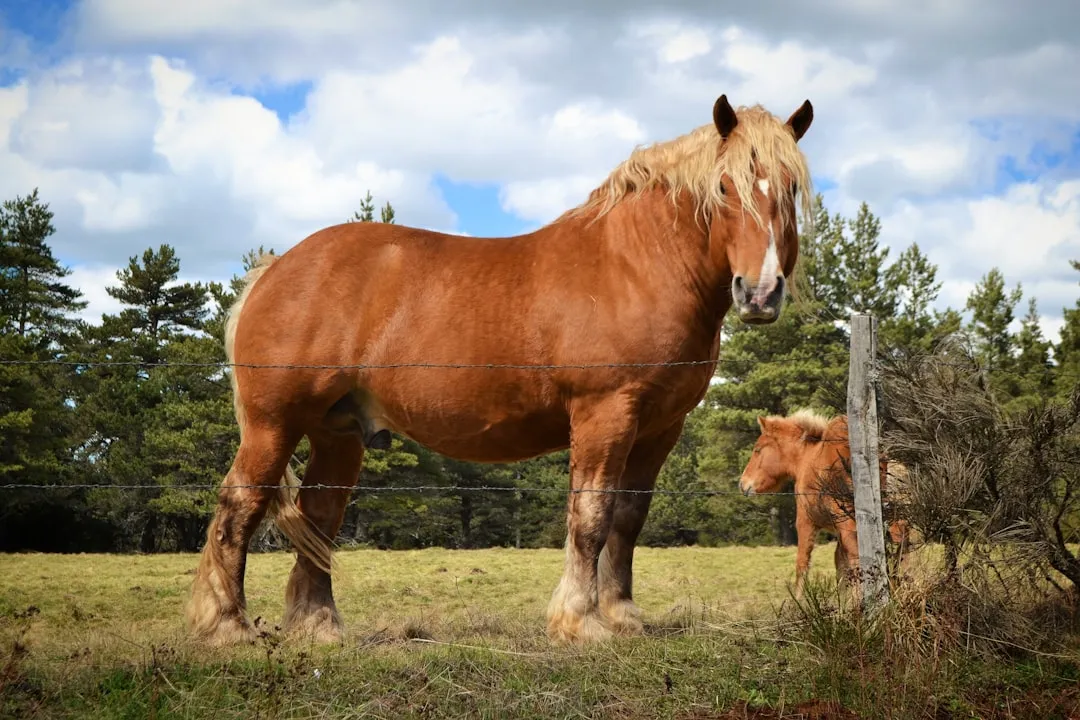
Belgians are the most numerous draft breed in North America, and their bloodlines carry a documented genetic skin disorder that vets watch for closely.
Certain draft bloodlines, including Belgians, are known carriers of a fatal inherited skin condition affecting foals, which is why responsible breeders now test before pairing stallions and mares. Beyond that specific genetic risk, their massive body size drives the same joint and hoof strain issues seen across other draft breeds.
Few casual horse owners realize that a foal’s skin can be fatally fragile from birth in certain draft lines. That single genetic reality has reshaped how seriously breeders take pre-breeding testing in this breed. Still, size creates its own emergency in #10.
Worth Knowing
- Certain Belgian bloodlines carry a fatal inherited skin condition that can affect foals from birth
- Responsible breeders now genetically test stallions and mares before pairing to avoid passing on the trait
- Massive body size also drives the same chronic joint and hoof strain seen across other draft breeds
- Pre-breeding genetic testing has become standard practice in this breed as a direct result
#10 – Percherons
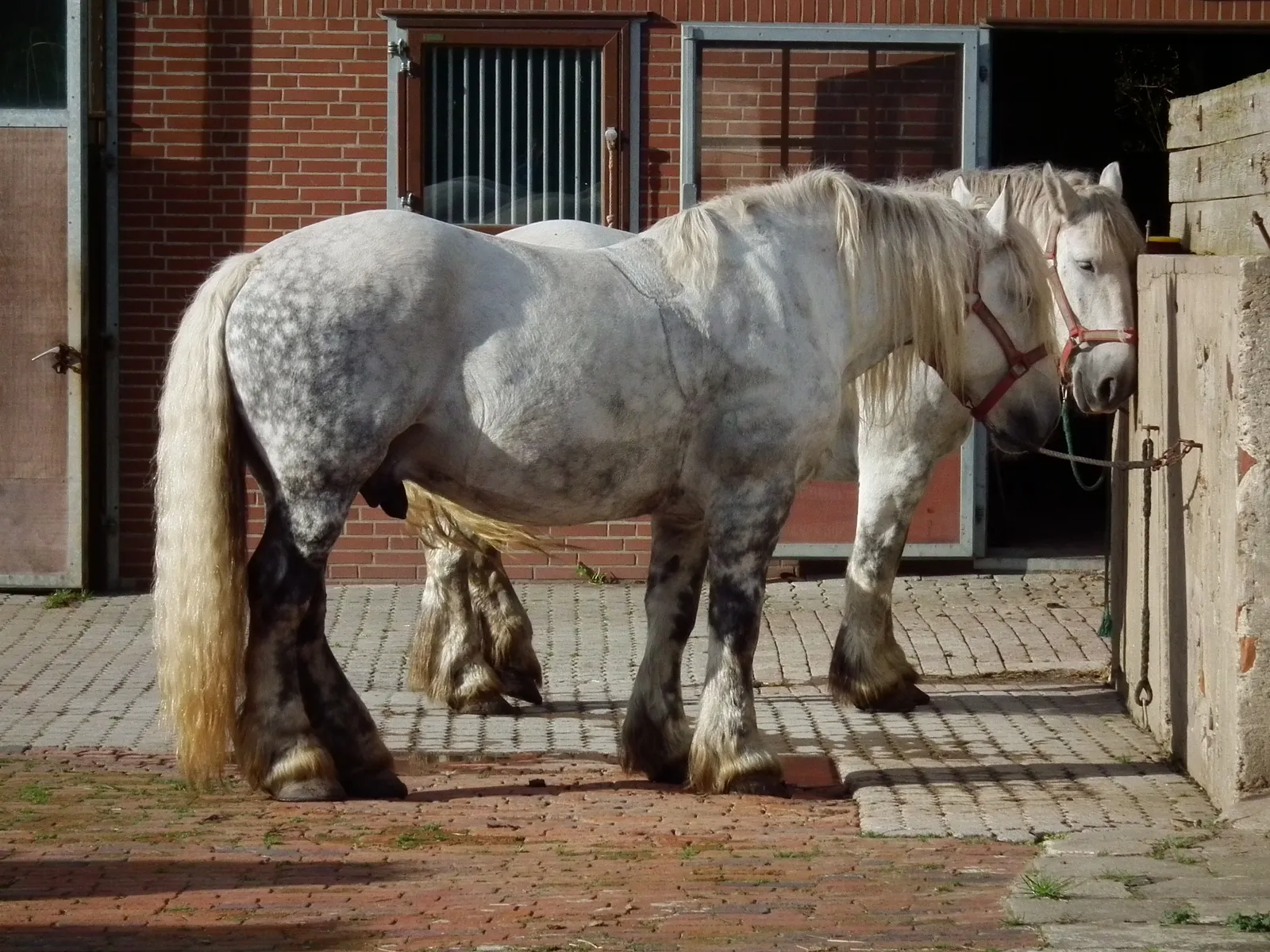
Percherons combine elegance with brute strength, but that combination comes with a heavier vet bill than their calm demeanor suggests.
Their large gut capacity paired with a big body means colic in a Percheron is often more complicated to manage than in a lighter horse, simply because there’s more digestive tract and more weight involved in every complication. Vets also flag their size as a factor in slower recovery times from routine injuries.
Most owners don’t think about how a horse’s sheer scale changes the math on something as common as colic. A twisted gut in a 2,000-pound horse is a very different emergency than the same issue in an 1,100-pound riding horse. None of that compares to the shocking clinic numbers behind #11.
#11 – Friesians
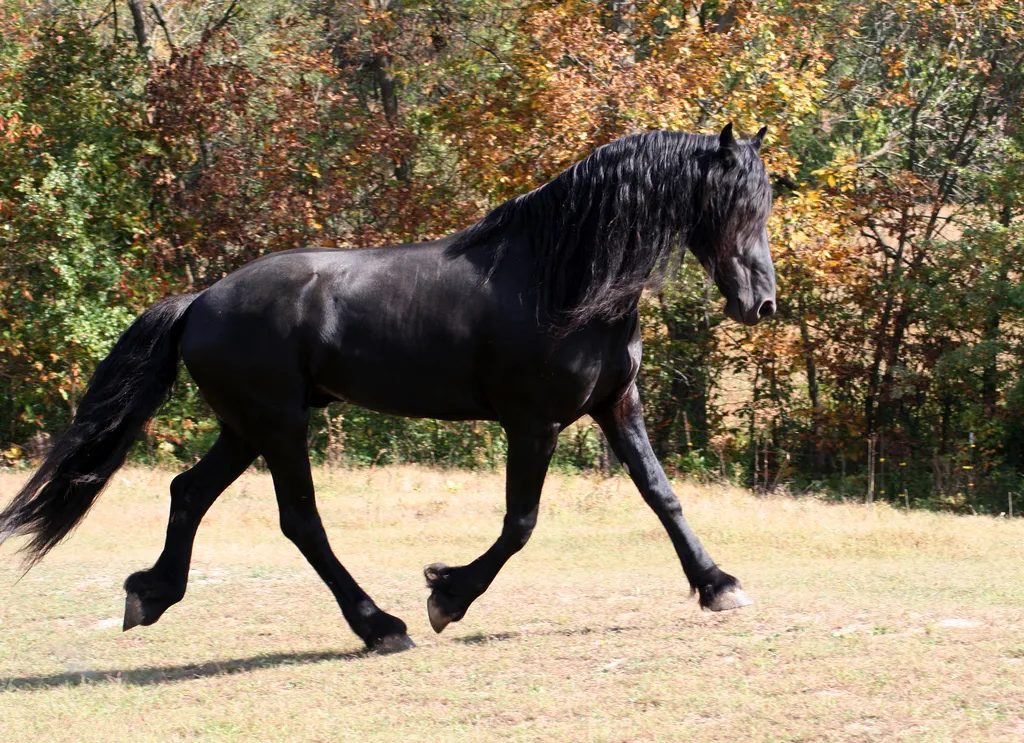
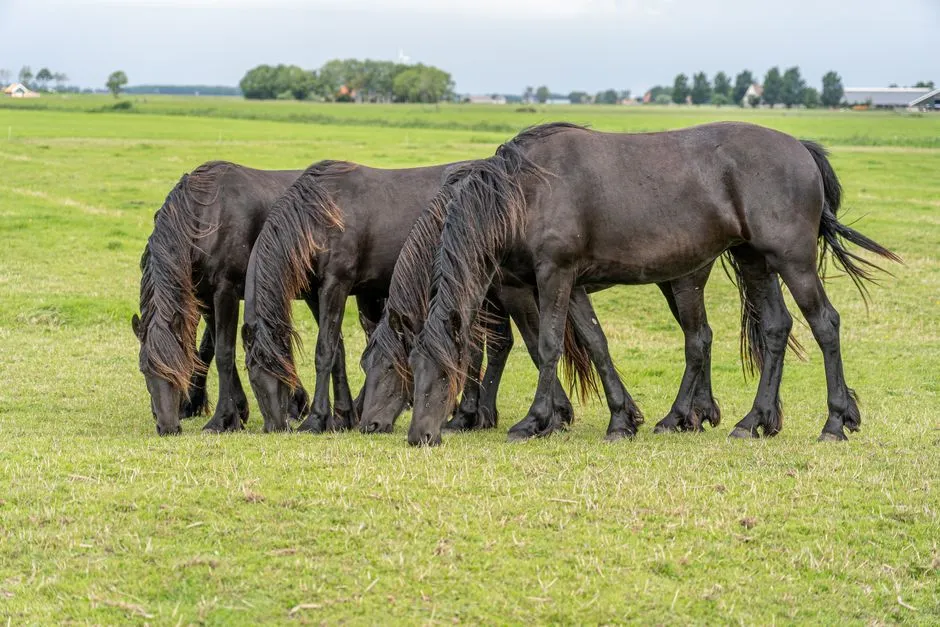
Friesians are arguably the most photogenic horse breed alive, and also one of the most frequently hospitalized for a single specific problem.
A review of clinic records found something startling: of 45 cases seen for megaesophagus at one veterinary clinic, 41 were in Friesians. That’s not a coincidence. Researchers put the prevalence at 2.2% among Friesian horses presented to these facilities, compared to just 0.5% in horses of other breeds. On top of that, the breed is also known for inherited dwarfism and hydrocephalus.
Most Friesian owners have never even heard of megaesophagus, yet it’s practically a breed-defining condition in clinic data. Vets describe it as directly tied to breed-related genetic susceptibility, alongside aortic rupture, insect bite hypersensitivity, and retained placenta. And #11’s numbers are rivaled by a spotted breed with its own hidden eye gene: #12.
#12 – Knabstruppers
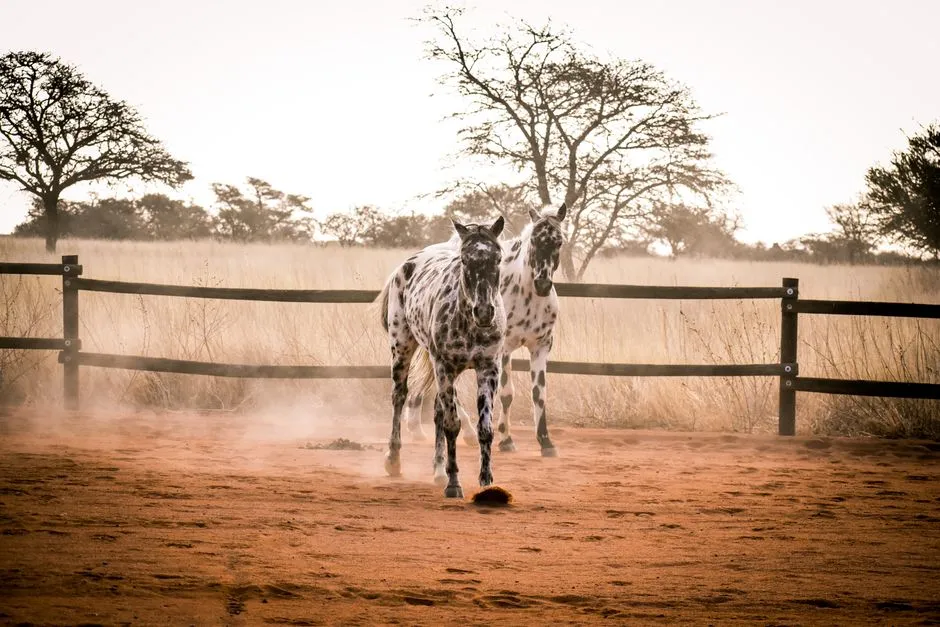
Knabstruppers are the spotted, circus-famous Danish breed, and their signature coat pattern comes bundled with an eye condition vets see constantly.
The same genetic mutation responsible for their leopard-spotted coat also affects vision. Two copies of a retroviral insertion within the TRPM1 gene are responsible for congenital stationary night blindness (CSNB) in spotted horses, including the Appaloosa, the Knabstrupper, and the American Miniature Horse. This isn’t a rare fluke, it’s a direct, predictable consequence of breeding for that flashy spotted look.
Vets confirm night blindness in this breed shows up alongside a documented elevated risk of a separate, more serious eye disease. That combination makes routine ophthalmic exams far more important for Knabstruppers than most owners assume. That’s nothing next to the blindness statistics behind America’s own spotted breed, #13.
#13 – Appaloosas
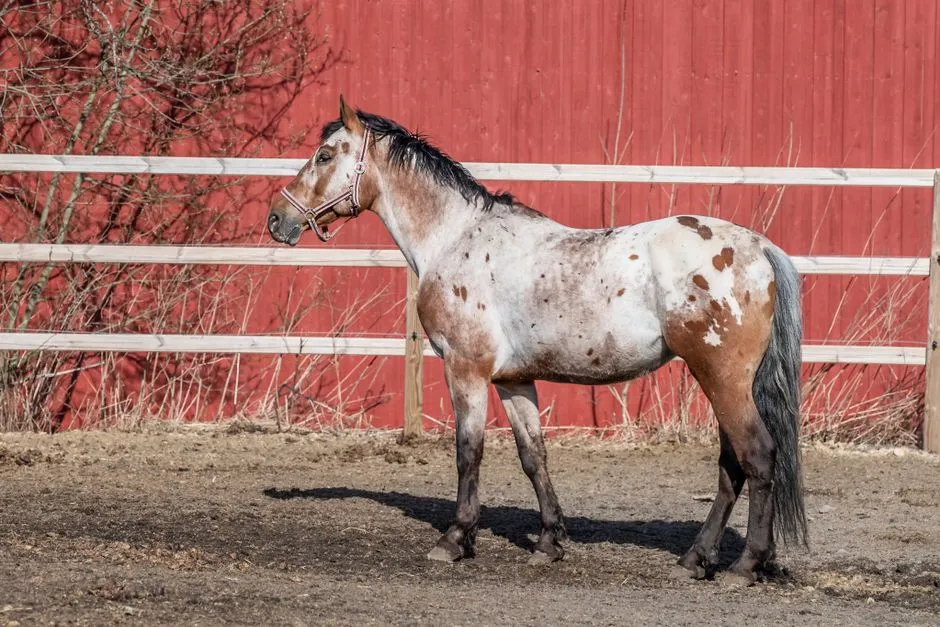
Appaloosas are one of the most beloved American breeds, but their coat pattern gene is also one of the most studied disease risk factors in equine ophthalmology.
Equine recurrent uveitis, also called moon blindness, is the most common cause of blindness in horses, and Appaloosas and related breeds are commonly affected by a particular form known as insidious uveitis. Research shows it’s especially pervasive within the breed and highly heritable, with heritability estimates between 0.68 and 1.0.
The financial and welfare stakes are brutal: previous investigations found 15-53% of affected horses were euthanized as a direct result of this disease, with diagnostic and treatment costs commonly reaching $1,000-3,000 and $3,000-5,000 respectively. Meanwhile, a totally different kind of fragility shows up in #14.
At a Glance
- Heritability of insidious uveitis in Appaloosas is estimated between 0.68 and 1.0, among the highest of any equine disease
- 15-53% of affected horses in past studies were euthanized as a direct result of the disease
- Diagnostic costs commonly run $1,000-3,000
- Treatment costs commonly run $3,000-5,000 on top of diagnostics
#14 – Paso Finos
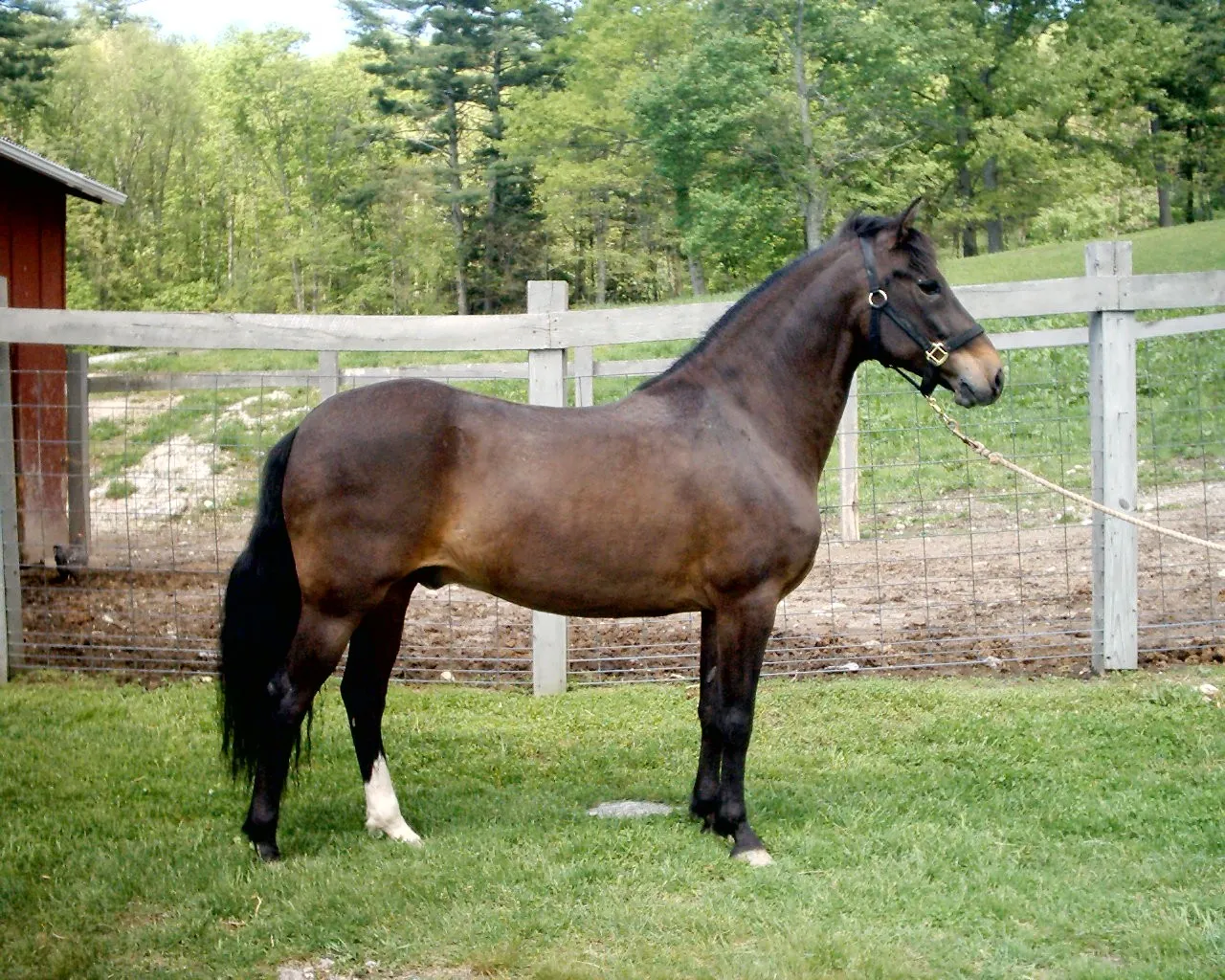
Paso Finos are prized for their signature smooth, four-beat gait, but their metabolism is where vets say the real trouble hides.
This breed sits on the same short list as some of the most metabolically fragile horses in the industry. Breeds at greatest risk for hyperlipaemia include Miniature horses, ponies, mules, and donkeys, but it can also strike Quarter Horses, Paso Finos, Peruvian Pasos, and Tennessee Walking Horses. That places Paso Finos firmly in the same metabolic risk category as much smaller pony breeds, which surprises a lot of owners.
Most people assume a taller, gaited riding horse is immune to the “pony problems” that affect Minis, but the data says otherwise. Vets note these breeds are also flagged for elevated Equine Metabolic Syndrome risk, meaning diet management matters just as much here as it does for any pony. That same fragility follows its sister breed straight into #15.
#15 – Peruvian Pasos
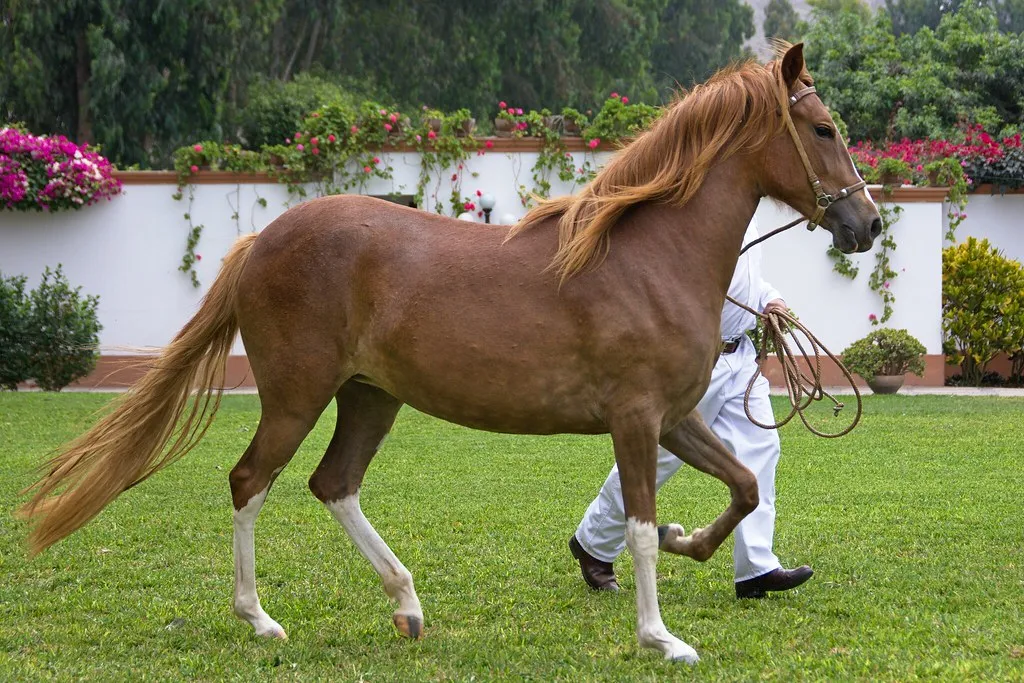
Peruvian Pasos share their smooth gait heritage with Paso Finos, and unfortunately, they share the same metabolic vulnerability too.
They’re named specifically among the breeds vets flag for lipid metabolism disorders, right alongside Miniature Horses and ponies. That places a horse many people picture as sleek and athletic in the same at-risk category as the smallest, chunkiest breeds in the barn, a mismatch between appearance and actual metabolic risk that surprises most new owners.
Vets say the breed’s naturally efficient, “easy keeper” build is precisely what makes it prone to insulin resistance under modern feeding conditions. Combined with Equine Metabolic Syndrome risk, that means routine bloodwork matters more for this breed than casual owners typically expect. But #16 has an eye condition so specific it’s literally named after the breed.
#16 – Tennessee Walking Horses
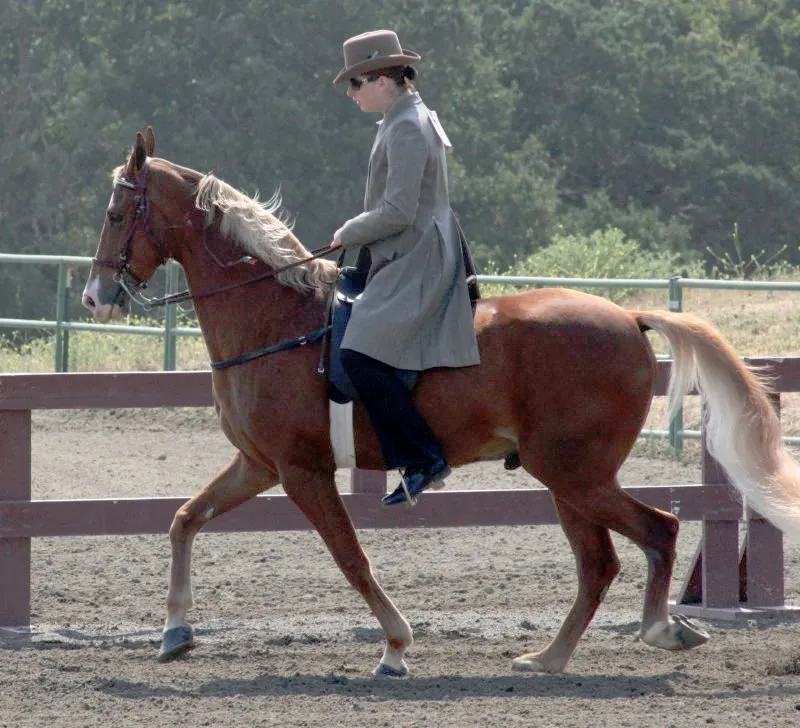
Tennessee Walking Horses are famous for their running-walk gait, and they’re also the only breed with a second, breed-specific form of night blindness named after them.
While Appaloosas carry one genetic cause of congenital stationary night blindness, researchers identified an entirely separate genetic cause specific to this breed, known as CSNB2. A dedicated genetic test now exists for Tennessee Walking Horses because the mutation doesn’t behave identically to the Appaloosa version.
Most owners have no idea their breed has its own uniquely named eye condition separate from every other spotted or solid-colored horse. Vets recommend that any Tennessee Walking Horse testing positive also get a full ophthalmology workup. Eyes aside, #17’s problem lives entirely in its joints.
#17 – Missouri Fox Trotters
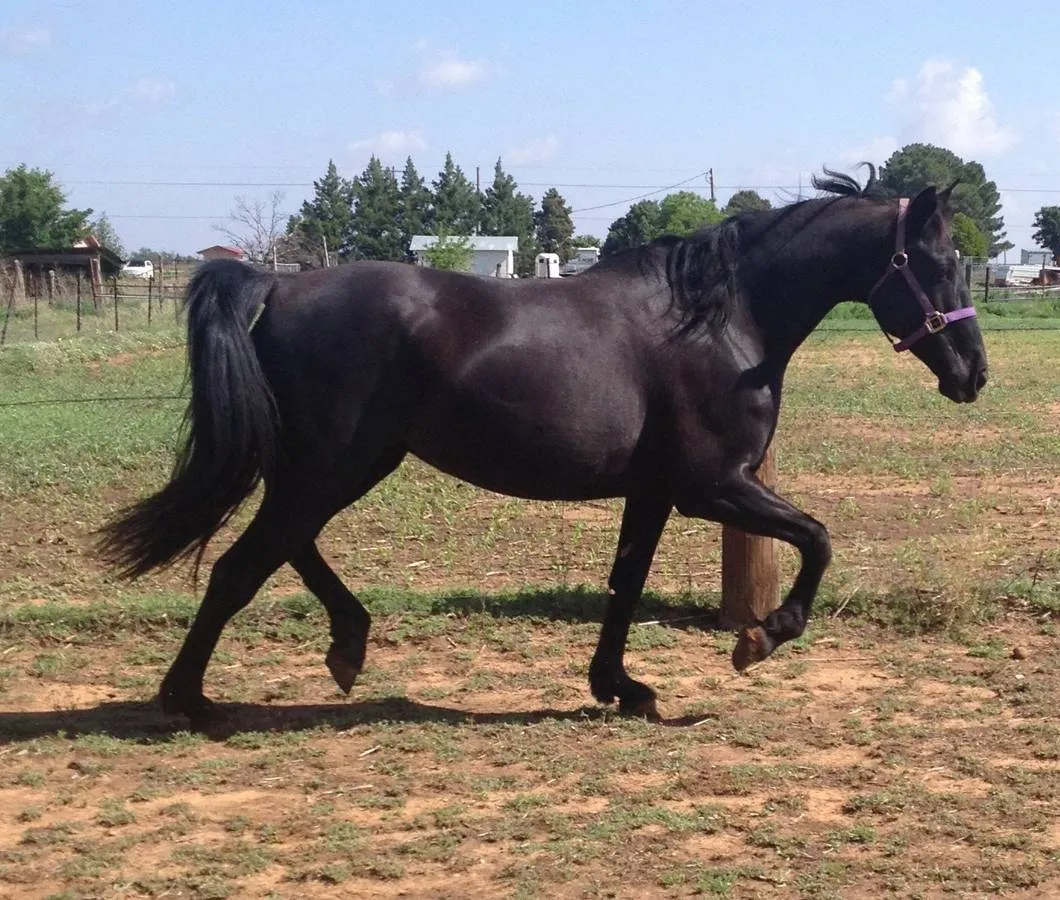
Missouri Fox Trotters are built for smooth trail riding, but their unique diagonal gait puts unusual, repetitive stress on specific joints over a lifetime.
Because the breed’s signature gait relies on a distinct broken diagonal footfall pattern rather than a standard trot, the biomechanical load doesn’t distribute the way it does in more conventional gaited or non-gaited breeds. Over years of trail work, that repetitive pattern can accelerate wear on the same joints and soft tissues.
Vets who work extensively with gaited breeds say the “smoothness” owners love is often the product of a horse compensating through its joints, not just its training. That’s why lameness workups on Fox Trotters often require a closer look at gait mechanics specifically, rather than a standard lameness exam alone. Speaking of hidden genetics, #18’s coat color comes with a secret most buyers never ask about.
#18 – Rocky Mountain Horses
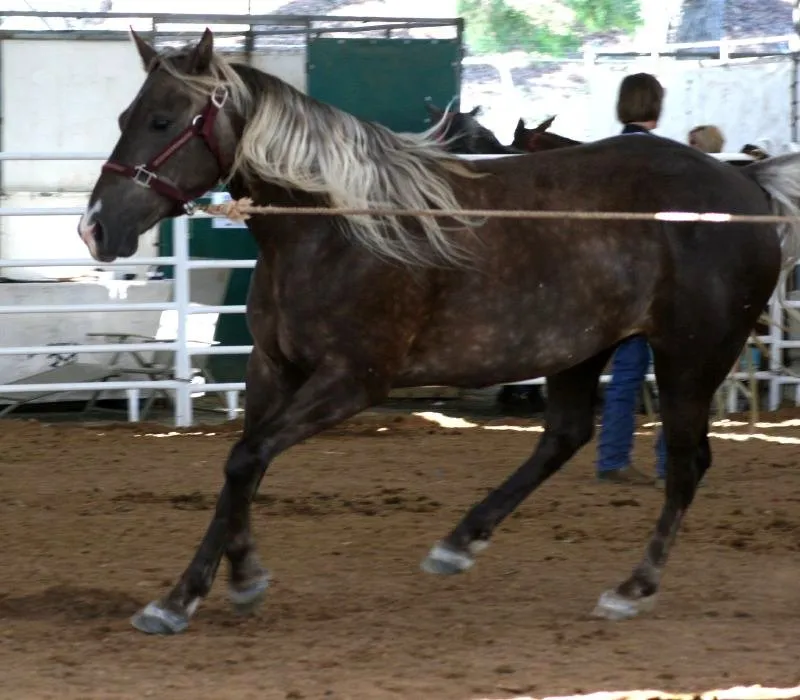
Rocky Mountain Horses are known for their striking chocolate coat and gold mane, but that signature coloring is tied to a documented eye condition many buyers never ask about.
The gene responsible for the breed’s coveted silver-chocolate coloring has been associated with congenital ocular abnormalities in some individuals, ranging from mild cysts to more serious vision complications. Because the trait is desirable for showing and breeding, vets say it isn’t always screened for as carefully as it should be before mating decisions are made.
Most buyers fall in love with the coat color and never think to ask whether the same gene affects the eyes. That gap in owner awareness is exactly why vets increasingly recommend ophthalmic screening as a standard pre-purchase step for this breed. Metabolism strikes again in #19, and it’s sneakier than most owners think.
#19 – Morgans
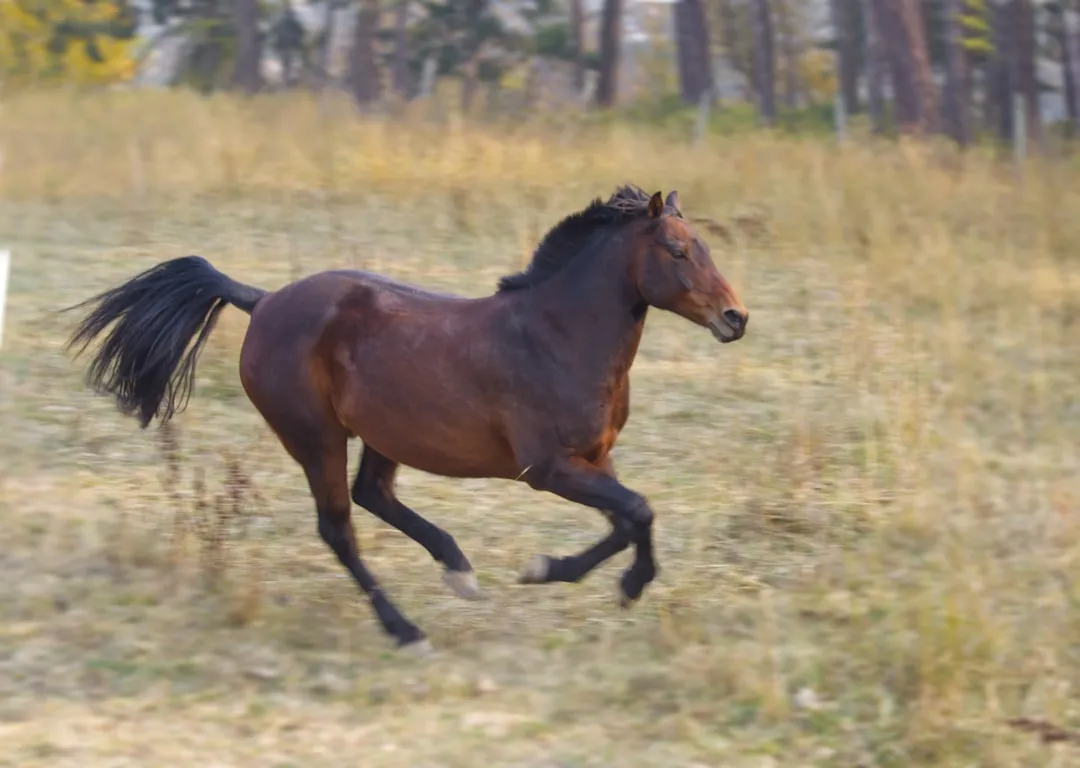
Morgans are marketed as the ultimate all-purpose American horse, but their efficient metabolism means they gain weight faster than most owners expect.
Bred for stamina and versatility rather than speed, Morgans tend to hold onto calories exceptionally well, a trait that made them prized working horses generations ago. In a modern setting with less daily labor and more turnout on rich pasture, that same trait becomes a fast track to obesity and insulin resistance.
Vets say Morgans are frequently misjudged as “low maintenance” simply because they’re calm and sturdy, when in reality their diet needs constant monitoring. A horse that looks fit and muscular can still be quietly developing metabolic disease underneath a thick, healthy-looking coat. #20 carries something far older and more serious in its bloodlines.
#20 – Arabians
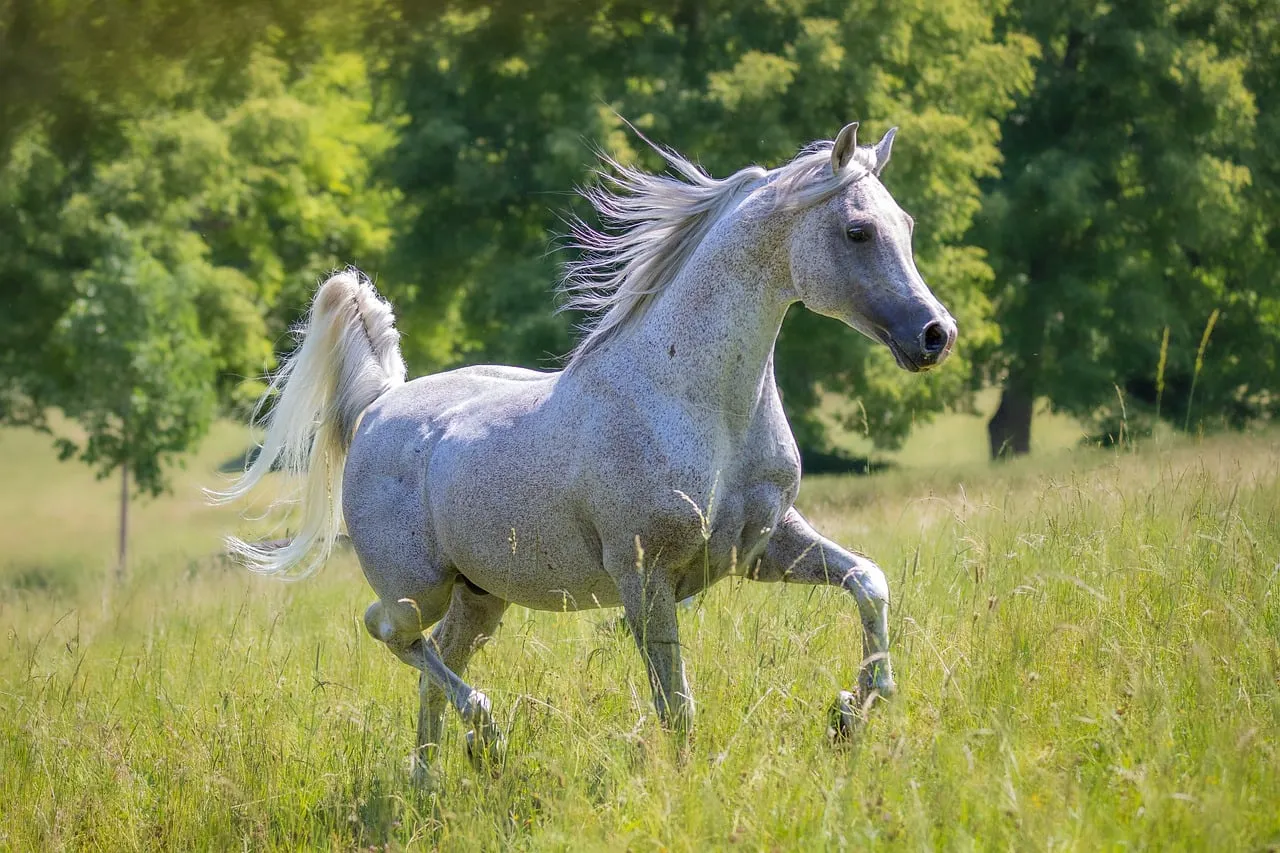
Arabians are one of the oldest and most influential breeds in the world, and their long, closed breeding history has left a mark on their genetics that shows up in the clinic.
Because the breed was developed through centuries of tightly controlled desert bloodlines, certain inherited conditions have become established within specific family lines, including immune and neurological disorders well documented in veterinary literature. These aren’t common across every Arabian, but they appear consistently enough in certain bloodlines that responsible breeders now test for them before pairing horses.
Most people picture Arabians purely as elegant endurance horses and have no idea that some bloodlines carry a documented risk of serious inherited disease. Vets say genetic testing has become far more standard in this breed than in most others as a direct result. Powerful movement comes at a joint cost in #21.
#21 – Andalusians
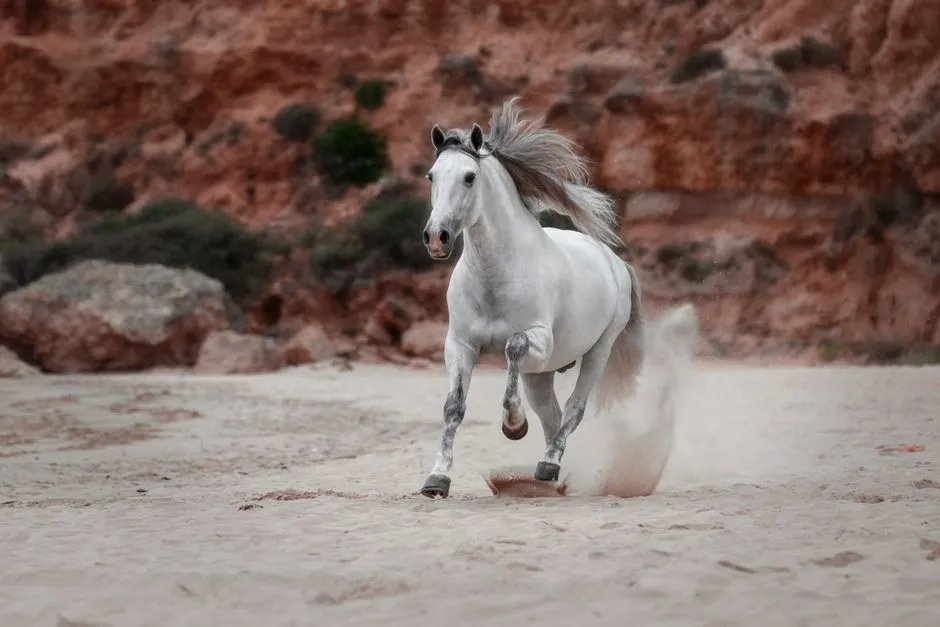
Andalusians are prized for their proud, powerful movement, and that same conformation contributes to joint conditions vets see regularly in the breed.
Their heavier musculature and collected way of moving put unique demands on developing joints, particularly during the growth years when cartilage is still forming. This makes early-life joint screening a bigger priority for Andalusians than for lighter, leaner breeds bred primarily for speed.
Vets note that closely related Iberian breeds show some of the highest documented rates of developmental joint disease anywhere in the horse world, which puts Andalusian owners on notice that a striking, powerful build doesn’t equal joint invincibility. But #21’s numbers look tame next to the almost unbelievable rate in #22.
#22 – Lusitanos
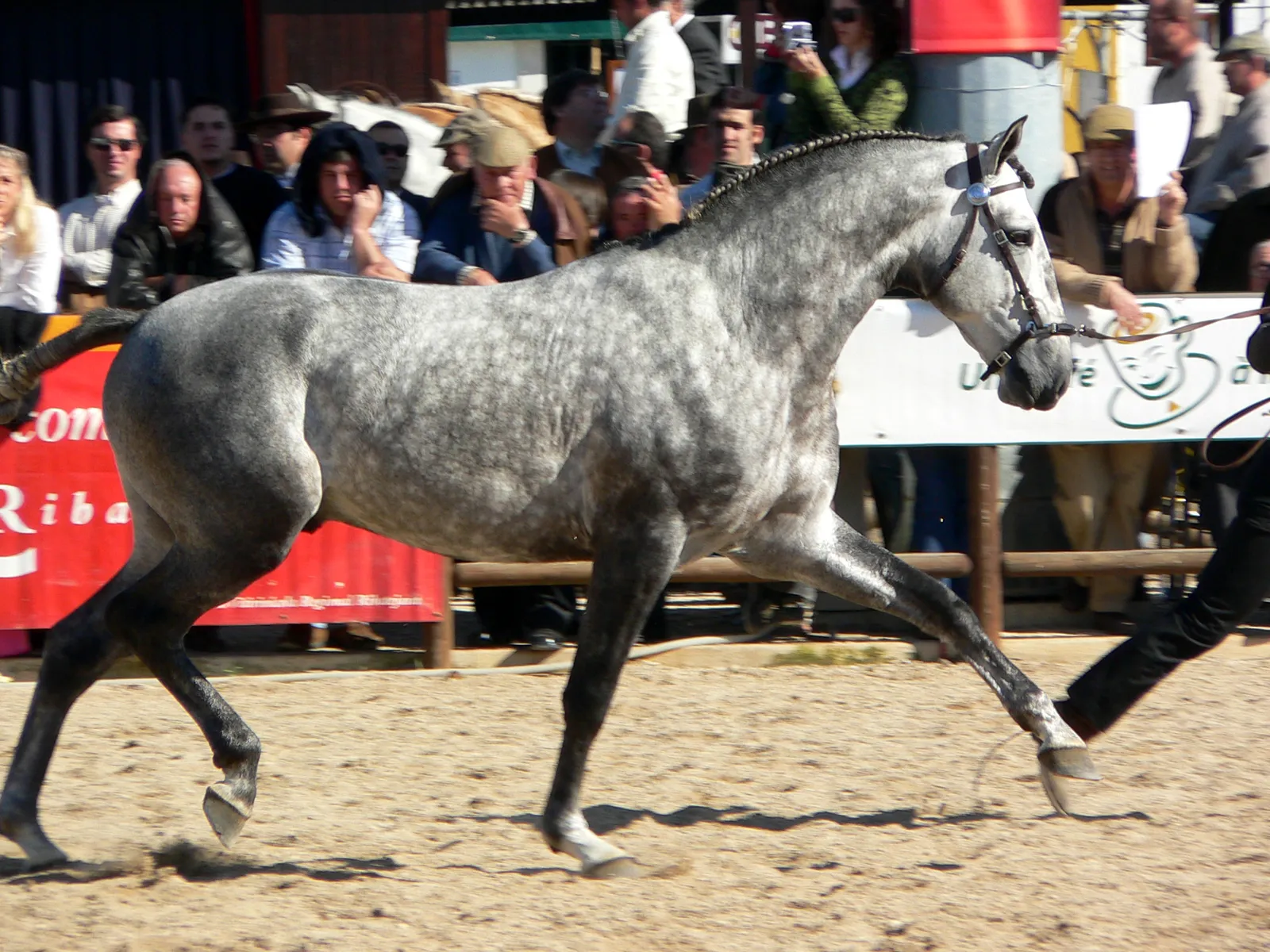
Lusitanos are the closest living relative to the Andalusian, and the numbers on their joint health are more dramatic than almost any other breed on this list.
A major review of developmental joint disease found jaw-dropping variation between breeds, and the Lusitano sat at the extreme end. Prevalence ranged from 13% in Swedish Warmbloods to a staggering 53% in the Lusitano breed, with genetic factors carrying real weight in whether a horse develops OCD.
Genetic factors have a great relevance in the appearance and development of OCD in horses.
Veterinary research on osteochondrosis in horses
A 53% prevalence rate means more than half of the breed studied showed signs of this joint disease, an almost unbelievable number for any single breed. Vets say this makes early radiographic screening in young Lusitanos less of a precaution and more of a necessity. Even that’s matched by the sport horse world’s favorite breed, #23.
#23 – Warmbloods
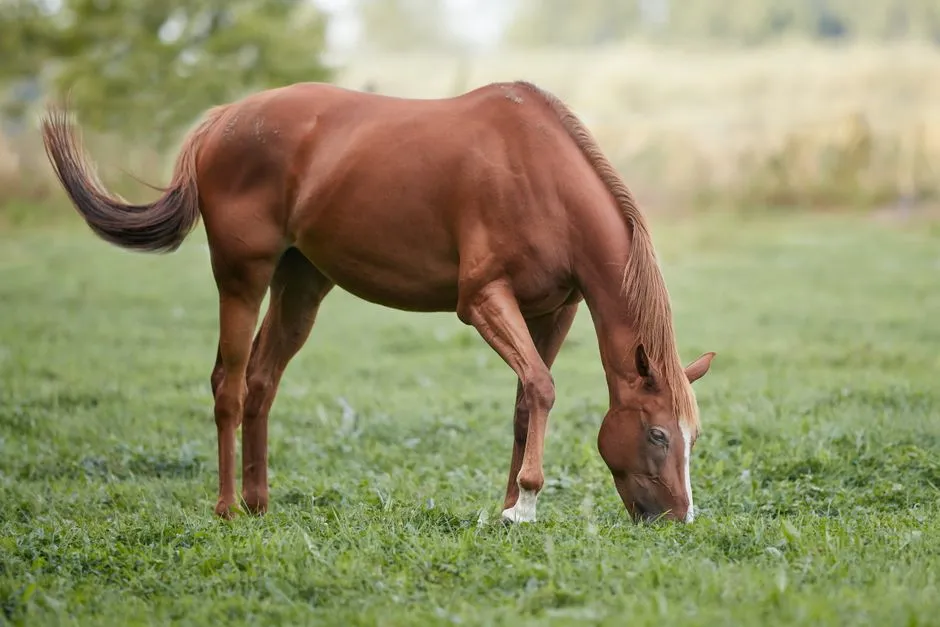
Warmbloods dominate the modern sport horse world, and their joints pay the price for the size and growth rate that makes them so competitive.
A large pre-purchase study looked specifically at this issue in the breed and found abnormalities were common enough to be a standard part of any serious buyer’s checklist. A succession of studies has demonstrated the high prevalence of osteochondrosis dissecans in different populations, ranging from 6.25% in feral horses to 36% in Warmbloods. Vets who specialize in sport horse work say this single condition is one of the most frequent reasons Warmbloods end up in a clinic for imaging.
Most buyers focus entirely on a Warmblood’s movement and pedigree and completely overlook the joint imaging that should come standard with a purchase this size. That gap in due diligence is exactly why so many of these cases get caught late instead of early. #24 has been tracking this same joint risk for decades.
Quick Compare
- Feral horse populations: 6.25% OCD prevalence
- Swedish Warmbloods: 13% OCD prevalence
- General Warmblood populations: up to 36% OCD prevalence
- Lusitanos: 53% OCD prevalence, the highest documented rate on this list
#24 – Standardbreds
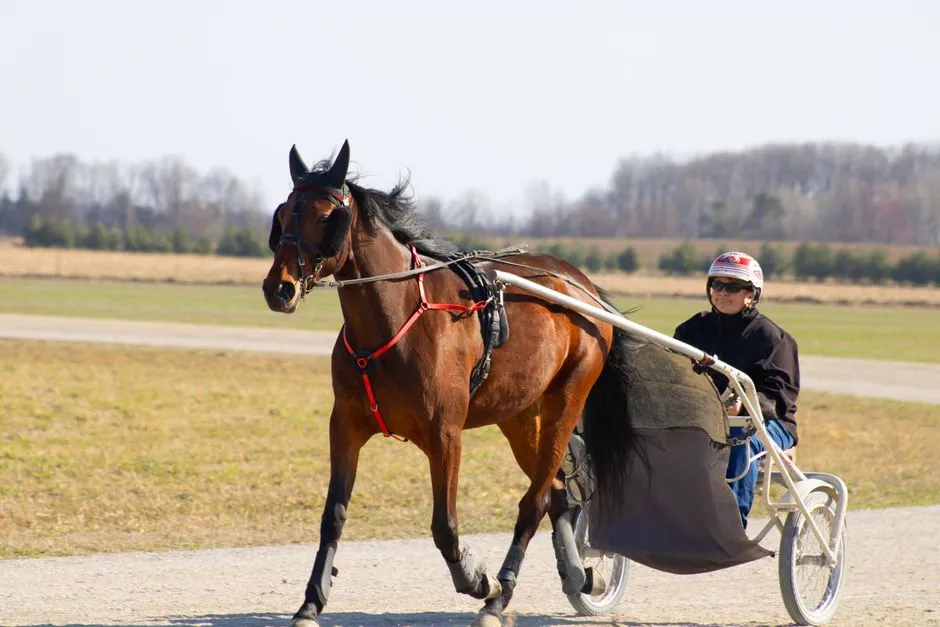
Standardbreds are the workhorses of harness racing, and their joints carry documented genetic risk that vets have been tracking for decades.
Unlike many conditions that are purely environmental, this one has a confirmed hereditary link in the breed. Inherited developmental orthopedic disease has been noticed in some breeds, particularly Standardbreds and Swedish Warmbloods. Add in the sheer repetitive strain of harness racing training, and joint imaging becomes a routine, expected part of veterinary care for this breed.
Vets say Standardbreds are among the most frequently radiographed horses in practice, partly because trainers know exactly what to look for and screen aggressively. That heavy screening rate is precisely why the condition shows up so often in clinic statistics for this breed specifically. And then there’s #25, the breed every vet says gets watched hardest of all.
#25 – Thoroughbreds
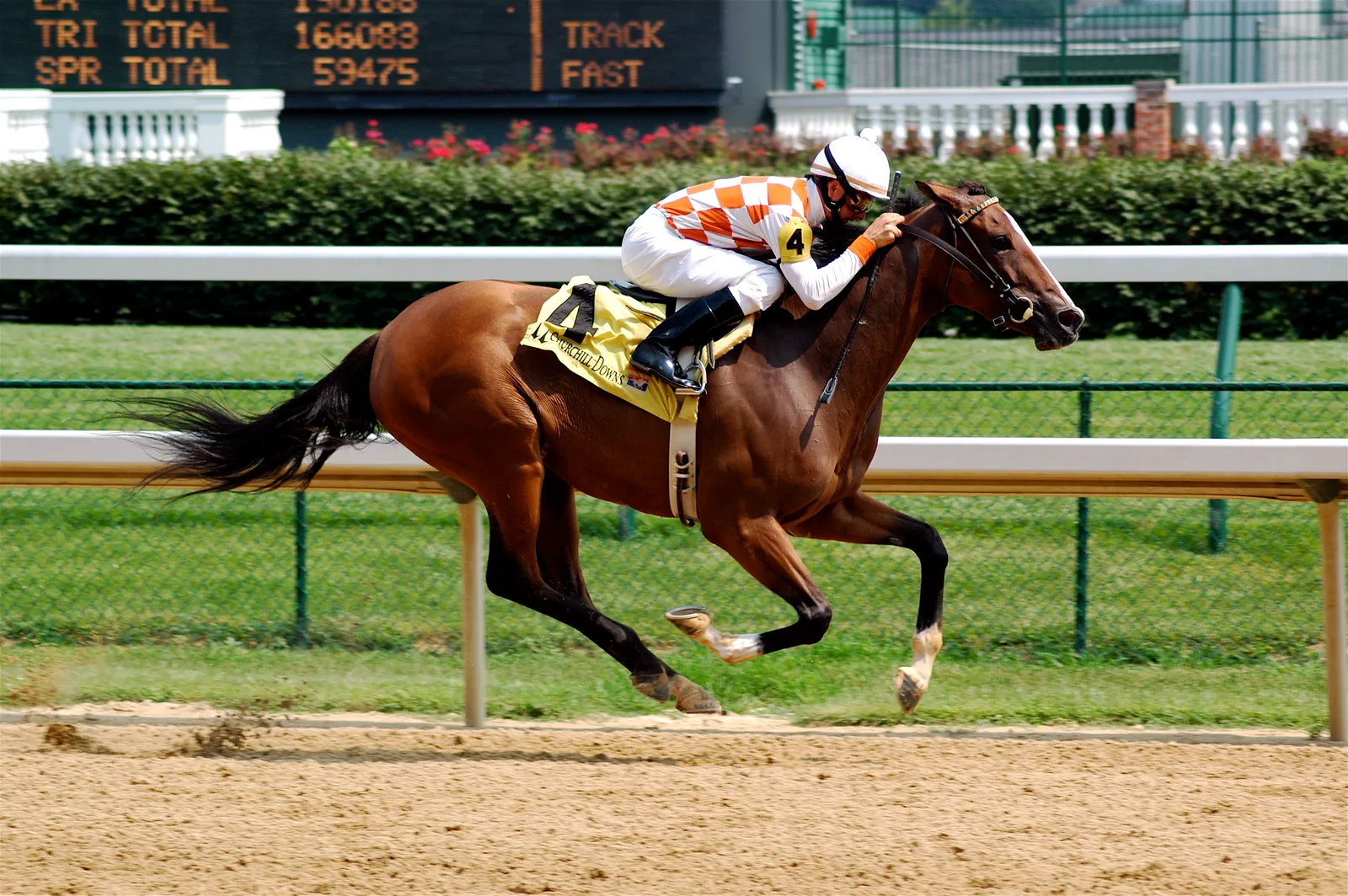
Thoroughbreds are the face of horse racing worldwide, and their joints take on some of the most documented stress of any breed in equine medicine.
Bred for explosive speed at a young age, Thoroughbreds are pushed into intense training before their skeletons are fully mature, a combination vets say is a near-perfect setup for developmental joint disease. While OCDs can develop in all breeds, they’re most prevalent in Warmbloods, Thoroughbreds, and Standardbreds.
We can argue that these breeds are the most frequently radiographed horses.
Equine surgeon on OCD screening rates
That means part of the reason Thoroughbreds top so many clinic charts is simply that vets are looking harder, not necessarily that the breed is uniquely fragile. It’s a controversial point among trainers, but plenty of vets now argue the industry’s obsession with early speed is the real root cause, not the breed itself. But #26 proves something totally different: coat color means nothing once you look under the skin.
#26 – Paint Horses
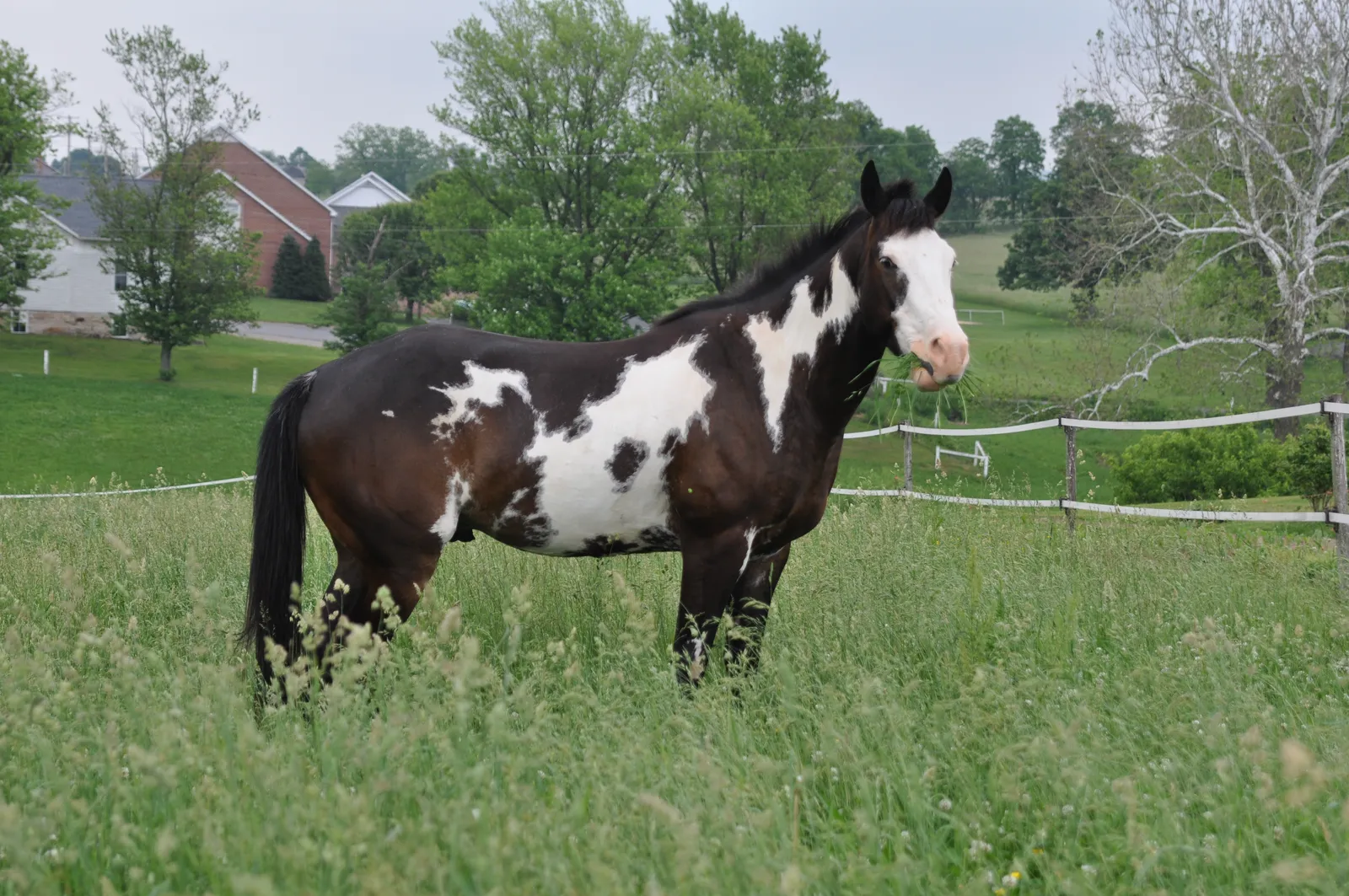
Paint Horses share close genetic roots with Quarter Horses, and that shared bloodline brings shared clinic visits too.
Because the two breeds were developed from overlapping foundation stock and are still frequently crossed today, Paint Horses show many of the same joint, hoof, and muscle conditions that show up constantly in Quarter Horse exam rooms. Their flashy coat patterns get all the attention at the sale barn, but underneath, the skeleton and metabolism are working almost identically to their solid-colored cousins.
Vets say the biggest surprise for new owners is realizing a Paint’s coat pattern has essentially nothing to do with its health risks, the bloodline underneath does all the talking. That’s a hard truth for buyers who choose horses purely for color rather than conformation or lineage. Which brings us to the real twist ending, breed #27.
#27 – American Quarter Horses
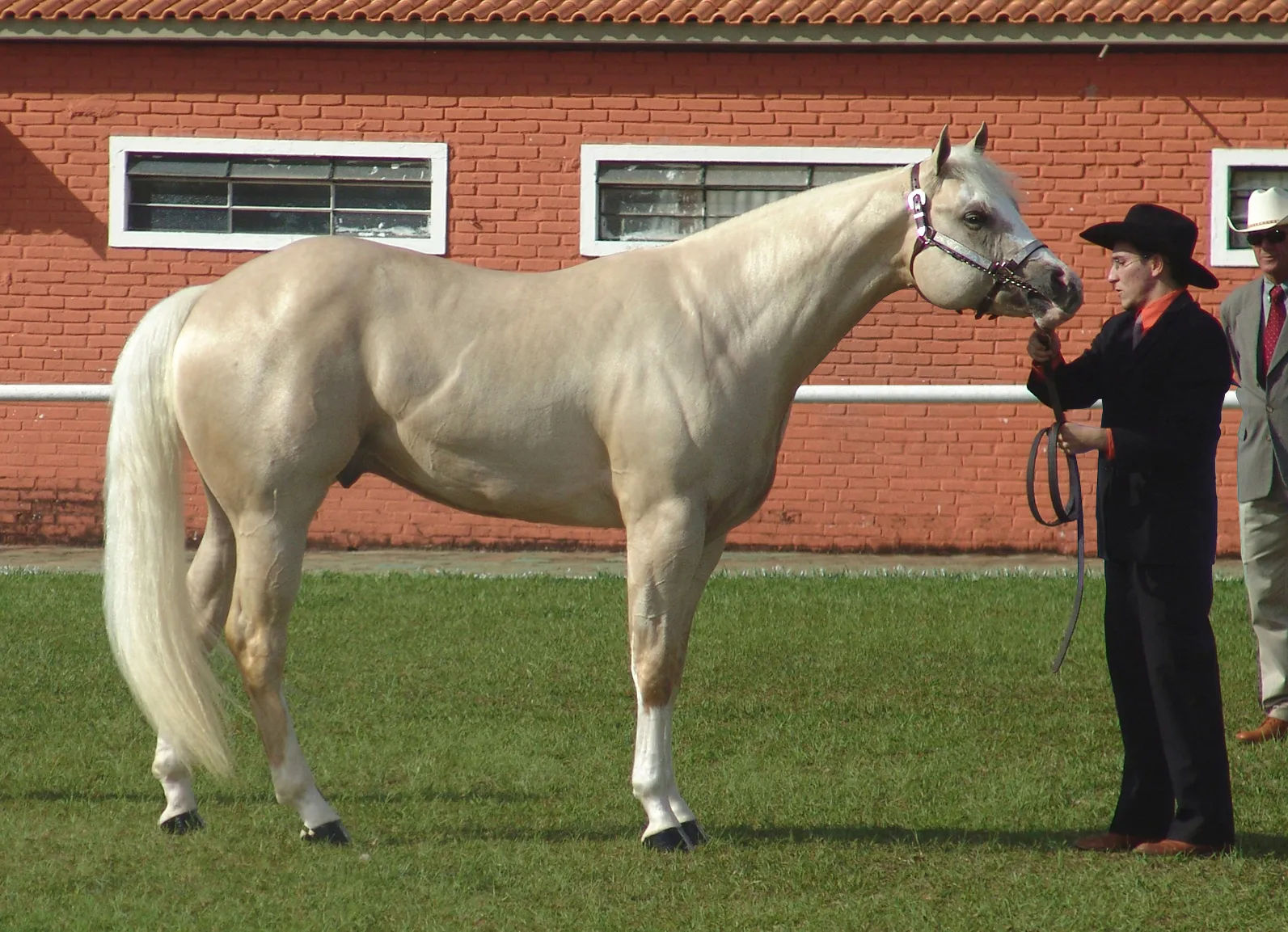
Here’s the twist: the single most common breed in equine vet clinics isn’t there because it’s the sickest. It’s there because there are simply more of them than every other breed combined.
The American Quarter Horse is the most popular breed in the United States, and by a wide margin, the most popular breed in North America. Household surveys show there are 2.1 million Quarter Horses living in the U.S., accounting for 42.1% of horses in all commercial operations included in the 2015 USDA census. Separate data confirms the breed sits firmly at the top of the list, accounting for nearly half of the U.S. horse population.
When one breed makes up nearly half of every horse in the country, basic math guarantees it fills more exam rooms than any other, regardless of how healthy or unhealthy the breed actually is. That’s the uncomfortable truth vets rarely get asked about directly: population size, not fragility, drives the numbers at the very top of this list.
By the Numbers
- 2.1 million Quarter Horses live in the U.S., more than any other breed
- They account for 42.1% of horses in commercial operations per the 2015 USDA census
- Separate data puts the breed at nearly half of the entire U.S. horse population
- More horses of this breed simply means more of them statistically show up in clinics
The Bottom Line
The pattern here isn’t subtle once you see it: breeding for a specific look, gait, or coat pattern almost always comes with a hidden medical trade-off. A Friesian’s collagen-linked esophagus, an Appaloosa’s spotted-coat eye disease, a Miniature Horse’s razor-thin margin for missed meals, none of it is random.
Meanwhile, the American Quarter Horse tops every clinic’s intake sheet for a far less dramatic reason: sheer population size. Honestly, the industry doesn’t talk enough about how much of “breed-specific risk” is really just breeding-for-looks catching up with these animals decades later.
Which breed on this list surprised you the most? Drop it in the comments.
