

When you hear the word “migration,” what comes to mind? Maybe you think of birds flying south for the winter or salmon swimming upstream. Yet the world of animal migration is far more spectacular and mysterious than most people realize. Every year, millions of creatures embark on epic journeys that span thousands of miles, from the deepest oceans to the highest mountain peaks.
These migrations aren’t just impressive displays of endurance. They’re lifelines that connect ecosystems across the globe and keep our planet’s natural cycles running smoothly. Let’s dive into twelve of the most extraordinary wildlife migrations that happen every single year.
Arctic Tern: The Ultimate Globe-Trotting Champion
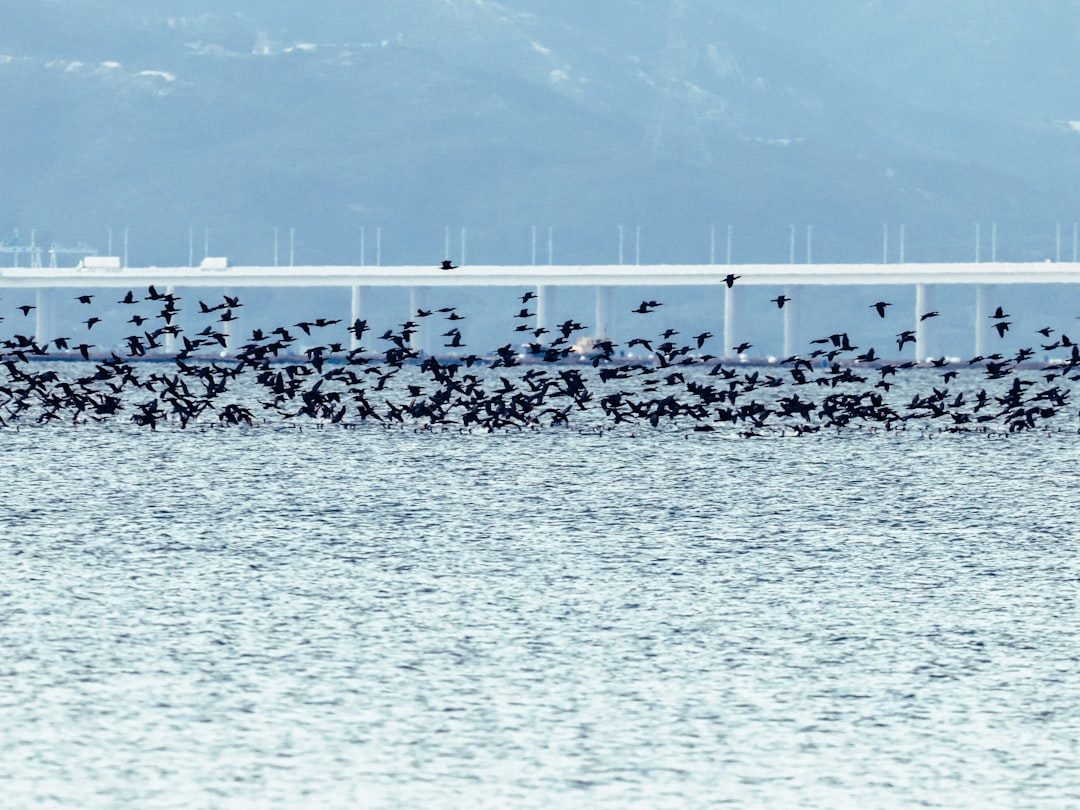
Prepare to be amazed by the Arctic tern, which flies from its Arctic breeding grounds to the Antarctic and back again each year, covering an annual round trip of at least 19,000 km (12,000 mi), with some studies suggesting distances of up to 71,000 kilometers. These small birds chase perpetual summer, experiencing two summers each year and more daylight than any other creature on Earth.
Weighing just 90-120 grams (3.2-4.2 ounces) with a wingspan of 64-76 centimeters, these plain-looking birds are deceptive champions of endurance. They follow complex routes that take advantage of global wind patterns, gliding effortlessly across oceans while using the Earth’s magnetic field, the sun, and even polarized light patterns to navigate with remarkable precision.
Humpback Whales: Ocean Giants on the Move
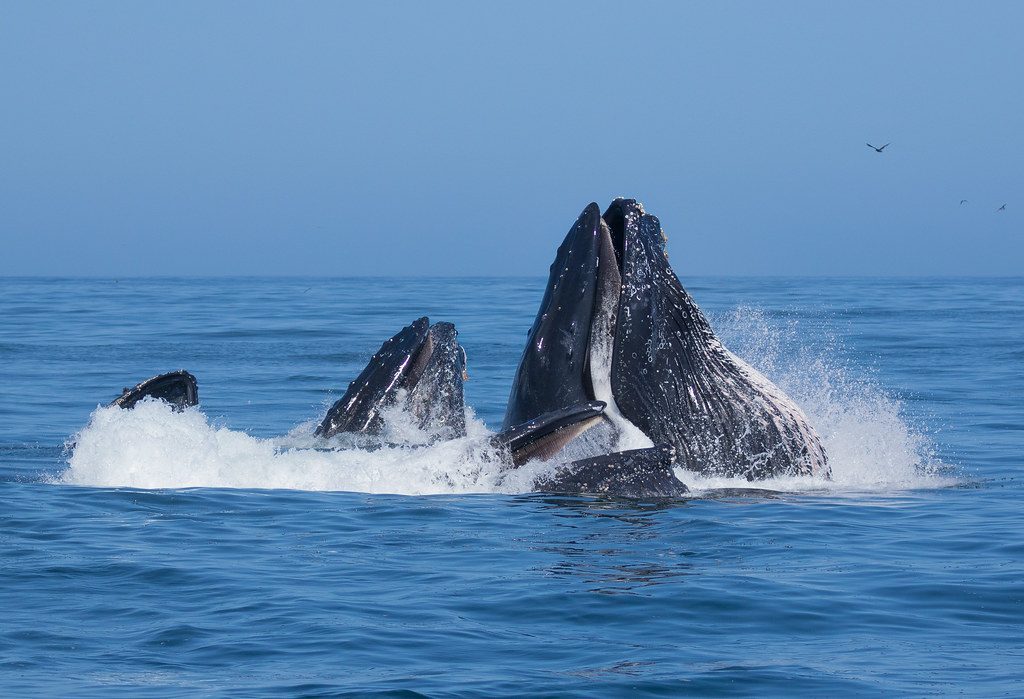
Humpback whales are among the largest animals on the planet, weighing up to 40,000 kilograms (88,185 pounds) and reaching 18 meters (59 feet) in length with lifespans over 48 years. Their journey can take over 8,000 kilometers (4,970 miles) each way, making it the longest migration of any mammal on Earth, and they’re slow swimmers but make up for it by traveling non-stop for days at a time.
These gentle giants spend summers at feeding grounds in cold, nutrient-rich waters abundant with krill and small fish, then migrate to warmer waters in winter to raise their calves and avoid predation by killer whales. They do not feed along their migration route and instead survive on fat reserves built up during the summer months.
Monarch Butterflies: Multi-Generational Marvel
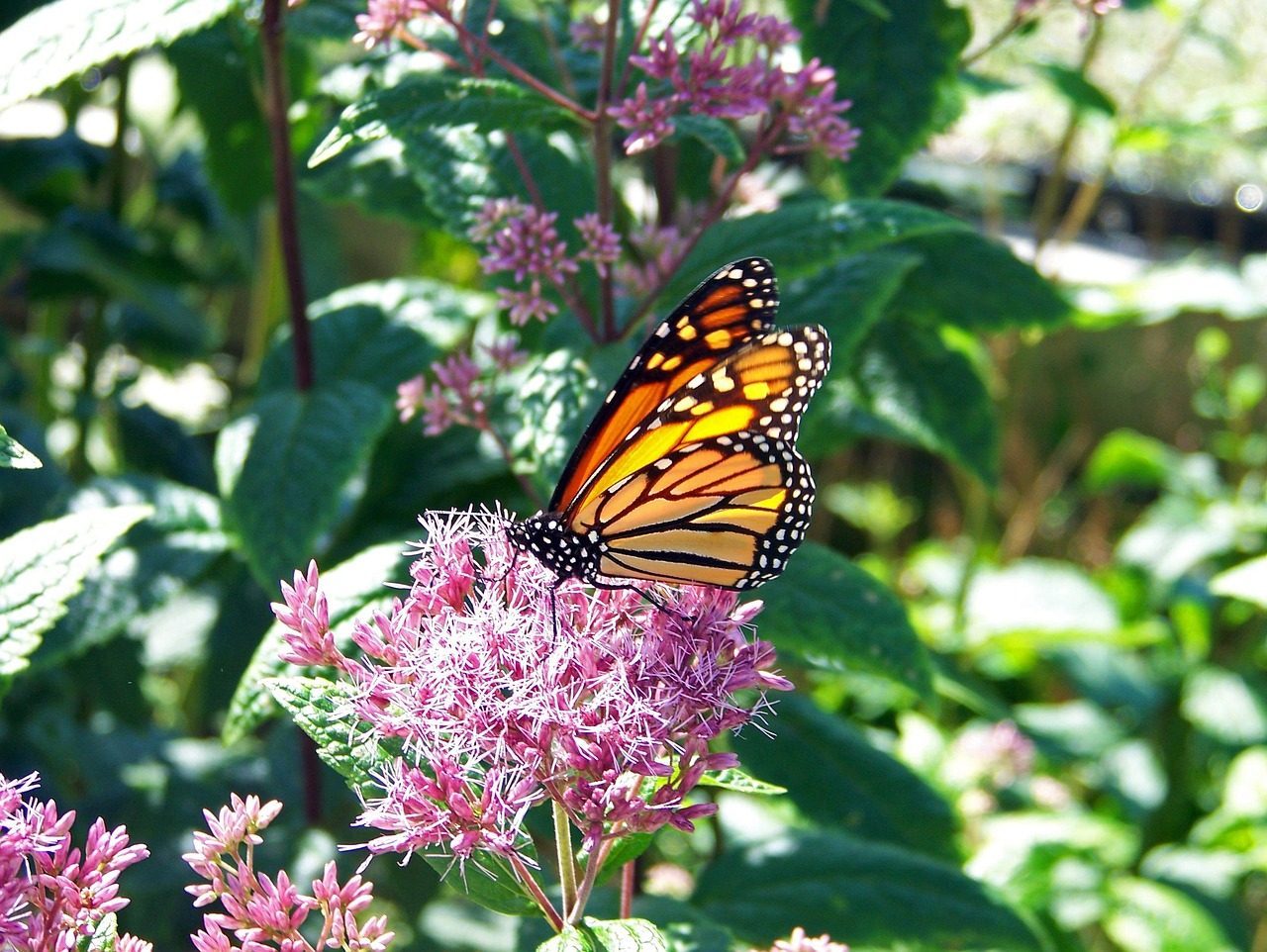
The northeastern American population of monarch butterflies makes the famous 4,800-kilometer (3,000-mile) journey from Canada to Mexico, with millions leaving their northern ranges to fly south to the oyamel fir forests near the Sierra Madre mountains. What makes this migration truly remarkable is that no single butterfly completes the entire round trip.
When spring arrives, the monarchs start their return journey north, cycling through three to five generations to reach their destination, with females laying eggs on milkweed plants along the way for caterpillars to feed on after hatching. It remains a mystery to scientists how new generations know where to go, but they appear to navigate using a combination of the Earth’s magnetic field and the position of the sun.
Wildebeest: The Great Serengeti Spectacle
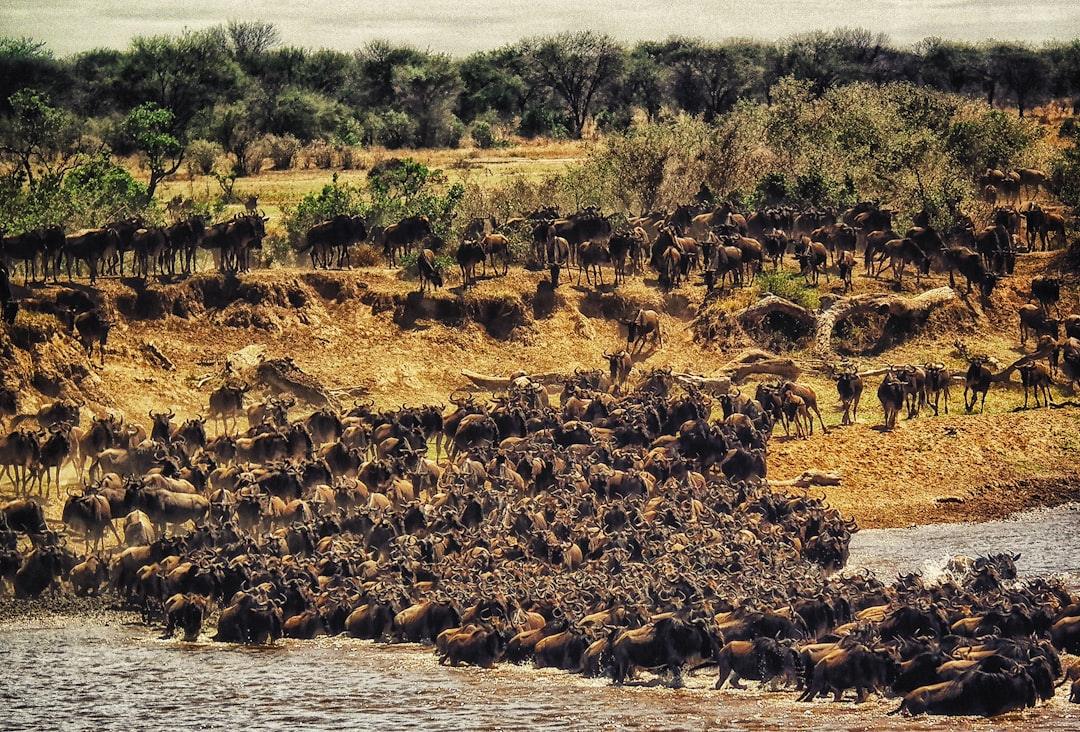
Wildebeest take the crown for the most dramatic migration, with over one million individuals, along with thousands of zebras and gazelles, roaming the Serengeti-Mara ecosystem of Tanzania and Kenya during the dry season in search of fresh grass and water on a round-trip spanning hundreds of miles and two countries. The herd moves as a great swarm, and individuals must keep up or risk being picked off by lions, hyenas, and crocodiles that gather to hunt.
Each year, over a million wildebeests, accompanied by zebras and gazelles, travel in a large loop across the Serengeti in Tanzania and into the Maasai Mara in Kenya, with this mass movement driven by their search for fresh grazing and water. The timing and scale of this migration makes it one of nature’s most thrilling spectacles.
Christmas Island Red Crabs: The Crimson Carpet March
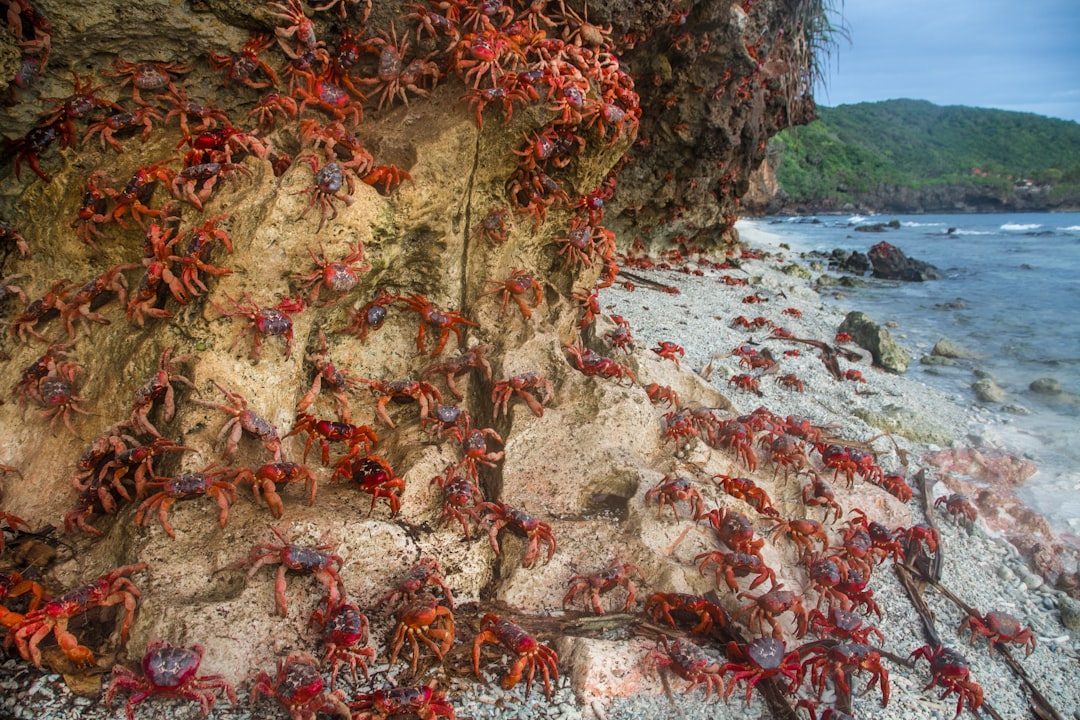
Honestly, you’ve never seen anything like Christmas Island’s red crab migration. Millions of these large crabs emerge from the forest and make their way to the ocean to breed, swarming across roads, streams, rocks and beaches. Outnumbering their human neighbors 100,000 to 1, these crabs produce one of our planet’s most spectacular migrations: a march of epic proportions involving 40-50 million crabs.
Each year they migrate to the coast to breed, with the beginning of the wet season (usually October/November) allowing the crabs to increase their activity and stimulating their annual migration. The red crabs always spawn together before the sun rises during the final quarter of the moon as the high tide begins to turn, and somehow they always know exactly how fast they need to move to make their deadline.
Gray Whales: Coastal Commuters of the Pacific
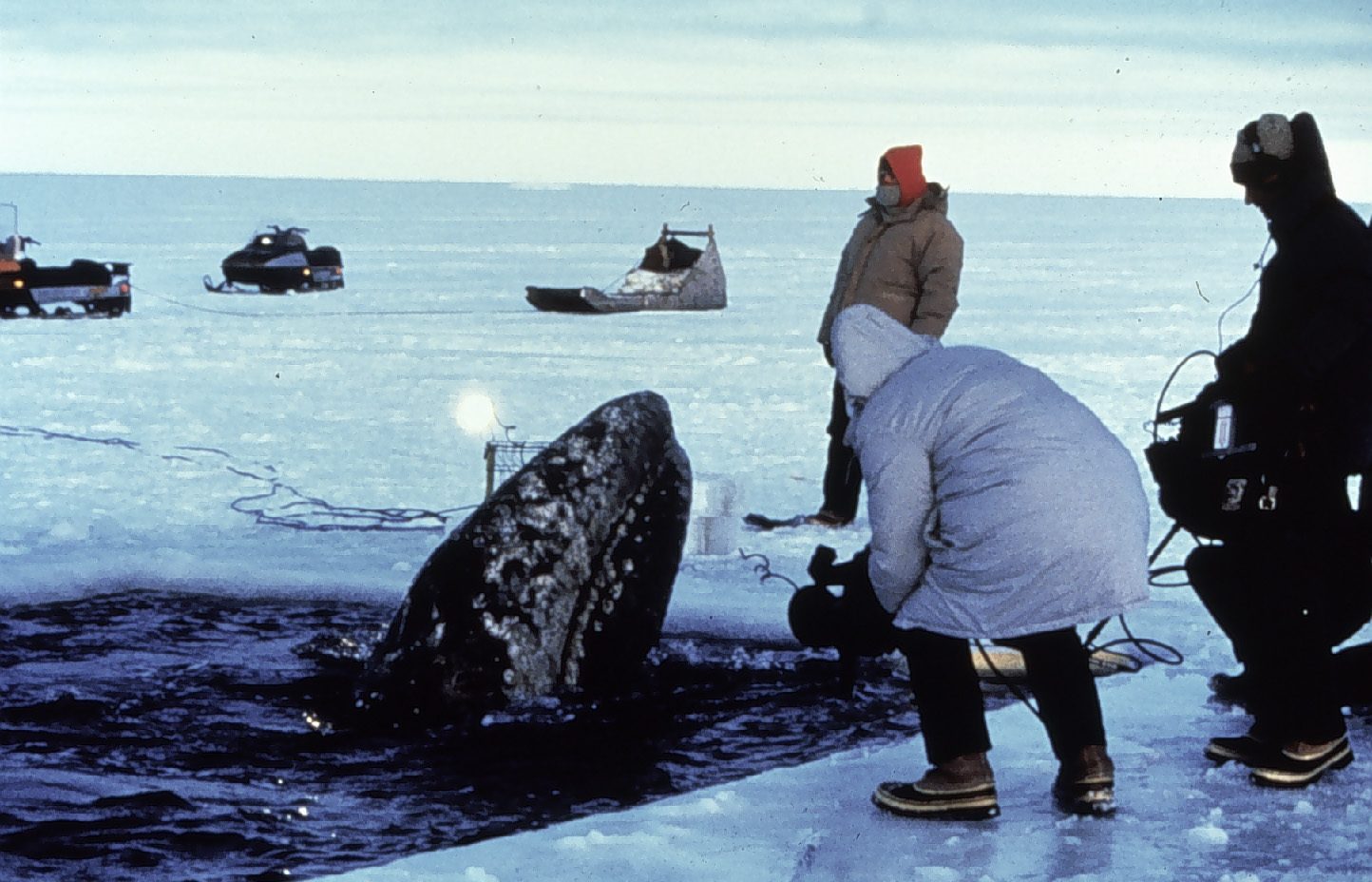
Gray whales are renowned for their impressive migrations along the Pacific coast, traveling approximately 12,000 miles round trip from the icy waters of the Arctic to the warm lagoons of Baja California. These migrating animals travel approximately 10,000-12,000 miles round trip between their feeding grounds in the Arctic and breeding grounds in the warm lagoons of Baja California, Mexico, which ensures they can feed in nutrient-rich Arctic waters and give birth in warmer southern waters.
Pregnant females lead the migration, heading first to give birth in sheltered bays, and these migrations are crucial for breeding and feeding, with whales relying on memory and environmental cues for navigation. Their recovery from near extinction showcases nature’s resilience when proper conservation measures are in place.
Pacific Salmon: The Ultimate Homecoming
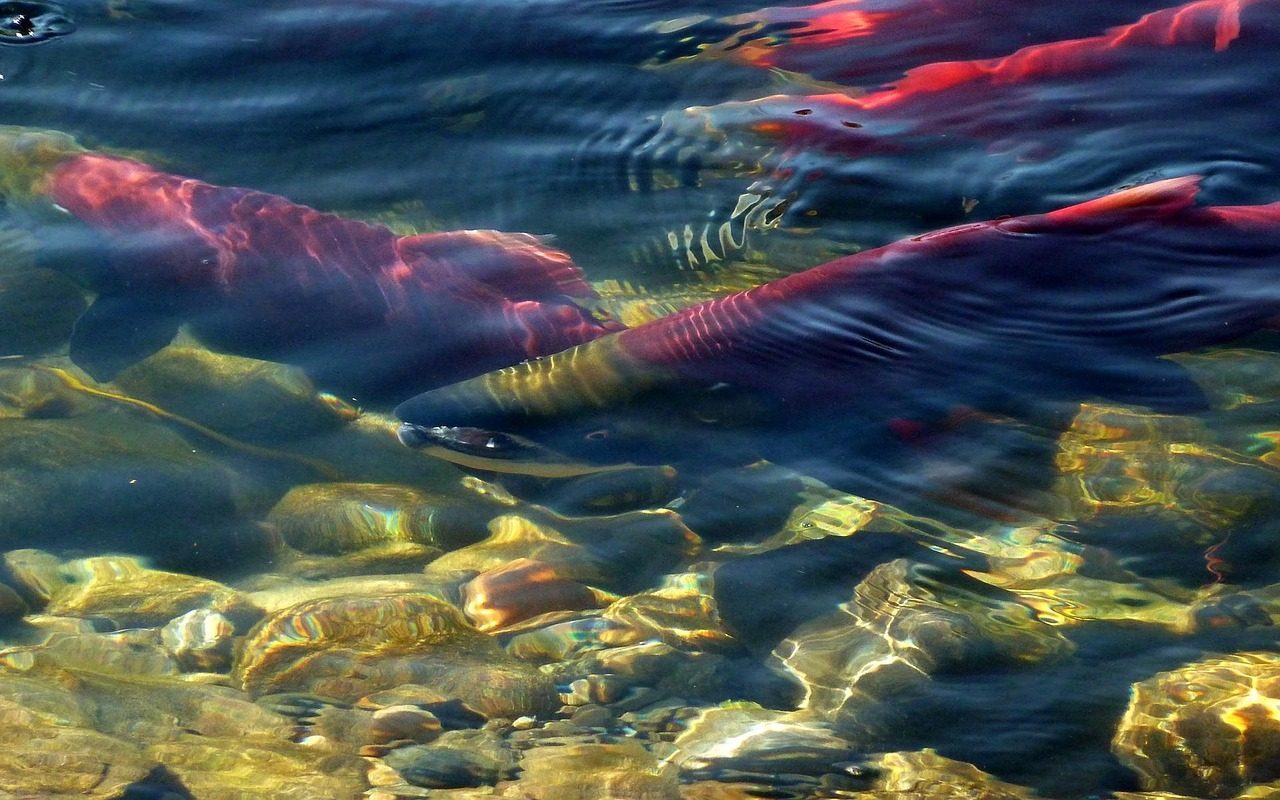
There is one species of Atlantic salmon and seven species of Pacific salmon, with salmon spending most of their lives in the Atlantic and Pacific Oceans where they feed and grow before migrating back to the rivers where they were born. To reach their final destination, salmon must swim up the river in an event known as ‘the salmon run,’ swimming up to 400 kilometers (250 miles) against the current, battling rapids and leaping up waterfalls while avoiding predators.
Salmon swim across the ocean to the mouth of the river, navigating using a combination of chemical cues, the sun, and Earth’s magnetic field. When Pacific salmon (but not Atlantic salmon) finally reach their birthplace, they spawn and then die, completing one of nature’s most determined journeys.
Caribou: Arctic Marathon Runners
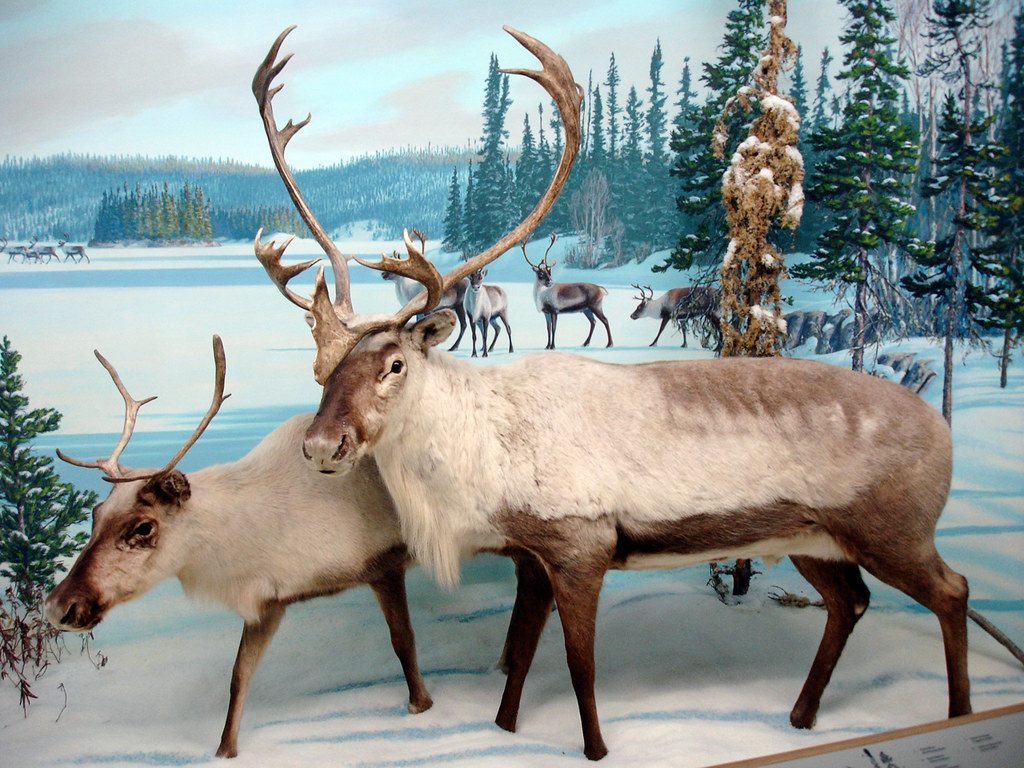
The Porcupine Caribou Herd, numbering approximately 218,000 animals, undertakes one of the longest terrestrial migrations on Earth, traveling up to 1,500 miles round-trip between winter ranges in Alaska’s interior and calving grounds on the coastal plain of the Arctic National Wildlife Refuge. The timing is precisely synchronized with the Arctic’s brief growing season, as caribou arrive on the coastal plain just as nutritious new plant growth emerges following snowmelt.
They form large herds with up to 50,000 members before starting migration and can cover up to 70 kilometers in a single day during migration, with power to run at speeds of 80 km/hr and swim at 10km/hr. Their ancient pathways connect vast ecosystems across the Arctic landscape.
Leatherback Sea Turtles: Ocean Wanderers
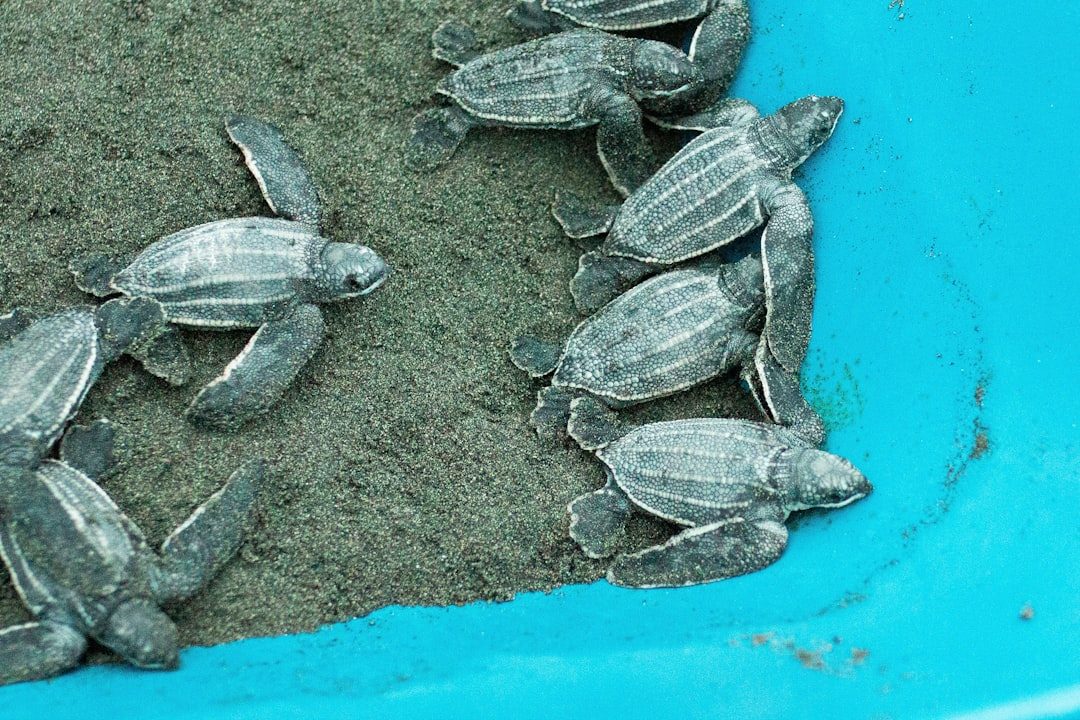
Leatherback sea turtles are swimming superlatives: they are bigger, older, dive deeper, and migrate further than any other sea turtle, with researchers tracking their movements over three years to reveal links between environmental conditions, migration and foraging behaviors. After being tagged at nesting grounds in Panama’s Bocas del Toro province, 55% moved northwards toward Canada and the UK, likely following seasonal prey into colder waters, while the rest (45%) stayed within the Gulf of Mexico and Florida.
They cover thousands of kilometers annually for reproduction and feeding, and are listed as “Vulnerable” by the International Union for the Conservation of Nature (IUCN) due to human-caused changes. Their high-risk migratory behavior constantly exposes this leatherback population to danger from fishing nets, boat collisions, pollution, and hunting and egg poaching at nesting sites.
Bar-tailed Godwits: Non-stop Flight Champions
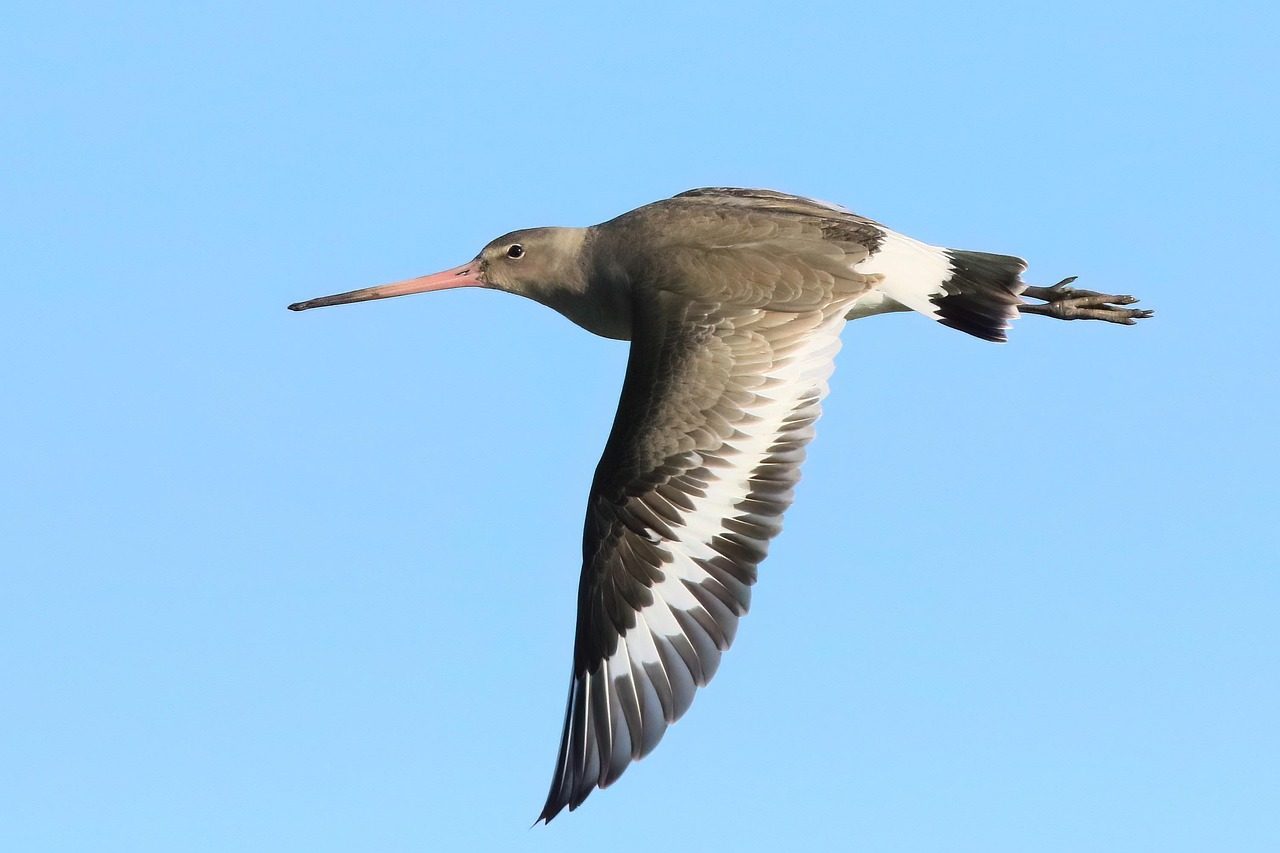
Think about the most exhausting journey you’ve ever taken. The bar-tailed godwit completes non-stop flights of about 13,560 kilometers from Alaska to New Zealand, made possible by their ability to shrink internal organs to conserve energy, relying entirely on fat reserves built before migration with no stops for food or rest.
Their ability to navigate vast oceans using celestial cues and the Earth’s magnetic field is a testament to nature’s ingenuity. Like other migratory birds that breed at high latitudes in the arctic tundra, they exploit the extraordinary abundance of food during a few weeks in early summer and profit from long days, allowing them to extend foraging time, avoiding northern winters with short days, low temperatures, and low food availability.
Mexican Free-tailed Bats: Sky Rivers of the Night
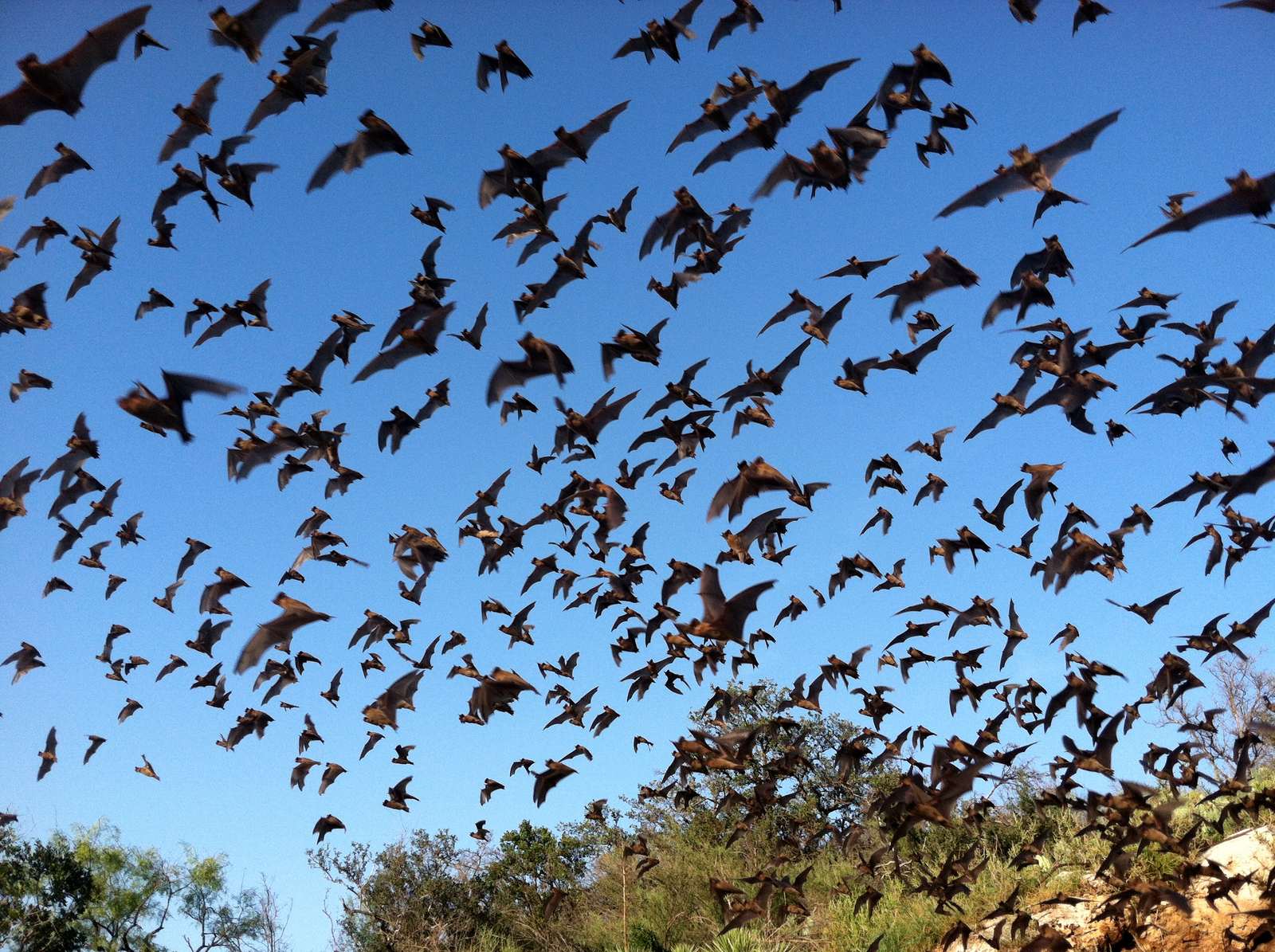
Long-distance migrations occur in some bats, notably the mass migration of the Mexican free-tailed bat between Oregon and southern Mexico. These nocturnal migrants form some of the most impressive aerial displays in North America. Picture millions of small mammals streaming across the sky in coordinated waves, following ancient routes between their summer breeding colonies and winter refuges.
Their migration demonstrates that even smaller mammals can undertake incredible journeys. During peak migration periods, these bats create living rivers in the sky, with their synchronized flight patterns creating one of nature’s most underappreciated spectacles.
Emperor Penguins: Antarctic Ice Marchers
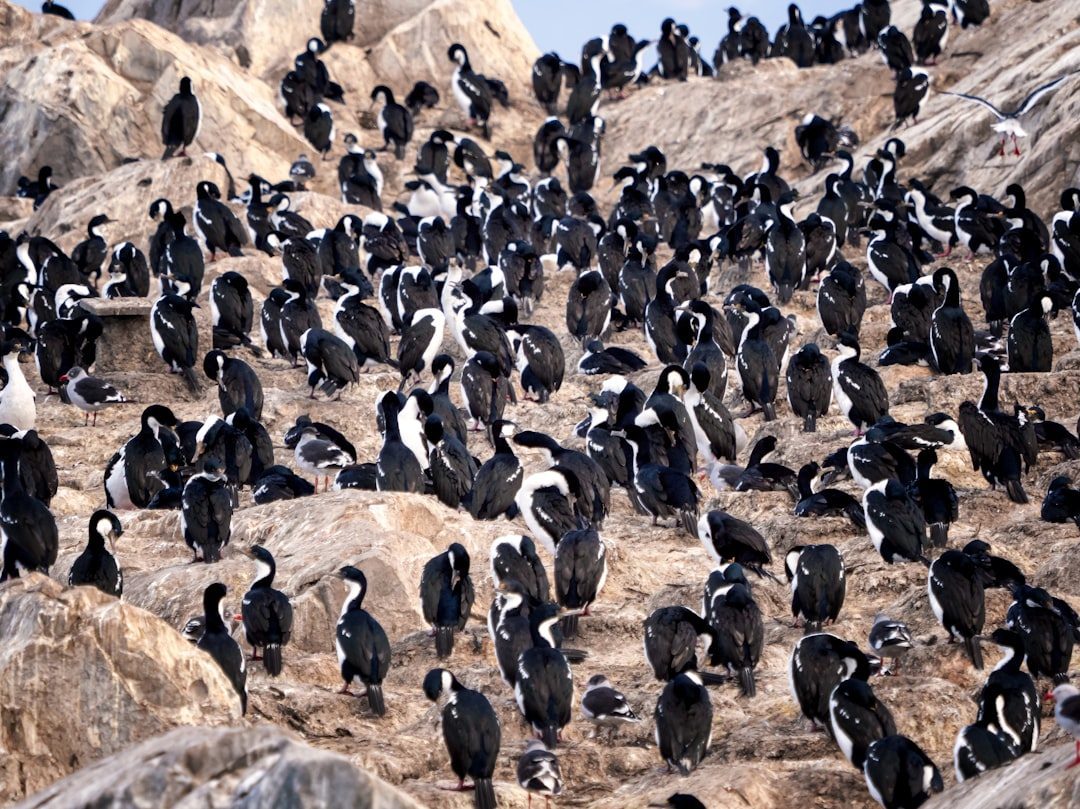
Emperor penguins exhibit a unique movement among animals that migrate, undertaking a remarkable journey on foot and belly-sliding across the ice, migrating inland to breeding colonies in the early spring on journeys up to 75 miles that are crucial for the safety of their eggs and chicks from the encroaching sea.
The resilience and determination of emperor penguins in such extreme conditions are a profound example of the adaptations and survival strategies of migration animals. Their march across the frozen Antarctic landscape showcases how migration isn’t always about covering vast distances but about surviving in Earth’s most challenging environments.
These twelve migrations reveal just how interconnected our world really is. Migration affects the distribution of prey and predators, keeps nutrients cycling around the planet, helps with the spread of pollen and seeds, and even influences human economies, making animal migrations impressive but also essential for a healthy ecosystem and healthy planet. As changing climates, habitat fragmentation, and human development place growing pressure on migratory pathways, protecting these corridors has never been more urgent for safeguarding wildlife and maintaining the natural heritage and ecological health of the continent for generations to come.
What fascinates you most about these incredible journeys? Tell us in the comments which migration left you most amazed.

- Could Rising Ocean Temperatures Create Super Hurricanes? - July 13, 2026
- These Majestic Birds Are Soaring to Unprecedented Heights Across the US - July 13, 2026
- 12 Amazing Things Only Dog Owners Truly Understand - July 13, 2026