
Backyard birdwatching often reveals more than colorful feathers and cheerful songs. Over time, many people notice certain species shifting their routines in ways that seem to hint at coming weather shifts, long before clouds gather or the air feels heavy.
These quiet signals come through changes in calling patterns, feeding habits, or flight paths. The following birds stand out for the consistent ways observers describe their behavior ahead of rain.
American Robin
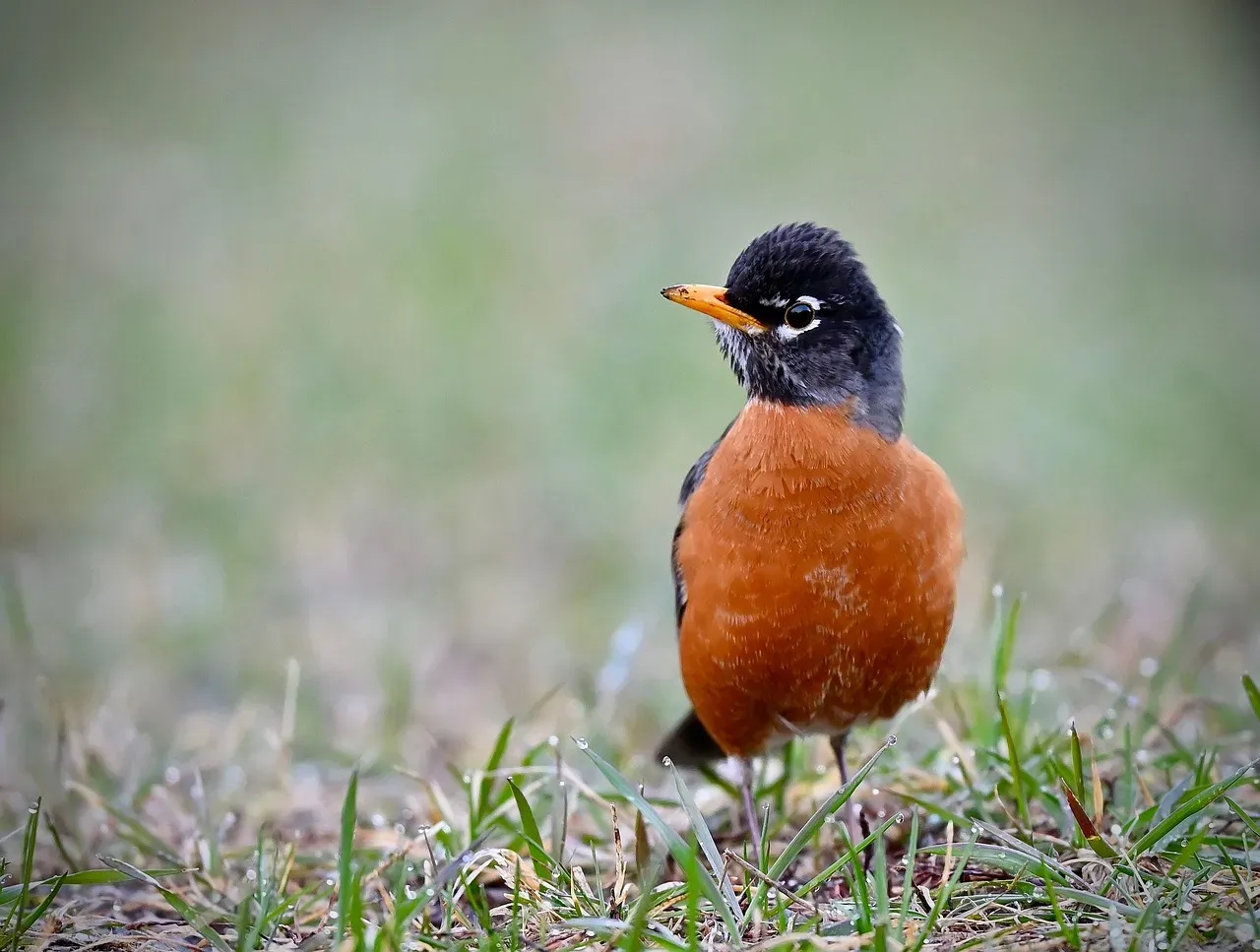
The American robin tends to sing more insistently from high perches when moisture builds in the air. Listeners often report longer, more varied phrases that carry farther than usual. This extra vocal effort seems tied to the bird securing territory before conditions turn wet.
At the same time, robins may forage closer to lawns and garden edges rather than venturing into open fields. Their hops become quicker and more purposeful as they gather worms and insects that surface with rising humidity. Such adjustments help them stock up before rain limits visibility and movement.
House Sparrow
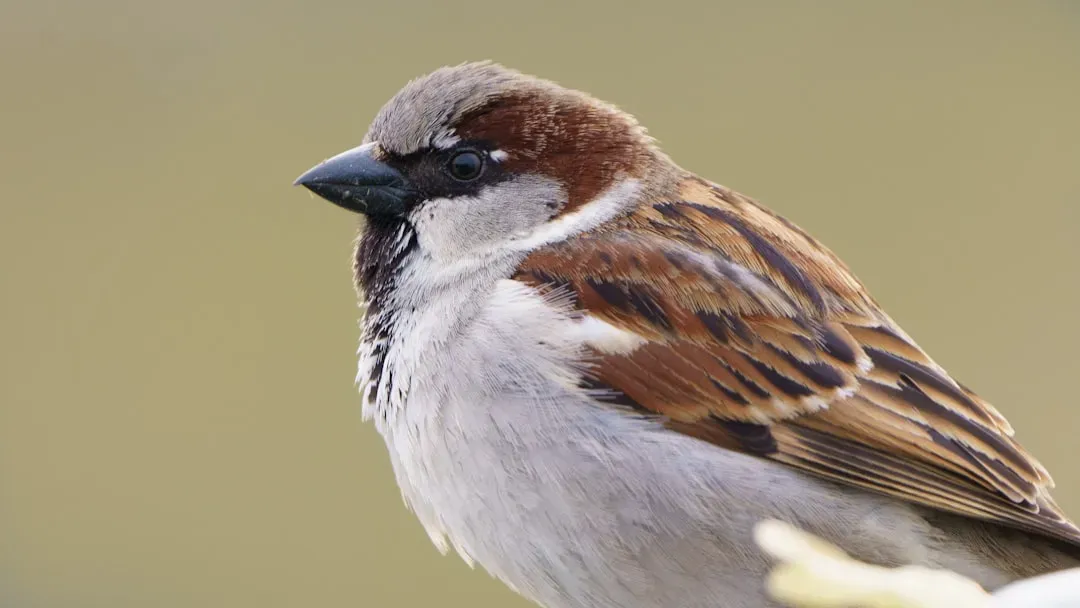
House sparrows often gather in larger groups near sheltered spots like eaves or dense shrubs when rain approaches. Their usual chatter takes on a sharper, more urgent tone that stands out against normal background noise. This clustering appears to offer safety while they wait out the downpour.
Feeding activity also picks up noticeably, with birds making repeated trips to seed sources. They seem to prioritize quick energy before the ground softens and insects become harder to find. These small changes add up to a reliable backyard cue for many homeowners.
Northern Cardinal
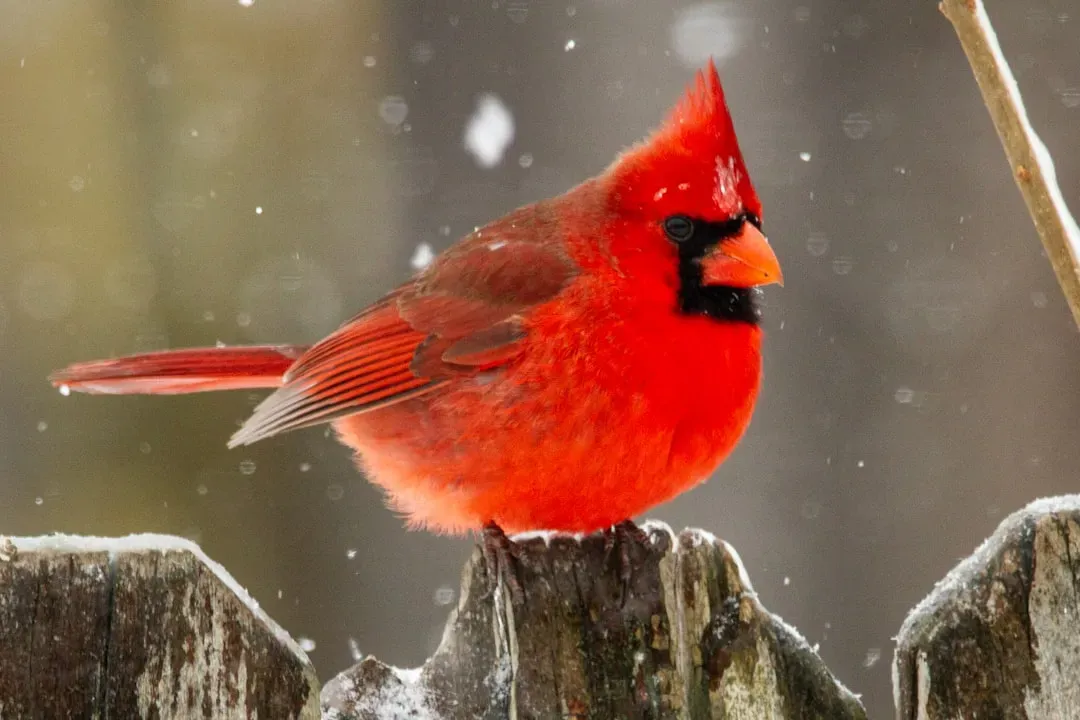
Northern cardinals frequently switch to shorter, repeated calls rather than their full whistles when humidity rises. The shift keeps their communication brief yet effective across dampening air. Observers note the birds staying closer to cover, such as thickets or bird feeders with roofs.
They also spend more time preening and arranging feathers, perhaps preparing for wet conditions. This grooming happens in quick bursts between short flights. The overall pattern suggests a focus on staying dry and visible to mates or rivals.
Blue Jay
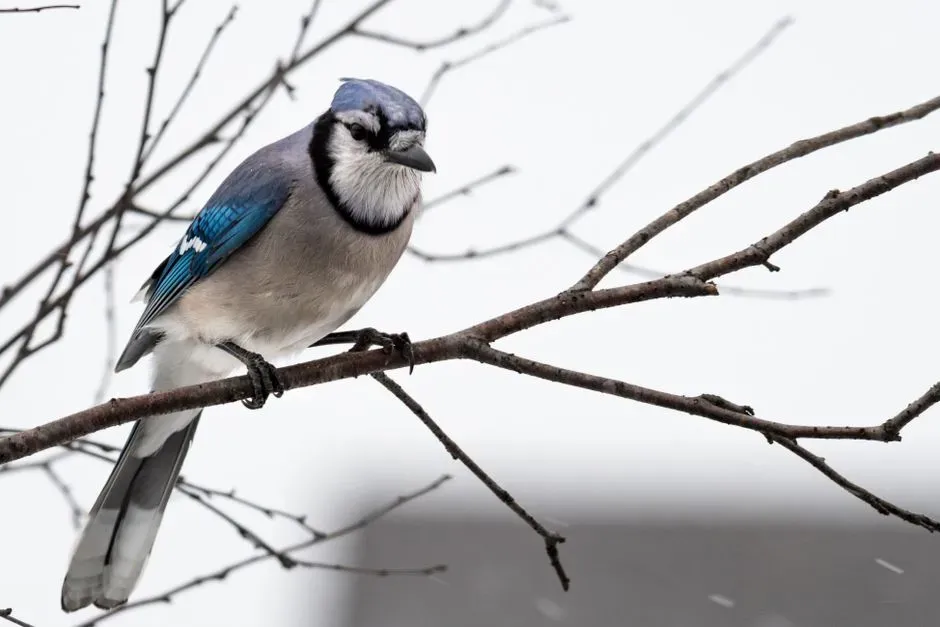
Blue jays become noticeably quieter in the hours before rain, reducing their loud jay calls. Instead, they move in tighter family groups through the canopy. This restraint may help them avoid drawing attention while they locate food stores.
They cache more acorns and seeds in protected spots during these periods. The extra effort reflects preparation for limited foraging once showers begin. Many backyard watchers recognize the sudden hush as a sign worth noting.
Black-capped Chickadee
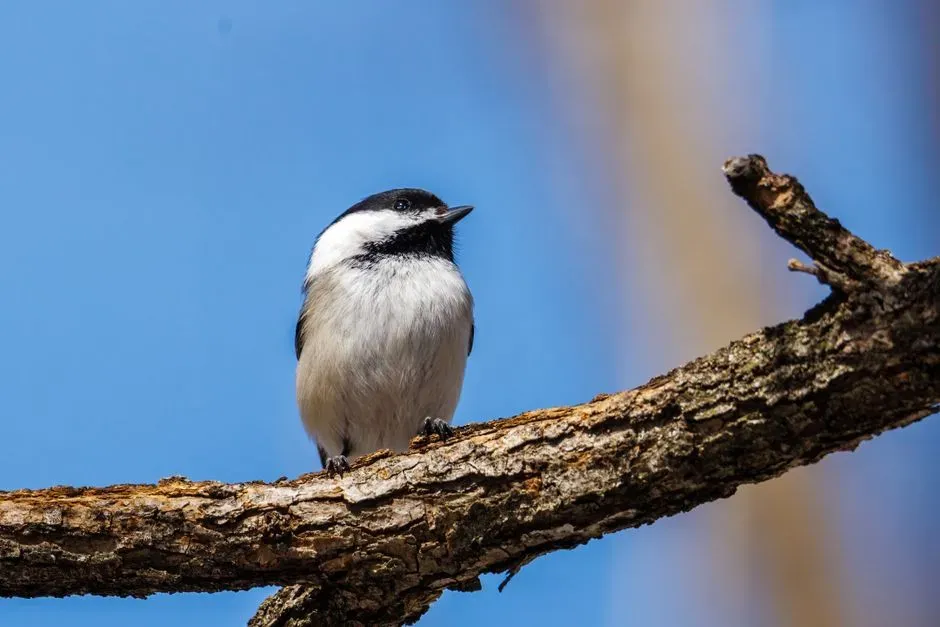
Black-capped chickadees increase their soft “dee dee” notes and make more frequent visits to feeders. Their small size makes quick energy important, so they stock up on sunflower seeds and suet. The added activity often occurs in the late morning or early afternoon before storms.
These birds also hop along lower branches, scanning for insects stirred by changing pressure. Their movements stay efficient and close to cover. Such patterns give patient observers a gentle heads-up about shifting skies.
Downy Woodpecker
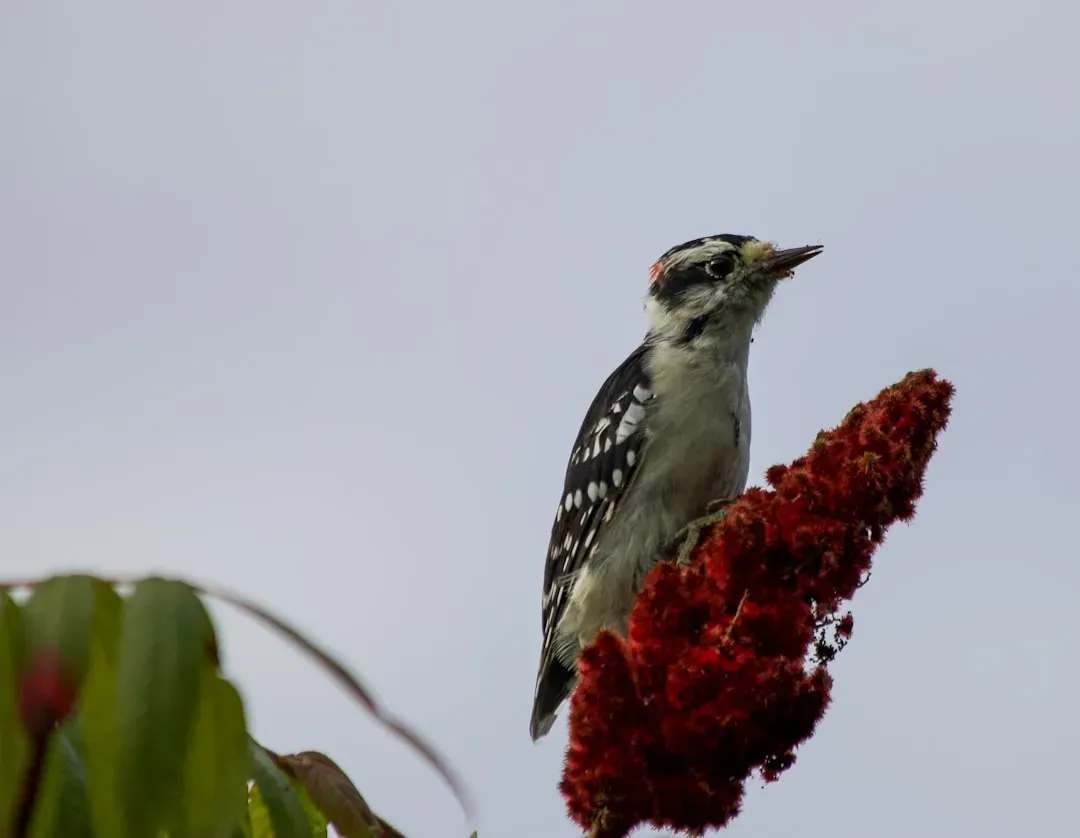
Downy woodpeckers drum more steadily on resonant branches or feeders when rain nears. The rhythm stays consistent rather than the usual irregular bursts. This extra tapping may help them locate hidden insects before moisture softens wood surfaces.
They also spend longer at suet feeders, taking measured breaks between bites. Staying near reliable food sources reduces the need to travel far in wet weather. The combination of sound and persistence stands out to regular watchers.
American Goldfinch
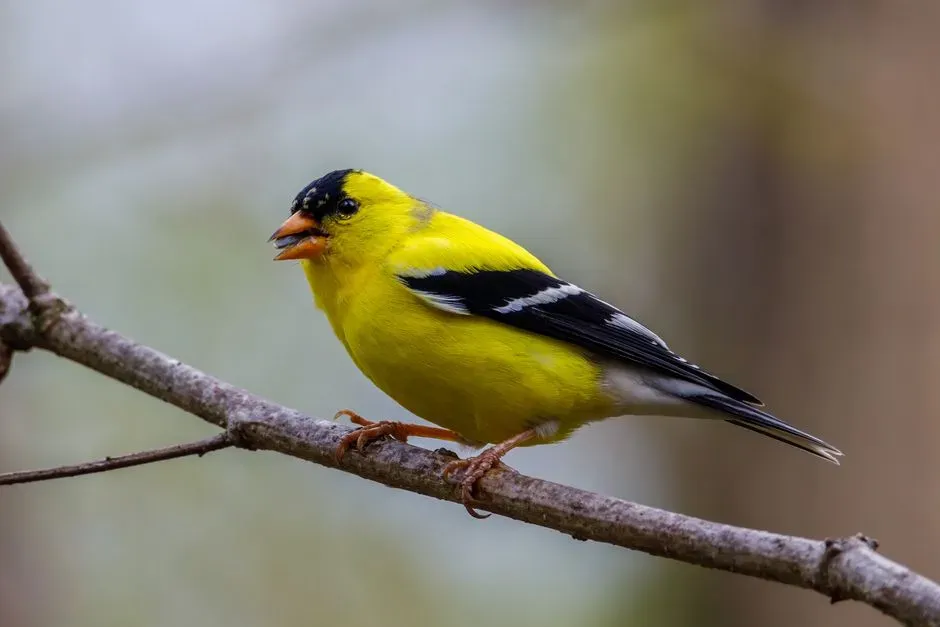
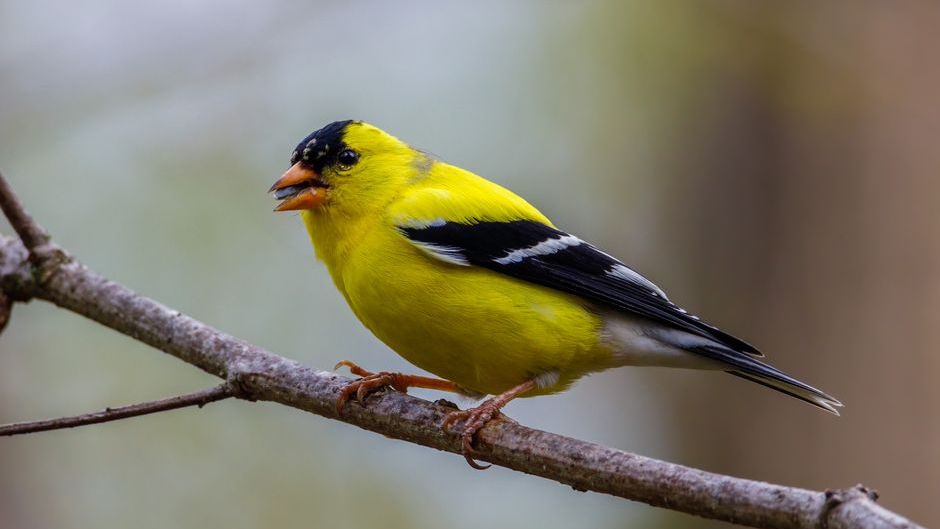
American goldfinches often fly in lower, more direct paths across yards ahead of rain. Their usual bouncy flight gives way to straighter lines between thistle feeders and shrubs. This change conserves energy while they gather seeds.
They also call more softly among themselves, keeping contact without drawing extra attention. The birds linger longer at food stations, taking advantage of calm moments. These subtle shifts appear regularly in observations from suburban gardens.
Tufted Titmouse
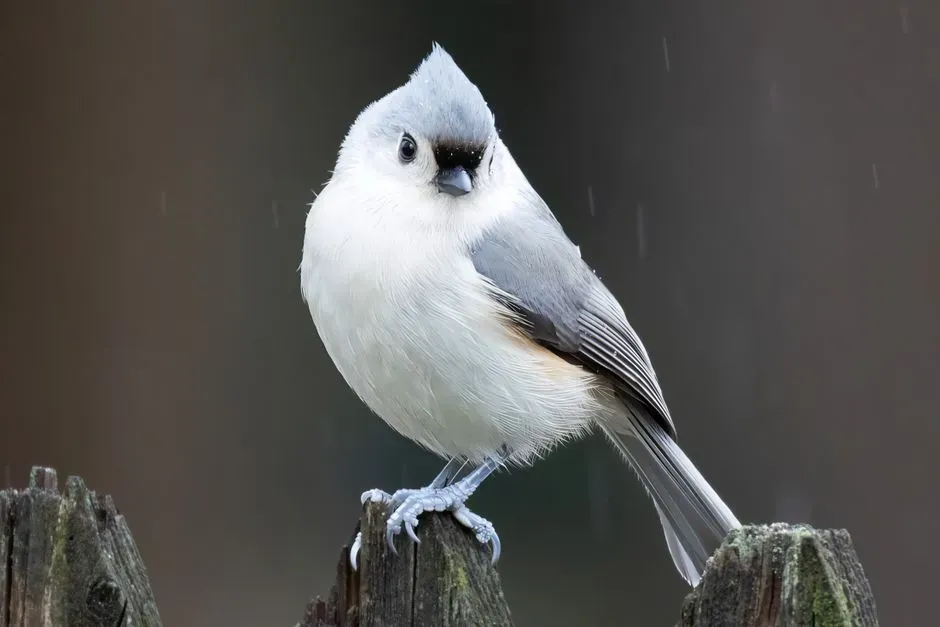
Tufted titmice increase their visits to backyard feeders and show more interest in peanuts or sunflower hearts. Their crest stays raised during these active periods, signaling alertness. The extra foraging happens in quick, repeated trips rather than leisurely ones.
They also explore lower levels of trees and shrubs, searching for insects that become active with humidity. Staying near reliable cover helps them avoid sudden showers. The pattern repeats often enough to catch the eye of attentive feeders.
White-breasted Nuthatch
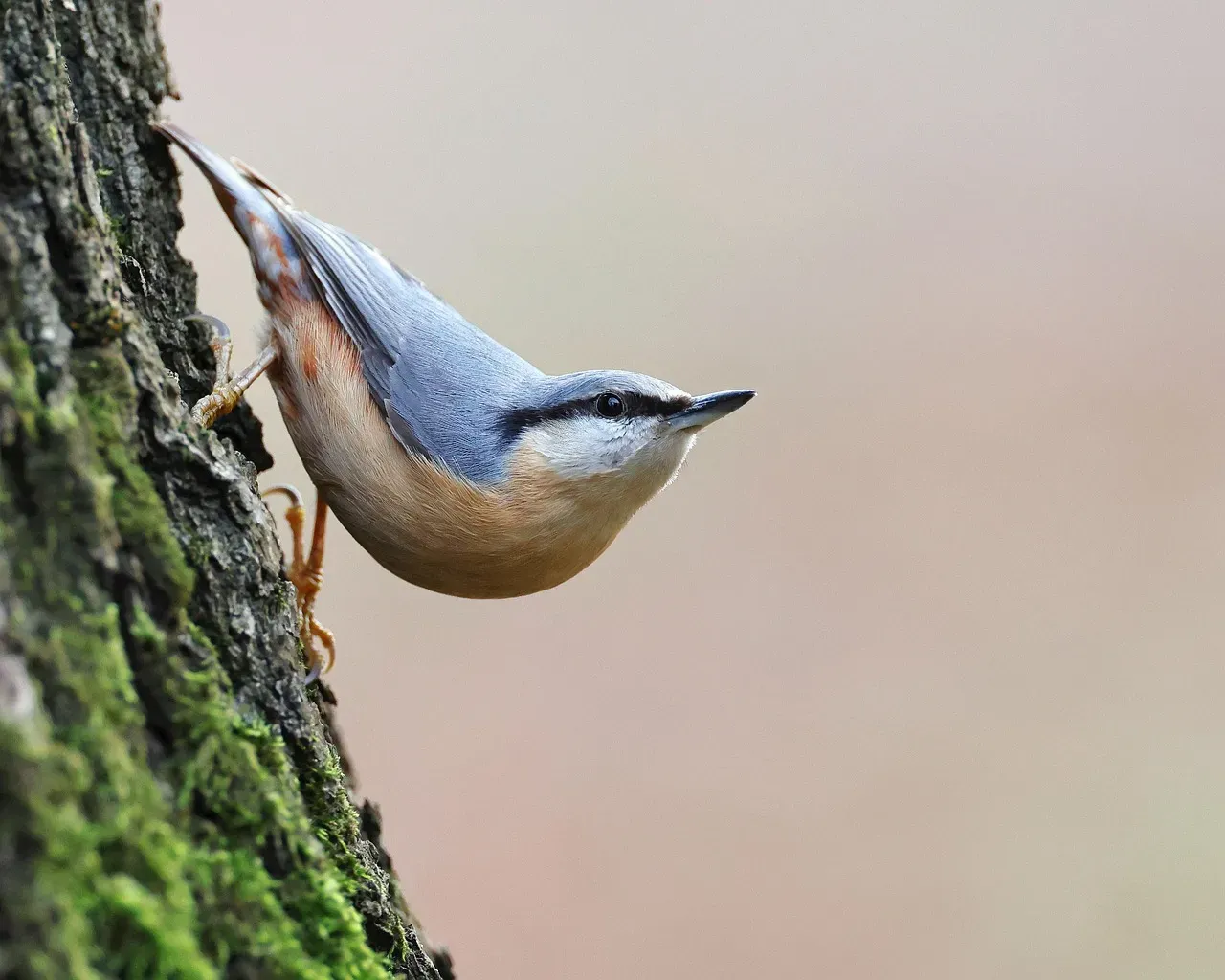
White-breasted nuthatches move headfirst down trunks more frequently, probing bark for hidden food. Their usual upside-down progress becomes even more methodical before rain. This focused search helps them secure insects and seeds while conditions remain favorable.
They also store more items in crevices near their usual routes. The caching happens in short, efficient bursts between scans of the yard. Such behavior offers a quiet indicator for those who watch tree trunks regularly.
European Starling
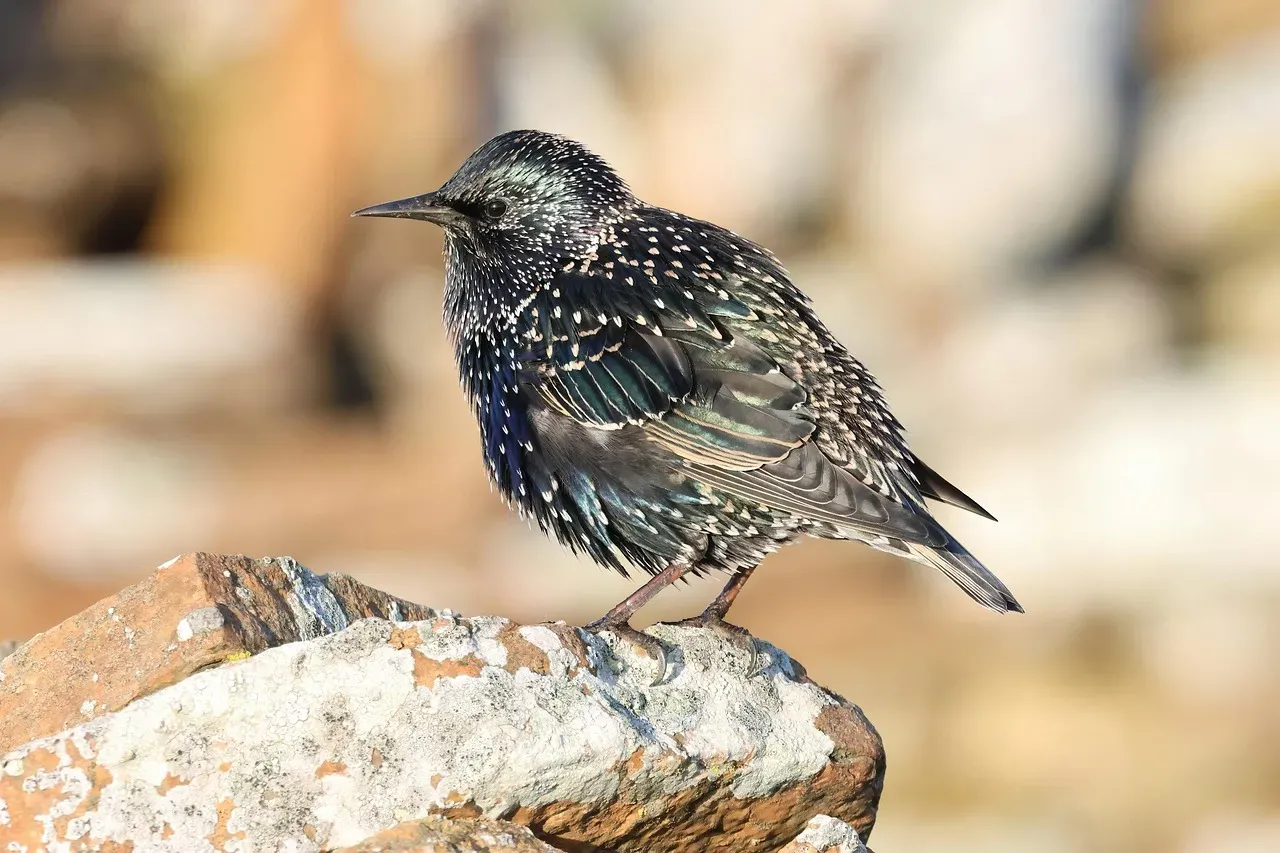
European starlings form tighter flocks and fly lower over lawns when moisture builds. Their usual noisy chatter softens into shorter contact calls within the group. This adjustment keeps the flock coordinated without excess sound.
They probe grass more thoroughly for grubs and worms that surface ahead of rain. The extra ground time lasts until the first drops fall. Many backyard settings show this shift clearly during late afternoon hours.
Mourning Dove
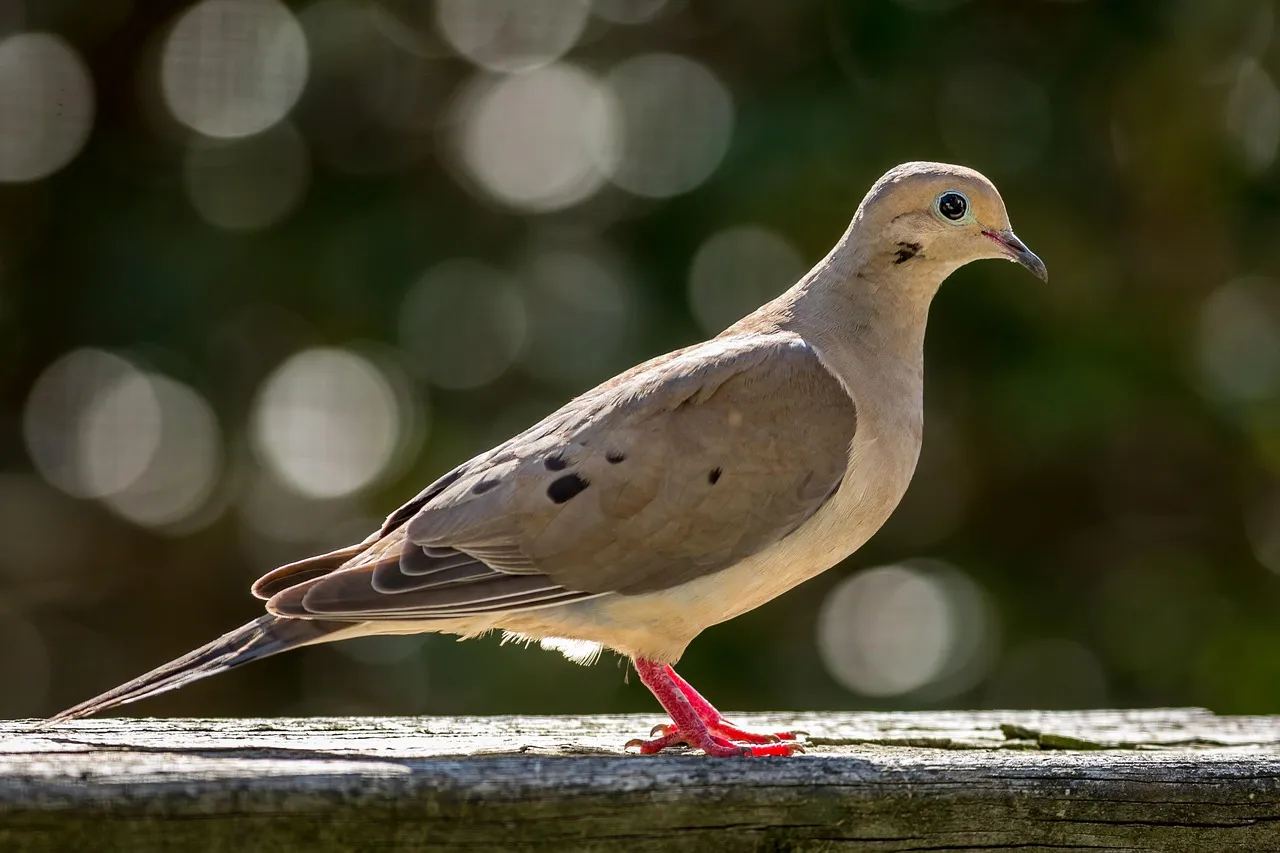
Mourning doves often perch in more sheltered spots and coo less frequently before showers arrive. Their soft calls become spaced farther apart, almost hesitant. The birds stay close to dense cover like evergreens or porch railings.
They also drink more water from available sources, preparing for drier intervals during the storm. These pauses in activity stand out against their usual steady presence. The change provides a calm signal in otherwise busy yards.
Song Sparrow
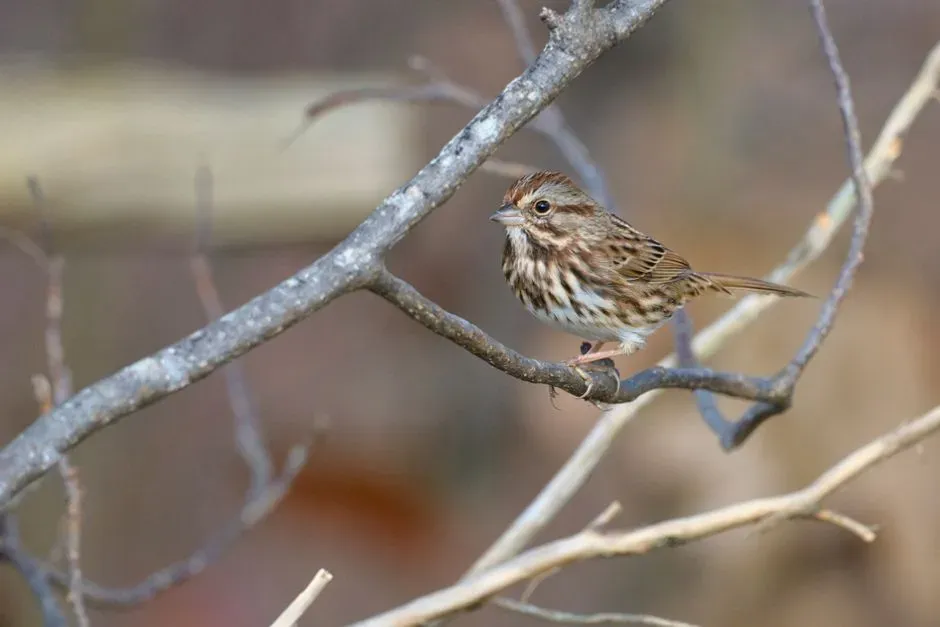
Song sparrows extend their melodic phrases and repeat them from prominent perches when rain approaches. The extra singing may reinforce territory boundaries before visibility drops. They choose spots with good overhead protection during these performances.
At the same time, they forage along edges of gardens and paths where insects gather. Their hops stay close to the ground and quick. The combination of sound and location gives a clear, understated cue to regular listeners.
Paying attention to these backyard signals connects daily routines to larger weather patterns in a simple, direct way. Over time, the habit builds a quiet appreciation for how wildlife responds to the same air we breathe. It also encourages slowing down enough to notice small shifts that forecasts sometimes overlook. In the end, these birds offer a gentle reminder that nature keeps its own calendar, one we can learn to read without needing gadgets or apps.
