


As you watch your pet fish floating seemingly motionless in their tank at night, you might wonder: are they actually sleeping? The concept of sleep in aquatic creatures differs dramatically from what we observe in mammals, birds, or even reptiles. Fish don’t have eyelids to close, they don’t curl up in beds, and many species must keep moving to breathe. Yet, scientific research confirms that fish do indeed rest in ways that parallel sleep in other animals. This fascinating aspect of fish behavior reveals remarkable adaptations to underwater life and provides insights into the evolution of sleep across the animal kingdom. Let’s dive deeper into the mysterious world of fish sleep and discover how our underwater friends get their much-needed rest.
What Constitutes Sleep in Animals?

Before exploring whether fish sleep, it’s important to understand what sleep actually means in the animal kingdom. Sleep is generally defined as a reversible state of reduced responsiveness and activity, during which the brain undergoes specific patterns of activity. In mammals, this includes several stages characterized by distinct brainwave patterns, including slow-wave sleep and rapid eye movement (REM) sleep. Scientists typically identify sleep through behavioral criteria: a period of quiescence, a specific posture, reduced responsiveness to stimuli, and quick reversibility (unlike hibernation or coma).
For decades, researchers questioned whether animals without eyelids or complex brains could truly sleep. However, modern research has expanded our understanding, recognizing that sleep varies tremendously across species while serving similar fundamental purposes. Even simple organisms like fruit flies and nematodes exhibit sleep-like states, suggesting that rest periods are universal and essential for all animals. This broader definition allows scientists to evaluate whether fish states of rest qualify as true sleep, even though they look quite different from human slumber.
The Scientific Evidence for Fish Sleep

Research has provided compelling evidence that fish do experience sleep-like states. Studies using electroencephalography (EEG) on some fish species have detected changes in brain activity during rest periods that resemble certain aspects of sleep in other vertebrates. One groundbreaking study on zebrafish, published in the journal Nature, demonstrated that these fish experience sleep rebound—they sleep longer after being deprived of rest—which is a key indicator of true sleep across animal species. Additionally, researchers have identified specific neurons in zebrafish that control sleep-wake transitions, similar to those found in mammals.
Fish also respond to sleep-inducing substances in similar ways to mammals. When exposed to melatonin, a hormone that regulates sleep in humans, many fish species show increased rest behaviors. Conversely, stimulants that keep humans awake have similar effects on fish. The presence of these neurochemical similarities suggests that the basic mechanisms of sleep evolved early in vertebrate history, before the divergence of fish and land vertebrates approximately 450 million years ago. While fish sleep may not include all the complexities of mammalian sleep, the scientific consensus now recognizes that it fulfills the fundamental criteria for sleep.
How Fish Sleep Without Eyelids

One of the most obvious differences between fish sleep and mammalian sleep is the absence of eyelids in most fish species. Without eyelids, fish cannot close their eyes to block out visual stimuli while sleeping. Instead, many fish have adapted alternative strategies for visual rest. Some species have retinas that can reduce light sensitivity during rest periods, effectively “turning down” their visual systems without physically closing their eyes. Others position themselves in darker areas of their habitat during rest periods, using environmental conditions to achieve visual darkness.
Interestingly, certain fish have evolved specialized adaptations for eye protection and rest. Sharks, for example, have a nictitating membrane—a translucent third eyelid that can cover the eye for protection while remaining somewhat transparent. Some parrotfish species secrete a mucous cocoon around themselves at night, which may serve both as protection from predators and as a way to reduce sensory input. These diverse adaptations demonstrate how fish have evolved unique solutions to the challenges of sleeping underwater without conventional eyelids, allowing them to rest effectively despite anatomical differences from land animals.
Breathing While Sleeping: A Unique Challenge
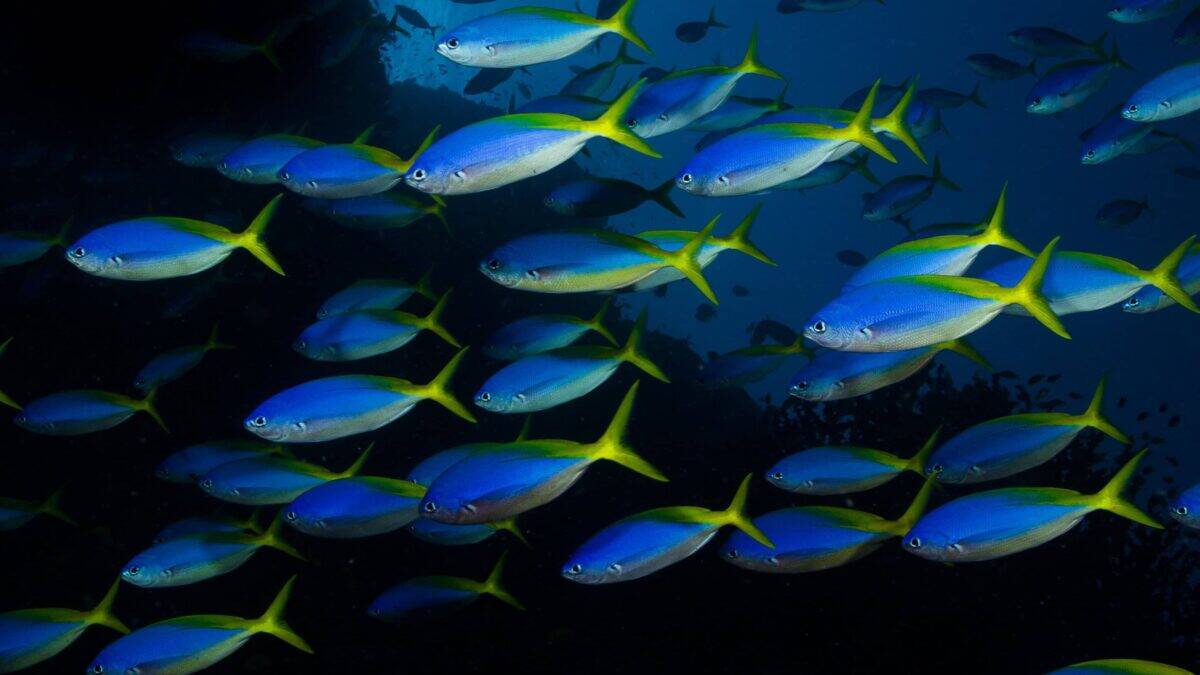
For many fish, sleep presents a fundamental challenge: how to continue breathing while at rest. Unlike humans who breathe automatically during sleep, many fish must actively move water across their gills to extract oxygen. This requirement creates an apparent paradox—how can fish remain inactive enough to sleep while continuing the movements necessary for respiration? Different species have evolved various solutions to this challenge. Some fish, like certain species of sharks, must swim continuously to push water through their gills, a process called ram ventilation. These species have developed the remarkable ability to swim while parts of their brain rest, similar to how dolphins sleep with one brain hemisphere at a time.
Other fish have adapted more efficient breathing methods that require minimal movement during rest. Many bony fish use a pumping action of their mouths and gill covers (opercula) to draw water across their gills, which requires much less energy than continuous swimming. During rest periods, these fish reduce this pumping to the minimal level needed for survival, allowing them to remain nearly motionless. Some species, like the climbing perch and certain catfish, can even extract oxygen directly from air, giving them additional flexibility in how they rest. These diverse respiratory adaptations demonstrate the remarkable ways fish have evolved to balance the competing demands of rest and respiration.
Observable Sleep Behaviors in Different Fish Species
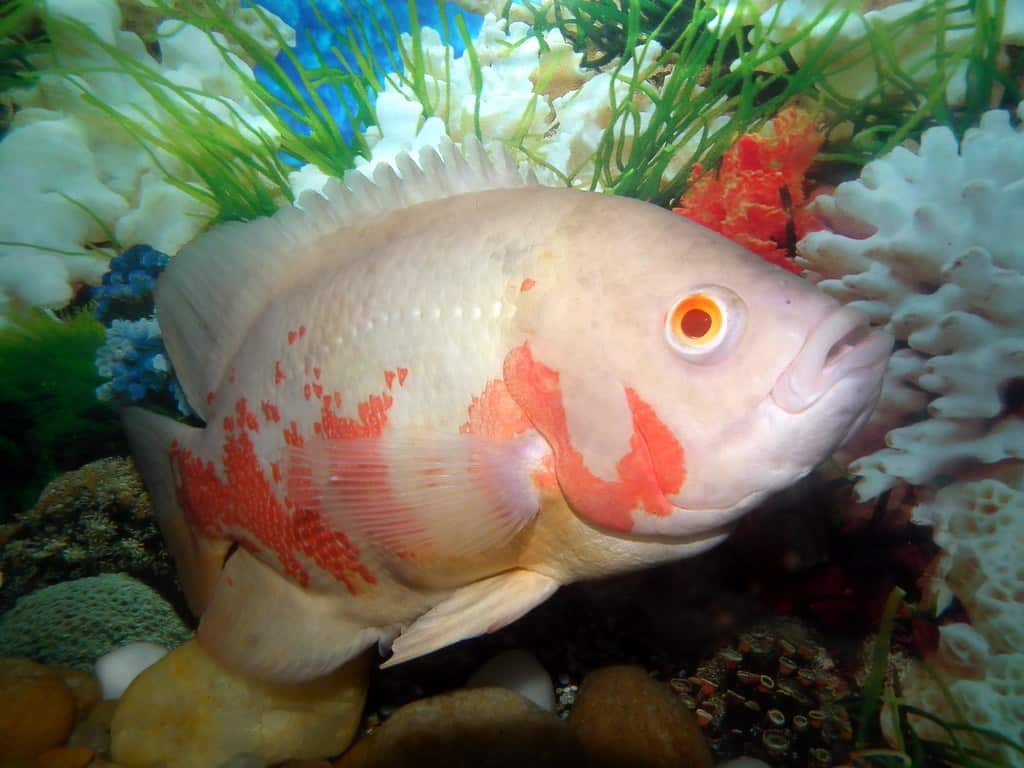
The sleep behaviors of fish vary dramatically across species, reflecting their diverse habitats and lifestyles. Many reef fish become noticeably inactive at night, finding protected locations within coral crevices or sea grass where they assume distinctive resting postures. For example, parrotfish lie on their sides, while wrasses may wedge themselves into tight spots to prevent drifting. Some fish species change color during rest periods—their vibrant daytime colors fade to more muted tones at night, possibly as a form of camouflage when they’re in their vulnerable sleep state. These color changes are controlled by chromatophores, specialized cells that expand or contract pigment-containing organelles in response to the fish’s physiological state.
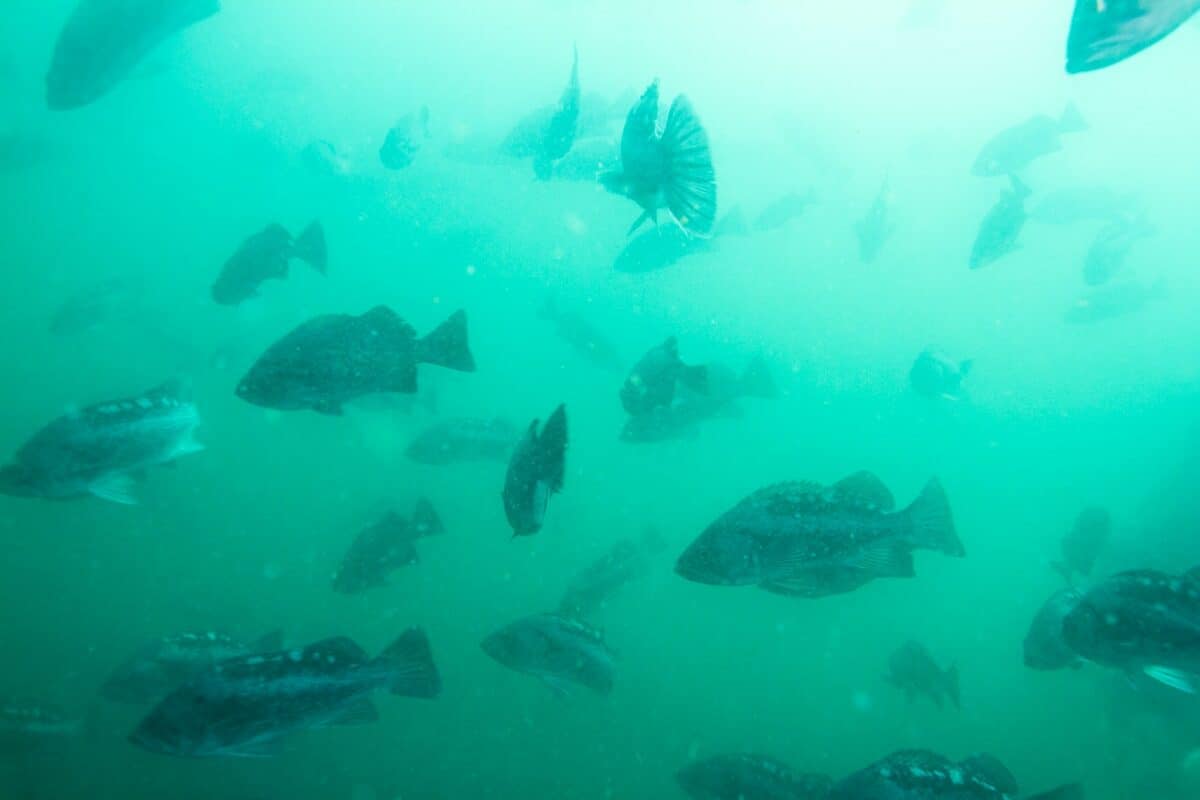
Freshwater species display equally fascinating sleep behaviors. Bettas (Siamese fighting fish) are known to rest at the surface or on plant leaves, becoming notably less responsive to mild stimuli. Many catfish species become motionless at the bottom of their habitats during rest periods, while still maintaining minimal opercular movements to circulate water through their gills. Perhaps most striking are the sleep patterns of certain schooling fish, which may rest in formation, with individuals on the perimeter remaining more alert than those protected in the center. These diverse behaviors highlight how sleep has been adapted to the ecological niche of each species, balancing the need for rest with survival requirements.
Day Sleepers vs. Night Sleepers in Aquatic Environments

Just as the animal kingdom on land includes diurnal (day-active) and nocturnal (night-active) species, fish have evolved varied activity cycles that determine when they sleep. Many reef fish, such as damselfish, butterflyfish, and most wrasses, are diurnal—they actively feed during daylight hours and seek shelter to rest at night. Their vision is optimized for daytime conditions, with color perception that helps them identify food sources and potential threats in bright conditions. These species typically become dormant as light fades, finding protected locations to rest through the night hours while nocturnal predators are active.
Conversely, numerous fish species are nocturnal, becoming active after sunset and resting during daylight hours. Many catfish, certain shark species, and moray eels hunt primarily at night, using senses other than vision—such as smell, lateral line sensitivity, and electroreception—to locate prey in darkness. These nocturnal species often find secluded resting places during daylight hours. Some fish even demonstrate crepuscular patterns, being most active during dawn and dusk transitions while resting during both the brightest and darkest hours. These varied activity patterns reflect evolutionary adaptations to specific ecological niches, predator-prey relationships, and competition for resources within aquatic ecosystems.
The Depth Factor: How Water Pressure and Light Affect Fish Sleep
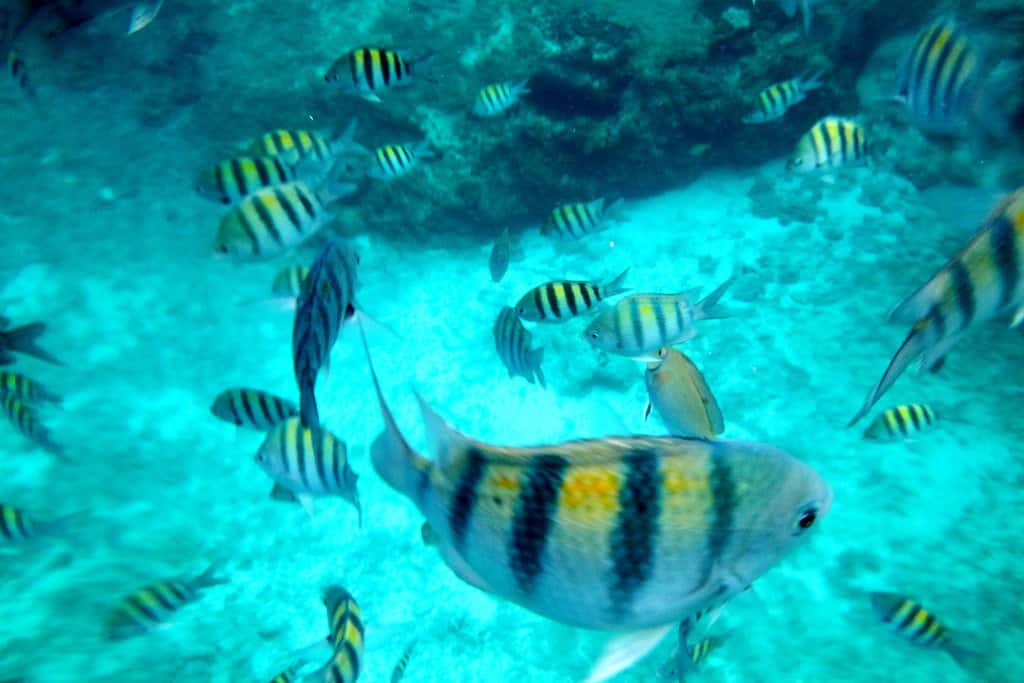
The physical properties of different water depths create unique challenges and opportunities for fish sleep. In deep-sea environments, where light never penetrates, the distinction between day and night disappears. Fish living in these habitats often evolve sleep patterns based on internal circadian rhythms rather than light cues, or they may adapt to more continuous activity patterns with shorter, more frequent rest periods. The extreme pressure at great depths also influences physiology, potentially affecting how deep-sea fish rest and conserve energy. Some deep-dwelling species appear to enter states of torpor or reduced activity that may substitute for conventional sleep when food sources are scarce.
In contrast, fish in shallow waters experience pronounced light-dark cycles that strongly influence their sleep patterns. Coral reef inhabitants, for example, typically follow strict diurnal or nocturnal schedules synchronized with sunset and sunrise. Even within these environments, microhabitats matter—fish sleeping in caves or under ledges experience different light and current conditions than those resting in open water or seagrass beds. Research has shown that artificial light pollution can significantly disrupt these natural sleep patterns, affecting everything from hormone production to predator avoidance behaviors. These findings underscore how intimately fish sleep is connected to the specific environmental conditions of their habitat depth and light exposure.
Do Fish Dream? Exploring Neural Activity During Rest
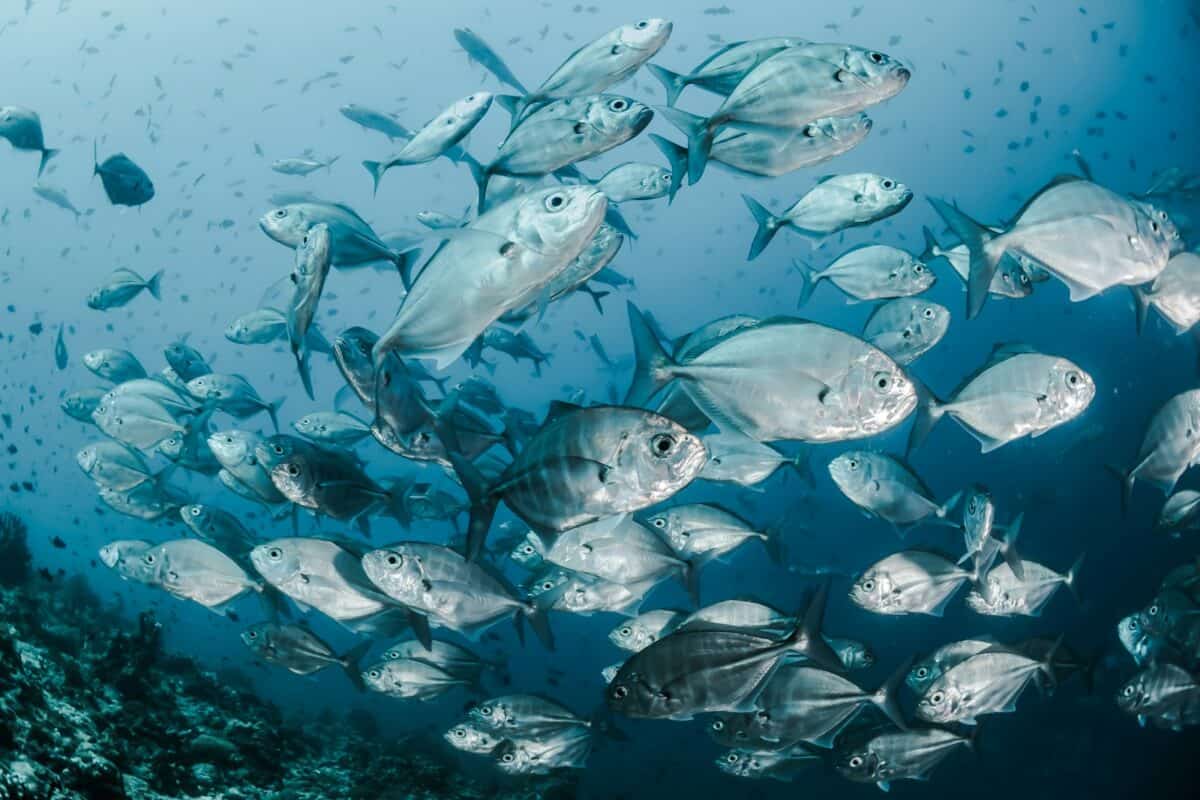
The question of whether fish dream touches on fascinating aspects of neuroscience and evolutionary biology. While fish don’t experience REM sleep as mammals do (the sleep stage most associated with dreaming), research has revealed intriguing patterns of neural activity during their rest periods. Studies on zebrafish, a common model organism in neuroscience, have detected cyclical patterns of brain activity during sleep that suggest some form of information processing occurs. These patterns differ from their waking neural activity in ways that parallel certain aspects of sleep in more complex vertebrates. Some researchers propose that these patterns might represent primitive versions of the memory consolidation processes that occur during mammalian dreams.
However, without the complex neocortex that generates human dreams, fish likely don’t experience anything resembling our vivid dream narratives. Rather, their sleep-related neural activity may serve more fundamental functions: reinforcing important neural pathways, processing sensory information gathered while awake, or preparing the brain for future challenges. One fascinating study found that sleeping zebrafish show brain activity consistent with “replaying” swimming patterns they performed while awake, suggesting a basic form of memory processing during sleep. While we cannot know subjectively what fish experience during these states, the growing evidence suggests that fish sleep serves cognitive functions beyond simple rest, representing an early evolutionary stage of the neural processes that eventually developed into dreaming in mammals.
Sleep Disorders and Abnormalities in Fish
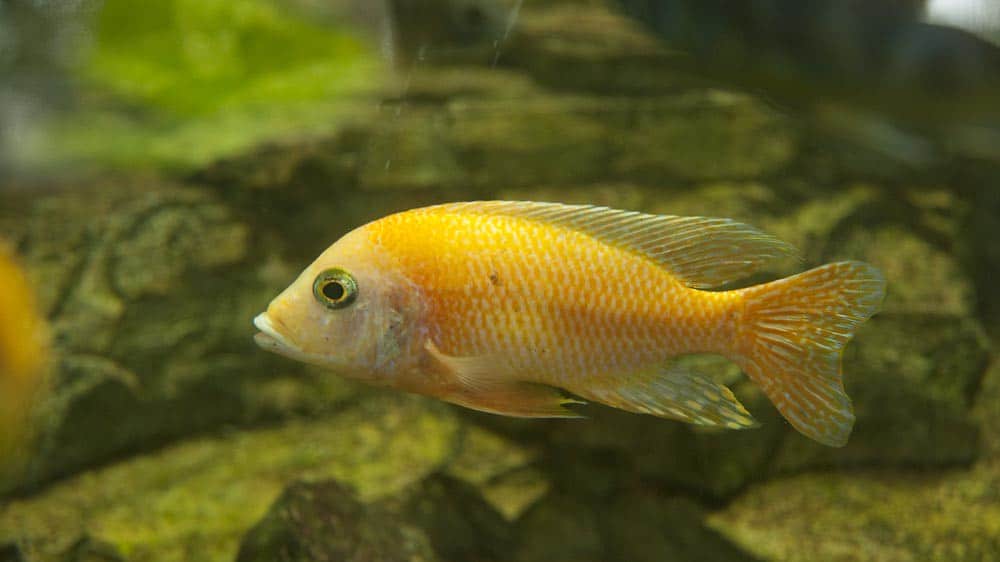
Just as humans can experience sleep disorders, fish can exhibit abnormal sleep patterns that signal health problems or environmental stressors. Aquarium owners might notice fish that remain active throughout night hours when they would normally rest, or conversely, fish that appear lethargic and inactive during their typical active periods. These disruptions can result from various factors, including poor water quality, improper light cycles, inappropriate temperature, or the presence of toxins. Parasitic infections often cause fish to display restless behavior during normal sleep periods as they attempt to relieve irritation by rubbing against objects or making unusual movements.
Research facilities studying fish sleep have documented more specific sleep abnormalities that parallel mammalian sleep disorders. Some fish display behaviors similar to insomnia when exposed to certain chemicals or stressful conditions. Others may show excessive sleepiness or narcolepsy-like symptoms when affected by particular pathogens or neurological issues. In laboratory settings, zebrafish with mutations in specific sleep-regulating genes demonstrate sleep abnormalities that help scientists understand the genetic basis of sleep disorders across species. These observations not only aid in diagnosing fish health problems but also contribute to our broader understanding of sleep evolution and regulation throughout the animal kingdom.
Practical Implications for Aquarium Owners
Understanding fish sleep has important practical applications for aquarium enthusiasts. Creating an environment that supports healthy rest cycles can significantly improve fish welfare and longevity. Providing appropriate light cycles that mimic natural day-night patterns is crucial—most home aquariums should have 8-12 hours of darkness daily, with timing consistent from day to day. Many aquarists use timers on their tank lights to maintain this consistency. It’s also important to provide appropriate sleeping areas for different species; bottom-dwelling fish may need caves or overhangs, while surface-sleepers benefit from floating plants where they can rest near the water’s edge. Even the placement of an aquarium matters—tanks located in rooms with irregular lighting or high nighttime activity may disrupt fish sleep patterns.
Feeding schedules should also align with the natural activity cycles of your fish species. Nocturnal species should be fed in evening hours when they’re naturally more active, while diurnal fish benefit from morning or daytime feeding. During fish sleep periods, aquarium maintenance and major water changes should be avoided when possible, as these activities can cause stress during what should be restful hours. When observing your fish, remember that different rest behaviors are normal for different species—a betta floating motionless at the surface is likely just sleeping, not ill. By respecting and accommodating natural fish sleep cycles, hobbyists can create more natural, stress-free environments that promote overall health and natural behaviors in their aquatic pets.
Sleep Across the Evolution of Fish Species

The evolution of sleep in fish represents a fascinating chapter in the broader story of how rest patterns developed across vertebrate history. Jawless fish like lampreys, which diverged from other vertebrates over 500 million years ago, show primitive rest-activity cycles that may represent the earliest forms of vertebrate sleep. These ancient species alternate between active swimming and periods of reduced movement and responsiveness, suggesting that basic sleep mechanisms emerged very early in vertebrate evolution. As fish diversified through evolutionary history, their sleep behaviors specialized to match their ecological niches. Cartilaginous fish like sharks evolved their distinctive patterns of rest while swimming, while bony fish developed the varied sleep postures and behaviors we observe across thousands of species today.
Evolutionary biologists have noted that the neural mechanisms controlling sleep appear remarkably conserved across vertebrate species, despite the vast differences in sleep behaviors. The same neurotransmitters that regulate human sleep—including melatonin, serotonin, and hypocretin/orexin—also influence rest states in fish, suggesting these chemical pathways evolved early and have remained fundamental to sleep regulation for hundreds of millions of years. Perhaps most intriguing is how studying fish sleep helps scientists understand the transition to terrestrial sleep patterns. As some fish species evolved to become the first land vertebrates, their sleep likely transformed from water-adapted rest to the more familiar terrestrial patterns seen in amphibians, reptiles, and eventually mammals. This evolutionary perspective reveals fish sleep as not merely a curiosity, but a crucial window into the ancient origins of one of life’s most essential biological processes.
The Mystery and Wonder of Fish Sleep
The study of how fish sleep reveals the remarkable diversity and adaptability of life on our planet. From sharks that must keep swimming while parts of their brain rest to the parrotfish that wrap themselves in protective mucus cocoons, the varied ways fish have solved the challenge of underwater sleep demonstrate nature’s incredible ingenuity. These adaptations remind us that sleep, in all its forms, represents one of the most fundamental and necessary biological processes—so essential that every animal species has found its own way to achieve it, despite widely different habitats and physical constraints. The next time you observe fish in an aquarium or natural setting, their apparent stillness or subtle movements may take on new meaning as you recognize the sophisticated rest behaviors unfolding before your eyes.
Fish sleep also continues to inspire scientific inquiry and may hold keys to understanding human sleep disorders. Researchers using zebrafish as model organisms have already identified genes involved in sleep regulation that have human counterparts, potentially leading to new treatments for insomnia and other sleep disturbances. As technology advances, allowing us to monitor brain activity in free-swimming fish and observe behaviors in previously inaccessible deep-sea environments, our understanding of fish sleep will continue to deepen. What seems certain is that fish sleep, with all its unique characteristics and adaptations, is not a simple absence of activity but a complex, active process essential to survival—a reminder that in the continuous rhythm of life, even underwater, rest is as vital as activity.

From exploring the marine wonders in the Azores and witnessing the vast savannas of Kenya, to delving deep into the rich biodiversity of South Africa and traversing iconic landscapes in Australia and the US like Yellowstone, Chris's experiences are vast.
With a penchant for diving alongside sharks, the ocean holds a special place in his heart.
Through his academic insights, he champions wildlife conservation, striving with 'Animals Around The Globe' to cultivate a profound connection between humans and animals, enhancing our mutual appreciation.
Connect with him at Feedback@animalsaroundtheglobe.com.
- The Real Dolphin That Played Flipper—and Where He Came From - July 28, 2026
- The Ethics of Keeping Exotic Pets: What You Need to Know - July 27, 2026
- If You Think a Shih Tzu Makes a Good Lap Dog, These 14 Are Better - July 27, 2026