
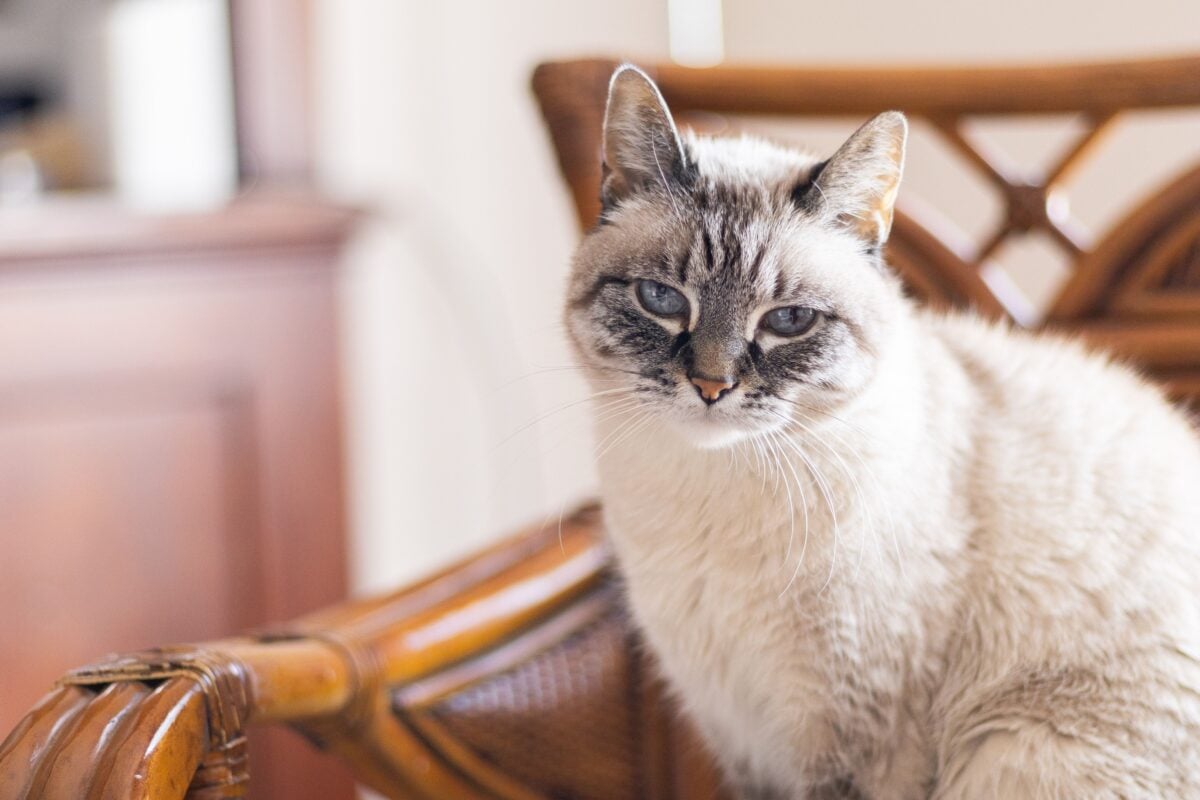
Your vet ran the bloodwork. Kidneys fine. Thyroid fine. Heart sounds clean. And yet your fifteen-year-old cat is still screaming at the ceiling at 2 a.m., licking your hair like it owes her money, or suddenly refusing a litter box she’s used without complaint for a decade. If you’ve ever been told “we don’t really know why they do that,” you’re not imagining things – and you’re definitely not alone.
Modern veterinary medicine can track a cat’s organs down to the decimal point, but the inner life of an aging cat still slips through the cracks of every chart and lab panel. Below are twelve behaviors real owners see constantly in senior cats – behaviors vets can describe but can’t fully explain. Some are sweet, some are unsettling, and one near the very end tends to stop longtime cat owners cold.
#12 – The “Midnight Howl” With Perfectly Normal Labs
🔥 Would you like to save this?
We'll email this post to you, so you can come back to it later!
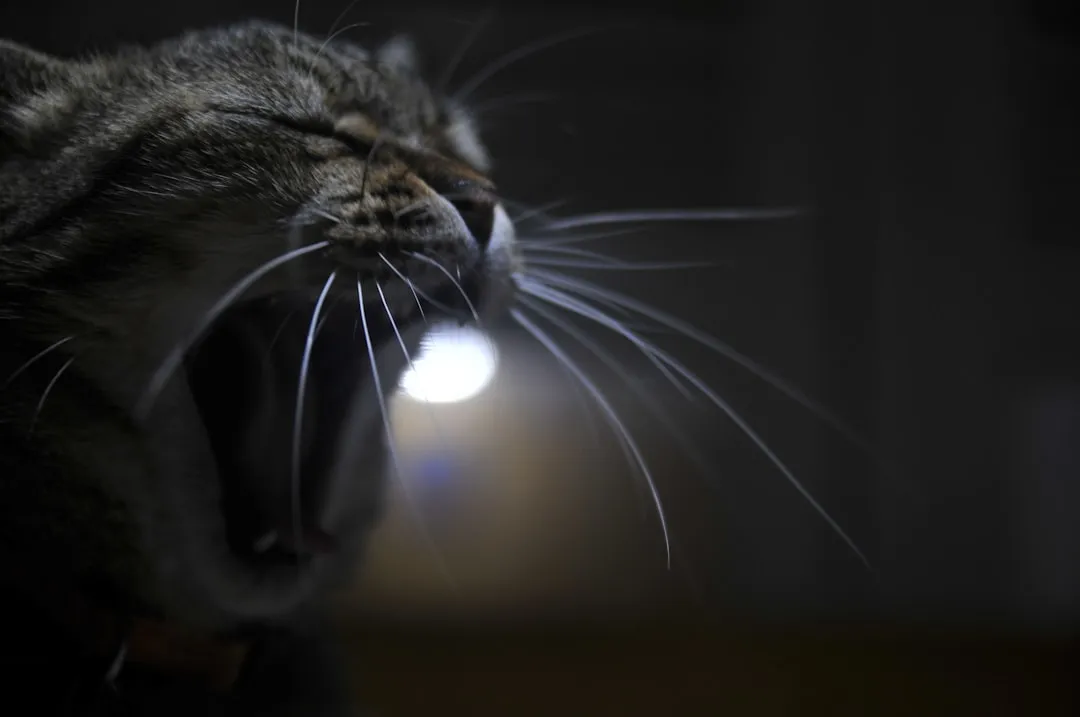
Most owners assume nighttime yowling is always pain, dementia, or an overactive thyroid. Often that’s true – but here’s the part nobody warns you about: a surprising number of senior cats scream at 2 a.m. even when every single test comes back clean. Bloodwork is clear, blood pressure is fine, eyes check out, and the yowling stops the instant the owner speaks or flips on a light.
Some behaviorists suspect it’s a strange cocktail of hearing changes, shifting sleep cycles, and plain old attention-seeking that only shows up with age. Others think it’s low-grade anxiety as cats lose confidence in the dark. Either way, no controlled study has actually nailed the cause, so vets mostly hand out educated guesses: a small bedtime snack, some white noise, and a lot of patience.
Fast Facts
- Cats are generally classified as “senior” starting around age 11, with “geriatric” status beginning after 15. Cats older than 10 years of age are considered senior, though exact timing varies by breed and size, and cats over 15 years of age are considered geriatric.
- Age-related behavior changes ramp up fast: one study indicated that 28 percent of all cats between 11 to 14 years of age exhibited at least one sign of cognitive dysfunction, and for cats over 15 years, the incidence increased to 50% of all cats.
- Nighttime vocalization is consistently flagged as one of the most common late-life behavior shifts, right alongside sleep-cycle disruption.
- Even with those numbers, plenty of individual cases – like the clean-lab howlers above – still don’t fit neatly into any category.
#11 – Suddenly Sleeping in “Baby” Spots They Ignored for Years
🔥 Would you like to save this?
We'll email this post to you, so you can come back to it later!
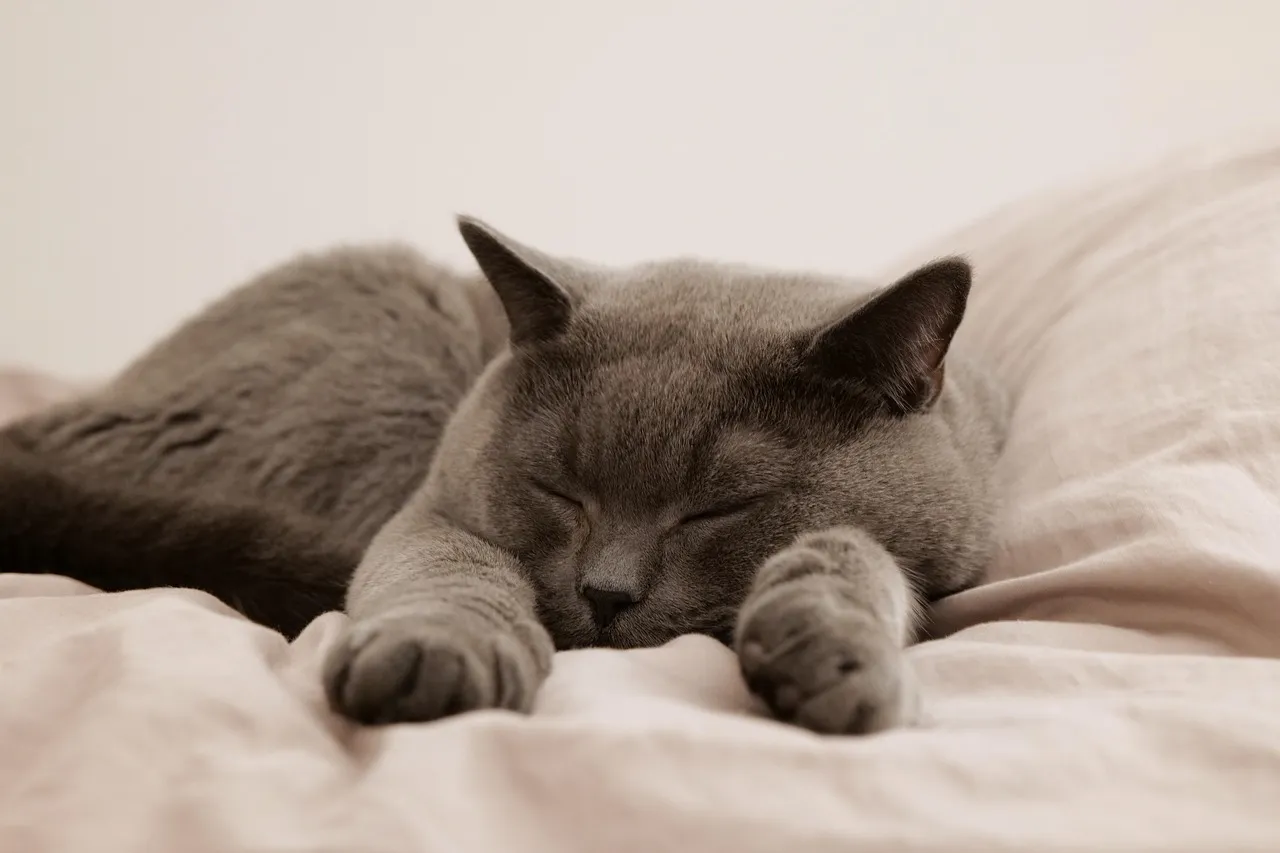
You know the moment: your 14-year-old cat, who spent a decade acting too cool for everything, suddenly wedges herself into the laundry basket or curls up on your chest like a kitten. Most people write it off as “cute” or random. But owners keep noticing that this clingy sleep behavior appears almost overnight in seniors, and not just when the cat feels sick.
Warmth and softer surfaces do matter more as joints age – that part is easy to explain. What’s harder to explain is why some cats abandon their old solitary thrones entirely for spots inches from your heartbeat. No study has proven that senior cats grow “more sentimental,” but plenty of vets will quietly admit it’s hard to call that a coincidence. Some suspect chronic low-level discomfort makes familiar scent and sound feel safer than territory ever did.
#10 – The “Stare Into Nothing” That Isn’t Always Cognitive Decline
🔥 Would you like to save this?
We'll email this post to you, so you can come back to it later!
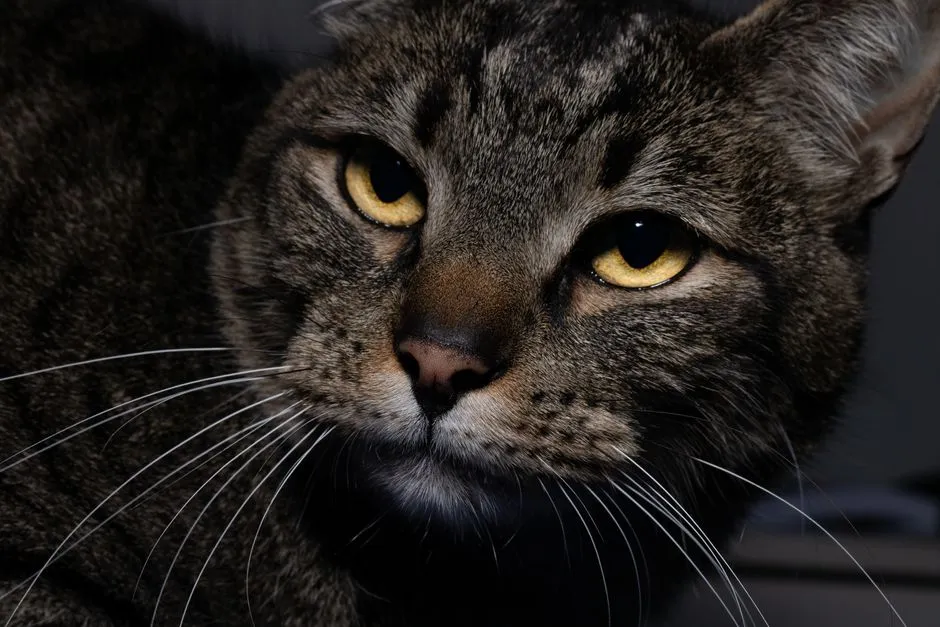
Senior cats who gaze at walls, ceilings, or empty corners freak owners out for good reason. Sometimes it really is cognitive dysfunction – feline dementia is real. But here’s the twist: a lot of cats who do the eerie blank stare test completely normal on neurologic exams. They follow toys, solve puzzles, respond to routines… and then freeze mid-motion and stare into space for a full minute.
The leading theory is that aging sensory systems start sending mixed signals, so a tiny sound or flicker of light hijacks their attention longer than it used to. Another unproven idea: older brains simply drift, the feline version of daydreaming. We see the pause, but nobody has mapped what’s actually happening behind it. That leaves owners stuck guessing whether it’s harmless zoning out or something worth mentioning at the next checkup.
#9 – Random Picky Eating in Cats With Perfect Teeth and Organs
🔥 Would you like to save this?
We'll email this post to you, so you can come back to it later!
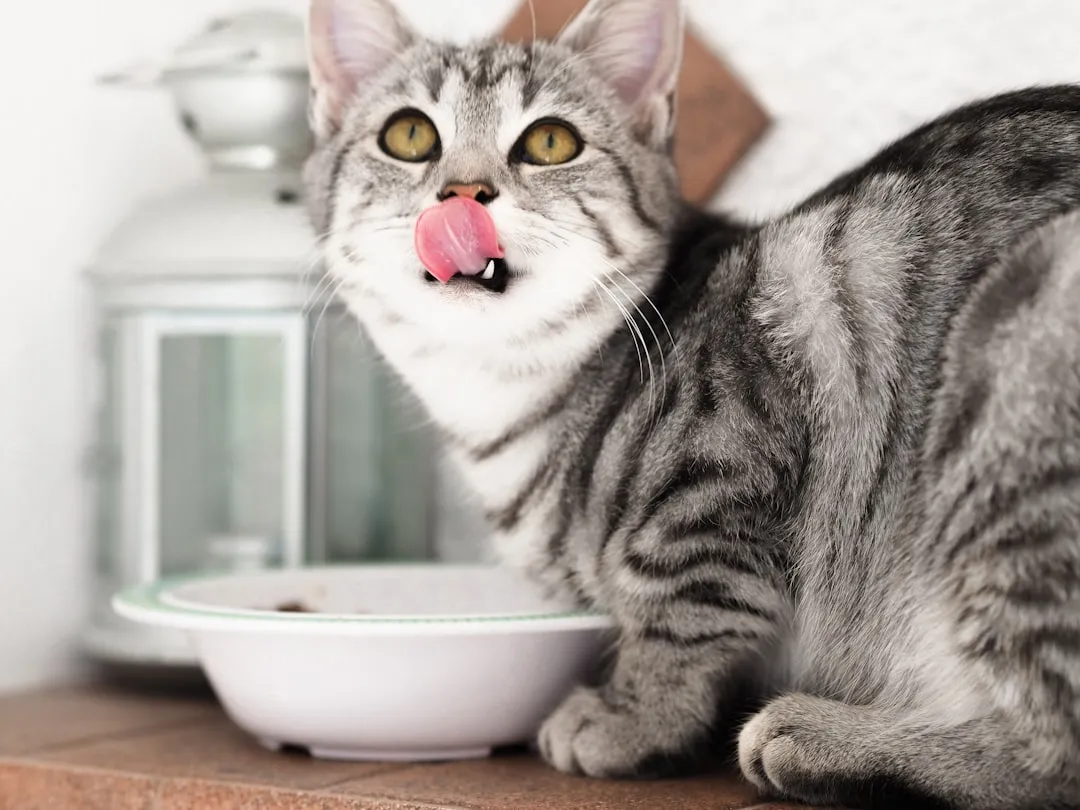
By the time a cat is a senior, most vets are hunting for mouth pain, kidney disease, or cancer the moment appetite changes – and often they find something. But there’s a strange subset of older cats who flip daily between “I love this food” and “I’d rather starve” while every major test stays clear. Calorie intake over a week looks fine; meal-to-meal behavior looks like chaos.
Nobody has really studied this micro-level pattern in seniors living ordinary home lives. It’s possible that mild, undetectable nausea comes and goes, or that age-related changes in taste and smell make the same food hit differently from one day to the next. We do know that sudden, sustained appetite loss in a senior cat is an emergency. But the maddening, day-to-day pickiness in an otherwise stable cat? Nobody has cracked that code yet.
#8 – The Last-Minute Litter Box Rule Change
🔥 Would you like to save this?
We'll email this post to you, so you can come back to it later!
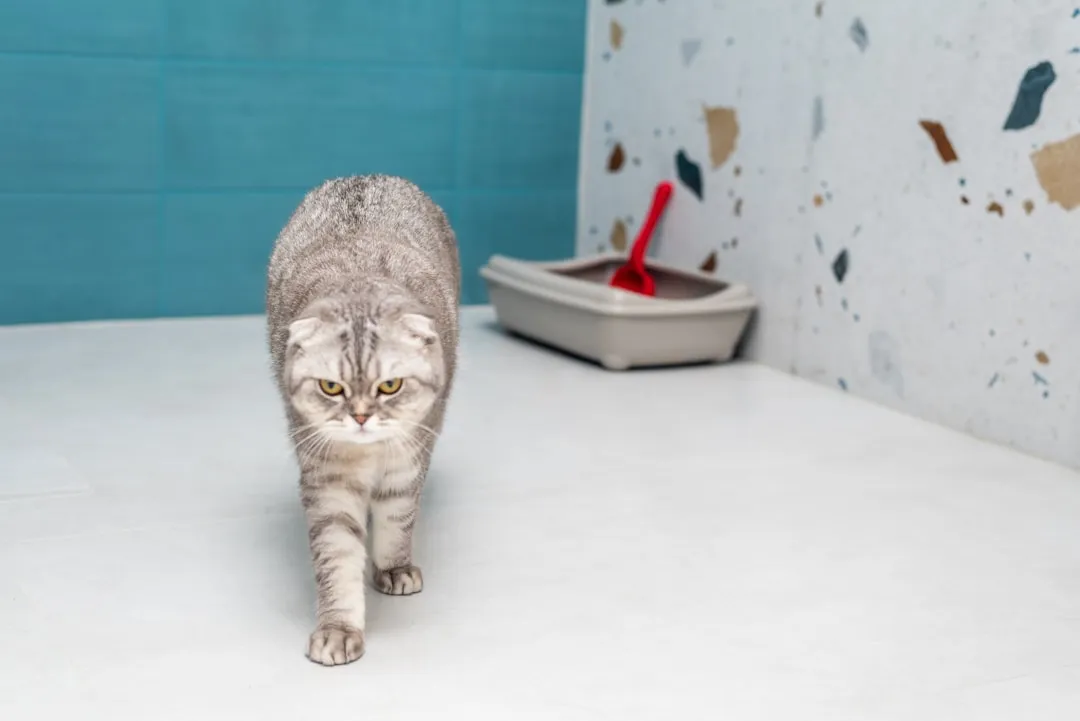
Your 13-year-old cat has used the same box, in the same corner, with the same litter, for ten years. Then one day he decides the box is unacceptable – but only sometimes. He’ll poop beside it, then use it perfectly the next morning. Infection screen: negative. Arthritis: mild and controlled. It’s infuriating, and it’s oddly common.
Pain, mobility issues, and cognitive decline can absolutely trigger litter box problems, and vets check for all three. But in a chunk of senior cats, the standard fixes – lower sides, new litter, extra boxes – only half work or don’t match the pattern at all. Some behaviorists think smell thresholds shift with age, so an odor level the cat once tolerated suddenly feels wrong. There’s almost no large-scale research tracking how a senior cat’s sense of “clean” changes over time, which leaves owners feeling guilty for something science simply hasn’t caught up to yet.
Worth Knowing
- House-soiling is officially recognized as one of the classic signs vets watch for in aging cats. Cats with CDS display behavioural abnormalities, including excessive vocalisation, altered interaction with owners, altered sleep-wake cycles, house-soiling, disorientation, alterations in activity, anxiety, and learning or memory deficits.
- The jump in prevalence with age is steep: in a questionnaire-based study, 36% of owners of cats aged 7 to 10 years reported age-related behavioural problems including house-soiling, with the percentage increasing to 88% in cats aged 16 to 19 years.
- Even so, most litter box research groups “house-soiling” as one broad symptom – it rarely separates out the odd, inconsistent pattern owners describe here.
#7 – Acting Terrified of People They’ve Loved for Years
🔥 Would you like to save this?
We'll email this post to you, so you can come back to it later!
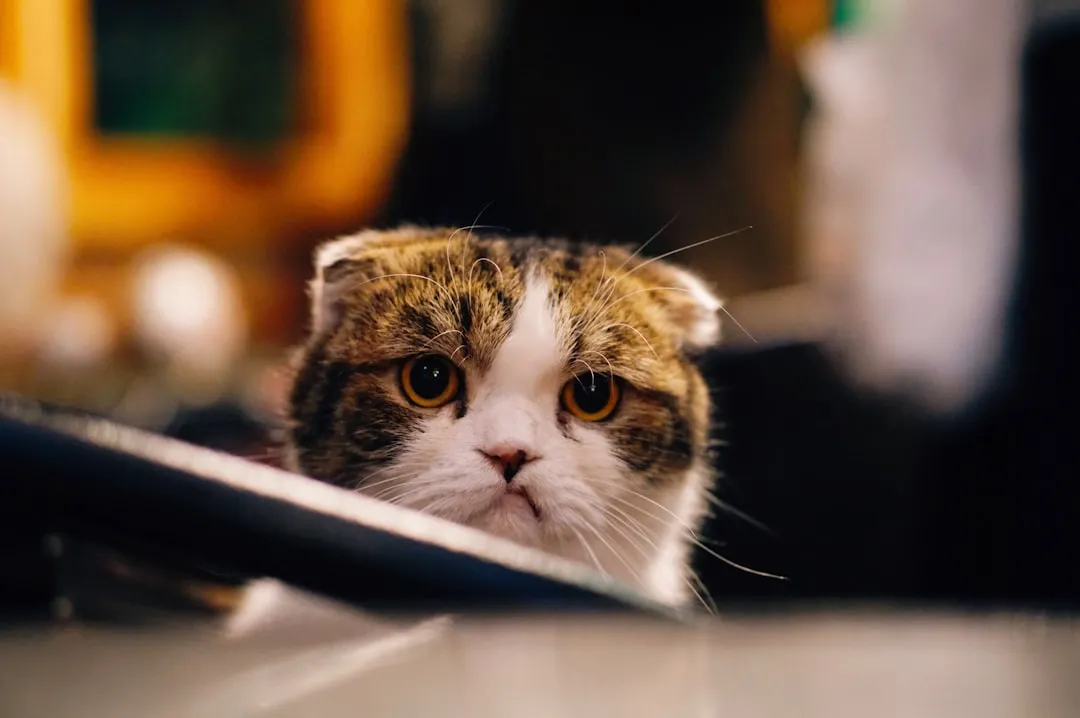
You’ll hear this constantly in senior-cat circles: “She’s suddenly skittish with my husband,” or “He hides from visitors he used to adore.” Pain and sensory decline are the obvious suspects. But sometimes, even after pain control, eye exams, and hearing tests come back clean, the fearfulness stays – selective, aimed at specific people or specific movements.
It’s tempting to blame one bad incident, but plenty of owners swear nothing happened. One theory: a small, unnoticed event quietly planted an association that grew as the cat’s resilience faded with age. Another: stiffening joints make cats feel physically vulnerable, so they narrow their trust to the one person who handles them gently. We don’t have precise studies on how “social risk tolerance” shifts in aging cats – we borrow from dog research or human geriatric psychology, and it never quite fits. Some cats simply become less emotionally flexible with age, and no chart explains why one senior cat softens while another hardens.
#6 – The Sudden Obsession With Watching Water Without Drinking It
🔥 Would you like to save this?
We'll email this post to you, so you can come back to it later!
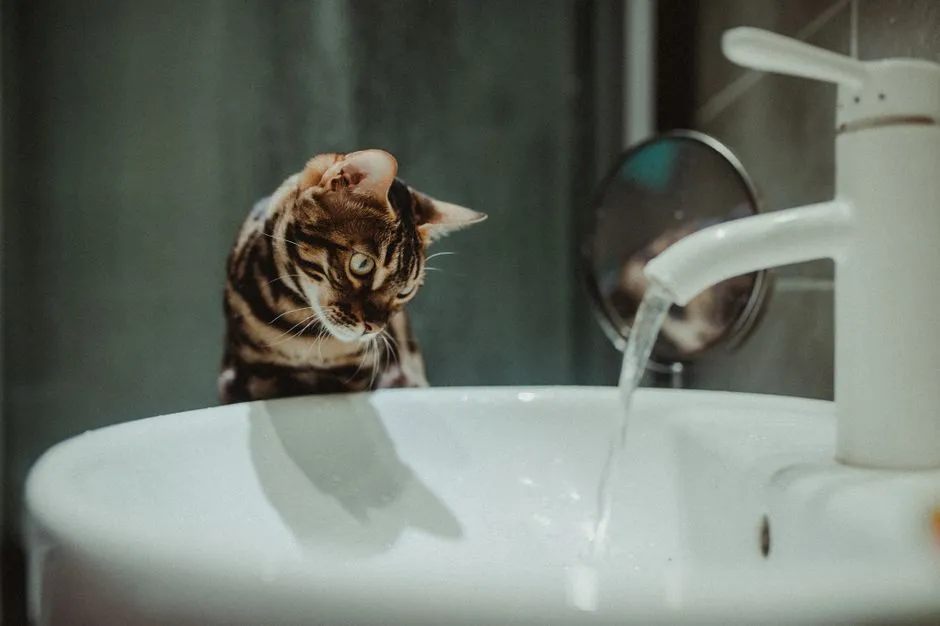
Plenty of older cats drink more because of kidney or thyroid disease – that part is well documented. But talk to longtime owners and you’ll hear a different story: seniors who park themselves by the sink, the tub, or the fountain, staring at the running water like it’s hypnotic, and barely sipping a drop. Their labs can be completely normal.
Veterinary research on feline hydration focuses on how much cats drink, not on this strange “water TV” ritual. Some suspect age-related vision changes make moving water especially captivating, like a lava lamp for cats. Others think mild dizziness or vestibular changes make the sight and sound of water soothing in a way it wasn’t before. There’s also a simpler idea: as play drive fades, standing guard over water becomes a low-effort, high-interest activity for a brain that’s slowing down but far from empty. No one has run the controlled study that would actually explain it.
#5 – Choosing One “Retirement Room” and Refusing the Rest of the House
🔥 Would you like to save this?
We'll email this post to you, so you can come back to it later!
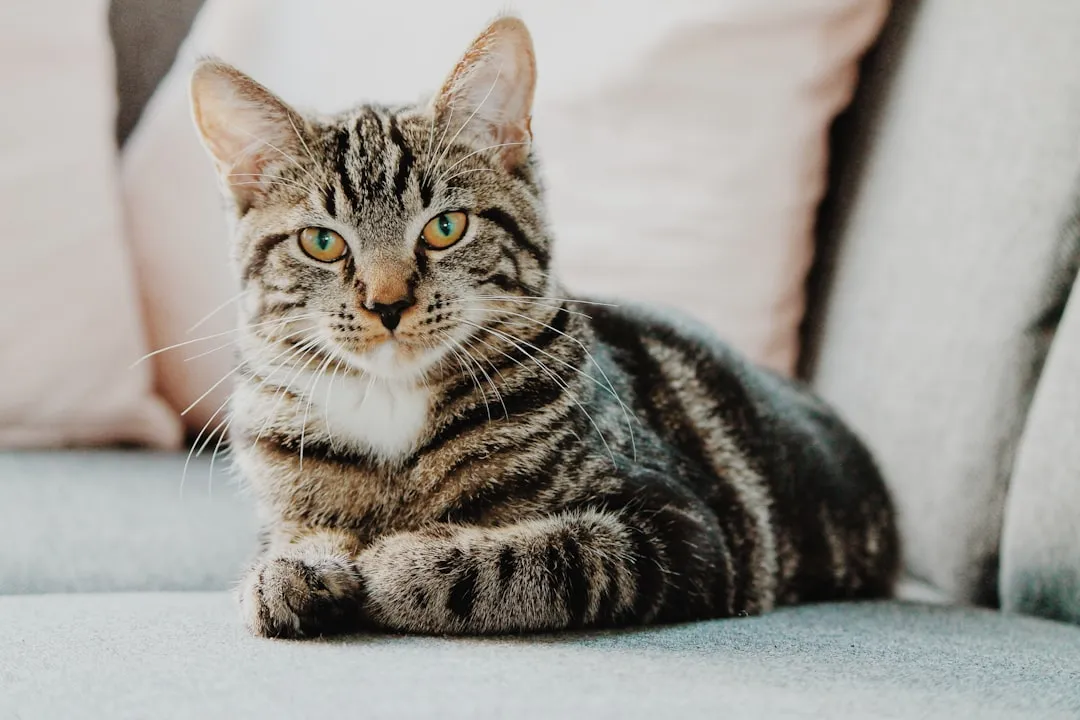
Many senior cats quietly downsize their whole world. They pick one room – a bedroom, an office, a sunny spare room – and treat it like a studio apartment. They sleep there, eat there, groom there, and get visibly stressed or disoriented when carried anywhere else in their own home. Nothing new shows up medically. Arthritis can make stairs less appealing, sure, but this happens even in cats whose mobility is still pretty good.
What actually changes is their risk calculus. Instead of patrolling the whole house like a younger cat, they shrink their “safe zone” down to whatever they can fully map and defend. There’s almost no research tracking how far senior cats roam in ordinary homes over months or years, so we’re left leaning on theory: less exploring, less stress, less energy spent. It’s a controversial idea a lot of owners don’t want to hear – your senior cat might genuinely prefer a smaller, calmer life than the adventurous one you remember, and science hasn’t drawn the line yet between healthy caution and something closer to anxiety.
#4 – The Strange “Second Kittenhood” Energy Bursts
🔥 Would you like to save this?
We'll email this post to you, so you can come back to it later!
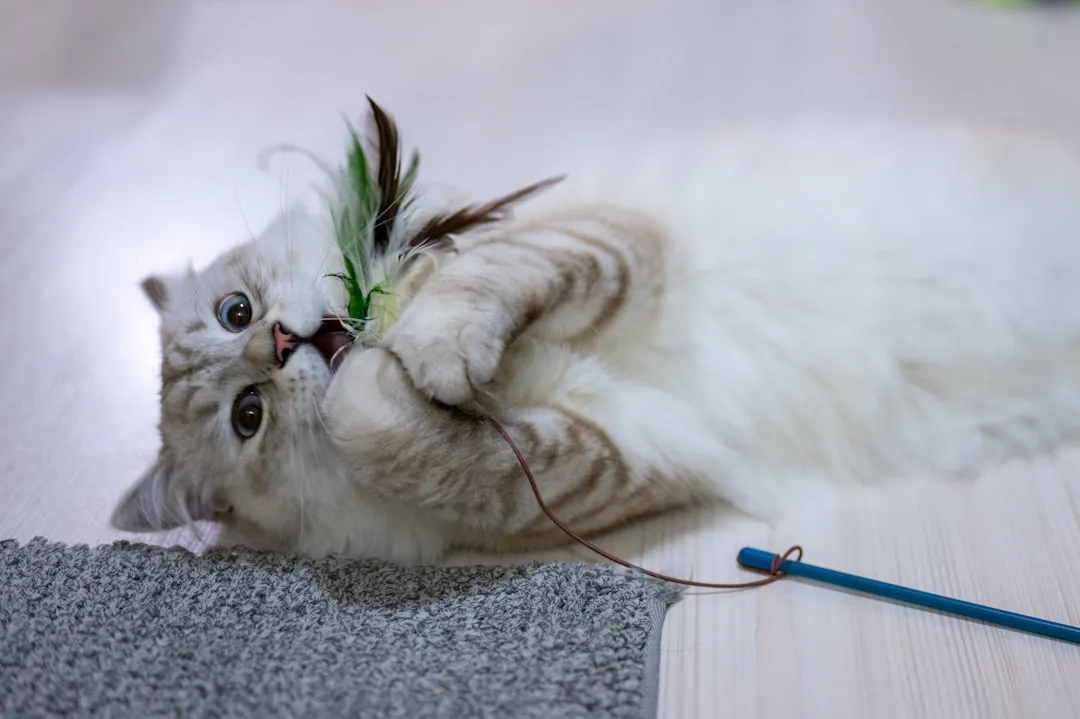
Here’s the twist that confuses even experienced vets: some older cats, especially after starting treatment for a chronic illness, suddenly act younger than they have in years. Zoomies at twelve. Intense toy-hunting at fifteen. Climbing furniture they’d ignored for half a decade. We expect some improvement once a cat feels better – but sometimes the swing is bigger than the medical change on paper would predict.
One explanation is simple: chronic pain or nausea quietly suppressed the cat’s play drive for so long that owners forgot the real baseline. Once the discomfort lifts, the contrast looks dramatic. But in other cases, even mild improvements in lab values seem to unlock outsized behavior changes, and nobody has mapped that relationship cleanly. Some behaviorists compare it to humans briefly living more intensely after recovering from long illness. The catch is that some owners misread this rush of energy as proof their cat is “cured,” and skip rechecks they still need.
Quick Compare
- Typical senior slowdown: less jumping, shorter play bursts, slower reaction to toys, more overall sleep.
- “Second kittenhood” burst: sudden zoomies, kitten-style toy hunting, re-attempting furniture they’d avoided for years, tail up and alert.
- Why it matters: a burst this size can mask the fact that the underlying illness is only partly controlled – not a green light to stop monitoring.
#3 – Hoarding Odd Objects They Ignored Their Whole Life
🔥 Would you like to save this?
We'll email this post to you, so you can come back to it later!
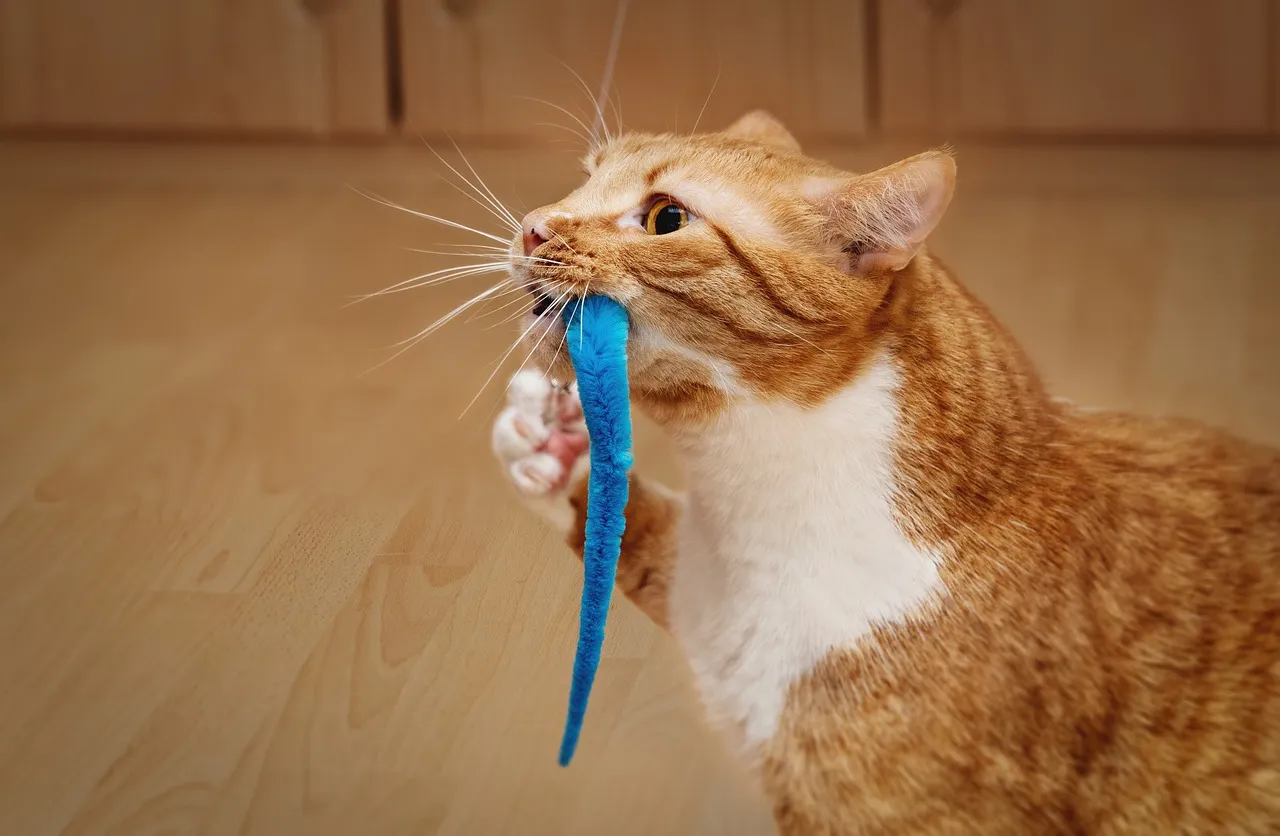
Ask around and you’ll hear it: seniors quietly starting to collect things. Pens, hair ties, socks, twist ties, scraps of paper. Not dramatically, but in a low-key, repeated pattern – an older cat who never cared about “stuff” before suddenly drags items to one specific bed, mat, or spot under a chair. Everything else about them can seem perfectly normal.
Feline research covers play with prey-like toys, but hoarding behavior in aging cats barely exists outside of anecdotes. Is it cognitive decline? Maybe. Stress coping? Also maybe. Some compare it to “comfort hoarding” seen in other animals under mild anxiety – gathering soft, familiar-smelling items to build a kind of nest, or compensating for lost hunting opportunities with indoor trophies. Right now, vets largely guess based on context and rule out medical causes, not because the science has an answer, but because it simply hasn’t looked closely enough yet.
#2 – Hyper-Focused Grooming… of You, Not Themselves
🔥 Would you like to save this?
We'll email this post to you, so you can come back to it later!
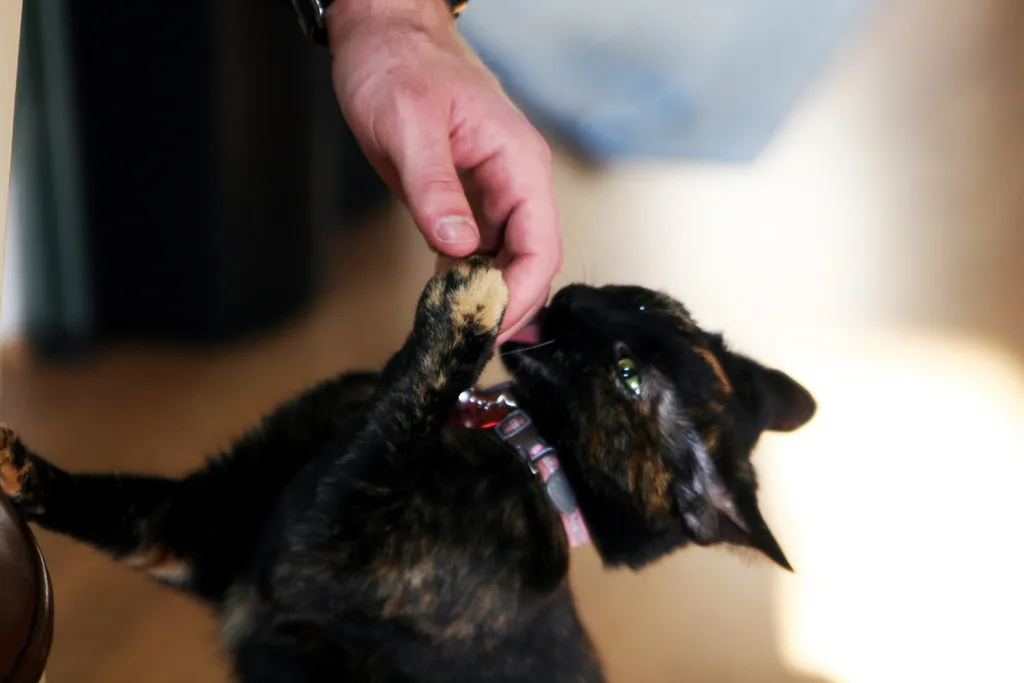
We all know plenty of seniors groom themselves less, especially once they’re stiff or arthritic – that fits the data fine. What doesn’t fit as neatly is the subset of older cats who stop caring about their own coat entirely and become almost obsessed with licking their owner’s hair, skin, or clothes. It can ramp up out of nowhere, into long, intense sessions aimed entirely at you.
Traditional explanations lean on social bonding – mutual grooming as a way of saying “you’re part of my group.” But this specific pattern, reduced self-care paired with increased human-directed grooming, hasn’t been picked apart in any real study. Is it stress-soothing redirected onto the safest object available? A way to keep your scent locked in as their own senses fade? Owners consistently describe it as feeling different from normal affection – more intense, more insistent. Some behaviorists privately suspect there’s a grief or anticipatory-loss element here that science hasn’t yet figured out how to measure.
Why It Stands Out
- Ordinary aging grooming decline is gradual and self-directed – less coat care overall, not a sudden switch.
- This pattern is different: self-grooming drops sharply while grooming aimed at the owner spikes at the same time.
- Sessions tend to last longer and feel more deliberate than the quick, casual licks cats give as everyday affection.
- No formal study has isolated this reduced-self-care-plus-owner-grooming combo as its own category – it currently lives entirely in owner reports.
#1 – The Quiet Pre-Goodbye Routine Change No Test Can Predict
🔥 Would you like to save this?
We'll email this post to you, so you can come back to it later!
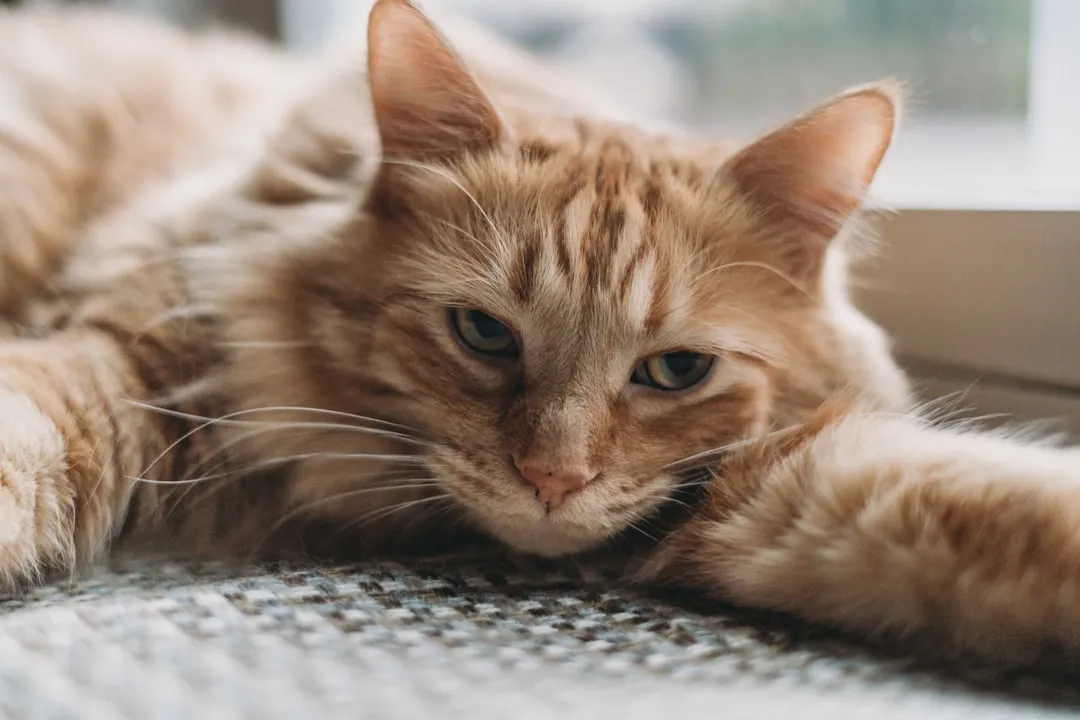
Talk to enough longtime cat owners and you’ll hear eerily similar stories. In the weeks or months before a senior cat passes – whether from a known illness or something sudden – many cats subtly rewrite their daily rhythm in ways nobody has ever properly tracked. Not just eating or sleeping, but where they choose to rest, who they seek out, and how they respond to touch.
A fiercely independent cat suddenly wants to sleep against your chest every night. A social butterfly withdraws to one quiet spot, almost ritualistically. A normally silent cat starts talking constantly – or a loud one goes quiet. Medicine can usually explain the physical decline underneath it all. What it can’t explain is the sense so many owners describe of their cat “wrapping things up”: visiting favorite spots, watching their person with a different kind of intensity. There’s no long-term data set mapping these soft behaviors against outcomes. It’s an uncomfortable thing for science to admit, but right now, the emotional rhythm of a cat’s final months lives almost entirely in stories, not spreadsheets.
The Bottom Line
🔥 Would you like to save this?
We'll email this post to you, so you can come back to it later!
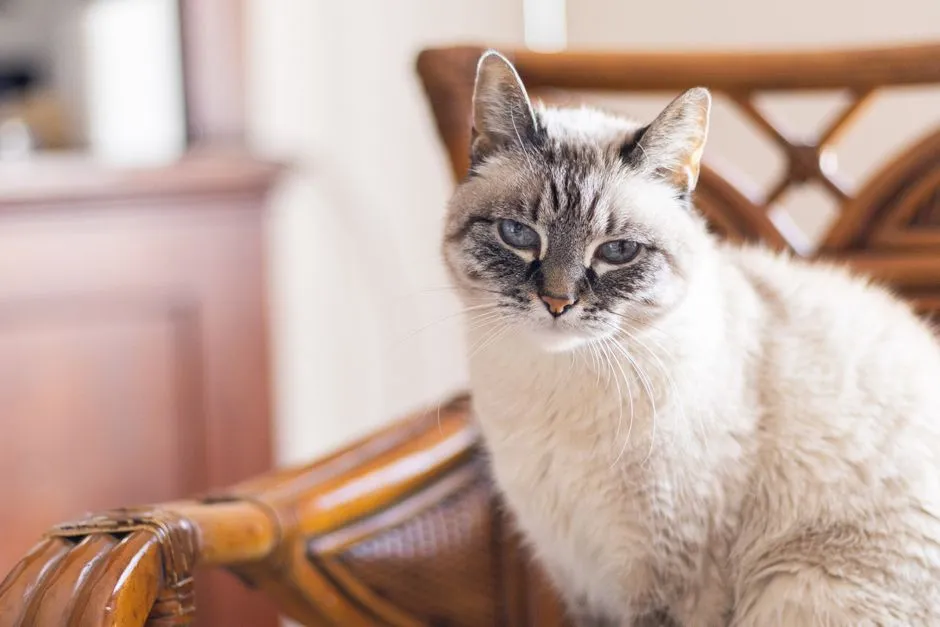
Senior cats are not just younger cats with creaky joints. They’re living, thinking creatures moving through a stage of life our research has barely started to sketch in. Night yowling with clean labs, retirement rooms, hoarded pens and hair ties, obsessive grooming, and those haunting pre-goodbye routines all sit in a gray zone where the data runs out and real life takes over.
That doesn’t make any of this mystical. It means the science hasn’t caught up – and honestly, I think owners will keep noticing these patterns years before any study bothers to ask the right question. Until that gap closes, what you’re seeing at 2 a.m. is not “just anecdote.” It’s information nobody has collected yet. Which of these has your own cat done – and what do you think it actually means?

- 23 Warm Corners an Elderly Cat Keeps Returning To All Winter - October 29, 2026
- 16 Behaviours Showing a Cat Considers a House Permanent Now - October 29, 2026
- 15 Wildlife Programmes a Lifetime Pass Holder Over 62 Can Join Free - October 29, 2026