
Picture this: a tiny bird zipping through the air with a beak longer than its entire body. Sounds like something out of a fantasy tale, right? Yet nature pulls off these feats every day, crafting that defy logic and fuel survival in wild ways.
From knife-edged skimmers to spoon-shaped sieves, these 12 birds showcase evolution’s wild creativity. Each beak tells a story of adaptation. Ready to meet them? Let’s dive in.[1][2]
Sword-Billed Hummingbird: The Beak That Outlengths Its Owner
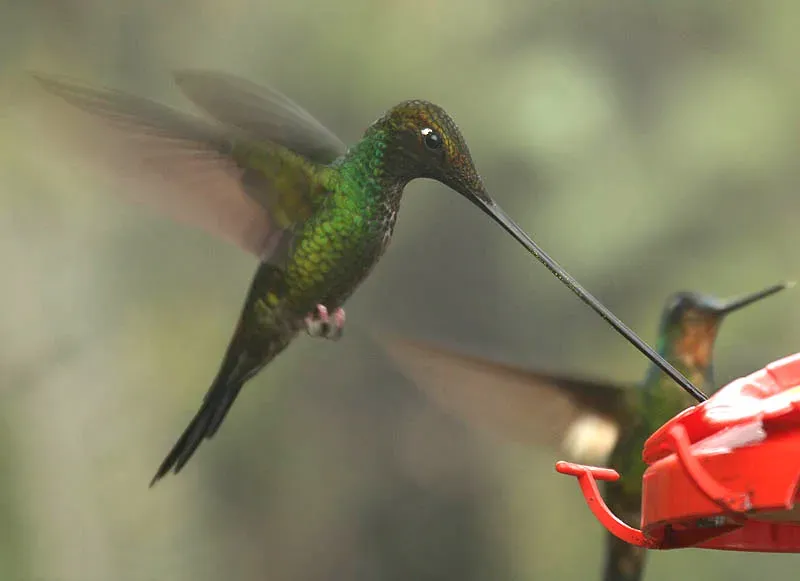
This little marvel holds the record for the longest beak relative to body size. Sometimes, that slender sword stretches over four inches, surpassing the bird’s own frame. It perches with its head tilted back just to balance.[1]
South American cloud forests host these nectar hunters. The beak plunges into the deepest flower corollas, stealing sweets no other hummingbird can reach. Honestly, watching one groom itself with its feet feels like a circus act. Imagine the engineering behind that precision.[3]
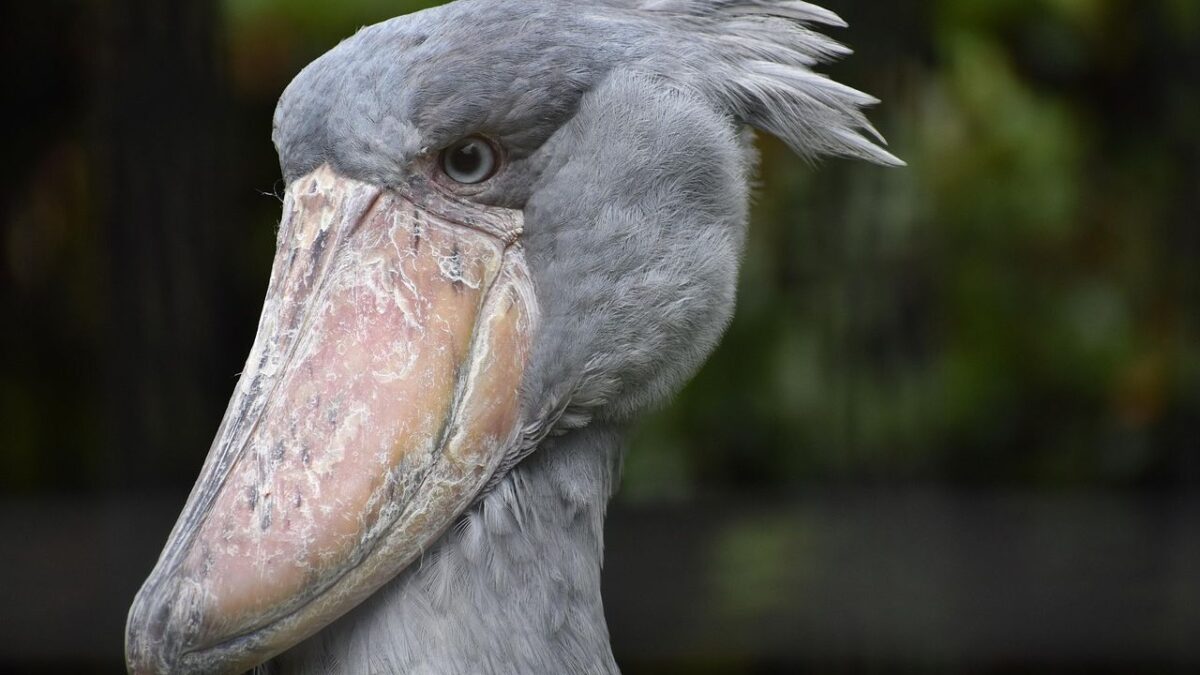
Shoebill: Prehistoric Jaw-Dropper
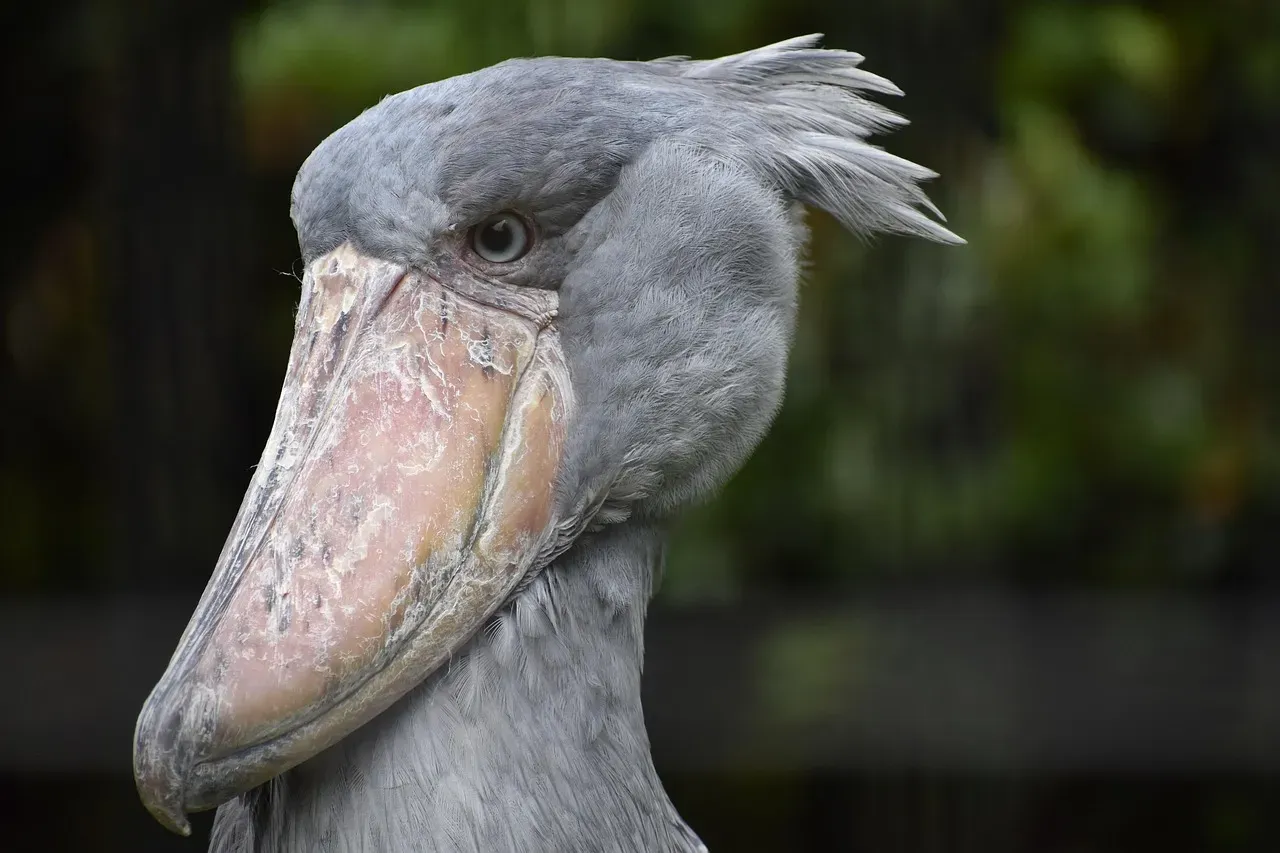
Staring down a shoebill feels like facing a dinosaur rerun. Its massive, shoe-shaped bill packs sharp edges and a hooked tip for crushing prey. Swamps across Africa shelter this stork relative.[1]
Fish and lungfish don’t stand a chance. The bird grips, crushes, and pierces in one brutal motion. It even clatters the bill to chat with mates. Here’s the thing: that tough look matches its ambush style perfectly.
Toco Toucan: Rainbow Reach
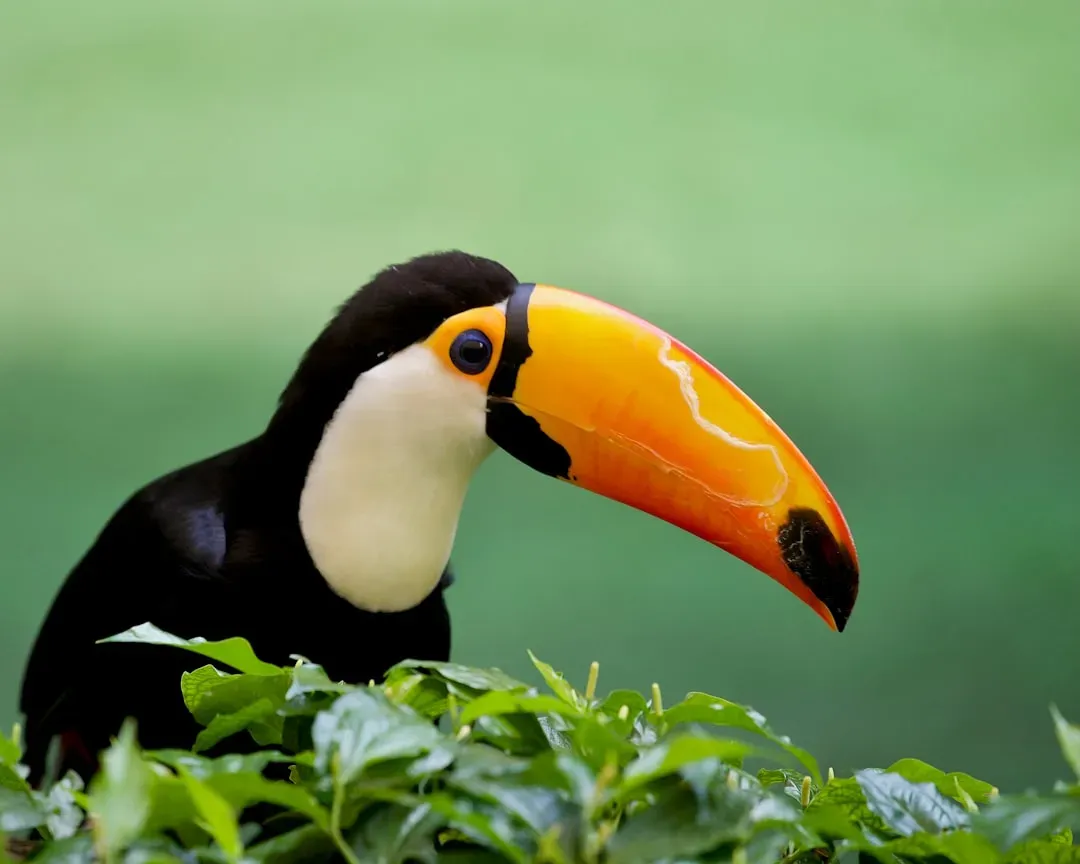
South America’s forests echo with the croaks of the toco toucan. Its beak dominates, covering nearly half the bird’s surface like a giant banana peel. Lightweight keratin honeycomb keeps it from dragging.[1]
Fruit dangles just out of reach? No problem. This bill peels skins, snags lizards, and even cools the bird by flushing blood. Predators scatter at the sight. I think it’s nature’s multitool, flashy and functional.
Rhinoceros Hornbill: Casque of Power
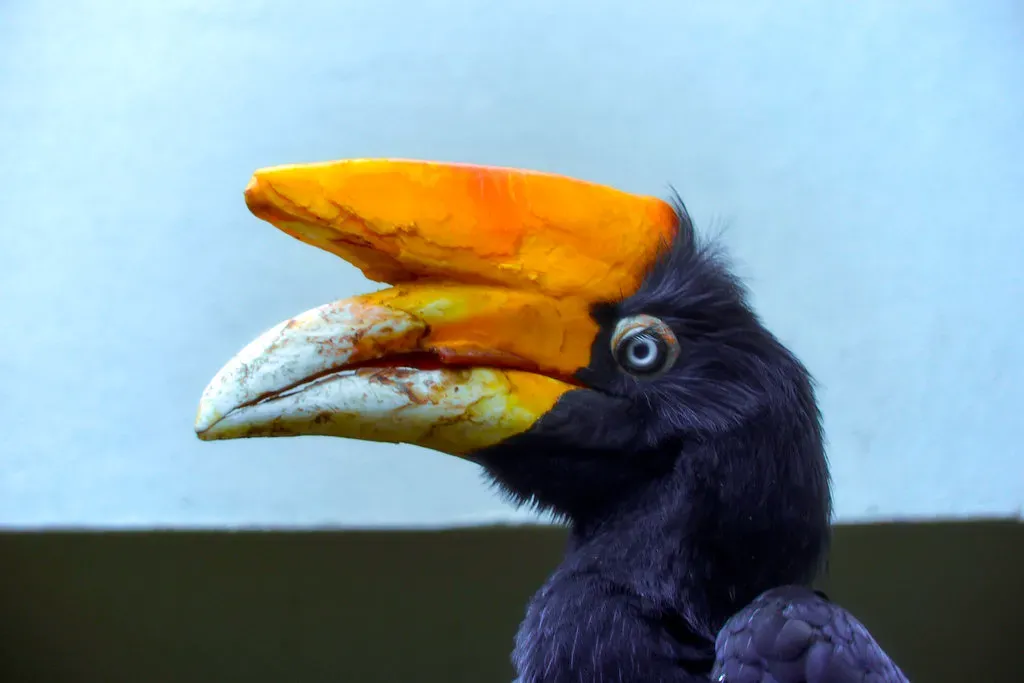
Malaysia’s rainforests hide the rhinoceros hornbill’s secret. A keratin casque crowns its strong bill, curving like a rhino horn. That dome amplifies booming calls across the canopy.[1]
Thin branches yield fruit effortlessly. The casque might signal strength to rivals too. Picture jousting in the treetops. Tough and loud, this beak screams survival.
Great Hornbill: Helmeted Giant
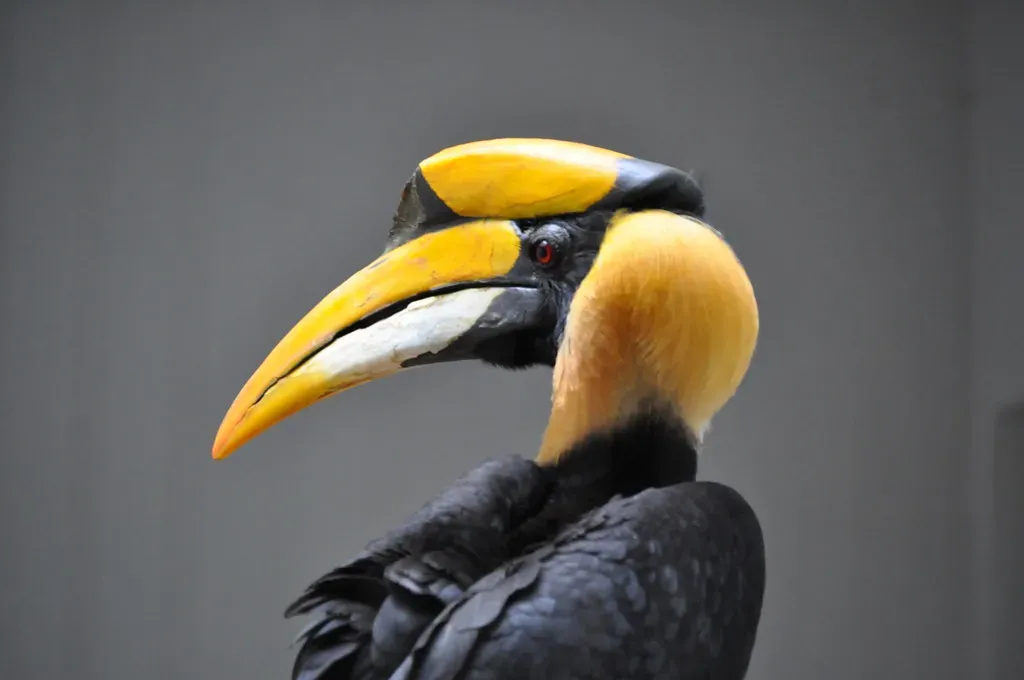
Southeast Asia’s evergreen giants shelter the great hornbill. Yellow-and-black casque tops an enormous bill, hollow yet imposing. Males clash mid-air, casque to casque, in mating displays.[1]
Old-growth trees host their nests high above. The casque hints at mate quality, though its full purpose mystifies. Fruit foraging comes easy. It’s like wearing a billboard for bachelor status.
These birds seal females inside tree cavities during breeding, relying on males’ deliveries. Wild commitment.
Roseate Spoonbill: Pink Shaker
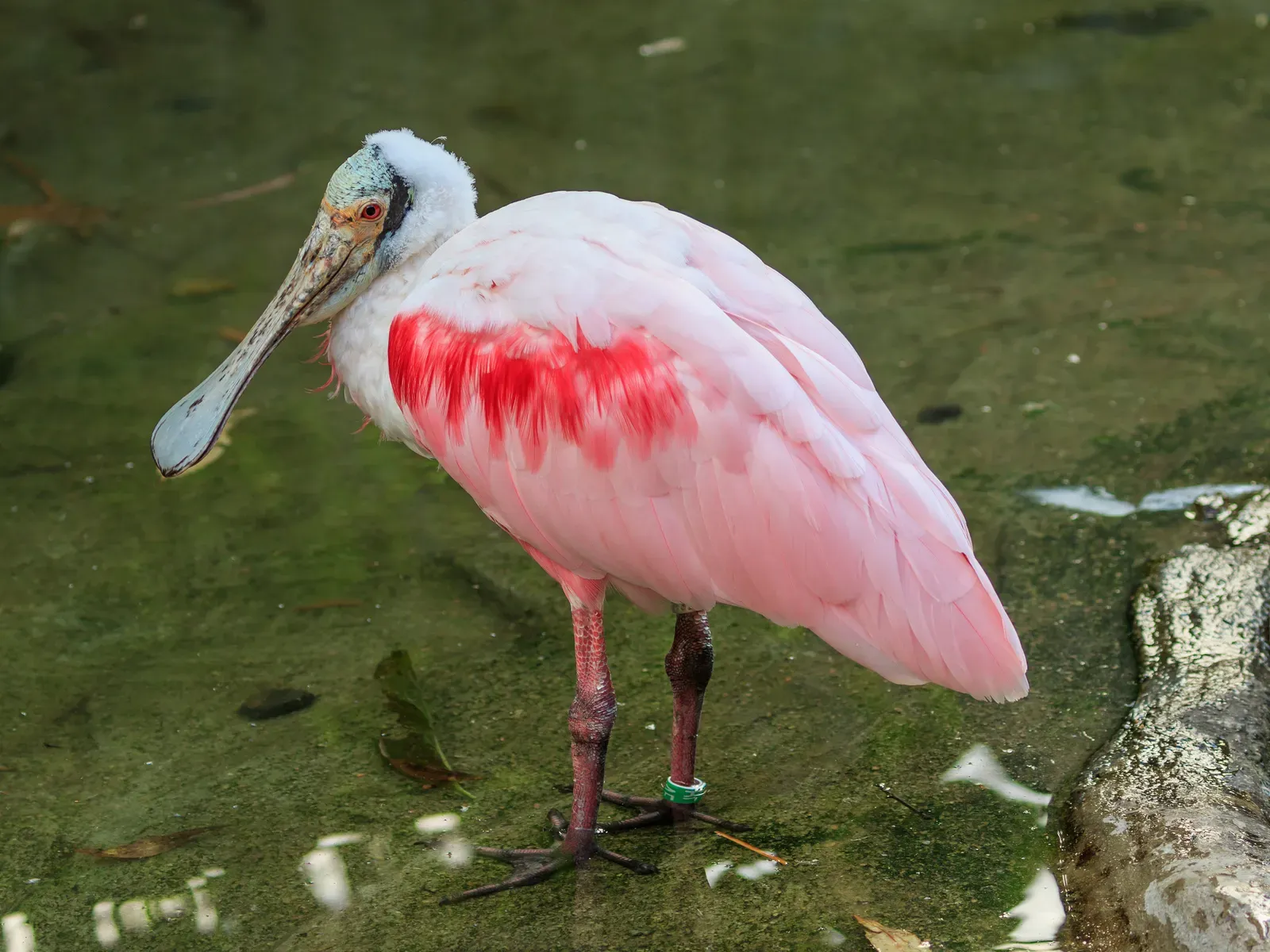
Florida’s marshes glow with roseate spoonbills’ rosy hues from crustacean diets. The spoon-shaped bill sweeps side to side in shallows. Small fish and bugs get strained out effortlessly.[1]
Populations rebound after hunting woes. That flat spatula feels vibrations for hidden prey. Coastal waters suit this elegant forager. Let’s be real, it looks delicate but works overtime.
Red Crossbill: Cone-Cracking Twist
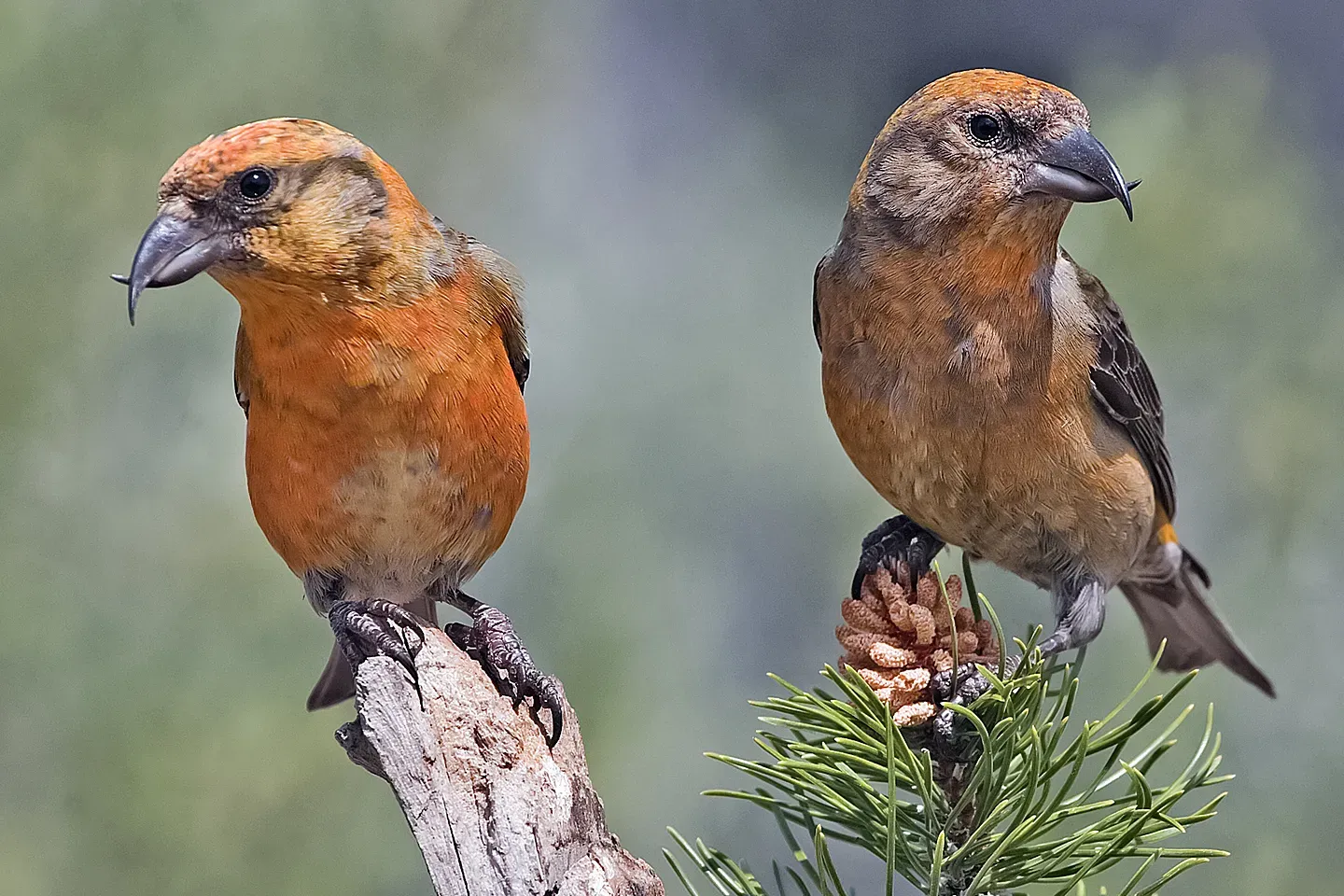
Boreal forests challenge most birds, but not the red crossbill. Its bill tips cross like a glitch, perfect for prying pinecone scales. Seeds tumble free from the tightest grips.[1]
Mountain conifers provide endless meals. What seems deformed thrives here. Birds twist scales up with a bite. Nomadic flocks follow cone crops worldwide.
Black Skimmer: Aerial Knife
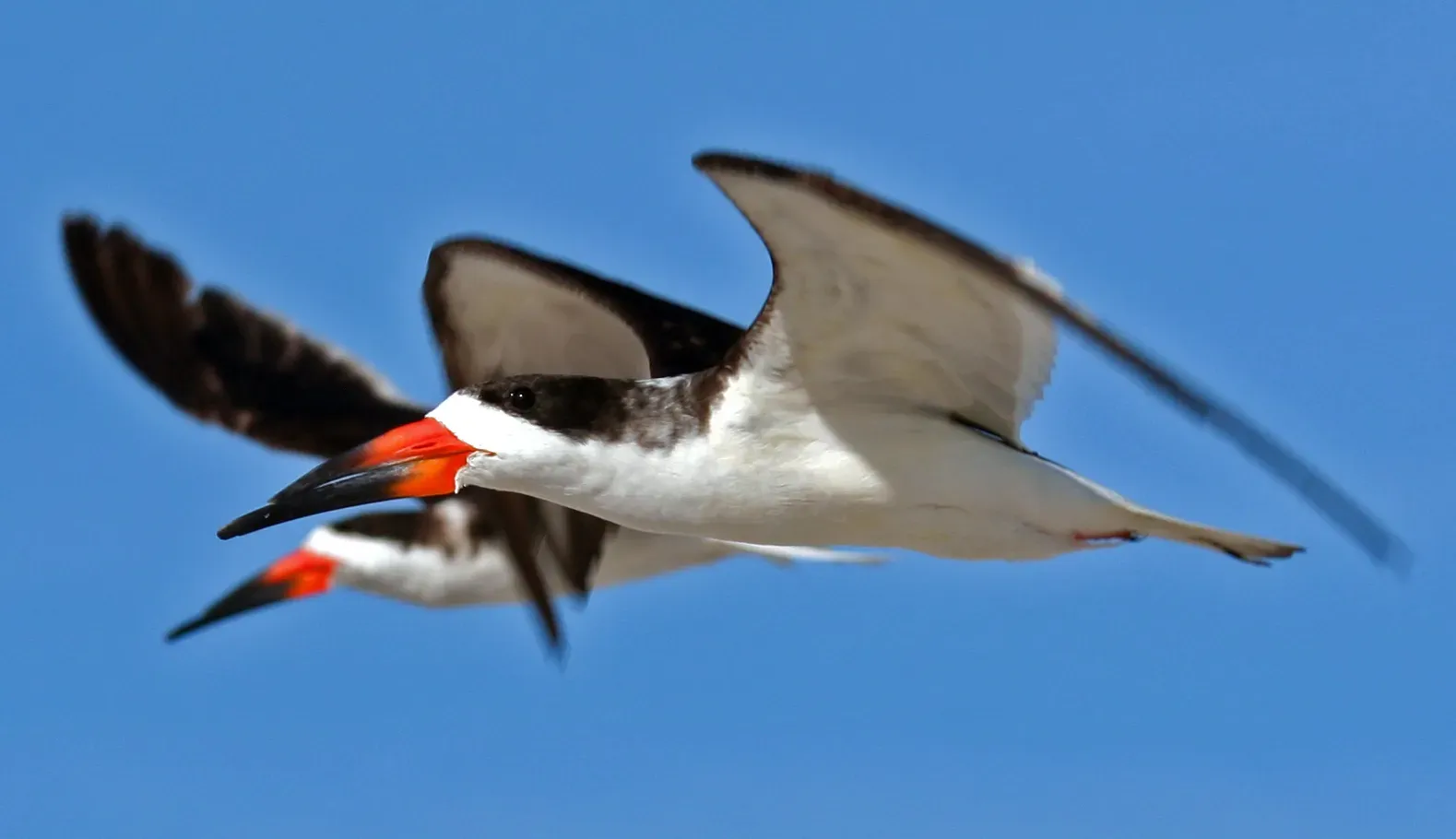
Shorelines buzz as black skimmers patrol. The lower mandible juts longer, knife-thin for water skimming. Flying low, it snags fish on contact.[1]
Americas’ coasts claim this unique hunter. Upper bill snaps shut like a trap. No other shorebird matches this flair. Speed meets precision in a feathered skim.
Long-Billed Curlew: Probe Master
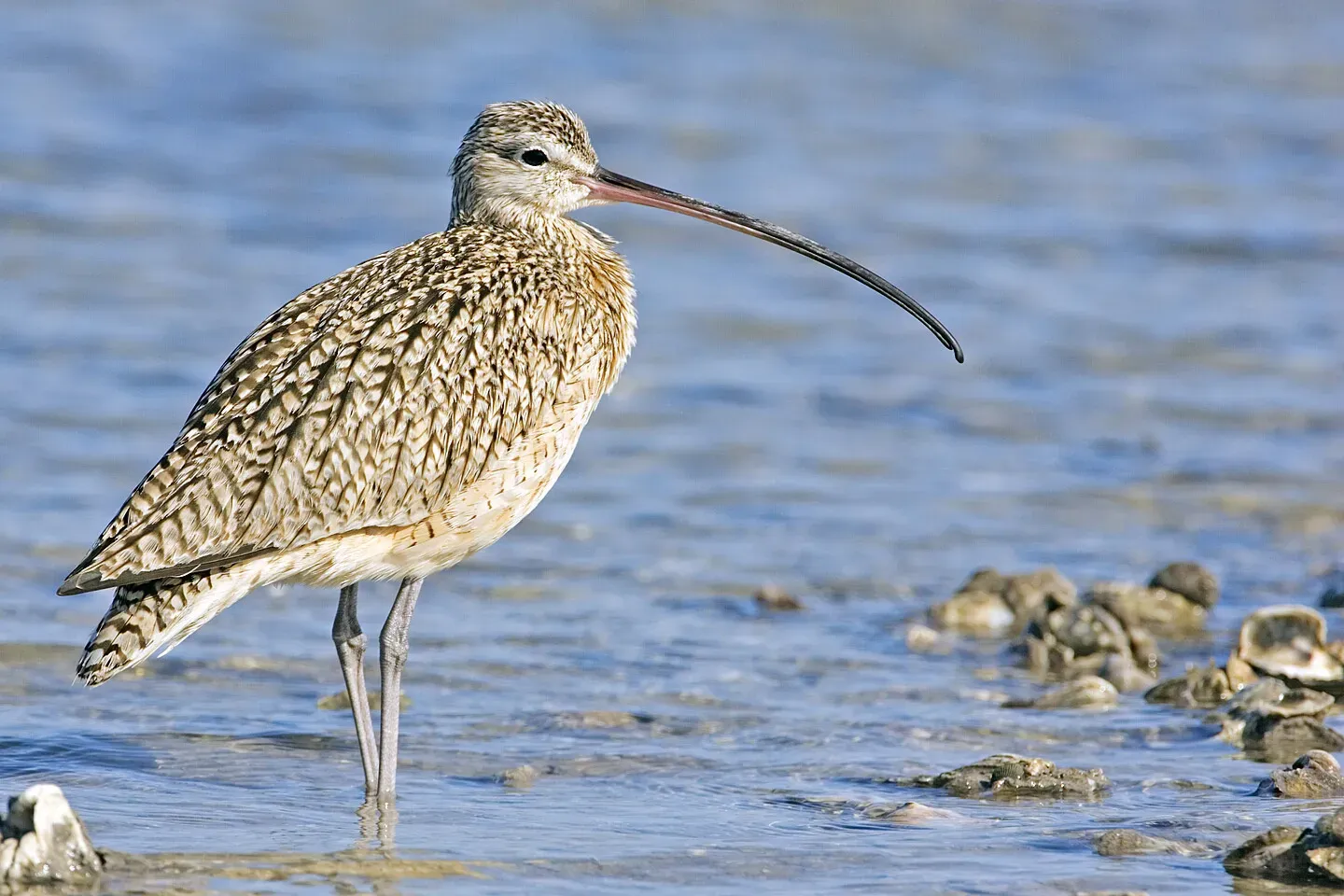
North America’s grasslands and mudflats welcome the long-billed curlew. Females boast even longer, curvier bills for deep burrows. Shrimp and worms hide, but not for long.[1]
Breeding shifts to pastures, winter to tides. That bill flexes for dual habitats. Elegant curves hide brute force. Conservation watches this shorebird closely.
American White Pelican: Pouch Net
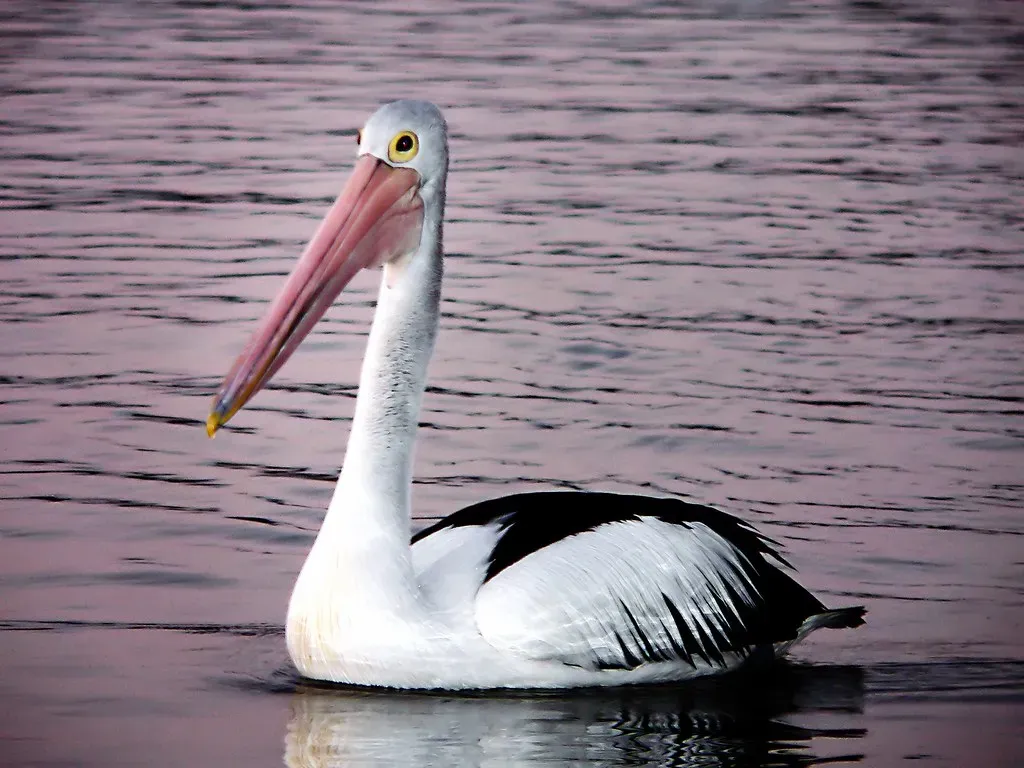
Lakes shimmer under American white pelican flocks. The bill’s throat sac balloons like a net for fish hauls. Breeding adds a flashy horn, shed post-eggs.[1]
Cooperative hunts upend like ducks, filtering water. Group scoops stun prey. That pouch holds gallons. Teamwork makes the dream work here.
Atlantic Puffin: Sea Clown Serrations
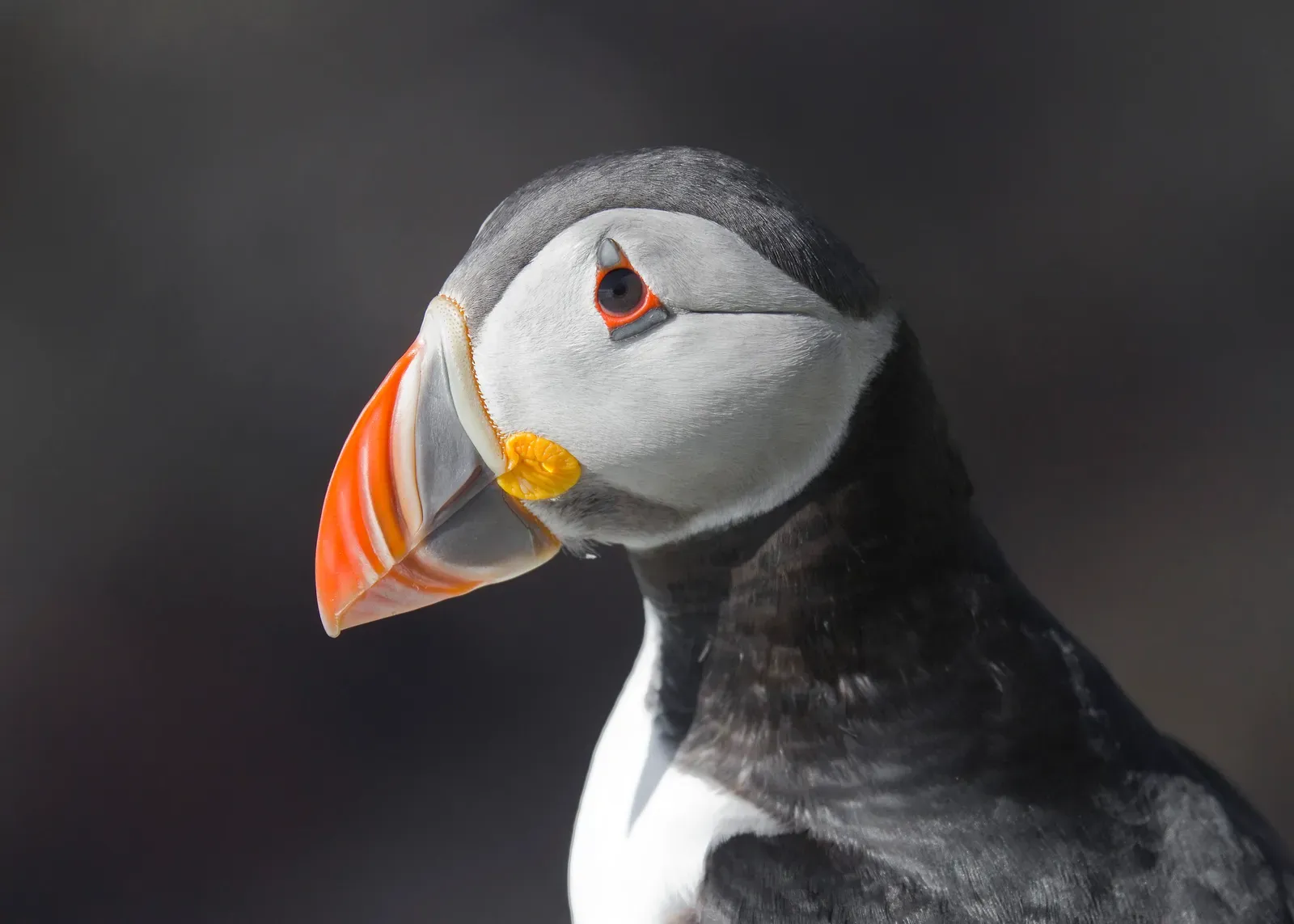
North Atlantic cliffs teem with Atlantic puffins, sea parrots of the waves. Triangular bills blaze red-and-black, serrated for grip. Age adds more teeth-like edges.[1]
Dive for fish, stack ten-plus via tongue lock. Chicks get deliveries. Bold colors dazzle. It’s the ocean’s fishing tackle box.
Kiwi: Sniffing Sentinel
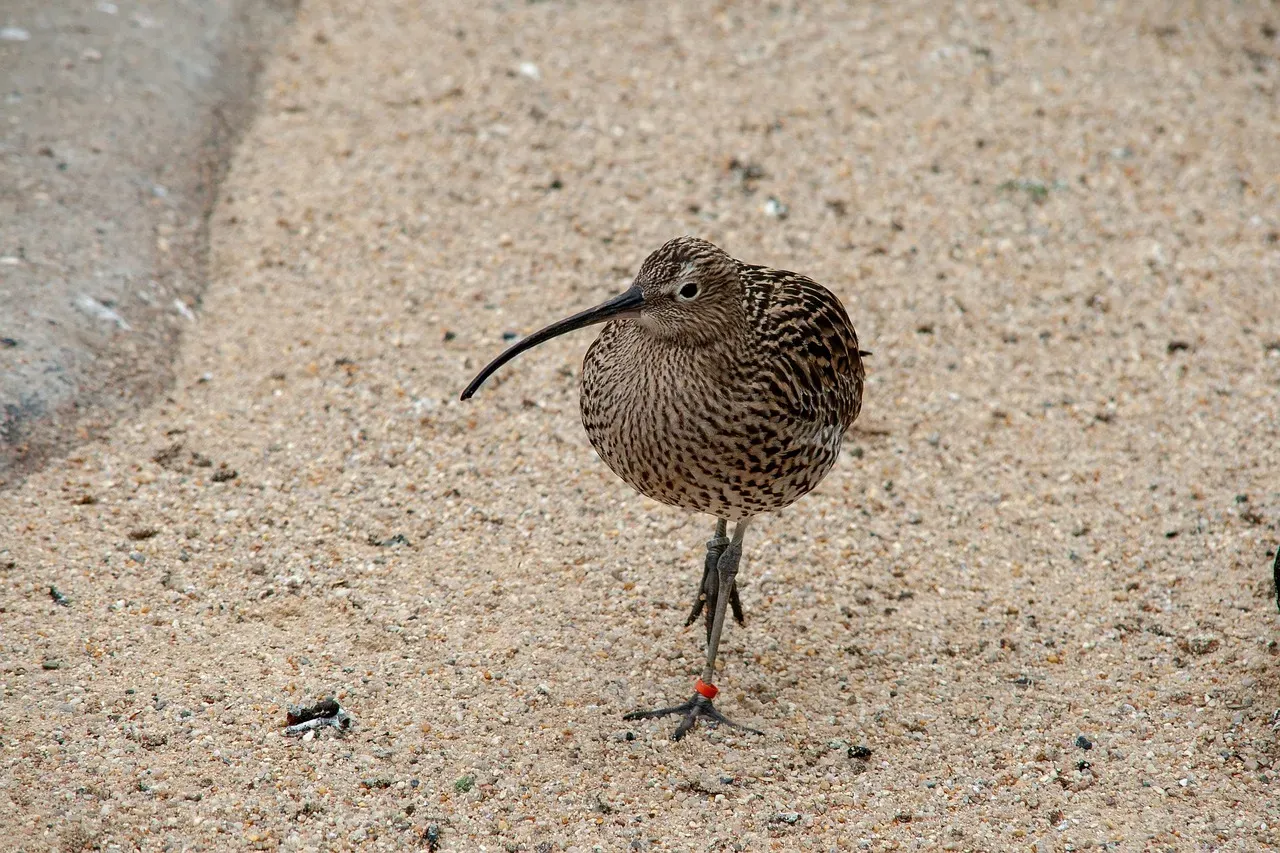
New Zealand’s shadows hide the kiwi, nostrils right at bill tip. Poor eyes, epic smell probes leaf litter. Earthworms quiver an inch underground.[1]
Bill levers soil open like a tiny shovel. Second-best nose-to-brain ratio seals hunts. Flightless oddity thrives nocturnal. Nature flipped the script on bird senses.
Why These Blow Minds
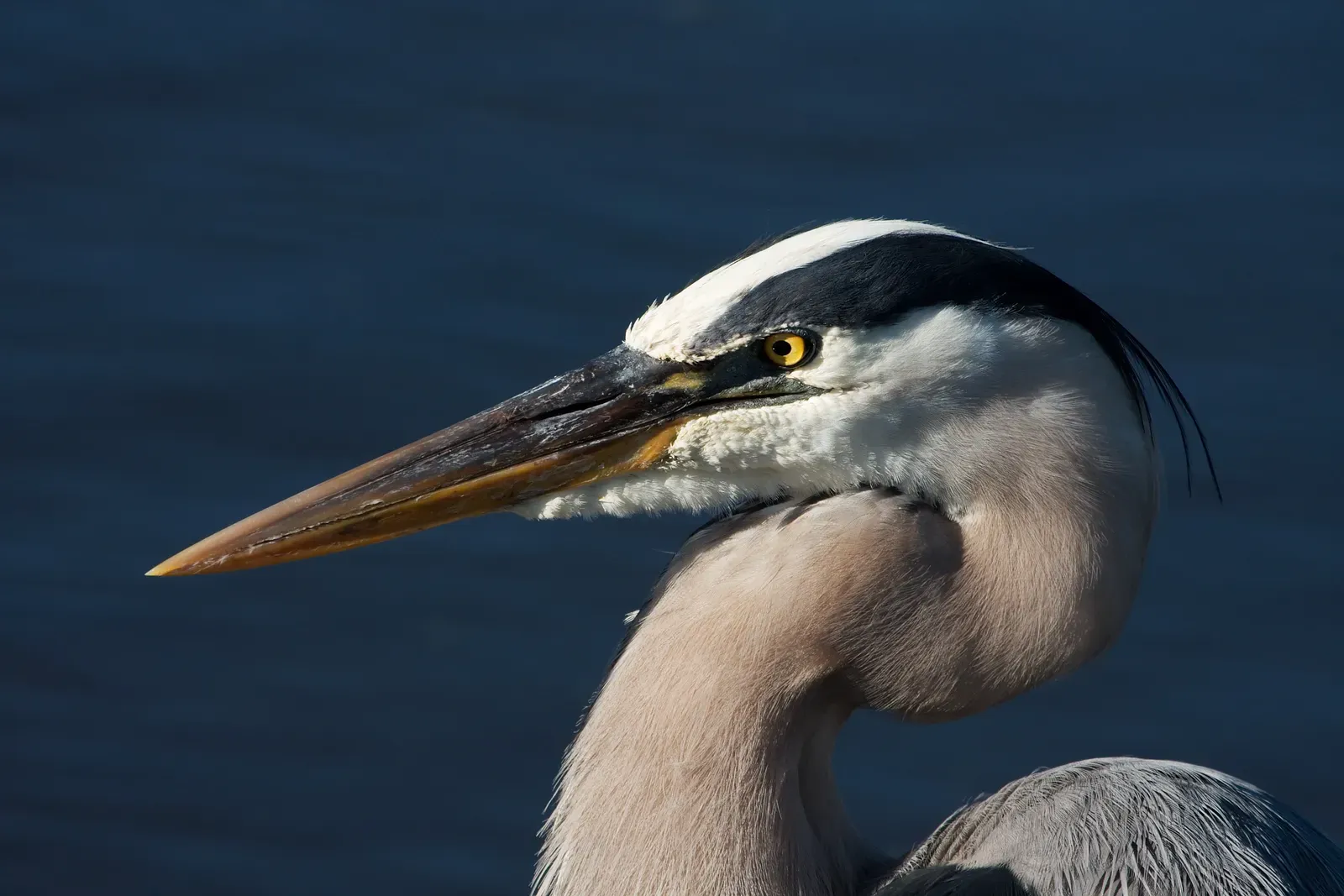
evolve like custom tools, from nectar swords to seed tweezers. Each solves a puzzle in harsh worlds. We’ve marveled at 12, but thousands more wait.[1]
Next birdwatch, scan those bills closer. They whisper survival secrets. Which beak stunned you most? Share in the comments – what’s your wildest bird encounter?
