
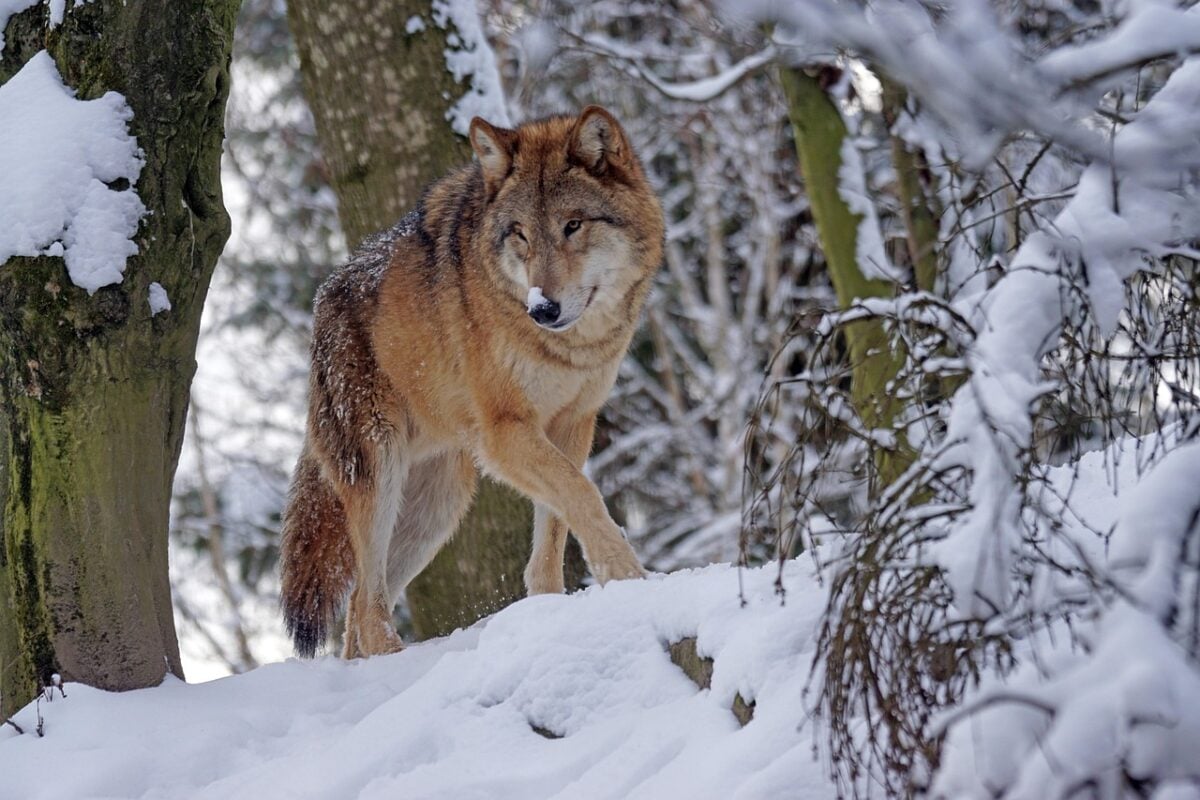
In the vast, untamed wilderness, wolves epitomize the delicate balance between survival and energy conservation. These apex predators have honed behaviors that prioritize efficiency, ensuring their survival in challenging environments. One of the most intriguing aspects of their behavior is their tendency to avoid unnecessary conflicts, a strategy deeply rooted in their need to conserve energy.
Wolves’ Strategic Avoidance of Unnecessary Fights

Wolves are inherently territorial creatures, yet they exhibit a remarkable tendency to avoid unnecessary confrontations. This behavior is not born out of fear but from a calculated strategy to conserve energy. Engaging in fights, especially with other packs, can lead to injuries or even death, which would jeopardize the pack’s survival. By avoiding these conflicts, wolves ensure that their energy is reserved for essential activities like hunting and caring for their young.
This strategic avoidance is evident in their interactions with other carnivores. For instance, in Denali National Park, studies have shown that while wolves dominate scavenging activities, they often avoid direct confrontations with other scavengers like wolverines and coyotes. This behavior underscores their preference for conserving energy over engaging in potentially harmful disputes.
Energy Conservation: A Survival Imperative
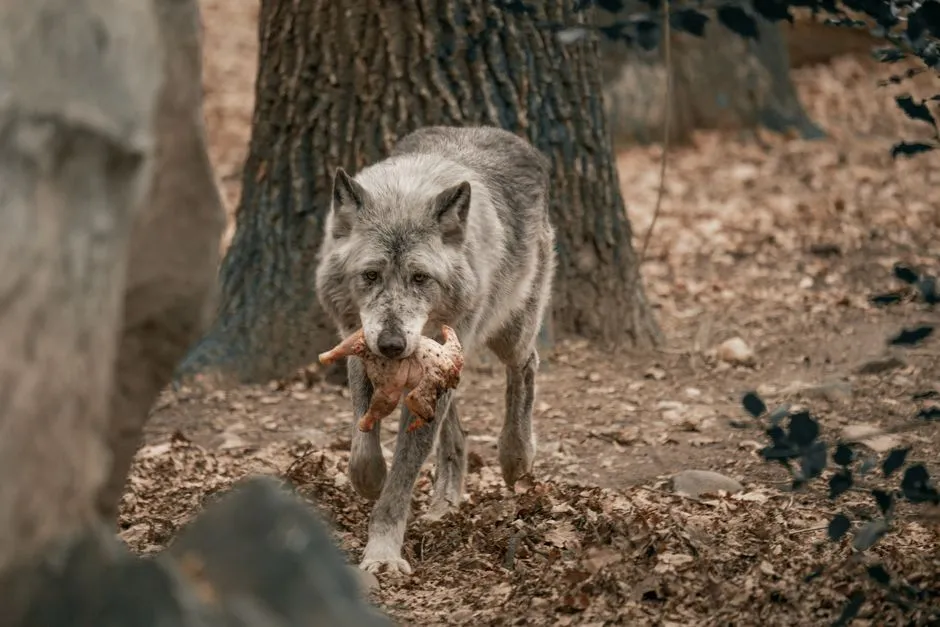
For wolves, every calorie counts. Hunting large prey requires significant energy expenditure, and the success rate is not always high. Therefore, conserving energy becomes paramount. By avoiding unnecessary fights, wolves reduce the risk of injury and the associated energy costs of healing and recovery. This conservation strategy ensures that they remain in optimal condition for hunting and other survival activities.
Moreover, wolves’ hunting strategies are tailored to maximize energy efficiency. They often target vulnerable individuals within a herd, such as the young, old, or sick, to increase the likelihood of a successful hunt with minimal energy expenditure. This selective hunting approach further highlights their emphasis on energy conservation.
Social Hierarchy and Conflict Resolution
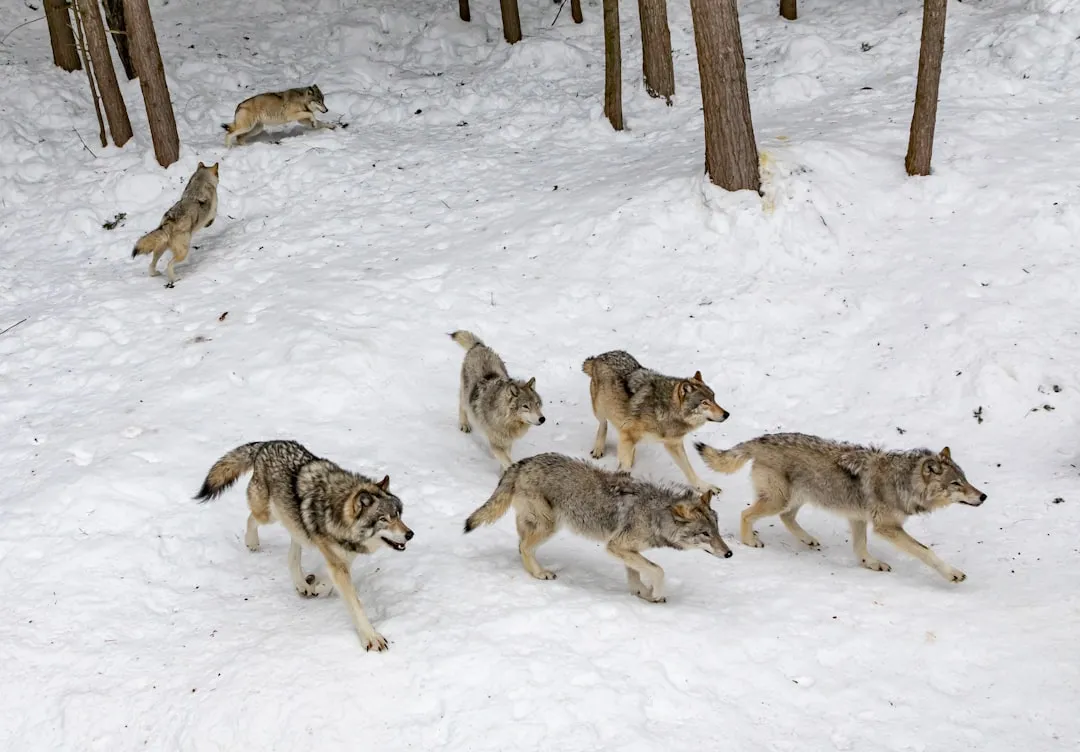
Within a wolf pack, a well-defined social hierarchy exists, with dominant and subordinate members. This structure minimizes internal conflicts, as each member understands its role and status. When disputes arise, they are often resolved through non-violent means, such as submissive postures or vocalizations, rather than physical confrontations. This behavior not only preserves the pack’s cohesion but also conserves energy that would otherwise be spent on fighting.
Interestingly, after conflicts, subordinate wolves often engage in conciliatory behaviors like nose touching and licking dominant members. These actions serve to mend relationships and maintain harmony within the pack, further emphasizing the importance of energy conservation and social cohesion.
Adaptations in Hunting Tactics
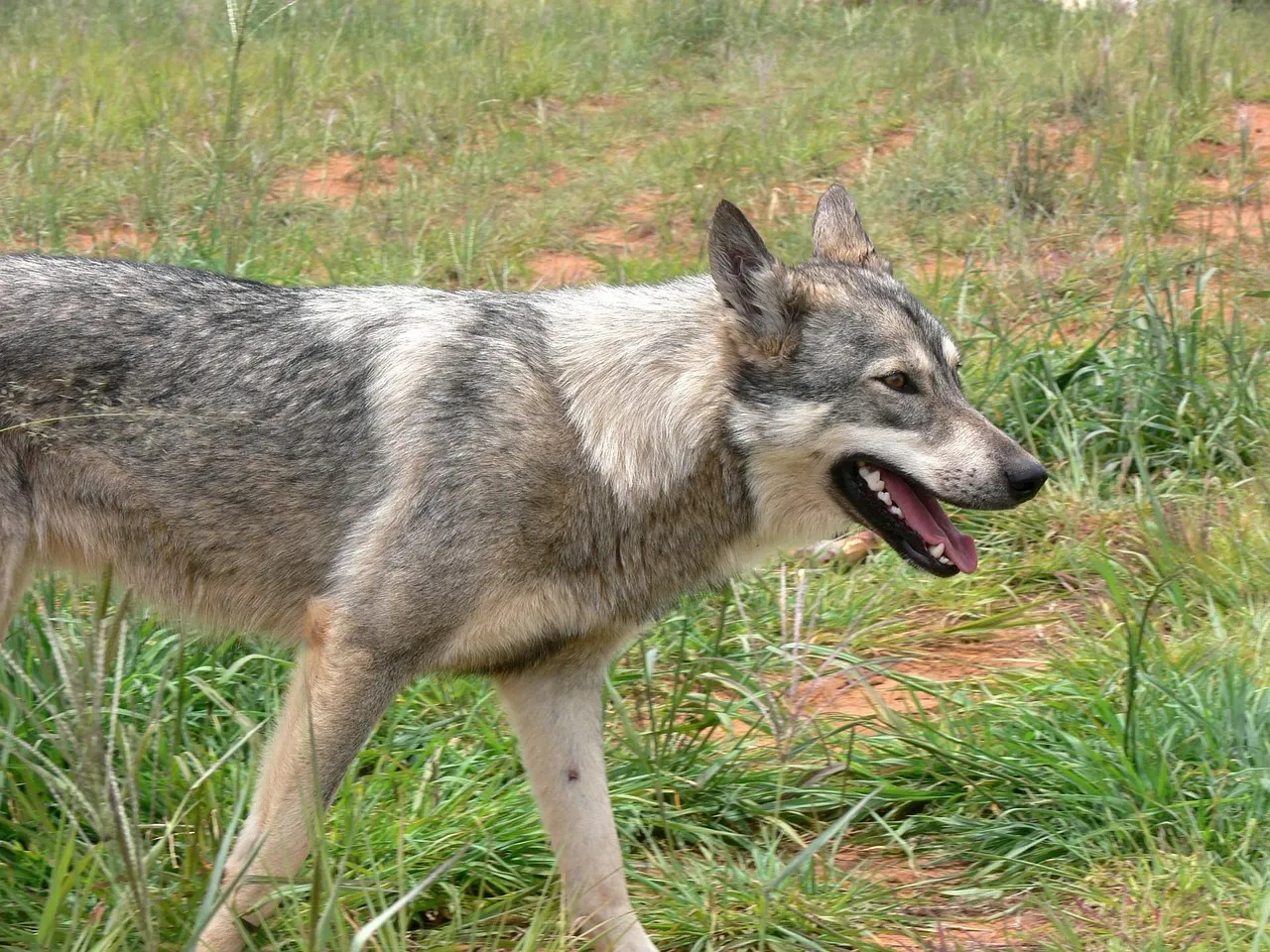
Wolves’ hunting tactics are a testament to their energy-efficient strategies. They employ a combination of endurance and teamwork to bring down prey, often chasing them over long distances to exhaust them before making the kill. This method reduces the risk of injury to the wolves and increases the likelihood of a successful hunt.
Additionally, wolves are opportunistic feeders, adapting their diet based on prey availability. They consume a variety of animals, from large ungulates to smaller mammals, ensuring a consistent energy intake without overexerting themselves. This adaptability is crucial for their survival, especially in environments where prey availability fluctuates.
Territorial Behavior and Energy Efficiency
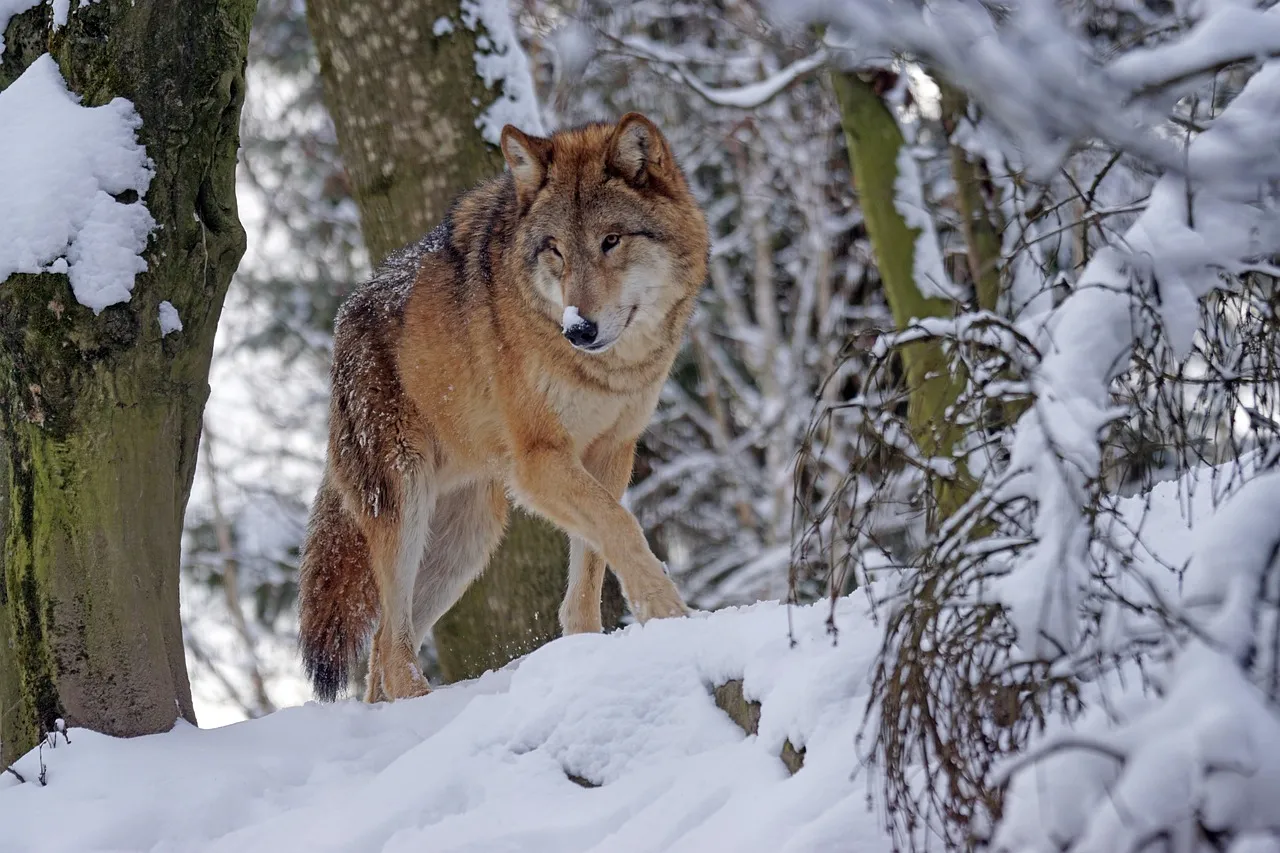
Wolves maintain and defend territories that provide sufficient resources for their pack. By establishing clear boundaries through scent marking and vocalizations, they minimize the need for physical confrontations with neighboring packs. This territorial behavior ensures that they have access to necessary resources without the constant threat of conflict, thereby conserving energy.
Furthermore, the size of a wolf’s territory is often proportional to the availability of prey. In areas with abundant food sources, territories may be smaller, reducing the energy required for patrolling and defending the area. This strategic territorial management underscores their commitment to energy efficiency.
Implications for Conservation Efforts
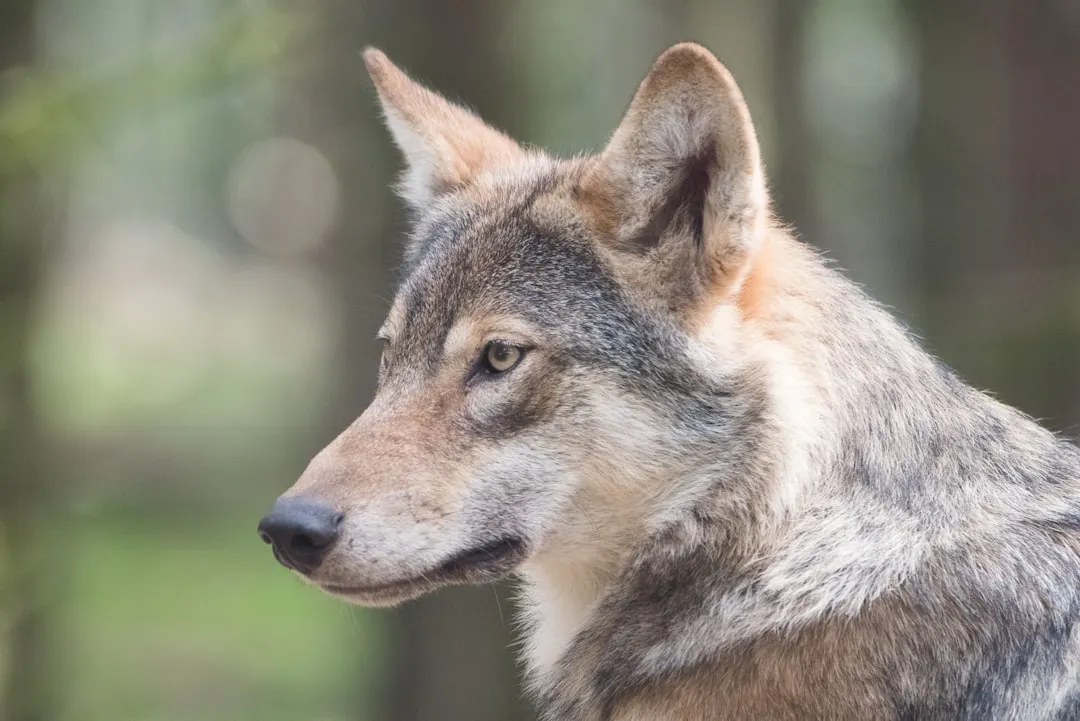
Understanding wolves’ energy conservation strategies has significant implications for conservation efforts. By recognizing the importance of minimizing human-induced disturbances that could lead to unnecessary energy expenditure, conservationists can develop strategies that support wolf populations. Protecting large, contiguous habitats ensures that wolves have the space to hunt, establish territories, and engage in natural behaviors without undue stress.
Moreover, educating the public about wolves’ behaviors and their role in the ecosystem can foster coexistence and reduce conflicts between humans and wolves. This understanding is crucial for the long-term survival of wolf populations.
Conclusion

Wolves’ tendency to avoid unnecessary fights is a profound demonstration of their survival strategy centered on energy conservation. This behavior, deeply ingrained in their social structures, hunting tactics, and territorial management, ensures their survival in the wild. By prioritizing efficiency over aggression, wolves exemplify the delicate balance of nature, where every action is calculated to maximize survival. Isn’t it fascinating how these apex predators have evolved such intricate behaviors to thrive in their environments?

- Crows remember dangerous places long after the threat has disappeared. - July 16, 2026
- 7 US States With the Most Arctic Foxes - July 16, 2026
- Psychology Says When a Dog Won't Leave the Spot Where Its Owner Died It Isn't Confused or Simply Waiting – It Is Running a Scent Memory and an Absence Detection System That the Brain Has No Protocol to Resolve - July 16, 2026