
Most people could tell you a robin from a blue jay. Fewer could tell you what that robin is actually doing for their garden while it tugs worms out of the lawn. There’s a quiet, working world happening just outside your window, and it’s far more useful than it looks.
Birds flitting across the garden or singing lively songs in the trees offer more than just entertainment. They don’t just add a pretty burst of color or a charming birdsong – they can also be beneficial to the very flowers we want to grow. The truth is, most gardeners are sitting on a free, renewable workforce, and they don’t even realize it. Learn who’s who in your backyard, and you’ll never look at a feeder the same way again.
1. American Robin: The Garden’s Ground Crew
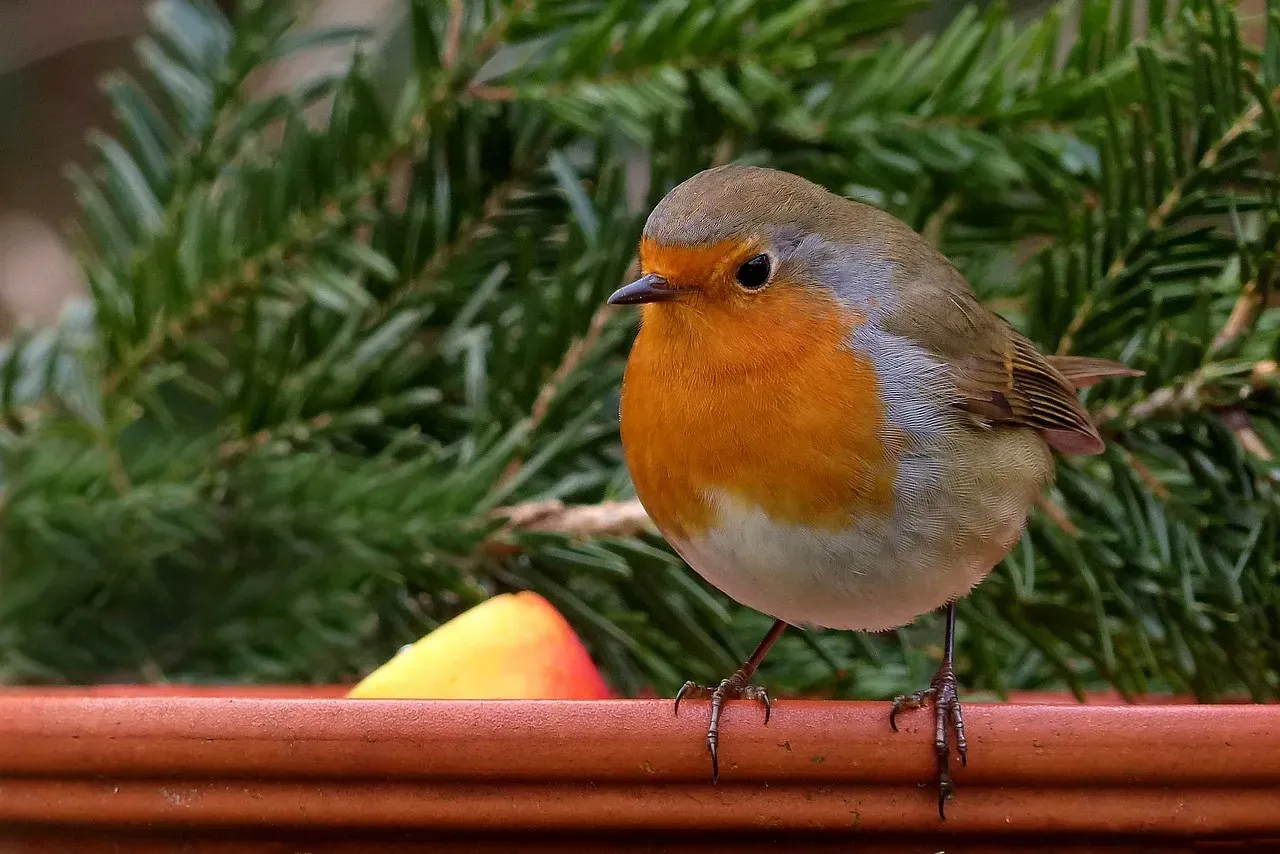
Cheerful and familiar, robins are often the first sign of spring – but they’re also hardworking pest controllers. With a diet full of beetles, grasshoppers, and caterpillars, robins help keep insect populations in check. You’ve seen them working the lawn with that characteristic tilted-head posture, listening and watching for movement just below the surface. It’s one of the most reliable pest-control behaviors in the bird world.
Robins also enjoy fruit and participate in seed dispersal, making them a quiet contributor to new plant growth. Their habit of moving between berry-laden shrubs and open lawn areas means they’re inadvertently planting seeds across the garden as they go. Plant a serviceberry or hawthorn, and you’ll likely see robins return season after season.
2. Black-Capped Chickadee: Small Bird, Big Impact
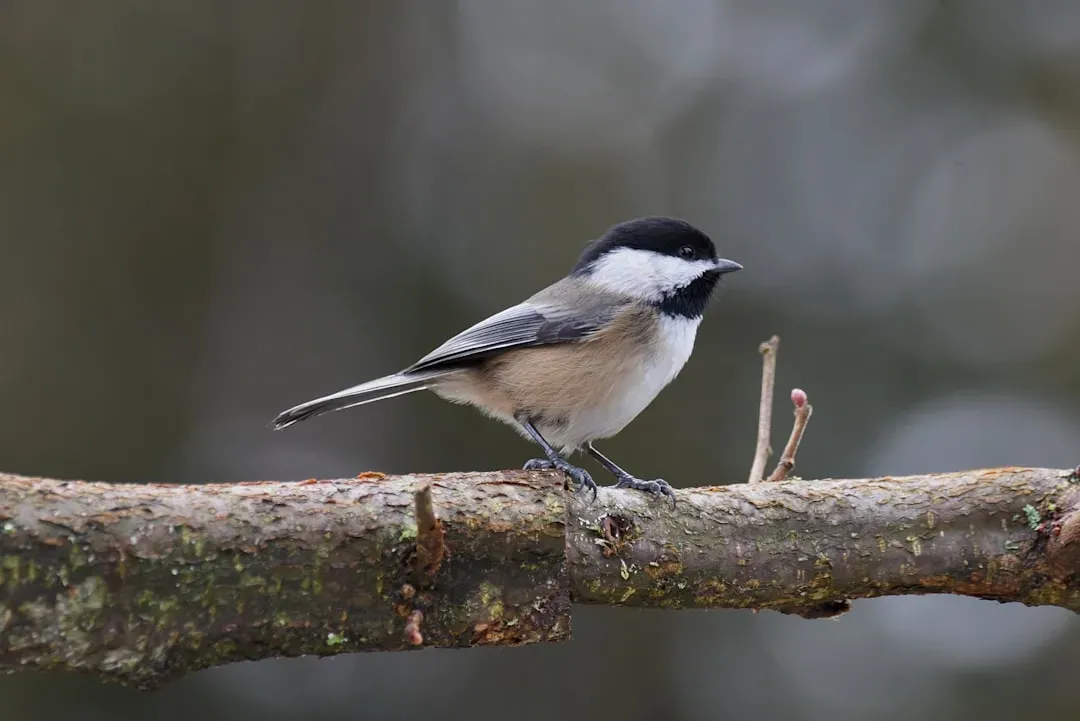
The chickadee is one of the friendliest common small birds in North America. Their “chickadee-dee-dee” call is one of the first many birders learn to recognize. Beyond their charm, they’re genuinely tireless workers. Chickadees eat pests like caterpillars or moths that can do damage to plants and vegetables. During spring and summer, a nesting pair of chickadees may consume enormous numbers of caterpillars to feed their young.
Chickadees feed primarily on insects during the warmer months, but readily switch to seeds, buds, and fruit when insects become scarce. As winter approaches, they often cache food, carrying seeds from feeders to hidden spots in trees or bark crevices for later use. This caching behavior actually aids in plant dispersal. A forgotten seed cache becomes a seedling the following spring.
3. American Goldfinch: The Weed Warrior
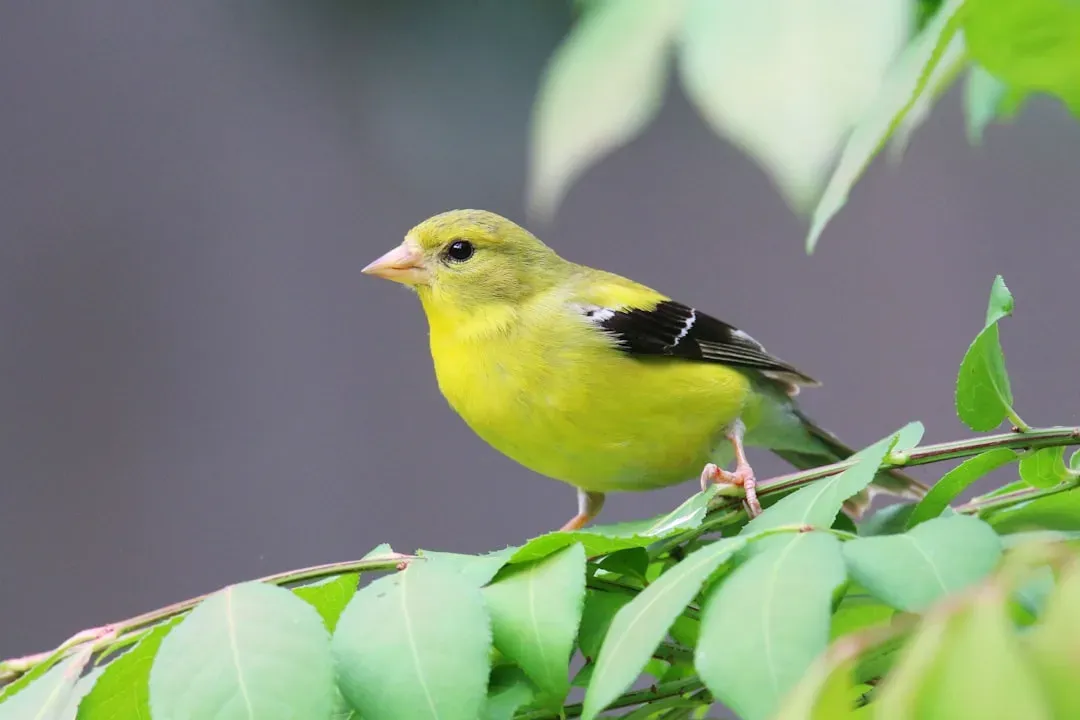
In the spring and summer, bright yellow-and-black American goldfinches are impossible to miss. To attract more goldfinches, offer thistle feeders. These small backyard birds also love to dine on seeds from plants in the garden. What makes them genuinely useful, though, is their appetite for weed seeds specifically. They’ll work through patches of thistle and other broadleaf weeds methodically, doing the work a gardener would otherwise kneel down to do.
Some birds, like goldfinches, come to your aid and eat seeds belonging to species of weed. The more these feathery landscapers visit your garden, the more your weeds will be pecked out of your backyard. Shrubs, tall weeds, and seed-producing weeds naturally attract American goldfinches, which means a slightly wilder edge to your garden actually draws them in rather than putting them off.
4. Mourning Dove: The Quiet Seed Manager
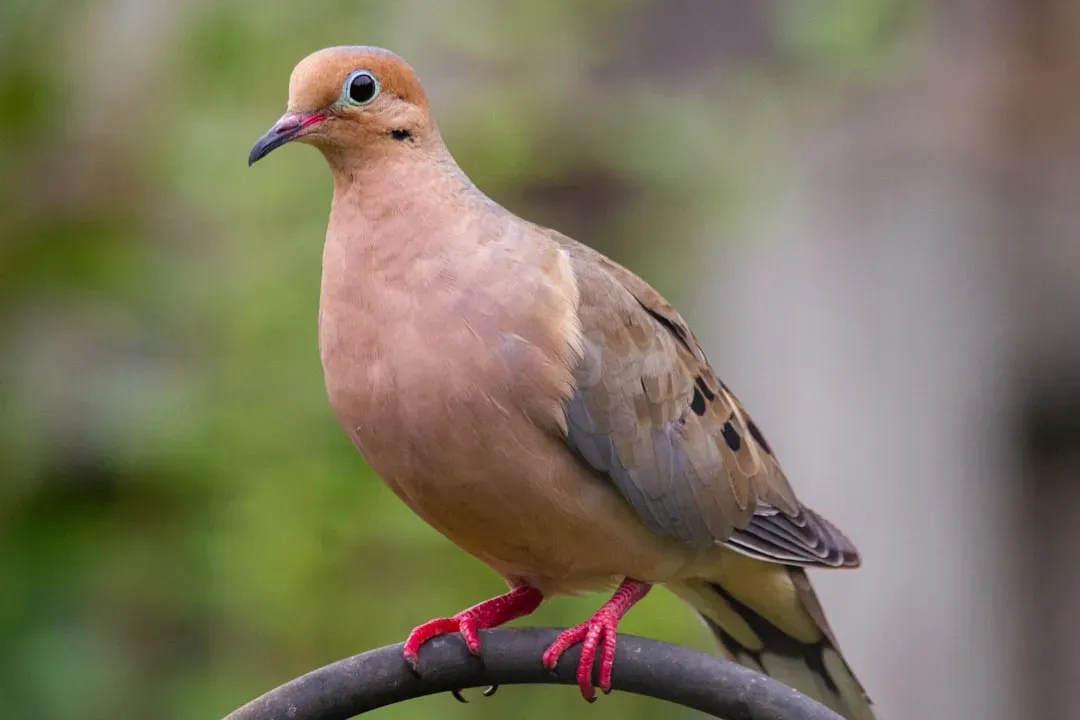
These plump gray birds are larger than some of the other songbirds that visit your feeders. Mourning doves often settle in and eat large amounts of seed, but make up for it with their sweet insistent cooing call. When they fly, their wings make a sharp whistling sound, which is especially noticeable on landing and take-off. That distinctive whistle is as much a part of a summer morning as coffee and birdsong.
Known for their gentle cooing and calm presence, mourning doves help manage weed growth by consuming thousands of weed seeds throughout the year. Their subtle but steady work contributes to healthier soil and fewer unwanted plants. They’re ground foragers by nature, so they tend to cover areas other birds miss entirely. Consider them the patient, methodical members of your garden’s cleanup crew.
5. Downy Woodpecker: The Tree Doctor
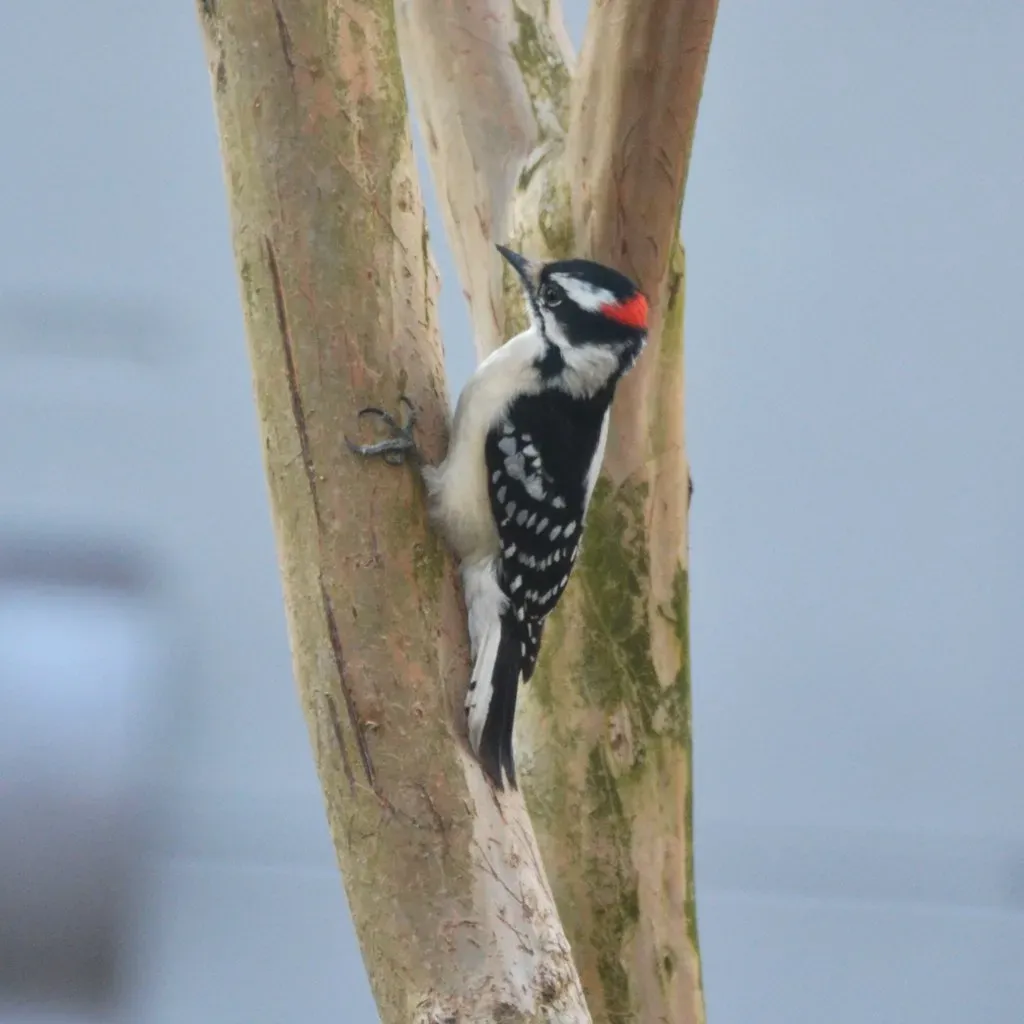
Woodpeckers hammer away at trees – they’re nature’s inspectors. By feeding on insects burrowed beneath tree bark, they help protect trees from damage. Their nesting cavities also benefit other species like owls, chickadees, and squirrels. The downy woodpecker is the smallest and most common of North American woodpeckers, and it’s also one of the most enthusiastic visitors to backyard suet feeders in the colder months.
Songbirds help control the spread of aphids, codling moth, whitefly, scale, ants, caterpillars, and earwigs, along with many other insects. Woodpeckers specifically target insects that live inside wood – borers, beetle larvae, and carpenter ants – which are often invisible until they’ve caused serious structural damage to trees. Having a downy woodpecker patrol your older trees is essentially having a free arborist on site.
6. Eastern Bluebird: A Gardener’s Best Friend
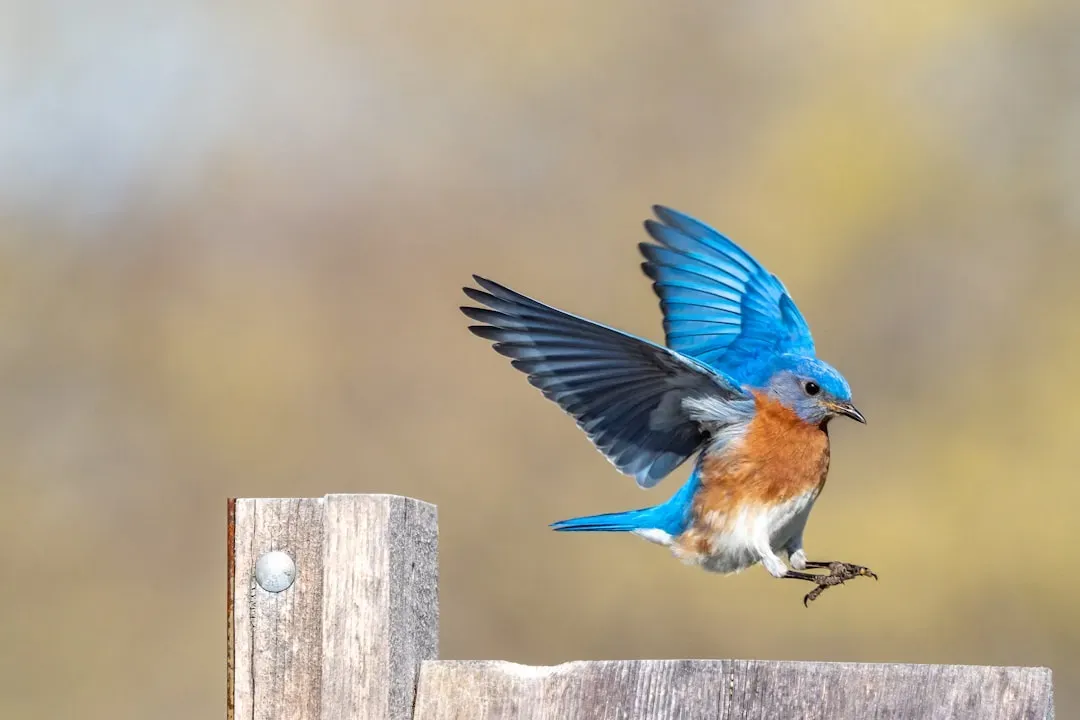
Bluebirds are both beautiful and beneficial. They feed on insects that commonly invade lawns, like grasshoppers and beetles, helping to keep turf areas healthy. Since they rely on cavities to nest, bluebirds also promote habitat conservation that supports other wildlife. They’re a bird that rewards a little effort on your part. Install a properly sized nest box in an open area, and you may well have a nesting pair by summer.
Bluebirds relish native berries in fall and winter, so consider planting blackberries, bayberries, eastern red cedars, hawthorns, or sumacs to attract these pretty pest controllers. Their value as insect hunters during the breeding season is hard to overstate. A pair raising young needs a constant, high-protein food supply, and that supply comes almost entirely from your garden’s insect population.
7. Ruby-Throated Hummingbird: The Pollination Powerhouse
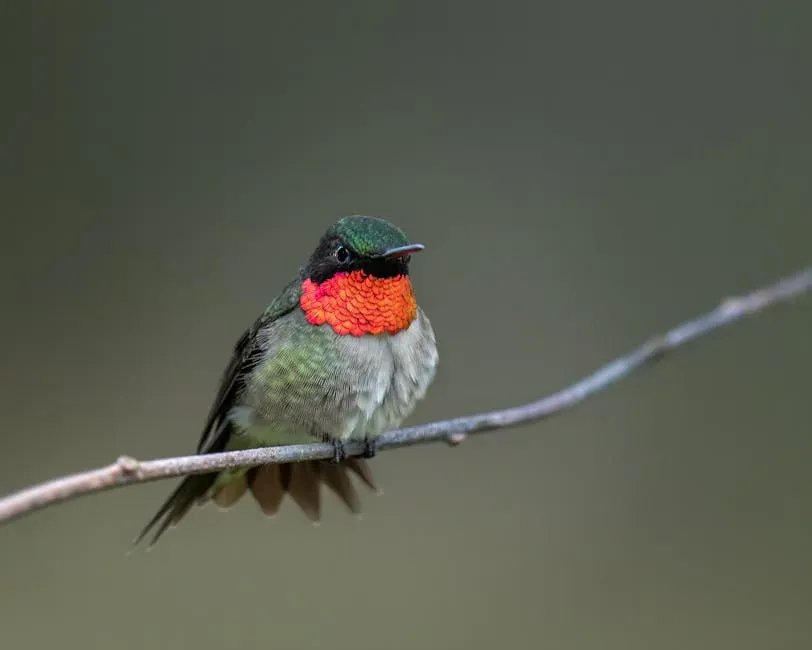
Hummingbirds are tiny, fast-moving birds known for their shimmering feathers and ability to hover while feeding. Common in the Eastern U.S., they’re often spotted in gardens near woodland edges or around nectar-filled feeders. Attracting them to your yard supports pollination, as they transfer pollen from flower to flower while feeding. Their presence can boost flower and fruit production, especially among native plants.
Most hummingbirds in the U.S. winter in Mexico or Central America, making long spring and fall migrations to their breeding grounds. If you provide them with plenty of nectar-rich native flowers, they’ll reward you by pollinating these plants as they flit from flower to flower, sipping the rich nectar and bugs within. Tubular flowers like salvia, cardinal flower, and trumpet vine are particularly reliable draws. Once hummingbirds find your garden, they often return to the same location year after year.
8. House Wren: Tiny Terror of Garden Pests
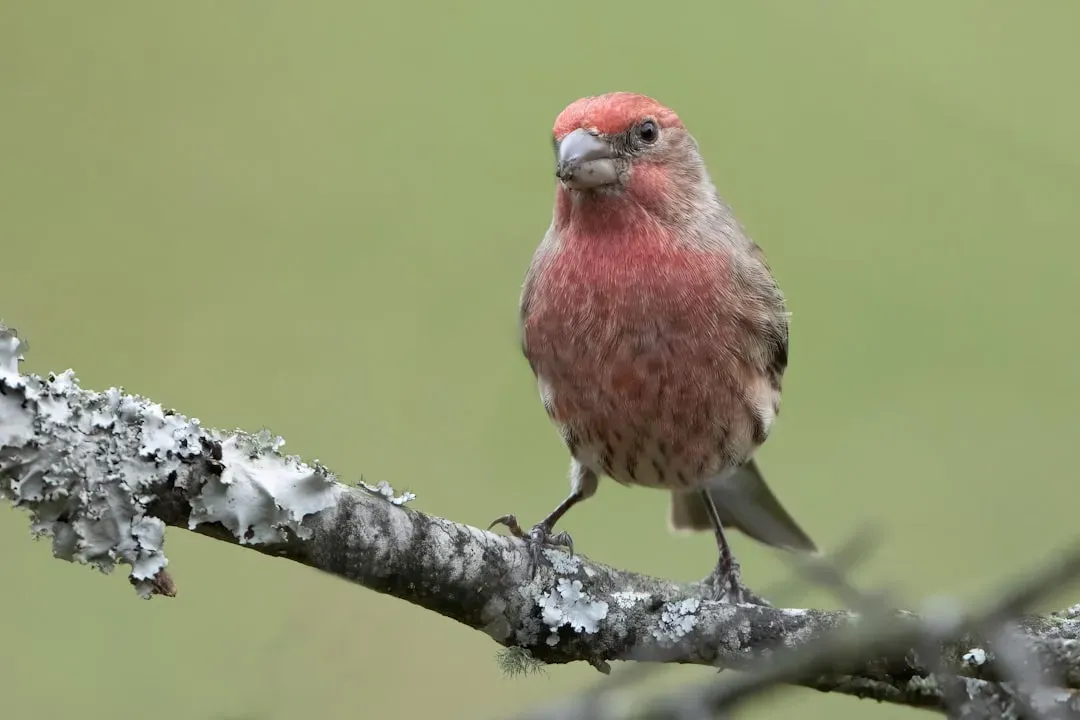
Tiny but tenacious, house wrens are known for their nonstop singing and appetite for garden pests. They nest in small cavities or birdhouses and feed on beetles, caterpillars, and other destructive insects, making them great allies for backyard gardeners. Their size is deceptive. A house wren on the hunt moves through a garden bed with focus and efficiency that most larger birds can’t match.
Their song is another gift – an enthusiastic, bubbling call that fills the yard from early morning. They’re cavity nesters, which means a small birdhouse placed at the right height is often enough to convince a pair to move in for the season. There are four main necessities birds seek: food, water, nesting areas and shelter. If you can provide these, they will make themselves at home. Wrens prove that point better than almost any other species.
9. White-Breasted Nuthatch: The Upside-Down Acrobat
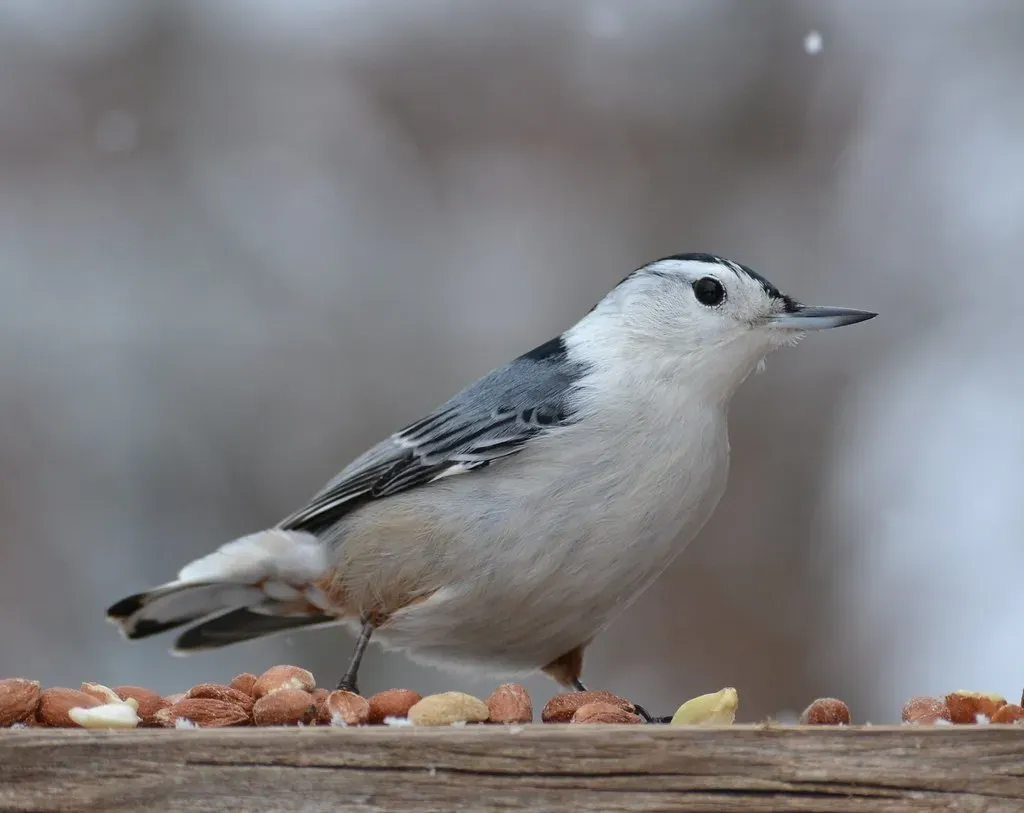
A white-breasted nuthatch is easy to spot due to its unique habit of hopping around upside-down. The nuthatch will eat just about everything you serve at feeders and has a special love for large seeds like peanuts and acorns. They jam these nuts into tree crevices and whack them to open and pry out the meat. It’s one of the more entertaining behaviors in the backyard bird world, and it also performs a useful ecological function: cached seeds that go uneaten become new plants.
Suet and mealworms are a hit with insect-loving birds, attracting a variety of woodpeckers, chickadees, and nuthatches. During warmer months, nuthatches are thorough foragers along tree trunks and large branches, picking off insects, larvae, and eggs from bark crevices that other birds simply can’t reach. Their top-to-bottom approach to a tree trunk is genuinely different from most species and covers ground that would otherwise go unchecked.
10. Northern Mockingbird: The Versatile Insect Hunter
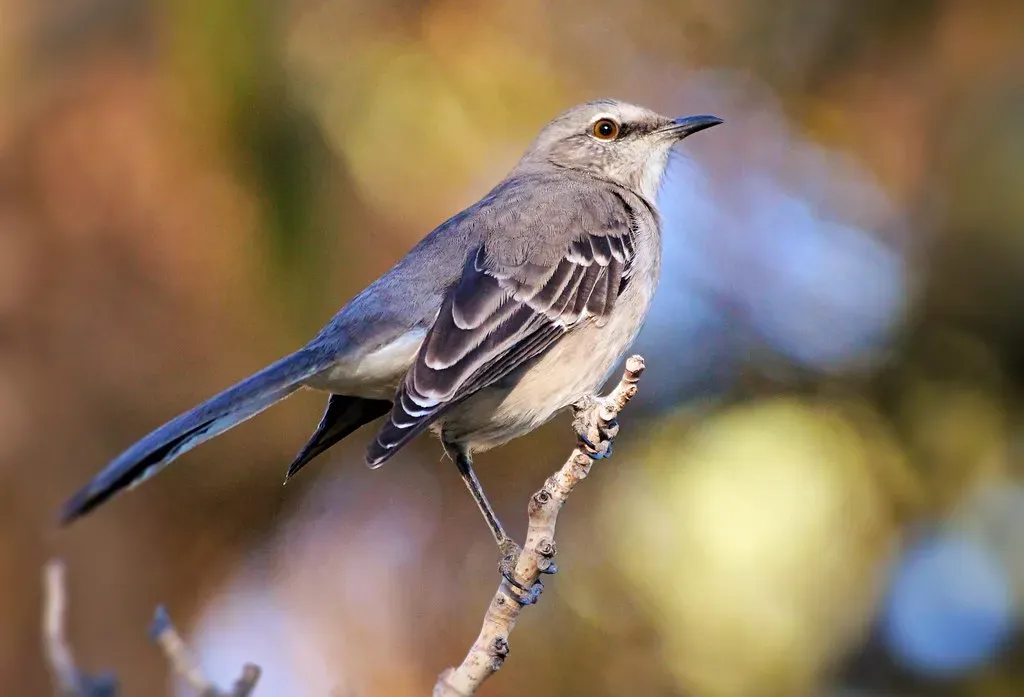
Northern mockingbirds can have a repertoire of more than 100 songs and calls. They mimic other birds, but they also copy car horns and alarms, squeaky doors, and more. They are insect and berry eaters, so you can attract mockingbirds by offering mealworms or planting berry bushes in your yard. Their song may occasionally keep you awake on a warm summer night, but their foraging habits more than earn their place in the garden.
Birds are natural predators of common garden pests, which means they can organically help protect frequently targeted species like cabbages and lettuces. Mockingbirds are particularly active foragers, sweeping across open lawn areas and diving into leaf litter for beetles, ants, and grasshoppers. They’re territorial enough to chase off other birds, which can be a nuisance at feeders, but their pest-hunting instinct genuinely benefits the wider garden.
11. Barn Swallow: The Aerial Mosquito Net
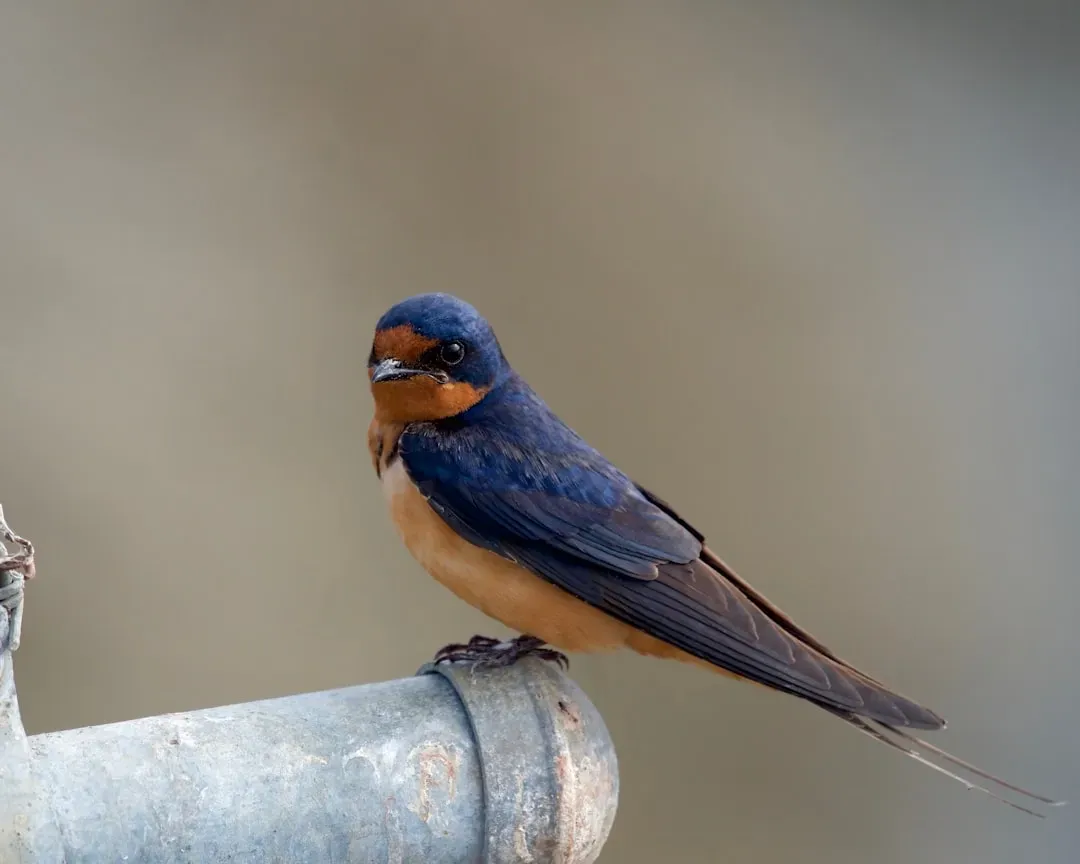
The barn swallow might be one of the most common birds, found in both hemispheres all around the world. You’ll know this fast-moving bird by its forked tail and blue-and-red coloring as it glides close to the ground or water. Barn swallows get their name because they like to build their mud nests inside other structures, like under roof overhangs or in barns. They’re aerial specialists, spending most of their waking hours in flight.
They will help keep your yard free of biting flies, which they like to snag mid-flight. Birds such as the barn swallow and other swallows eat vast quantities of winged insects. They love to eat mosquitoes, beetles, flies, dragonflies, and moths. If you spend time outdoors in the evenings and have been plagued by mosquitoes, a nesting pair of barn swallows nearby is about as effective a deterrent as you’ll find without reaching for a can of something chemical.
12. Blue Jay: The Misunderstood Sentinel
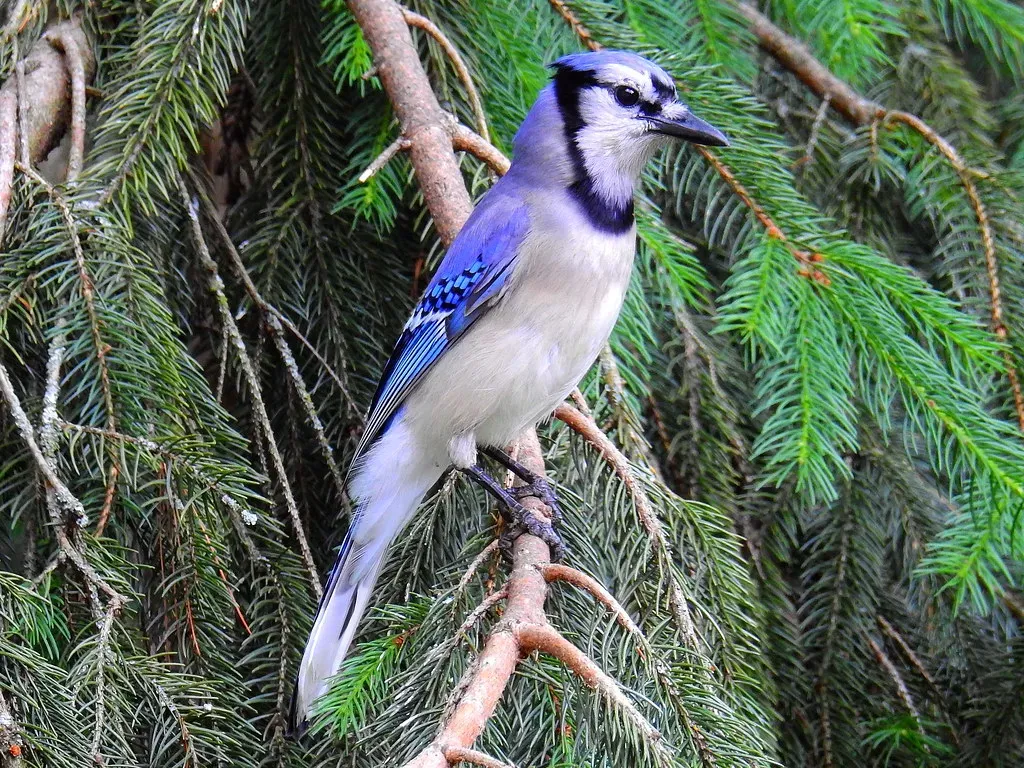
Blue jays are large blue songbirds. They have somewhat of a bad reputation and are sometimes called bully birds for their habit of scaring other birds away from feeders. That reputation is not entirely undeserved – they can dominate a feeder with some determination. However, the blue jay’s role in the garden ecosystem is more nuanced than its reputation suggests, and dismissing it outright means missing a genuinely important species.
Birds are effective winged transport planes and can carry seeds in their feathers, feet, or through their feces to other places. Blue jays are particularly notable for their role in dispersing acorns. They cache thousands of acorns each season and fail to retrieve many of them, which has historically contributed to oak tree regeneration across entire regions. They also serve as loud, reliable alarm callers – their warning cries alert other garden birds to the presence of predators, giving the whole community a chance to take cover.
A Garden That Works With Nature, Not Against It
There’s a case to be made – and I’ll make it plainly – that the single most underused gardening tool available to most homeowners is the birds already living nearby. Many species of birds are in decline because of habitat loss. The one place that we have some direct influence on bird habitat is in our yards. That’s not a small thing. It means the choices we make in our own outdoor spaces genuinely matter.
A harmonious yard aims to attract beneficial wildlife, like birds, while managing pest populations without relying heavily on chemical interventions. The goal is to craft an environment where nature’s checks and balances operate efficiently, reducing the need for human interference and fostering a space that benefits both the local wildlife and the gardeners who tend it. Native plants, a water source, a birdhouse or two – none of it requires a dramatic overhaul. Small changes compound.
The birds on this list aren’t exotic or hard to find. Most of them are probably already visiting your yard in some form. The only thing that changes when you start paying attention is what you see – and what you stop feeling the need to spray, pull, or poison. A garden that welcomes birds isn’t just more alive. It’s genuinely easier to maintain. That, more than anything, is the argument worth making.

- Animal Science Says Honeybees Share Direction and Distance Through a Dance Built Around the Sun - August 10, 2026
- What It Means When Hummingbirds Return on Nearly the Same Date Every Year - August 10, 2026
- Animal Science Says Songbirds Practice Their Calls Quietly Before Performing Them in Public - August 10, 2026