
1. Northern Cardinal (Cardinalis cardinalis)
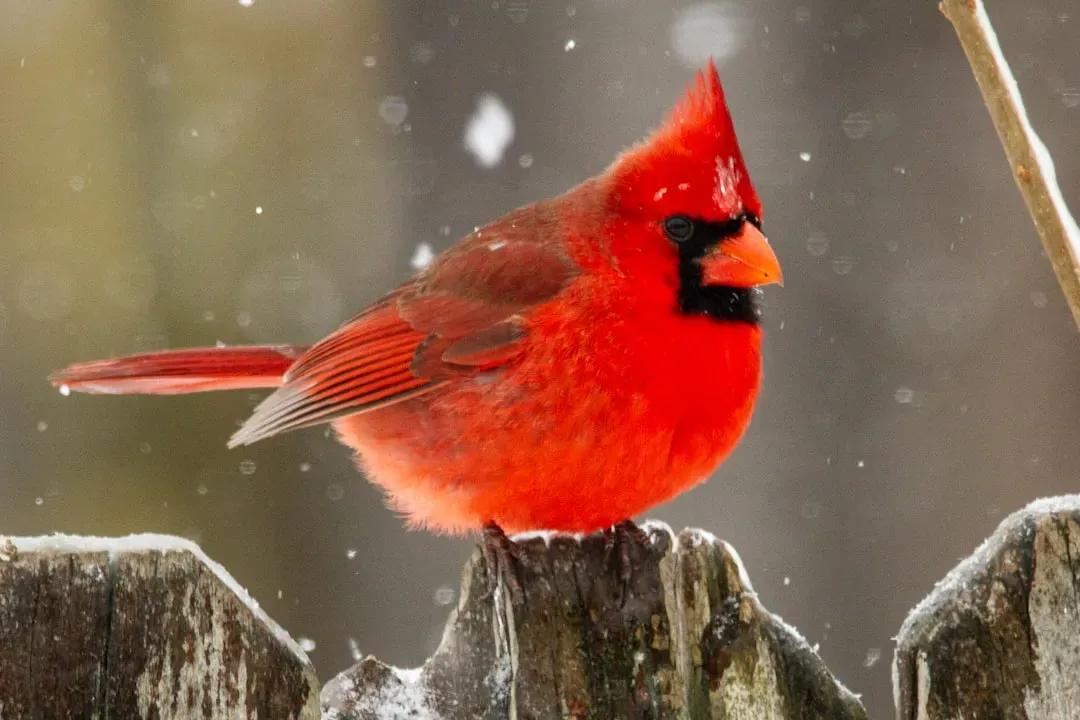
One of the most popular birds in North America, the Northern Cardinal is the official state bird of no fewer than seven eastern states. Abundant in the Southeast, it has been extending its range northward for decades and now brightens winter days as far north as southeastern Canada. That brilliant red male arriving at a snow-covered feeder is, for many people, the image that first sparks a lifelong interest in birds.
Northern Cardinals are actually southern birds in the East. Until the middle of the 20th century, they weren’t often spotted in backyards in the Northeast. However, as suburban development spread northward and changed natural habitats, the cardinals spread too. Feeders stocked with sunflower seeds may have aided this northward spread. Their presence in gardens throughout the year makes them anchor birds for the northeastern feeder community, drawing attention and encouraging people to care for the wider habitat around them.
2. Black-capped Chickadee (Poecile atricapillus)
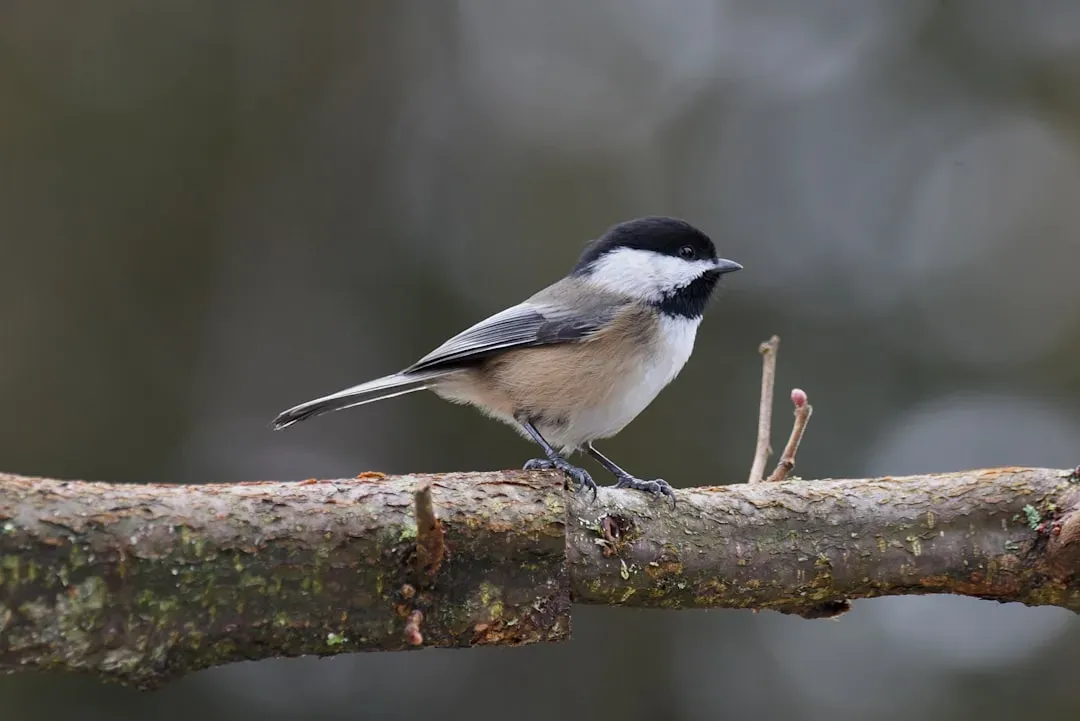
Despite its diminutive size, the Black-capped Chickadee is a hardy, year-long resident of the Northeast. A bird almost universally considered “cute” thanks to its oversized round head, tiny body, and curiosity about everything, the chickadee’s black cap and bib, white cheeks, gray back, wings, and tail, and whitish underside with buffy sides are all distinctive. It’s one of those birds that genuinely seems unafraid of humans, often investigating a freshly filled feeder within moments.
Chickadees commonly join mixed foraging flocks with titmice, nuthatches, and woodpeckers. They use their tweezer-like bills to pick insect and spider eggs and pupae from crevices in tree bark. This behavior makes them particularly valuable garden companions, keeping bark-dwelling pest populations in check through the coldest months when few other insectivores are active. Chickadees are among the easiest birds to attract to feeders using suet, sunflower, and peanuts, and they don’t mind using tiny hanging feeders that swing in the wind.
3. Tufted Titmouse (Baeolophus bicolor)
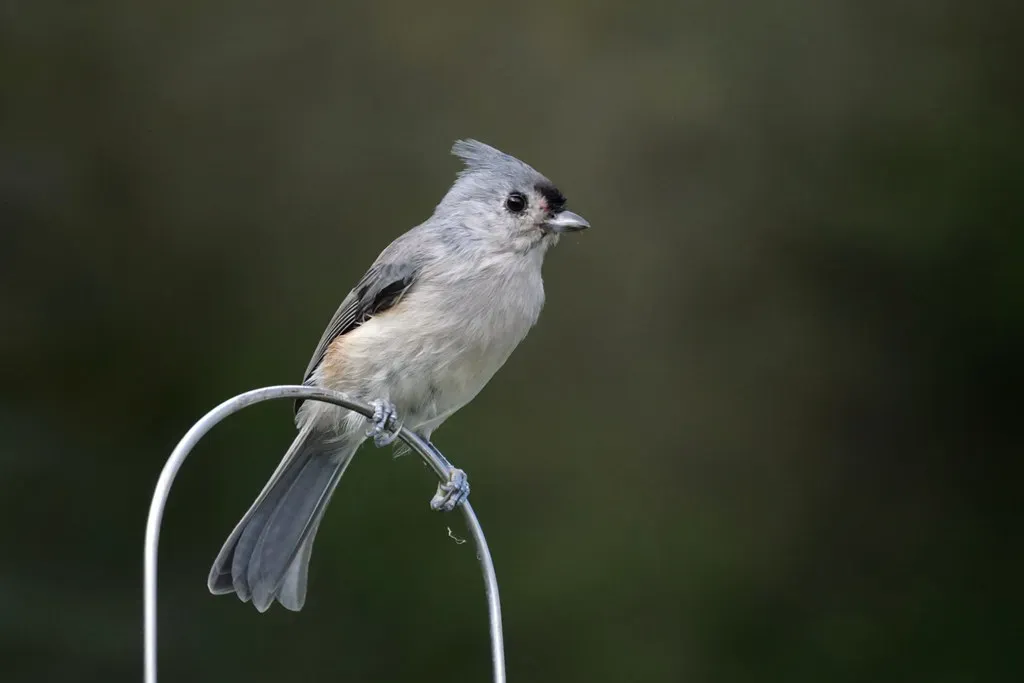
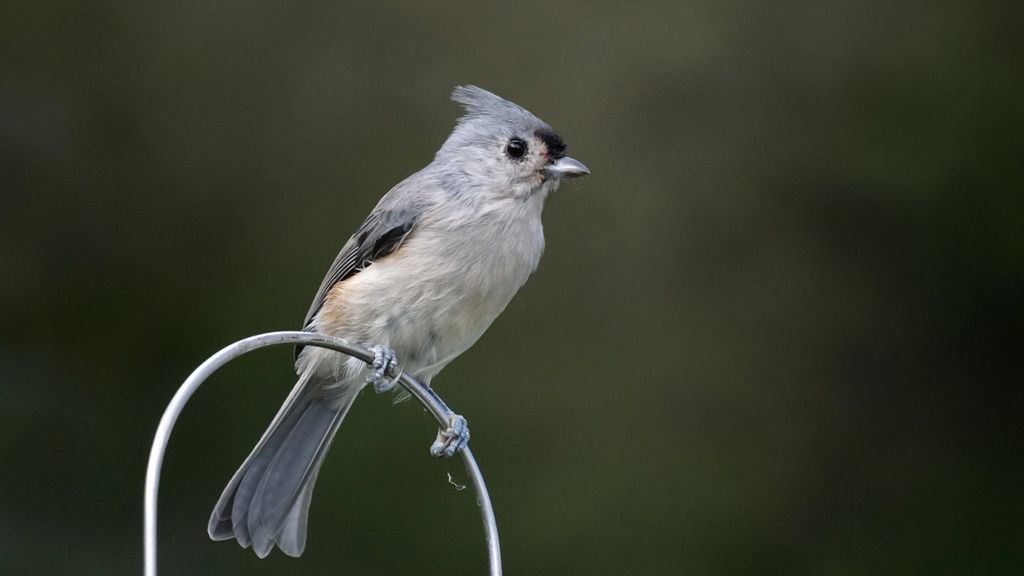
The active and agile Tufted Titmouse is easily recognized by its jaunty crest of gray feathers, big black eyes, and rust-colored flanks. This familiar feeder visitor often joins mixed foraging flocks with other common backyard birds such as the White-breasted Nuthatch and Black-capped Chickadee. It’s noticeably bolder than many small birds, frequently lingering at the feeder even when larger species are nearby.
The Tufted Titmouse has a varied diet that includes insects, spiders, seeds, fruits, and suet. It employs different feeding techniques to secure its meals, including hanging upside-down as it forages on branches and hammering away at a seed or acorn held between its strong feet. Tufted titmice live at least 12 years and five months, meaning a pair that discovers your garden may return season after season. That longevity gives them an outsized role in stabilizing local bird communities around well-maintained feeding stations.
4. White-breasted Nuthatch (Sitta carolinensis)
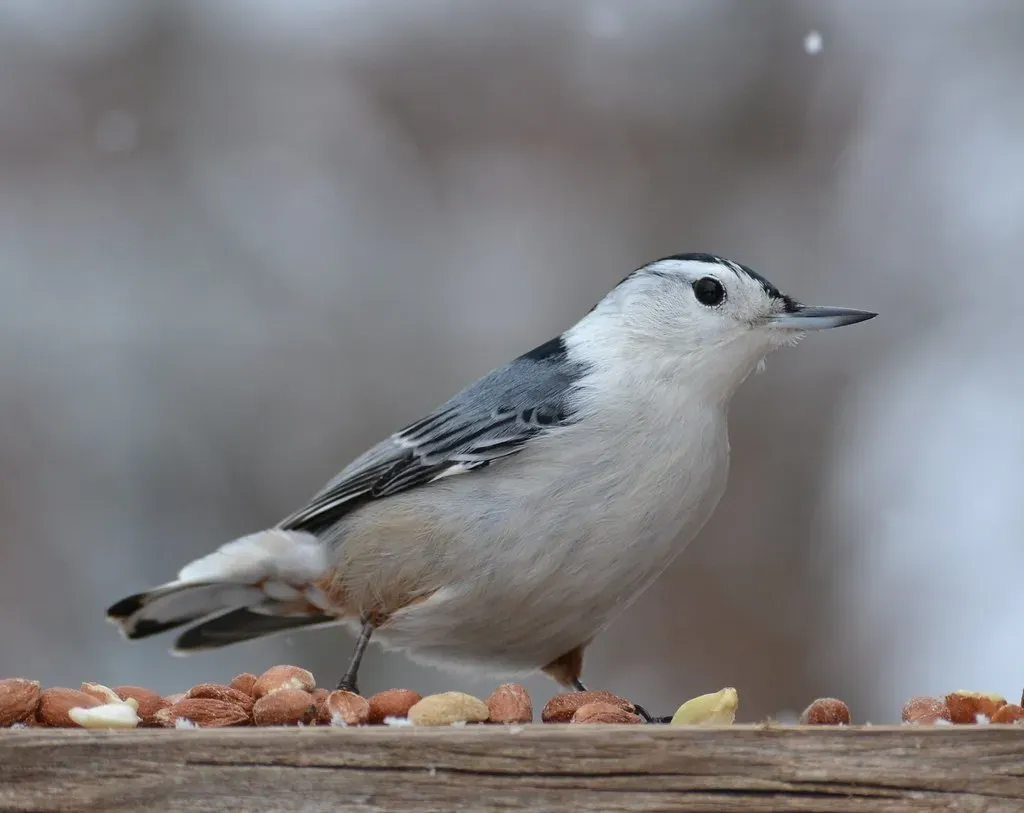
The White-breasted Nuthatch is a true acrobat of the backyard. They climb trees like woodpeckers but are much more agile, relying only on their oversized feet rather than their tails. A typical resting position is head-down, something that woodpeckers simply can’t do. Watching one spiral headfirst down a tree trunk never really gets old.
The White-breasted Nuthatch is a permanent resident across the Northeast Region, exhibiting non-migratory habits and visiting backyard feeders consistently from January to December to cache seeds. If you see a White-breasted Nuthatch making lots of quick trips to and from your feeder, too many for it to be eating them all, it may be storing the seeds for later in the winter by wedging them into furrows in the bark of nearby trees. This seed-caching behavior effectively plants food reserves throughout the garden, occasionally contributing to natural dispersal of tree seeds over time.
5. Downy Woodpecker (Dryobates pubescens)
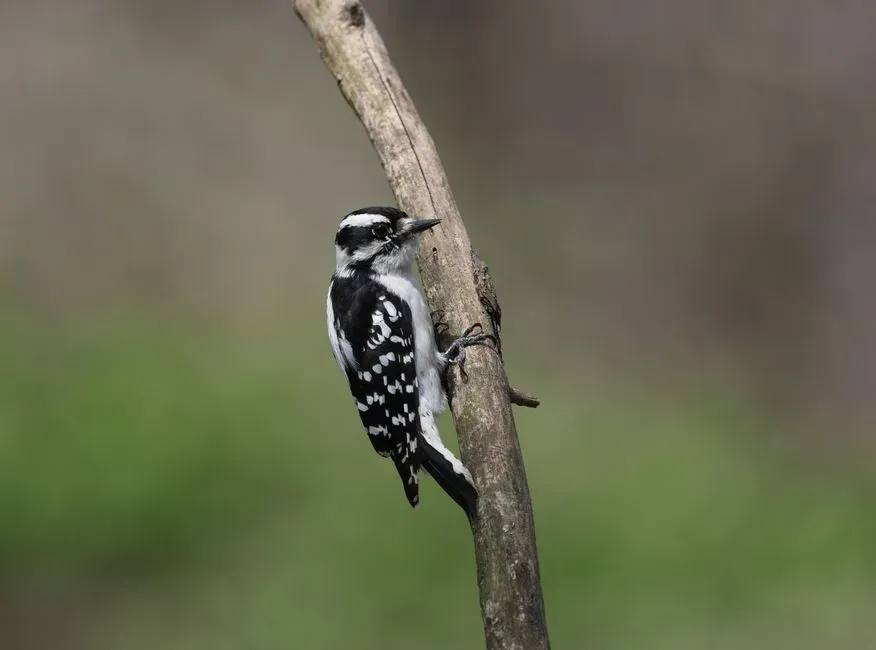
The Downy is the smallest and most abundant woodpecker in North America, occurring across the U.S. year-round, save for the arid Southwest. It’s easy to attract to your yard with a suet feeder and can be found in a variety of habitats, from deep woods to urban parks and backyards. The Downy Woodpecker is a tiny black and white woodpecker, with males sporting a red spot on the nape that’s absent in females.
The Downy Woodpecker is a permanent resident across the Northeast Region. This common, non-migratory species visits backyard suet feeders daily from January to December without seasonal disruption. It’s generally non-aggressive but dominant over smaller birds and submissive to larger ones. Beyond feeders, Downies spend significant time foraging for insect larvae burrowed into dead wood, making them natural pest managers. Downy Woodpeckers nest in cavities they excavate in dead branches, so leaving old snags in the yard is one of the best things you can do to keep them around.
6. American Goldfinch (Spinus tristis)
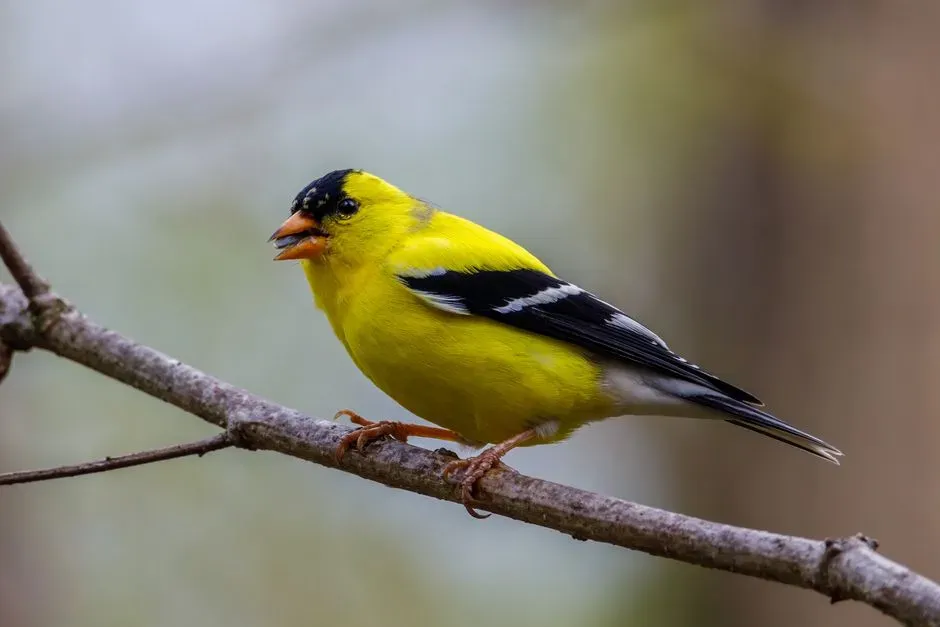
The American Goldfinch is a permanent resident throughout the Northeast Region, exhibiting partial migratory shifts and visiting backyard feeders consistently from January to December in changing seasonal plumages. The spring transformation of the male from olive-drab to electric yellow is one of the more dramatic seasonal displays any backyard birder can witness. Non-aggressive and easy-going at feeders, goldfinches are submissive to most other feeder birds and often cling to feeders horizontally.
Shrubs, tall weeds, and seed-producing plants attract American Goldfinches. This dietary preference makes them excellent allies against weedy overgrowth in the garden. Finches love to eat weed seeds, making them effective landscaping assistants to help control unwanted plants. Goldfinches breed from early June through late September and lay two to seven pale bluish-white eggs, timing their nesting later than most songbirds, which allows them to use plant fibers from late-season blooms to build their tightly woven nests.
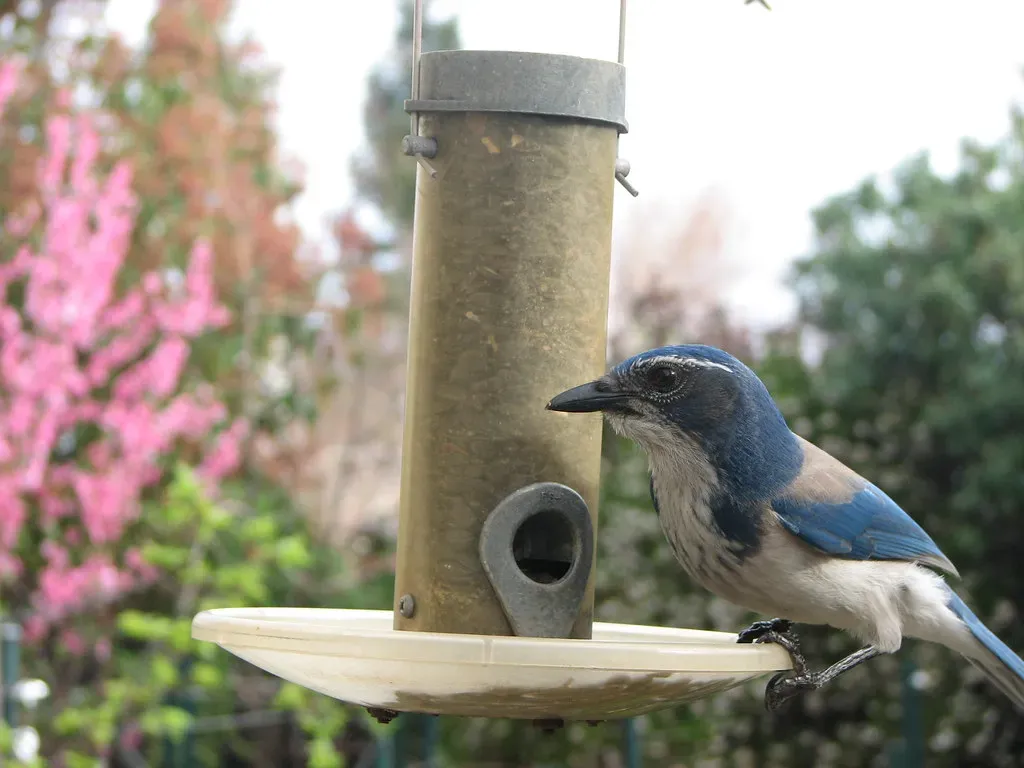
7. Blue Jay (Cyanocitta cristata)
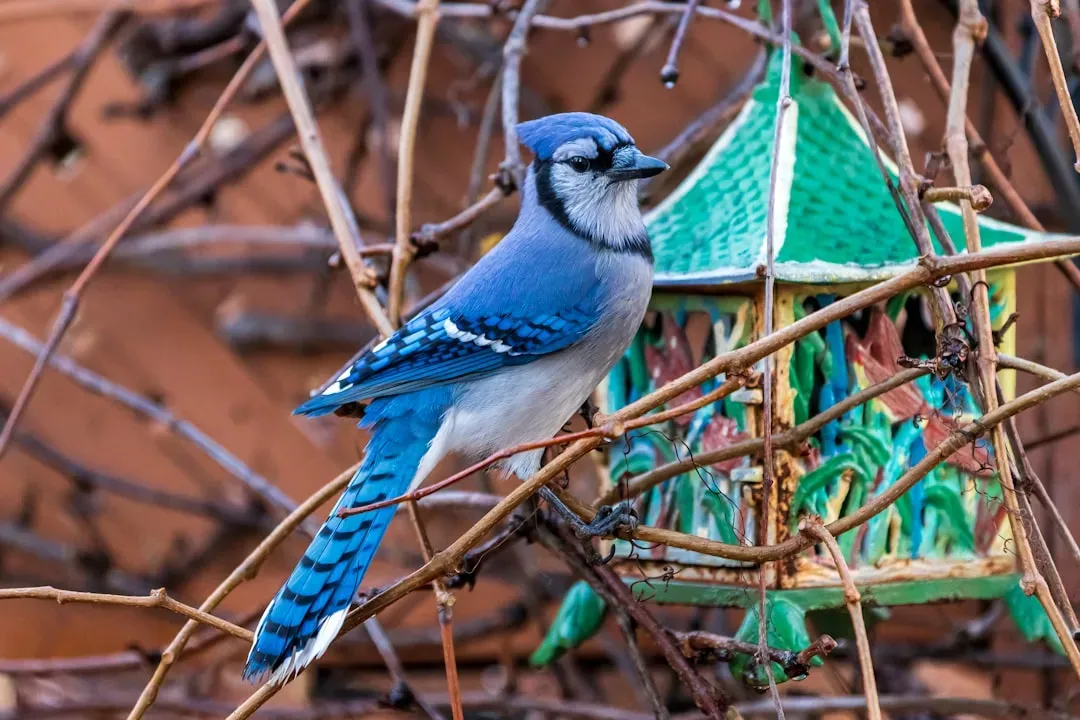
One of the loudest and most colorful birds of eastern backyards and woodlots, the Blue Jay is unmistakable. Intelligent and adaptable, it may feed on almost anything, and it is quick to take advantage of bird feeders. People tend to have strong feelings about Blue Jays. They’re bold, they’re loud, and they absolutely will clear a feeder of smaller birds the moment they land. Still, their intelligence makes them endlessly interesting to watch.
Blue Jays make a variety of musical sounds and can produce a remarkable imitation of the scream of a Red-shouldered Hawk. They’re not always conspicuous, slipping furtively through the trees when tending their own nest or visiting the nest of another bird. Their habit of caching acorns across wide areas makes them one of the most important seed dispersers for oak trees in northeastern forests. The ecological debt eastern woodlands owe to Blue Jays is genuinely underappreciated by most gardeners.
8. Dark-eyed Junco (Junco hyemalis)
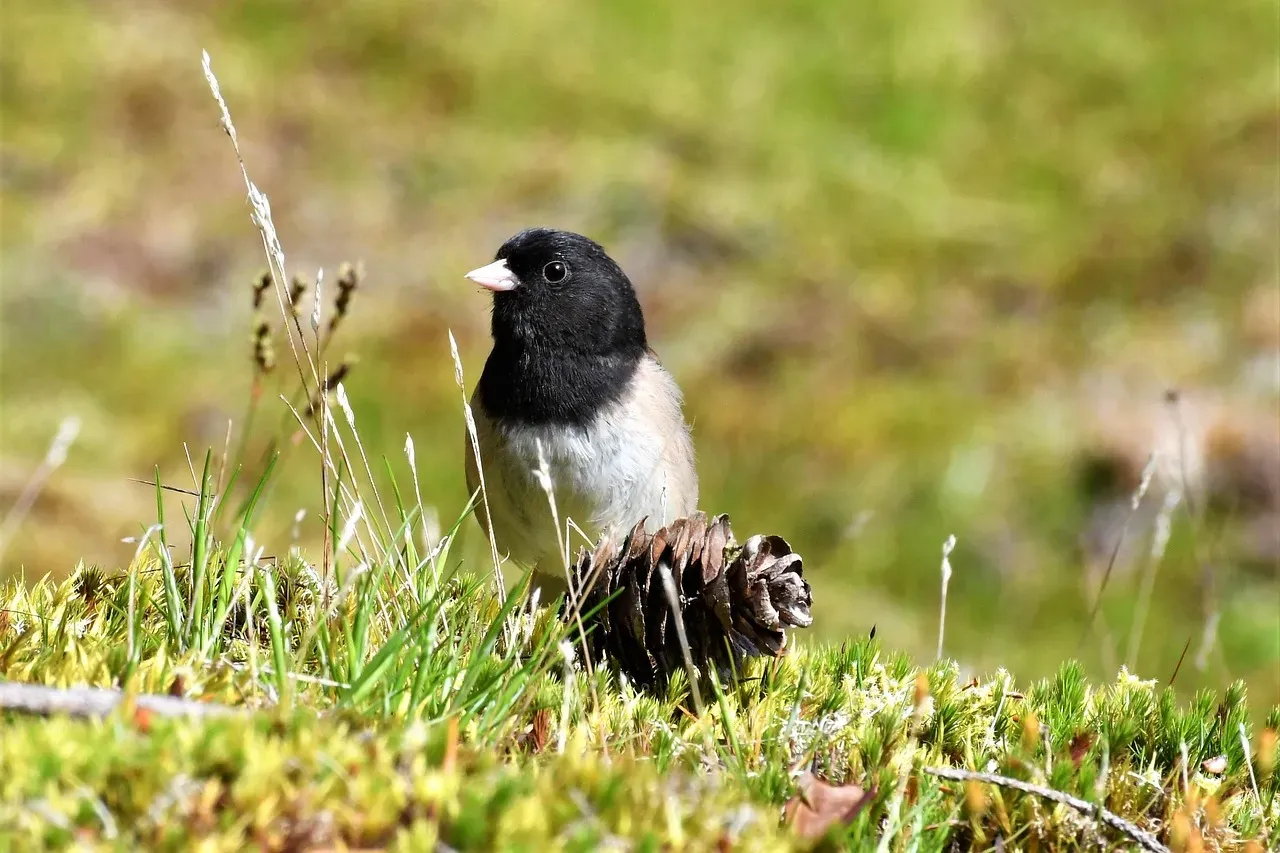
Juncos are a popular and widespread winter visitor to almost all of the United States, arriving from the boreal forests of the North. They prefer mixed woods and coniferous habitat but are staples of backyards, where they bounce around under feeders foraging and eating spilled seeds. The eastern version features a white belly and a slate head and back. They tend to appear right around the first cold snap, which is why generations of birders have called them snowbirds.
Dark-eyed Juncos are colloquially known as “snowbirds” due to their sudden appearance throughout much of the country when the temperature starts dropping. The Dark-eyed Junco population has declined by an incredible 175 million individuals in recent decades, which puts a different light on every winter flock that lands beneath your feeder. They flock to feeders in groups and are sometimes the most frequent feeder visitors during peak winter months, bringing a lively, shuffling energy to the garden floor that’s hard not to enjoy.
9. Mourning Dove (Zenaida macroura)
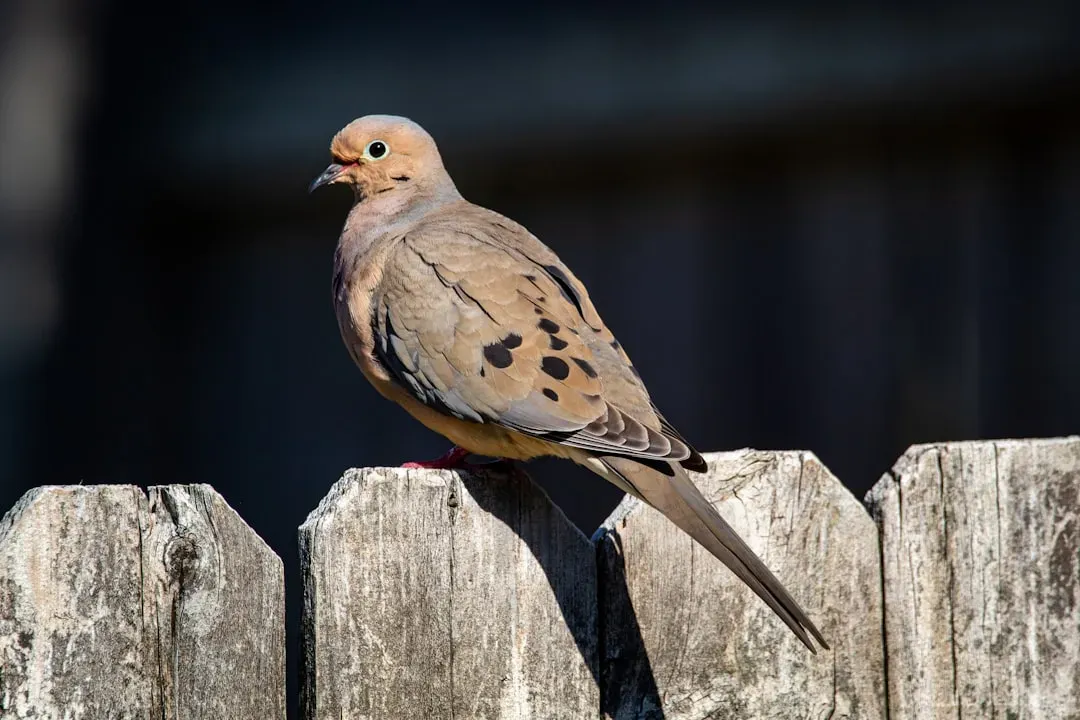
The mournful cooing of the Mourning Dove is one of the most familiar bird sounds in North America. From southern Canada to central Mexico, this is one of the most common birds, often abundant in open country and along roadsides. Mourning Doves are graceful small-headed birds with plump bodies, long tails, and soft brown coloring with black spots on the wings. Their gentle presence at a feeder has a calming quality that’s genuinely hard to argue with.
Mourning Doves can be seen perching on telephone wires and foraging for seeds on the ground in grasslands, fields, and backyards, and they can also be found in open areas or on the woodland edge. Mourning Doves are a gentle giant, usually happy to share with everyone or to clear out if another bird seems the slightest bit tough. As ground foragers, they clean up seed that falls beneath feeders, reducing the mold and bacterial growth that can accumulate from uneaten spillage. That’s a quiet but genuinely useful contribution to a healthy feeder station.
10. House Finch (Haemorhous mexicanus)
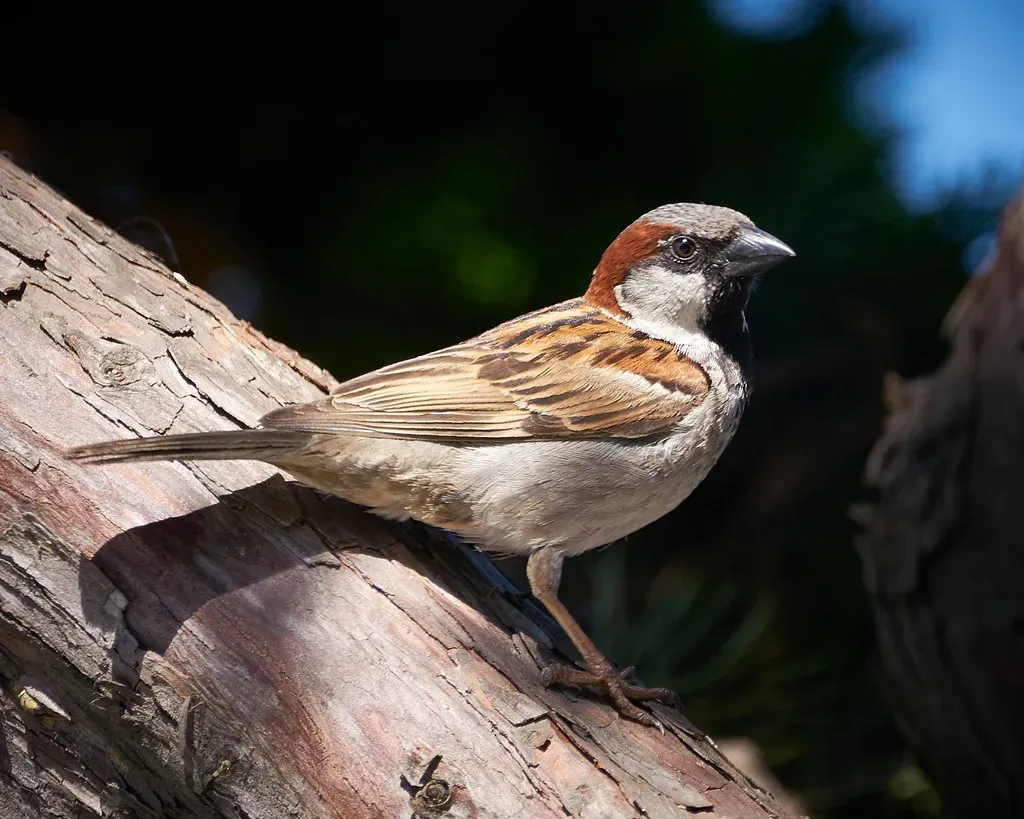
The House Finch is by far the most likely finch to show up at a backyard feeder in the East. Originally found only in the West, this species was introduced to the eastern U.S. in 1939, when a few individuals were released from a pet store. From that small release, the House Finch colonized the entire eastern seaboard within a few decades, which says something remarkable about its adaptability.
Adaptable, colorful, and cheery-voiced, the House Finch is common from coast to coast today, a familiar visitor to backyard feeders. Available winter food and water from birdbaths and feeders makes them more likely to stick around. Sparrows and finches like the House Finch eat weed seeds, eliminating unwanted plants without hours of backbreaking work for the gardener. Males produce a lively, rambling song through most of the year, and on a quiet morning, that cheerful warbling above a feeder is one of those small pleasures that rewards the simple effort of keeping seeds stocked.
Why Every Northeast Garden Deserves a Feeder
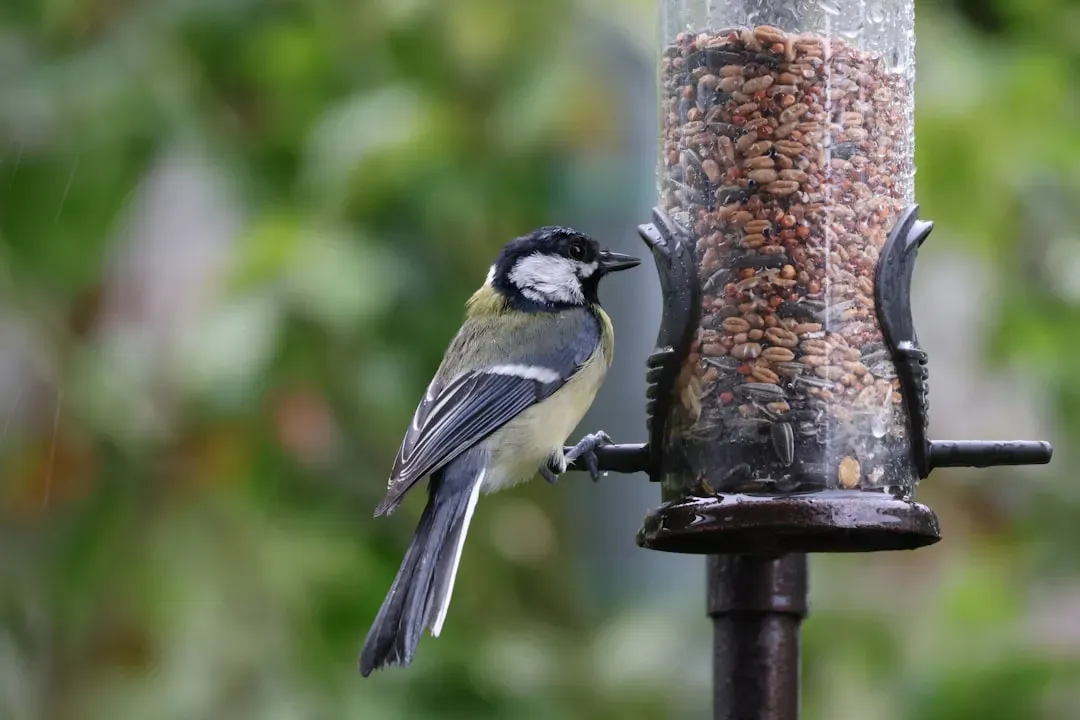
These winged citizens of your neighborhood are so prevalent that they’re easy to overlook unless you take time to pick them out, but their contribution to the local ecosystem is invaluable. Your backyard birds do a lot more than you probably realize, and you can boost those benefits by taking steps to make your green spaces more bird-friendly.
Birds are important and beneficial members of the garden ecosystem. They eat common garden pests, help with pollination, and aid in seed distribution. Insect populations reach their peak during the bird breeding season, and all of those insect-hungry nestlings help take down insect populations to a healthy level just by eating their lunch. The relationship runs deeper than most people ever realize.
There is evidence that watching birds and listening to birdsong can have positive psychological effects. As one conservationist put it, while the average backyard may not seem to matter that much, it is an integral part of the neighborhood ecosystem. A backyard managed for wildlife could be an oasis in a suburban biological desert of lawns and pavement.
A Final Thought
The ten birds on this list aren’t rare. They’re not going to make a birder’s life list with a trembling hand. They’re the regulars, the dependable ones who show up when the feeder is full and the season turns cold. That reliability is precisely the point. For millions of Americans, watching and feeding backyard birds go hand in hand, and bird-feeding brings joy to many a human heart while, in some circumstances, providing an important source of nutrition for birds.
In an era when bird populations across the Northeast are under genuine pressure from habitat loss, window collisions, and a changing climate, the garden feeder is a small but honest act of care. The chickadee that visits your suet cage every morning doesn’t know that. It’s just looking for a meal. The meaning, it turns out, belongs entirely to us.

- 18 Astonishing Facts About Human Evolution That Rewrite Our Origins - August 10, 2026
- 15 Signs Your Dog Is the Best Roommate You’ve Ever Had - August 10, 2026
- How to Cool Down a Dog: Science‑Backed Ways To Keep Your Pup Safe - August 10, 2026