

The world is a fascinating place, teeming with life in the most unexpected corners. While most creatures seek out environments that are conducive to life, a few hardy species have evolved to thrive in places that seem utterly inhospitable. These toxic environments—whether they are acidic, oxygen-deprived, or filled with poisonous chemicals—are home to some of nature’s most resilient survivors. These creatures not only adapt but thrive, turning adversity into an opportunity for survival and growth. Let’s delve into the captivating world of these 12 extraordinary organisms.
Tardigrades The Indestructible Pioneers

Tardigrades, often affectionately called “water bears,” are microscopic creatures that have captured the imagination of scientists and enthusiasts alike. These tiny animals are renowned for their ability to survive extreme conditions, including toxic environments. Tardigrades can enter a state called cryptobiosis, where they dry out completely and suspend their metabolism. In this state, they can withstand temperatures as low as -328°F and as high as 304°F. They’ve even survived the vacuum of space! Their resilience is due to a unique protein that protects their DNA from damage. In toxic environments, tardigrades can repair themselves and continue to thrive, showcasing nature’s incredible adaptability.
Deep-Sea Vents Home to Resilient Tube Worms

Deep-sea hydrothermal vents are among the most extreme environments on Earth. These underwater geysers spew out toxic chemicals like hydrogen sulfide, yet they host thriving communities of organisms. Among them are tube worms, which have formed a symbiotic relationship with bacteria that can convert these chemicals into energy. These worms lack a digestive system, relying entirely on their bacterial partners for nutrition. The tube worms’ ability to thrive in such toxic conditions is a testament to nature’s ingenuity. Their vibrant red plumes stand out in the dark, cold depths, a beacon of life in an otherwise desolate landscape.
Fungus Gnats Survivors of Chernobyl

In the aftermath of the Chernobyl disaster, the area became synonymous with radiation and toxicity. Yet, life found a way to persist. Among the resilient creatures are fungus gnats, tiny insects that have adapted to the radioactive environment. These gnats lay their eggs in the contaminated soil, and their larvae feed on decaying plant matter. Over time, they have developed a tolerance to radiation, allowing them to thrive in an area where many species cannot. Their presence highlights the ability of life to adapt and survive even in the most challenging conditions.
Killer Algae Masters of the Mediterranean

Caulerpa taxifolia, commonly known as killer algae, is a species that has become infamous for its ability to thrive in polluted waters. Originally native to tropical regions, this algae was accidentally introduced to the Mediterranean Sea. It has since spread rapidly, outcompeting native species and thriving in waters contaminated with pollutants. The algae produce a toxic compound that deters herbivores, allowing it to grow unchecked. Its resilience and adaptability have made it a formidable presence in its adopted home, transforming the marine landscape in its wake.
Acidophiles Champions of Acidic Environments

Acidophiles are microorganisms that thrive in highly acidic environments, where most life would perish. These creatures are often found in places like acid mine drainage sites and volcanic springs. They have evolved specialized mechanisms to maintain their internal pH at a stable level despite the acidity outside. This allows them to survive and even flourish in environments with a pH as low as 0, similar to battery acid. Acidophiles play a crucial role in nutrient cycling, breaking down minerals and releasing valuable elements back into the ecosystem. Their existence underscores the diversity of life and its ability to conquer seemingly hostile conditions.
Sulfur Bacteria The Powerhouses of Poison

Sulfur bacteria are microorganisms that utilize hydrogen sulfide, a toxic gas, as a source of energy. These bacteria are commonly found in environments like sulfur springs and deep-sea vents, where they form the base of the food chain. Unlike most organisms that rely on sunlight for energy, sulfur bacteria perform chemosynthesis, converting chemicals into organic matter. Their presence supports entire ecosystems, providing a crucial energy source for larger organisms. By thriving in toxic environments, sulfur bacteria highlight the interconnectedness of life and the myriad ways organisms can harness energy.
Brine Shrimp Salt Lake Survivors

Brine shrimp, tiny crustaceans often referred to as “sea monkeys,” are remarkable for their ability to thrive in hypersaline environments. Found in salt flats and lakes with salinity levels far exceeding that of seawater, these shrimp have adapted to live in conditions that would dehydrate most organisms. They produce special proteins that protect their cells from the harsh effects of high salt concentrations. Brine shrimp are a vital component of their ecosystem, providing food for birds and other wildlife. Their ability to endure extreme salinity showcases the adaptability of life in diverse environments.
Desert Beetles Masters of Dehydration

Desert beetles, particularly those of the Namib Desert, have evolved unique adaptations to survive in one of the driest and most inhospitable places on Earth. These beetles have developed a remarkable ability to harvest moisture from fog, which they use to sustain themselves. Their bodies are covered in specialized structures that channel water droplets to their mouths. Despite the harsh conditions, desert beetles thrive, playing a crucial role in their ecosystem. Their resilience is a testament to the ingenuity of evolution, allowing them to persist where few other creatures can.
Marimo Moss Balls Green Wonders of the Deep

Marimo moss balls, a unique form of algae, are fascinating for their ability to thrive in cold, nutrient-poor environments. Found in freshwater lakes, these spherical algae have adapted to low-light conditions, enabling them to photosynthesize efficiently. Their slow growth and ability to withstand fluctuating water levels make them incredibly resilient. Marimo moss balls are cherished for their aesthetic appeal and cultural significance, symbolizing longevity and prosperity. Their ability to thrive in challenging conditions highlights the beauty and diversity of aquatic life.
Vultures Nature’s Cleanup Crew

Vultures are often misunderstood creatures, yet they play a vital role in maintaining the health of ecosystems. These scavengers thrive in environments that are toxic to most animals, feeding on carrion and preventing the spread of disease. Their highly acidic stomachs allow them to digest decomposing flesh and neutralize harmful pathogens. By consuming dead animals, vultures help recycle nutrients back into the ecosystem. Their presence is crucial for environmental balance, and their adaptability to consuming toxic substances is a remarkable feat of nature.
Volcanic Fish Resilient Residents of Acidic Waters

In the shadow of active volcanoes, certain species of fish have adapted to survive in waters with high acidity levels. These volcanic fish, such as those found near the acidic lakes of Indonesia, have developed physiological adaptations to cope with the challenging conditions. Their gills and internal systems have evolved to regulate pH levels, allowing them to thrive where other fish cannot. These adaptations enable volcanic fish to exploit a niche environment, showcasing the power of evolution to create specialized life forms.
Scorpions Survivors of Arid Extremes

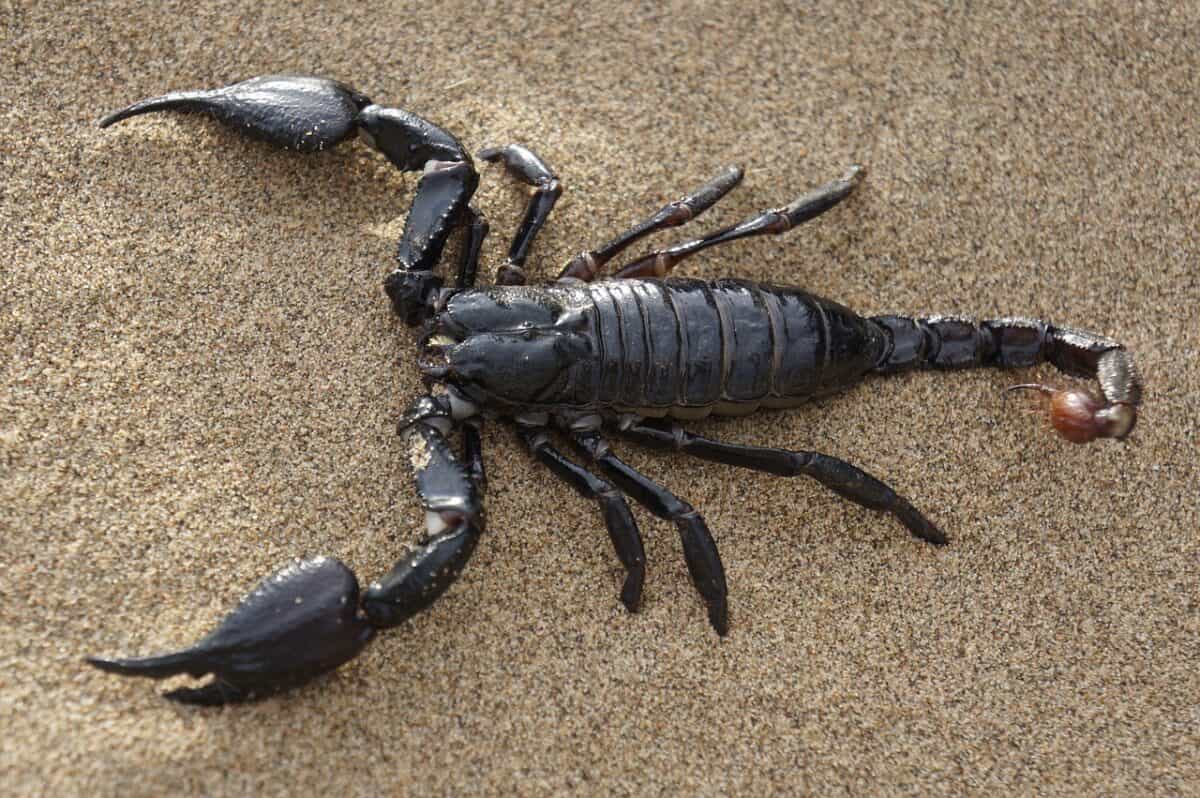
Scorpions are renowned for their ability to endure extreme conditions, particularly in arid deserts. These arachnids have developed a suite of adaptations that allow them to thrive in environments with limited water and high temperatures. Scorpions can slow their metabolism and enter a state of dormancy during periods of scarcity. Their exoskeletons minimize water loss, and they are skilled hunters, able to capture prey in the harshest of landscapes. Scorpions are a testament to the tenacity of life, finding ways to survive and flourish in the most challenging of habitats.
These creatures, each with their unique adaptations, remind us of the incredible diversity and resilience of life on Earth. In environments where survival seems impossible, these organisms not only endure but thrive, showcasing the power of evolution and the endless possibilities of nature.

As a little kid, I fell in love with nature, wildlife, and animals. Living in the USA, South Africa, Italy, China and Germany gave me the opportunity to discover the world's Wildlife. My favorite animals are Mountain Gorillas, Siberian Tigers, and Great White Sharks.
I'm a certified PADI Open Water Diver, went to Everest Base Camp and Trekked Gorillas in Uganda. I hold a Master of Science in Economics and Finance.
Please send any feedback to feedback@animalsaroundtheglobe.com
- 13 Cat Breeds That Get Along with Dogs - July 20, 2026
- The 12 Largest Dog Breeds That Still Love to Cuddle - July 20, 2026
- 12 Pet Habits That Secretly Mean They Love You - July 20, 2026