

There is something quietly heartbreaking about the idea that an animal could vanish from the face of the earth during our lifetime. Not in a museum. Not in a history book. Right now, while we scroll our phones and go about our days. The United States, a country of extraordinary natural diversity, is quietly losing some of its most iconic and irreplaceable creatures. The numbers are alarming. The causes are largely human. Yet here is the part that most people don’t know: it is not too late.
The United States currently protects over 1,677 endangered and threatened species under the Endangered Species Act, including more than 1,264 species classified as endangered across mammals, birds, fish, reptiles, amphibians, and invertebrates. Behind every statistic is a living, breathing animal fighting to exist. These are twelve of them, and more importantly, here is what you can actually do to help. Let’s dive in.
1. The Red Wolf: America’s Most Endangered Predator
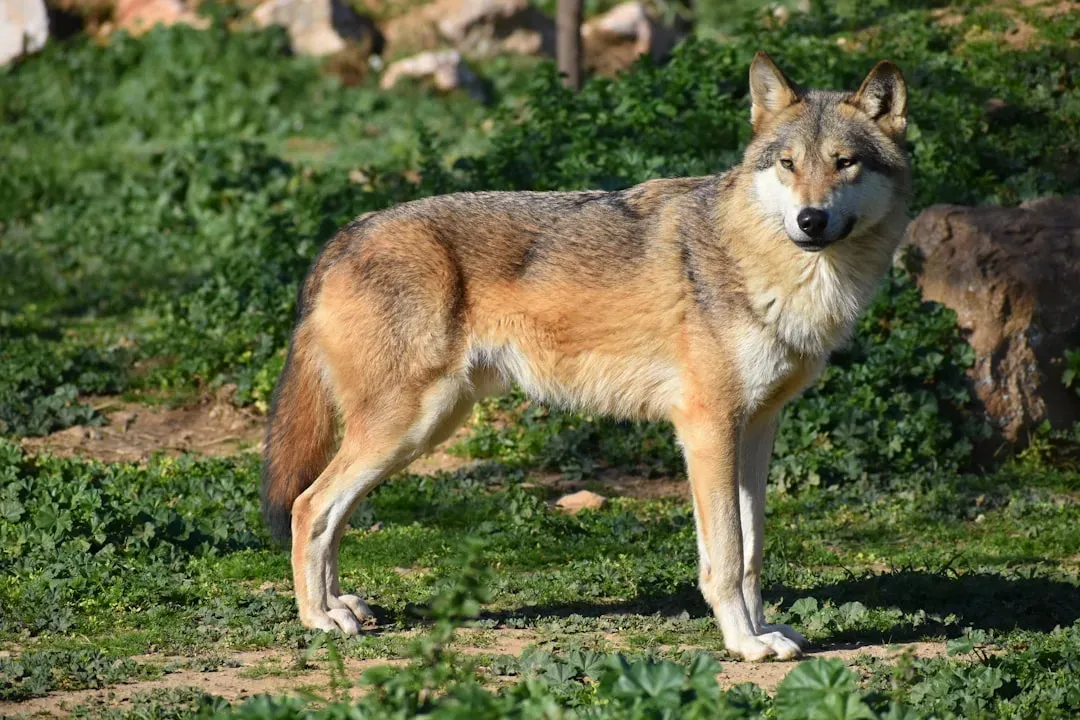
Let’s be real, when most people think of wolves in America, they picture Yellowstone. They don’t think of the quiet forests of eastern North Carolina. Yet that is the last place on Earth where wild red wolves still exist.
The Red Wolf, endemic to the United States, has lost nearly all of its historical territory due to poaching and misinformation, with only an estimated 20 to 25 individuals remaining in the wild in North Carolina today. That is a number so small it barely registers. Think about it: 20 animals standing between a species and total extinction.
Identifiable by its reddish fur behind the ears, neck, and legs, the red wolf is the world’s most endangered wolf. In 1987, red wolves were considered fully extinct in the wild, but a captive breeding program revived the species. Conservation efforts once brought the population to over 100 animals around 2012, but by 2018 it dropped to 40 and has now fallen to fewer than two dozen.
You can help by supporting the Red Wolf Recovery Program, donating to organizations like Defenders of Wildlife, and spreading awareness so that misinformation about wolves does not go unchallenged in your community.
2. The North Atlantic Right Whale: Gentle Giants in Grave Danger
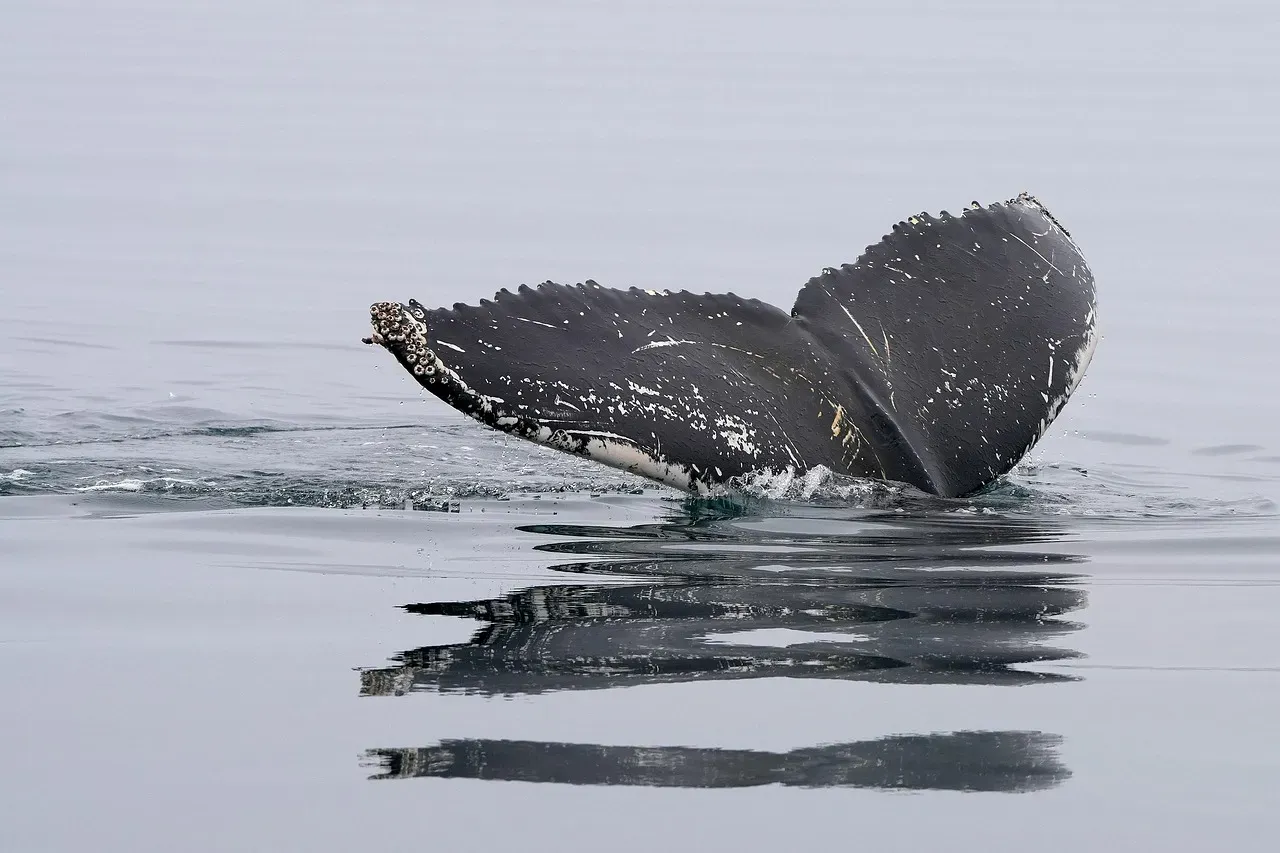
Imagine a creature the size of a school bus, gliding silently through the Atlantic, completely unaware that a cargo ship is bearing down on it. That is the daily reality for the North Atlantic right whale.
The IUCN classifies North Atlantic right whales as critically endangered. As of 2025, only around 370 of these whales are left, with just 70 reproductive-age females among them. That ratio is genuinely terrifying. With so few breeding females, every single calf matters enormously.
Since 2017, roughly three quarters of the 123 known incidents that have killed or seriously injured right whales are due to confirmed vessel strikes or gear entanglements. The deaths of female right whales carry especially grave implications because right whale females are not sexually reproductive until the age of ten and produce only one calf every six to ten years.
Support campaigns pushing for ropeless fishing gear and reduced vessel speeds. Ropeless traps use inflatable “balloons” rather than trailing ropes to bring the catch to the surface, dramatically reducing the risk of whale entanglement. Even signing online petitions and emailing your representatives about vessel speed rules makes a real difference.
3. The Florida Manatee: A Sea Cow Staring Down Starvation
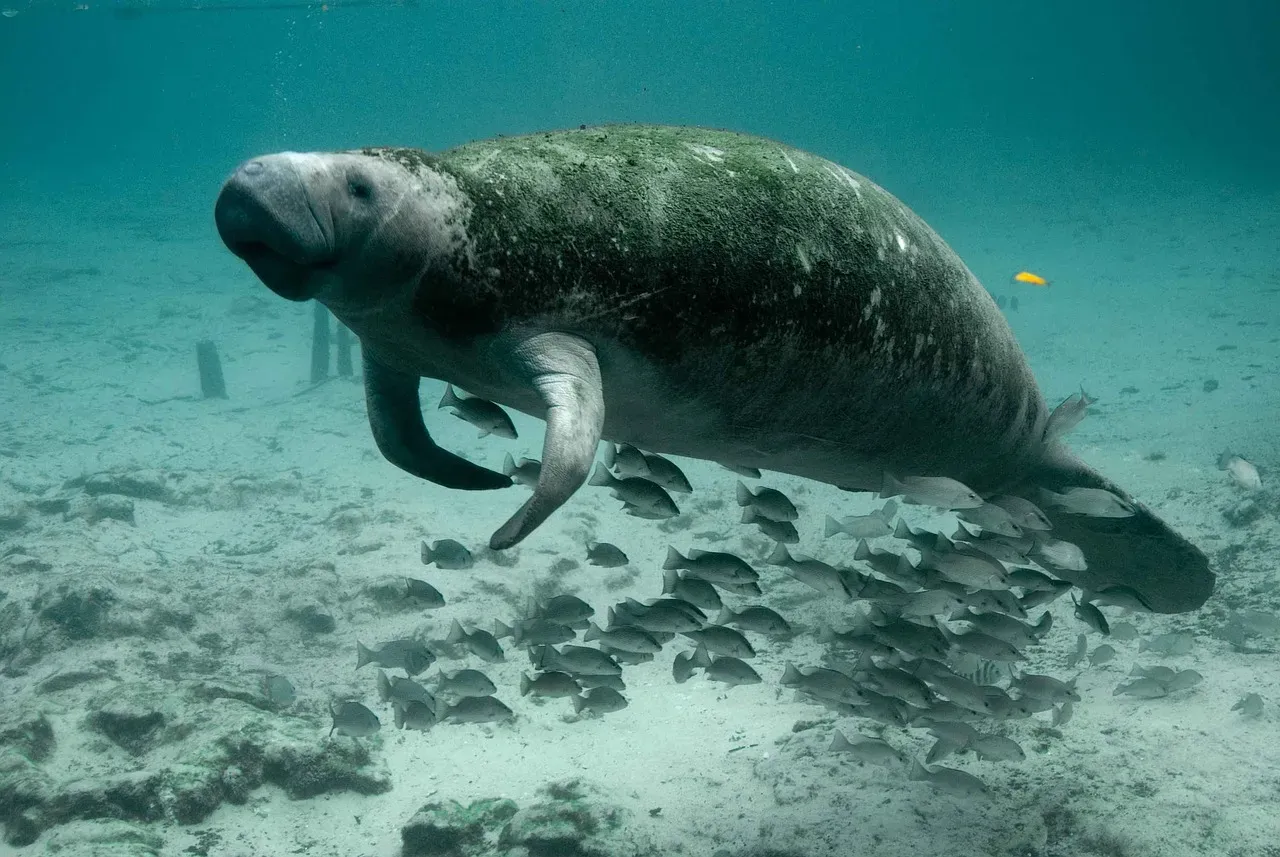
Few animals are as universally loved as the Florida manatee. Round, gentle, and unmistakably goofy, these creatures have inspired decades of conservation campaigns. Sadly, love alone hasn’t been enough to protect them.
Fewer than 10,000 manatees survive in the waters of Florida today, and the species has experienced a horrific die-off in recent years. Between 2020 and 2022, more than 2,500 manatees died, mostly from starvation due to the dramatic decline of seagrass, their primary food source.
The seagrass shortage became so severe that the state had to drop hundreds of tons of lettuce into the water to keep manatees from starving to death en masse. Honestly, when wildlife managers resort to emergency lettuce drops, it signals a crisis that demands urgent public attention.
Reduce your water pollution footprint, support seagrass restoration projects, and slow your boat speed in manatee zones. Organizations like Save the Manatee Club have direct programs you can fund with even a modest donation.
4. The California Condor: A Comeback Story Still in Progress
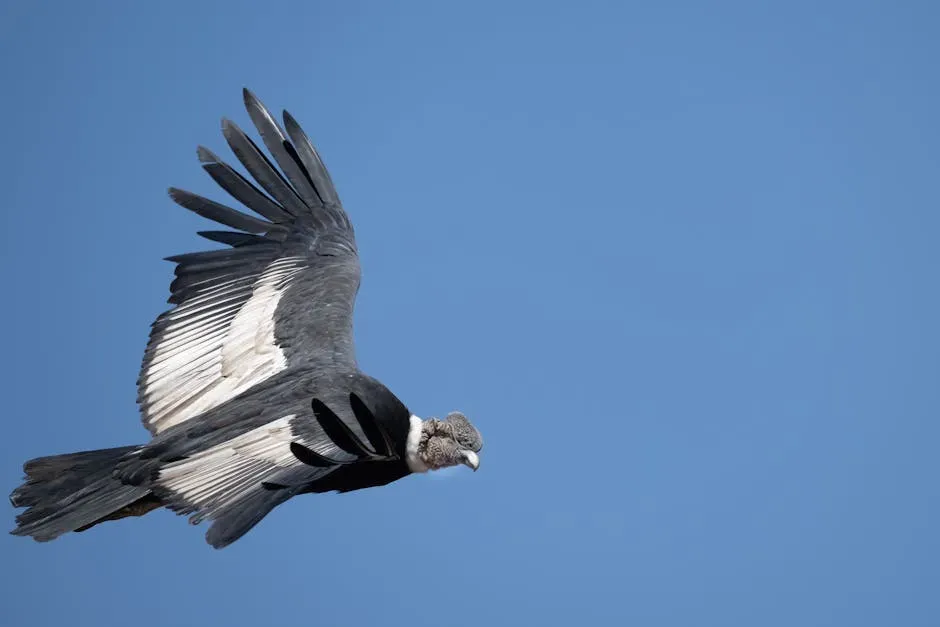
Here is the good news item on this list, and it deserves to be celebrated. The California condor, with its massive ten-foot wingspan, came within a hair’s breadth of total extinction. Then humans intervened.
One of conservation’s greatest success stories, the California condor is the largest land bird in North America. In 1982, only 22 condors existed in the world, but careful recovery programs have since boosted that number to over 500, and the condors once again soar over the Western United States.
By the 1980s, only about six individuals remained in the wild. The catastrophic decline was largely the result of lead poisoning, as birds accidentally ingested bullet fragments left in animal carcasses, combined with eggshell thinning caused by the synthetic insecticide DDT. The condor is proof that species can come back. It also proves the fight is never fully over.
Switch to non-lead ammunition if you hunt, support the California Condor Recovery Program, and advocate for stricter lead regulations. The U.S. Fish and Wildlife Service has partnered with multiple national organizations, tribal groups, and state agencies to establish the California Condor Recovery Program, working specifically to establish self-sustaining wild populations.
5. The Black-Footed Ferret: Prairie’s Most Secretive Survivor
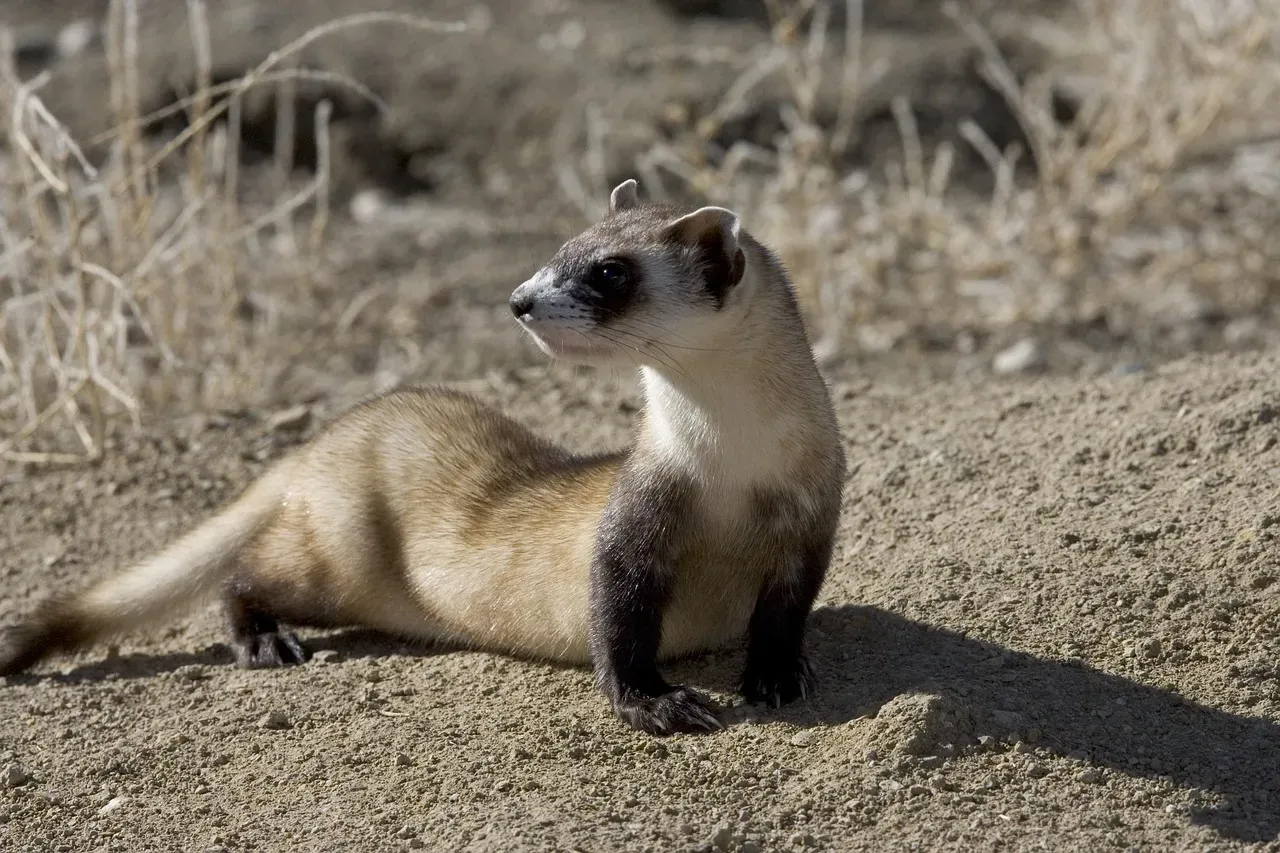
Small, masked, and lightning quick, the black-footed ferret looks like something a cartoon villain would keep as a pet. In reality, it is one of North America’s most fascinating carnivores, and it nearly disappeared without most people even noticing.
Black-footed ferrets are the only ferret species native to the Americas and depend exclusively on prairie dog burrows for both food and shelter. That total reliance on a single prey species makes them incredibly vulnerable. Take away the prairie dogs, and the ferrets vanish too.
During the 20th century, farmers and ranchers were permitted to kill prairie dogs because of the damage their burrows did to fields, nearly wiping out black-footed ferret populations in the process. As of 2025, there are thought to be only around 206 mature individuals left in the wild, and their numbers are still decreasing.
Support prairie conservation organizations, oppose prairie dog eradication programs in your region, and donate to wildlife disease management funds. Sylvatic plague, a non-native disease, remains one of the largest ongoing threats to ferret populations today.
6. The Florida Panther: Hemmed In by Development
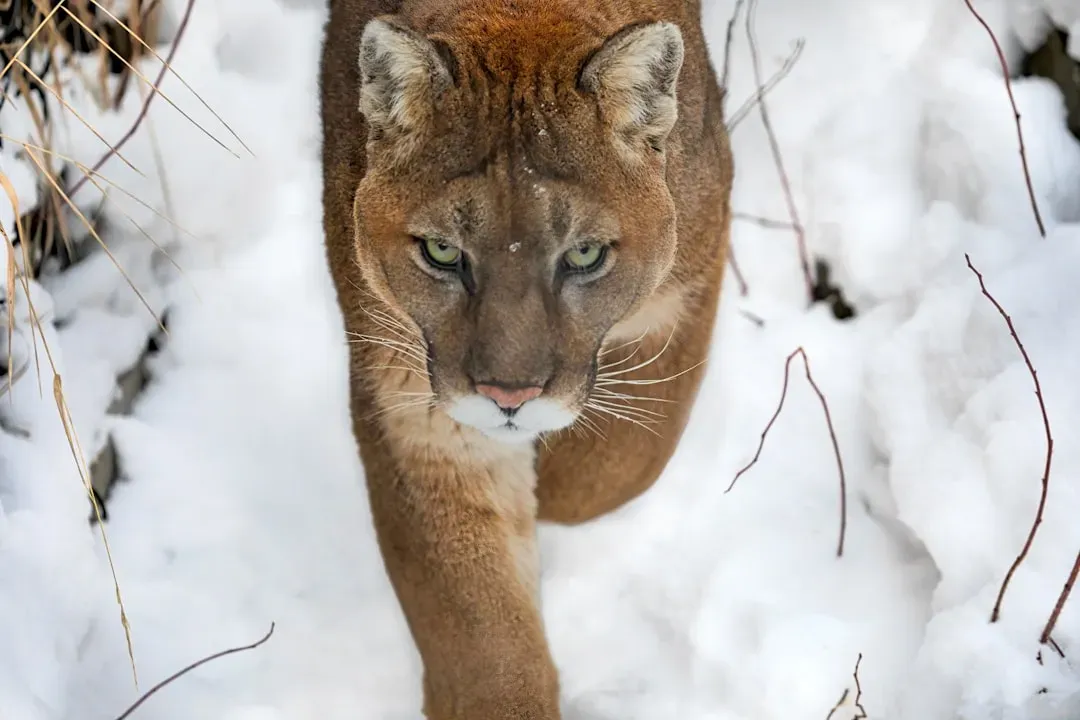
There is something almost mythological about the Florida panther. Sleek, powerful, and largely nocturnal, most Floridians will live their entire lives without ever seeing one. The reason for that is partly scarcity, and partly the fact that their habitat has been systematically carved up.
The Florida panther represents the most endangered large mammal in the continental United States, with approximately 200 adults surviving in the wild, all confined to ecosystems in South Florida. Two hundred animals in one corner of one state. Think about how precarious that is, like balancing an entire species on a single geographic postage stamp.
The Florida panther is critically endangered primarily due to habitat loss and vehicle collisions. Roads cutting through wildlife corridors are particularly deadly, and the problem has only intensified as development in South Florida has accelerated over recent decades.
Support wildlife corridor protection legislation in Florida, donate to the Florida Wildlife Corridor campaign, and advocate for panther-safe underpasses along major highways. Every connected acre of habitat is a lifeline for this species.
7. The Whooping Crane: A Bird That Refuses to Quit
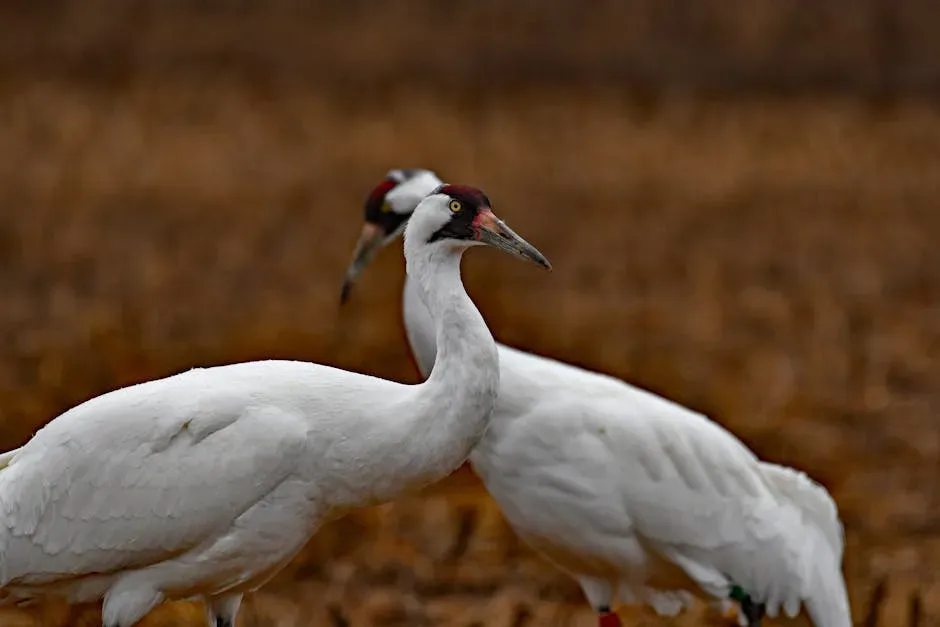
Standing nearly five feet tall, brilliant white with a red cap, the whooping crane is one of the most visually striking birds in North America. It is also one of the rarest. Yet somehow, its story carries more hope than despair.
Under the protection of the Endangered Species Act, the whooping crane has been brought back from the very brink of extinction. At their lowest point in the mid-20th century, fewer than 20 birds were known to exist. That is the kind of number that should not have a recovery story attached to it.
Today, the whooping crane population has climbed back into the hundreds, thanks to decades of intensive conservation work including captive breeding, habitat protection, and even ultralight aircraft leading juvenile cranes along migration routes. It sounds crazy, but it worked. The work, however, is far from finished, and ongoing habitat preservation remains critical.
Support organizations like the International Crane Foundation, participate in citizen science crane surveys, and advocate for the protection of wetland habitats along migration corridors from Texas to Canada.
8. The Mississippi Gopher Frog: Tiny Amphibian, Massive Crisis
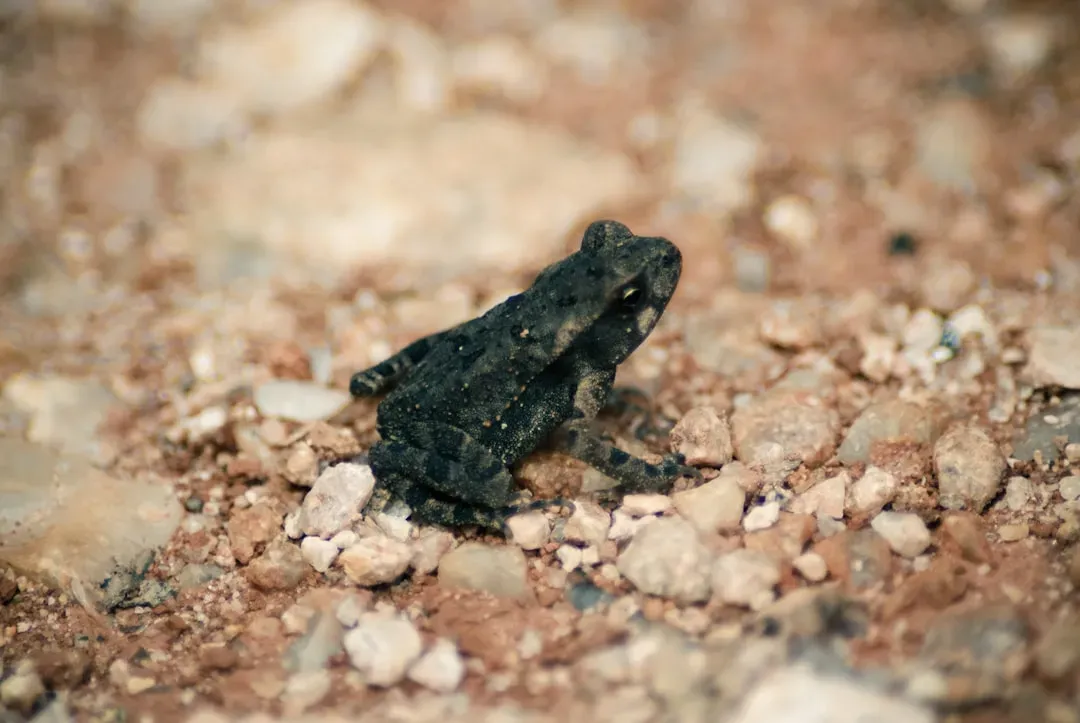
You might not think a small frog in Mississippi could capture the attention of the entire conservation world. Yet this particular frog has been the subject of a landmark Supreme Court case, a decades-long recovery fight, and some of the most passionate ecological debates in recent memory.
The Mississippi Gopher Frog, once widespread across the southeastern United States, is one of the country’s most endangered amphibians, with only a few hundred individuals left in the wild. The IUCN categorizes the dusky gopher frog as critically endangered. These frogs live in longleaf pine forests, but roughly 99 percent of America’s longleaf pine forests have been destroyed through land management and urbanization.
The frogs lay their eggs in shallow ponds that dry up for several months each year, which naturally deters fish from entering and consuming them. It is a clever evolutionary trick. The problem is that those very ponds are disappearing under urban sprawl and agricultural drainage.
In 2012, the U.S. Fish and Wildlife Service designated nearly 7,000 acres of protected critical habitat in Mississippi and Louisiana to support the population’s recovery. You can help by supporting longleaf pine restoration projects and organizations working to restore wetland habitat in the deep South.
9. The Franklin’s Bumble Bee: A Pollinator That May Already Be Gone
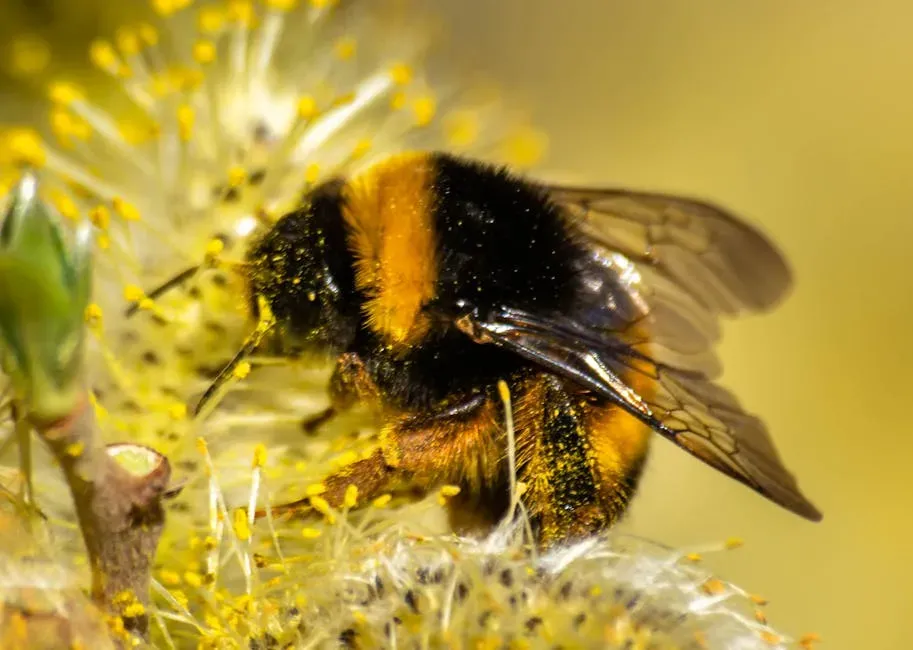
This one is haunting. Honestly, it might be the entry on this list that should keep us all up at night.
Franklin’s bumble bee has not been sighted since 2006 and is classified by the IUCN as critically endangered. One of the rarest bumblebees in the United States, the species can only be found between southern Oregon and northern California. Not a huge range to begin with. And now, possibly silent.
Population numbers plummeted since 1998 due to habitat loss, widespread agricultural pesticide use, and diseases transported through commercial greenhouse operations. Following a petition in 2018, Franklin’s bumble bee and three other bumblebees were added to the list of protected species under the California Endangered Species Act in 2019.
Plant native flowering plants in your garden, reduce or eliminate pesticide use, and support native bee conservation campaigns. Native plants provide food and shelter for native wildlife, and attracting native insects like bees and butterflies directly supports pollinator populations. If Franklin’s bumble bee is somehow still out there, it needs every wildflower corridor it can get.
10. The Kemp’s Ridley Sea Turtle: Racing Against the Clock
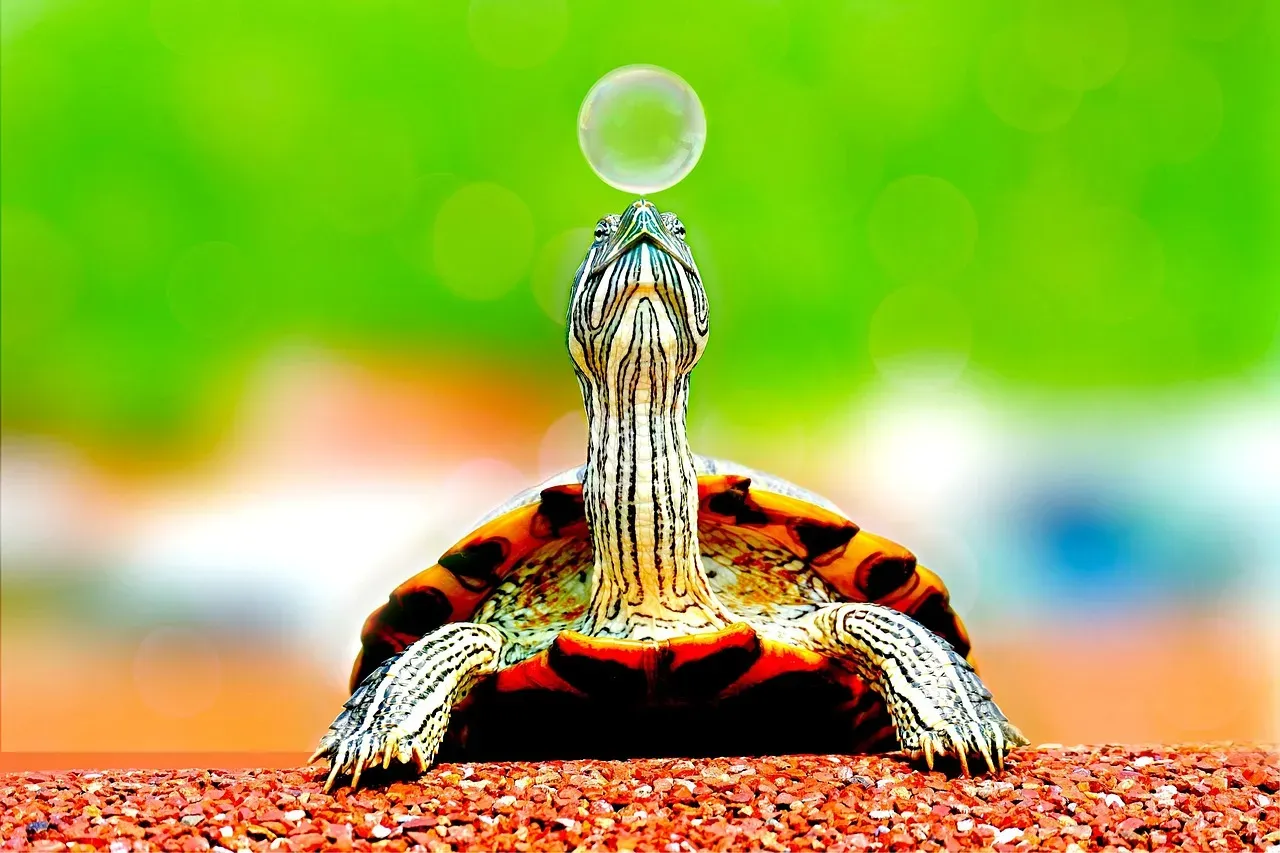
Of all the sea turtle species in the world, Kemp’s Ridley holds the grim title of smallest and most endangered. Found primarily in the Gulf of Mexico, this turtle’s story is a collision of industrial fishing, coastal development, and climate disruption.
The species famously nests in mass synchronized events called “arribadas,” where thousands of females once converged on a single Mexican beach. Those events have been dramatically reduced in scale as populations fell through most of the 20th century. Recovery programs have helped, but the species remains in serious danger.
Kemp’s Ridley sea turtles are among some of the most endangered animals in the United States. Bycatch in shrimp trawling nets remains one of the deadliest threats. Turtle Excluder Devices in fishing nets have helped, but compliance and enforcement are ongoing challenges.
Support organizations advocating for turtle excluder device regulations, participate in coastal cleanup events, and avoid purchasing seafood from operations with poor bycatch records. Voting for candidates who support marine protection legislation matters more than most people realize.
11. The Southern Resident Orca: A Whale of a Problem in Puget Sound
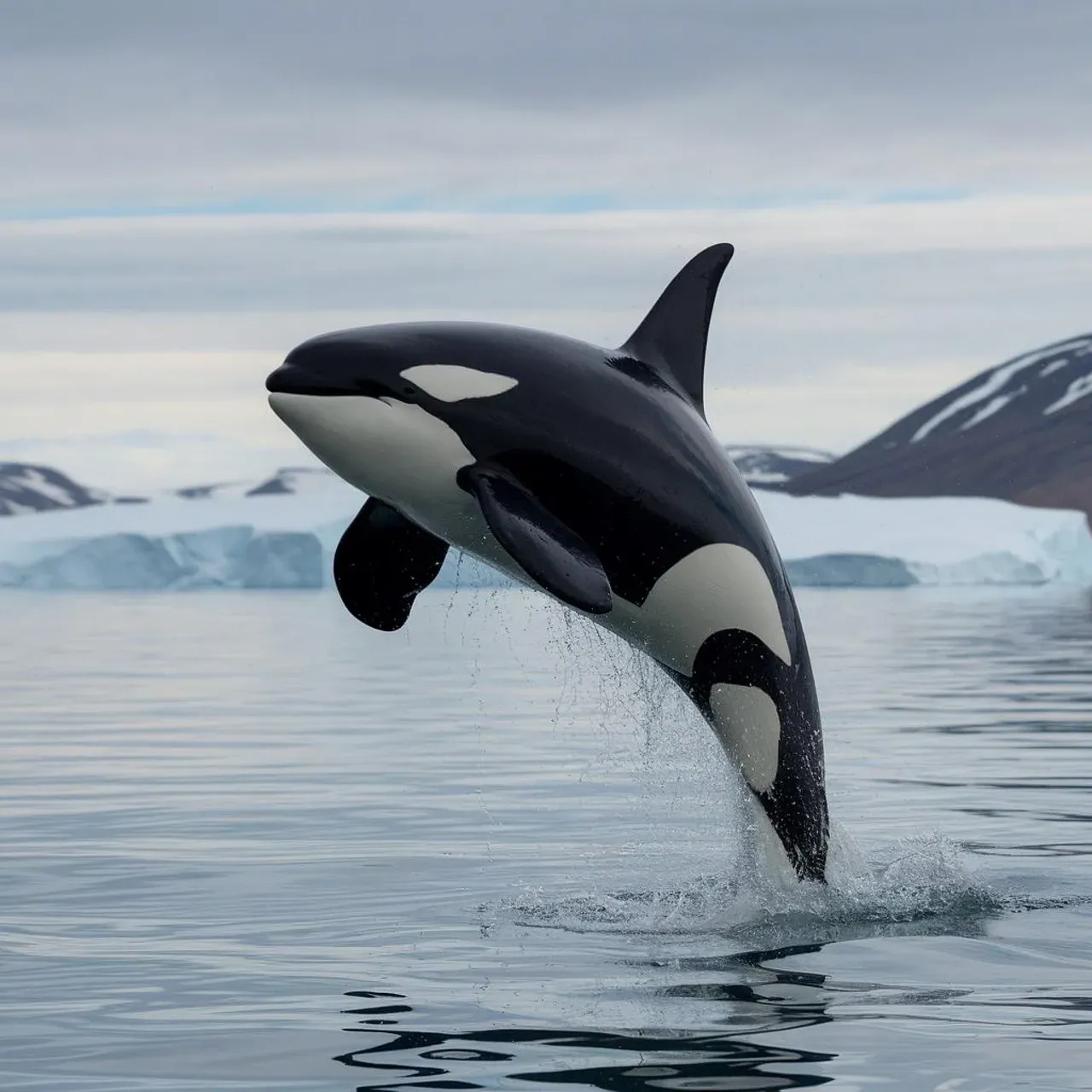
These are not just any orcas. They have names. J pod, K pod, L pod. Individual members recognized by researchers and locals alike. They are celebrities of the Pacific Northwest. They are also starving.
Southern resident orcas are a population of killer whales living in Puget Sound. Many are widely known by name in the local community. Yet fewer than 75 of these impressive carnivores remain. Seventy-five. For a population with such deep cultural and emotional significance, that number is quietly devastating.
A major reason for their decline is the loss of their primary food source, Chinook salmon. These salmon normally migrate from inland rivers into the waiting orcas’ feeding grounds, but the construction of dams has reduced the flow of salmon by as much as 90 percent. It is a domino effect. Kill the river, lose the salmon, starve the whales.
Support dam removal campaigns on Snake River tributaries, advocate for Chinook salmon habitat restoration, and reduce your individual contribution to water and noise pollution in coastal areas. Organizations like the Center for Whale Research offer adoption programs where your support goes directly to monitoring individual animals.
12. The Hickory Nut Gorge Green Salamander: The Most Local of All Battles
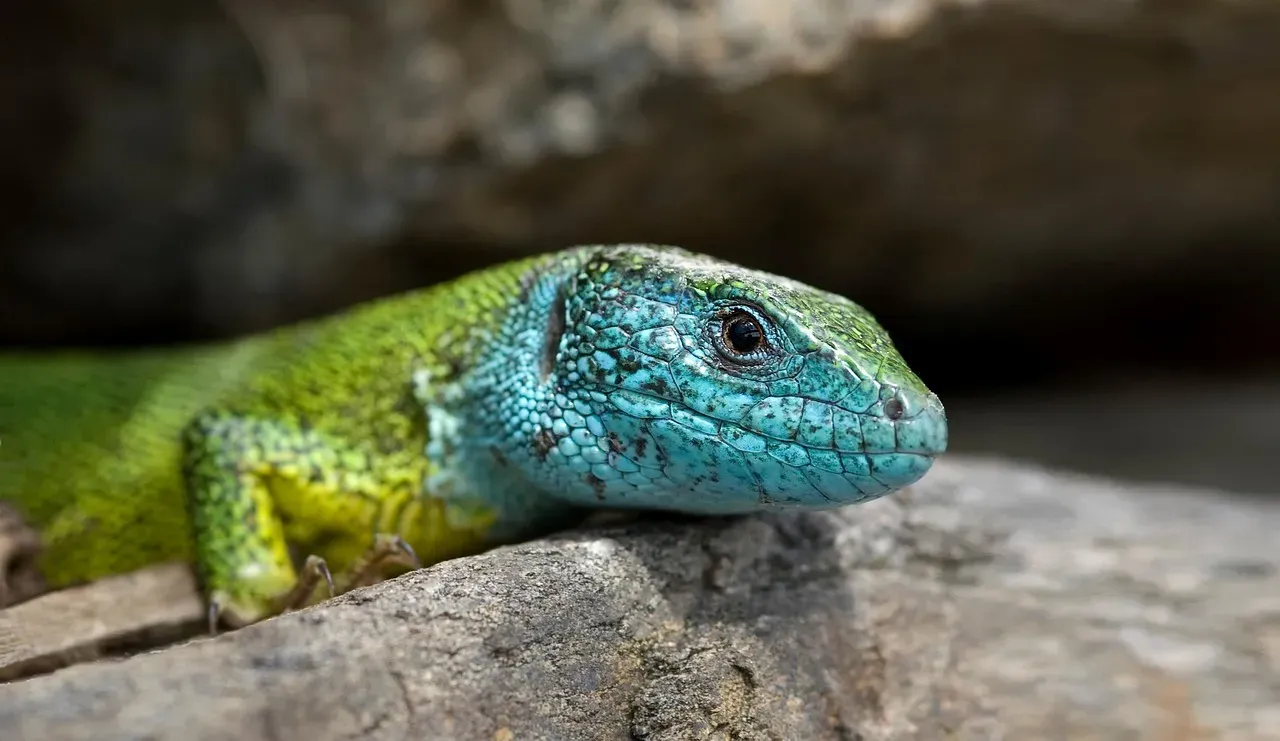
Here is a species most Americans have never heard of. It lives in one gorge. A single 14-mile canyon in the Blue Ridge Mountains of North Carolina. That is the entire world for this tiny creature.
Hickory Nut Gorge green salamanders are named after the only place they exist, nesting in the hollows and crevices of rocky outcrops in this narrow North Carolina canyon. This small salamander measures just about two inches long. The IUCN categorizes the Hickory Nut Gorge green salamander as critically endangered, with just 249 mature individuals remaining as of 2025, and their population is still decreasing.
Habitat loss and fragmentation due to tourism and real estate development are the main threats to the Hickory Nut Gorge green salamander. It is a sobering reminder that even a weekend hiking trip, if done carelessly, can contribute to the decline of a critically endangered species that has nowhere else to go.
When visiting places like Chimney Rock State Park, stay on marked trails, respect wildlife zones, and support local conservation groups working to limit destructive development in the gorge. Spreading awareness about hyper-local species like this one is itself a powerful act of conservation.
Conclusion: The Clock Is Ticking, But It Hasn’t Run Out
Conservation can feel overwhelming. The scale of what’s happening to biodiversity across the United States is genuinely alarming. The Endangered Species Act currently protects 1,682 species as endangered or threatened, yet the independent scientific organization NatureServe estimates there are more than 10,000 imperiled species in the United States that may need protection. The gap between those numbers is where the real crisis lives.
Yet, history proves that humans can also reverse the damage. Enacted in 1973, the Endangered Species Act continues to be a powerful tool for conserving species and their habitats, and less than one percent of species listed under the ESA have gone extinct. That is a remarkable record. It means the tools work, when we choose to use them.
I think the most important shift any of us can make is to stop treating extinction as something distant and inevitable, like a slow tide we can’t push back. Every native plant you grow, every petition you sign, every regulation you support adds weight to the side of survival. Endangered species cannot recover without the help of humans. That is not a burden. Honestly, it is a privilege.
Twelve species. Twelve chances. The real question is: which one will you start with?

- 8 Ways Bobcats Move Through Suburbs Without Being Seen - August 9, 2026
- 7 Reasons Black Bears Return to the Same Food Source - August 9, 2026
- Animal Cognition Says Horses Remember People Who Treated Them Well and Those Who Did Not - August 9, 2026