


Worried about unexpected vet bills?
Pet insurance can cover thousands in unexpected vet costs. Get a free quote from Lemonade in under 2 minutes.
Get My Free Quote →Sponsored · Opens Lemonade.com
Yellowstone National Park is a sanctuary of natural beauty, renowned for its geothermal wonders and diverse wildlife. However, beneath this spectacular landscape lies the potential for danger. The park is home to several formidable creatures that, while fascinating to observe, are best appreciated from a respectful distance. Encounters with these animals can be exhilarating, but they also carry risks if approached too closely. This article explores twelve of Yellowstone’s most dangerous animals, providing insights into their behaviors and why maintaining a safe distance is crucial.
12. Grizzly Bears
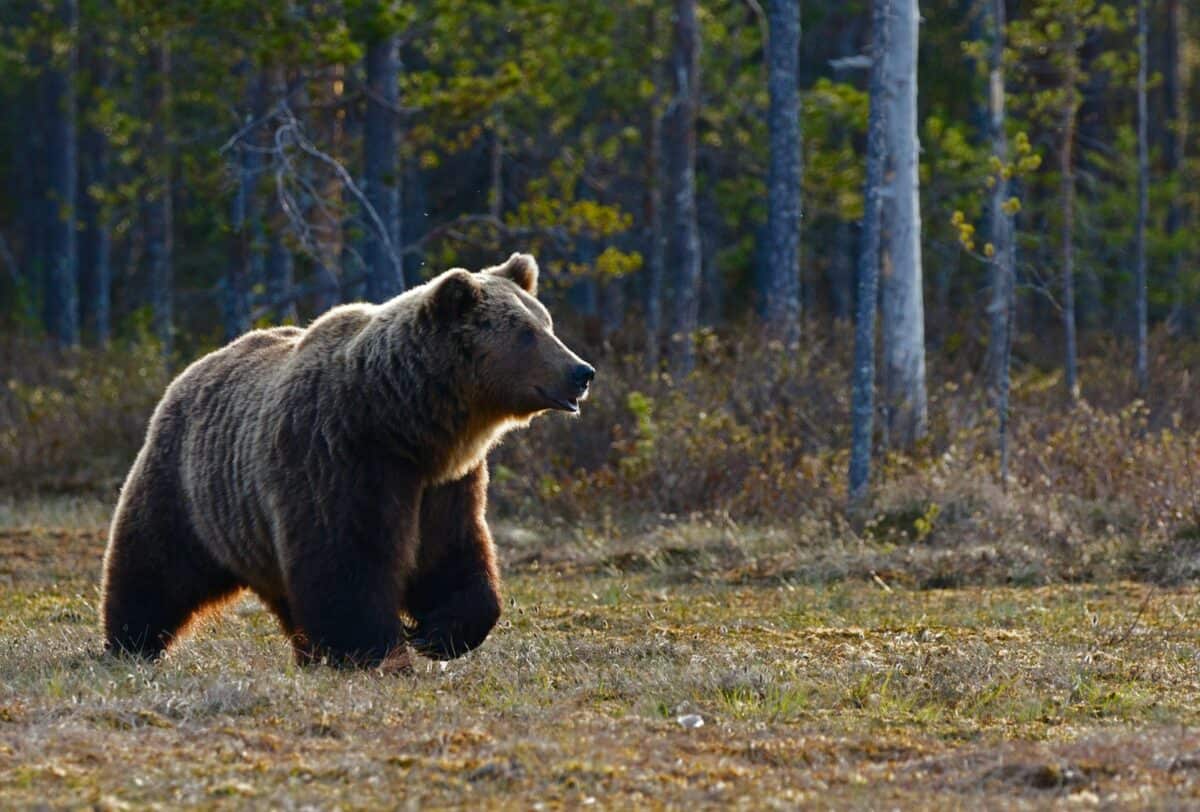
The grizzly bear is perhaps the most iconic, yet perilous inhabitant of Yellowstone. With their immense strength and territorial nature, grizzlies roam the park’s forests and meadows. These bears can weigh up to 700 pounds and are capable of running at speeds up to 35 miles per hour. Encounters with grizzly bears can be dangerous, especially if the bear feels threatened or if cubs are present. To ensure safety, it’s essential to maintain a distance of at least 100 yards and carry bear spray as a precaution.
11. American Bison

Despite their docile appearance, American bison are responsible for more injuries to visitors than any other animal in Yellowstone. Weighing up to 2,000 pounds, these massive creatures can run at speeds of 30 miles per hour. Bison are unpredictable and can charge without warning, particularly if startled or threatened. Visitors should observe from a distance of at least 25 yards, ensuring these majestic beasts have plenty of space.
10. Elk
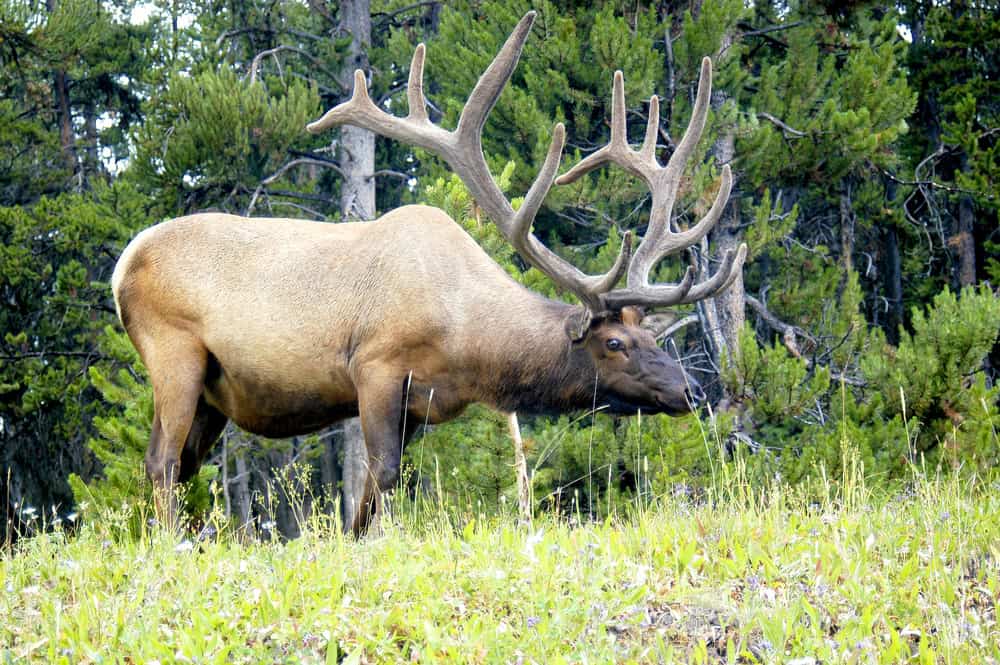
Elk are not only abundant in Yellowstone but are also one of the most photographed animals in the park. During the autumn rut, bull elk become particularly aggressive as they compete for mates. Their large antlers are formidable weapons, and their protective nature can lead to unexpected charges. It’s crucial to keep a distance of at least 25 yards from these animals, watching their behavior closely, especially during mating season.
9. Wolves

Wolves symbolize the wild spirit of Yellowstone, reintroduced to the park in the 1990s after an absence of nearly 70 years. While wolves generally avoid human interaction, they are powerful predators with complex social structures. Watching wolves hunt and communicate is a thrilling experience, best done from afar with binoculars or a spotting scope. Keeping a respectful distance not only ensures safety but also minimizes disturbance to their natural behaviors.
8. Cougars
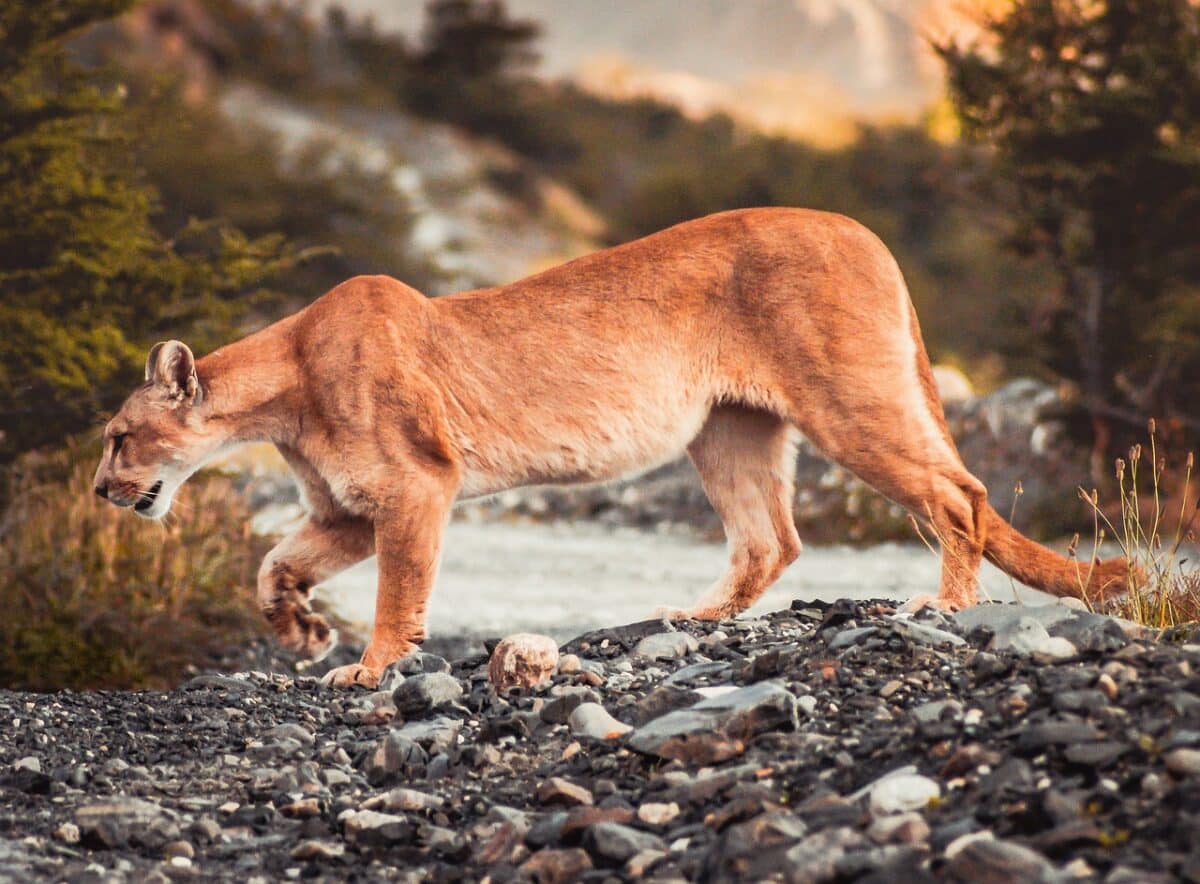
Cougars, or mountain lions, are elusive and solitary creatures that stealthily roam the park. While sightings are rare, these apex predators are capable of taking down large prey. Cougars pose a threat if cornered or surprised, so being aware of your surroundings and traveling in groups can reduce the risk of an encounter. If you do come across a cougar, standing tall, making noise, and maintaining eye contact can often deter an attack.
7. Black Bears
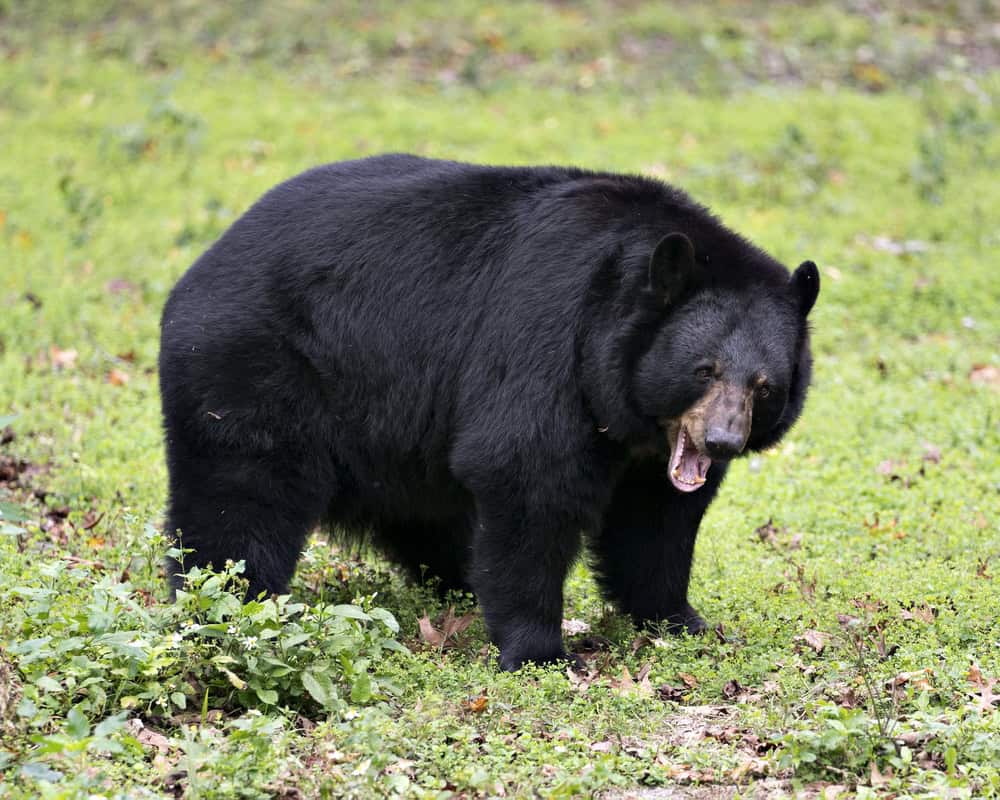
Though smaller than their grizzly cousins, black bears are still formidable and can be aggressive if they feel threatened. Found in forests or foraging near campsites, black bears are often attracted to food left by visitors, leading to potentially dangerous interactions. Storing food properly and maintaining a safe distance of at least 100 yards helps mitigate these risks.
6. Coyotes

Coyotes are highly adaptable scavengers commonly seen throughout Yellowstone. While they may seem less intimidating than larger predators, coyotes can become aggressive, especially when food is involved. Feeding coyotes or approaching them too closely can lead to bold behavior, posing a threat to personal safety and disrupting their natural habits.
5. Moose
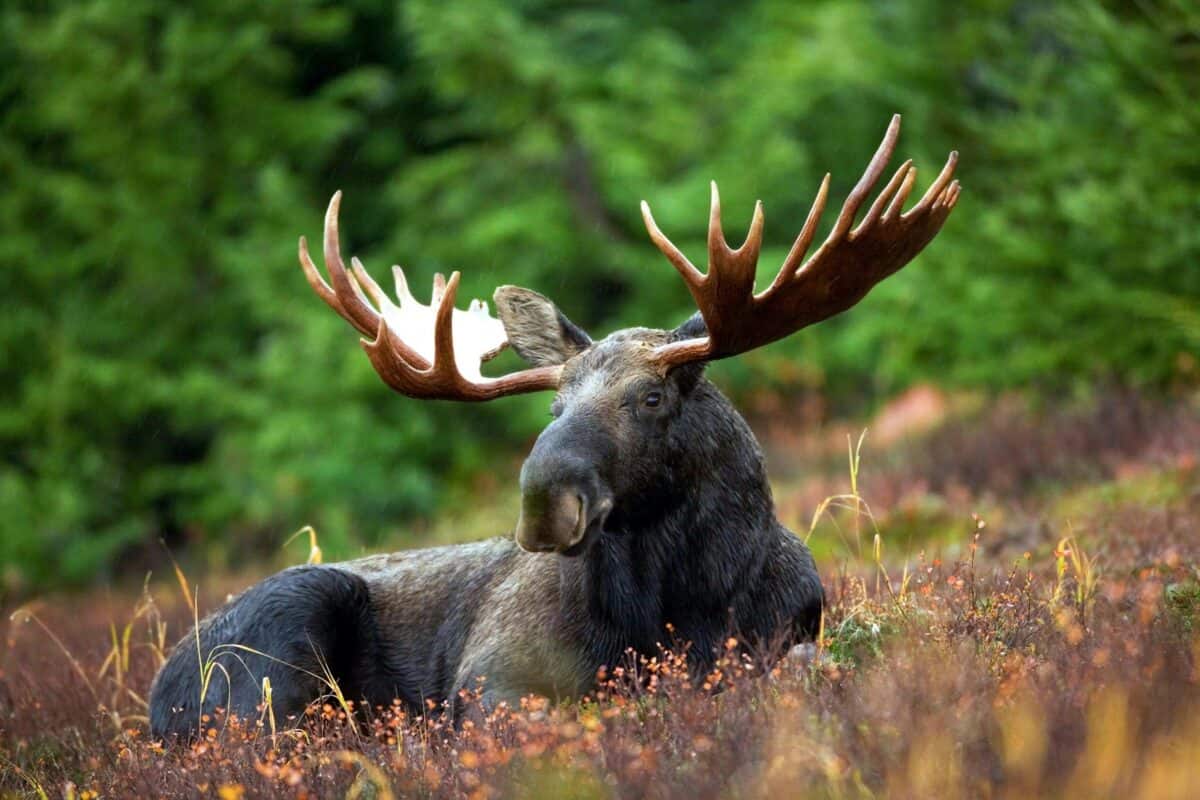
Moose are known for their towering size, with bulls standing up to 7 feet at the shoulder. Their solitary and sometimes unpredictable nature makes them a potential hazard, particularly during mating season or when mothers are protecting their young. These animals can charge if they feel threatened, so maintaining a distance of at least 25 yards is advisable.
4. Bald Eagles

Bald eagles, the majestic symbol of America, are more of a visual spectacle than a direct threat to humans. However, getting too close to their nests can provoke defensive behavior. These birds are fiercely protective and can inflict injury with their sharp talons. Watching these magnificent birds from a distance with binoculars is the best way to enjoy their presence without causing distress.
3. River Otters

Playful and often regarded as harmless, river otters can be aggressive if their territory or young are threatened. Otters have sharp teeth and powerful jaws capable of inflicting serious wounds. While observing their playful antics is delightful, ensuring a respectful distance helps protect both visitors and the otters.
2. Lynxes
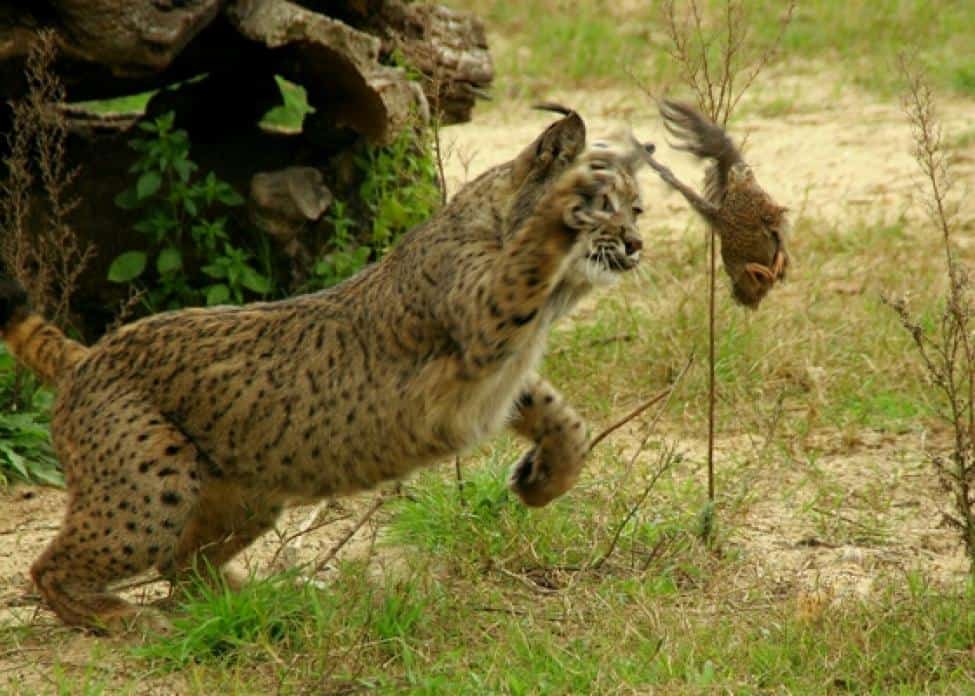
Though sightings are exceptionally rare, lynxes reside in Yellowstone’s dense forests. These solitary felines are equipped with sharp claws and teeth. While they typically avoid humans, a close encounter could be dangerous if they feel threatened. Staying aware in less-trafficked areas and making noise while hiking can help prevent surprise encounters.
1. Rattlesnakes

Yellowstone is home to the prairie rattlesnake, a venomous snake that often resides in the park’s grasslands. They usually avoid humans but will defend themselves if disturbed. Wearing sturdy boots and keeping to marked paths minimizes the risk of surprise interactions, while maintaining awareness of your surroundings is crucial during warm months when snakes are most active.
Conclusion

Yellowstone’s incredible biodiversity is a testament to untouched wilderness, offering visitors the chance to experience the wonders of wildlife in their natural habitat. However, with this privilege comes the responsibility to respect these animals and their space. By understanding and adhering to park guidelines, maintaining safe distances, and being mindful of animal behaviors, visitors can enjoy a safe and memorable experience amidst Yellowstone’s extraordinary wild inhabitants.
Worried about unexpected vet bills?
Pet insurance can cover thousands in unexpected vet costs. Get a free quote from Lemonade in under 2 minutes.
Get My Free Quote →Sponsored · Opens Lemonade.com

As a little kid, I fell in love with nature, wildlife, and animals. Living in the USA, South Africa, Italy, China and Germany gave me the opportunity to discover the world's Wildlife. My favorite animals are Mountain Gorillas, Siberian Tigers, and Great White Sharks.
I'm a certified PADI Open Water Diver, went to Everest Base Camp and Trekked Gorillas in Uganda. I hold a Master of Science in Economics and Finance.
Please send any feedback to feedback@animalsaroundtheglobe.com
- 10 Places in the World Where You Can See Wild Rhinos - June 4, 2026
- 10 Animals You Did not Know Could Glide Through the Air - June 4, 2026
- 15 Most Beautiful Birds You Can Spot in Your Backyard - June 4, 2026