
Tracing Back to Our Ancestors
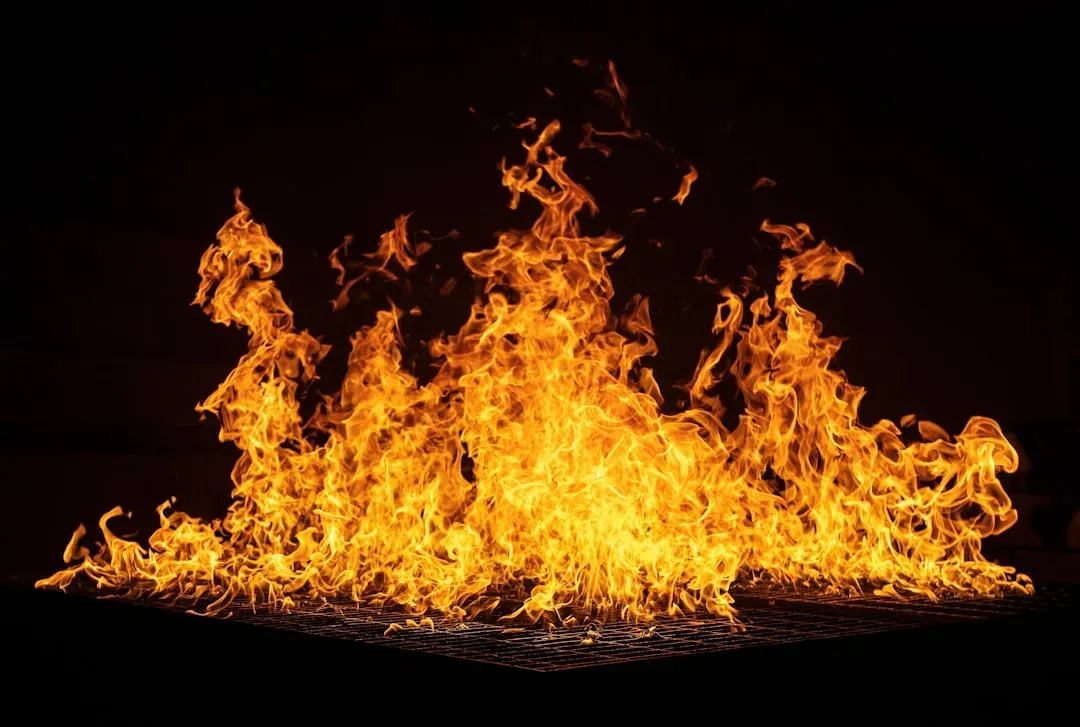
Early humans relied on fire for warmth during harsh nights and for cooking food that provided more energy. This practical advantage likely shaped brain circuits that still respond to the sight and sound of flames today. Over generations, those who stayed close to fire gained clear edges in staying alive and raising offspring.
Archaeological evidence shows controlled fire use dating back hundreds of thousands of years. Such long exposure would have embedded a preference deep in human psychology. The result is a lingering attraction that feels calming rather than random.
Protection from the Elements and Dangers
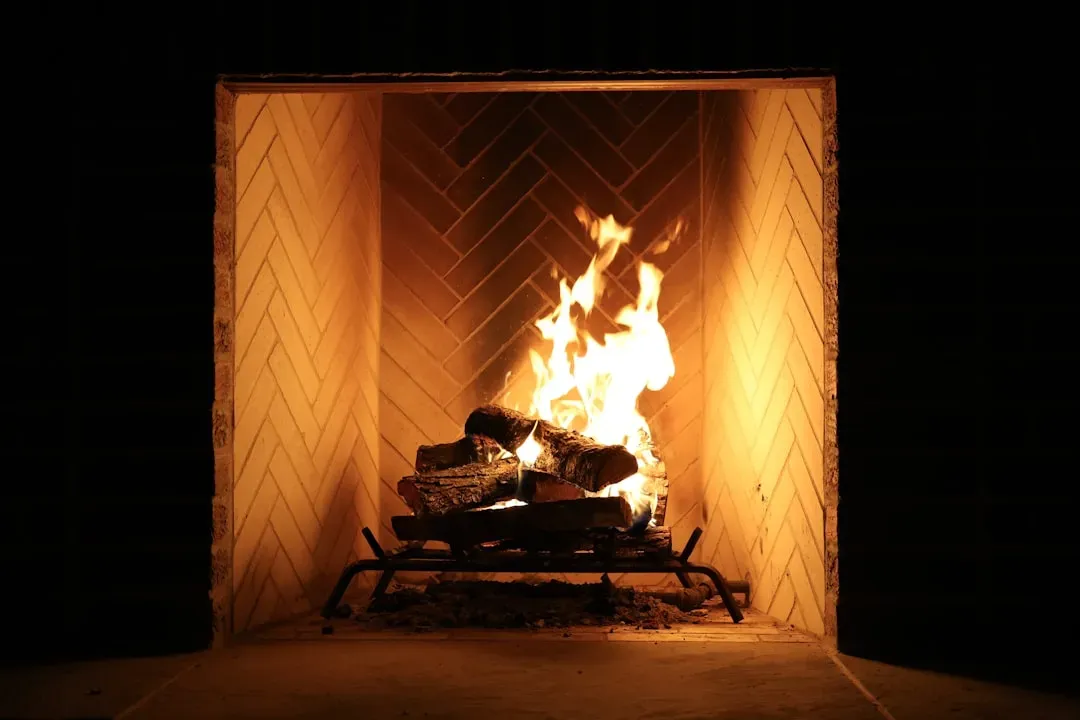
Fire kept predators at bay and lit up the darkness that once hid threats. People who associated the glow with safety would have been more likely to survive and pass on that tendency. Modern viewers often report feeling secure when watching a contained blaze for the same underlying reason.
The crackle and warmth trigger ancient alert systems that once scanned for danger. Those signals now register as soothing instead of alarming. This shift explains why a fireplace can lower stress even in a safe modern home.
The Role in Early Communities
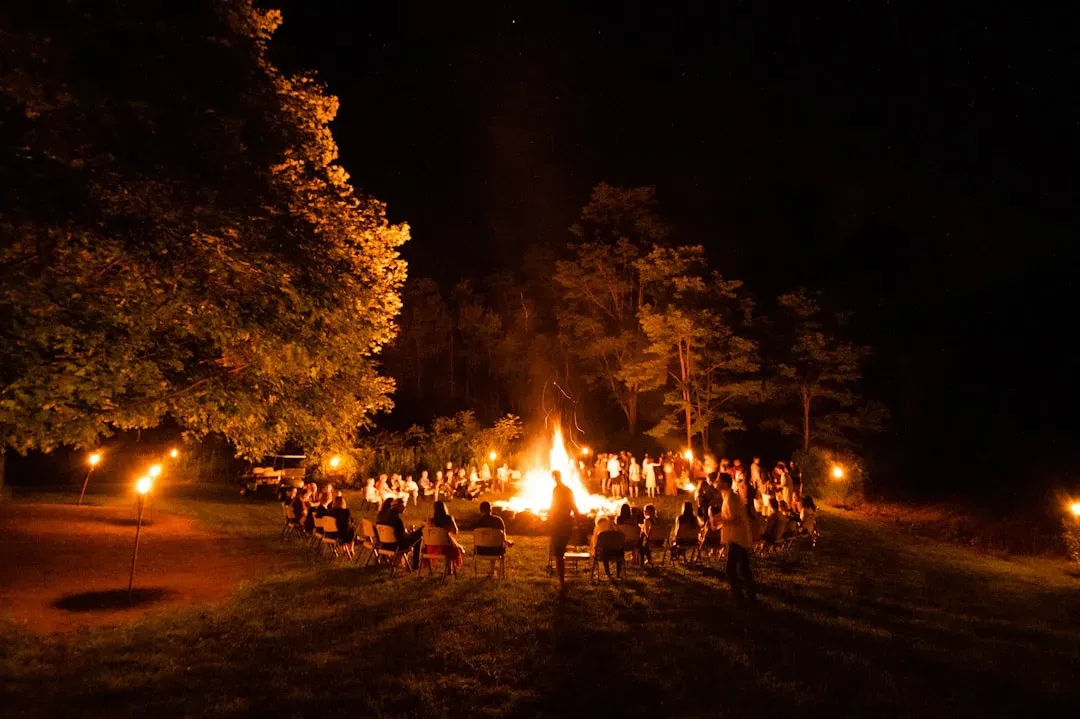
Fire served as a natural meeting point where stories were shared and bonds formed. Groups that gathered regularly around it developed stronger cooperation and trust. Those social advantages would have reinforced the draw toward flames across populations.
Without electricity or screens, the fire provided both light and a focal point for interaction. Children learned skills and adults planned hunts in its glow. The habit of seeking connection near fire therefore became part of everyday life.
Brain Responses to Firelight
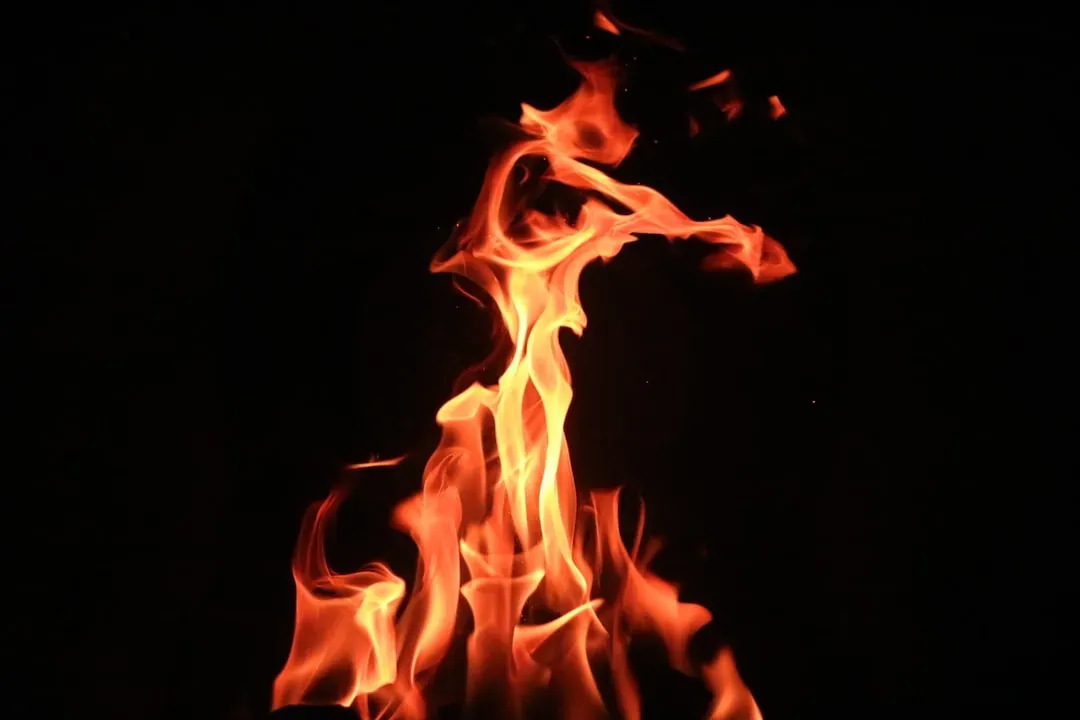
Studies in evolutionary psychology suggest that firelight affects attention and relaxation pathways. The moving patterns may engage visual systems in a way that reduces mental chatter. This response mirrors the calm many feel during meditation or quiet observation.
Heart rate and cortisol levels often drop when people sit near a fire. Such physiological shifts point to an inbuilt reward system tied to survival needs. The brain still registers the old benefits even when no real threat exists.
Cultural and Ritual Significance
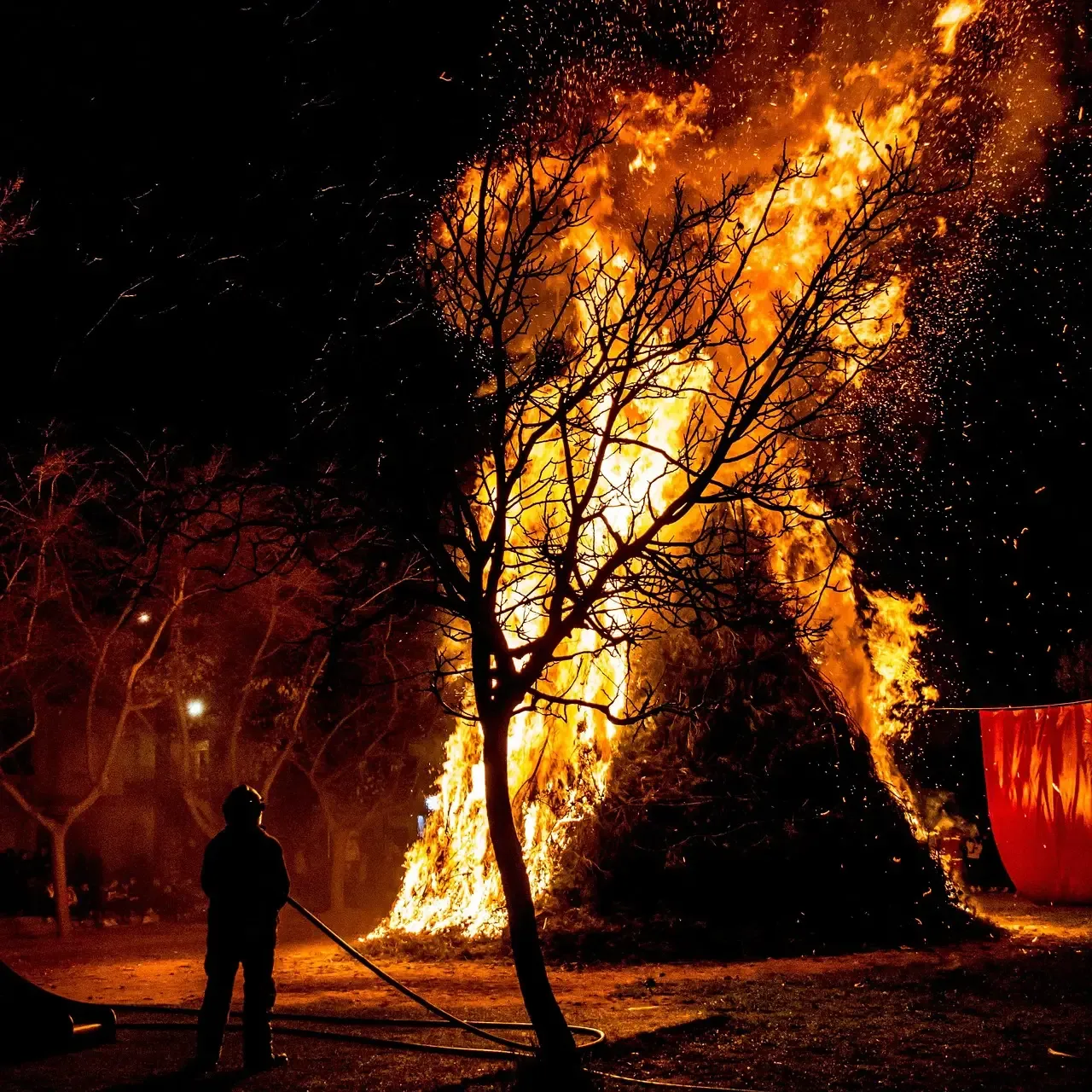
Across continents, fire appears in ceremonies marking births, marriages, and seasonal changes. These traditions keep the ancient association alive in collective memory. Communities continue to treat fire as a symbol of continuity and shared identity.
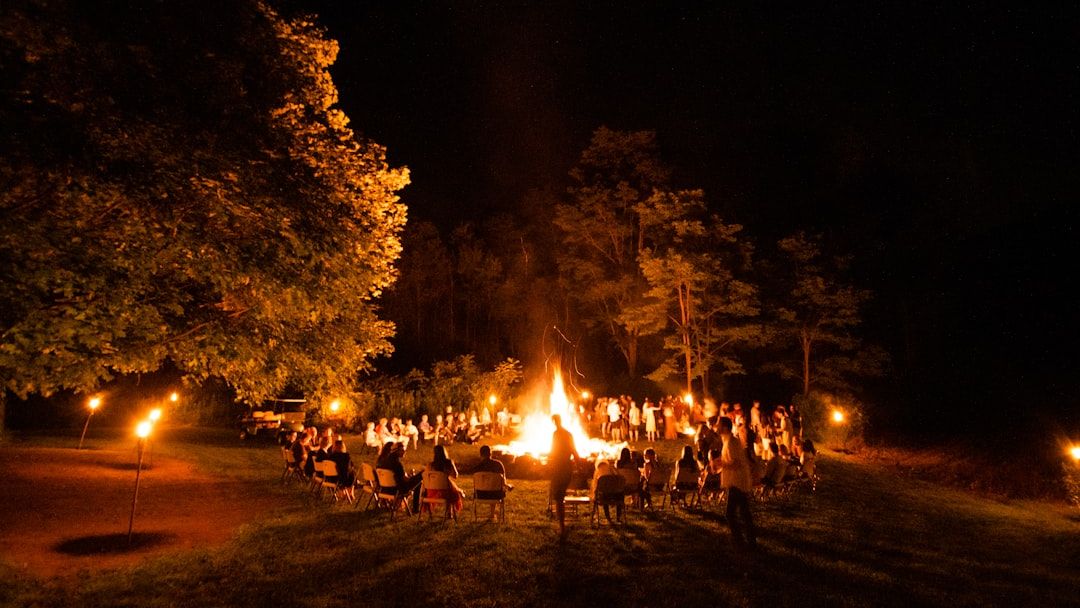
Bonfires and candlelight events draw crowds because they tap into that same heritage. The rituals feel meaningful precisely because they echo earlier necessities. Over time, the cultural layer adds emotional weight to the basic instinct.
Why Campfires Still Captivate Us
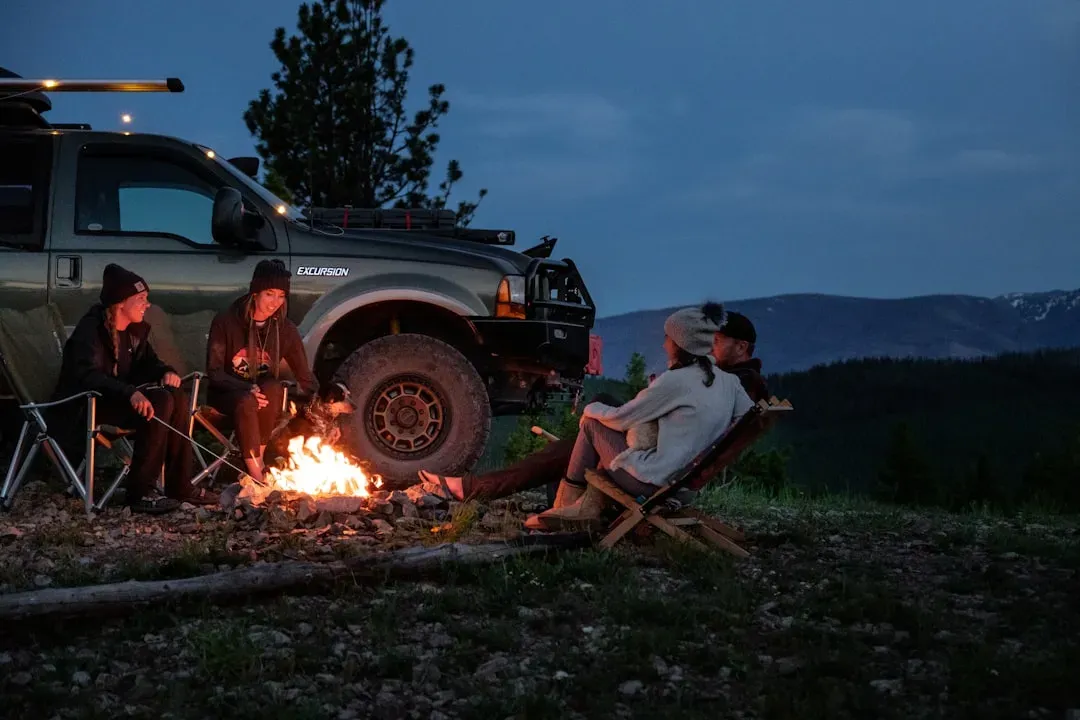
Modern camping trips often center on the fire pit as the evening hub. People roast food, tell stories, and linger longer than they might indoors. The setting recreates conditions where social bonds formed most readily in the past.
Even urban dwellers seek out fireplaces or fire pits during gatherings. The appeal persists because it satisfies needs for warmth, light, and togetherness that technology has not fully replaced. A simple flame can turn an ordinary evening into something memorable.
Embracing the Instinct in Daily Life
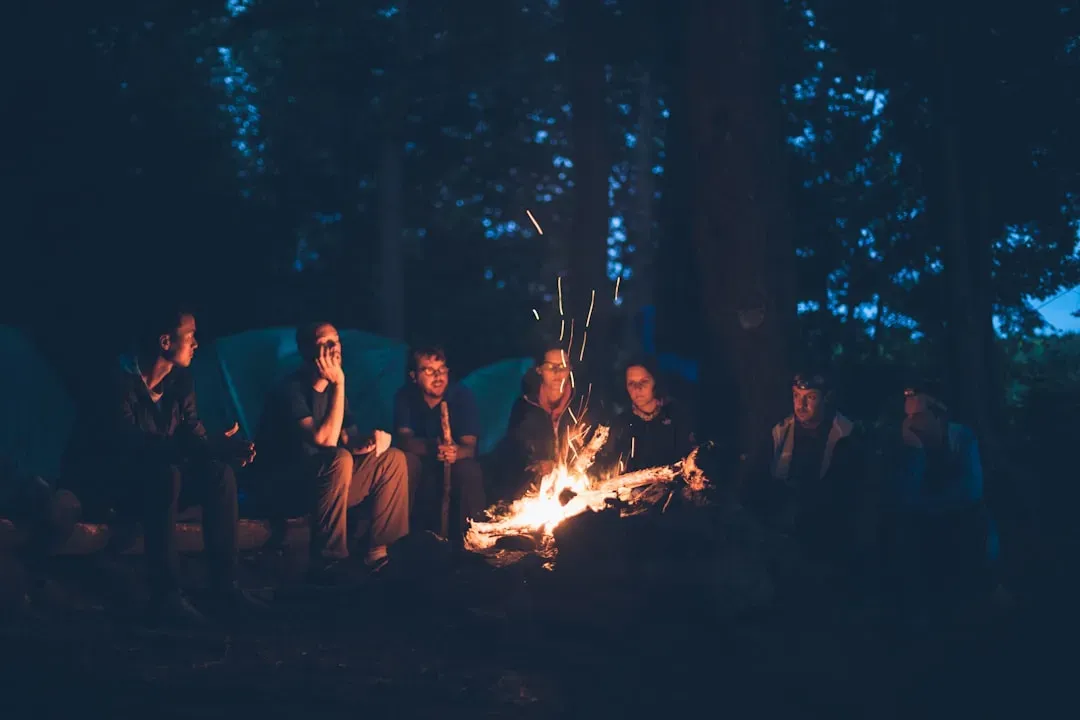
Recognizing this evolutionary pull invites more intentional use of fire in routines. Lighting a candle during meals or planning occasional outdoor fires can restore a sense of grounded presence. Such small acts connect people to a heritage that once meant the difference between thriving and merely surviving.
The draw toward fire is not a leftover quirk but a reminder of what sustained human groups for millennia. Honoring it thoughtfully can enrich modern experiences without needing dramatic change. In the end, the flames still offer what they always have: a quiet space where survival, safety, and connection meet.

- Why Veterinarians Say If Your Cat Sleeps With Their Back to You, It's the Highest Form of Trust in Feline Behavior - July 20, 2026
- The Zodiac Signs That Owls Avoid Completely (And What Folklore Says It Means About Your Energy) - July 20, 2026
- 13 Animals With the Most Incredible Camouflage Skills in Nature - July 20, 2026