


North America is home to diverse wildlife, including some remarkably dangerous creatures. From venomous reptiles to powerful predators, the continent harbors animals responsible for human fatalities each year. While attacks are relatively rare, understanding these animals and their behaviors can help people stay safe in their natural habitats. This article explores the 12 deadliest creatures found across North America, examining their characteristics, habitats, and what makes them particularly dangerous to humans.
12. Brown Recluse Spider
🔥 Would you like to save this?
We'll email this post to you, so you can come back to it later!
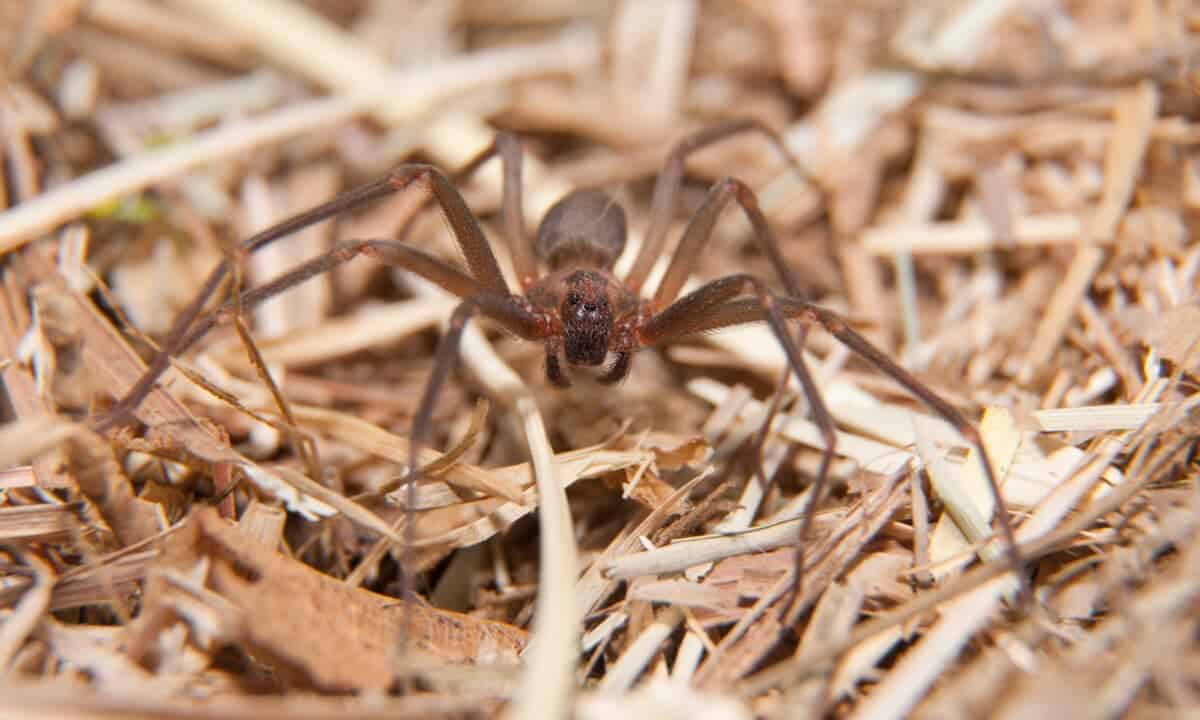
The brown recluse spider (Loxosceles reclusa) is notorious for its necrotic venom that can cause severe tissue damage. Measuring only about a quarter to half an inch in length, these small arachnids have a distinctive violin-shaped marking on their cephalothorax, earning them the nickname “fiddle-back” spiders. Brown recluse spiders typically inhabit dark, undisturbed areas like closets, attics, and woodpiles throughout the central and southern United States. While not aggressive, they will bite when threatened or pressed against skin. The venom contains sphingomyelinase D, an enzyme that destroys cell membranes and can cause a severe lesion that develops over days or weeks. In rare cases, systemic symptoms like fever, chills, nausea, and even kidney failure can occur. Though deaths are extremely rare, with fewer than 10 documented fatalities in the past century, their potential for causing serious injury earns them a place on this list.
11. Eastern Diamondback Rattlesnake

🔥 Would you like to save this?
We'll email this post to you, so you can come back to it later!
The Eastern diamondback rattlesnake (Crotalus adamanteus) is North America’s largest venomous snake and one of its deadliest. Adults typically range from 3 to 6 feet in length, with some specimens exceeding 7 feet. These impressive reptiles inhabit the southeastern United States, from North Carolina to Florida and west to eastern Louisiana. Their venom is a complex mixture of hemotoxins that destroy tissue and impair blood clotting, potentially leading to hemorrhaging and organ damage. With large venom glands and long fangs, a single bite can deliver a substantial dose of venom. Before striking, they typically warn predators and humans with their distinctive rattle. Despite their fearsome reputation, Eastern diamondbacks are responsible for relatively few deaths in the modern era, thanks to widely available antivenom. However, without prompt medical attention, a bite can be fatal. Their potent venom, combined with their large size and the amount they can inject, makes them particularly dangerous among North American snakes.
10. American Alligator

🔥 Would you like to save this?
We'll email this post to you, so you can come back to it later!
The American alligator (Alligator mississippiensis) is a massive reptilian predator found throughout the southeastern United States, with the largest populations in Florida and Louisiana. These ancient creatures can grow to impressive sizes, with males reaching up to 15 feet in length and weighing over 1,000 pounds. Despite their intimidating appearance, fatal alligator attacks are relatively rare, averaging about one per year in the United States. However, their powerful jaws—capable of exerting over 2,000 pounds of pressure per square inch—can crush bones and inflict devastating injuries. Alligators typically hunt by ambushing prey from the water, a strategy that occasionally puts humans at risk when swimming or wading in alligator habitat. While they generally avoid humans, alligators can become dangerous when habituated to people through feeding, during mating season (April to June), or when protecting their young. The increase in human population in alligator territories has led to more frequent encounters, making it essential for residents and visitors to exercise caution in alligator country.
9. Black Widow Spider

🔥 Would you like to save this?
We'll email this post to you, so you can come back to it later!
The black widow spider (Latrodectus mactans and related species) is instantly recognizable by the females’ glossy black bodies and distinctive red hourglass marking on their abdomens. These spiders are found throughout North America, particularly in the southern and western United States. Despite their small size—females are typically about 1.5 inches long including leg span—black widows pose a significant threat due to their potent neurotoxic venom. The venom contains alpha-latrotoxin, which causes intense pain, muscle cramping, and potentially dangerous systemic effects by triggering massive release of neurotransmitters. While rarely fatal to healthy adults in the modern era with medical care (less than 1% of bites result in death), black widow bites can be particularly dangerous for children, the elderly, and those with compromised immune systems. The good news is that these spiders are not aggressive and typically only bite when directly threatened or accidentally pressed against the skin. Despite their fearsome reputation, black widows are responsible for few deaths in North America, with most victims recovering completely with proper medical treatment.
8. Grizzly Bear

🔥 Would you like to save this?
We'll email this post to you, so you can come back to it later!
The North American grizzly bear (Ursus arctos horribilis) is one of the continent’s most formidable predators. These massive mammals can weigh up to 800 pounds and stand over 7 feet tall when on their hind legs. Found primarily in Alaska, western Canada, and portions of the northwestern United States, grizzlies possess incredible strength, with the ability to lift objects weighing over 500 pounds. Their long, sharp claws—measuring up to four inches—can inflict devastating injuries, while their powerful jaws can crush bones with ease. Despite their fearsome capabilities, fatal grizzly attacks are relatively rare, averaging fewer than three per year across North America. Most attacks occur when bears are surprised at close range, when a mother is defending her cubs, or when bears associate humans with food. While grizzlies typically avoid human contact, their unpredictable nature and immense physical power make them particularly dangerous when encounters do occur. Bear experts recommend carrying bear spray, making noise while hiking, properly storing food, and knowing how to respond during an encounter to minimize risk in grizzly country.
7. Timber Rattlesnake
🔥 Would you like to save this?
We'll email this post to you, so you can come back to it later!
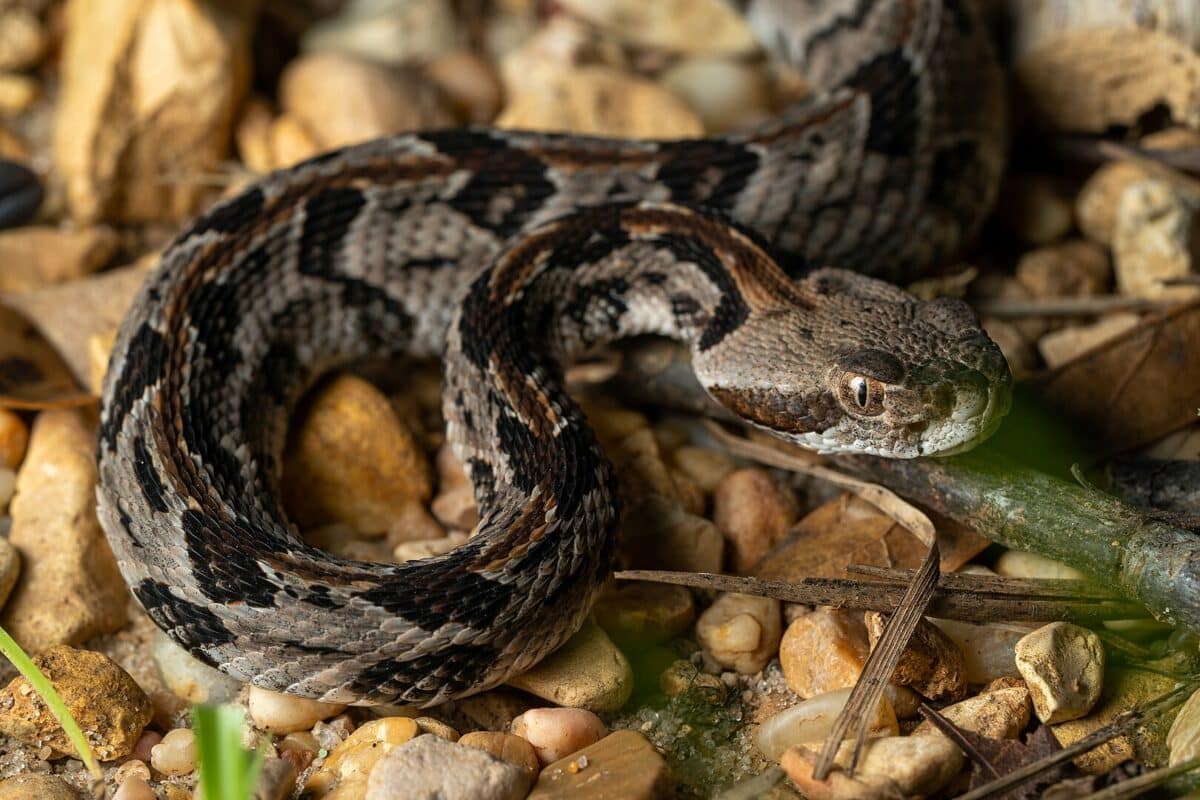
The timber rattlesnake (Crotalus horridus) is a large, venomous pit viper native to eastern North America, ranging from southern New Hampshire to northern Florida and west to eastern Texas and Minnesota. Growing to an average length of 3-5 feet, these snakes possess a potent venom composed of hemotoxins that destroy tissue and disrupt blood clotting, as well as neurotoxic components that can affect the nervous system. Their distinctive rattles, formed from interlocking segments of keratin, serve as a warning to potential threats. Despite their dangerous capabilities, timber rattlesnakes are generally reluctant to bite unless directly threatened, preferring to remain camouflaged or retreat when possible. Historical data suggests that untreated timber rattlesnake bites had a mortality rate of approximately 10-20%, though modern medical care and antivenom have dramatically reduced fatalities. Habitat destruction and persecution have led to population declines, with the species now protected in many states. Despite their declining numbers, timber rattlesnakes remain one of North America’s most dangerous snakes due to their wide distribution, large size, and potent venom.

Portable Dog Water Bottle Foldable Dog Travel Water Bottle
Check Price on AmazonAs an Amazon Associate, we earn from qualifying purchases.
10/7/2026 1:29 pm GMTi

Halloween Cat Costume Cloak Witch Hat Pet Accessories
Check Price on AmazonAs an Amazon Associate, we earn from qualifying purchases.
10/9/2026 2:44 pm GMTi

Glass Hummingbird Feeder for Outdoors Hanging, 16 oz Leak-Proof Nectar Feeder with Bee Guards & Ant Moat
Check Price on AmazonAs an Amazon Associate, we earn from qualifying purchases.
10/7/2026 1:22 pm GMTi

Halloween Dog Collar with Bow, Orange Cute Ghost Collar,
Check Price on AmazonAs an Amazon Associate, we earn from qualifying purchases.
10/9/2026 2:43 pm GMTi

Air Purifiers for Home Pets Large Room Up to 3000 Ft²,HEPA Air Cleaner with Washable Double-Side Filter, PM2.5 Air Quality Monitor,15dB Sleep Mode for Bedroom Odor Dust Pollen,White
Check Price on AmazonAs an Amazon Associate, we earn from qualifying purchases.
10/8/2026 8:23 am GMTi
6. Mountain Lion
🔥 Would you like to save this?
We'll email this post to you, so you can come back to it later!
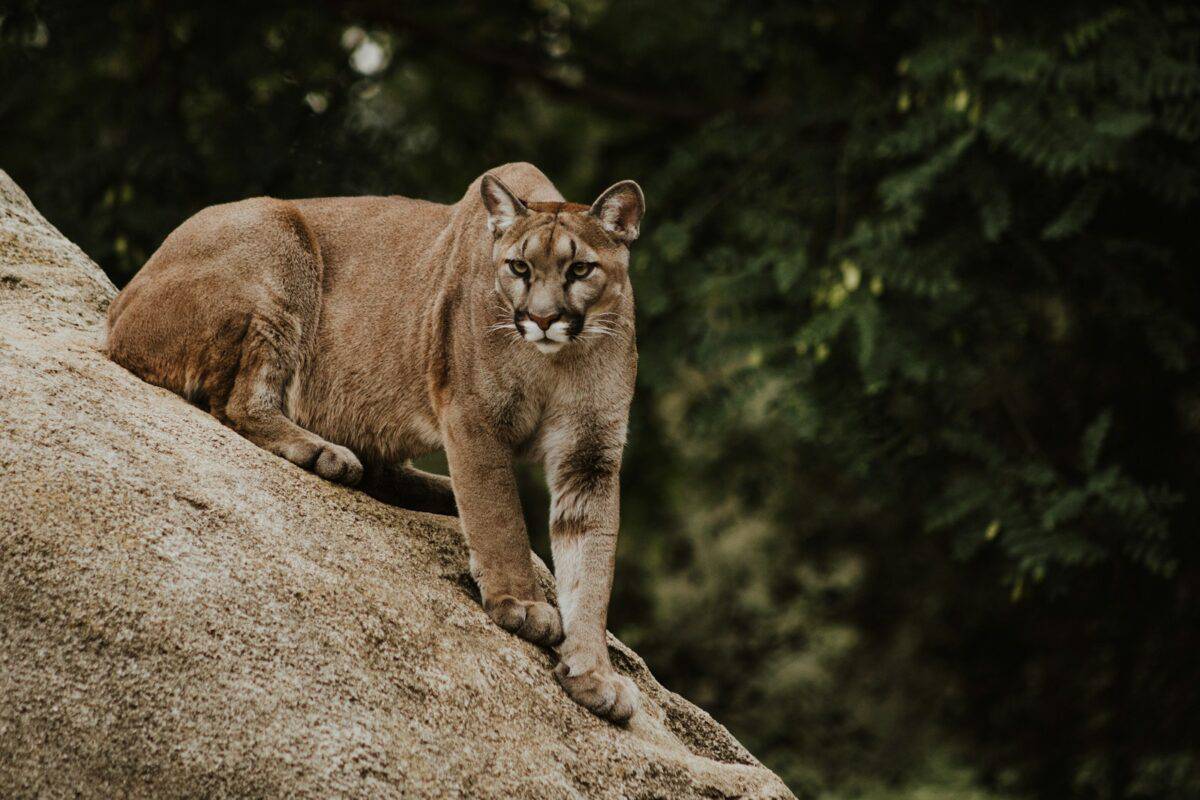
The mountain lion (Puma concolor), also known as the cougar, puma, or panther, is North America’s largest wild cat, with adults weighing between 80-200 pounds and measuring up to 8 feet in length from nose to tail. These solitary and elusive predators range from the Canadian Yukon to the southern Andes, though their historical territory in eastern North America has been significantly reduced. Mountain lions are ambush predators, capable of leaping 15 feet vertically and 40 feet horizontally, with powerful jaws that can break the neck of prey animals larger than themselves. Despite their impressive capabilities, fatal attacks on humans are extremely rare, averaging fewer than one per year in the United States and Canada combined. Most attacks involve young mountain lions, those habituated to humans, or individuals defending young or a kill. Their preference for attacking from behind, targeting the neck and head, makes them particularly dangerous when they do strike. Wildlife experts recommend maintaining eye contact, appearing large, making noise, and fighting back aggressively if attacked—behaviors that have been shown to deter mountain lion attacks.
5. Arizona Bark Scorpion

🔥 Would you like to save this?
We'll email this post to you, so you can come back to it later!
The Arizona bark scorpion (Centruroides sculpturatus) is the most venomous scorpion in North America and the only species on the continent whose sting can be life-threatening to humans. These light brown, slender arachnids grow to about 3 inches in length and are found throughout the southwestern United States, particularly in Arizona, and parts of northern Mexico. Unlike other scorpions, they’re excellent climbers and can be found on walls, ceilings, and trees. Their venom is a potent neurotoxin that can cause extreme pain, numbness, tingling, vomiting, and in severe cases, respiratory distress and convulsions. Children, the elderly, and individuals with compromised immune systems are at greatest risk of severe reactions. Before antivenom became widely available, deaths occurred regularly, but fatalities are now extremely rare in the United States, with the last recorded death in Arizona occurring in 1968. However, an estimated 800 to 2,000 stings still require medical treatment annually. The scorpions are nocturnal hunters that often enter homes seeking water and prey, making encounters with humans relatively common in their native range.
4. Gray Wolf
🔥 Would you like to save this?
We'll email this post to you, so you can come back to it later!
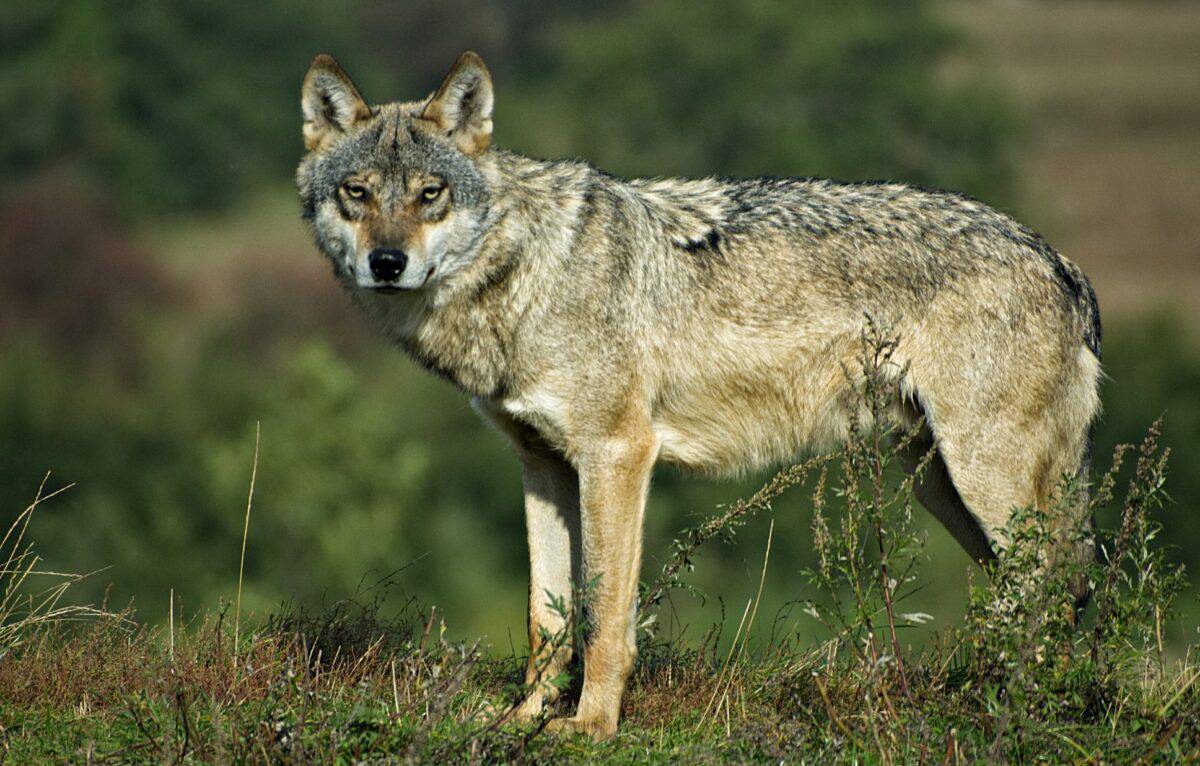
The gray wolf (Canis lupus) is one of North America’s apex predators, with adults weighing between 60-145 pounds and measuring up to 6.5 feet in length. Once widespread throughout the continent, wolves now primarily inhabit Alaska, Canada, and portions of the northern United States following extensive eradication campaigns in the 19th and early 20th centuries. These highly social carnivores live in family groups called packs and are capable of bringing down prey many times their size through coordinated hunting tactics. Their powerful jaws can exert over 1,500 pounds per square inch of pressure—strong enough to crush moose femurs. Despite their fearsome capabilities, fatal wolf attacks on humans are exceedingly rare in North America. The last confirmed fatal attack in the United States occurred in 2010 in Alaska, and historically, verified fatal attacks have numbered fewer than two dozen in the past century across North America. Wolves typically avoid human contact, with most documented attacks involving rabid animals, wolves habituated to humans, or extreme circumstances such as severe winter conditions affecting prey availability. Their inclusion on this list acknowledges their potential danger rather than their statistical threat to humans.
3. Polar Bear

🔥 Would you like to save this?
We'll email this post to you, so you can come back to it later!
The polar bear (Ursus maritimus) stands as North America’s largest terrestrial predator and one of its most dangerous animals. Adult males can weigh over 1,500 pounds and stand 10 feet tall when on hind legs. These Arctic specialists inhabit the ice-covered waters of northern Alaska, Canada, and Greenland, where they hunt primarily for seals. Unlike other North American bears, polar bears are true carnivores and view humans as potential prey. Their immense strength, sharp claws, and powerful jaws make them formidable predators capable of killing with a single blow. While attacks are rare due to limited contact with humans, they are more likely to actively stalk and hunt people than other bear species. Between 1870 and 2014, there were approximately 73 confirmed polar bear attacks on humans resulting in 20 human fatalities across the Arctic regions. Climate change poses a significant threat to polar bear populations as sea ice—their primary hunting ground—continues to diminish. Paradoxically, this habitat loss may lead to more human-bear conflicts as hungry bears are forced ashore for longer periods, potentially increasing dangerous encounters in coastal communities.

Earth Rated XL Dog & Puppy Pee Pads, Discreet Top, Max Absorbency
Check Price on AmazonAs an Amazon Associate, we earn from qualifying purchases.
10/7/2026 1:28 pm GMTi

Hand Blown Glass Hummingbird Feeders for Outdoors Hanging, 24oz Wild Bird Nectar Feeder
Check Price on AmazonAs an Amazon Associate, we earn from qualifying purchases.
10/7/2026 1:23 pm GMTi

Professional 7 in 1 Dog Paw Cleaner for Dogs & Cats - Includes 1 Portable Paw Washer, 1 Bath Brush
Check Price on AmazonAs an Amazon Associate, we earn from qualifying purchases.
10/7/2026 1:26 pm GMTi

Orthopedic Extra Large Dog Bed, Waterproof Washable XL Pet Bed 44"
Check Price on AmazonAs an Amazon Associate, we earn from qualifying purchases.
10/7/2026 1:32 pm GMTi

Dog Stairs for Bed 18" H, 4-Step Dog Steps for High Bed
Check Price on AmazonAs an Amazon Associate, we earn from qualifying purchases.
10/9/2026 2:42 pm GMTi
2. Bull Shark

🔥 Would you like to save this?
We'll email this post to you, so you can come back to it later!
The bull shark (Carcharhinus leucas) is widely considered one of the most dangerous sharks to humans due to its aggressive nature, powerful bite, and unique ability to thrive in both saltwater and freshwater environments. Growing up to 11.5 feet in length and weighing up to 500 pounds, these formidable predators can be found along the Atlantic coast from Massachusetts to Brazil, throughout the Gulf of Mexico, and occasionally in major river systems such as the Mississippi. Bull sharks possess the strongest bite force of any shark species relative to their size—a staggering 1,300 pounds per square inch—and have been implicated in numerous attacks on humans. Their tolerance for fresh water allows them to venture hundreds of miles upriver, bringing them into unexpected contact with humans in areas generally considered safe from sharks. According to the International Shark Attack File, bull sharks are believed to be responsible for the third-highest number of unprovoked attacks on humans worldwide, behind only great white and tiger sharks. Their tendency to hunt in murky, shallow waters where visibility is poor increases the likelihood of mistaken identity attacks on swimmers and waders. In North American waters, they are responsible for several fatal attacks along the Gulf Coast and Florida shorelines.
1. Western Diamondback Rattlesnake
🔥 Would you like to save this?
We'll email this post to you, so you can come back to it later!
The western diamondback rattlesnake (Crotalus atrox) is responsible for more snakebite fatalities in Mexico than any other species and ranks second only to the eastern diamondback for fatal bites in the United States. These large pit vipers typically grow to 3-5 feet in length, with some specimens exceeding 7 feet. Their range extends from central Arkansas through Texas and Oklahoma into the southwestern United States and northern Mexico. Western diamondbacks possess long, hollow fangs that can inject a hemotoxic venom causing tissue damage, internal bleeding, and potentially death if left untreated. What makes these snakes particularly dangerous is their defensive behavior—when threatened, they stand their ground rather than retreat, forming a striking coil and rattling their tail as a warning. They’re capable of striking up to two-thirds of their body length and can deliver multiple bites in rapid succession. Each year, western diamondbacks are responsible for approximately 10-20% of venomous snakebites in the United States, with an estimated 6,500 rattlesnake bites occurring annually. Before the development of antivenom, mortality rates from western diamondback bites exceeded 20%, though today, with prompt medical treatment, fatalities occur in less than 1% of cases.

PetSafe Oasys Pet Fountain, 1/2 Gallon (64 oz), Small Dogs & Cats
Check Price on AmazonAs an Amazon Associate, we earn from qualifying purchases.
10/8/2026 8:14 am GMTi

Smart Bird Feeder with Camera Solar Powered, 2K HD Live Video, 10,000+ Bird Species AI Identification
Check Price on AmazonAs an Amazon Associate, we earn from qualifying purchases.
10/7/2026 1:22 pm GMTi

Glass Hummingbird Feeder for Outdoors Hanging
Check Price on AmazonAs an Amazon Associate, we earn from qualifying purchases.
10/7/2026 1:21 pm GMTi

2 Pcs Halloween Pet Hat Bandana Set, Witch Pumpkin Costumes for Dogs
Check Price on AmazonAs an Amazon Associate, we earn from qualifying purchases.
10/9/2026 2:45 pm GMTi
Conclusion:

🔥 Would you like to save this?
We'll email this post to you, so you can come back to it later!
North America’s deadliest creatures represent a diverse collection of animals that have evolved remarkable adaptations for survival, some of which can prove fatal to humans under certain circumstances. While the statistical likelihood of dying from an encounter with these animals is extremely low for most people, understanding their behavior and habitat preferences is crucial for coexistence. It’s worth noting that humans kill far more of these animals than vice versa, and many species on this list are facing population pressures due to habitat loss, climate change, and direct persecution. Conservation efforts balanced with public safety measures remain essential for maintaining healthy ecosystems while protecting human communities. When venturing into natural areas, practicing appropriate precautions—such as making noise while hiking in bear country, watching where you step in rattlesnake habitat, or properly storing food when camping—can significantly reduce the already minimal risk of dangerous wildlife encounters.

As a little kid, I fell in love with nature, wildlife, and animals. Living in the USA, South Africa, Italy, China and Germany gave me the opportunity to discover the world's Wildlife. My favorite animals are Mountain Gorillas, Siberian Tigers, and Great White Sharks.
I'm a certified PADI Open Water Diver, went to Everest Base Camp and Trekked Gorillas in Uganda. I hold a Master of Science in Economics and Finance.
Please send any feedback to feedback@animalsaroundtheglobe.com
- 11 Things Dogs Crave From Their Owners And 3 They Do Not Want - November 10, 2026
- 12 Deadliest Creatures in North America - November 10, 2026
- 10 Fish Species That Love Open Water And 1 That Stay in Caves - November 10, 2026
Leave a comment
You must be logged in to post a comment.