
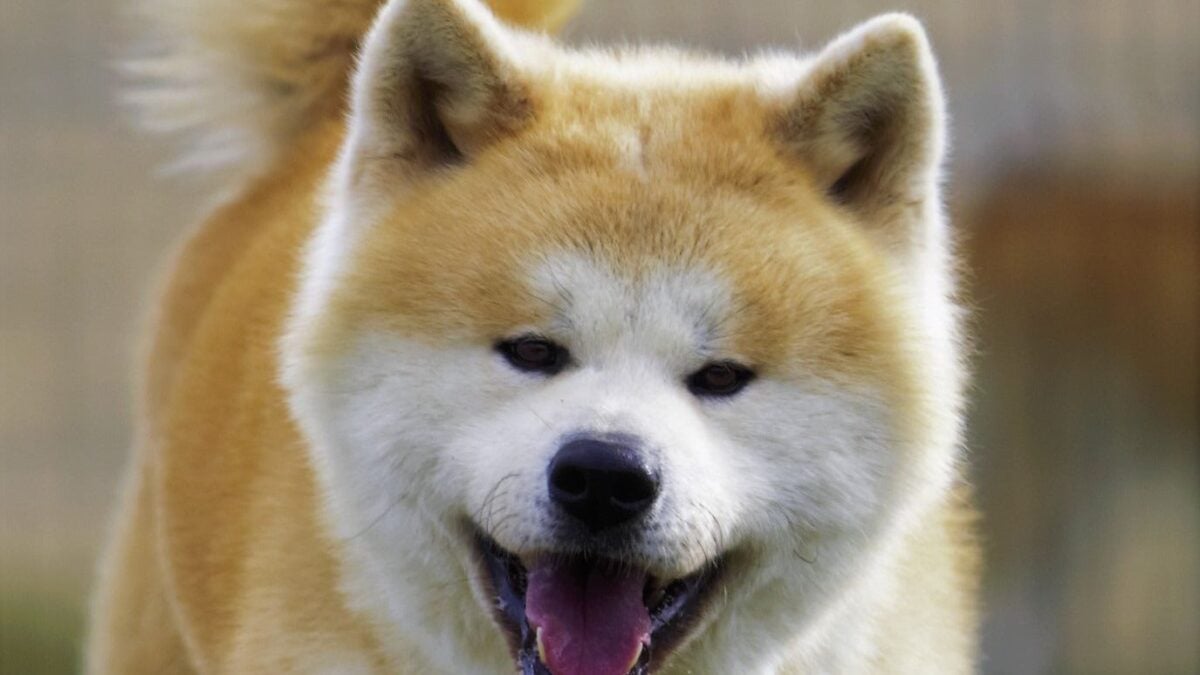
Picking a family dog is one of those decisions that looks deceptively simple from the outside. A cute face at a breeder’s website, a charming viral video, a neighbor’s seemingly well-behaved pup in the park, and suddenly you’re convinced you’ve found the one. What most new owners don’t realize is that behind the scenes, animal behaviorists and experienced trainers are quietly steering clients away from certain breeds again and again.
The issue is rarely about a breed being “bad.” It’s more about the gap between what a breed genuinely needs and what a new family is realistically prepared to provide. Some breeds are naturally more patient, gentle, and tolerant with kids, while others may struggle with the unpredictability and energy of little ones, not because of bad character but because of temperament, size, or care needs. The twelve breeds below show up on that list more often than most people expect.
1. Belgian Malinois
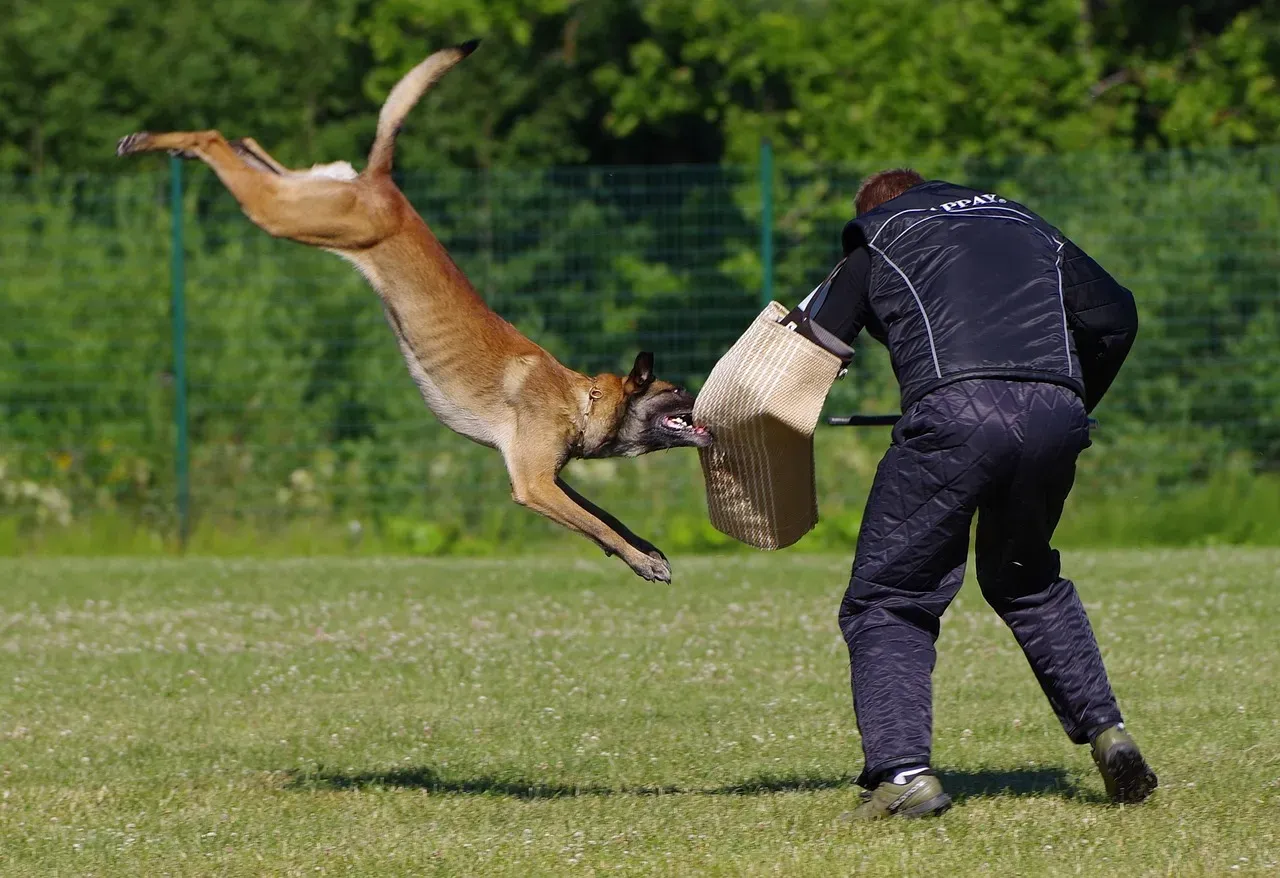
Few breeds have climbed in popularity as fast as the Belgian Malinois, largely thanks to their starring role in military and police operations. With their immense strength, an untrained Belgian Malinois can easily overpower and injure their owner and others, and their popularity for K-9 military, police, and security jobs reflects their strong instincts for protecting and guarding.
Belgian Malinois need intense mental and physical stimulation to stay healthy and happy. Without it, they can become destructive, anxious, and even dangerous. A walk around the block simply won’t cut it.
Malinois thrive on wrestling and roughhousing, which can be hazardous especially around children, and if they are not taught bite inhibition from a young age, they can develop dangerous bite strength as adults. For a new family still learning the ropes of dog ownership, this is a genuinely high-stakes combination.
2. Akita
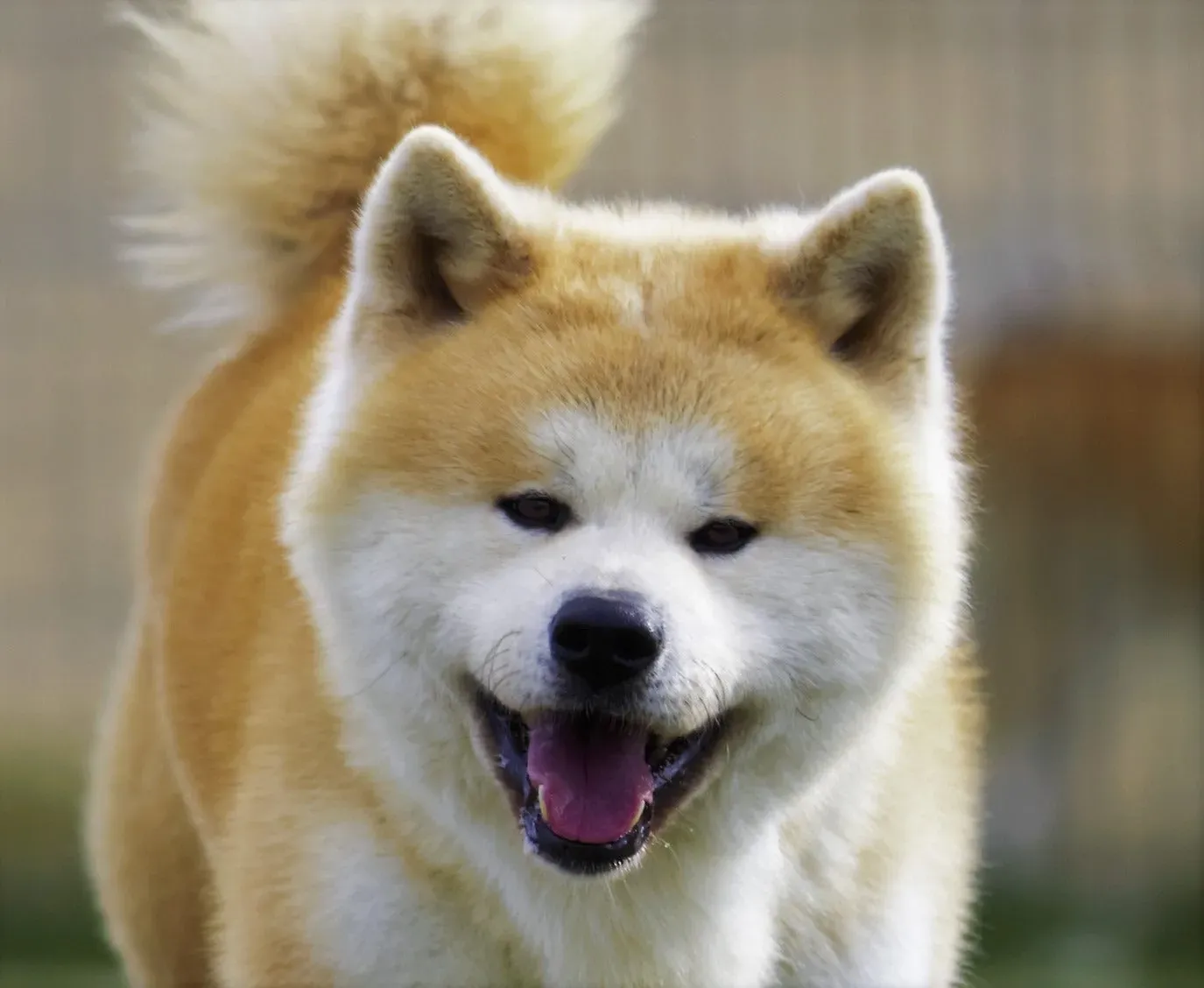
Akitas were bred to hunt big game, so they have a strong prey drive and can be aggressive if not adequately socialized and trained. That history runs deep and shapes how they interpret the world around them every single day.
Because Akitas are stern and somber, they don’t tolerate silliness or teasing very well, and if they think children are being too erratic, they might not respond appropriately. An Akita might also be protective of children in your family but dislike outsiders, which can be dangerous for guests.
The loyalty of an Akita is genuine and admirable. The problem is that Akitas may have a strong guarding instinct that can lead to aggression if not properly socialized. That kind of management requires experience, patience, and time that most new families are still building.
3. Chow Chow
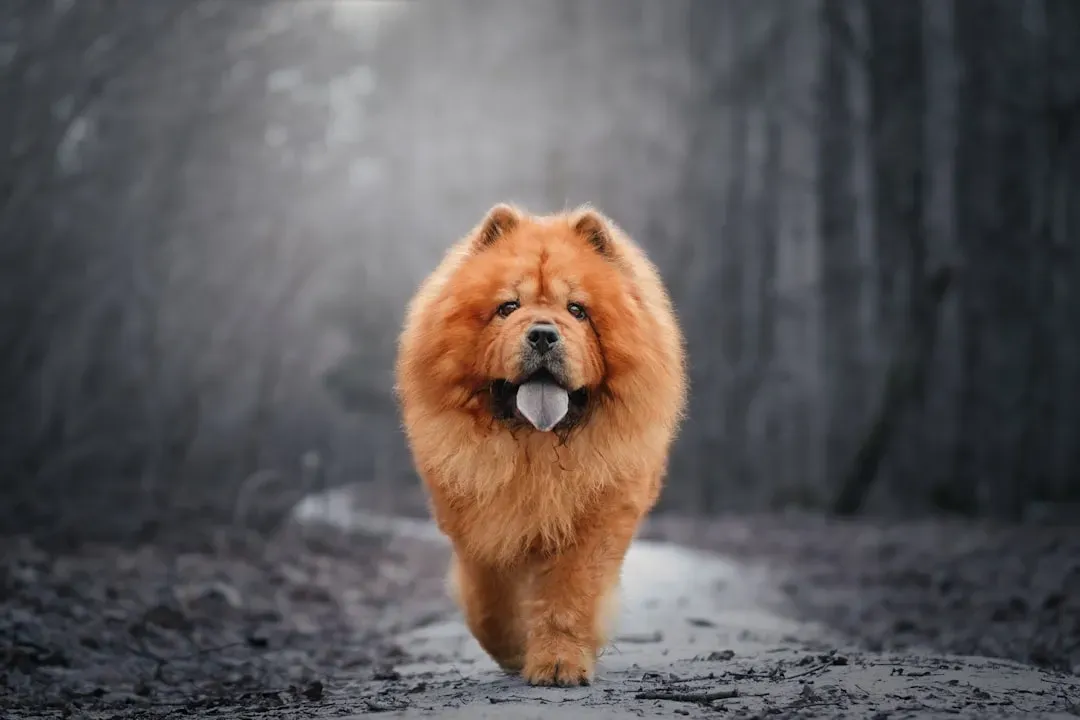
Despite looking like teddy bears, Chow Chows don’t act like them. Their adorable face and purple tongue stand out among other breeds, but a Chow Chow may require 80 to 100 repetitions to learn a command. Training one takes serious commitment.
While intelligent, these dogs are stubborn. Raising a well-mannered and well-adjusted Chow takes a lot of training and patience, so they do best with experienced owners. Because of their long double coats, Chows also have relatively intense grooming needs.
The Chow Chow is aloof and independent, and this breed can be territorial and less tolerant of rough play. Combine that with a home full of unpredictable young children, and you have a recipe for stress for the dog and the family alike.
4. Border Collie
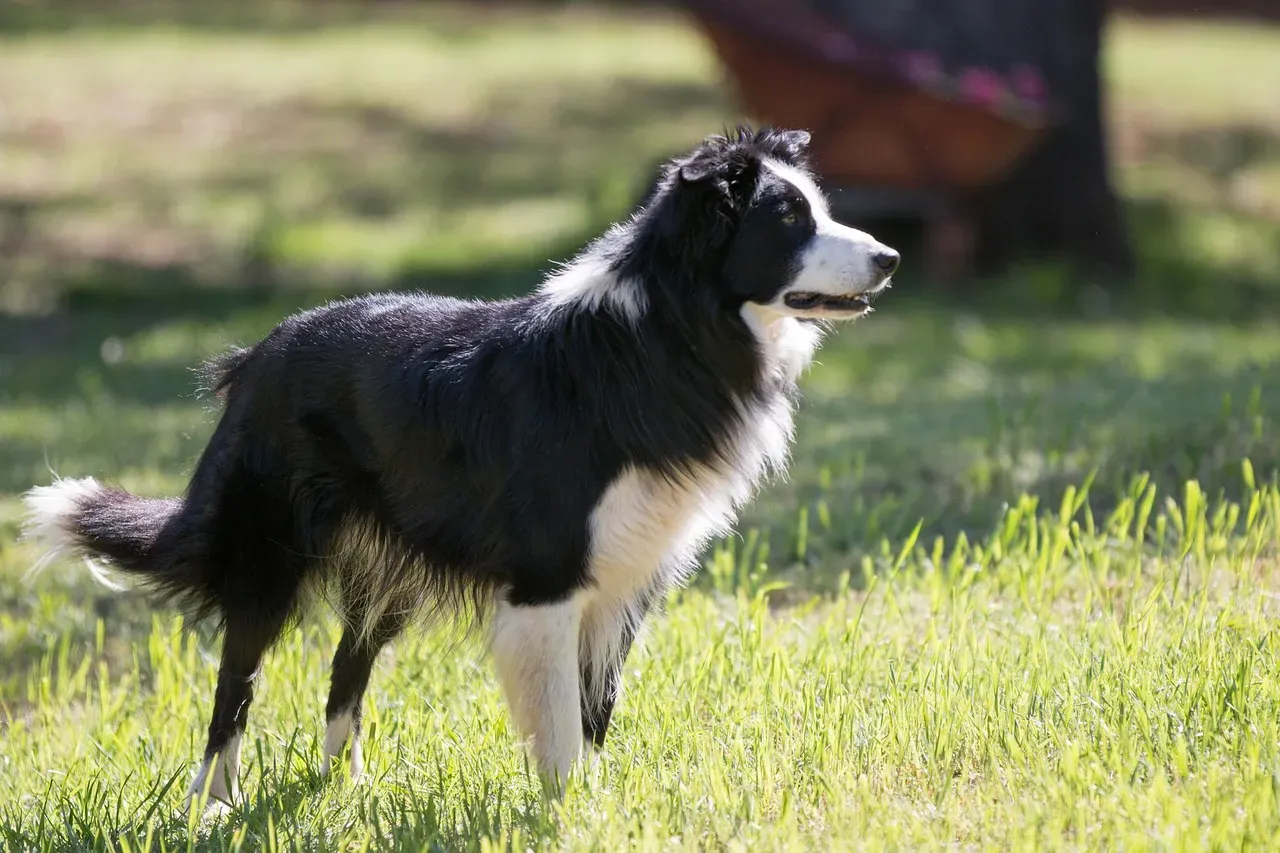
Traditionally bred as livestock herders, Border Collies are intelligent workaholics, needing lots of exercise and a job to do. Without an outlet for their herding instincts, they may nip at the heels of children or chase after bikes or cars.
They may start barking, digging, and nipping out of nowhere, and many dog owners have reported their Border Collies breaking house training, chewing furniture, and scratching walls. None of that is aggression. It’s boredom, which can be just as exhausting to manage.
These dogs are best suited to country life and do not do well as urban apartment dwellers because of their intense need for physical activity. Natural herders, Border Collies are prone to nipping at peoples’ heels, and they tend to be standoffish or snappy with strangers. A high-energy, intellectually understimulated Border Collie in a busy family home is a difficult situation for everyone involved.
5. Dalmatian
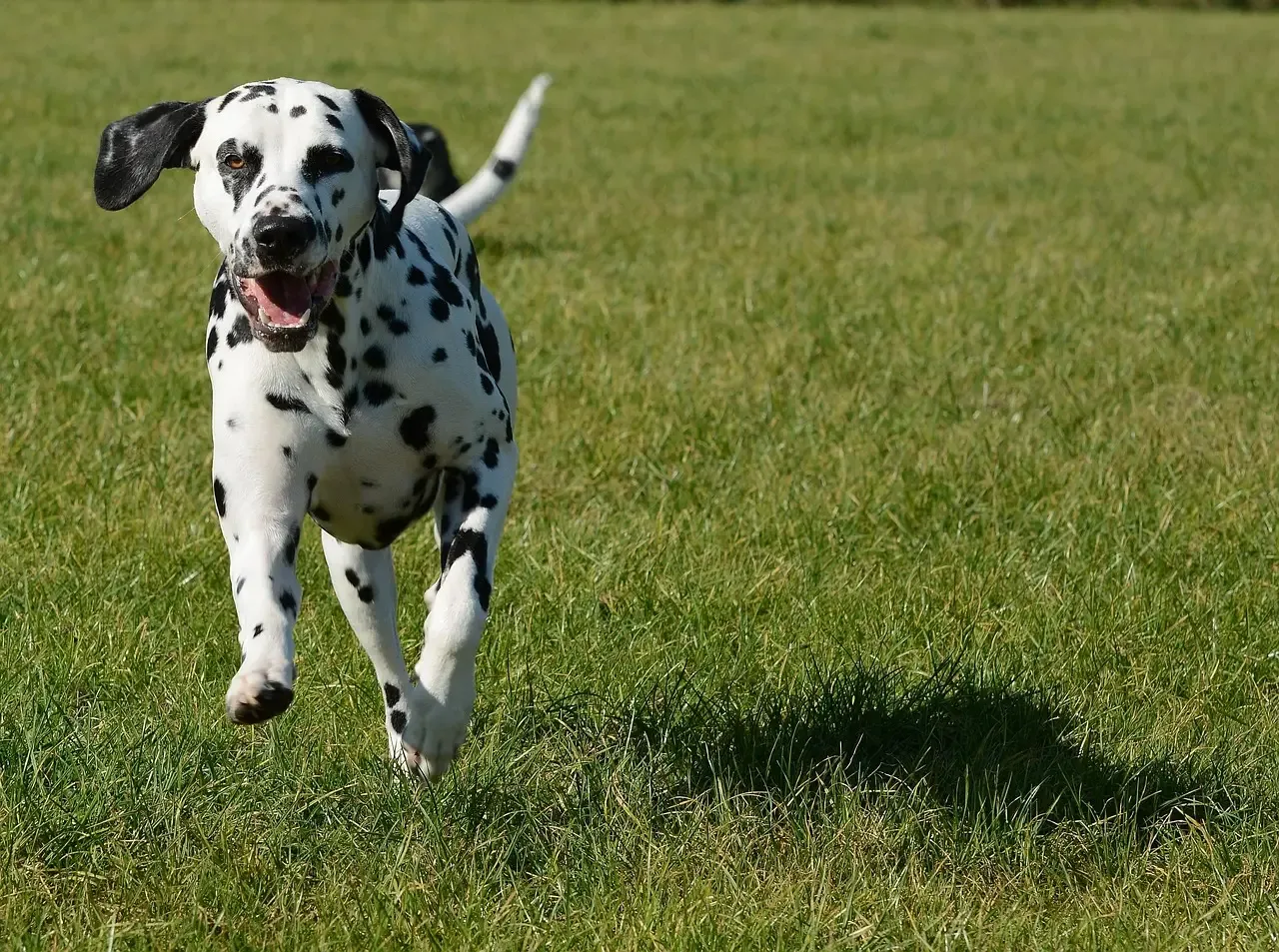
Dalmatians are working dogs packed with loads of energy. They were bred to run, making them one of the fastest breeds. In fact, they used to run alongside horses and fire engines. Their exercise requirements reflect that history directly.
Dalmatians can become destructive and bark endlessly when not given the desired stimulation. Despite having a short coat, Dalmatians still shed heavily. The care demands go well beyond what their slim, elegant appearance suggests.
Energetic and strong-willed, Dalmatians require consistent training and may become overly excitable around children. They can be prone to behavioral issues if they’re bored or not properly socialized, and they are known for their strong protective instincts and can be headstrong and are not always easy to train.
6. Siberian Husky
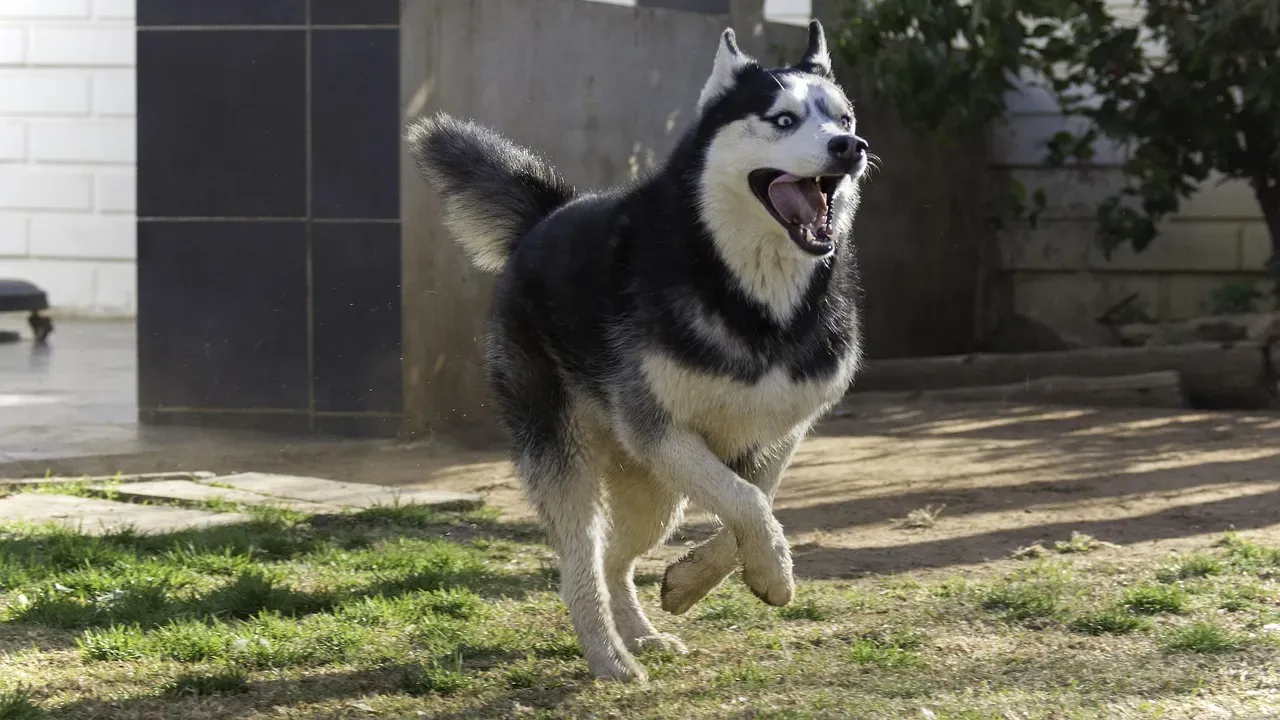
Siberian Huskies are among the highest energy dogs out there, developed as sled dogs capable of traversing long distances. They need heaps of exercise and mental stimulation. Otherwise, they’ll find more unsavory ways of exhausting their energy and relieving their boredom.
Huskies are notorious escape artists, and they require plenty of dedicated training and a secure environment to keep their escapades in check. Fencing a yard well enough to contain one is a real practical challenge, not just a theoretical one.
If you’re not a fan of noise, be aware that Huskies are extremely vocal dogs. They love the sound of their own voice and aren’t afraid to express their feelings through whines, chirps, or howls. Training a Husky to keep their voice down can prove challenging, especially for first-time dog owners. Apartment neighbors will have opinions.
7. Alaskan Malamute
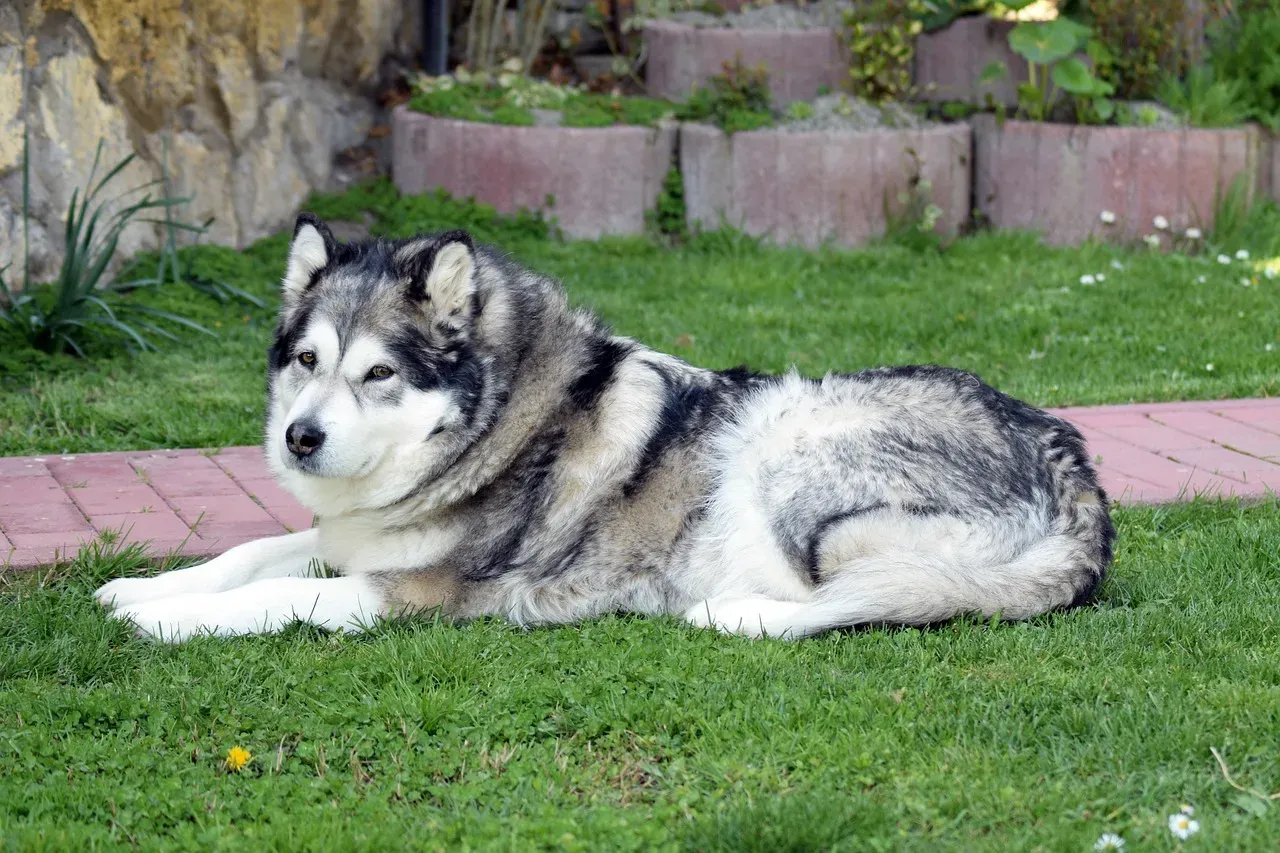
Known as the oldest working dogs, Alaskan Malamutes are strong canines with impressive endurance levels. They can carry heavy loads for longer distances but are not very fast. Their power is real, and it doesn’t disappear when they’re living in a suburban home.
Malamutes are intelligent but stubborn, demanding patient, consistent training. Their high prey drive makes them prone to chasing small animals, and they may assert dominance with other dogs if not properly socialized.
Playful and goofy, they’re great with older children but may accidentally knock over toddlers due to their size. Malamutes enjoy outdoor adventures and need tasks like hiking or carting to stay engaged. Without mental and physical stimulation, they may become destructive, digging or chewing out of boredom. That’s a lot to manage for a family still figuring out the basics.
8. Rottweiler
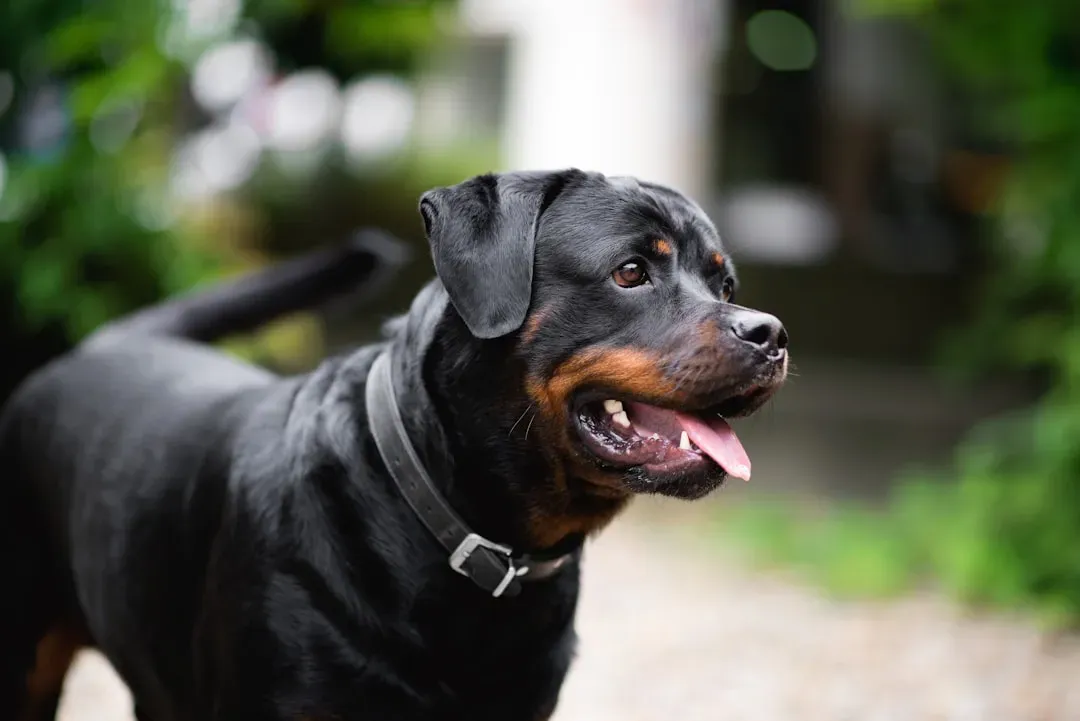
The general behavior of Rottweilers fluctuates significantly. You may find them being playful one moment, but they become aggressive toward strangers and other dogs the next, and owning a Rottweiler isn’t a smart choice for first-time owners.
They require intensive training and socialization to become well-behaved adults. If not properly trained, Rottweilers can become too protective of their owners and will often lash out at strangers for no apparent reason if they feel their owner is threatened.
Guardian breeds like the Rottweiler with strong protective instincts can be more challenging for inexperienced owners. They require proper socialization, consistent leadership, and early training to ensure they become well-behaved and well-adjusted companions. That foundation takes real expertise to lay correctly.
9. Cane Corso
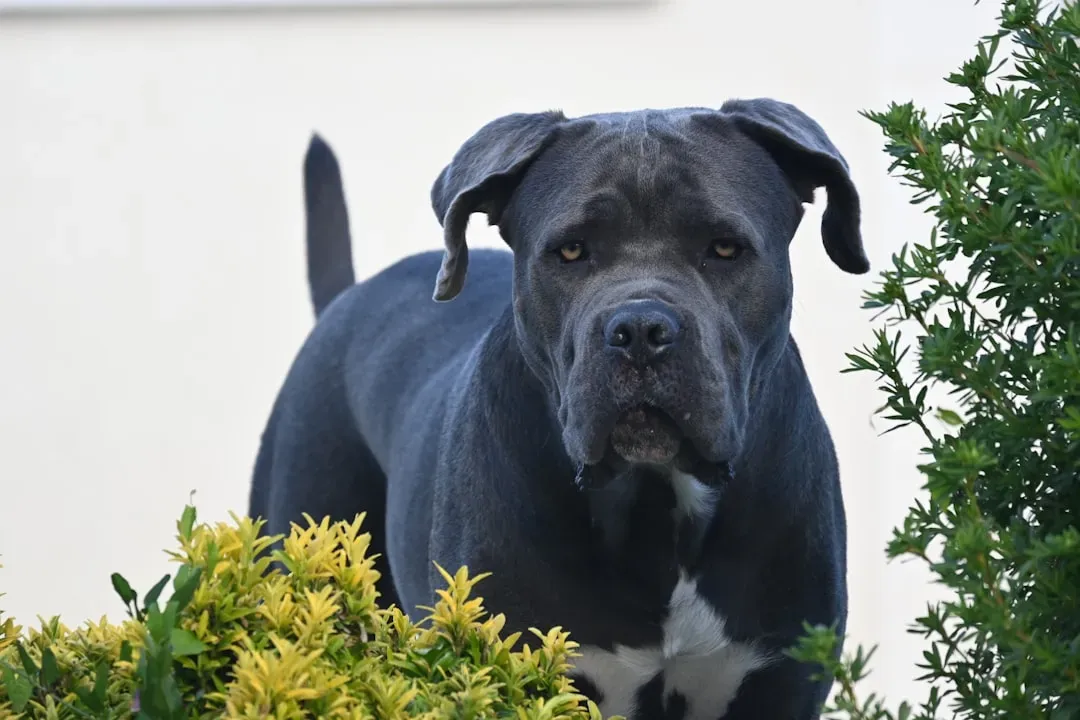
The Cane Corso is a large, muscular breed known for its strength and protective instincts, and can be difficult to handle without proper training and guidance, especially given their size. For experienced dog owners who can provide structure, these dogs are incredibly loyal and protective.
The Cane Corso requires patience and consistency. They are deliberate learners, needing more repetitions to internalize commands. Their independent nature responds best to clear, fair leadership and positive reinforcement.
The Cane Corso’s size alone raises the stakes. A Cane Corso would make an excellent working guard dog or loyal companion, but most experts would hesitate to recommend it to an inexperienced dog owner or young family. The breed’s power combined with an untrained protective instinct is a serious responsibility to take on.
10. Airedale Terrier
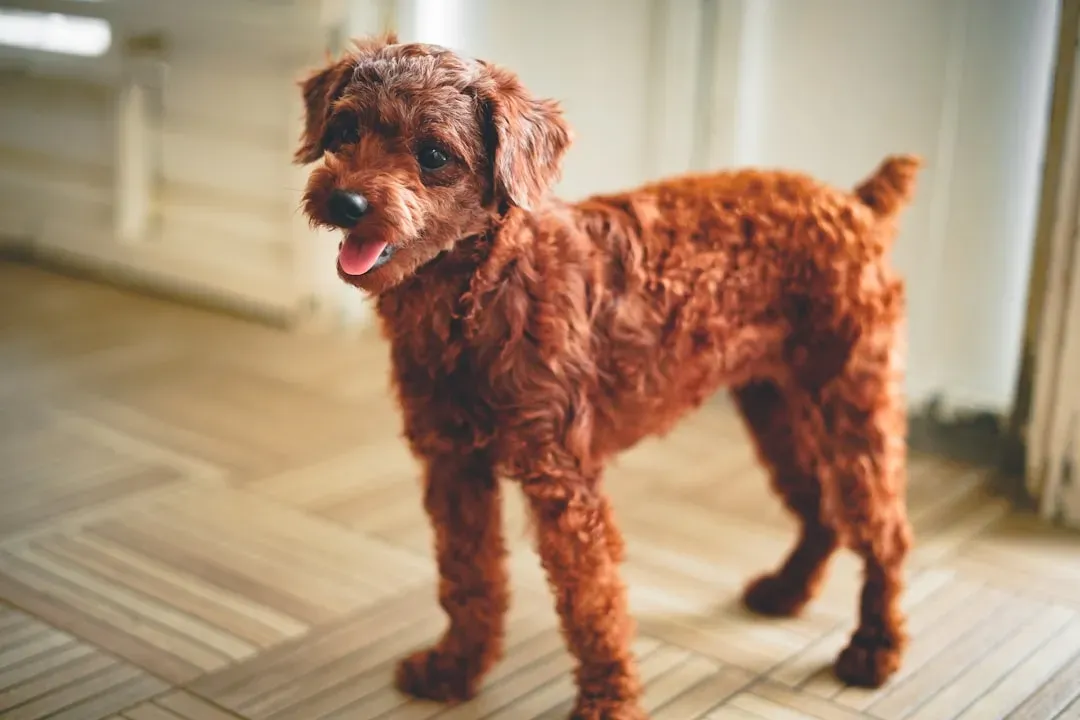
Airedale Terriers are the largest Terriers and aren’t the best pets for families with small children. They are independent thinkers, which helps them with hunting but makes them challenging to train.
They also experience separation anxiety if left alone for long periods. If they get stressed, they can engage in destructive behavior such as digging holes in the mud, chasing other pets, and tearing up furniture. High energy paired with a stubborn streak is a genuinely demanding combination.
They can also become aggressive when meeting strangers and need thorough training. To keep your Airedale Terrier occupied, you must provide exercise regularly and mental stimulation. For a family juggling work, school, and everything else, that’s a significant daily commitment.
11. Weimaraner
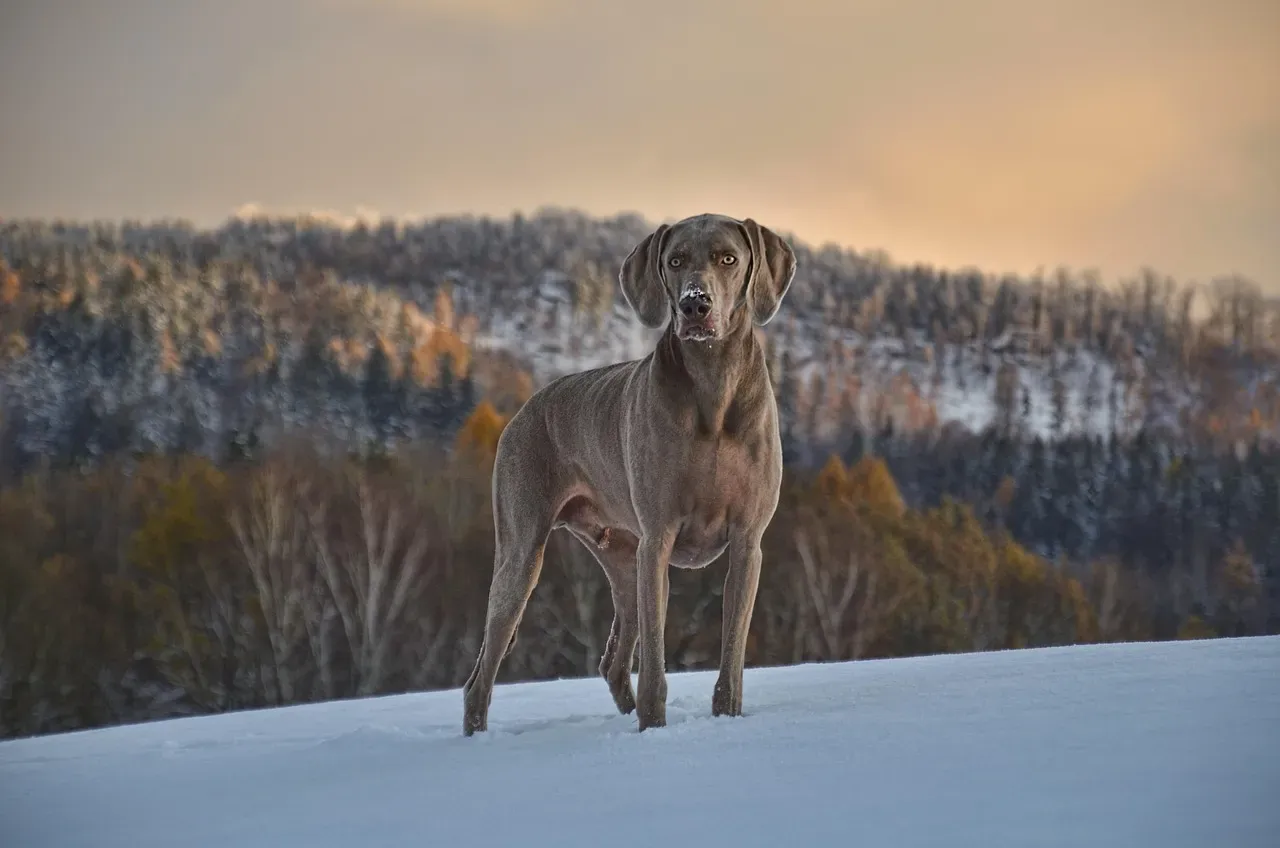
The Weimaraner is one hunting breed that should not be a popular choice for most families and should not be kept around the house without anything to do. Weimaraners are prone to separation anxiety and, like many hunting dogs, are known as a “Velcro” breed.
Weimaraners do best with experienced owners who can commit to daily exercise and consistent training to keep them happy and well-behaved. The energy and emotional dependency of this breed is something most new dog owners underestimate significantly.
If an owner just wants a dog and cannot deal with one that sticks to them constantly, they are not a good breed to have. If you are an avid hunter, work from home, and want a dog that will be with you all day, this breed is a good choice. If you are not, the Weimaraner probably should not be adopted.
12. Shar Pei

Shar Pei dogs are independent and stubborn and require an owner experienced in positive reinforcement training. They don’t respond well to harsh methods. Their skin folds need daily cleaning and maintenance to prevent infection, and this level of grooming responsibility can be challenging for new owners.
Shar Peis tend to be reserved or aloof with strangers if not properly socialized from a young age. As guard dogs, they can be suspicious and protective over their property and owners without extensive training, and this could lead to aggression if mishandled.
By appearance, you’d think there is no way these cuddly looking dogs could be difficult, but they have a hard time socializing and are not thought of as a very friendly breed. Shar Peis are often highly territorial. That combination of health complexity and social wariness makes them a poor first match for families still building their dog-handling skills.
What All of This Actually Means
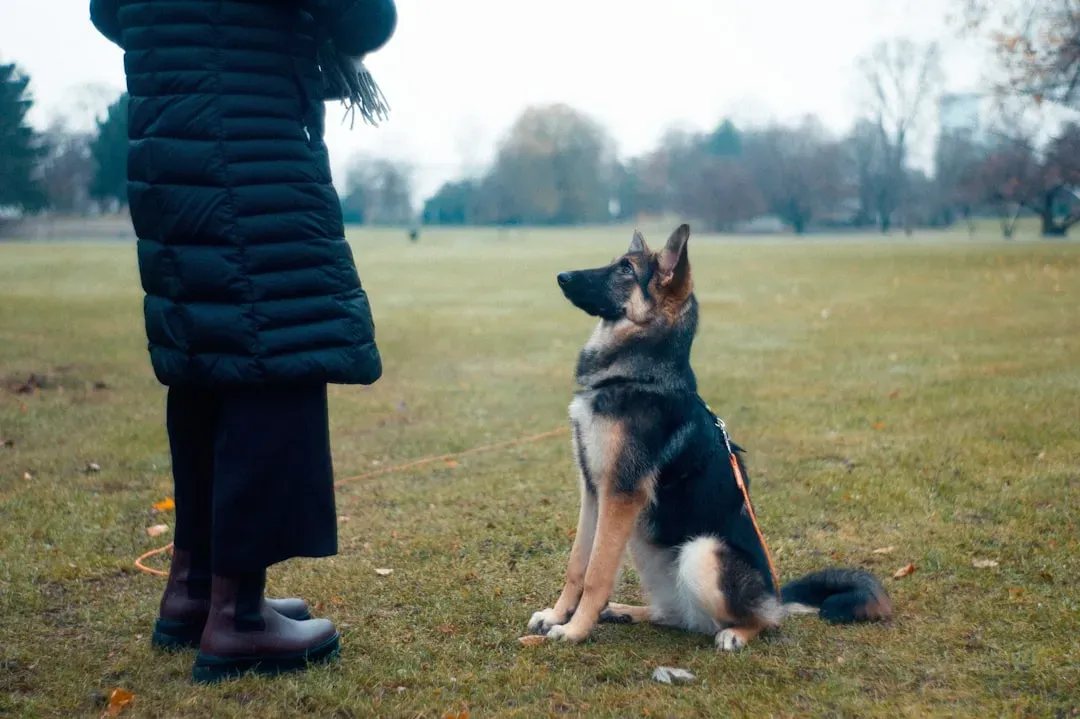
None of these breeds are hopeless, and none of them are bad. The honest takeaway is simpler than that. Without much experience, highly independent, task-oriented, stubborn, aggressive, or anxious dogs can be very challenging for first-time pet parents and require intense training and attention. While dog breed temperaments can vary widely within individual dogs, some breeds are generally known to have characteristics that can be challenging for new owners, traits that require experienced handling, consistent training, and an understanding of the breed’s specific needs.
It’s important to remember that individual dogs within breeds can have unique temperaments and personalities. Early socialization, proper training, and providing adequate mental and physical stimulation are crucial for the well-being and overall behavior of any dog, regardless of breed.
The best thing a new family can do is be genuinely honest about their lifestyle, their time, and their experience level before falling for a gorgeous face online. The right dog for your family exists. It just might not be one of these twelve. Matching a dog’s needs to your actual daily life, rather than the life you imagine you’ll have, is where the real success begins.
