
Dogs often notice subtle changes in our scent, posture, and breathing patterns that signal an emotional shift. Their noses pick up on stress hormones long before most people register the feeling themselves.
This quiet awareness turns certain breeds into natural comforters during moments of vulnerability. The connection feels almost instinctive, rooted in years of selective breeding for closeness to people.
Labrador Retriever
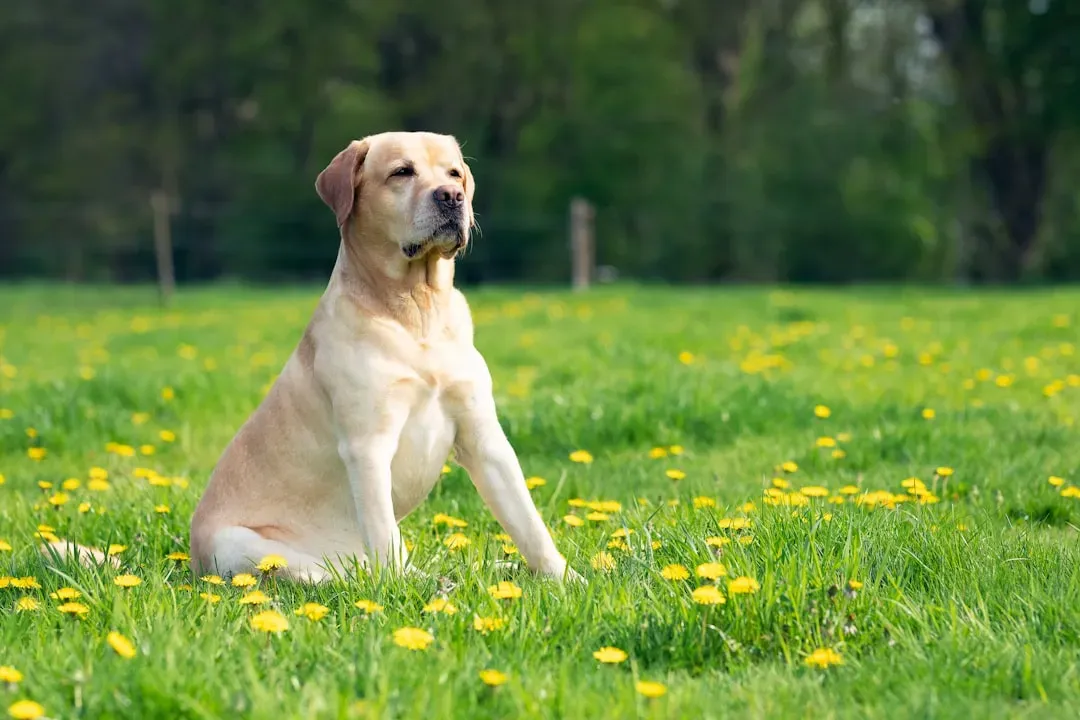
Labrador Retrievers carry a steady presence that many owners describe as deeply reassuring. They tend to lean in close or rest a paw on a leg when tension rises in the room. Their history as working partners has sharpened an ability to read human cues with quiet precision.
These dogs often stay nearby without demanding attention, simply offering steady company. Families frequently notice how a Lab will settle at someone’s feet during quiet evenings that turn reflective. The breed’s even temperament supports this kind of gentle attunement over time.
Golden Retriever
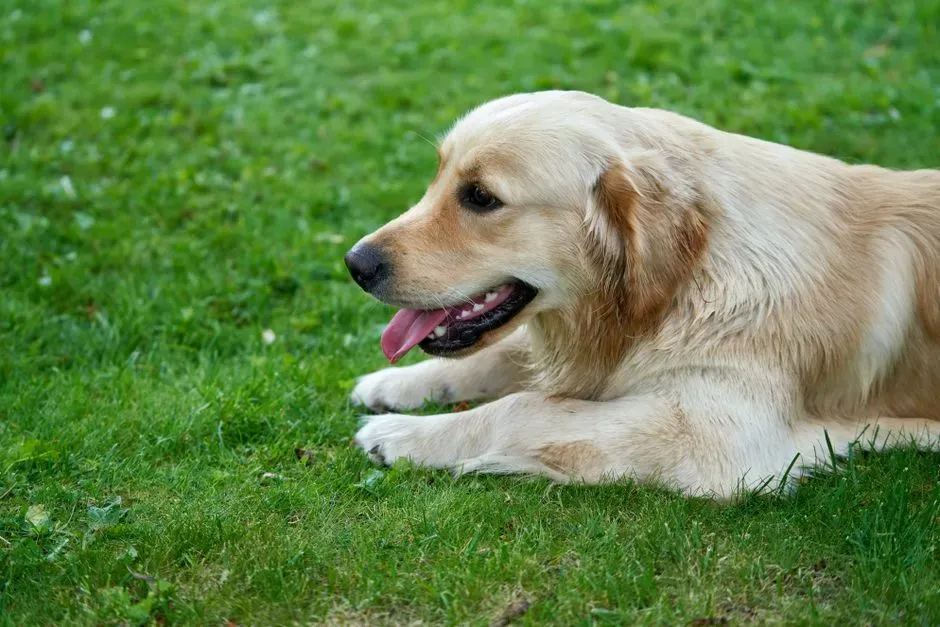
Golden Retrievers bring an open, affectionate style that makes them quick to notice when someone needs closeness. They may rest their head on a lap or offer a soft nudge at the first sign of shifting mood. Their friendly nature stems from generations spent as companions and helpers.
Owners often report that Goldens linger longer during low moments, as if waiting for the atmosphere to lift. The breed’s expressive eyes and patient demeanor add to the sense of being understood without words. This combination keeps them popular in roles that involve emotional support.
German Shepherd
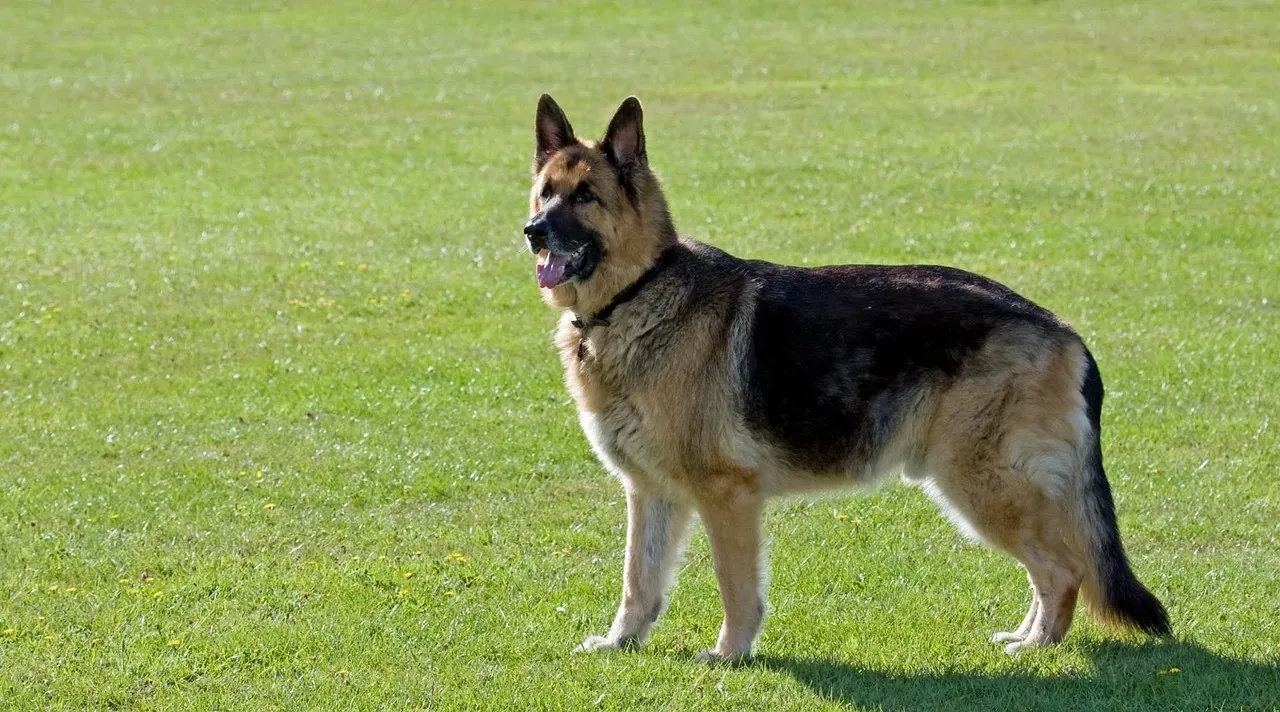
German Shepherds combine sharp observation with a protective streak that extends to emotional well-being. They watch body language closely and often adjust their own behavior to match the room’s energy. Their working background encourages this level of focus on the people around them.
Many handlers find that a Shepherd will position itself between a person and the door or simply sit alert nearby. The breed’s intelligence allows it to learn individual patterns over months and years. This makes their responses feel personal rather than generic.
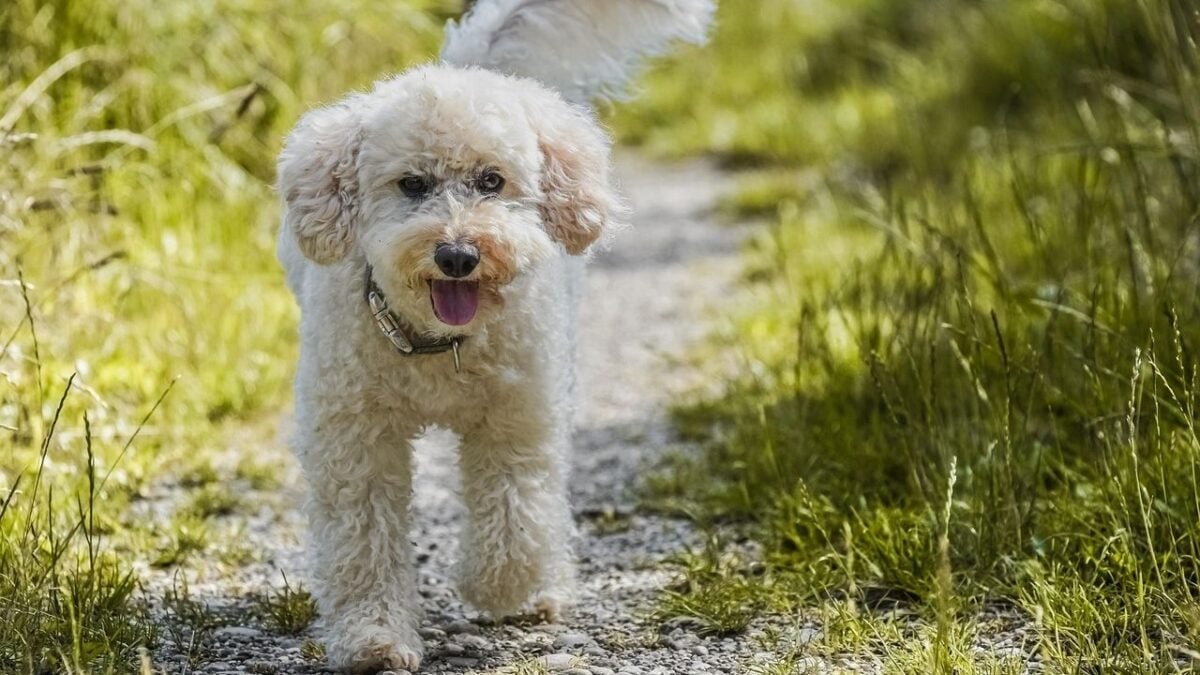
Poodle
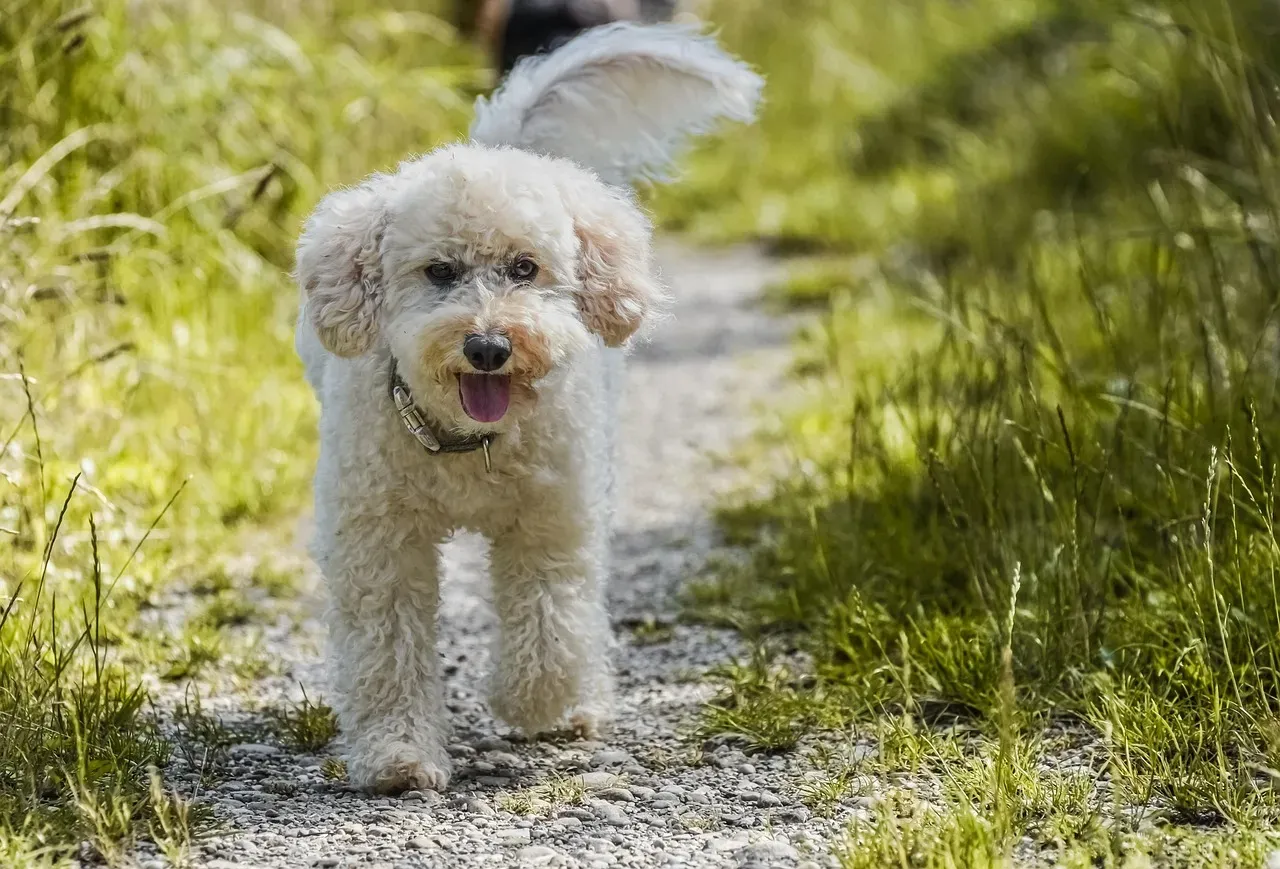
Poodles display a lively intelligence that helps them track small changes in routine and tone. They often pause during play to check in when voices soften or movements slow. Their history as versatile performers has kept their senses finely tuned to human signals.
Standard and miniature sizes alike show this sensitivity, though the bond tends to deepen with consistent daily interaction. Owners appreciate how a Poodle can shift from energetic to calm without prompting. The breed’s adaptability supports this kind of responsive companionship.
Cavalier King Charles Spaniel
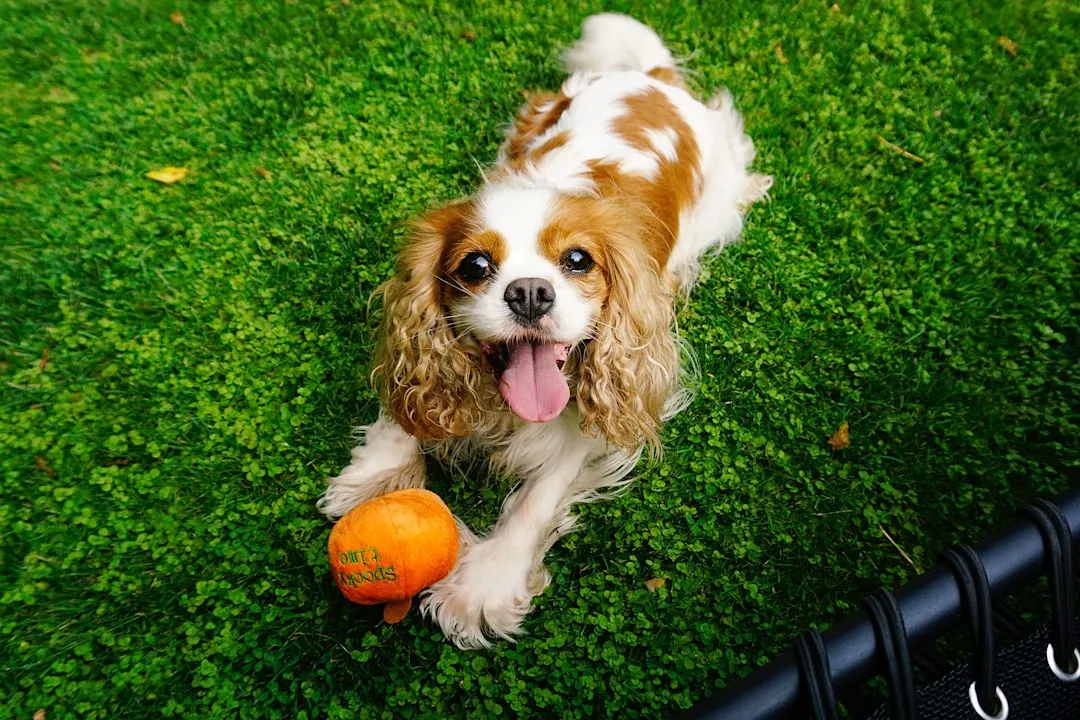
Cavalier King Charles Spaniels thrive on close physical contact and seem especially aware of quiet distress. They often curl up against a person at the first hint of heavier breathing or slower movements. Their small size makes them easy to keep near during reflective times.
Breeders note that these spaniels were developed for lap companionship, which may explain their steady attention to mood. Many families describe them as gentle shadows that follow from room to room. The result is a dog that feels woven into daily emotional rhythms.
Border Collie
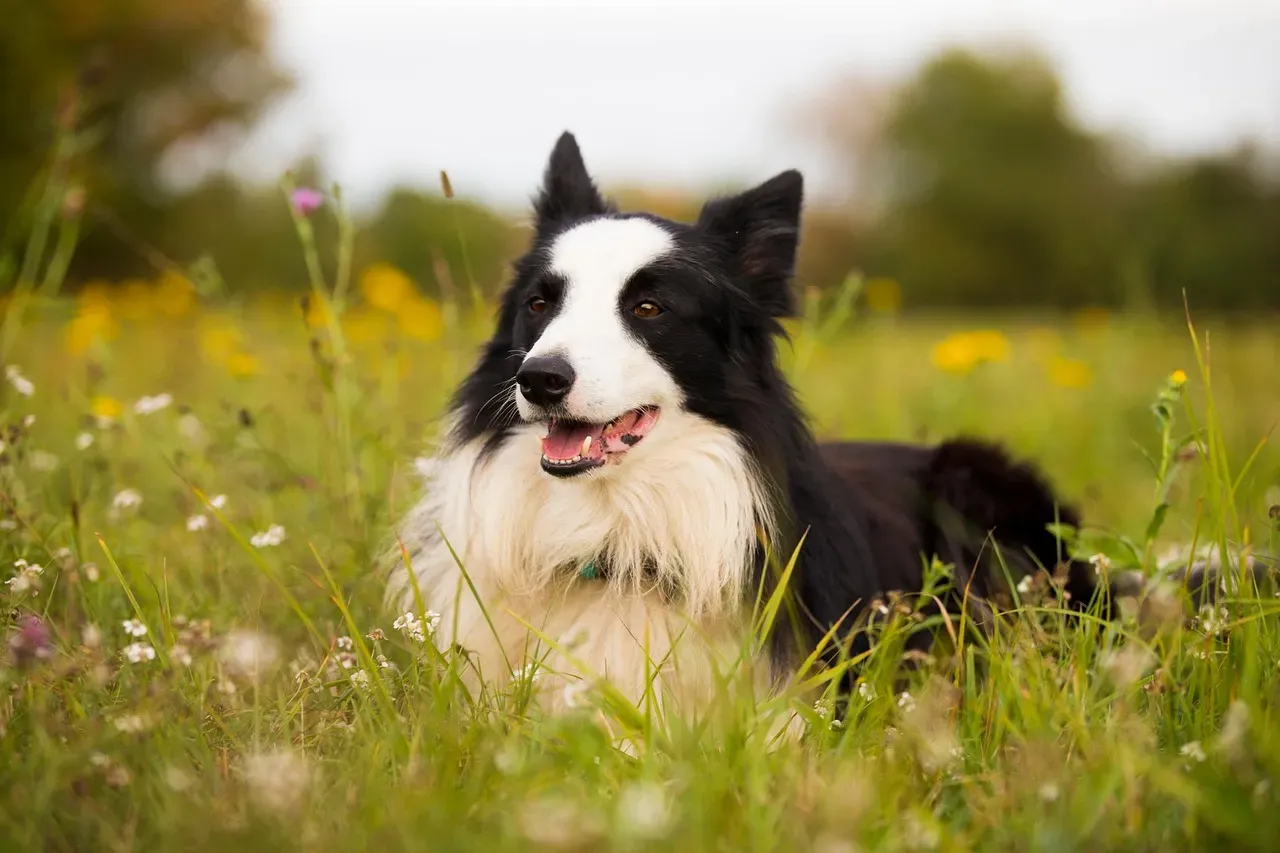
Border Collies bring intense focus that extends beyond herding tasks into everyday human interactions. They notice when someone pauses mid-activity or changes breathing patterns. Their drive to work with people translates into careful observation of those around them.
Owners who provide mental stimulation often see this awareness grow stronger over time. A Border Collie may offer a toy or simply sit and watch until the energy shifts again. The breed’s quick mind supports this ongoing monitoring without becoming intrusive.
Beagle

Beagles rely on their powerful sense of smell to detect changes that others miss. They may sniff around a person more deliberately when stress levels rise in the household. Their pack-oriented background encourages them to stay connected to the group’s emotional state.
Many Beagle owners notice the dog becoming quieter or more affectionate during tense periods. The breed’s curiosity keeps them engaged without overwhelming the situation. This balance makes them steady, low-key companions through shifting moods.
Boxer
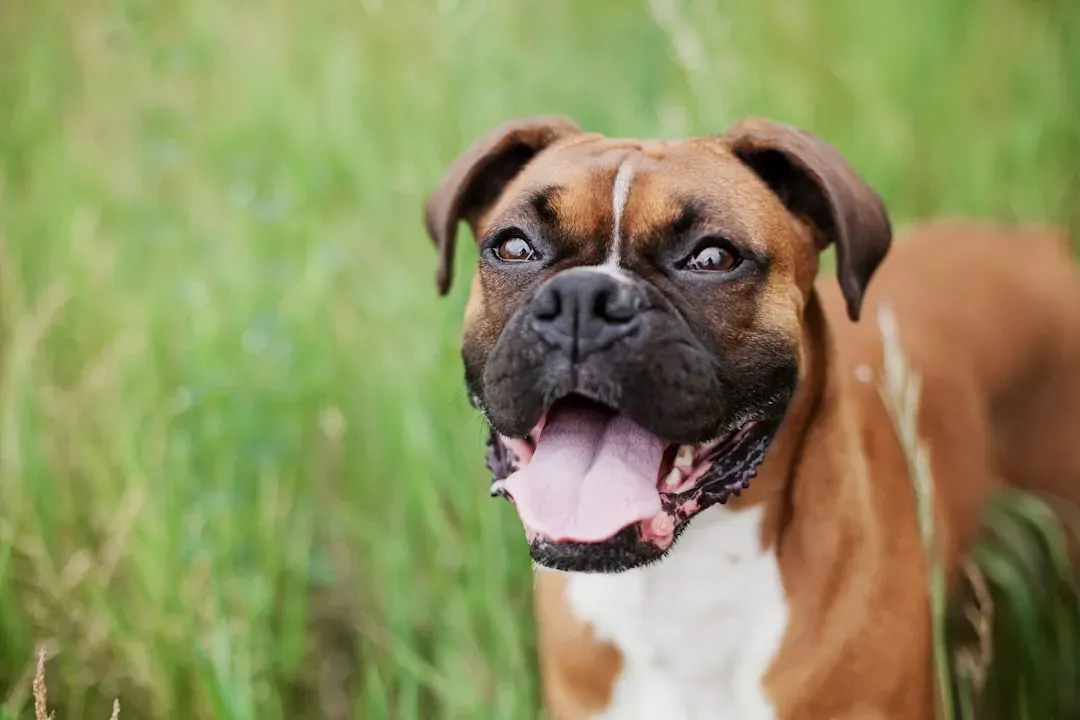
Boxers combine playful energy with surprising sensitivity to the people they live with. They often pause their antics to lean against someone whose posture has changed. Their expressive faces make the connection feel immediate and sincere.
The breed’s loyalty encourages them to remain close until the atmosphere feels lighter again. Families report that Boxers seem to mirror calm behavior once they sense it returning. This back-and-forth creates a reassuring rhythm in daily life.
Newfoundland
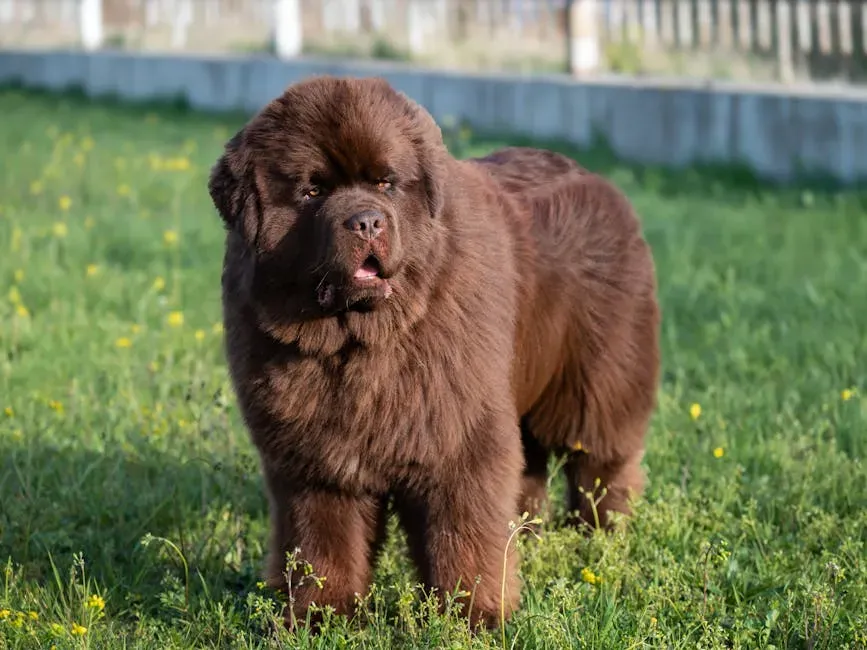
Newfoundlands offer a calm, massive presence that many find grounding during difficult moments. They tend to settle nearby with a quiet watchfulness that feels protective yet gentle. Their water-rescue heritage has fostered patience and steady attention to human needs.
Owners describe these dogs as slow to leave a person’s side once they detect unease. The breed’s size makes their closeness especially noticeable and comforting. This combination of patience and presence sets them apart in emotional situations.
Saint Bernard
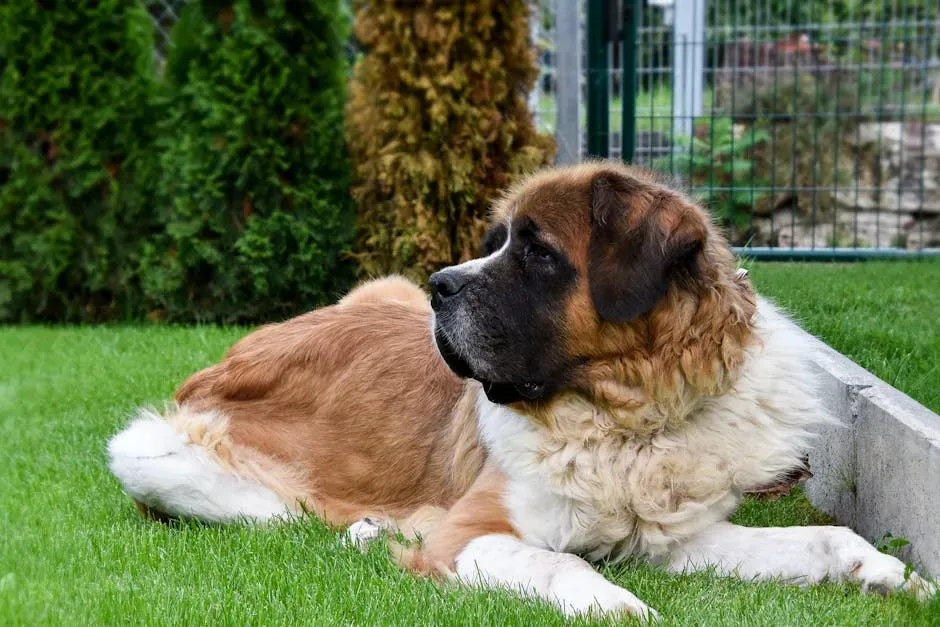
Saint Bernards bring a deliberate, thoughtful pace that aligns well with reflective times. They often position themselves where they can keep an eye on the household without crowding anyone. Their alpine rescue background emphasized reliability and calm under pressure.
Many families find that a Saint Bernard will simply stay present, offering warmth and quiet company. The breed’s gentle nature prevents their size from feeling overwhelming. This steady reliability supports long-term emotional bonds.
Rottweiler

Rottweilers balance strength with a surprising capacity for quiet empathy toward their people. They watch for shifts in routine and often adjust their own energy to match. Their working history encourages close partnership and attention to detail.
Owners frequently note how a Rottweiler will rest nearby during quieter evenings or offer a gentle nudge. The breed’s loyalty deepens this awareness over years of shared life. Their responses feel measured rather than dramatic.
Australian Shepherd
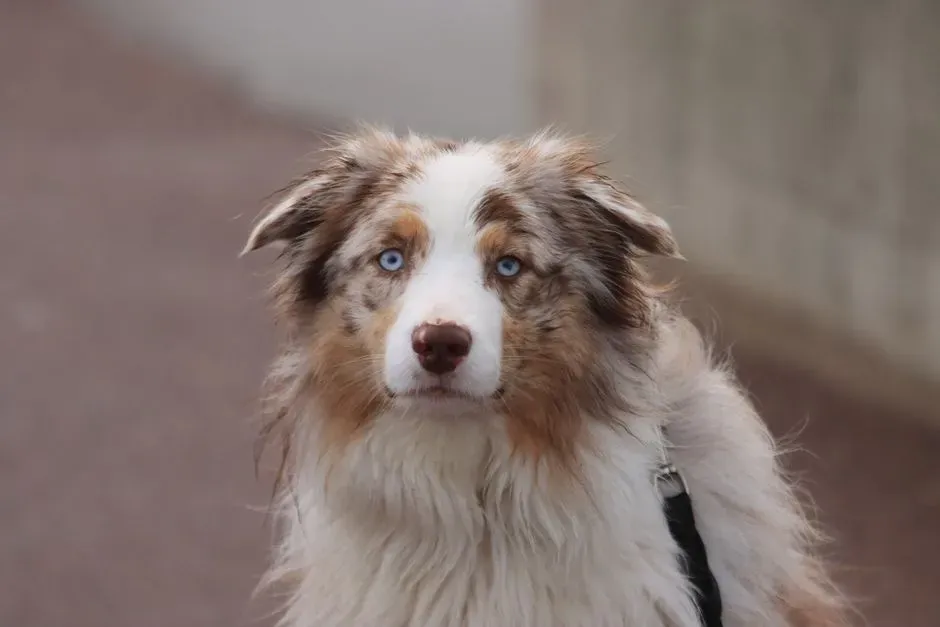
Australian Shepherds carry an alert, engaged style that helps them track household rhythms closely. They often check in with eye contact or a soft approach when movements slow or voices drop. Their herding instincts translate into attentive care for the people in their circle.
Many owners see this sensitivity grow with regular training and interaction. The breed’s intelligence allows them to learn individual preferences and respond accordingly. This creates a partnership that feels both practical and emotionally supportive.
Conclusion
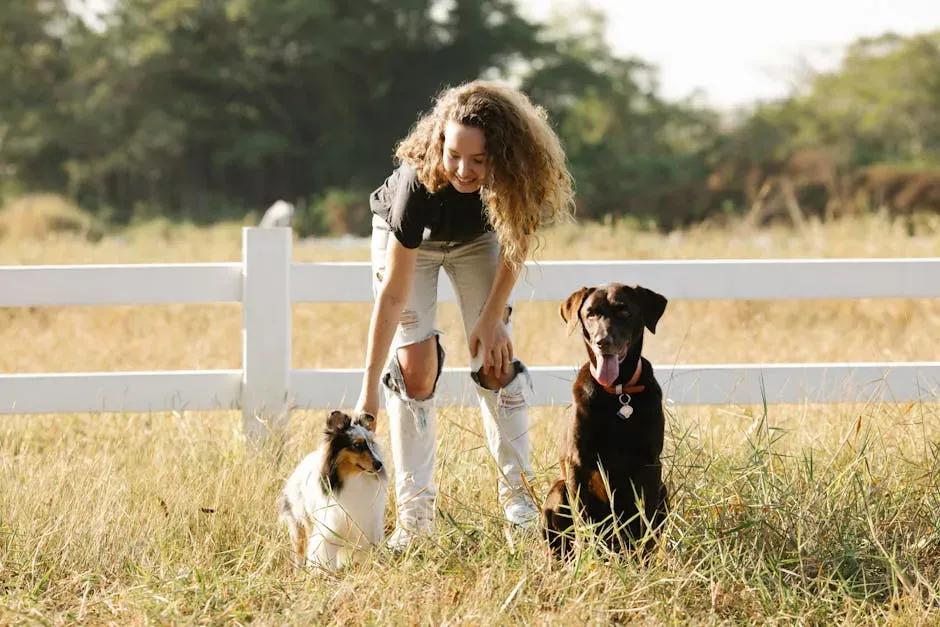
These twelve breeds illustrate how selective breeding and daily closeness can sharpen a dog’s natural ability to notice emotional shifts. The connection rarely feels dramatic, yet it provides steady comfort when it matters most.
Choosing a dog based on this trait ultimately comes down to lifestyle fit and the time invested in building trust. The real value lies in the quiet partnership that develops over years rather than any single dramatic moment.

- The Wild Animal Each Zodiac Sign Would Become Under Pressure - August 5, 2026
- The Desert Town in Nevada Slowly Being Buried by Moving Sand - August 5, 2026
- Do Animals Feel Emotions Like Humans? New Studies Reveal Surprising Truths - August 5, 2026