

Think you know which American landscapes harbor the most lethal creatures? Sure, we’ve all heard tales about dangerous animals lurking in the wilderness, but the truth might surprise you. From venomous reptiles hiding beneath desert rocks to massive predators prowling through frozen tundra, certain states pack a wildlife punch that demands respect. Let’s explore where nature’s most formidable residents call home and what makes these places so uniquely perilous.
Alaska: Where Giants Roam and Danger Waits
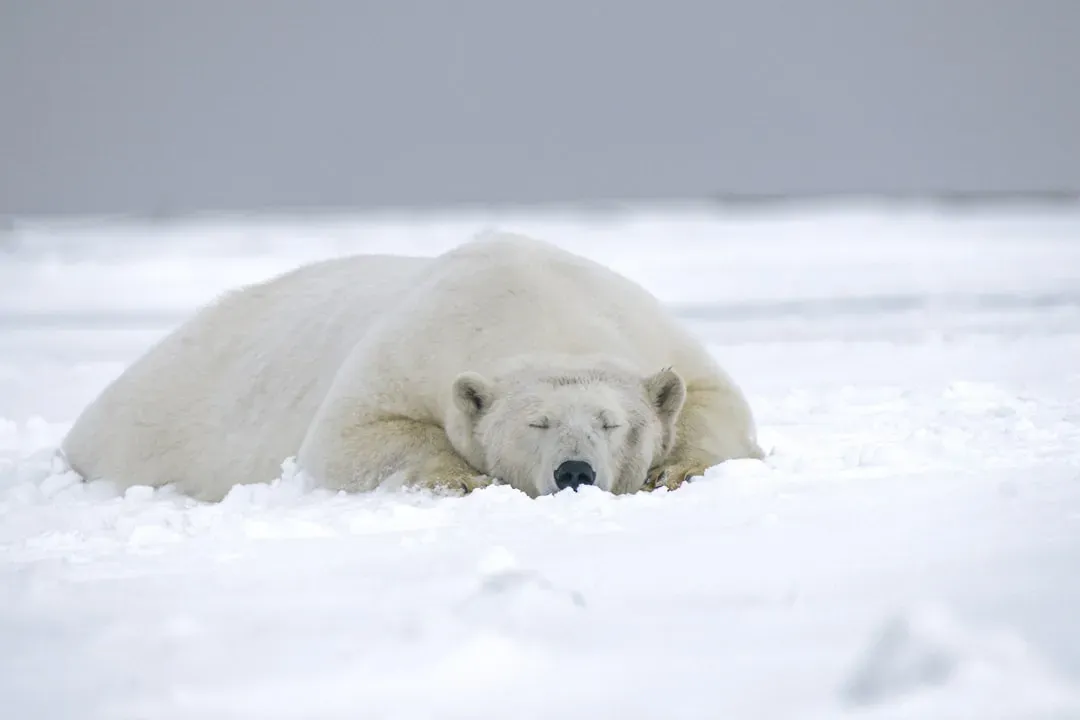
Alaska is home to several fierce predators including wolves, polar, black, and grizzly bears, moose, and wolverines, with moose and grizzlies being the most likely to encounter and attack a human. Here’s the thing: this isn’t your average state park stroll. Between 2000 and 2017, there were 68 bear attacks in Alaska that resulted in 66 hospitalizations and 10 human fatalities.
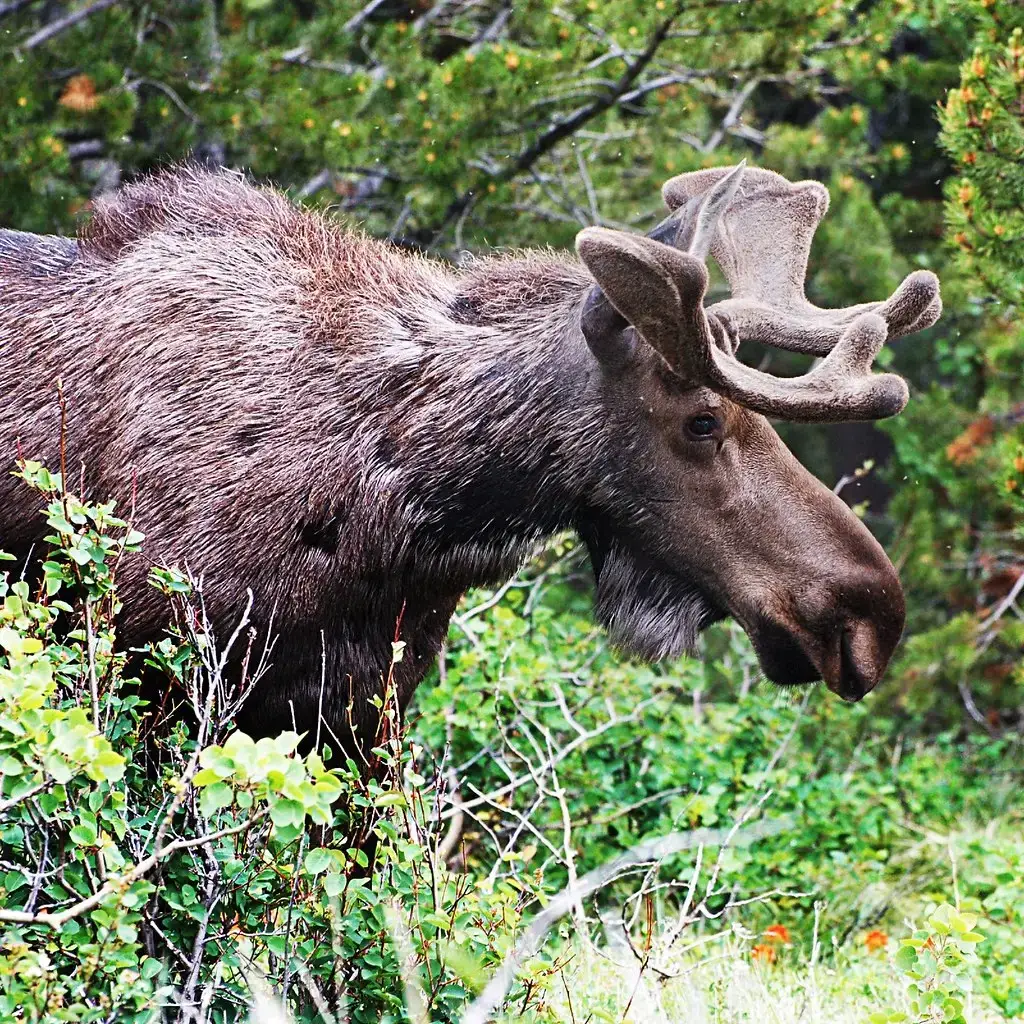
Moose weigh up to 1,600 lbs, three or four times the weight of a grizzly, and will charge anything they think is threatening. These herbivores cause more injuries than bears, believe it or not. Between 4,000 and 7,000 polar bears live across the north and west of Alaska, and though human encounters are rare, the bears are extremely dangerous, with the first fatal attack in 30 years occurring in 2023 in Wales. What makes Alaska particularly treacherous is the sheer remoteness and the variety of predators that view humans less as neighbors and more as potential threats.
Florida: Swamps, Scales, and Serious Threats
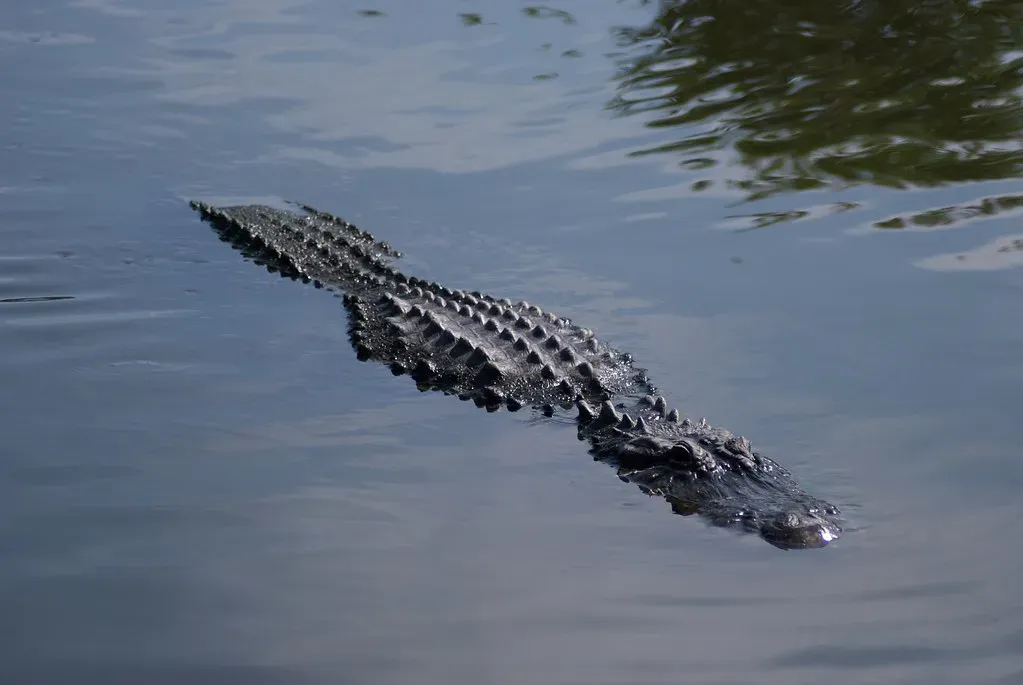
Florida’s wildlife situation reads like something from a thriller novel. Florida’s alligator population stands at about 1.3 million, while there are about 2,000 crocodiles in the Everglades. That’s a lot of prehistoric reptiles sharing space with millions of residents and tourists.
Florida is home to 46 species of native snakes, six of which are venomous, including five pit vipers (eastern diamondback rattlesnake, timber rattlesnake, pygmy rattlesnake, copperhead, and cottonmouth) and the coral snake. The eastern diamondback is particularly nasty. The eastern diamondback rattlesnake is the largest and deadliest rattlesnake in the country, reaching up to eight feet long and found in southeastern states where it typically preys on rabbits, rodents and birds. Honestly, when you combine gators, crocs, and an impressive collection of venomous serpents, Florida earns its spot on this list without breaking a sweat.
Texas: Everything’s Bigger, Including the Danger
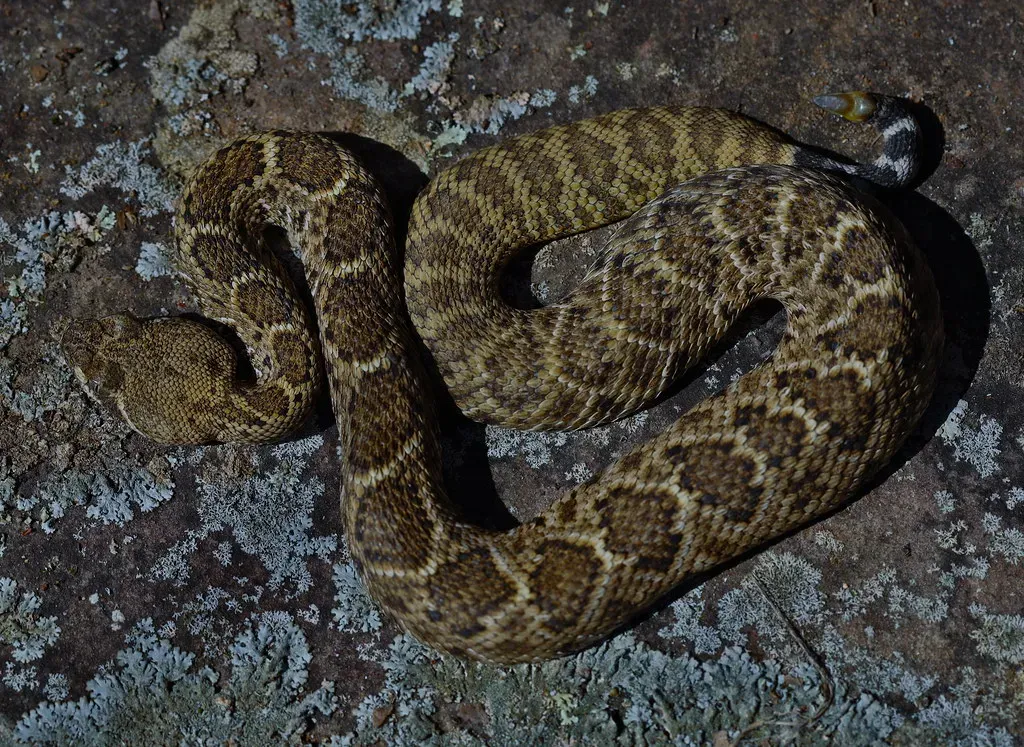
In Texas, you can find ferocious bears, coyotes, sharks, alligators, snakes, and more, with the alligator being the most dangerous animal in the state, where there are 400,000 to 500,000 American alligators. The Lone Star State doesn’t mess around when it comes to deadly fauna. Let’s be real: Texas has the size and biodiversity to host an all-star lineup of dangerous creatures.
In Texas there are four types of venomous snakes, including rattlesnakes such as the western massasauga, mottled rock rattlesnake, blacktail rattlesnake, Mojave rattlesnake, timber rattlesnake and the western diamondback. The timber rattlesnake, also known as the canebrake rattler, is doubly deadly as it possesses not one but two kinds of venom: neurotoxic, which attacks the nervous system paralyzing its victim, and hemotoxic, which destroys body tissue making you easy to digest. Wild hogs present another threat entirely. There was a case of a woman in Anahuac, Texas, east of Houston who was found dead outside of a home with multiple injuries caused by a pack of wild hogs.
Arizona: Desert Death Lurks Everywhere
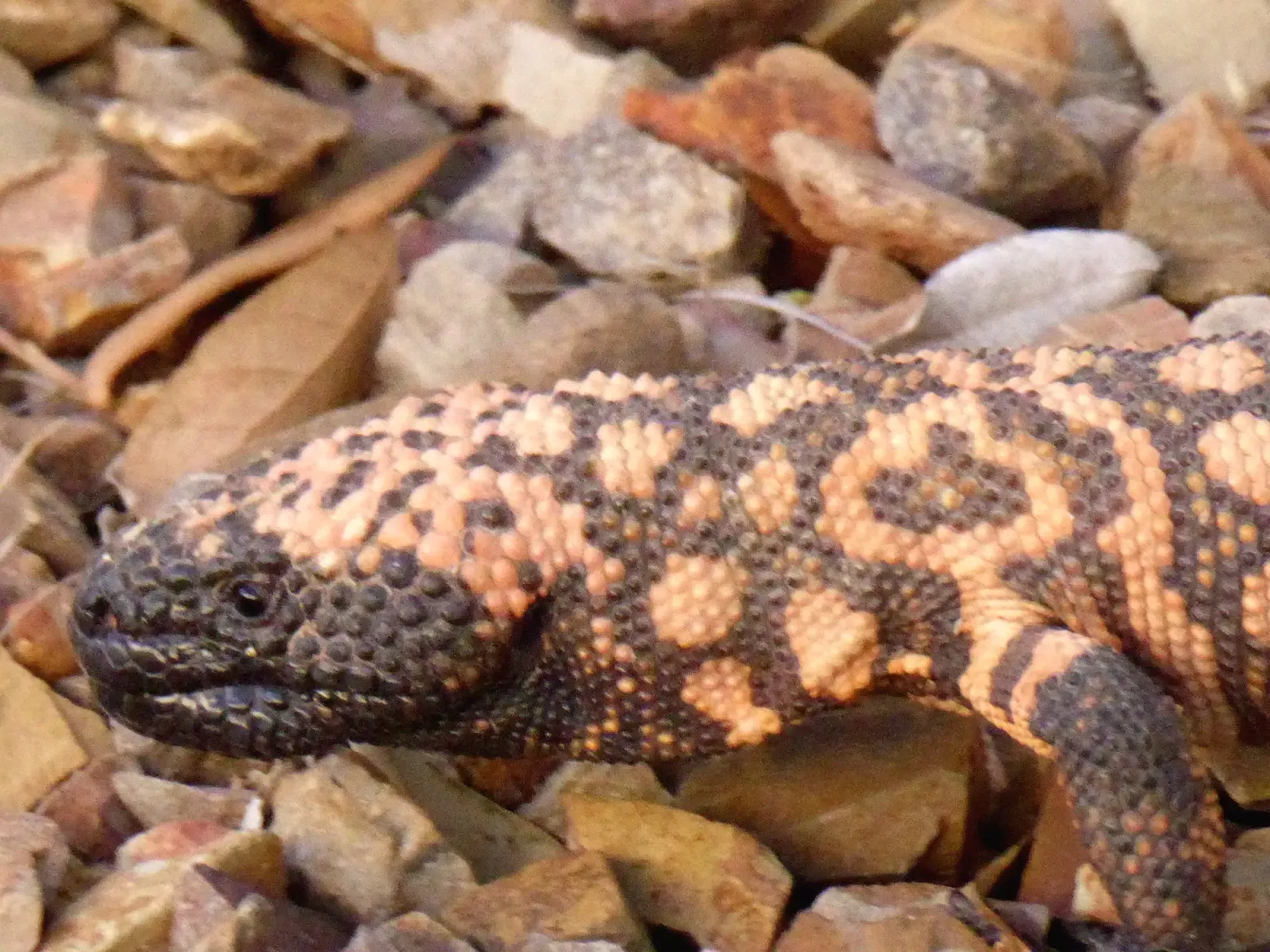
Arizona is the only state that has all four North American deserts: the Sonoran, Mohave, Chihuahuan, and Great Basin deserts. This unique geography creates the perfect storm for venomous creatures to thrive. Counting scorpion species, Arizona already has 30, plus 17 venomous snakes, various arachnids, insects, bees and more, putting Arizona among the top in the United States, possibly number one, when it comes to how many venomous animals make their home there.
There are 13 species of rattlesnakes in Arizona, with the western diamond-backed, Mojave, black-tailed, and sidewinder rattlesnakes being the species most often encountered. The Mohave rattlesnake is the most toxic of the species, but the Western diamond-backed rattlesnake is responsible for more bites and deaths than any other type of rattlesnake. Then there’s the Arizona bark scorpion. These pale-yellow arachnids measure just 1.6 to 3 inches but pack North America’s most potent scorpion venom, hiding in dark corners, woodpiles, and under furniture, with their sting delivering neurotoxins that cause intense pain, muscle spasms, and in severe cases, seizures.
Tennessee: Mountains Hide More Than Scenery
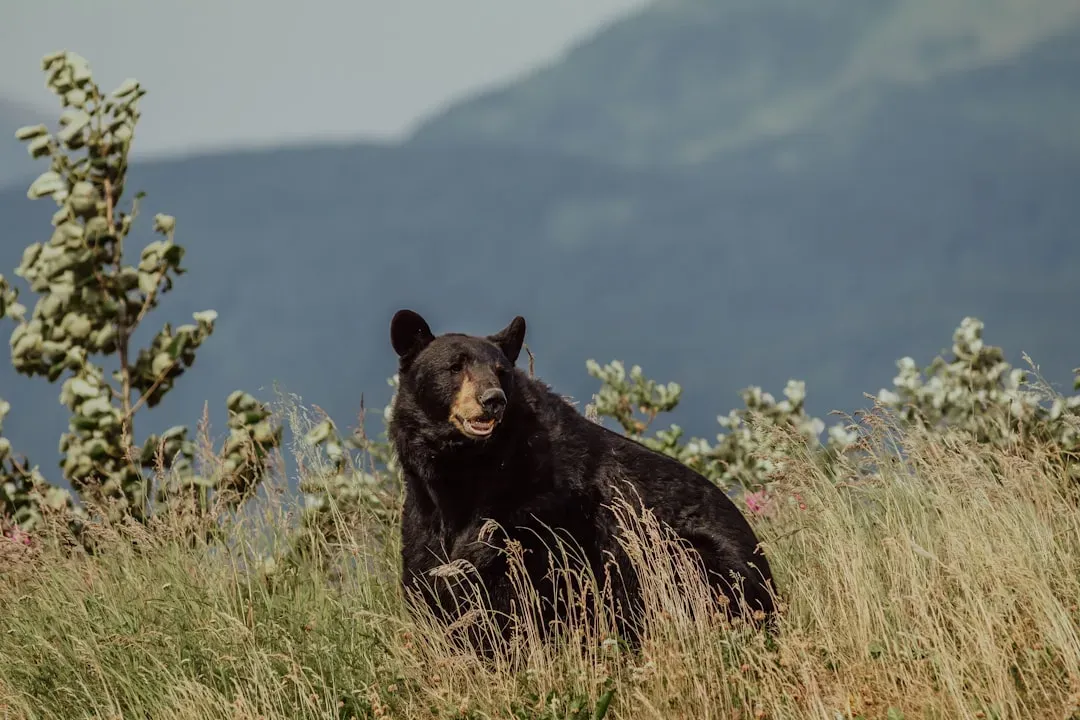
The Great Smoky Mountains is the most visited national park in the United States, which contributes to an unusually high number of human-black bear encounters, with most incidents occurring without injury, but some resulting in serious injuries or even death. That tourist traffic increases the odds of dangerous wildlife interactions significantly.
Black bears aren’t the only concern. Tennessee is a hotspot for brown recluse spiders, and even if they don’t always kill their bite victims, brown recluses can cause fatalities among vulnerable populations. I think what makes Tennessee particularly interesting is how people underestimate it compared to obvious danger zones like Alaska or Florida. The statistically deadliest wild animal in Tennessee is the deer, as the abundance of deer in the United States leads to an eye-watering number of vehicle collisions.
California: Coastal Predators and Mountain Threats
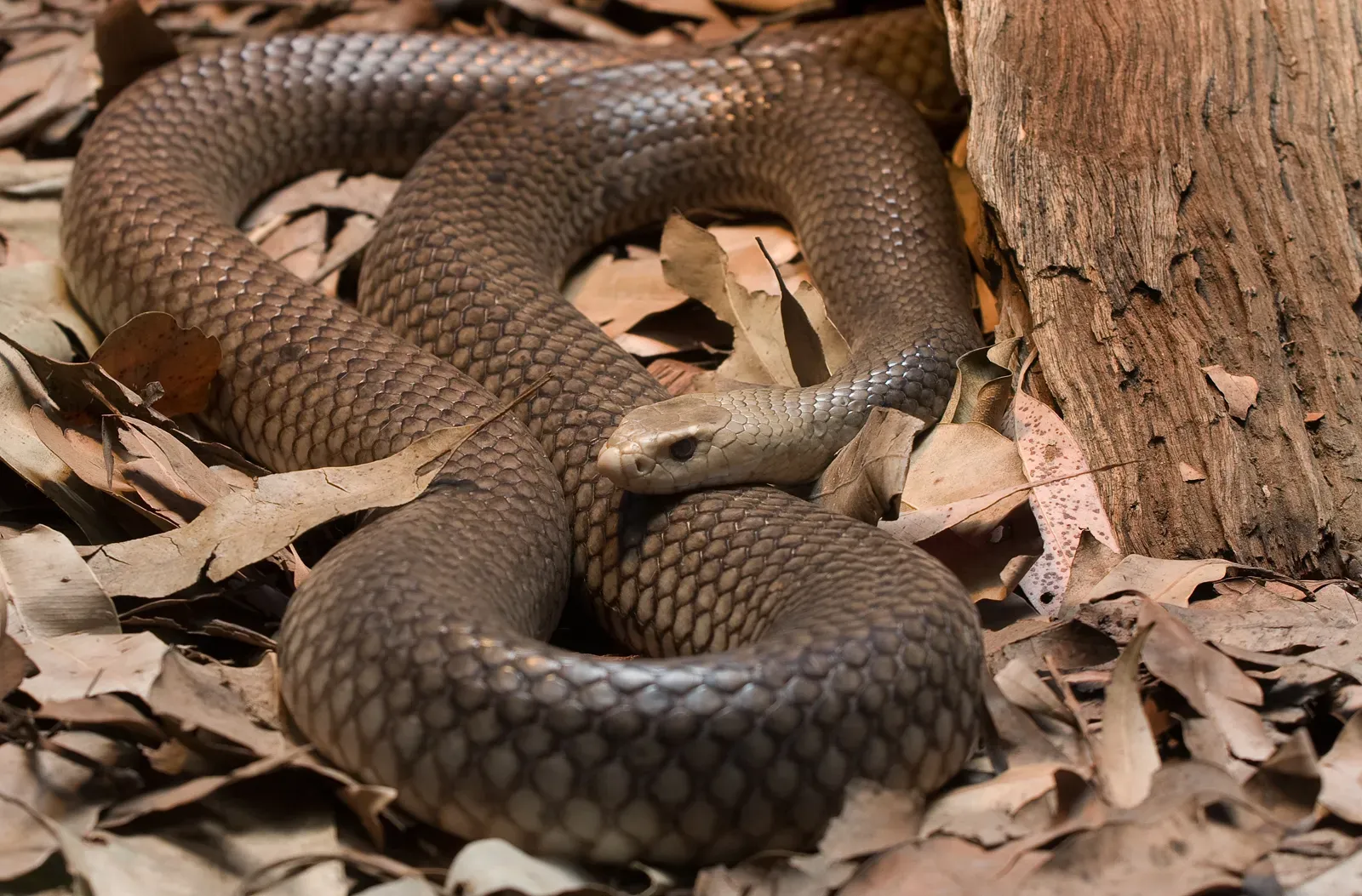
California’s diverse terrain stretches from beaches to mountains, creating habitats for numerous dangerous species. Around 221 people are bitten by venomous snakes annually in California, though less than half of a percent of bites are fatal due to the availability of antivenom. That might sound reassuring, but encounters still happen with alarming regularity.
The state hosts mountain lions, also known as cougars, throughout its wilderness areas. The cougar is one of the most powerful predators in the wild and the largest wildcat in North America, with cougars preferring to live in wooded areas where attacks tend to be opportunistic, and although fatalities are extremely rare with around 30 ever recorded, joggers, hikers and small children need to be wary. Sharks along California’s extensive coastline add another layer of danger to the state’s already formidable wildlife roster.
Montana: Big Sky, Big Predators
Montana represents true wilderness territory where apex predators still reign supreme. Fewer than 1,500 grizzlies now live in Idaho, Montana, Washington and Wyoming according to the National Wildlife Federation, with around 31,000 left in Alaska. These magnificent but deadly creatures require serious respect and caution.
Grizzlies aren’t the state’s only concern. Montana harbors wolves, mountain lions, and various venomous snakes that populate the rugged terrain. The remote nature of much of Montana means that when dangerous encounters occur, help might be very far away. It’s hard to say for sure, but the combination of isolation and large predators makes Montana a place where wilderness skills aren’t just helpful – they’re essential for survival.
Louisiana: Bayou Dangers and Swamp Predators
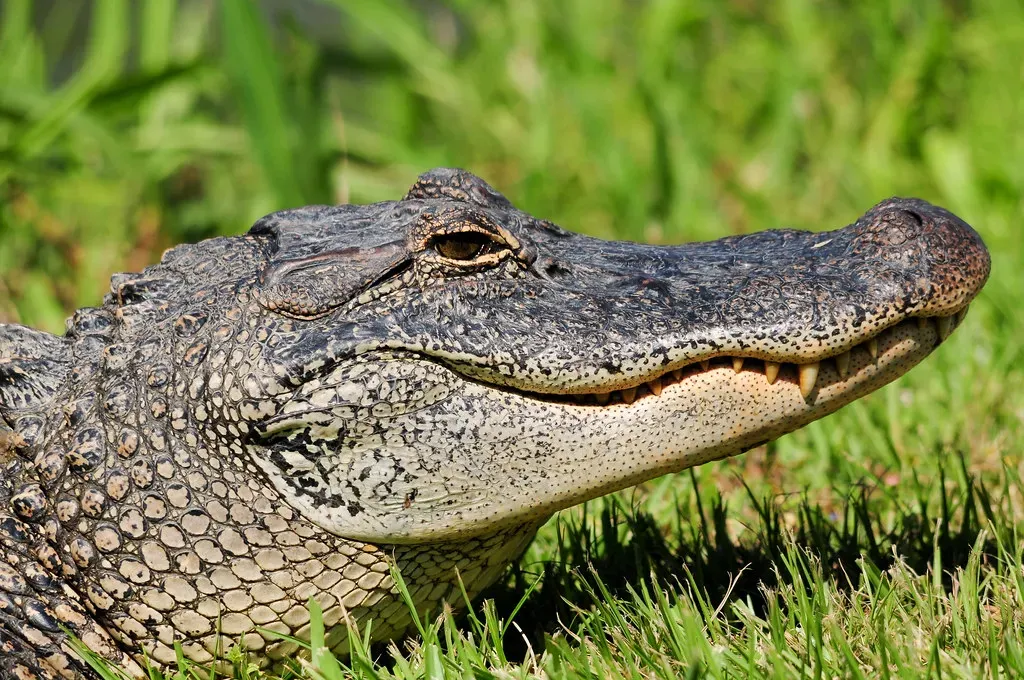
Alligators are emblematic to the states of Florida and Louisiana, where they have coexisted with humans for a long time, mostly without problems, but due to ever increasing tourism and expanding population, issues sometimes arise. Louisiana’s wetlands create perfect conditions for these ancient reptiles to flourish in massive numbers.
Beyond alligators, Louisiana’s swamps and bayous harbor cottonmouth snakes, also called water moccasins, which are aggressive and venomous. The humid, murky environment makes it difficult to spot these threats until you’re dangerously close. Wild hogs also roam Louisiana’s wilderness areas, and like their Texas cousins, they can become aggressive when cornered or protecting their young. The state’s unique ecosystem combines terrestrial and aquatic dangers in ways few other places can match.
Conclusion
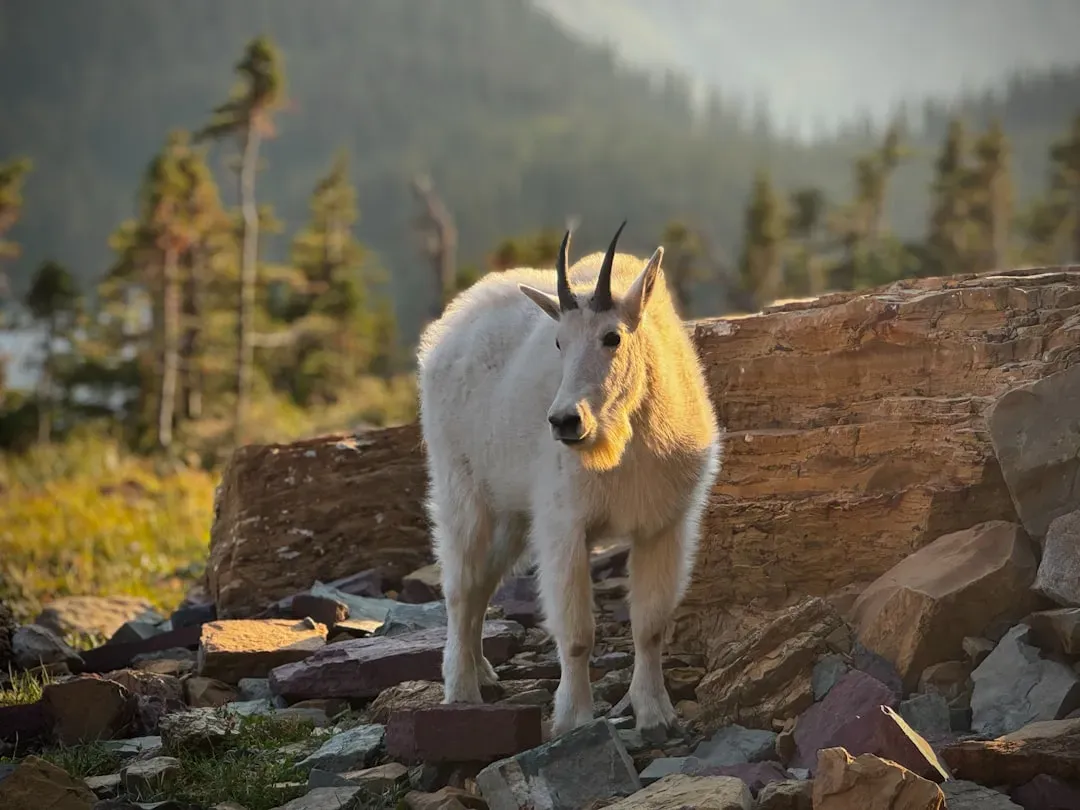
Nature commands respect, especially in these eight states where wildlife truly lives up to the “wild” part of its name. From Alaska’s massive bears and moose to Arizona’s collection of venomous creatures, each state presents unique challenges and dangers. What strikes me most is how easily we forget that we’re sharing these spaces with animals that were here long before us.
The key takeaway isn’t fear but awareness. Understanding which animals inhabit these regions and how to coexist safely makes all the difference between an unforgettable adventure and a tragic encounter. So next time you’re planning an outdoor excursion in one of these states, do your homework. Know what to watch for, how to react, and most importantly, respect the fact that you’re entering someone else’s home.
Did you know some of these states had such dangerous wildlife? What precautions do you take when exploring the great outdoors?

- What The Sea-Goat (Zodiac Sign Capricorn) Says About You in 2026 - August 5, 2026
- Top 10 Smartest Domestic Animals (Ranked) - August 5, 2026
- People Who Choose Solo Camping Usually Share These 10 Traits - August 5, 2026