
Most people don’t realize how much a single well-chosen plant can change the life happening in their backyard. A patch of color in the right spot, and suddenly there are wings everywhere. Monarchs drifting through. Swallowtails spiraling upward. Fritillaries nectaring in the afternoon heat. It feels almost accidental, but it isn’t.
The quiet truth is that butterfly populations have been declining for years, largely because the plants they depend on keep disappearing from the landscape. In recent years, butterfly population numbers have declined as habitat shrinks due to industrial farming and development, but gardeners can help support butterflies and other pollinators by adding natives and other wildlife-friendly plants to their yards. Your backyard, however modest, can genuinely be part of the solution.
Host plants differ from nectar plants by supporting different life stages: host plants are where butterflies lay eggs and serve as food for caterpillars, while nectar plants produce the sugary liquid that provides energy for adult butterflies. A successful butterfly garden requires both types of plants for a complete habitat. The twelve plants below cover both roles. They’re also forgiving, widely available, and genuinely beautiful in a garden.
#1 Milkweed (Asclepias spp.)
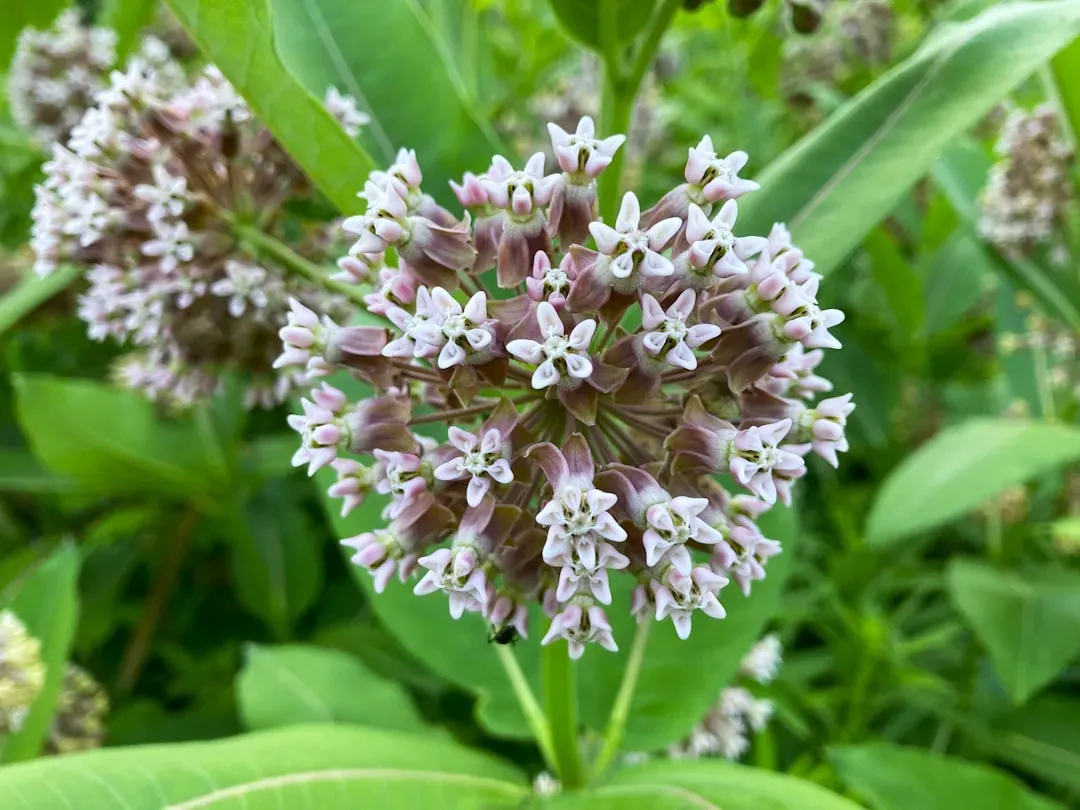
No plant earns its place in a butterfly garden quite like milkweed. Milkweed is essential to the survival of monarch butterflies. While the butterflies feed on nectar from a wide variety of plants, the females exclusively lay their eggs on milkweeds, and when the caterpillars hatch, they feed on milkweed and nothing else. That’s how critical this plant really is.
Common milkweed, swamp milkweed, butterfly weed, and tropical milkweed are all part of the Asclepias family and serve monarchs at different stages of their life cycle. Asclepias tuberosa is a must-have for any butterfly garden, producing bright orange flower clusters and serving as the exclusive food source for monarch butterfly larvae. It grows happily in full sun with well-drained soil and asks very little in return.
#2 Coneflower (Echinacea purpurea)
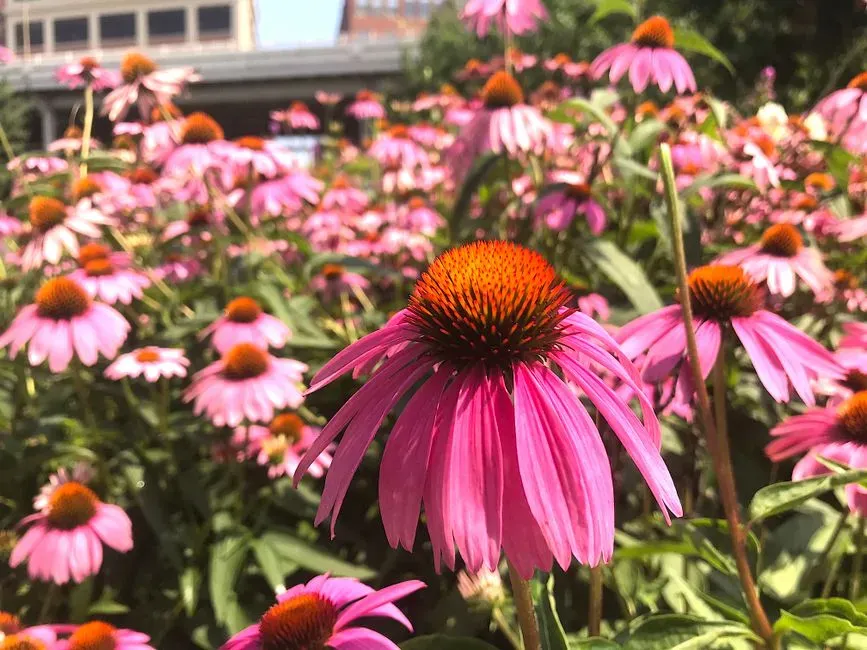
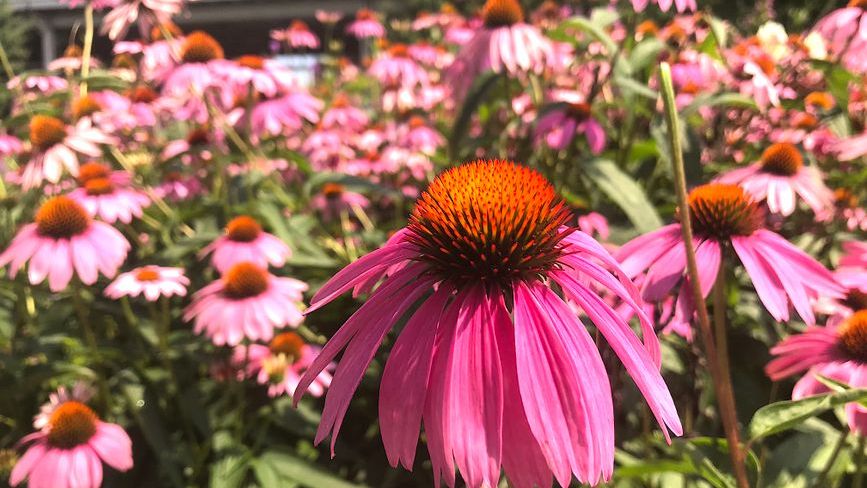
A favorite among birds, butterflies, and bees, coneflower is often the main attraction in backyard butterfly gardens. Coneflowers grow best in well-drained soil and full sun, but they can also hold up to heat, humidity, and drought. Their large vibrant blooms attract wildlife and provide a classic aesthetic appeal to every landscape. Few plants work this hard while looking this effortless.
A staple in any flower garden, Echinacea is known for its sturdy, colorful blooms ranging from pinks to yellows and oranges, and its prairie heritage makes it drought and heat resistant, ensuring your garden remains colorful even in tough conditions. Plant it in clusters and expect swallowtails, fritillaries, and skippers to arrive almost immediately once the blooms open.
#3 Lantana (Lantana camara)
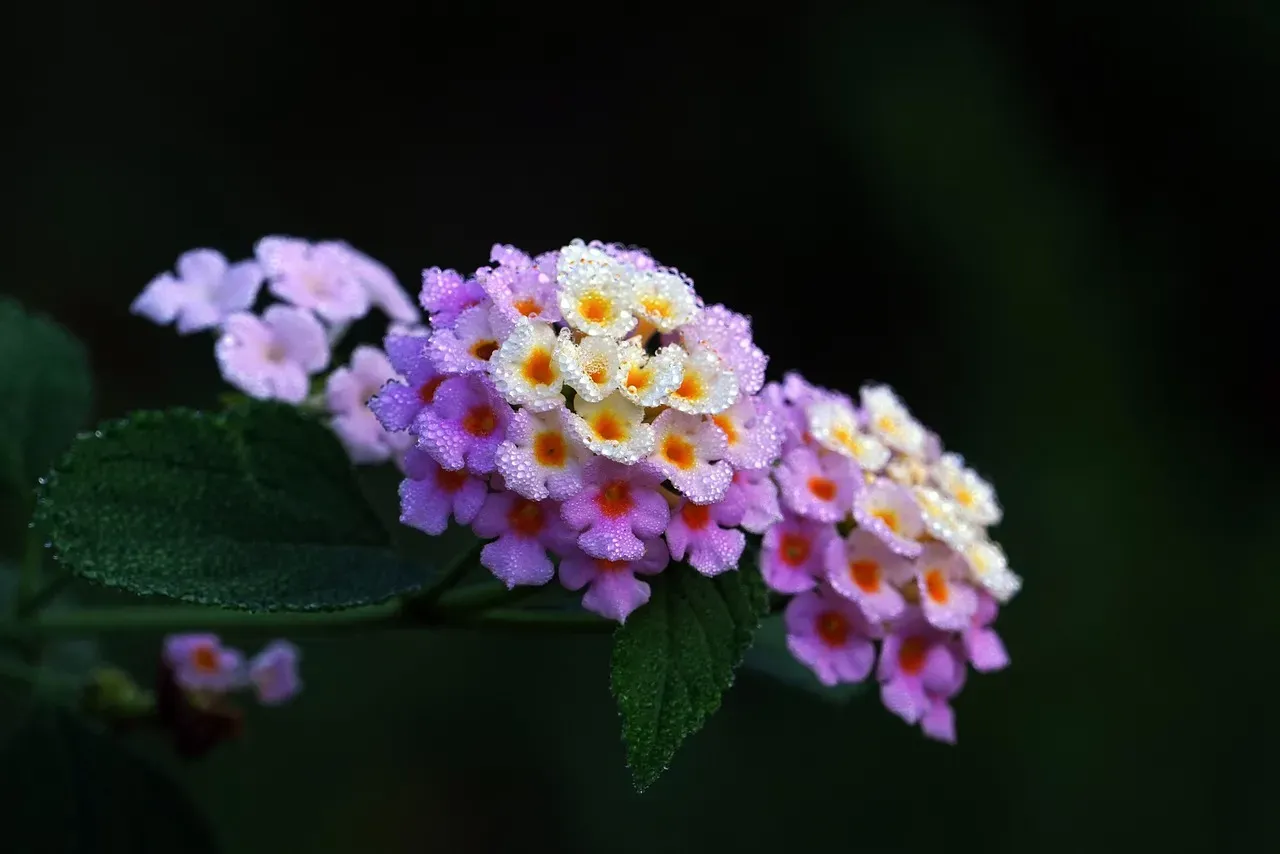
Lantana produces profuse color, showing off clusters of tiny, eye-catching blooms in a variety of hues. Typically grown as an annual, it’s an excellent low hedge or accent shrub that you can also train as a standard, and it attracts butterflies while tolerating heat. In warmer regions, it can return as a perennial year after year.
Lantana is a good option available in many colors and blooms even during the hottest weather. New Gold lantana is very hardy and highly attractive to butterflies and native pollinators as well. Flat-topped flowers such as lantana also provide a safe place for butterflies to perch while feeding. That combination of reliable blooms and easy structure makes it one of the most practical choices for any backyard.
#4 Black-Eyed Susan (Rudbeckia hirta)
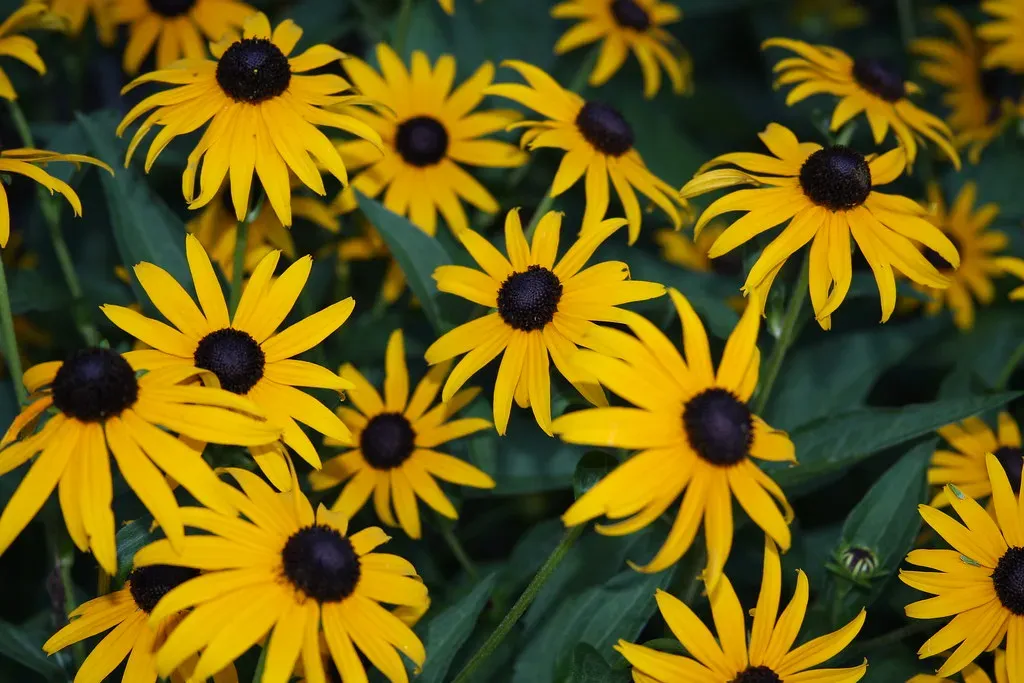
Native to open woodlands, prairies, meadows, and roadsides, this common wildflower has daisy-like flowers that appeal to many butterflies including great spangled fritillary, pearl crescent, silvery checkerspot, and spring azure. It’s one of those plants that seems to know exactly what butterflies need before they even ask.
Black-eyed Susan is a perennial growing in USDA Zones 3 to 9, blooming in summer in shades of bronze, gold, mahogany, orange, and yellow, with a dark center, reaching one to four feet tall. It reseeds itself readily, so once you plant it, it tends to naturalize and return without much intervention. That kind of low-maintenance reliability is exactly what a butterfly-friendly yard needs.
#5 Butterfly Bush (Buddleia davidii)
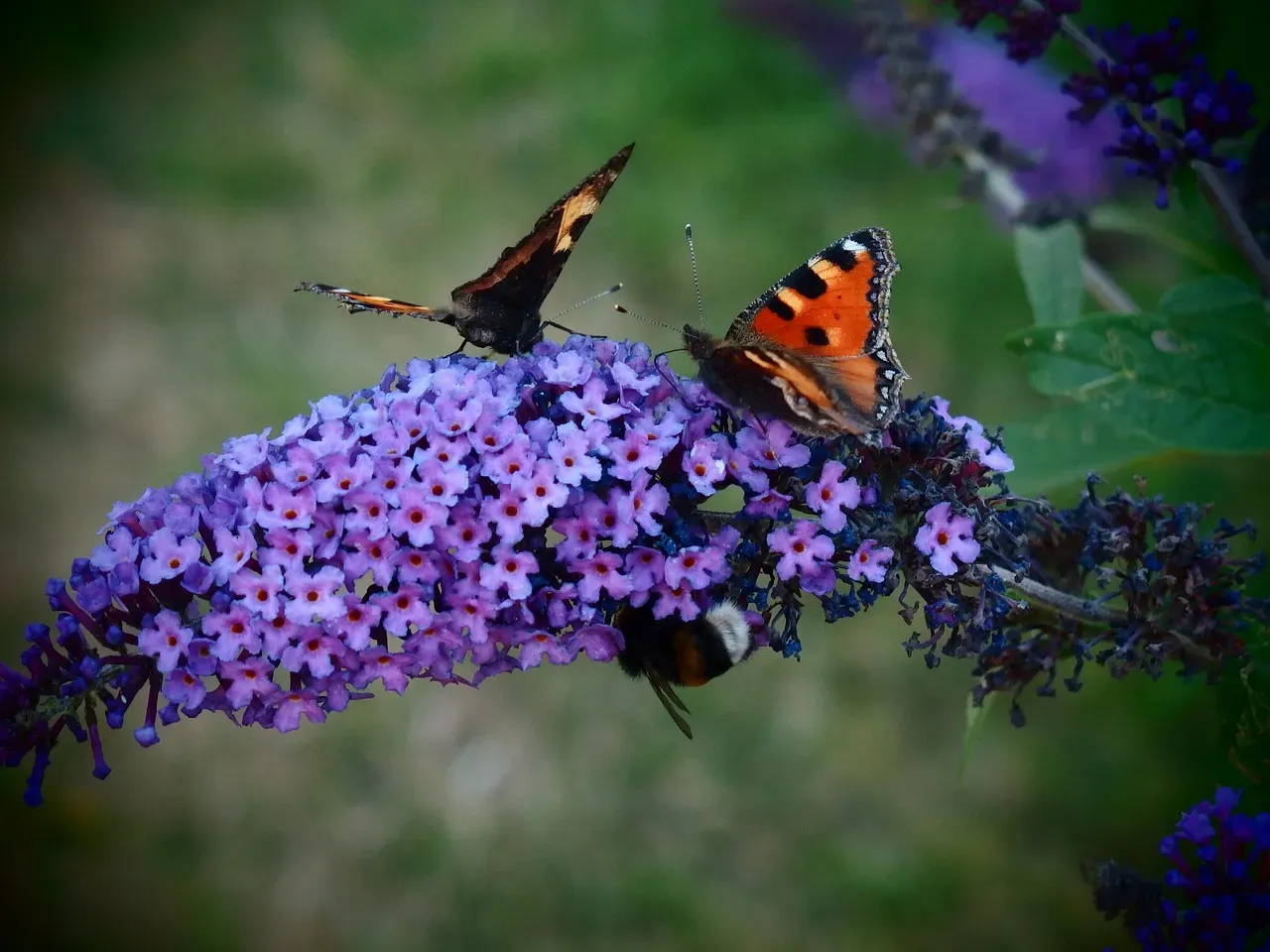
Butterfly bush is one of the top plants for attracting an array of butterflies, including various types of fritillaries, skippers, swallowtails, and painted ladies. In areas where butterfly bush is invasive, non-seeding varieties may be substituted. This is an important caveat worth taking seriously before you plant.
Butterfly bush grows best in well-drained soil and full sun, and these plants are drought tolerant as well as deer and rabbit resistant. Deadheading spent blooms keeps your butterfly bushes blooming profusely, but butterfly bush can be invasive in some areas, so check local restrictions before planting it. Used responsibly and planted with sterile cultivars where needed, it remains a genuine magnet for winged visitors throughout the summer.
#6 Aster (Aster spp.)
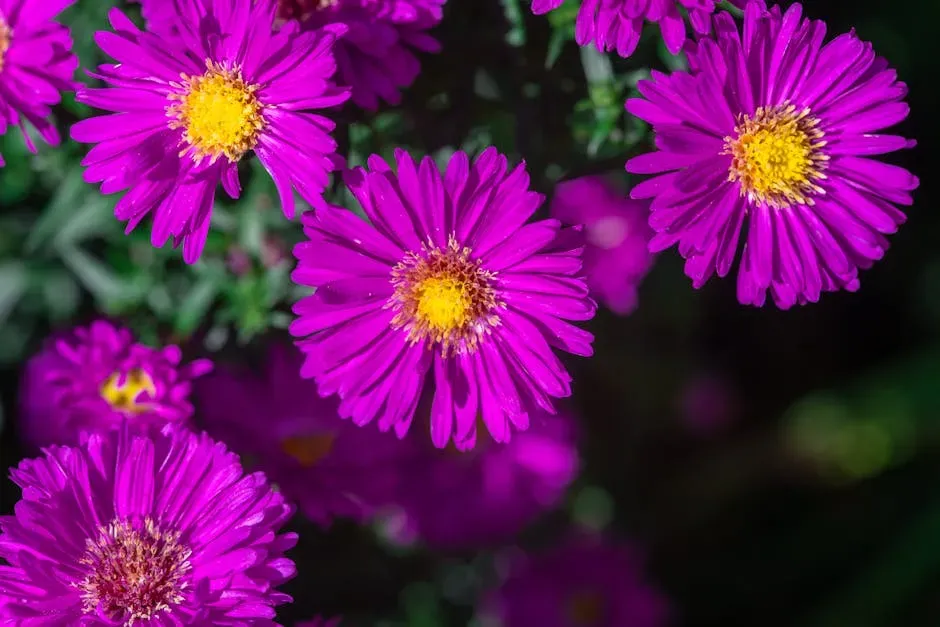
Aster is possibly one of the easiest plants to grow and is especially popular in cottage garden schemes. The perfect choice for late summer and autumn color, these compact, hardy perennials burst forth in August with a smothering of beautiful violet and blue daisy-like flowers that continue to glow until the end of autumn, and once established in beds or borders, provide a late source of nectar year after year.
Asters are also host plants for several species of caterpillars, so grow them and you’re almost guaranteed to see generations of butterflies in your garden. Aster is host to pearl crescents, silvery checkerspots, and American ladies, making them excellent fall nectar plants too. Planting asters alongside earlier-blooming perennials ensures the nectar buffet stays open into late season.
#7 Blazing Star / Liatris (Liatris spicata)
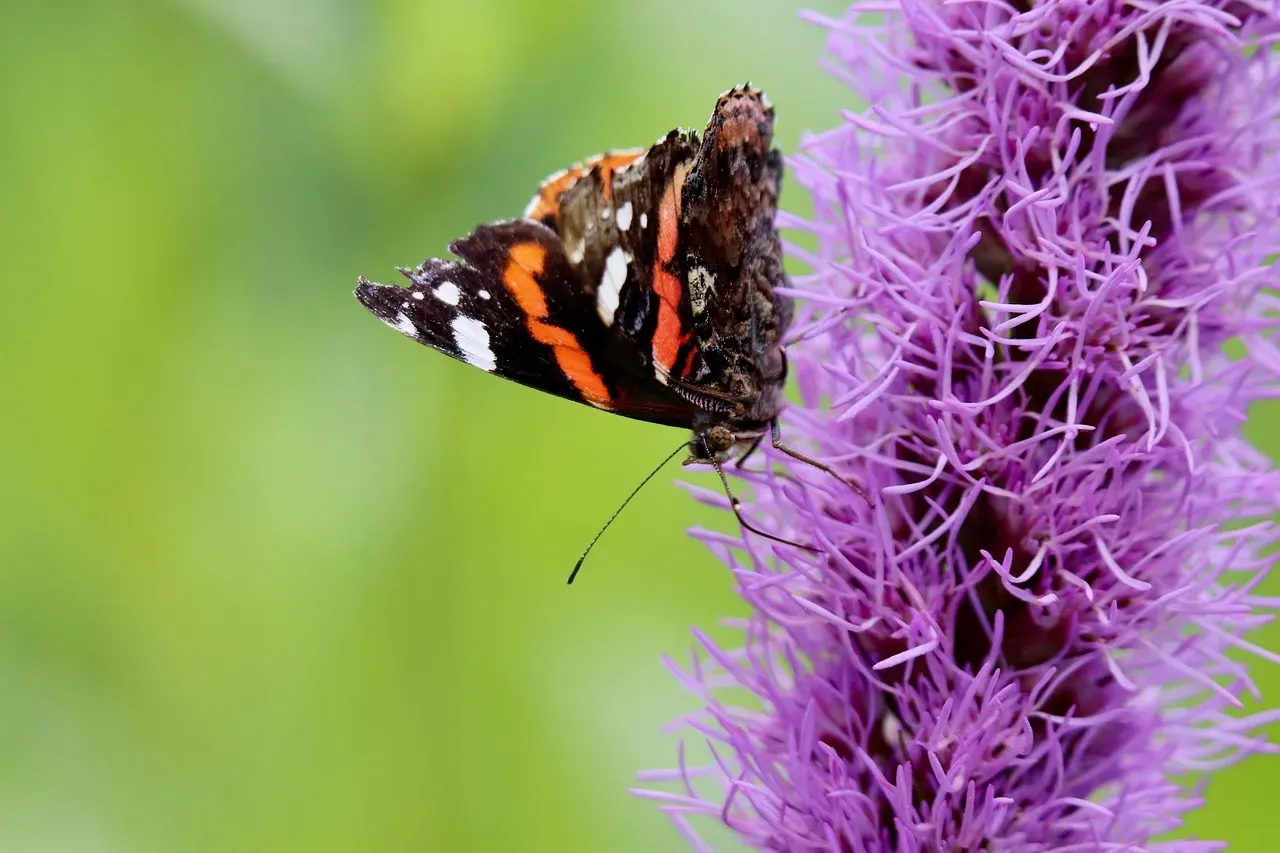
Also called gayfeather, this sturdy North American prairie native produces spiky flowers throughout summer, which attract buckeyes, monarchs, swallowtails, and many other butterflies. The vertical purple spikes are visually striking, and they function as one of the most distinctive shapes in any pollinator planting.
Blazing star is a perennial suited to USDA Zones 3 to 9, blooming in summer in lavender, pink, purple, and white tones, and growing from one to five feet tall. It thrives in average to dry, well-drained soils and tolerates poor conditions that would stress many other plants. It’s genuinely forgiving, which is one reason beginner gardeners tend to love it.
#8 Zinnia (Zinnia elegans)
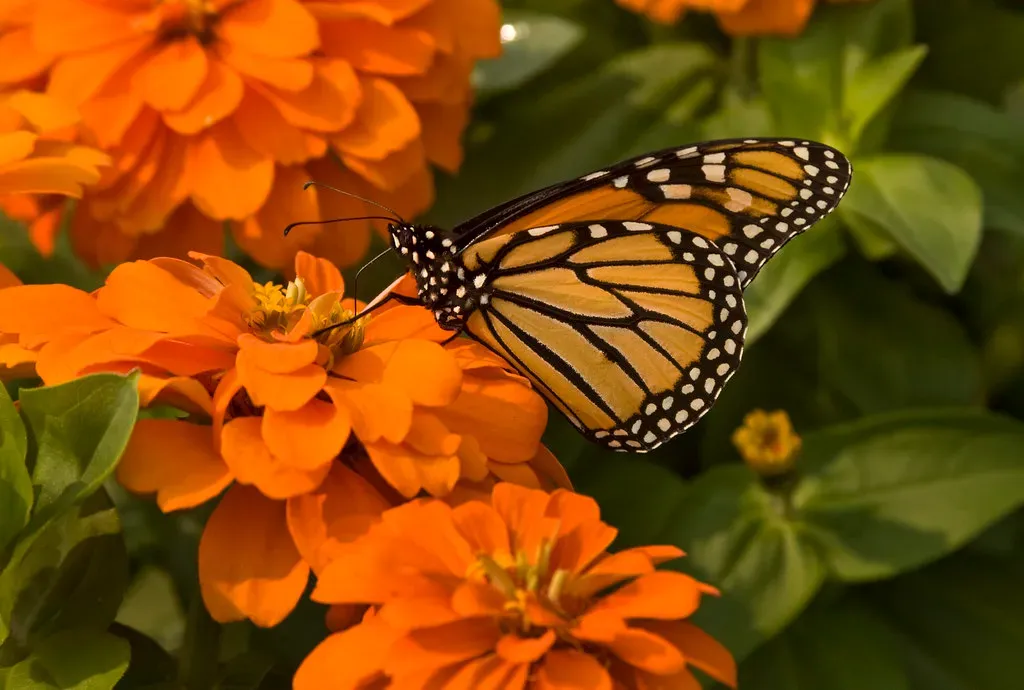
When planted in late summer, fall zinnias can play a crucial role in providing butterflies food in the fall, often up until the first frost. Available in a variety of bright colors, you can buy zinnias nearly year-round, but fall offers the most variety. They’re also among the fastest flowers to grow from seed, which makes them an excellent choice for new gardeners.
Zinnia is a garden flower that is a butterfly magnet, and alongside plants like New England Aster and Purple Coneflower, it serves as a great source of nectar. Butterflies are most attracted to vivid colors they can spot from a distance as they are flying, with preferred colors being red, yellow, orange, and purple. Zinnias, conveniently, come in all of those shades. Plant them in bold masses for maximum visibility.
#9 Joe-Pye Weed (Eutrochium spp.)
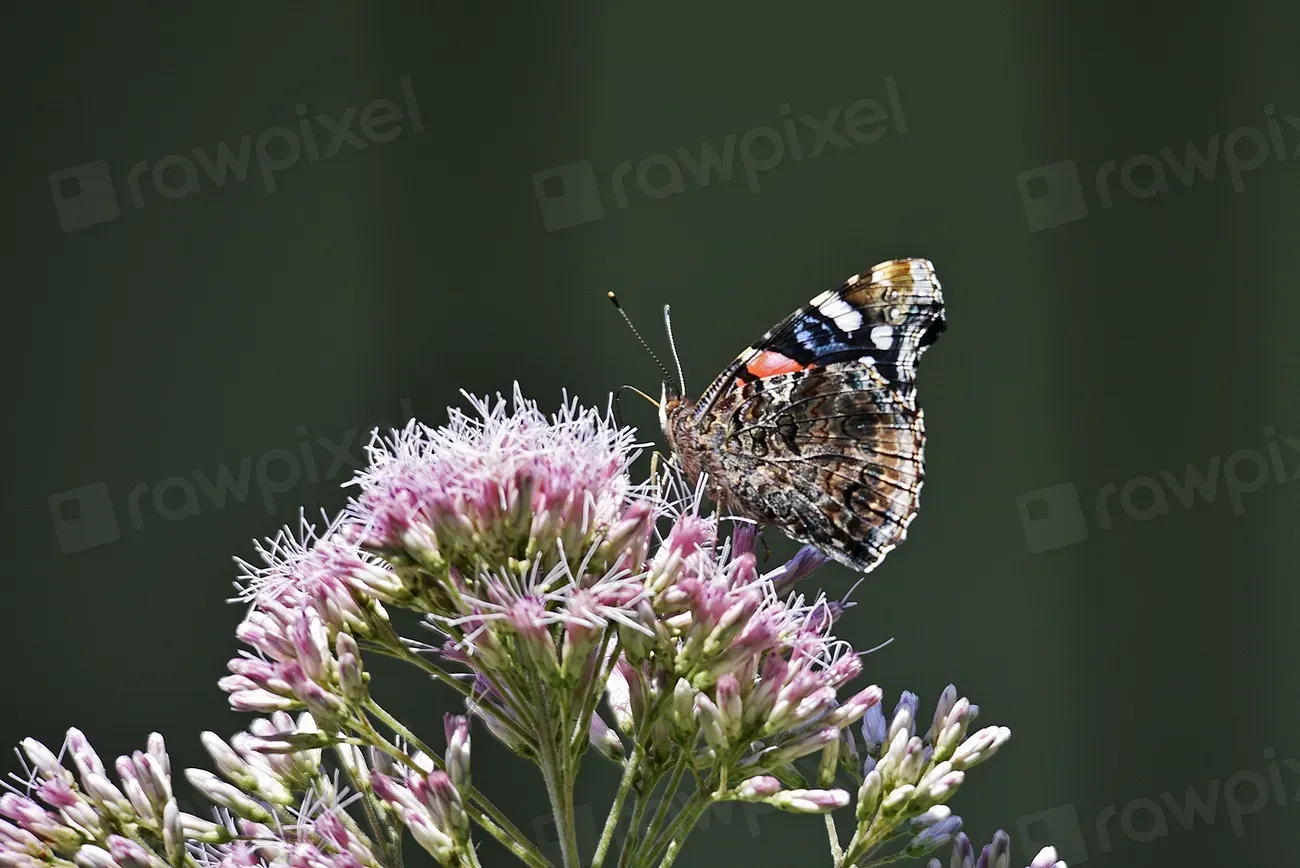
Joe-Pye weed blooms between late summer in August until fall in October, and it is invaluable to butterflies and other pollinators in search of nectar during the late season. Monarchs, swallowtails, gulf and variegated fritillaries, skippers, red admirals, red-spotted purples, American ladies, and many more delight in its blooms. It’s one of those plants that genuinely earns the term “powerhouse.”
Many species exist and they generally share the same requirements for planting and care, but they vary in terms of size, with Joe-Pye weed growing from two to seven feet tall. Its flowers and foliage bring color and beauty to the garden, and its height adds drama to groupings, the back of borders, or rain gardens. Compact cultivars like ‘Baby Joe’ make it accessible even for smaller yards.
#10 Salvia (Salvia spp.)
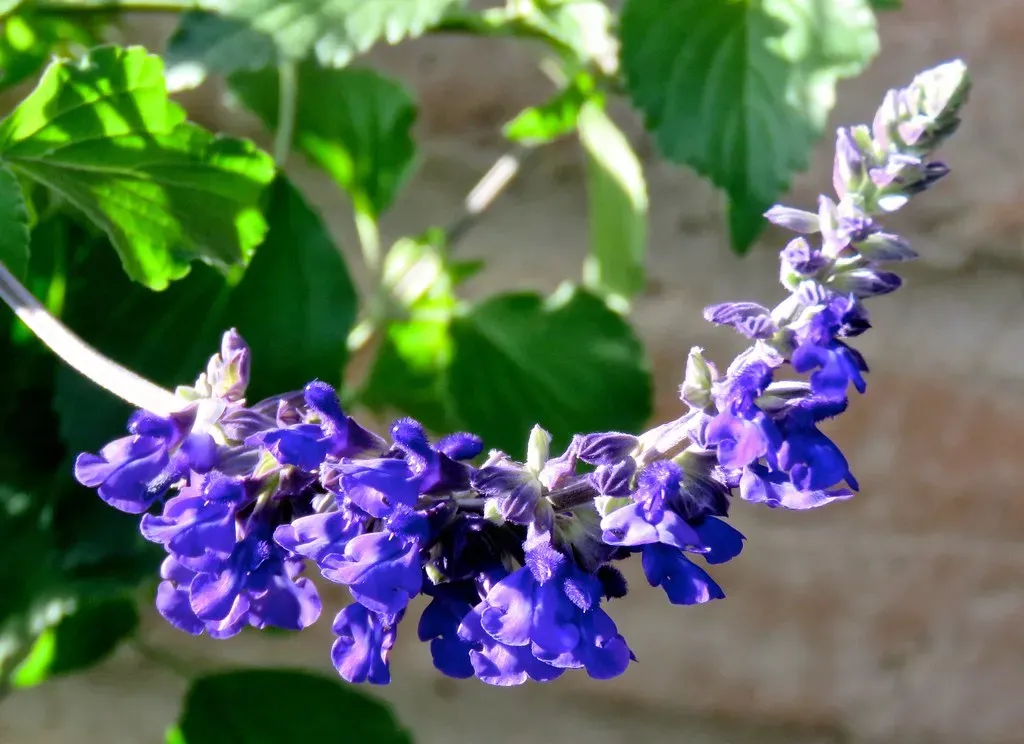
Mystic Spires Blue Salvia flowers freely during the growing season and is a plant butterflies love. It has a very tubular flower, and the butterfly must use its long proboscis to get down into the nectar, which is exactly as it was designed to do. That feeding relationship is elegant in its simplicity and remarkably effective in practice.
The flowers of native sages and Salvia species make fine nectar sources for butterflies. Most salvia varieties are drought tolerant once established, making them an excellent choice for gardeners in drier climates who still want to support pollinators. Their long bloom season, often stretching from late spring well into fall, means butterflies have a reliable fuel stop across multiple generations.
#11 Yarrow (Achillea millefolium)
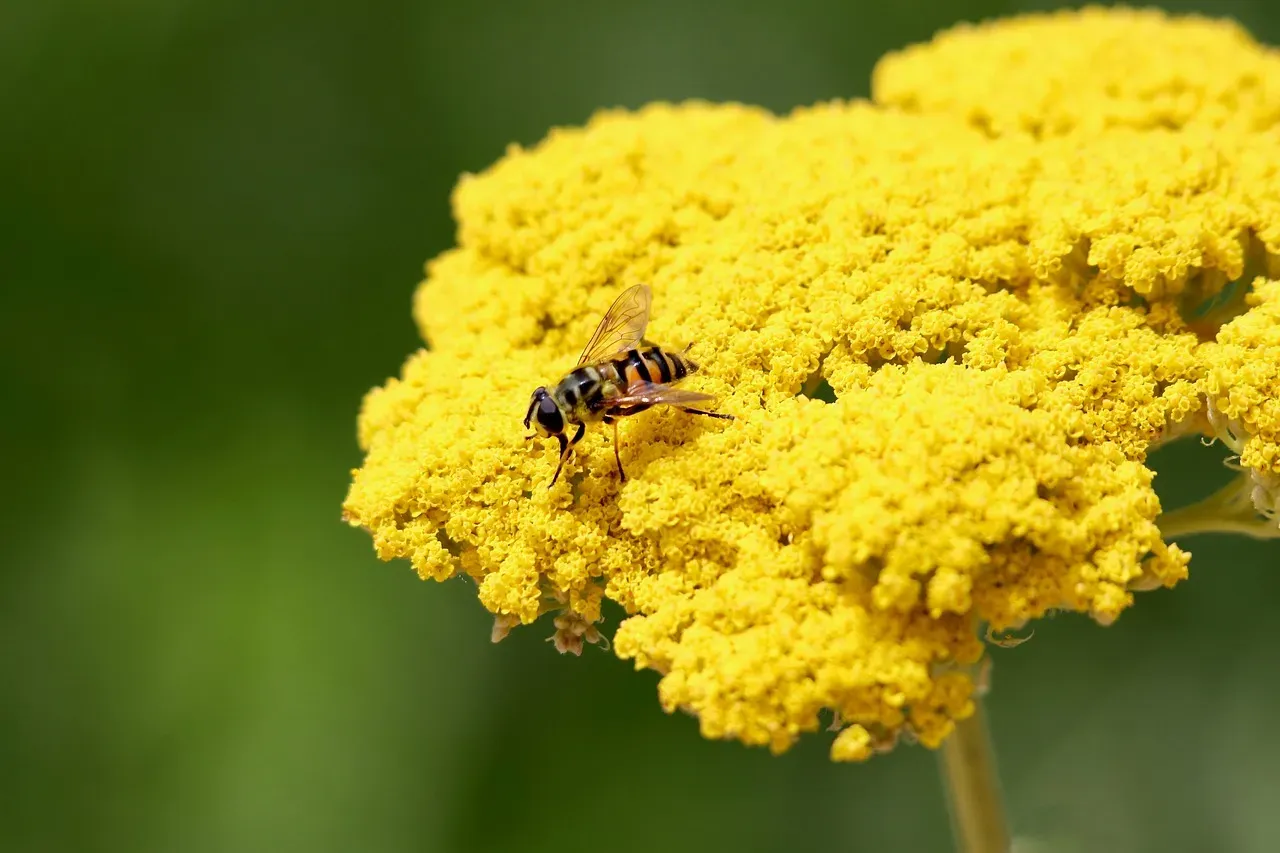
Yarrow is a must-have perennial for every butterfly garden. Yarrow’s lush, lively blooms rise above its delightful ferny foliage and provide the perfect resting place for traveling butterflies. Grow yarrow in moist, well-drained soil and full sun. It’s also one of the toughest perennials available, tolerating poor soils that defeat most other flowering plants.
Butterfly flowers include those with a flat or dome shape and clusters of tubular florets that are easy to access with their proboscis, and flat-topped flowers such as yarrow also provide a safe place for butterflies to perch while feeding. Yarrow, among other native daisies, is a well-regarded butterfly nectar plant. Deadheading spent blooms encourages longer flowering and keeps butterflies coming back through mid-autumn.
#12 Fennel (Foeniculum vulgare)
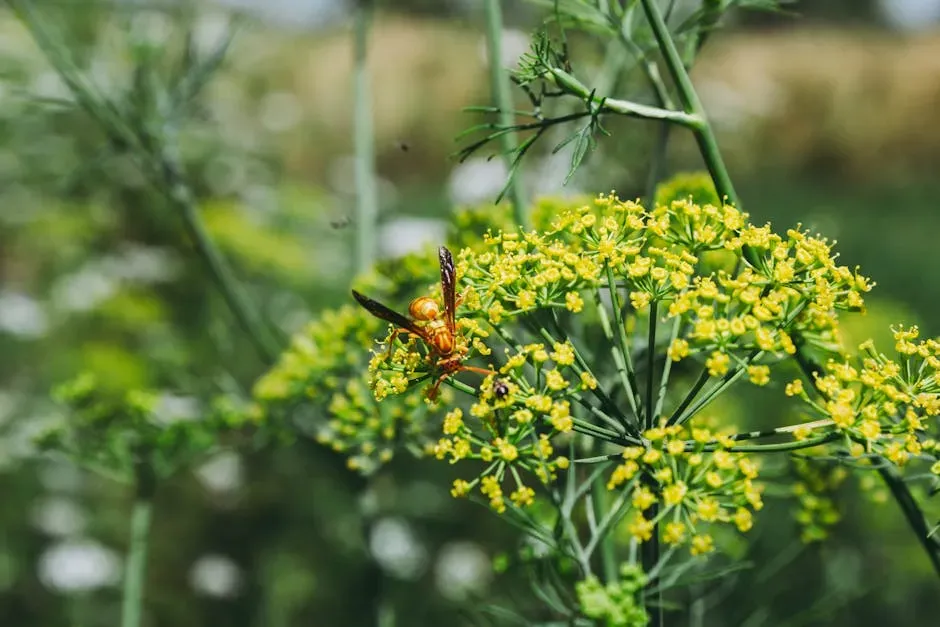
Black Swallowtail caterpillars eat plants from the carrot family, including herbs and vegetables such as parsley, dill, fennel, and carrot tops, and planting these specific herbs is an effective way to attract Black Swallowtail butterflies to lay their eggs in your garden. Fennel does double duty here, serving both as a host plant for caterpillars and as a feathery, architectural addition to the garden bed.
Fennel can grow almost anywhere in the U.S. with the exception of extreme climates. It attracts swallowtail butterflies because the caterpillars enjoy feeding on fennel leaves, but if you decide to plant it in your yard, be prepared to keep it under control. Fennel grows quickly and will need to be contained to one area unless you want it to expand. A small patch near a sunny fence is all it really needs to thrive.
A Few Simple Principles That Tie It All Together
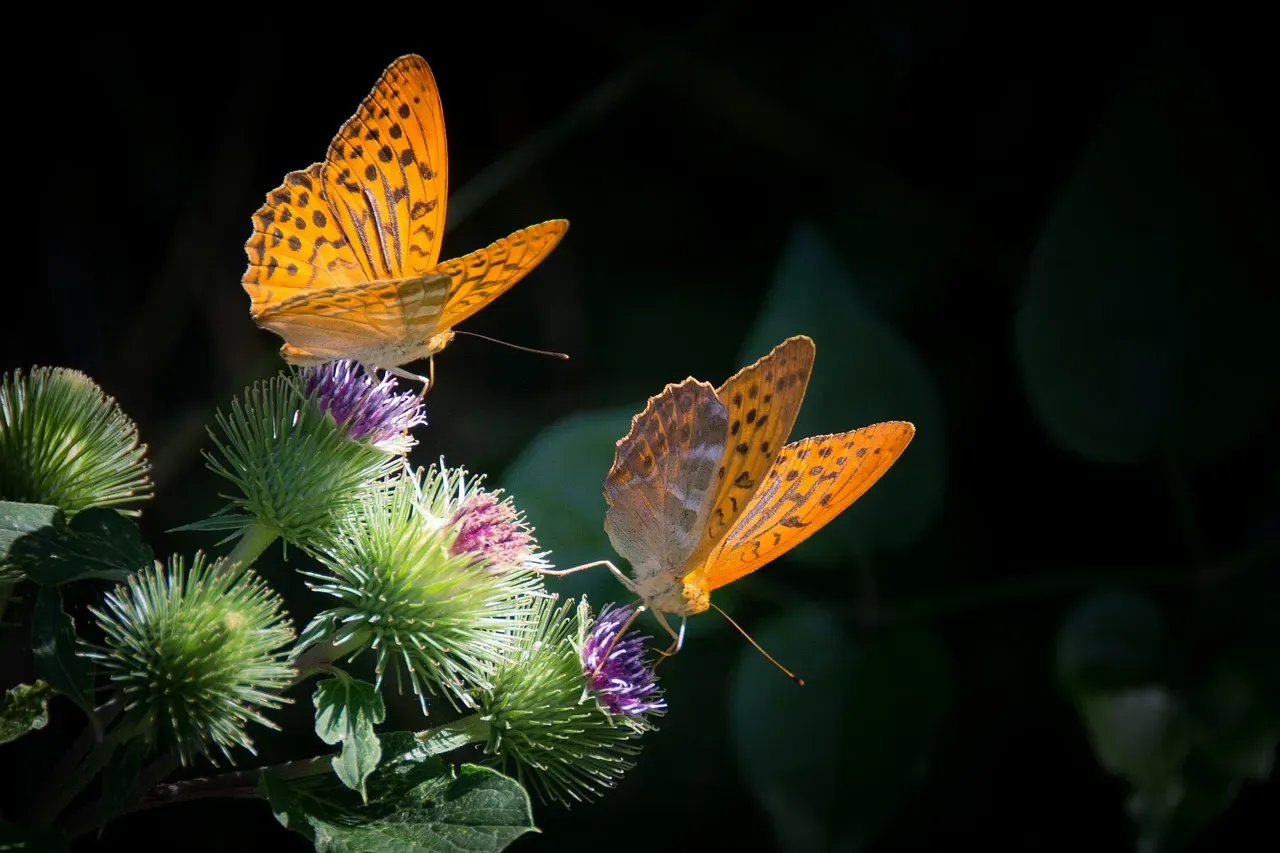
It takes more than nectar to entice butterflies to take up residence in your garden. While nectar-rich flowers attract passersby to stop and feed, host plants send an invitation to stay a while. Larval host plants are the secret to successful butterfly gardening, as they are plants required by a caterpillar for growth and development. By planting host plants, you offer a promise of food for the next generation and will attract more butterflies than you thought possible.
Grouping the same type of plant together makes it easier for butterflies to locate nectar sources, and native plants are better suited to the local climate and more appealing to native butterfly species. Butterflies are cold-blooded and need sunny areas to warm up. Avoiding chemical pesticides is also essential, as they can harm butterflies and other beneficial insects, making organic pest control the better option.
It’s important to keep in mind that butterfly-friendly plants are food sources for adult butterflies. If you want to observe butterflies through their whole life cycle, you will need to plant food sources for caterpillars and have plants where butterflies will lay their eggs. That balance between nectar plants and host plants is really the whole philosophy in a nutshell.
The backyard isn’t just a patch of grass between fences. With the right dozen plants, it becomes a corridor, a waystation, a nursery for the next generation of wings. You don’t need to transform your entire yard overnight. Start with two or three of these, plant them in a sunny spot, and step back. The butterflies will find you.
