
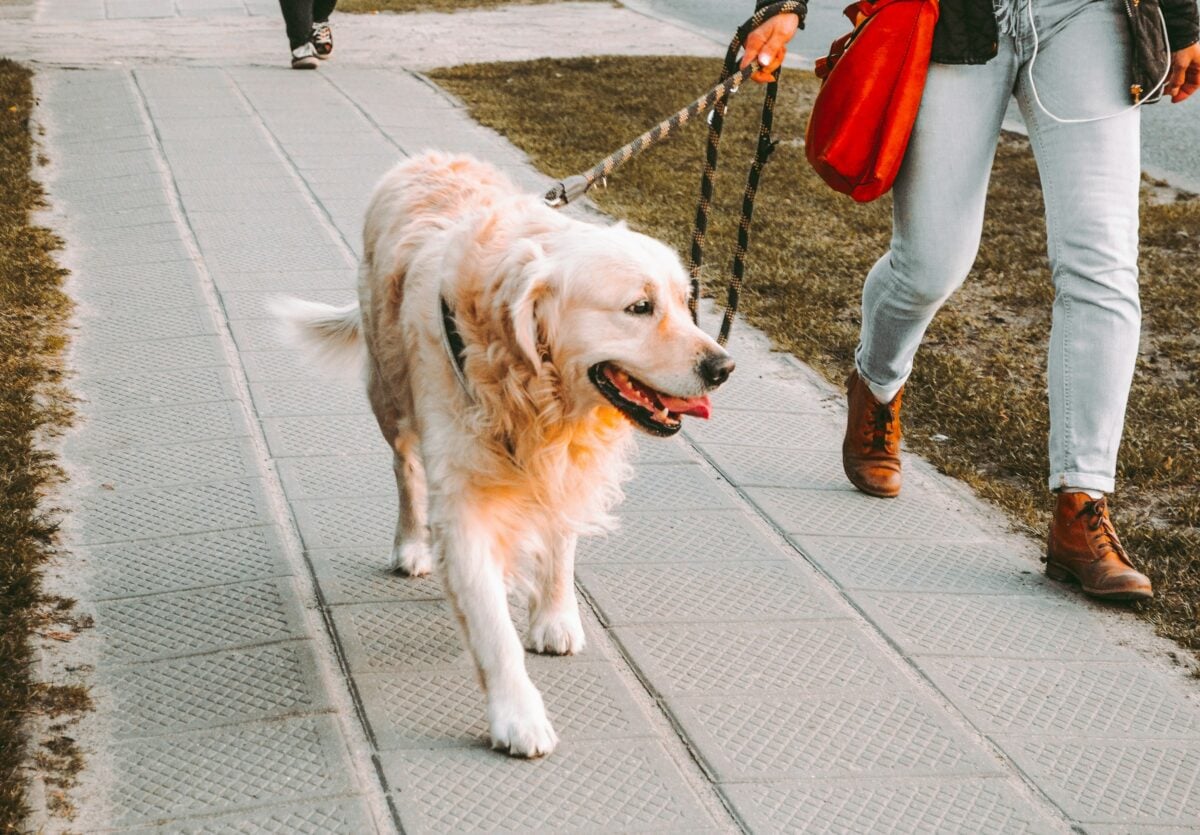
Most people think loving an old dog is simple: soft bed, extra treats, a little extra patience when he’s slow to get up. But in thousands of homes, well-meaning owners are quietly shaving months – sometimes years – off their senior dog’s life without ever raising their voice or missing a meal.
The mistakes aren’t neglect. They’re skipped walks excused as kindness, snacks handed out as love, stiffness dismissed as “just getting old.” Vets say the biggest life-shorteners almost never look like cruelty – they look like affection. Fix them, and you’re not just adding time to your dog’s life. You’re changing what those last years actually feel like.
#12 – Treating “Slowing Down” As “Just Old Age”
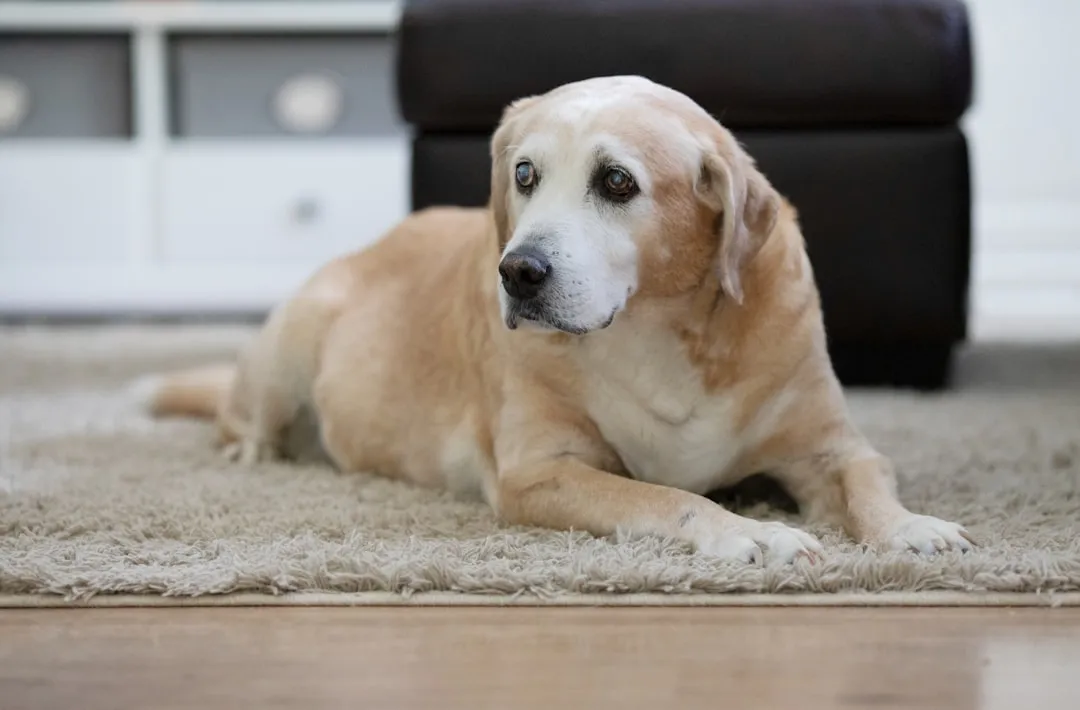
Most owners shrug when an older dog moves slower, chalking it up to normal aging. But “slowing down” is very often untreated pain – arthritis, joint disease, or an injury hiding in plain sight. Senior dogs rarely whine about it. They simply adapt.
They skip the stairs. They stop jumping on the couch. They lag a little further behind on walks. Owners call this “lazy” or “stubborn,” when it’s usually discomfort that meds, supplements, weight loss, or physical therapy could actually manage. Left alone, dogs in chronic pain move less, gain weight, and develop worse arthritis and even heart stress. Some vets will tell you privately that the number of senior dogs put down “because they’re old” is really the number whose pain was never treated in the first place.
#11 – Skipping Regular Bloodwork After Age 7
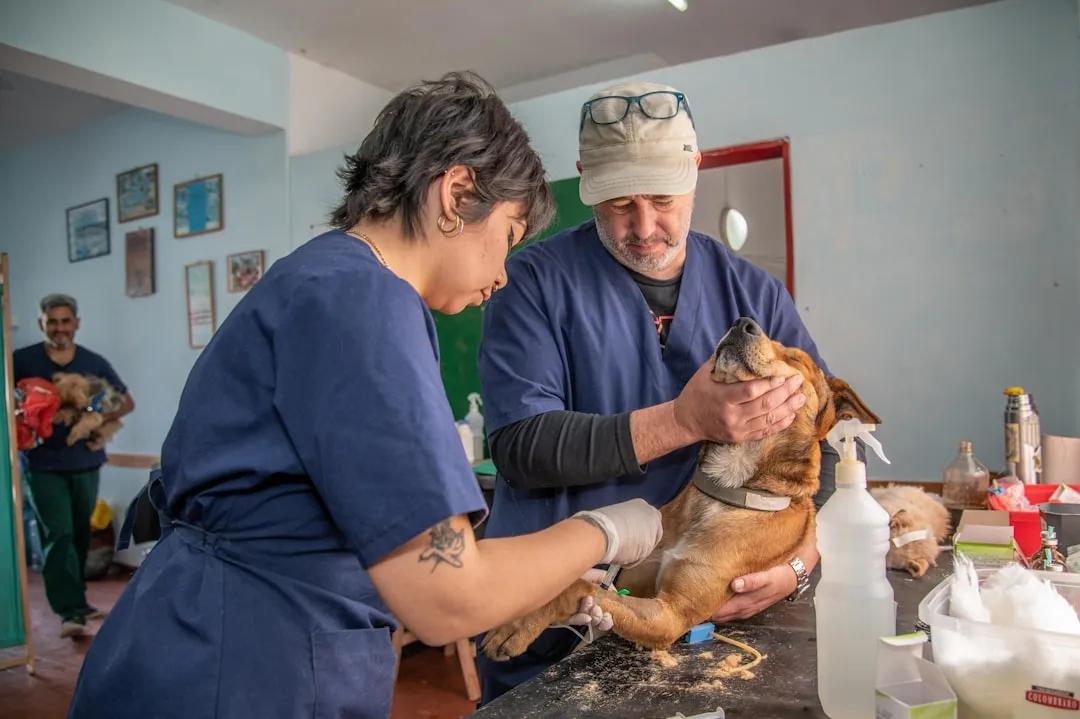
If your dog looks fine, you assume he is fine. That’s exactly how kidney disease, liver problems, and early diabetes sneak up on senior dogs. By the time there are obvious symptoms – drinking more, accidents in the house, sudden weight loss – the disease is often already advanced.
Yearly, or even twice-yearly, bloodwork after age 7 or 8 is one of the cheapest lifespan insurance policies you can buy. A basic senior panel can catch rising kidney values or creeping liver enzymes long before a crisis hits, giving you time for diet changes and monitoring that can genuinely add years. Yet plenty of owners skip the testing to save money now, only to face a massive emergency bill – and a much sicker dog – later.
Fast Facts
- A standard senior panel typically checks kidney values, liver enzymes, blood sugar, and thyroid function
- Most vets recommend testing every six to twelve months starting around age seven
- Organ disease can quietly progress for months before obvious symptoms like excess thirst or weight loss appear
#10 – Letting a Senior Dog Get Even “A Little” Overweight

A chubby old dog gets called “cute” or “well loved.” Vets are far blunter: extra fat is one of the most reliable ways to shorten a senior dog’s life. Every extra pound stresses the heart, the joints, the lungs – all the systems already working overtime in an aging body.
Weight creeps on quietly in seniors. Activity drops, treats go up, and portions never shrink to match a slower metabolism. Owners insist “he’s always been like this,” while his body works double time just to move around the yard. Trim doesn’t mean ribby – it means you can feel ribs with a light touch and still see a waist from above. Fat isn’t love. It’s a slow, everyday stress test on a body that can’t afford one.
At a Glance
- A landmark 14-year Purina study found that lean-fed dogs’ healthy years were extended by 1.8 years compared to dogs kept at normal weight
- Researchers also observed that lean-fed dogs had healthier blood pressures, blood sugar levels and heart rates than the control dogs, with fewer visible signs of aging
- A visible waist and easily felt ribs are simple at-home checks for a healthy senior body condition
#9 – Cutting Walks Short “Because He’s Old”
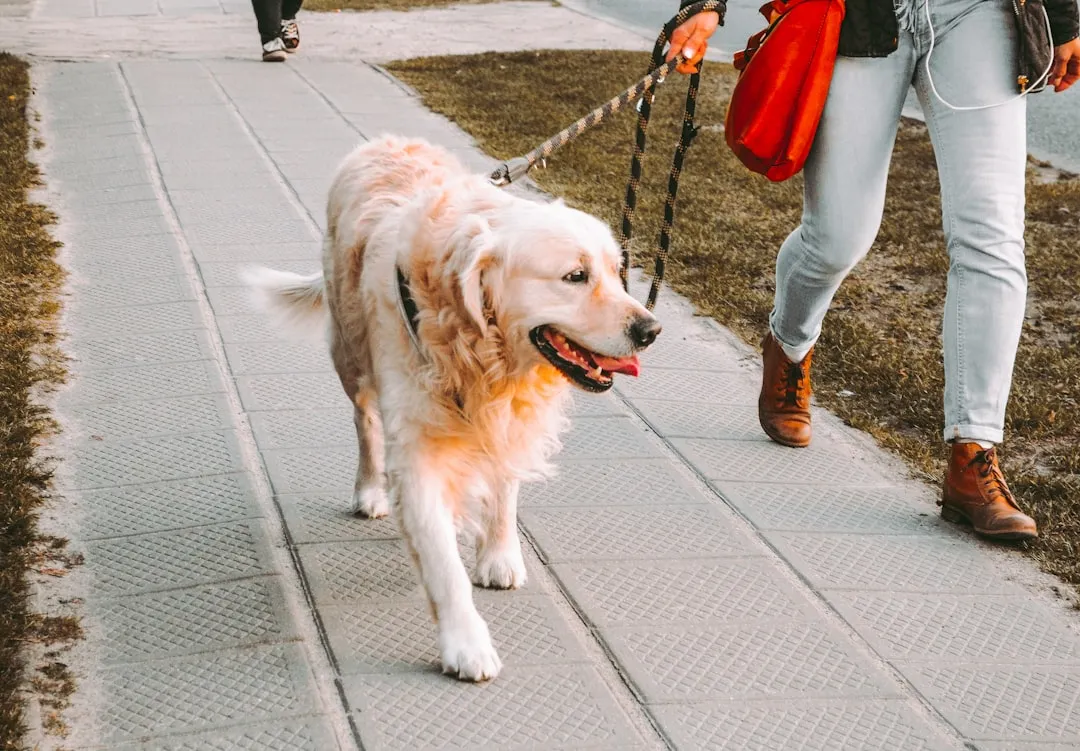
It feels kind to shorten or skip walks once a dog starts slowing down. But regular, gentle movement is one of the strongest protectors of an older dog’s brain, heart, and joints. Cut the exercise “to let him rest,” and muscles weaken, joints stiffen, and mobility falls apart even faster – so the owner walks him even less. It’s a vicious circle dressed up as compassion.
The fix isn’t forcing long runs. It’s smarter, shorter movement:
- Shorter but more frequent walks
- Flat, non-slippery routes
- A slow warm-up and cool-down pace
Movement protects the mind too – new smells and sights work like brain puzzles that slow cognitive decline. A lot of what gets blamed on “doggy dementia” is really boredom. The dog who “can’t walk like he used to” often walks worse precisely because everyone stopped asking him to.
#8 – Free-Feeding Treats and Table Scraps
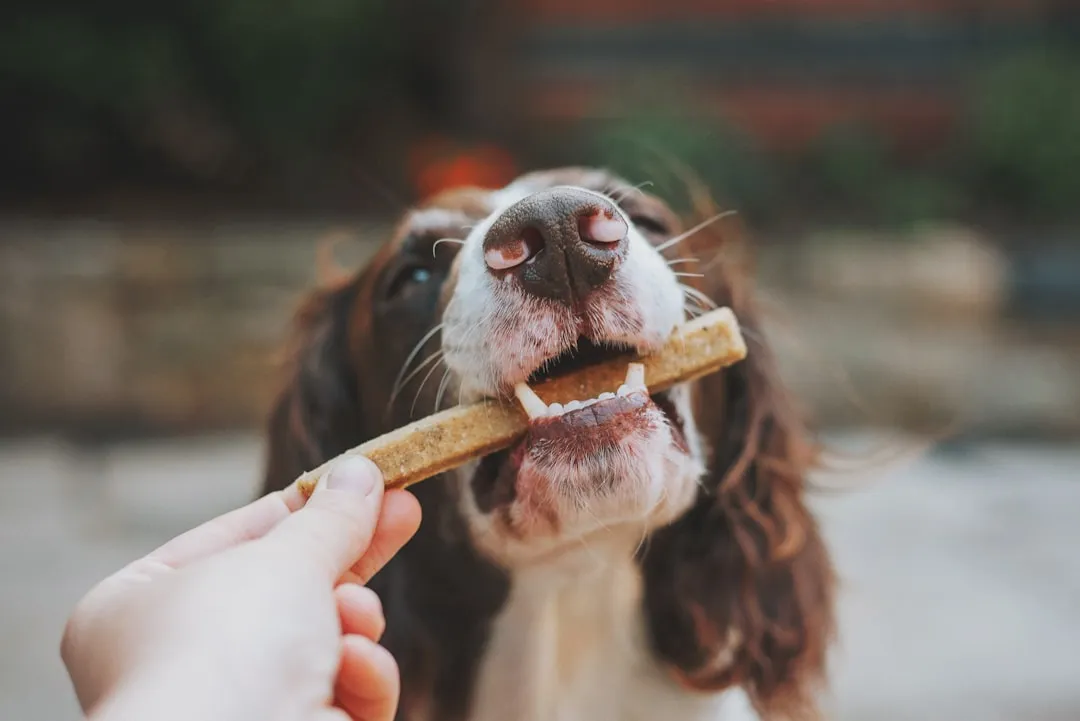
Senior dogs have slower metabolisms and more fragile organs – which is exactly when many owners loosen up on treats. One extra biscuit, a piece of bacon, a lick of ice cream “because he’s old and deserves it.” It feels compassionate. Internally, it can be quietly devastating.
High-fat scraps can trigger pancreatitis. Sugary or salty foods strain kidneys and livers that are already working with less reserve. Even “healthy” human food can be a calorie bomb, and older dogs struggle more to regulate blood sugar – constant snacking can tip a borderline dog straight into diabetes. Swap the habit for measured treats, low-calorie training bites, or vet-approved joint supplements disguised as a snack. A striking number of senior emergency vet visits trace back to one “special” moment at the table.
#7 – Neglecting Dental Care Once They’re “Too Old” to Bother

A shocking number of owners think, “he’s old, why bother cleaning his teeth now.” Vets practically beg people to understand: dental disease isn’t just bad breath – it can shorten a dog’s life. Infected gums leak bacteria into the bloodstream every single day, quietly stressing the heart, kidneys, and liver.
Yes, dental cleanings require anesthesia, and that scares people. But a healthy senior, properly screened with bloodwork and maybe a chest X-ray, often handles anesthesia better than a younger dog walking around with undetected disease. Leaving rotting teeth in place isn’t the safer choice – it’s slow systemic damage. Even short of a full cleaning, daily brushing, vet-approved dental chews, and targeted antibiotics can buy real time.
Worth Knowing
- Periodontal disease affects nearly 80% of dogs by the age of three, often lurking below the gumline where owners can’t see it
- Advanced cases can lead to complications like jaw fracture and abscesses that drain through the face or chin
- Few dogs show obvious mouth pain, so annual dental checks matter even when breath and appetite seem normal
#6 – Ignoring the Subtle Behavior Changes That Come First
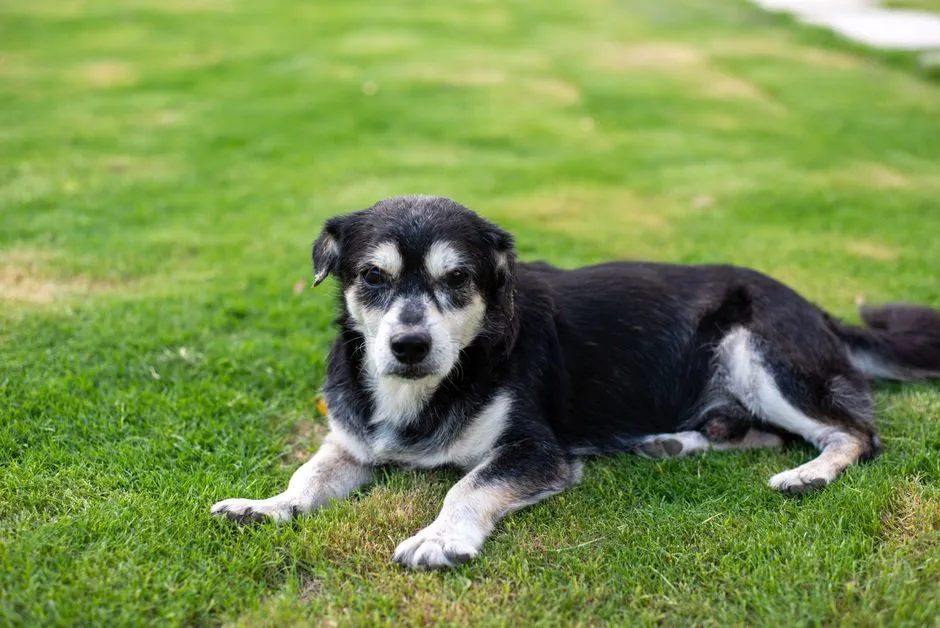
Most people only worry when their dog cries out, stops eating, or collapses. By then, it’s usually serious. Senior dogs whisper their problems first, through small shifts almost anyone could miss: panting at night, pacing, hiding, clinging, staring at walls, getting stuck in corners.
Owners chalk it up to “quirky old dog stuff,” but it can signal pain, cognitive decline, heart trouble, or hormonal disease. Nighttime restlessness might respond to pain control or a cognitive-support diet. Getting lost in a familiar house can improve with a few environmental tweaks and the right medication. The dogs who decline fastest are usually the ones whose earliest signs got brushed off for months. If your gut says “he’s just not himself,” trust it – vets wish more owners took that feeling seriously before it became an emergency.
#5 – Keeping a Puppy-Level Home Setup for a Senior Body
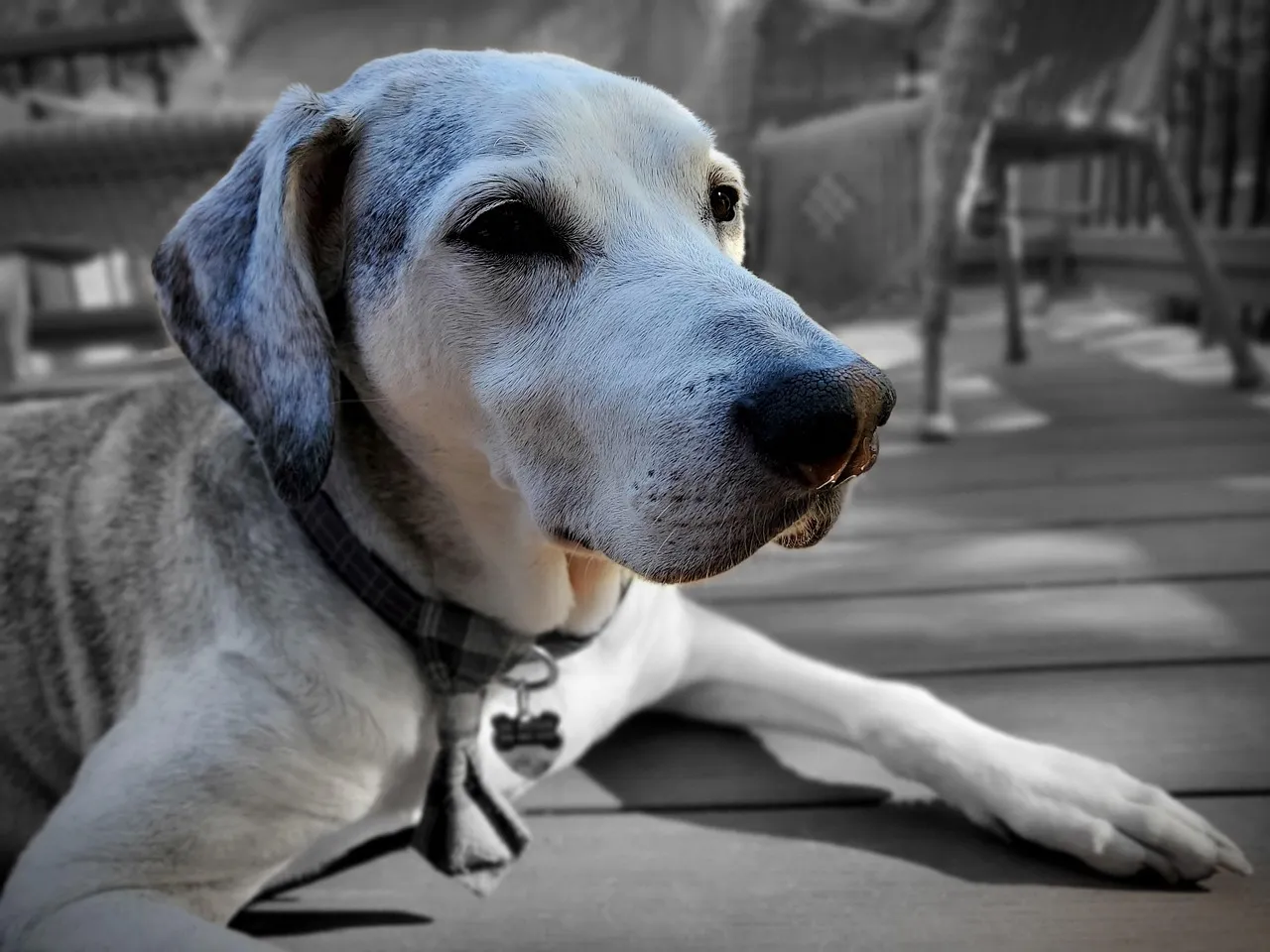
Here’s an unpopular truth: many homes are physically hostile to senior dogs, and owners don’t notice until a fall. Slick hardwood floors, steep stairs, high beds, deep sofas – all fine at three years old, all daily hazards at thirteen. Every slip can tear a ligament. Every jump can wreck an arthritic joint. The dog adapts silently, right up until the day he simply can’t.
“Senior proofing” isn’t coddling – it’s risk management, and it’s cheap:
- Non-slip rugs or runners over hard floors
- Ramps or steps to beds, couches, and the car
- Raised food bowls for dogs with neck or back trouble
People resist because “he’s always done it this way.” But that mindset is exactly how one bad step becomes a career-ending injury. Senior dogs don’t need to prove they’re tough. They need help holding onto the mobility they’ve got left.
#4 – Leaving Them Alone and Unstimulated for Long Stretches
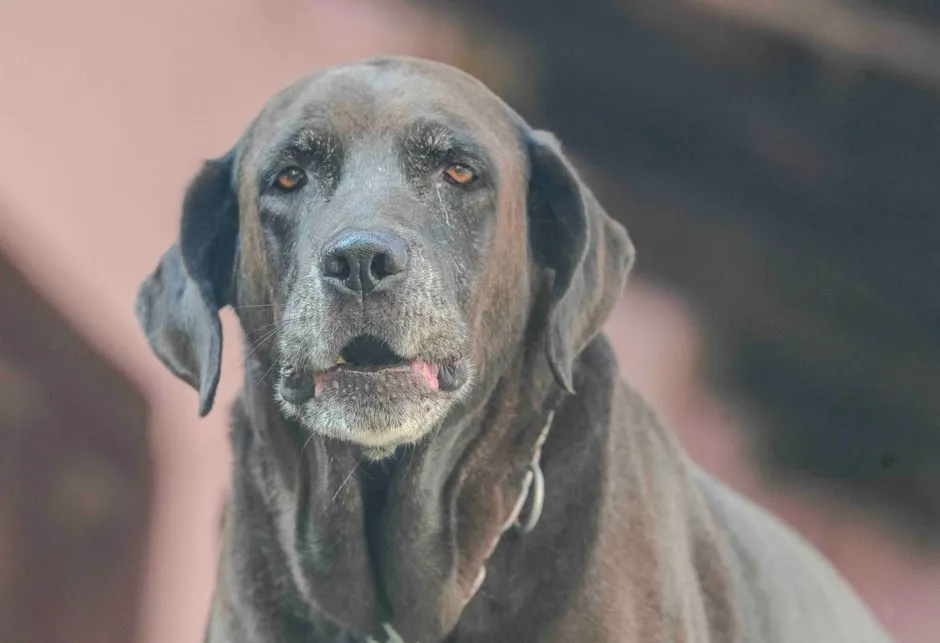
Here’s a harsh one few people want to admit: many senior dogs spend most of their day bored, alone, and quietly confused. Owners assume older dogs “just sleep” and don’t need much interaction. In reality, cognitive decline accelerates in a vacuum – without sniffing, problem-solving, or gentle training, the brain simply atrophies faster.
You don’t need elaborate games. Small, frequent moments do the job:
- Simple scent games – treats hidden in a towel or snuffle mat
- Easy “old-dog-friendly” training like hand targets or basic tricks
- Short car rides or stroller walks for dogs with limited mobility
Loneliness and stress affect immune function and behavior in dogs just like they do in people. Many “sudden” declines in seniors are really years of quiet understimulation catching up all at once. People love to say “he’s happy just lying there” – but watch how fast an old dog lights up the second you offer him something to do.
#3 – Delaying or Skipping Pain Medication Out of Fear
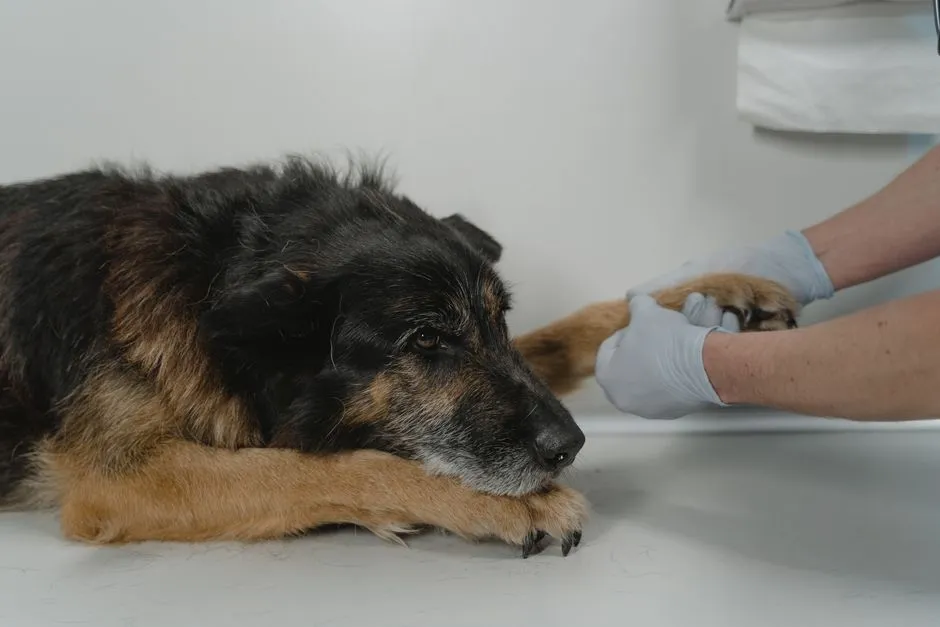
Pain meds for dogs are a minefield online. One camp screams “they’ll destroy the liver.” The other points to a brutal reality: uncontrolled chronic pain absolutely destroys quality of life, and it can shorten it too. Plenty of owners delay treatment because of a scary comment thread, not because their vet found anything alarming in bloodwork.
Pain is a welfare issue, not a side issue – it should be treated as seriously as any disease we diagnose.
American Animal Hospital Association pain management guidelines
Modern veterinary pain management is far more sophisticated than most people realize. Vets can rotate or combine lower doses of different drugs, add joint injections or laser therapy, and monitor liver and kidney values closely to keep it safe. Is there risk? Sure. But leaving a dog in unmanaged pain isn’t risk-free either – he moves less, eats less or overeats, and often turns depressed or reactive. If anything, vets under-treat senior pain far more often than they over-treat it.
#2 – Assuming “He’s Too Old” for Surgery or Real Treatment
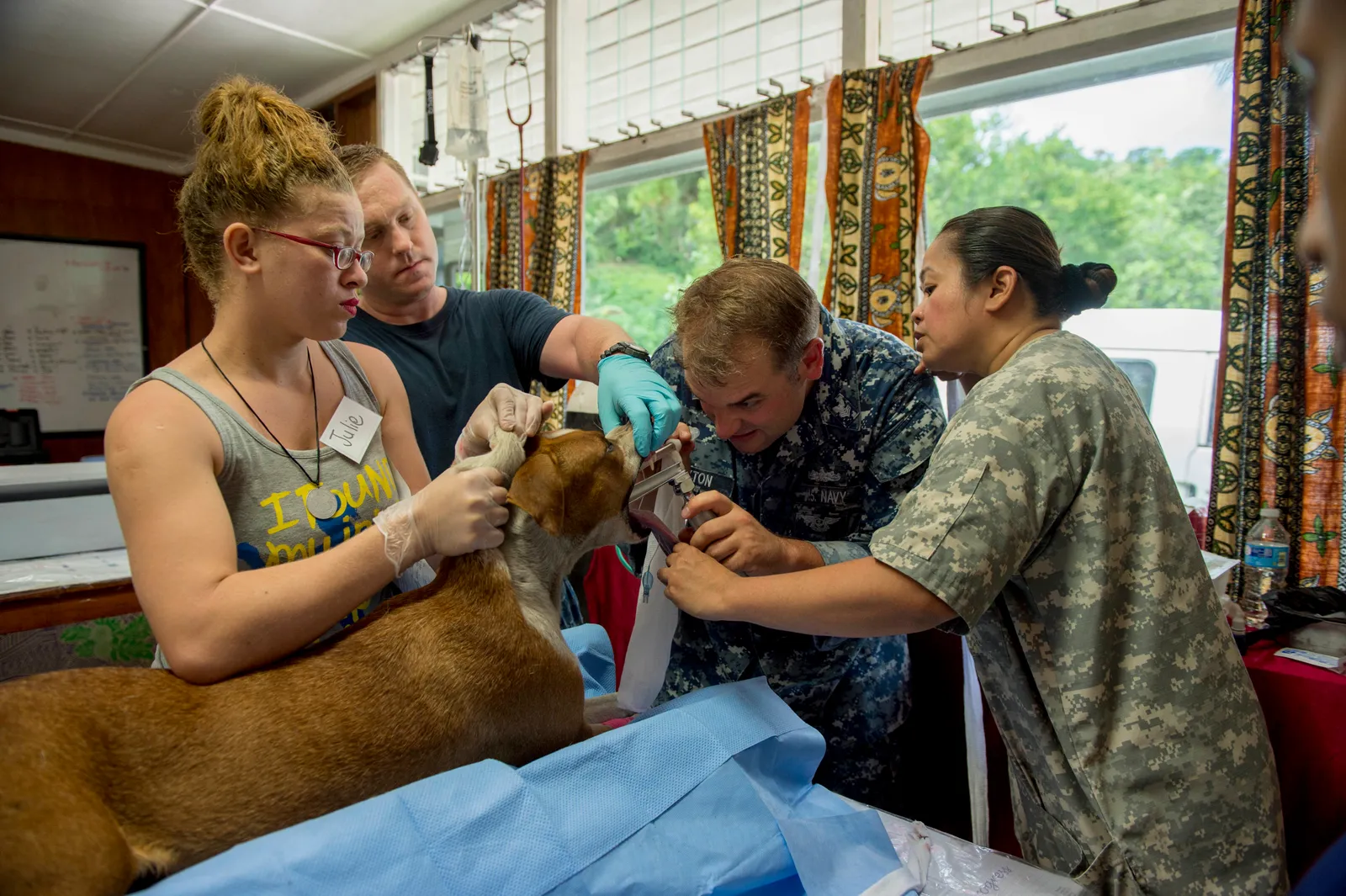
This might be the most quietly life-shortening myth on this whole list. Owners hear “surgery” and picture torture for an old dog. But age alone isn’t a disease – condition is. A fit twelve-year-old with clean bloodwork and a stable heart can actually be a better anesthesia candidate than a seven-year-old with hidden illness.
Vets watch this play out over and over: small tumors, infected teeth, fixable injuries left alone because someone waited “until it got worse,” until the dog is finally too sick for safe anesthesia. It’s a tragic, self-fulfilling prophecy. The right question was never “is he too old?” It’s “is he medically stable, and will this actually improve his life?” Sometimes the honest answer is no – just not nearly as often as the rumor mill suggests.
Quick Compare
- Healthy 12-year-old with clean bloodwork and a stable heart: often a lower-risk anesthesia candidate
- Younger dog with undiagnosed illness: can quietly carry higher hidden risk
- The deciding factor is current medical condition, not the number on the birth certificate
#1 – Avoiding the Hard Conversation Until It Becomes an Emergency
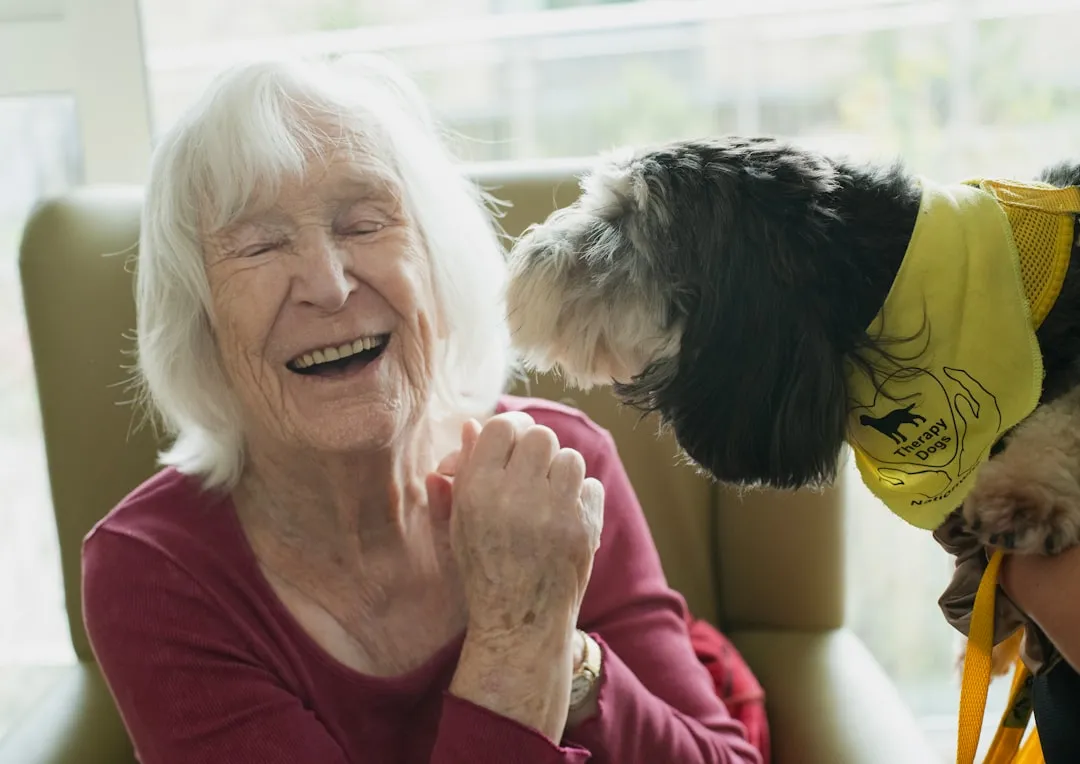
The single most painful mistake on this list isn’t about food, walks, or meds. It’s pretending the end isn’t coming, until a crisis forces a rushed, traumatic goodbye. People treat talking about death as morbid or premature. In reality, early, honest planning is what actually buys good days and prevents bad ones.
Avoid the topic, and you also avoid adjusting meds and environment in time, setting clear “quality of life” lines around eating, mobility, and joy, and scheduling a calm in-home euthanasia instead of a midnight emergency-room collapse. Vets say it quietly, over and over: many senior dogs suffer most in their final weeks not because their owners don’t love them, but because they love them so much they can’t face the decision until everything is already on fire. The owners who plan early, ironically, are the ones who give their dogs the longest stretch of genuinely good days – because the care stays proactive instead of reactive.
The Bottom Line
Here’s the uncomfortable truth in all of this: most senior dogs don’t lose their lives to rare, unlucky diseases. They lose time to ordinary human habits that could have been changed – skipped bloodwork, “harmless” snacks, ignored stiffness, slippery floors, boredom, delayed meds, and denial about the end.
None of this makes you a bad owner. It means nobody handed you the full playbook until now. You can course-correct today: call the vet, trim the weight, add the rugs, take the walk, start the conversation. Senior dogs don’t need a perfect owner. They need one willing to change the moment the facts ask them to.
Which of these hit closest to home for you – and what do you think people still get most wrong about loving an old dog well?

- 12 Everyday Mistakes That Quietly Shorten a Senior Dog's Life - July 28, 2026
- 19 Standoffish Cat Breeds That Are Secretly the Most Loving of All - July 28, 2026
- 16 Signs a Horse Has Quietly Decided You Are Its One Person - July 28, 2026