
There’s something quietly extraordinary about a creature you might nearly step over on a forest walk. Box turtles move through the world at their own pace, with no apology for it, and their seemingly simple lives turn out to be layered with biological marvels that most people never suspect.
They’ve been sharing the planet with us for a very long time, tucked under leaf litter and edging along stream banks, and science keeps peeling back new layers of just how well-adapted they really are. What follows might change the way you look at the next one you encounter.
#1: Their Shell Is Literally Part of Their Skeleton
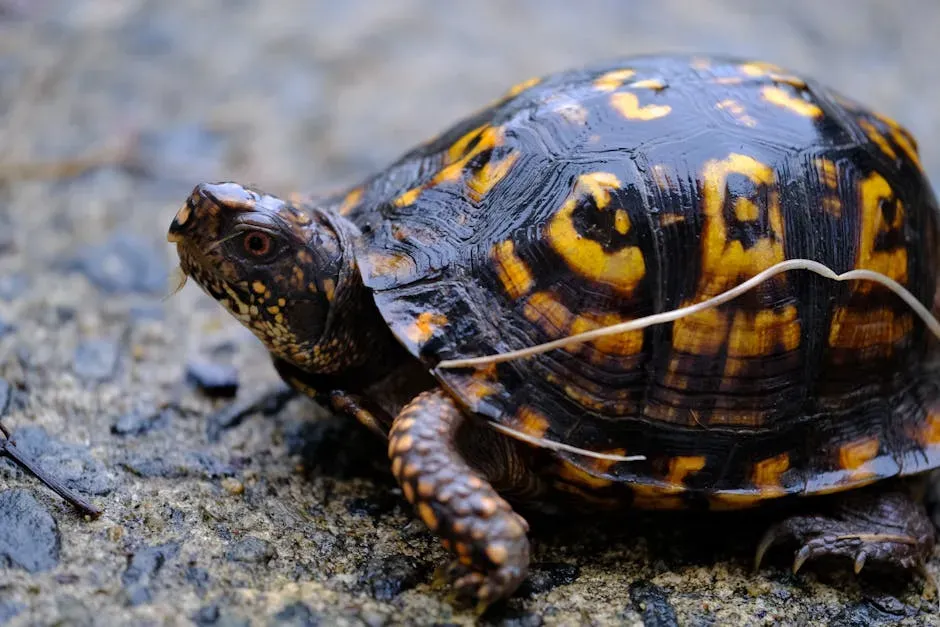
Most people think of a turtle shell as a kind of external armor, like a house the animal carries around. The reality is far more intimate than that. The shell is made up of a combination of scales and bones, and it includes the ribs and much of the backbone. It is fused to the body itself, not worn like a coat.
The shell of a box turtle is actually its ribcage. That means you could never remove it without fatally harming the animal, despite what some childhood folklore might suggest. The ribs and spine are joined together to form this shell, which offers security and structural support. It’s an elegant piece of evolutionary engineering, where protection and anatomy became one and the same.
#2: They Can Seal Themselves Shut Like a Box
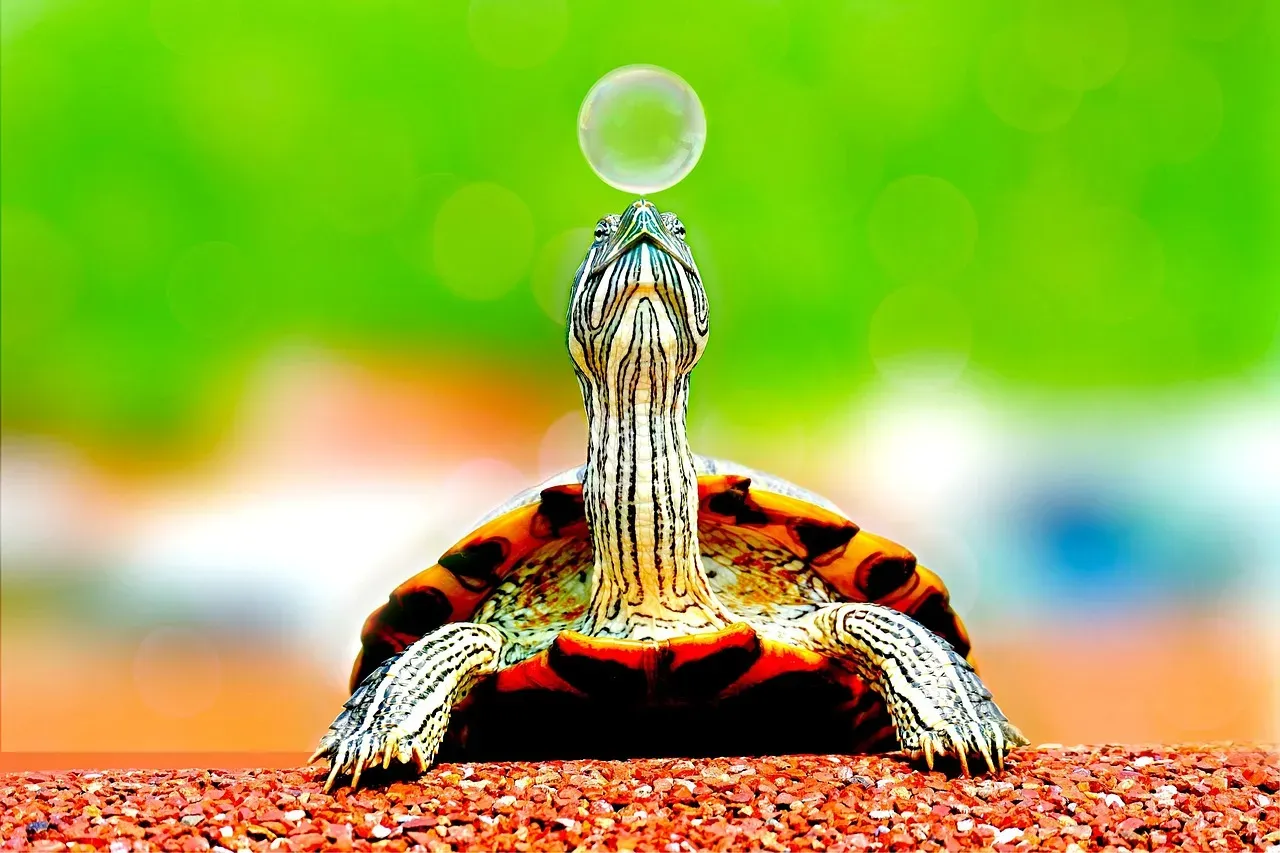
The feature that gives box turtles their name is genuinely remarkable. The lower shell, called the plastron, is hinged, enabling the shell to be closed much like a box. When a threat appears, the animal pulls in its head, tail, and all four limbs and clamps everything shut from within.
Box turtles get their names from the fact that they can close up their shell completely, so tightly in fact that a knife blade can’t even get inside. Other turtles, like painted turtles and snapping turtles, do not have this ability. It’s a defense mechanism so effective that very few predators can effectively prey upon adult box turtles because of this technique.
#3: Young Box Turtles Aren’t Born With This Ability
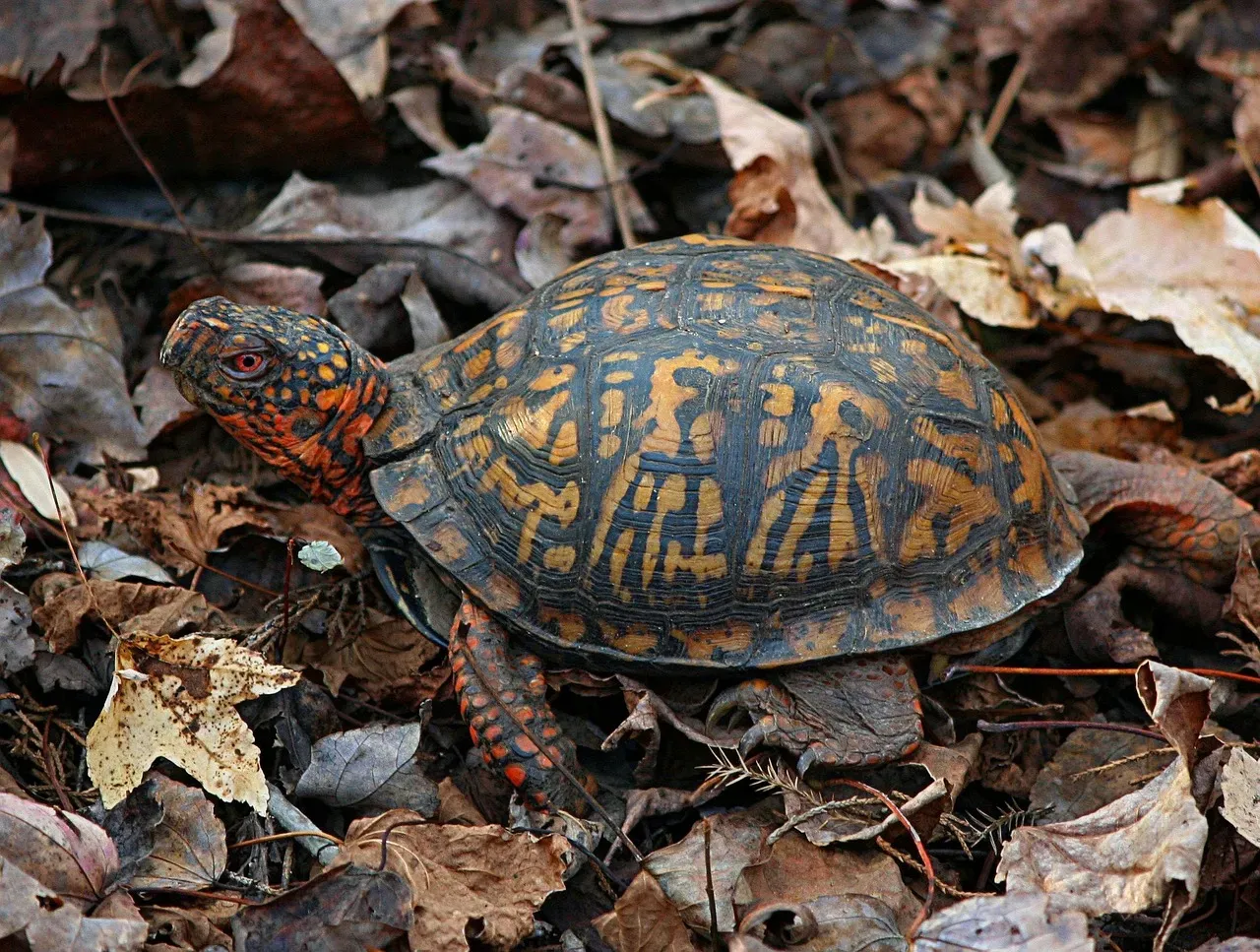
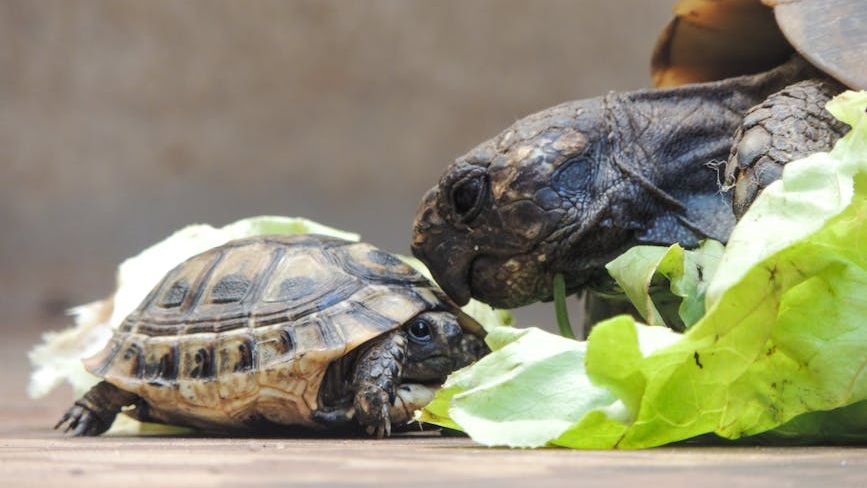
Here’s something that surprises most people: hatchlings cannot actually close their shells. Young box turtles do not develop the hinge for closing their shell until they are about 4 to 5 years old. Until then, they’re significantly more vulnerable to predators, which explains why so few survive their early years.
Eggs are especially vulnerable to predation, along with young turtles whose unhardened shells offer little protection. Box turtles continue to grow for 6 or 7 years, only after which time their shell completely hardens. The transition from soft, unprotected hatchling to nearly impenetrable adult is one of the most critical journeys in a box turtle’s life, and most don’t make it all the way through.
#4: Their Shell Can Actually Regenerate
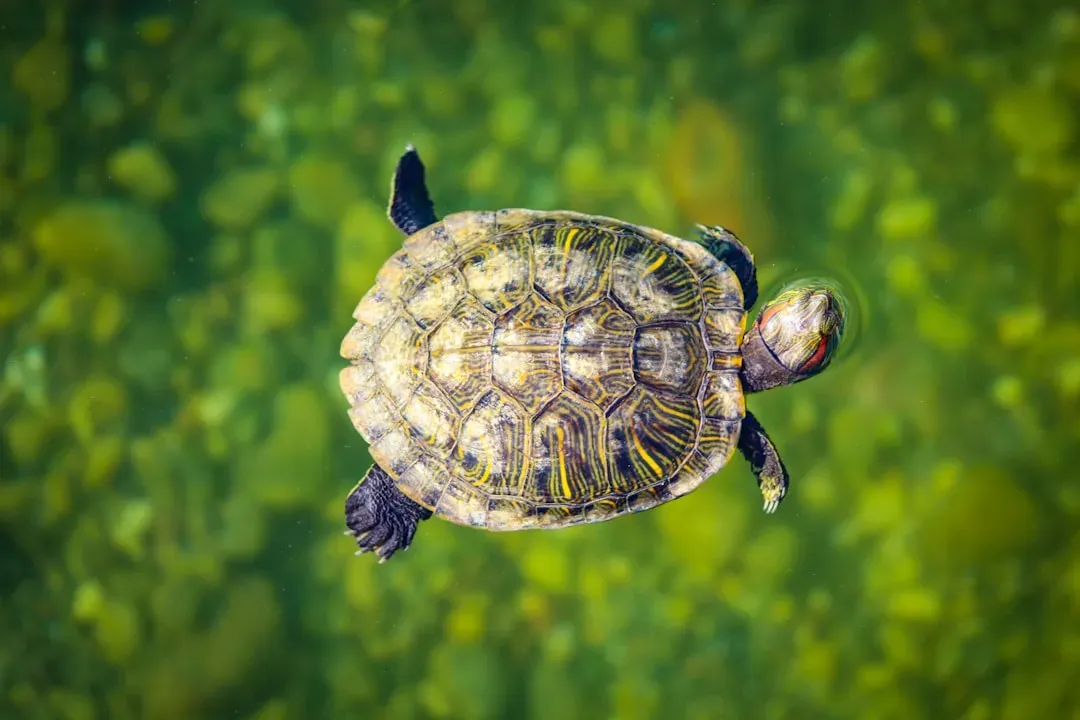
If the locking shell wasn’t impressive enough, consider what happens when it’s damaged. The box turtle’s shell is unique in that it can regenerate. In one reported case, the carapace of a badly burned box turtle completely regenerated. This isn’t a minor repair. We’re talking about substantial regrowth of bony structure.
Adults have the ability to quickly regenerate and repair their shells, even if severely damaged. A capacity for the shell to regenerate after being burned is thought to be an adaptation to aid the survival of box turtles in fire-prone areas. It’s a biological safety net that few reptiles can claim, and it makes the box turtle’s armor even more remarkable than its locking ability alone.
#5: They Can Live for Over a Century
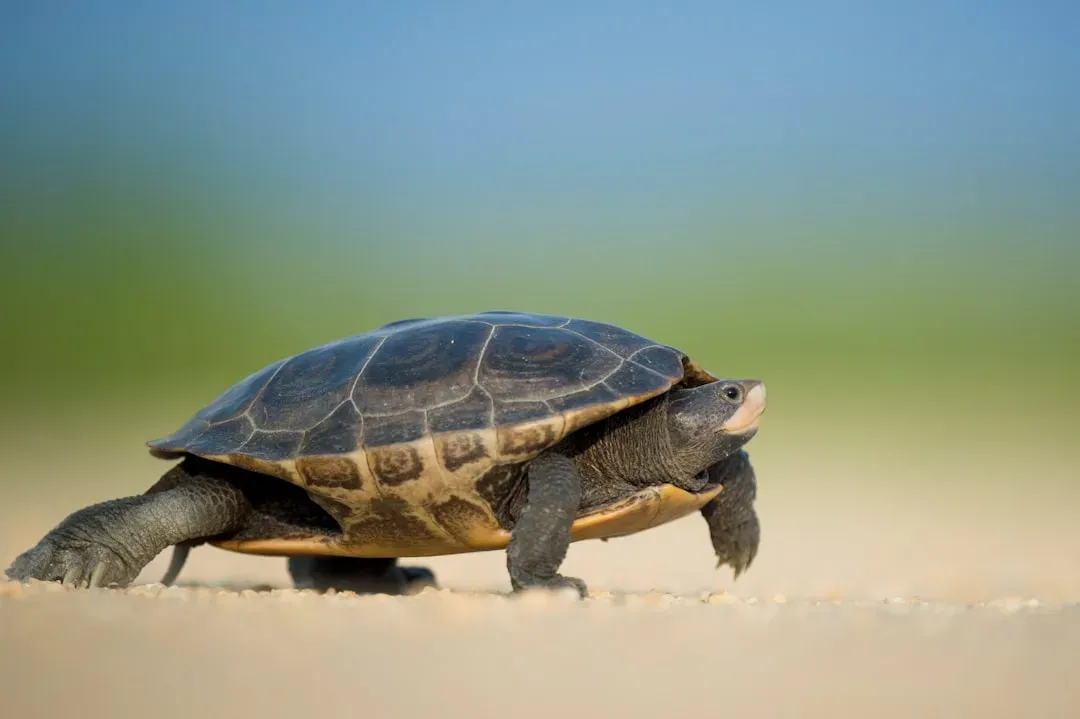
Box turtles are among the longest-lived land animals on the planet, and their lifespan is genuinely astonishing. The box turtle commonly lives over twenty years, with verified cases of lifespans exceeding 40 to 50 years. There have been unverified cases of box turtles living for a hundred years and more.
It requires 10 to 20 years to reach sexual maturity. Box turtles may sometimes live to over 100 years. To put that in perspective, a box turtle hatching today in 2026 could still be alive well into the 2100s. Any juvenile that survives until it develops the strong protective shell of an adult can live longer than most humans.
#6: Temperature Determines Whether Eggs Hatch as Male or Female
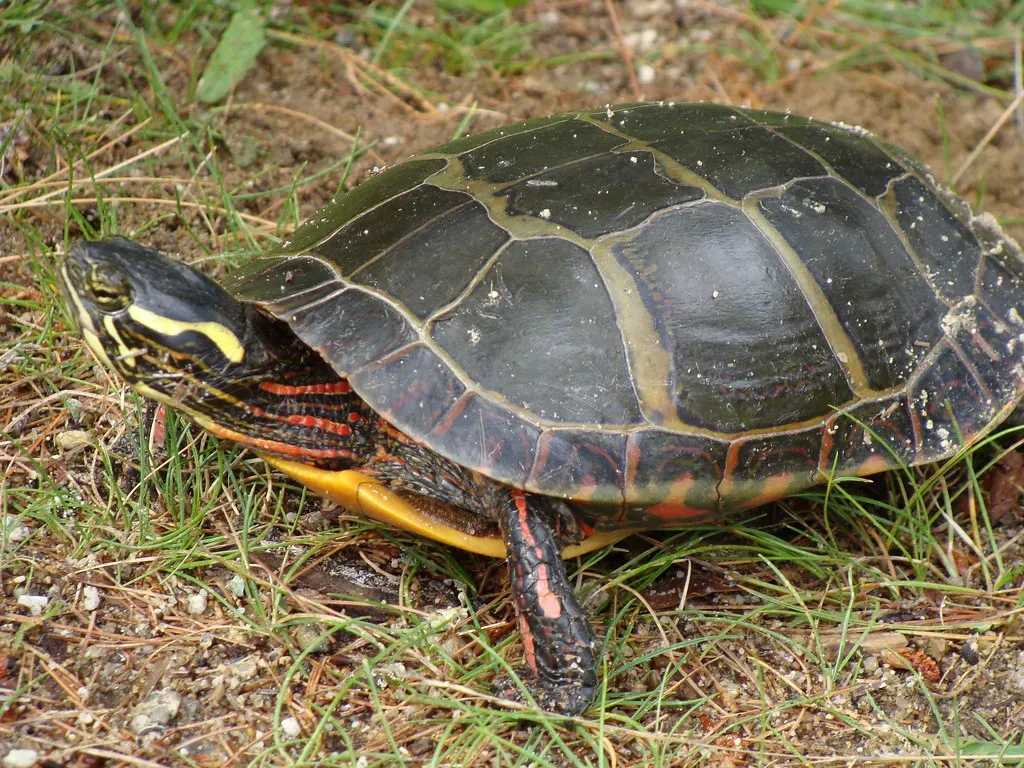
Box turtles don’t rely on chromosomes alone to determine the sex of their offspring. Instead, the nest itself plays the deciding role. The temperature of the nest determines the sex of the hatchlings. Warmer nests tend to produce females, while cooler nests produce males, a distinction known as environmental sex determination.
Eggs that are warmer in temperature, for instance, less deep in the hole, will become females. Those eggs that are cooler, towards the bottom where it is colder, become males. This system, shared with many other reptile species, has a significant implication: as global temperatures continue to shift, the sex ratios of box turtle populations could change in ways that are difficult to predict and potentially hard to reverse.
#7: Females Can Store Sperm for Years After Mating
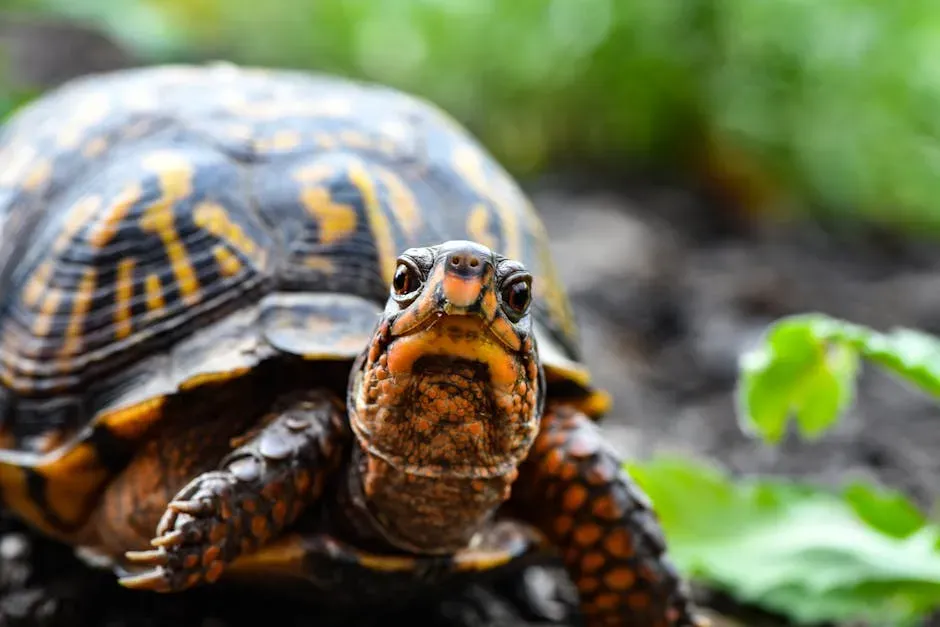
The reproductive biology of female box turtles is one of their most extraordinary secrets. Female box turtles can store sperm for up to 4 years after a single mating and can produce viable eggs during this time. This means a female encountered alone in the forest may already be carrying everything she needs for multiple seasons of eggs, with no male present.
After successful mating, a female may lay fertile eggs for up to four years. In mid-May to late June, females will travel from a few feet to more than a mile within their home range to find a location to dig a nest and lay their eggs. The 3 to 8 eggs are covered with dirt and left to be warmed by the sun. The whole process, from mating to hatching, is a largely solitary undertaking for the female.
#8: They Have a Built-In GPS for Home
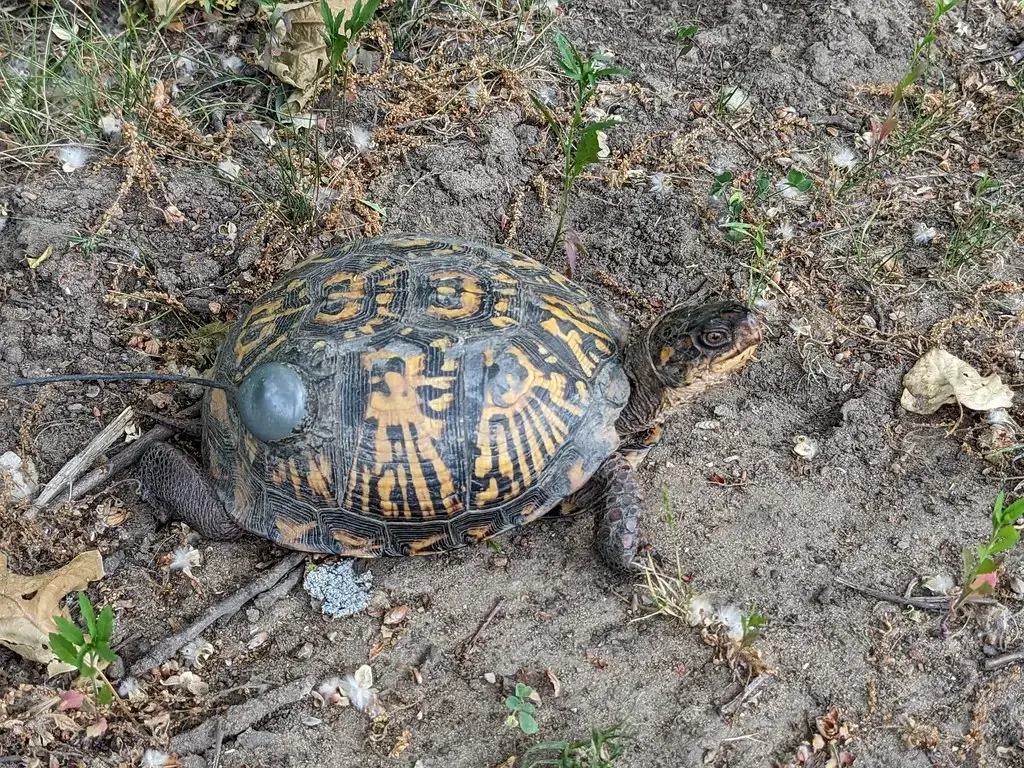
Box turtles are devoted homebodies in a way that borders on the extraordinary. Box turtles have a strong connection to their birthplace and rarely travel far from their hatching site. They form a connection to their surroundings and stay there for their whole lives if undisturbed. This isn’t just preference. It appears to be deeply wired into their biology.
Box turtles have developed a strong homing instinct that allows them to identify prominent characteristics of their home range, such as landmarks and locations of food and shelter. A box turtle has a homing instinct that compels it to look for “home” when it gets displaced. Outside an 800 yard radius, a search for home rarely succeeds, but turtles may persist searching for years before giving up the hunt. Relocating a wild box turtle is never a neutral act. It can be a slow death sentence.
#9: Their Entire Life May Fit Inside a Football Field
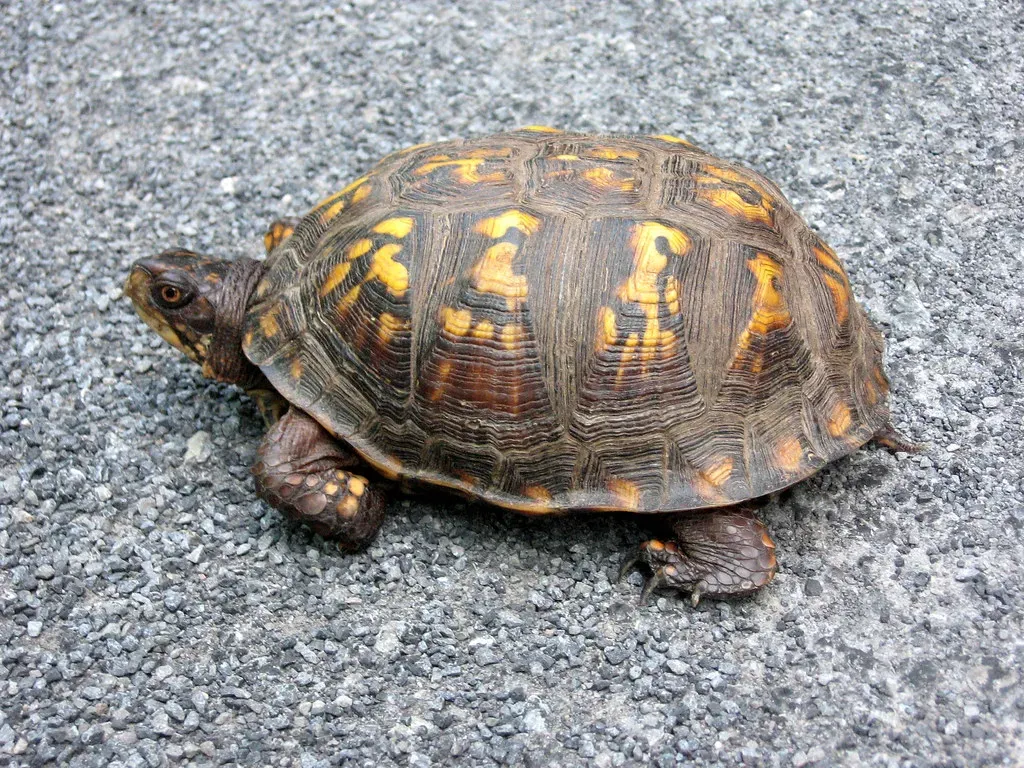
Box turtles don’t explore the world. They commit to one small corner of it. Throughout their lives, a box turtle may live in the same one-mile squared area. Some individuals keep an even smaller range, spending a lifetime in a territory roughly the size of a football field.
Eastern box turtles walk energetically with their heads upright and may travel about 50 meters, or 55 yards, in one day. They are mostly found within 250 yards of the nest they were born in and travel approximately 55 yards per day. It’s a slow, deliberate existence, intimate with every mossy log and seasonal berry patch within a tiny radius they’ve known their entire lives.
#10: Their Diet Shifts Dramatically as They Age
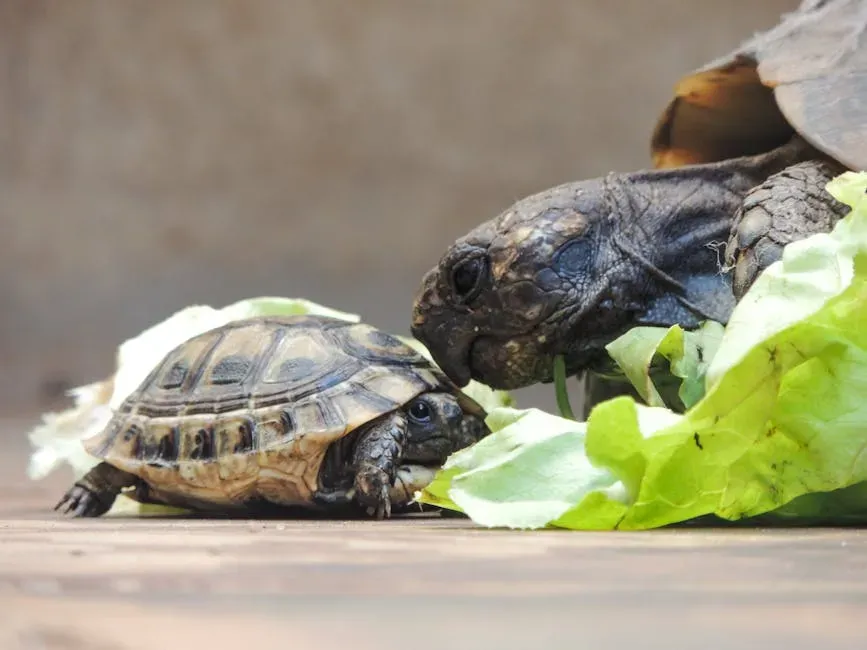
Box turtles are omnivores, but not always in the same proportions. In their younger years, box turtles are more carnivorous, feeding on snails, slugs, worms, insects, and spiders. As they age, their diet becomes more herbivorous, feeding on fruit and berries and leaves. It’s a fascinating dietary arc that mirrors their changing habitat use as they grow.
As juveniles, they are mostly carnivorous and focus on slugs, worms, insects, and larvae. This diet makes sense when you consider hatchlings and juveniles spend a lot of their time in or near ponds and streams. Adults more often feed on land with a varied diet that includes berries, seeds, roots, flowers, fish, eggs, amphibians, and even poisonous mushrooms. They’re also known seed dispersers, spreading plant life through the forest as they digest and move.
#11: Eating Them Can Be Dangerous to Humans
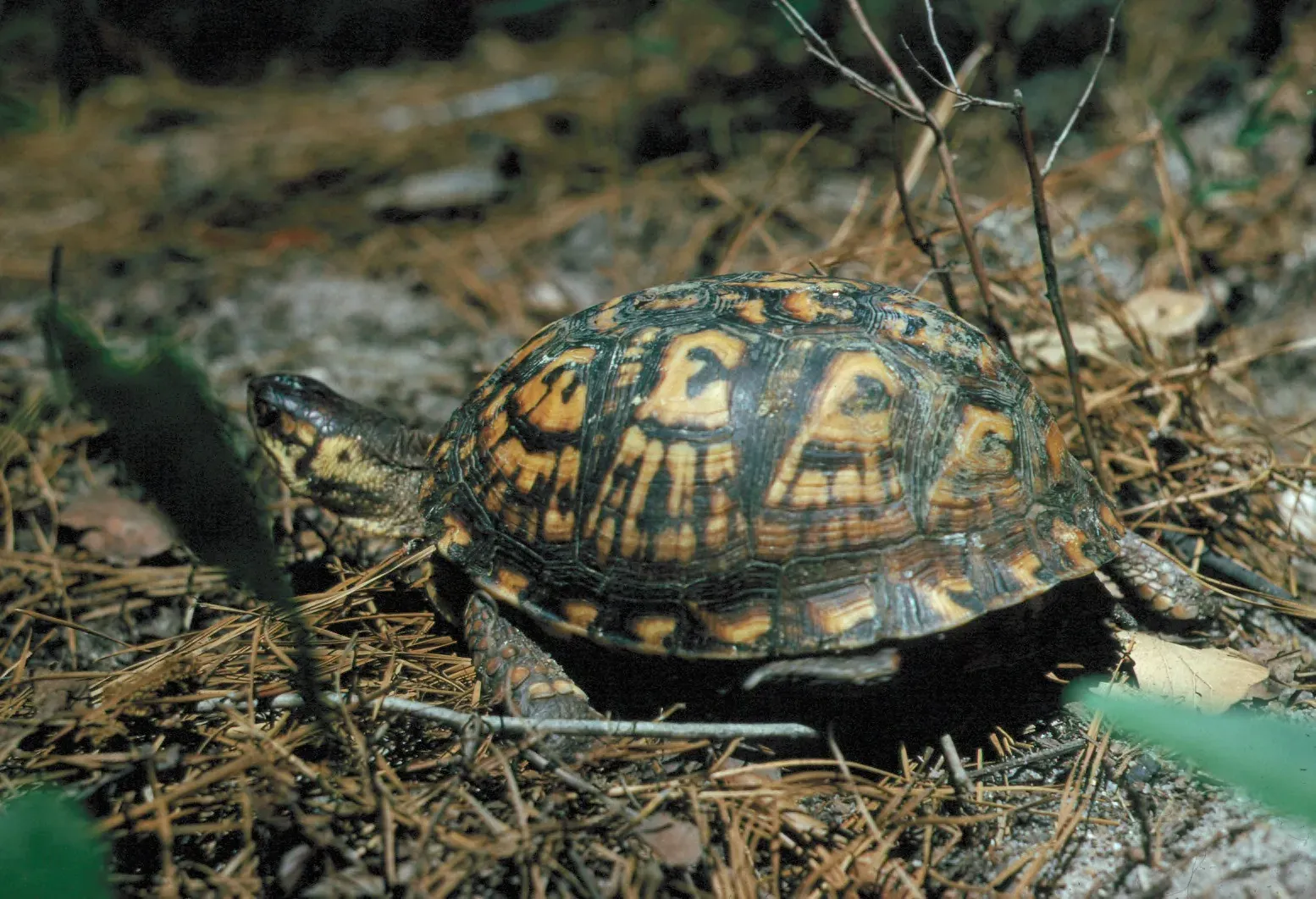
Box turtles have an unusual relationship with toxic fungi that makes them potentially hazardous to eat. The primary concern stems from the turtle’s ability to eat fungi highly poisonous to mammals, such as certain species of Amanita mushrooms. The mechanism involved is called toxin sequestration, a process where an organism ingests a toxin and stores it in its own tissues without experiencing harm.
While the turtle is immune to the effects, the compounds are not broken down and accumulate in the turtle’s fat and liver tissue. This stored material acts as a chemical defense, making the turtle’s flesh toxic to anything that preys upon it. Historically, documented cases exist of illness in humans after consuming box turtles that had recently fed on poisonous mushrooms. The turtle, unknowingly, becomes its own second line of defense.
#12: They Are in Serious and Ongoing Decline
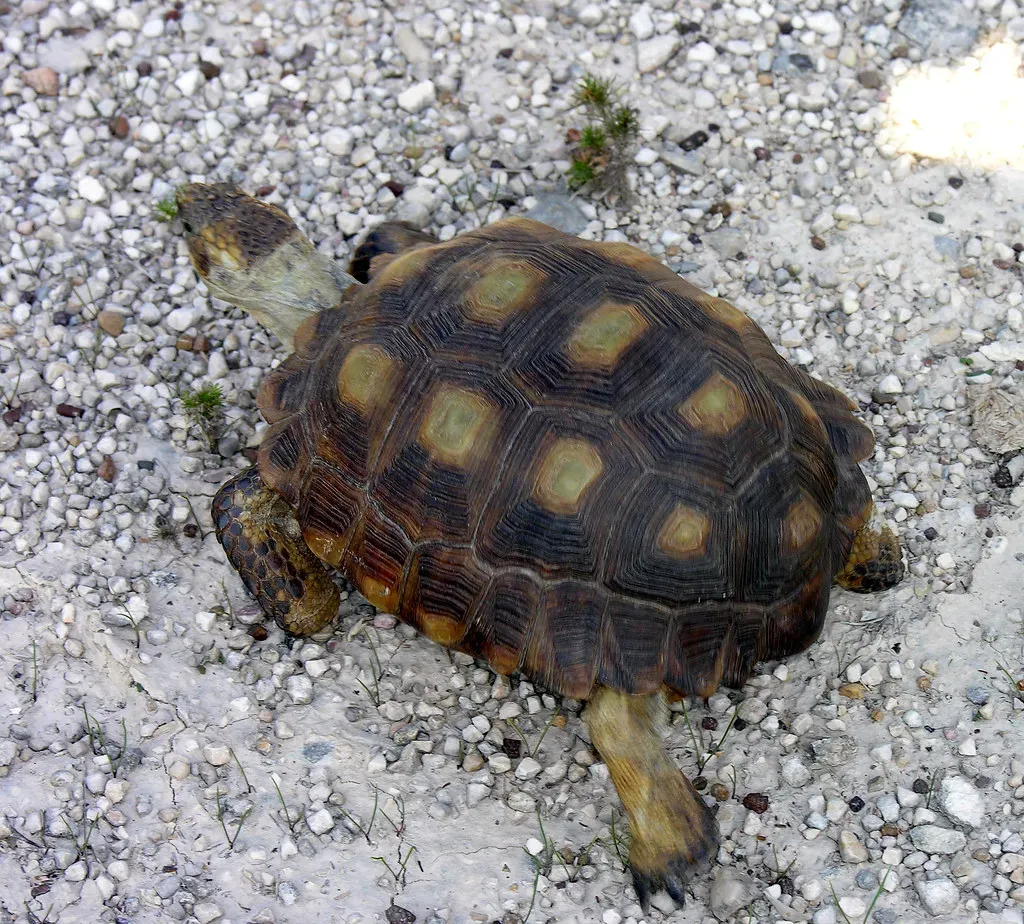
Despite their remarkable survival tools, box turtles are struggling against forces they were never built to handle. This species is primarily threatened due to the thousands that are caught for the pet trade from the wild each year, although habitat fragmentation and urbanization also account for a fraction of the population’s drop of roughly a third over the last 100 years.
Box turtles frequently cross roads to move between foraging and nesting habitats, resulting in a high level of road mortalities. This can cause significant population declines due to the long maturation period and their slow reproduction rate. Most vehicle fatalities are pregnant females searching for a nest site. Losing breeding-age females from a population that takes up to two decades to reach maturity and lays only a handful of eggs per season is a problem that compounds quietly, year by year, before most people even notice.
A Slow Life Worth Protecting
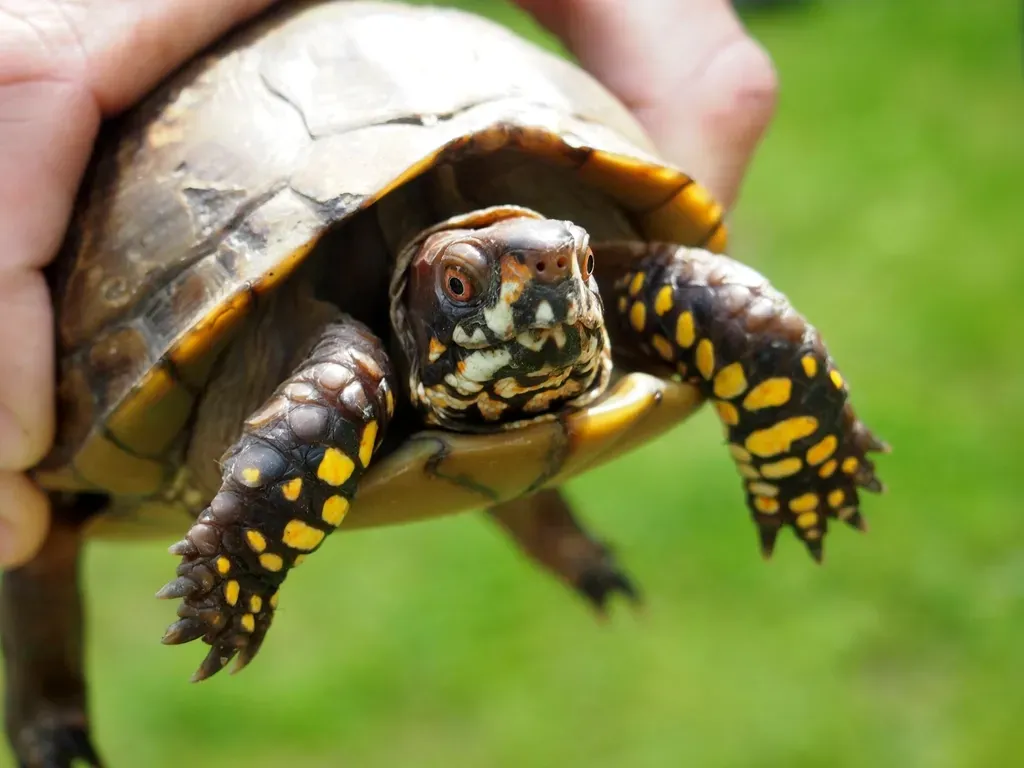
Box turtles don’t demand attention. They’ve been quietly going about their ancient routines long before any of us were here, locking themselves away from danger, navigating home by memory, and outliving generation after generation of neighbors. Their biology is a study in patience and precision.
The facts above reveal something easy to miss: these small, deliberate creatures are genuinely fragile despite all their armor. They need undisturbed habitat, they need time, and they need people to understand that a turtle found crossing a road is best helped forward, not carried home. Knowing what their lives actually look like is the first step toward making sure those lives continue.
