
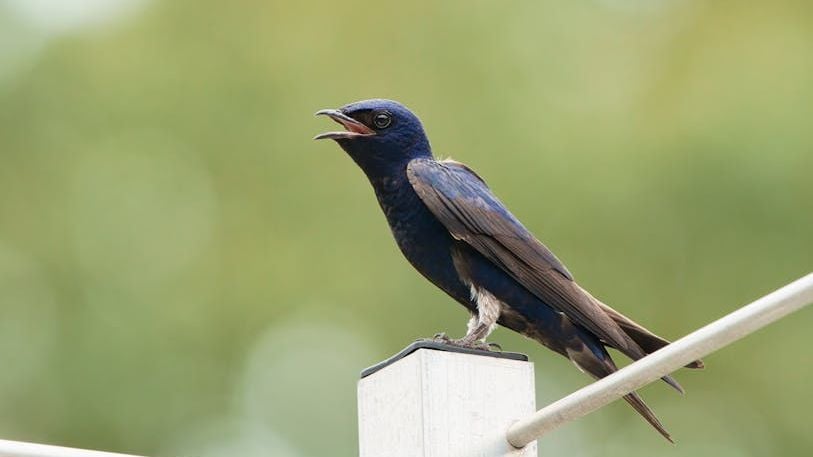
1. They Are the Only Bird in Eastern North America Entirely Dependent on Human-Provided Housing
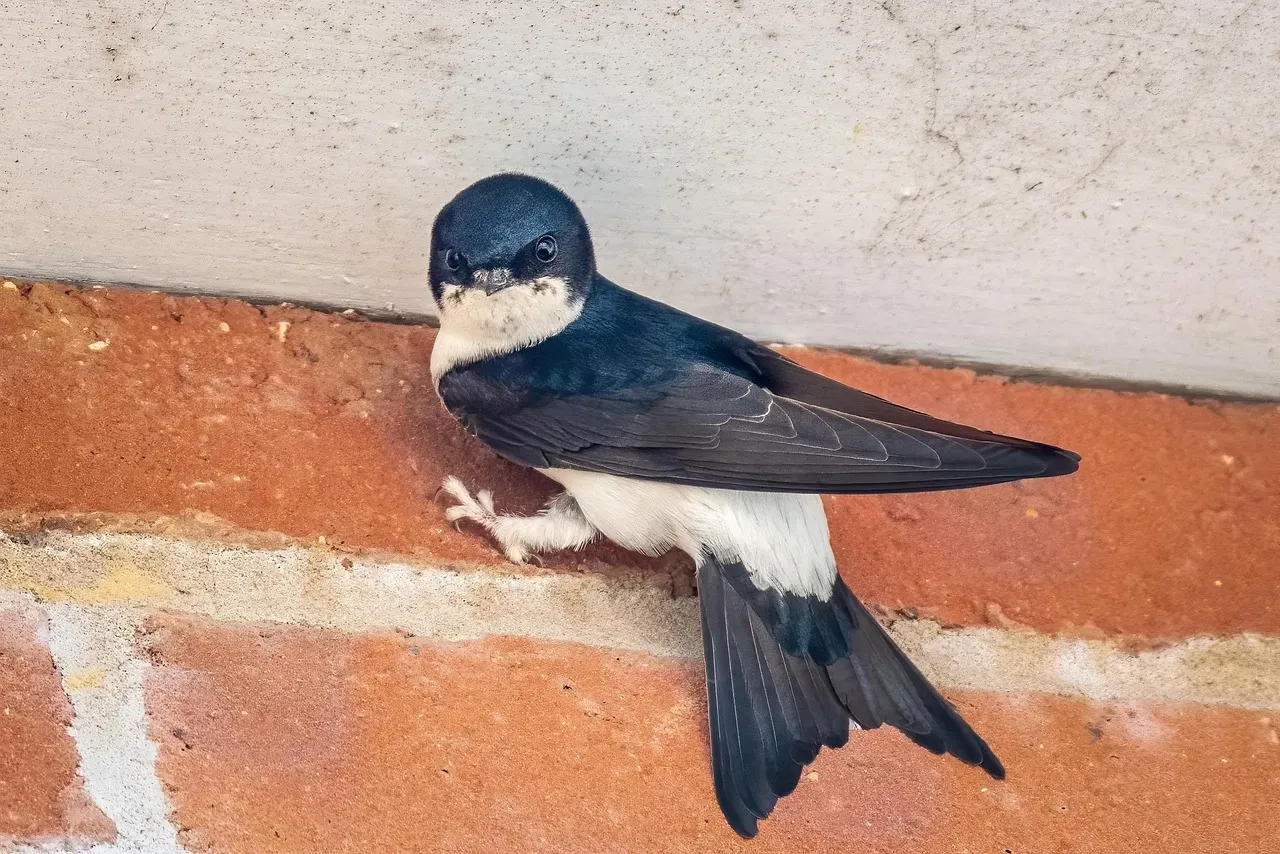
Today there are no Purple Martins east of the Rocky Mountains observed nesting in natural cavities. They have become the only bird entirely dependent on humans to provide nesting structures. That’s a remarkable ecological fact with no real parallel among North American wildlife. Every breeding pair in the eastern United States relies on a person somewhere deciding to put up a house.
The eastern population of Purple Martins has entirely abandoned natural nesting sites. They are obligate secondary cavity nesters that now rely on human-provided housing. The western populations still use old woodpecker holes and cactus cavities, which makes the behavioral split between east and west one of the more quietly astonishing stories in American ornithology.
2. Native Americans Started the Whole Thing Centuries Ago
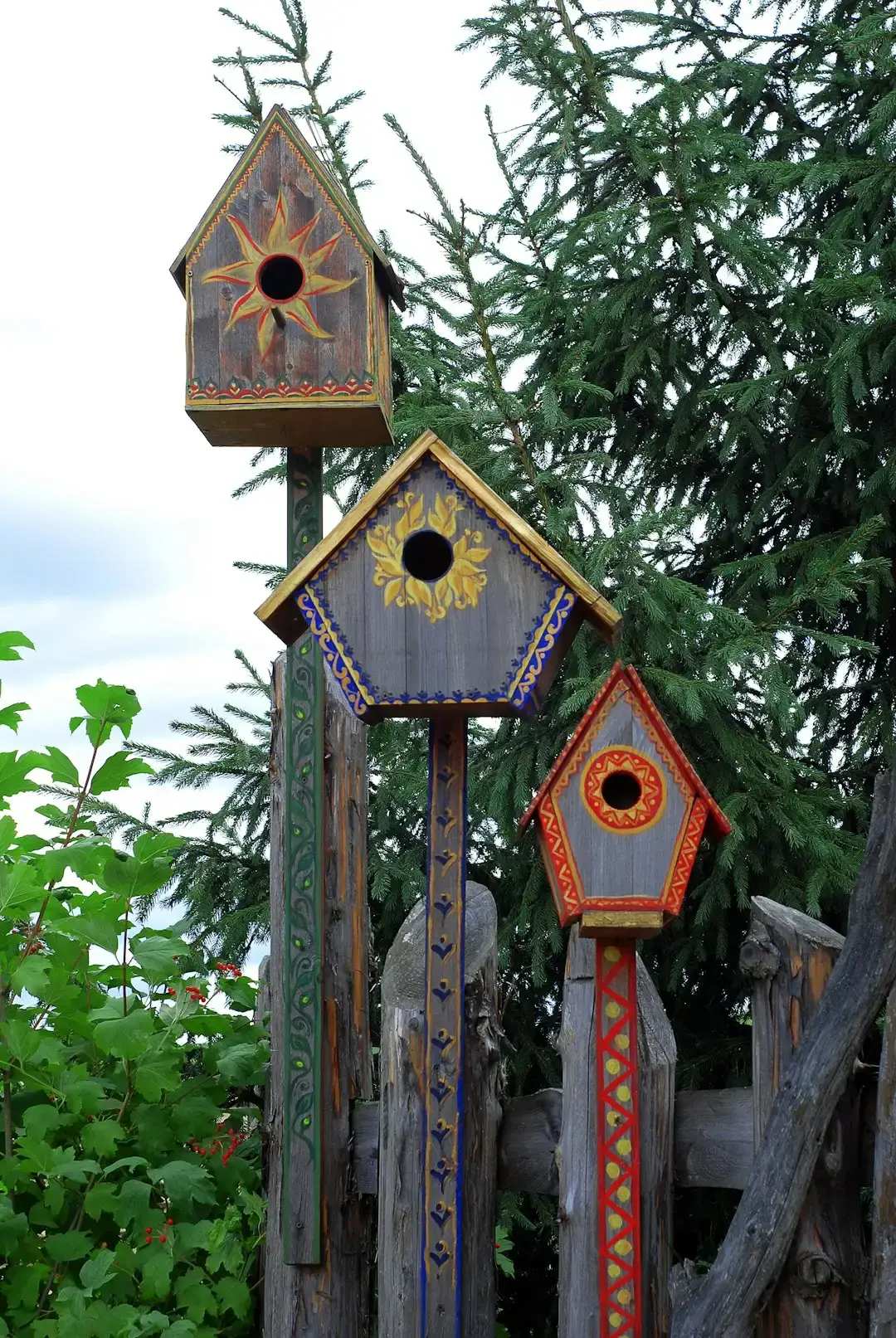
In early America, Native Americans realized that martins could serve as sentinels and warn of dangers. To encourage the presence of Purple Martins, Native Americans constructed gourd birdhouses and hung them on high poles. The arrangement was mutually useful from the very beginning, a genuinely ancient form of wildlife management.
The human-avian relationship was in place even before the population crash in the 20th century; Cherokee were known to have hollowed out gourds and hung them on wooden snags and posts in the pre-colonial era. It took over a thousand years for Purple Martins to gradually develop a sense of trust in their new landlords. That slow generational shift is part of why the bond between this species and humans runs so deep today.
3. European Colonists Adopted the Practice and Accelerated the Dependence
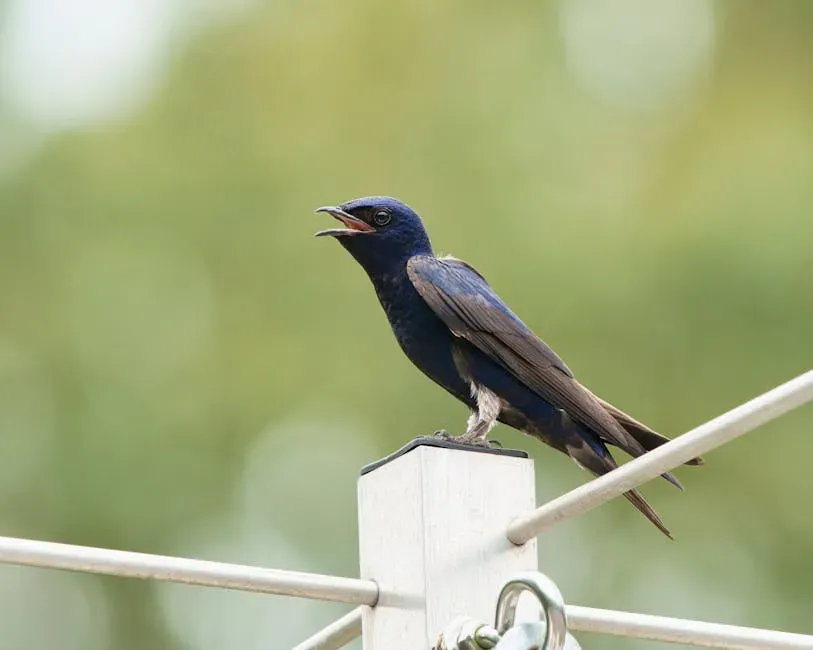
As Europeans entered the New World they adopted the custom from Native Americans of hanging gourds to attract Purple Martins. These colonists soon introduced ceramic gourds and eventually wooden houses. From there it wasn’t long before the eastern population of Purple Martins nested exclusively in housing provided by humans, and the behavioral shift was complete.
In 1883, the J. Warren Jacobs Co. began selling elaborate martin houses with “broad porches, railings, and ornate window treatments.” By the time the Victorian era was in full swing, martin housing had become a genuine American cottage industry, complete with architectural flourishes that rival some human homes of the same period.
4. Invasive Species Locked Them Into That Dependence
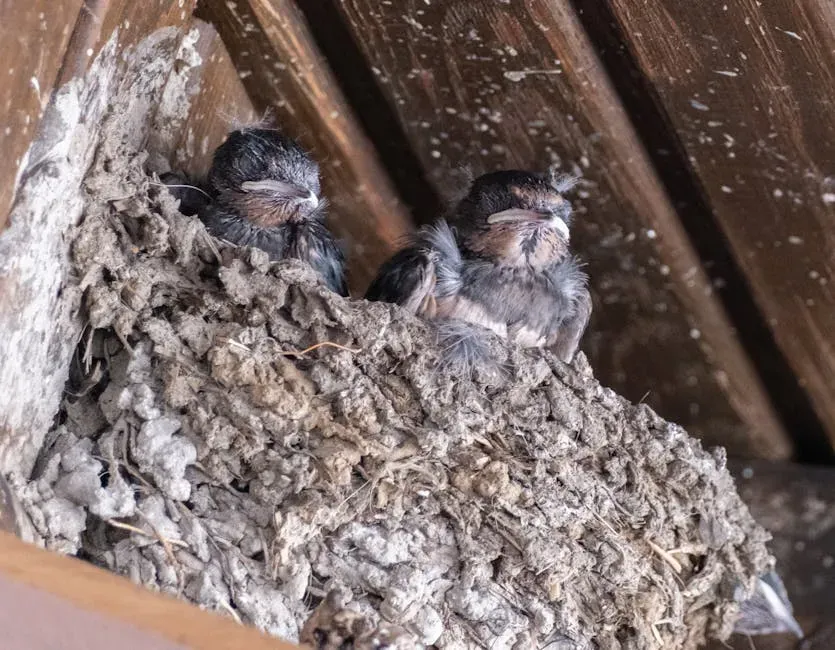
The North American arrival of two European bird species, English house sparrows and European starlings, accelerated the martins’ transition to human-made housing. The invasive birds arrived in New York in 1851 and 1890, respectively, and these two aggressive species took over colonies when purple martins migrated south every year. The sparrows and starlings attacked the martins when they arrived back the following years.
Loss of habitat and these two invasive bird species has reduced the Purple Martin population to 10% of that in the 1800s. Their competition for nest sites isn’t just inconvenient; it’s existential. The greatest danger comes from non-native, invasive species: the House Sparrow and the European Starling. These aggressive birds compete directly with martins for nesting cavities and are notorious for destroying eggs and killing nestlings.
5. They Actually Prefer to Nest Close to Human Homes
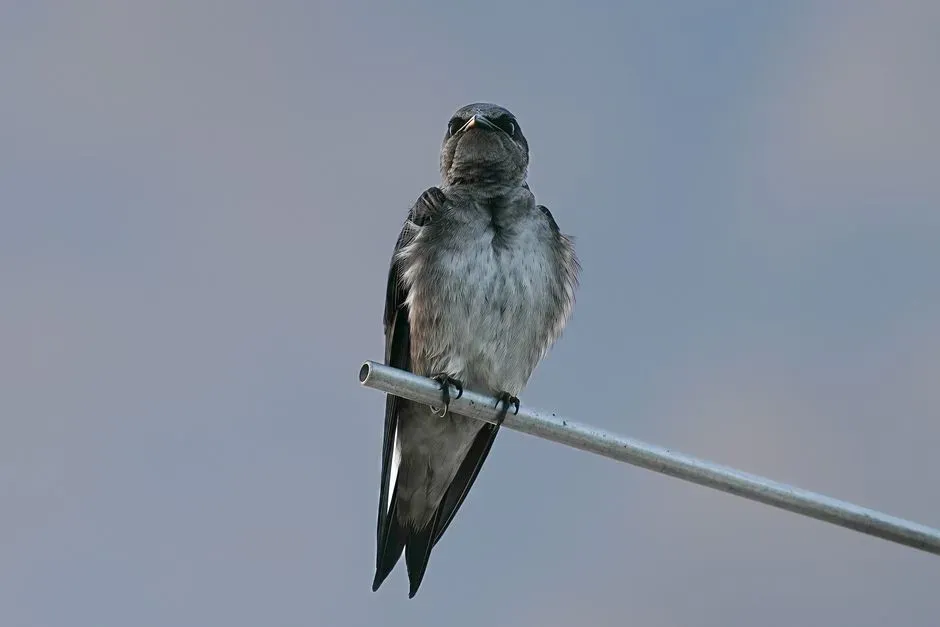
Today, Purple Martins nest almost exclusively in bird housing located within 30 meters of human residences, or other areas frequented by people such as parks and schools. This isn’t simply a matter of where people choose to put martin houses. The birds themselves actively seek out proximity to human activity and show clear preference for it.
Research has shown that martin housing placed more than 100 feet from human housing has a lower chance of being occupied. This further illustrates the dependence of Purple Martins on humans. Put a perfectly designed martin house in an empty field and the odds of occupancy drop considerably. Put it near a busy backyard, and the martins tend to arrive.
6. They’re Called “Synanthropes,” Which Is Rare Among Wild Birds
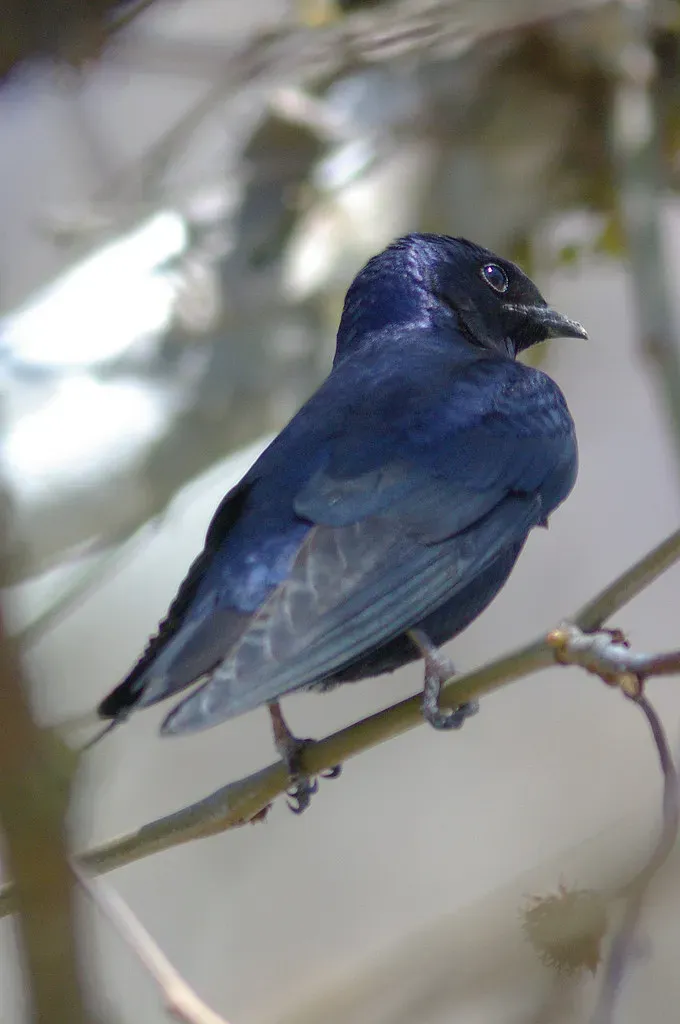
Purple Martins are considered synanthropic, meaning they have developed an association with humans over time and benefit from living in close proximity to them. Through years of generational imprinting and nesting, the eastern species has made a complete transition from nesting in the wild to relying on human-provided nesting sites.
Wild animals with this closeness to humans, called synanthropes, include raccoons, pigeons, bats, crows, silverfish, and Purple Martins. But unlike Purple Martins, those other synanthropic species are generally unintended beneficiaries of our lifestyles. That distinction matters. Raccoons didn’t choose us. Purple Martins, in a very real behavioral sense, did.
7. Their Remarkable Migration Rivals Anything in the Bird World
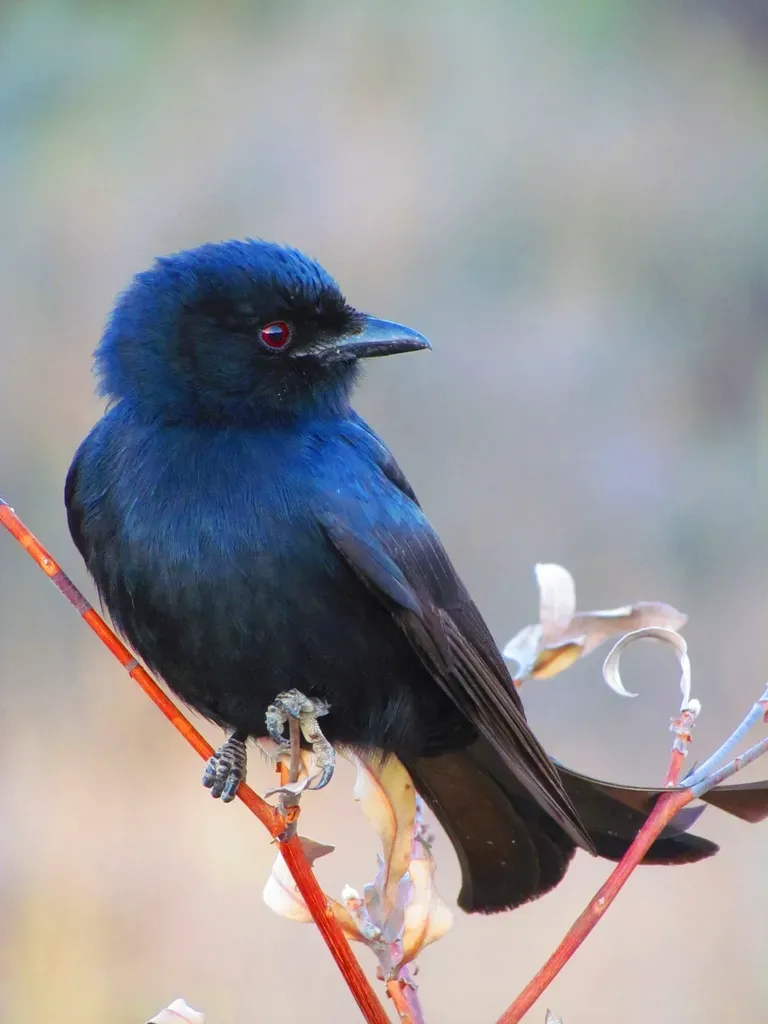
Each spring, millions of Purple Martins complete a journey of over 5,000 miles from the Amazon Basin to backyards across North America, making them the only bird species in the eastern United States that depends almost entirely on human-provided housing. The contrast is quietly staggering: a bird that crosses an ocean of sky returns, ultimately, to a painted wooden box someone nailed to a pole in Ohio.
Martins typically migrate over the Gulf of Mexico without stopping, covering a distance of 500 to 600 miles with no breaks. Despite only weighing between 1.6 to 2.1 ounces and measuring about 7.5 inches long, the birds travel an average of 200 miles per day. The physical demands of that journey make the reliability of human-provided housing on the other end even more critical.
8. Site Loyalty Means the Stakes of Every Martin House Are Very High
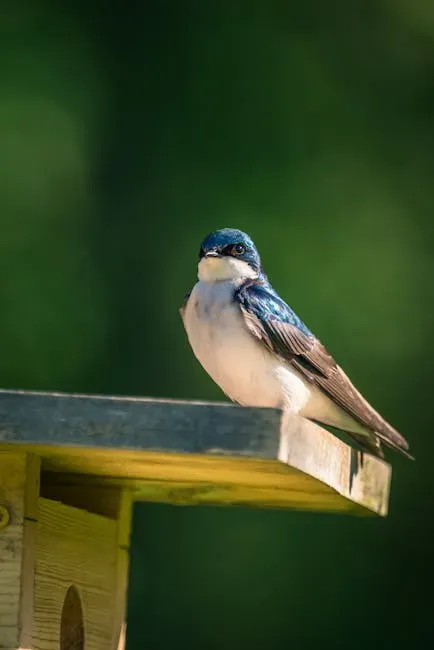
Initially difficult to get a colony started, once established, the colony will persist as long as nesting sites are available. Martins have a very strong “site tenacity” and if they are successful in raising a brood, will often return to the same site to nest year after year. A martin that finds a safe, well-managed house doesn’t forget it.
They’re loyal, with a strong sense of site fidelity. They return to the same place year after year with the expectation that their nest boxes will be there, unoccupied by aggressive, invasive competitors such as starlings and house sparrows, and that they will be close to the people with whom they’ve become comfortable. That expectation places genuine responsibility on the human side of the relationship.
9. Their Diet Has a Famous Myth Attached to It
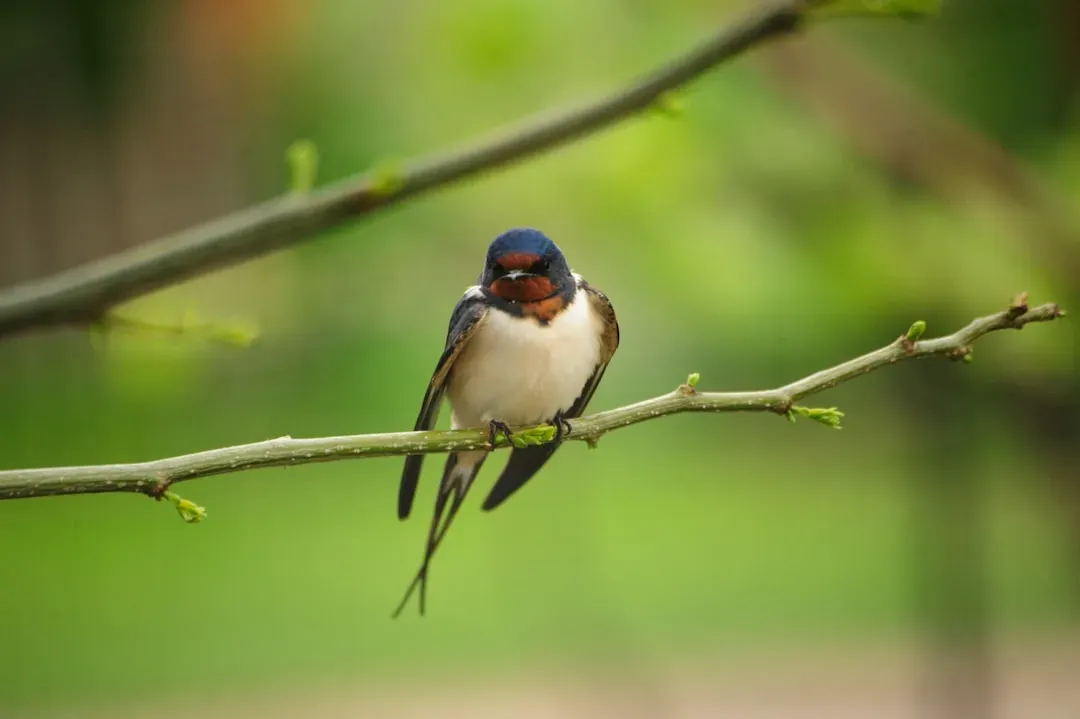
The popularity of providing homes for martins in modern times may stem from the mistaken belief that they are effective at controlling mosquitoes. A dubious factoid, stated and restated over decades, asserts that “a single martin eats 2,000 mosquitoes per day.” Herbert Kale set the record straight in his 1968 article in the journal The Auk, demonstrating that there was no evidence that purple martins eat very many mosquitoes.
What they do eat, though, is genuinely impressive. They eat a wide variety of larger-flying insects including beetles, flies, dragonflies, grasshoppers, wasps, and bees. Recent research has revealed that martins do provide an important insect control service after all. They hoover up as many flying fire ant queens as they can. A 2016 study revealed that fire ants comprise 56% of all items consumed by martins at a study site in Oklahoma. Not mosquitoes, but arguably just as useful.
10. Their Nesting Biology Is More Complex Than It Looks
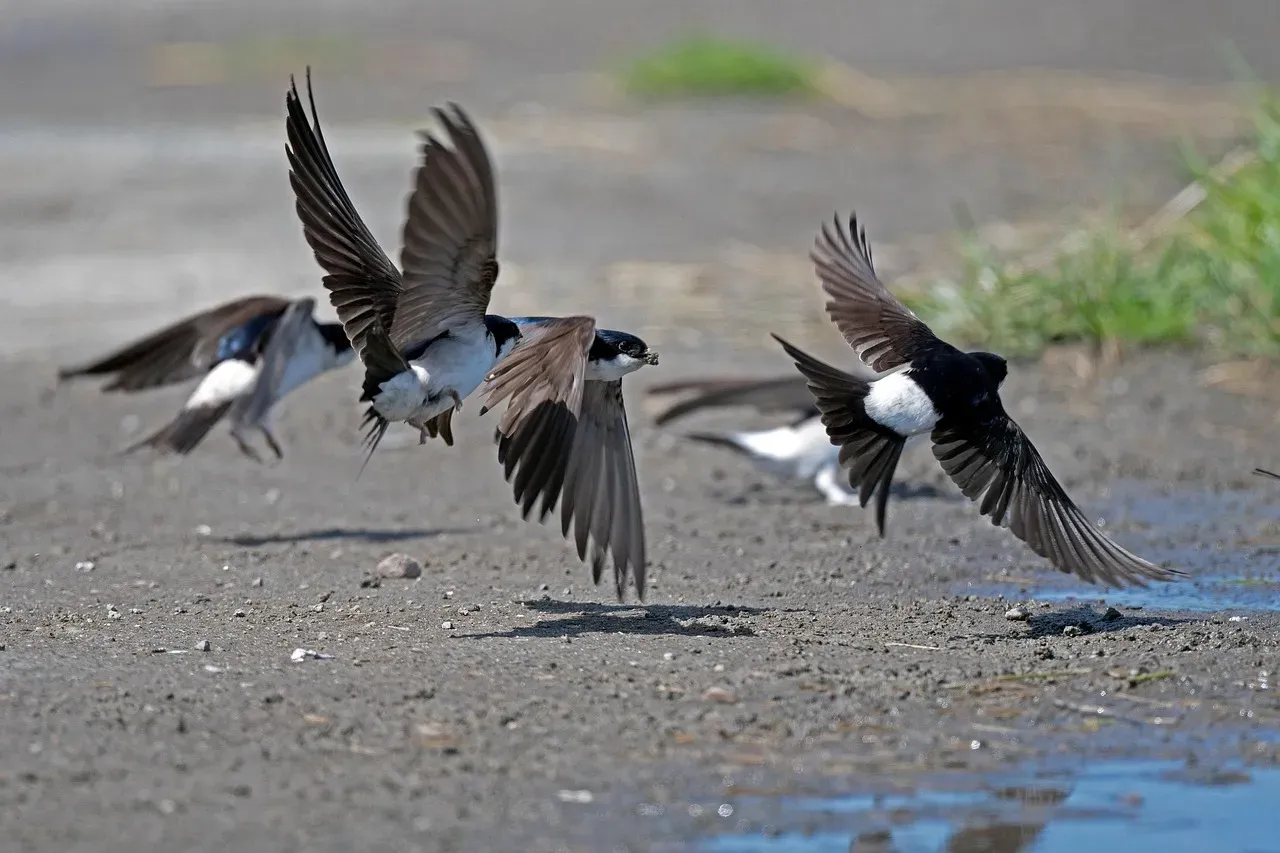
Nests are generally built out of twigs, straw, and mud. Mud dams in the front of the nest are common. Nest building can take three to four weeks to complete. The last stage in nest building is lining the cup with green leaves. The function of the green leaves is still unknown, but is thought to act as an insecticide or may help in regulating the temperature and moisture levels in the nest.
Purple Martins lay three to seven white eggs in nests made of twigs, leaves, and mud, usually built in cavities or artificial structures. Females incubate the eggs for about 15 to 18 days, and the young fledge approximately 26 to 32 days after hatching. Martins feed their young a mix of glass, metal, sand, and ground-up eggshells to help them digest insect exoskeletons. That last detail alone is worth pausing on.
11. “Landlords” Are What Keep the Species Alive, But Their Numbers Are Declining
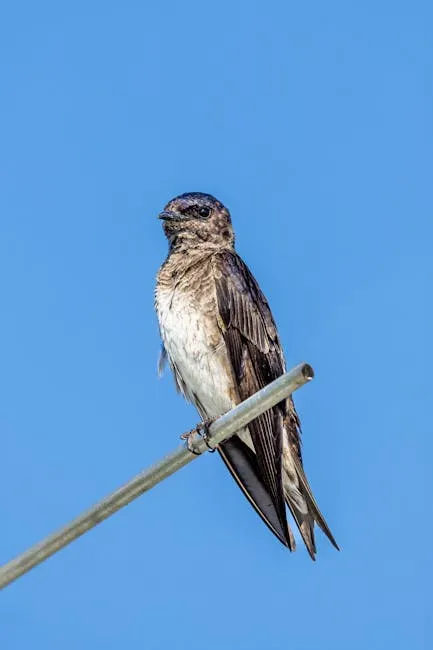
Landlords build, install, and clean nest boxes; evict predators and competitors; track and report arrivals and departures; and generally commit for the long term. They undertake regular nest checks to assess the health of the parents, eggs, and chicks. Purple Martins are highly tolerant of their landlords’ presence and touch. It’s a level of hands-on wildlife stewardship most people never consider.
Fewer and fewer people are stepping up to take their place as landlords. While Purple Martins aren’t officially considered threatened or endangered, their dependence on a tiny human subculture puts them in an unusual, precarious situation. The bird’s future, in a very literal sense, depends on whether enough people keep showing up in spring to lower a pole, check a nest, and chase off a starling.
Conclusion: A Partnership Worth Protecting
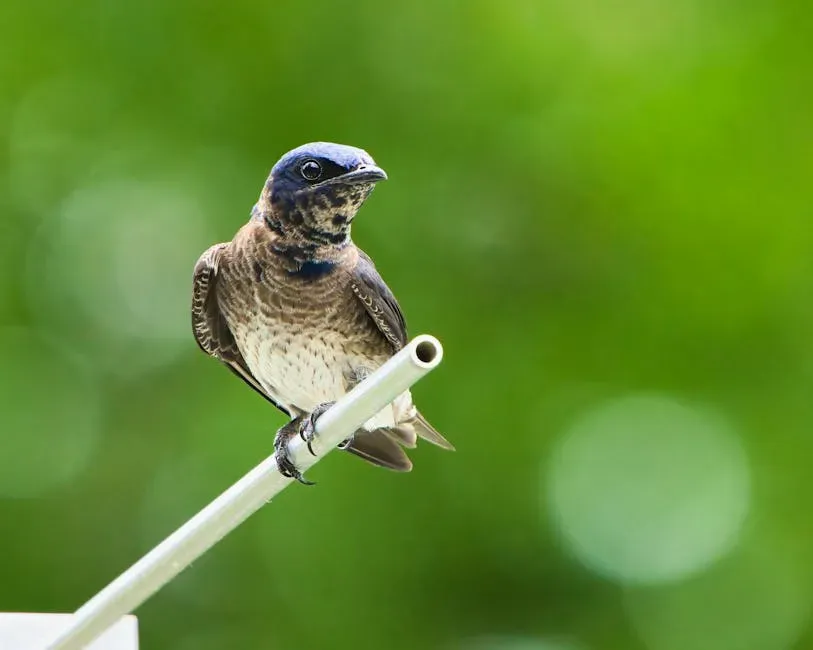
There is something genuinely moving about the Purple Martin’s story, though it also carries an uncomfortable weight. This is a species that adapted to trust humans over the course of a thousand years, surrendering its independence in the process. Their numbers have dropped by an estimated 25% since 1966. Habitat loss, invasive species, pesticide use, and climate change have all contributed to the decline of the birds, with some of these factors further impacting their prey.
Eastern Purple Martins have become wholly dependent on humans for reproductive success. That’s not a metaphor or a slight exaggeration. It is a biological fact. The martin’s future, then, isn’t just a conservation question, it’s a question of whether the human community that the bird chose will continue to choose it back.
We built the houses. We hung the gourds. We earned the trust of a wild creature over generations, not through grand gestures but through the quiet, seasonal ritual of putting up a pole and waiting. That obligation doesn’t disappear just because the bird is small and the work is unglamorous. If anything, the quiet commitment of a good martin landlord is one of the more honest forms of conservation there is.

- 12 Architectural Wonders From The Ancient World That Inspire Us Today - July 18, 2026
- 6 Beautiful Ancient Cities That Time Forgot (But Shouldn’t) - July 18, 2026
- 6 Common Animal Behaviors That Are Often Misunderstood by Humans - July 18, 2026