
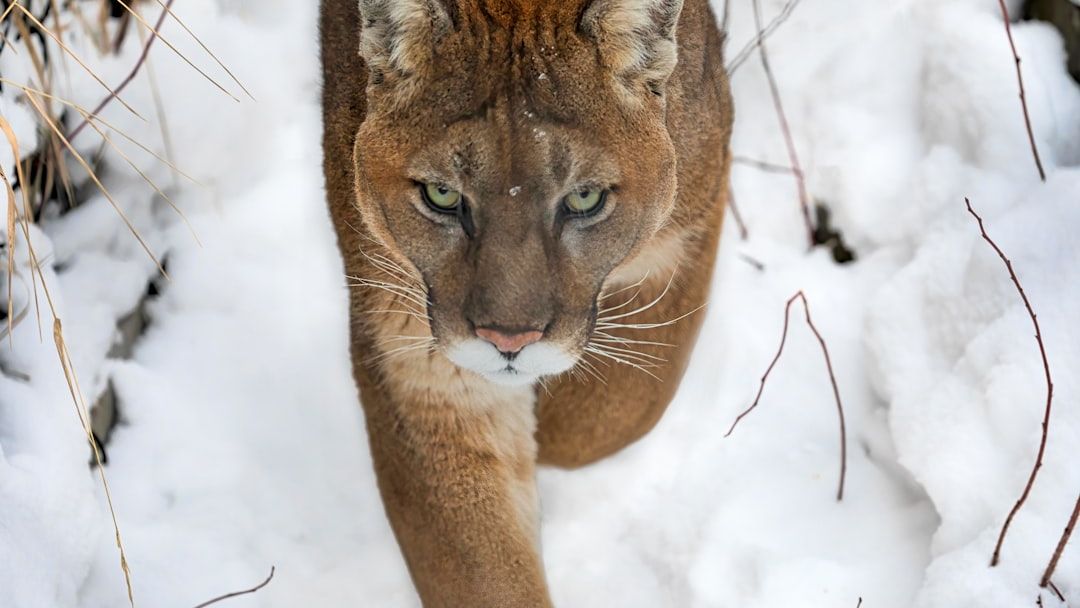
Worried about unexpected vet bills?
Pet insurance can cover thousands in unexpected vet costs. Get a free quote from Lemonade in under 2 minutes.
Get My Free Quote →Sponsored · Opens Lemonade.com
When you think about American wildlife, maybe your mind goes straight to eagles soaring over mountains or bears roaming through national parks. That’s fair enough, honestly. There’s something magnetic about these creatures, something that feels tied to the very identity of the American wilderness itself. The United States is home to an incredible diversity of mammals that range from cunning predators to massive herbivores, each adapted perfectly to their specific environments.
Let’s be real, some of these animals have reputations that are way overblown by movies and folklore. Others don’t get nearly the credit they deserve for their survival skills and adaptability. What makes them truly fascinating isn’t just their size or their teeth – it’s how they’ve evolved to thrive in landscapes that can be brutally unforgiving. From the frozen peaks of Alaska to the sun-scorched deserts of the Southwest, these mammals have carved out their niches with remarkable success. So let’s dive in.
The Wolverine: Nature’s Relentless Survivor
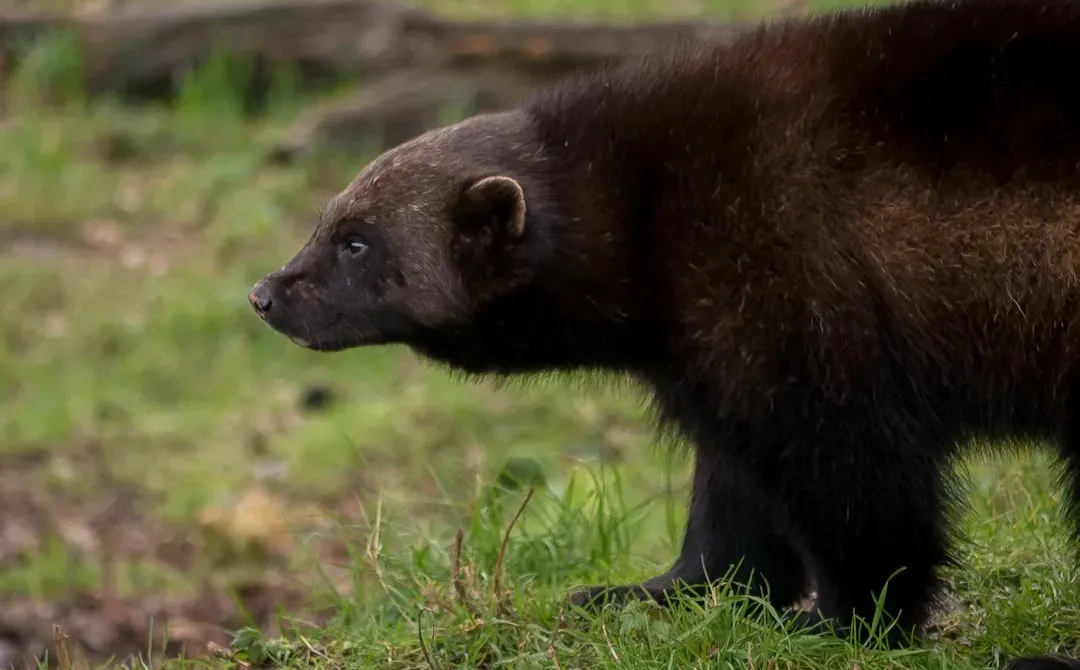
You might know the wolverine from comics or movies, but the real animal is far more interesting than any fictional character. The wolverine is the largest land dwelling member of the weasel family, and it’s built like a small tank with attitude. These stocky predators roam the remote wilderness of Alaska and parts of the northern Rockies, preferring landscapes where deep snow persists well into spring.
Here’s the thing about wolverines – they’re not actually the invincible killing machines of legend, though they do have a fierce reputation. Wolverines are known for their fierce disposition and their ability to take down prey much larger than themselves. A wolverine can cover 30 miles in a night, working a circuit in search of food. That kind of endurance is absolutely wild when you consider the brutal mountain terrain they traverse.
These animals are primarily scavengers, especially during harsh winter months when finding fresh prey becomes difficult. There are also numerous accounts of wolverines chasing much larger animals away from carcasses, from black bears to wolf packs. It’s not aggression for aggression’s sake – it’s survival, pure calculation driven by hunger. In 2023, the Service announced it would protect the wolverine population in the lower 48 states as threatened under the Endangered Species Act, recognizing the serious threats posed by climate change and habitat loss.
Mountain Lion: The Ghost Cat of American Wilderness
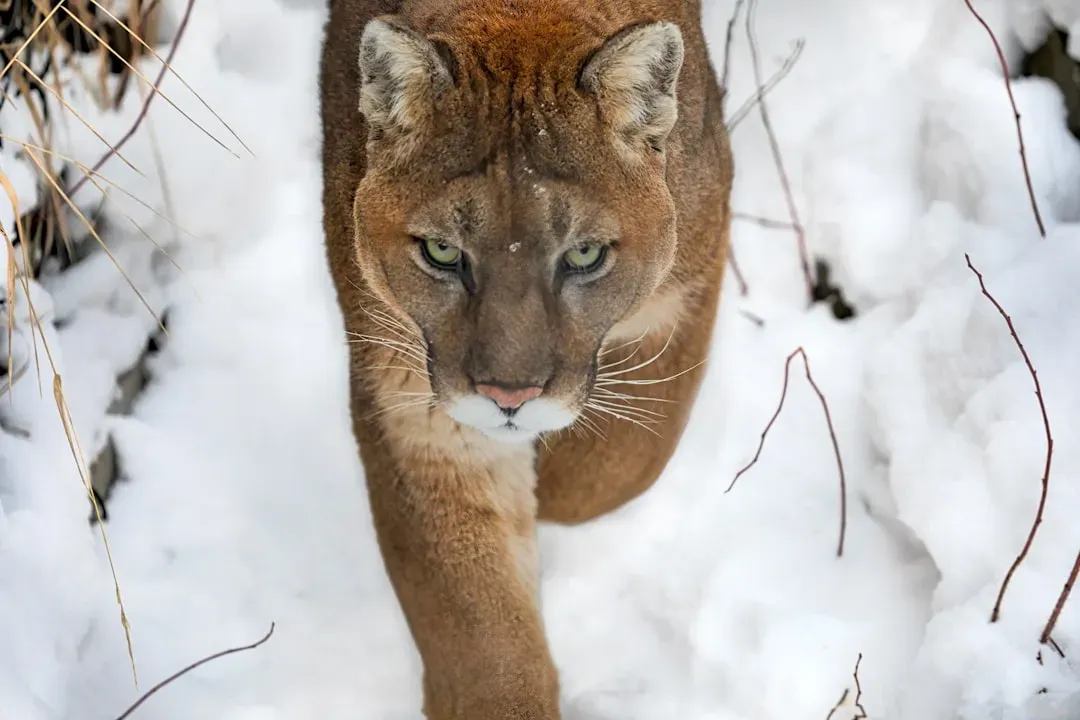
Mountain lions are masters of stealth, moving through forests and rocky terrain with a silence that’s genuinely unnerving. Also known as cougars or pumas, these big cats are one of the most adaptable predators in the Western Hemisphere. Mountain lions thrive in environments ranging from deserts to snowy mountain slopes, with their body size varying significantly depending on latitude. Typically, mountain lions living closer to the equator are smaller, while those found nearer the poles grow significantly larger.
These cats are obligate carnivores and expert ambush hunters. They primarily hunt under the cover of darkness, employing stealth and patience to stalk their prey before delivering a powerful bite to the neck or skull. Deer species make up the bulk of their diet, but they’re opportunistic enough to take everything from elk to rabbits when the opportunity presents itself.
What really sets mountain lions apart is their territory size and solitary nature. Males can have ranges spanning hundreds of square miles, patrolling their domain with remarkable efficiency. Their population has significantly decreased from historic levels due to habitat destruction, anti-predator campaigns, conflicts with livestock and general persecution by humans. Despite these pressures, mountain lions have shown impressive resilience, even occasionally wandering into suburban areas – a reminder that wild spaces and human development increasingly overlap.
Grizzly Bear: The Icon of Wild America
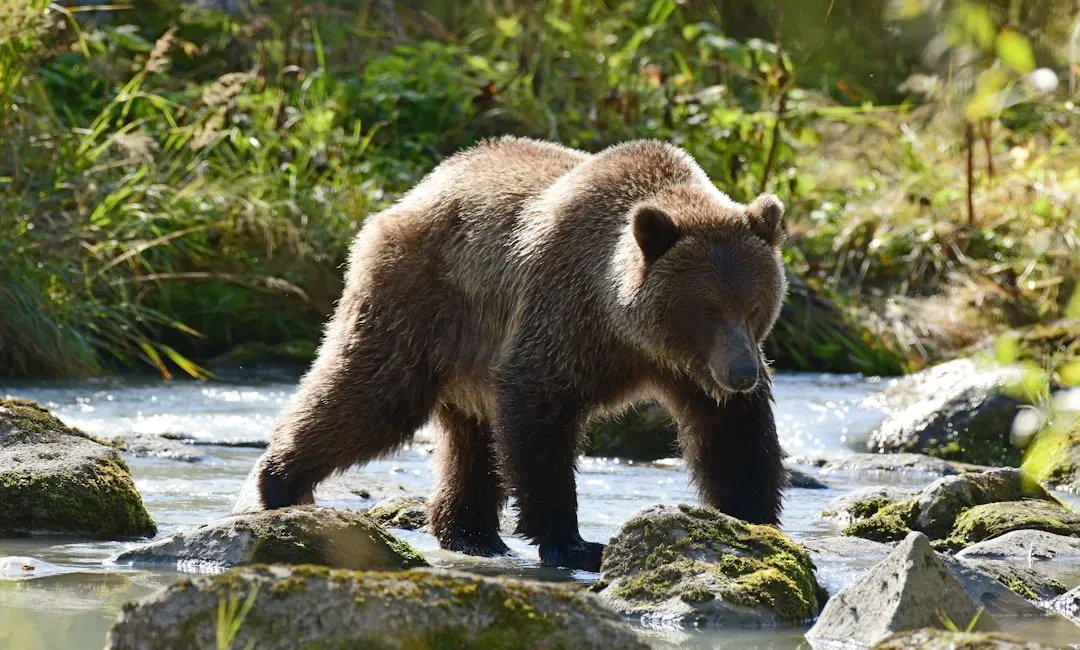
There’s something primordial about encountering a grizzly bear, even from a safe distance. These massive predators can weigh up to 600 pounds and are found primarily in the western regions of North America, including Alaska, Canada, and the contiguous United States. The distinctive shoulder hump and long claws make them immediately recognizable, and honestly, a little terrifying.
Despite their fearsome reputation, grizzlies are primarily vegetarians for much of the year. In many inland areas, vegetation makes up as much as 80 to 90 percent of their intake. They feast on berries, roots, and grasses throughout the warmer months, building up the fat reserves they’ll need for hibernation. When they do hunt, though, they’re formidable. Grizzlies will hunt or scavenge ungulates like moose, elk, deer, caribou, and even bison, with calves and weakened adults being most vulnerable.
I think what’s most remarkable about grizzlies is their recovery story. Grizzly bears are federally listed as threatened. While some populations are stable or even thriving, their overall population has significantly decreased from historic levels due to habitat destruction, anti-predator campaigns, conflicts with livestock and general persecution by humans. Conservation efforts have helped stabilize some populations, particularly in Yellowstone and Glacier National Park areas. They hibernate during winter months in dens, with mothers giving birth to tiny cubs during this vulnerable period.
American Bison: The National Mammal’s Remarkable Return
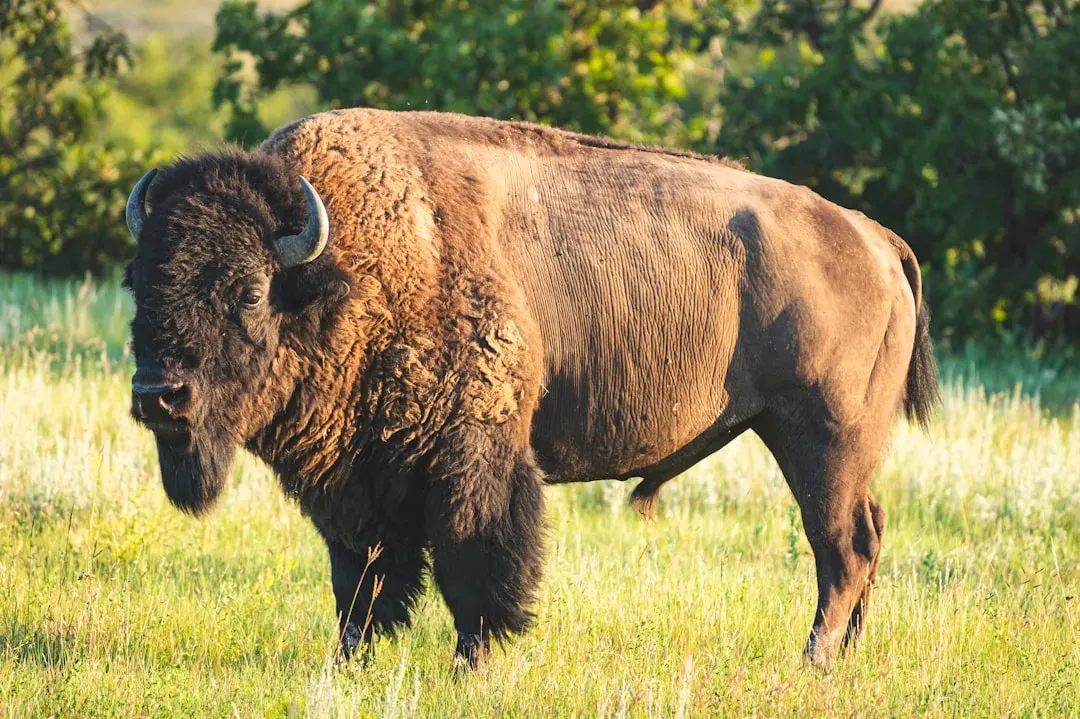
The American bison is more than just a mammal – it’s a living symbol of conservation success and Indigenous heritage. The American bison was named the national mammal of the United States on May 9, 2016. Bison are the largest mammal in North America. Male bison (called bulls) weigh up to 2,000 pounds and stand 6 feet tall, while females (called cows) weigh up to 1,000 pounds and reach a height of 4-5 feet.
These gentle giants once roamed the Great Plains in massive herds numbering in the millions. By the late 1800s, there were only a few hundred bison left in the United States after European settlers pushed west, reducing the animal’s habitat and hunting the bison to near extinction. That near-complete destruction was deliberate and devastating, particularly for Native American tribes who had depended on bison for food, clothing, and spiritual practices for countless generations.
Today’s recovery is nothing short of miraculous. Bison have been integral to Tribal culture, providing them with food, clothing, fuel, tools, shelter and spiritual value. Conservation efforts involving federal agencies, tribal nations, and private ranchers have brought these magnificent animals back from the brink. You can now see bison grazing in protected areas across the country, from Yellowstone to the Great Plains, a testament to what’s possible when we commit to preserving wildlife.
American Black Bear: The Adaptable Survivor
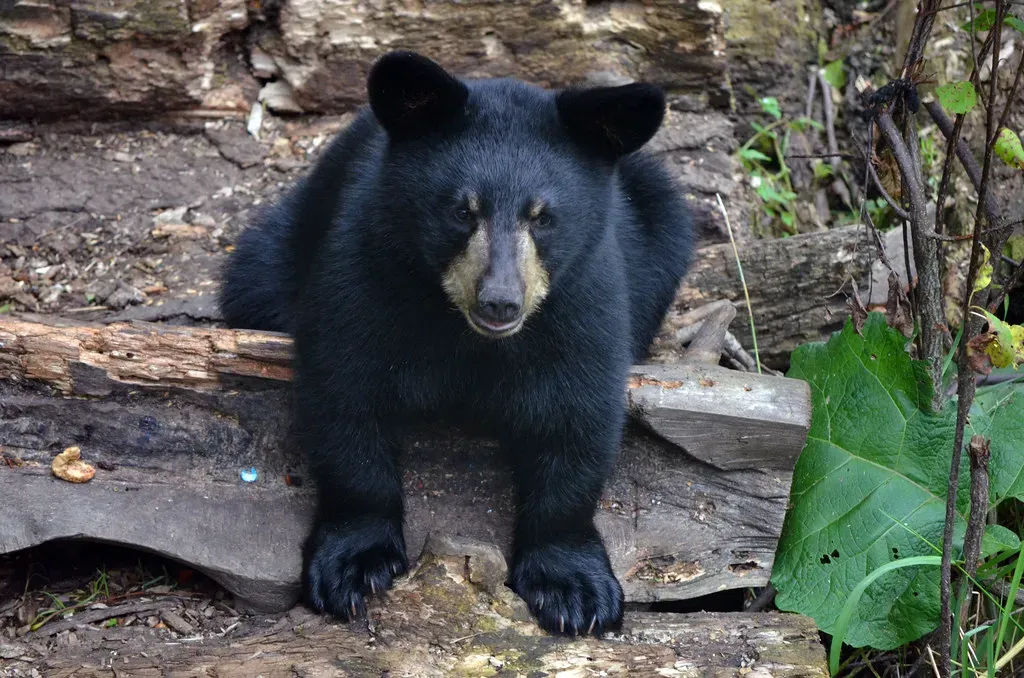
Black bears might not grab headlines like their grizzly cousins, but they’re incredibly successful animals that have adapted to a wide range of habitats. These versatile creatures, scientifically known as Ursus Americanus, are not always black; they can also be cinnamon, white, beige, or even “blue” (slate gray). They are quite the athlete, with the ability to run up to 30mph and to swim adeptly in rivers and lakes.
These bears are found throughout much of North America, from dense forests to suburban edges. Black bears are clever, shy, and low-key animals. An encounter with them in the wild is a rare and exciting experience. They’re omnivores with diverse diets that shift seasonally – berries and nuts in summer, insects and small mammals when available, and they’re not above raiding a poorly secured campsite or garbage can.
Black bears are generally far less aggressive than grizzlies, though they deserve respect as wild predators. They’re solitary by nature, with cubs staying close to their mothers through their second summer before venturing out on their own. What’s particularly impressive is their ability to thrive in landscapes increasingly dominated by human activity, though this proximity also creates challenges. Proper food storage in bear country isn’t just good practice – it’s essential for keeping both humans and bears safe.
The population of black bears has rebounded significantly in recent decades thanks to conservation efforts and hunting regulations. Several states designate the black bear as their official state animal, recognizing its importance to regional ecology and cultural identity.
Bobcat: The Stealthy Phantom
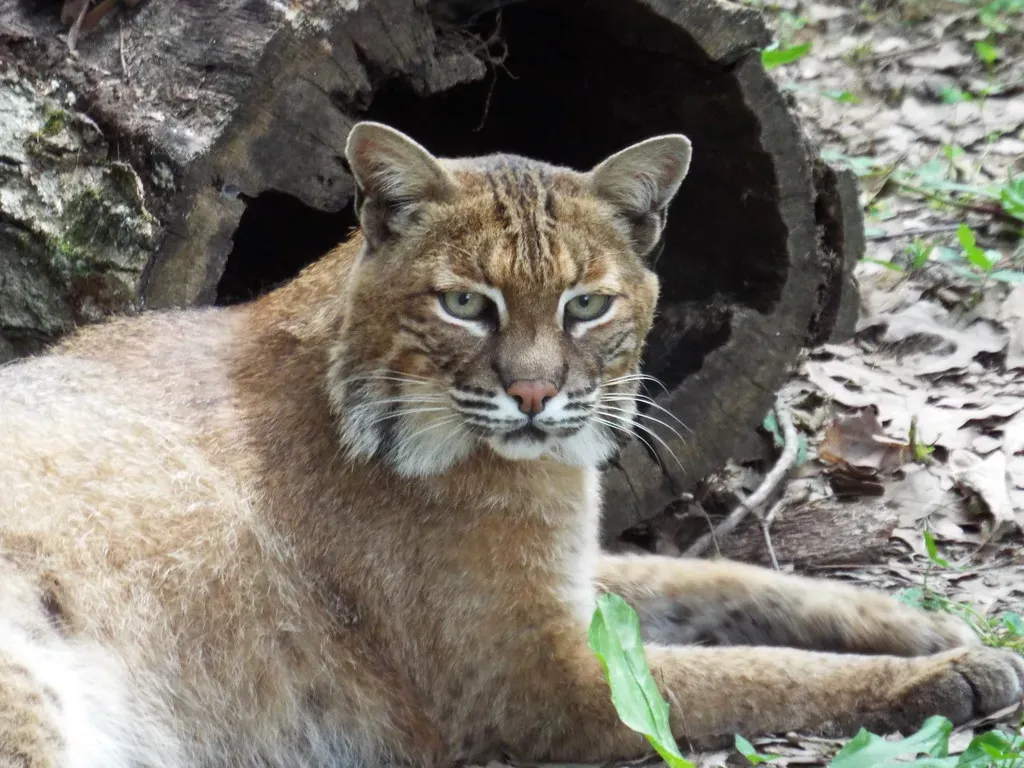
Bobcats are the ghosts of American forests, moving through the landscape with such stealth that most people never realize they’re there. Bobcats are small to medium-sized wildcats native to North America. They have a spotted coat and tufted ears. Bobcats are solitary animals and are skilled predators, hunting a variety of small mammals and birds. Those tufted ears and spotted coat provide perfect camouflage in their varied habitats.
These cats are remarkably adaptable, thriving in environments from dense forests to suburban edges. You can find them in various habitats, including wooded, semi-desert, and urban areas. They hunt rabbits, rodents, birds, and even the occasional deer when the opportunity arises. Their hunting strategy relies on patience and explosive bursts of speed rather than long chases.
What makes bobcats particularly successful is their flexibility. Unlike many wild predators that struggle with habitat fragmentation, bobcats have maintained healthy populations across their range by adapting to changing landscapes. They’re nocturnal by nature, which helps them avoid human contact even in areas where suburbs encroach on wild spaces. Honestly, you could live in bobcat territory your entire life and never spot one – they’re that good at staying hidden.
Their presence in an ecosystem is actually a positive indicator of environmental health. Bobcats help control rodent populations and maintain balance within their ecological niches. They’re solitary except during breeding season, with males maintaining larger territories that overlap with several females.
Coyote: The Ultimate Opportunist
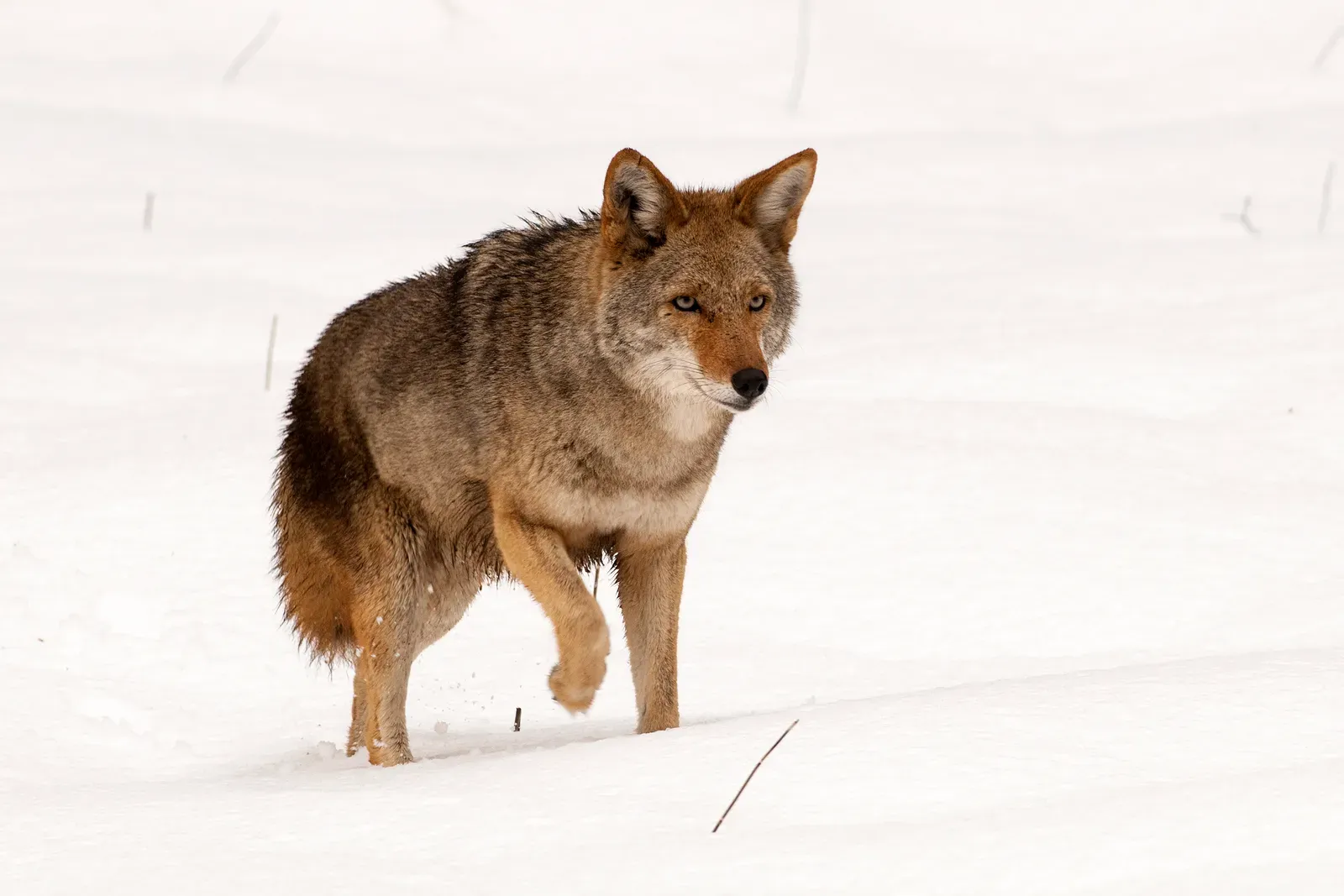
If there’s one mammal that perfectly embodies adaptability, it’s the coyote. Coyotes are highly adaptable canids found throughout North and Central America. They have a gray or reddish-brown fur coloration and are known for their distinct yipping and howling vocalizations. Coyotes are opportunistic predators and scavengers, feeding on a variety of small mammals, birds, and carrion. That haunting howl at dusk is one of the most recognizable sounds of the American wilderness.
Here’s what’s remarkable about coyotes – while many large predators have seen their ranges shrink dramatically, coyotes have actually expanded theirs. They now inhabit every state in the lower 48, from rural farmland to major urban centers. Their diet is incredibly varied, including rodents, rabbits, fruits, insects, and unfortunately for some homeowners, the occasional pet or chicken.
Coyotes are highly social animals with complex pack structures, though they’re equally capable of hunting alone. They’re intelligent problem-solvers who’ve learned to navigate highways, avoid traps, and exploit human food sources when natural prey becomes scarce. This adaptability has made them controversial in some areas, but it’s also a testament to their evolutionary success.
Their role in controlling rodent populations is actually quite valuable, though this benefit is often overlooked. Coyotes fill an important ecological niche, particularly in areas where larger predators like wolves have been eliminated. They mate for life, typically producing litters in spring, and both parents participate in raising the pups.
American Badger: The Fearless Excavator
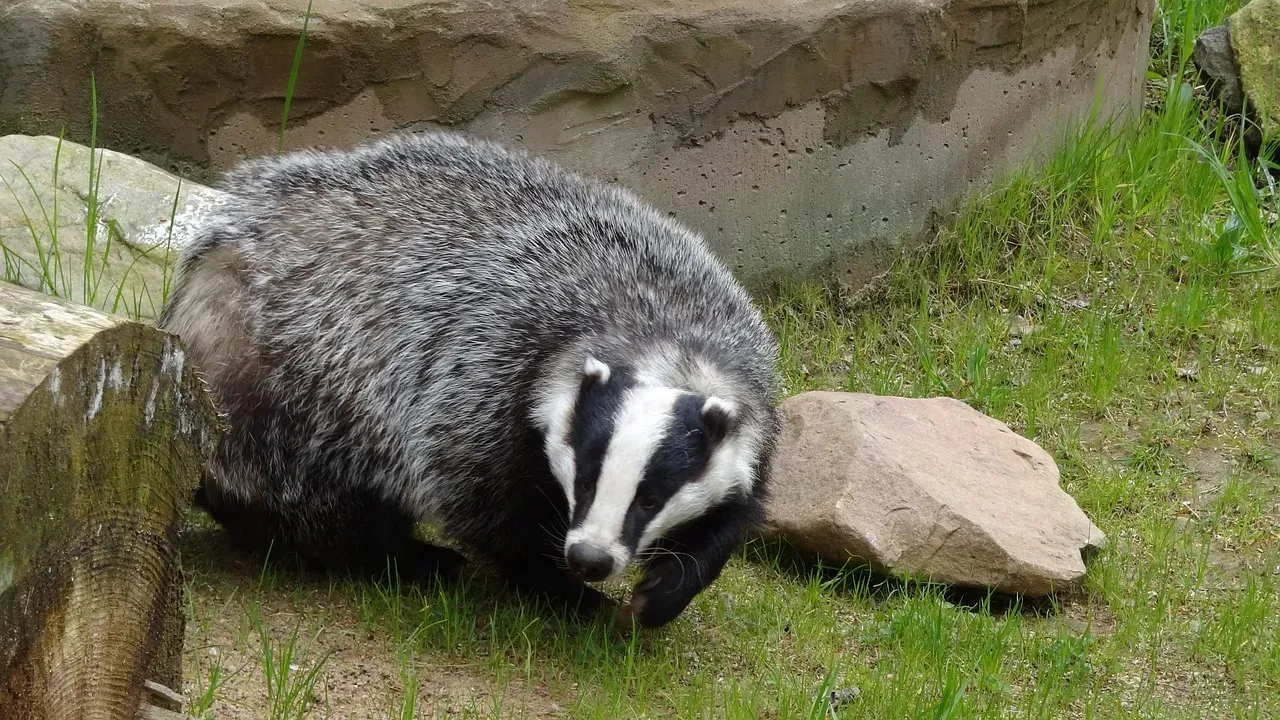
American badgers might be low to the ground, but they’re absolutely fierce. American badgers are burrowing mammals native to North America. They have a stout body and powerful forelimbs for digging. Badgers are known for their aggressive behavior and can be fierce predators. Those powerful front claws can excavate burrows with astonishing speed, making them formidable hunters of burrowing prey.
These stocky carnivores inhabit grasslands, prairies, and open areas across much of western and central North America. They primarily hunt ground squirrels, prairie dogs, gophers, and other burrowing rodents by digging them out of their tunnels. It’s hard to overstate just how effective they are at this – a badger can dig faster than most prey animals can escape through their tunnel systems.
Badgers are mostly solitary and nocturnal, spending daylight hours in their burrows and emerging at night to hunt. They’ve got a reputation for being ill-tempered, and honestly, it’s not entirely undeserved. When threatened, they’ll stand their ground against animals much larger than themselves, using their sharp claws and powerful jaws as formidable weapons.
Despite their tough nature, badgers play an important role in their ecosystems. Their digging activity aerates soil and creates burrows that are later used by other species, from burrowing owls to rabbits. They’re not as commonly seen as some other predators, partly because of their nocturnal habits and partly because human activity has reduced suitable habitat in many areas.
Pronghorn: America’s Speed Champion
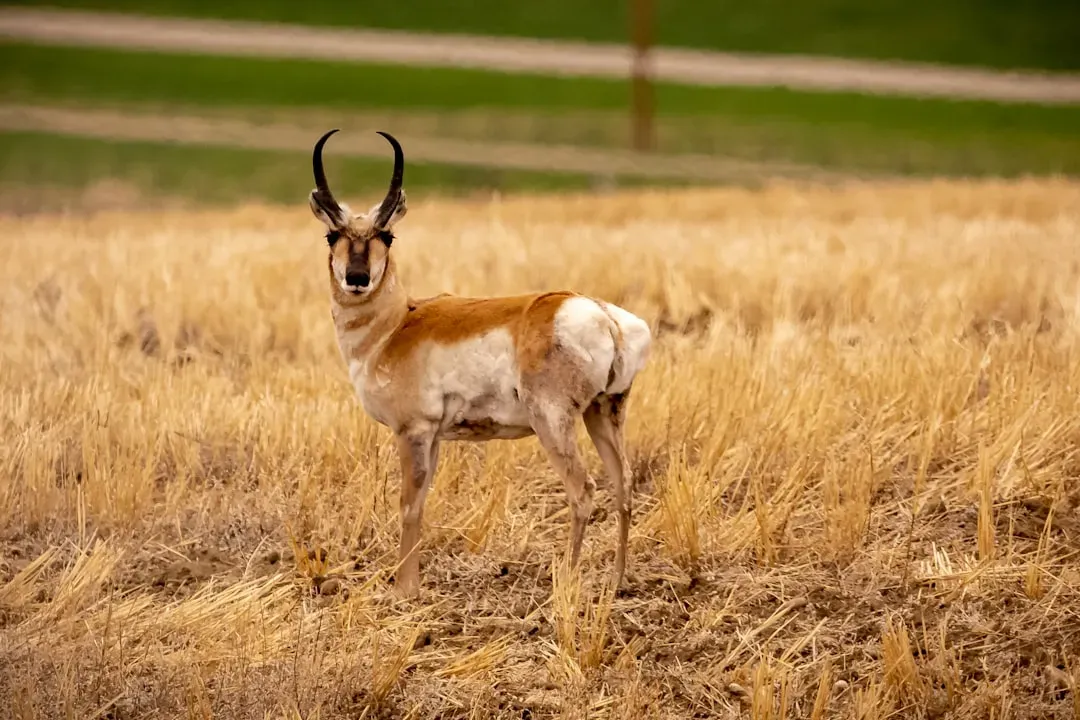
The pronghorn might look like an antelope, but it’s actually a unique species found nowhere else on Earth. Pronghorns are the fastest land animals in North America, capable of running at speeds of up to 60 miles per hour. That incredible speed evolved as a defense against now-extinct American cheetahs, and it makes modern pronghorns absurdly overqualified for outrunning today’s predators.
These graceful ungulates inhabit the grasslands and sagebrush ecosystems of the western United States. They have distinctive curved horns and tan-and-white coloring that helps them blend into their prairie surroundings. Pronghorns are built for visibility and speed rather than stealth – they can spot predators from miles away across open terrain.
What’s particularly interesting about pronghorns is their migration patterns. Some populations undertake impressive seasonal migrations, traveling hundreds of miles between summer and winter ranges. These migration routes are increasingly threatened by fencing, roads, and development, creating conservation challenges for wildlife managers trying to maintain connectivity.
Pronghorns are social animals that often travel in herds, providing additional eyes to watch for danger. Their diet consists primarily of grasses, forbs, and shrubs, with their food choices varying seasonally. They’re well adapted to arid environments and can survive with minimal water when necessary.
Canada Lynx: The Snow-Adapted Hunter
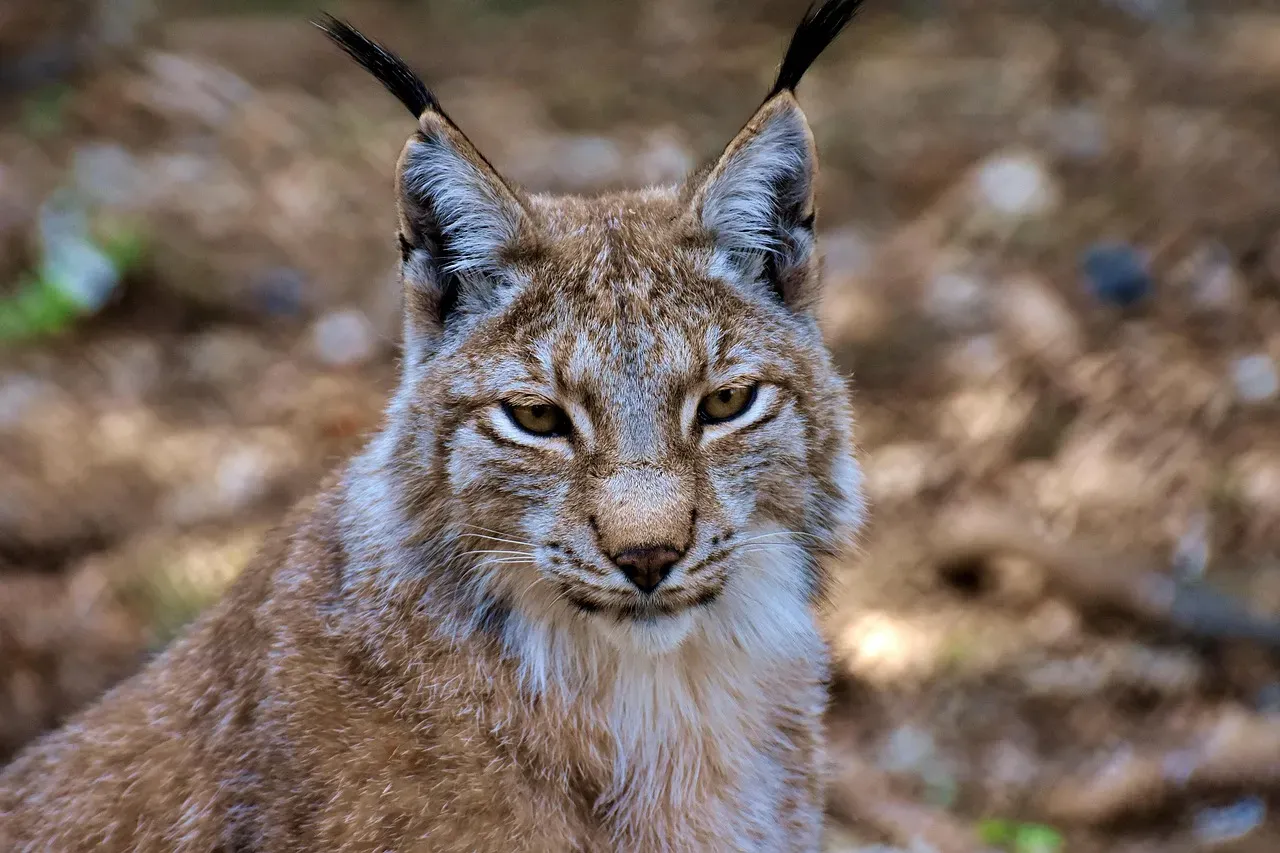
The Canada lynx is a creature perfectly designed for life in snowy forests. The Canada lynx (Lynx canadensis) is native to Canada and the US states of Alaska, Maine, Montana, Washington, Minnesota, Colorado (and possibly Wyoming, Wisconsin, Michigan, and New Hampshire). They live in boreal forests and mainly target snowshoe hares as prey. The Canada lynx’s large feet help it traverse snowy areas.
Those oversized paws function like natural snowshoes, distributing the lynx’s weight and allowing it to move efficiently across deep snow where other predators would struggle. This gives them a significant advantage when hunting their primary prey, snowshoe hares, whose populations fluctuate dramatically on roughly ten-year cycles. When hare populations crash, lynx numbers typically follow.
These medium-sized cats are distinguished by their long, dense fur, black-tufted ears, and relatively short tail. They’re solitary and territorial, with each cat requiring a substantial home range to find enough prey. Unlike bobcats, which adapt readily to varied habitats, lynx are specialists tied to northern forest ecosystems.
Climate change poses a significant threat to lynx populations. As snowpack diminishes and winters warm, the lynx’s specialized adaptations become less advantageous. Additionally, their habitat continues to fragment due to logging and development, making it harder for populations to maintain genetic diversity through movement between areas.
Javelina: The Desert Pig Mimic
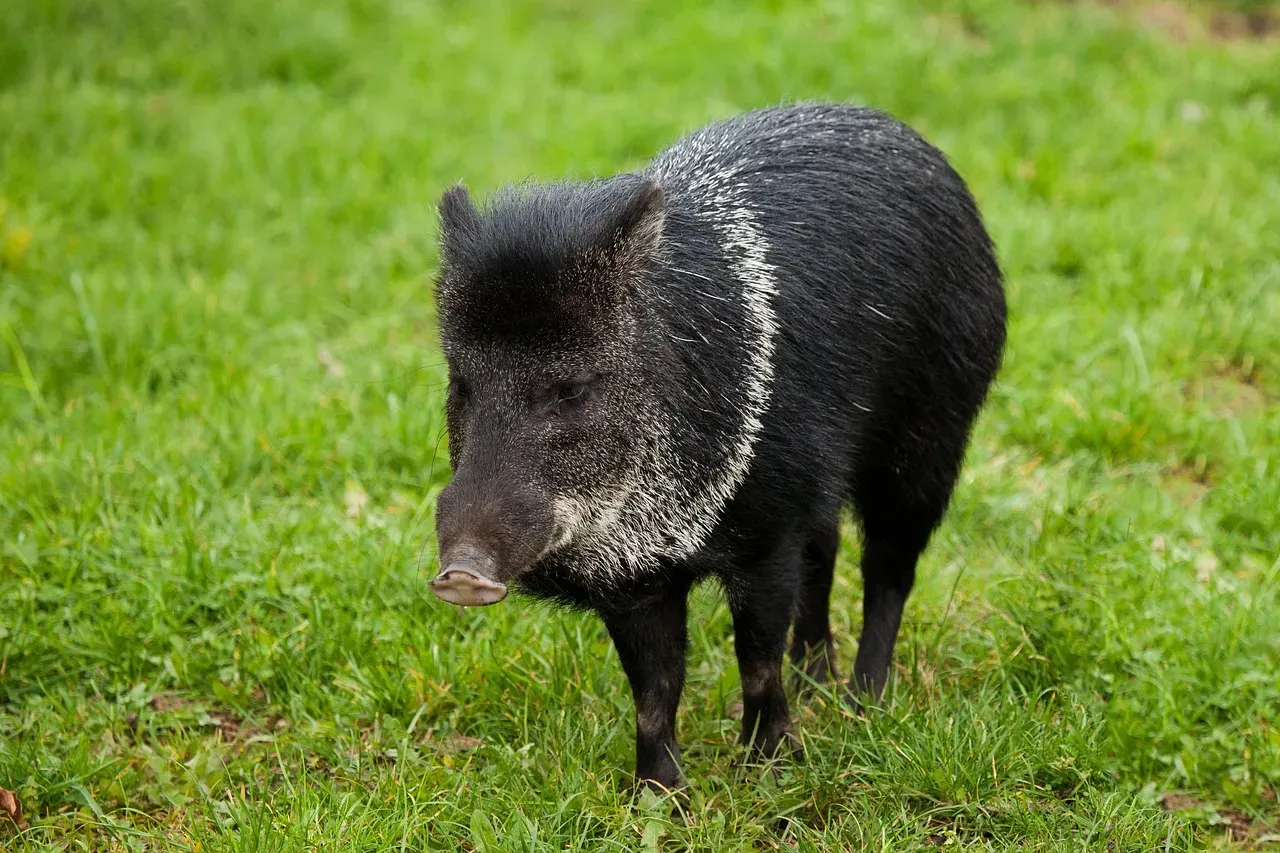
A javelina is pig-liked hoofed mammal native to the US Southwest and Mexico. These unusual creatures aren’t actually pigs, though the resemblance is striking enough that they’re often called that. Though peccaries are not part of the same family as pigs (the family Suida), they are pigs’ closest relatives.
They are social creatures that live in herds. They have stubby legs, a short snout, and brown to dark brown fur. You’ll find javelinas in desert scrublands, oak woodlands, and sometimes suburban areas of Arizona, New Mexico, and Texas. Populations of the collared peccary live in the suburbs of Phoenix and Tuscon, Arizona, in the US, which sometimes creates interesting encounters between wildlife and homeowners.
These animals feed primarily on prickly pear cactus, roots, tubers, and various desert plants. They have extremely powerful jaws and can crunch through tough vegetation that other herbivores can’t handle. Javelinas have poor eyesight but excellent hearing and a keen sense of smell, relying on these senses to detect both food and danger.
Javelinas are surprisingly vocal, using various grunts and squeals to communicate within their herds. They have a distinctive scent gland on their backs that they use for marking territory and recognizing herd members. While generally not aggressive toward humans, they can be unpredictable, especially when protecting young or feeling cornered.
River Otter: The Aquatic Acrobat

River otters are among the most playful and entertaining mammals in North America. These sleek, semi-aquatic carnivores inhabit rivers, lakes, and coastal areas throughout much of the United States. They’re members of the weasel family, related to wolverines and badgers, though their lifestyle is vastly different.
These otters are built for aquatic life, with dense, waterproof fur, webbed feet, and powerful tails that propel them through water with remarkable agility. They can dive to significant depths and hold their breath for several minutes while hunting fish, crayfish, frogs, and aquatic invertebrates. On land, they’re surprisingly fast and can travel considerable distances between water bodies.
What really sets river otters apart is their apparent enjoyment of play. They’re frequently observed sliding down muddy or snowy banks repeatedly, seemingly just for fun. This playful behavior isn’t just entertainment – it’s also how young otters learn the skills they’ll need for hunting and social interaction within their family groups.
River otters were once severely impacted by pollution, habitat destruction, and fur trapping, disappearing from many parts of their historic range. Successful reintroduction programs and improved water quality have allowed otter populations to recover in numerous areas. Their presence is actually an indicator of healthy aquatic ecosystems, as they require clean water and abundant fish populations to thrive.
Conclusion: Wild Heritage Worth Protecting
These twelve mammals represent just a fraction of the incredible diversity found across the United States, yet each one tells a story about adaptation, survival, and the complex relationship between wildlife and changing landscapes. From the wolverine’s mountain strongholds to the javelina’s desert territories, these animals have carved out their places in American ecosystems through millions of years of evolution.
What strikes me most about these creatures is their resilience. Many have faced near-extinction, habitat loss, and persecution, yet they’ve persisted through conservation efforts and their own remarkable adaptability. The bison’s recovery from fewer than a thousand individuals to thriving herds in protected areas shows what’s possible when we commit to preservation. Similarly, the mountain lion’s ability to maintain populations despite habitat fragmentation demonstrates the tenacity of wild predators.
These mammals face ongoing challenges in 2026 – climate change threatens species like the wolverine and lynx that depend on persistent snowpack, while continued development fragments habitat for wide-ranging species like mountain lions and pronghorns. The balance between human needs and wildlife conservation remains delicate.
The fierce and fascinating mammals native to our country deserve our attention and protection, not just as individual species but as integral parts of functioning ecosystems. Each predator, herbivore, and omnivore plays a role in maintaining the ecological balance that has sustained these landscapes for millennia. Which of these remarkable mammals surprises you most? Have you encountered any of them in the wild?
Worried about unexpected vet bills?
Pet insurance can cover thousands in unexpected vet costs. Get a free quote from Lemonade in under 2 minutes.
Get My Free Quote →Sponsored · Opens Lemonade.com
