

Picture a world where every rustle in the bushes could mean life or death. That constant edge, honed over thousands of generations, still hums beneath the surface for many people today. It raises a quiet question about why ordinary moments sometimes feel like threats.
Modern life moves fast, yet the mind carries echoes from a much slower, riskier time. Researchers in psychology often trace certain anxious patterns back to those early days when staying alert meant staying alive. The connection feels both distant and oddly familiar once you start looking.
Survival Instincts That Shaped Our Minds

Early humans faced real dangers every day, from predators to scarce resources. Their brains developed quick ways to spot trouble and react without delay. Those same circuits still operate, even when the threats look nothing like a saber tooth cat.
Over time, traits that helped the group survive got passed along. Anxiety served as an early warning system that kept people cautious around strangers or uncertain situations. In that context, a racing heart or restless thoughts made perfect sense for protection.
The Persistent Alarm System

The fight or flight response once prepared bodies for immediate action against clear dangers. Today it can fire during a tense email or crowded commute. The physical sensations remain the same, yet the context has shifted dramatically.
This system evolved because missing a real threat carried heavy costs. Missing a false alarm usually did not. As a result, the brain errs on the side of caution, which can leave people feeling on edge long after the moment passes.
When Caution Becomes Overwhelm
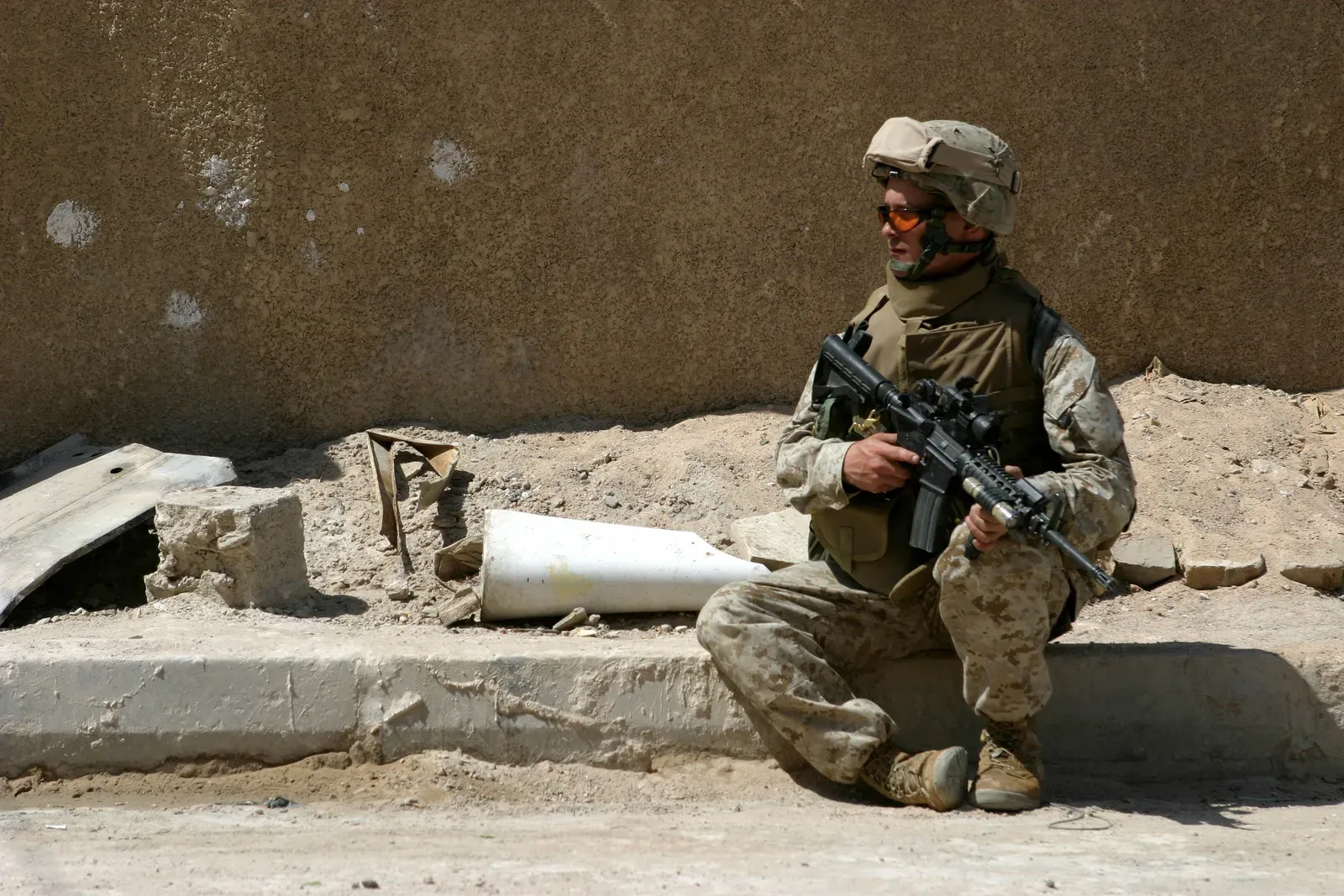
Hypervigilance helped ancestors notice small changes in their surroundings. A snapped twig or unusual silence could signal approaching trouble. That same scanning habit now shows up as trouble focusing or constant mental checklists.
In safe environments the trait lingers without a clear job to do. It turns ordinary uncertainty into something that feels urgent. People often describe it as an inner voice that refuses to quiet down even when logic says everything is fine.
Social Bonds and Their Anxious Echoes

Belonging to a group once meant the difference between survival and isolation. Reading faces and tones for signs of rejection became a useful skill. Those sensitivities still influence how people navigate friendships, workplaces, and family dynamics.
Small social missteps can trigger outsized worry because the ancient brain treats exclusion like a threat to resources. Modern interactions rarely carry the same stakes, yet the emotional response follows the old script. This mismatch explains why some gatherings leave a person drained or second guessing every word.
Mismatch Between Past and Present Environments

Ancient settings rewarded constant readiness and quick decisions. Current life offers steady food, shelter, and far fewer immediate physical risks. The brain has not fully updated its software for this new reality.
Information overload from screens and news can mimic the constant scanning once needed on the savanna. Without natural breaks or clear resolutions, the old wiring stays active. Many notice their anxiety spikes in situations that would have been routine for earlier generations.
Everyday Triggers Rooted in History
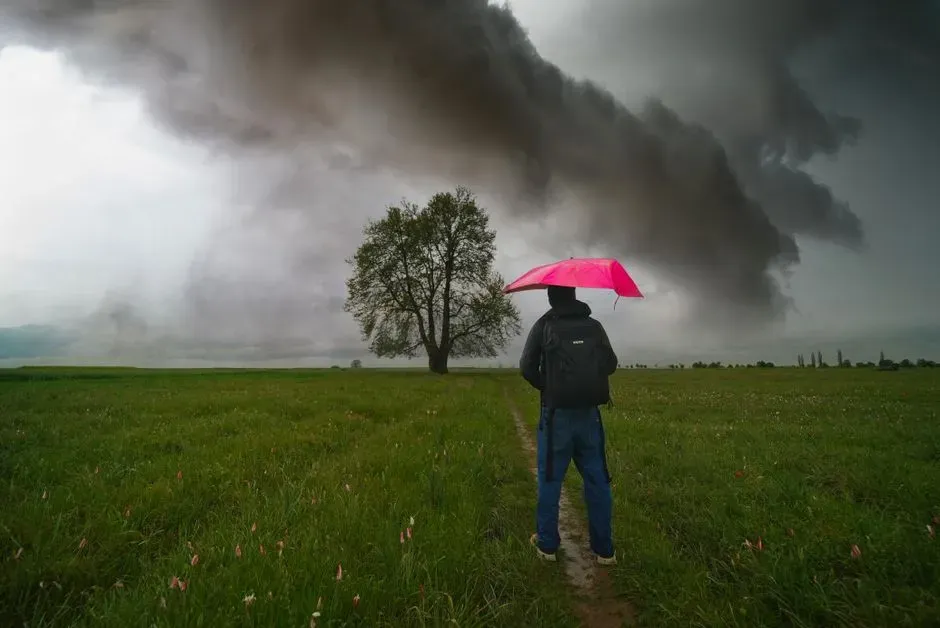
Uncertainty about the future echoes the unpredictability of weather, food supplies, or rival groups. A delayed response or ambiguous message can activate the same pathways. The mind fills in worst case scenarios because that habit once kept people prepared.
Novel situations also tap into ancient caution around the unknown. New jobs, cities, or even technologies can feel destabilizing at first. Over time the response often settles, yet the initial surge follows patterns laid down long ago.
Conclusion

Understanding these links does not erase anxiety, but it can soften the sense that something is fundamentally wrong with feeling this way. The same mechanisms that once protected survival still operate, just in a world they were never designed for. Recognizing the mismatch opens room for kinder strategies that work with the wiring instead of against it.
Ultimately, anxiety carries a story worth listening to rather than silencing outright. It points back to resilience built across generations and forward to choices that honor both the past and the present. That perspective alone can shift how the experience lands day to day.

- Why Veterinarians Say If Your Cat Sleeps With Their Back to You, It's the Highest Form of Trust in Feline Behavior - July 20, 2026
- The Zodiac Signs That Owls Avoid Completely (And What Folklore Says It Means About Your Energy) - July 20, 2026
- 8 Amazing Animal Instincts That Continue to Puzzle Scientists Today - July 20, 2026