

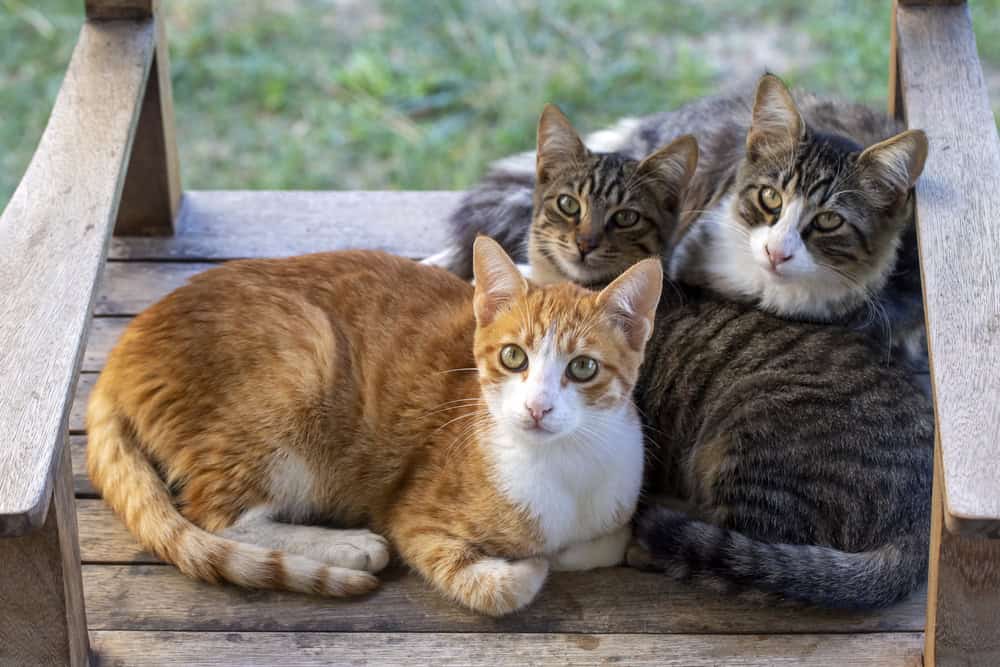
Cats are curious creatures with a penchant for investigating their surroundings, which includes sniffing out the contents of your dinner plate. While their pleading eyes may tempt you to share a morsel of your meal, it’s crucial to remember that not all human foods are safe for feline consumption. Although your cat may exhibit a keen interest in some of these foods, indulging them could lead to serious health problems. In this article, we explore 12 foods that cats are often attracted to but should steer clear of for their own well-being.
12. Chocolate
Chocolate, a delectable treat for humans, is toxic to cats. It contains theobromine and caffeine, both of which can be harmful to felines. These compounds can lead to a range of health issues, including vomiting, diarrhea, rapid breathing, increased heart rate, and even seizures. Dark chocolate and unsweetened baking chocolate are especially dangerous due to their higher concentrations of these toxic substances. It’s best to keep all chocolate products out of reach of your curious cat.
11. Onions and Garlic
While onions and garlic are staples in many kitchens, they pose significant risks to cats. Both contain compounds called thiosulfates, which can damage red blood cells and lead to a form of anemia known as Heinz body anemia. Symptoms of onion or garlic toxicity may include lethargy, pale gums, and a decreased appetite. Whether raw, cooked, or in powdered form, these ingredients should never be part of your cat’s diet.
10. Grapes and Raisins
Grapes and raisins, despite their small size, can have a big impact on a cat’s health. Although the exact toxin is unknown, these fruits can cause kidney failure in felines. Symptoms of grape or raisin toxicity include vomiting, diarrhea, and lethargy, appearing within 12 hours of ingestion. To be safe, keep grapes and raisins away from your cat and consider alternative, feline-friendly treats.
9. Alcohol

Alcohol consumption is dangerous for cats, even in small amounts. Cats are significantly more sensitive to alcohol than humans, and just a few sips can result in ethanol poisoning. The symptoms may include vomiting, disorientation, difficulty breathing, and in severe cases, liver and brain damage. Always ensure alcoholic beverages are well out of reach to prevent accidental ingestion.
8. Caffeine
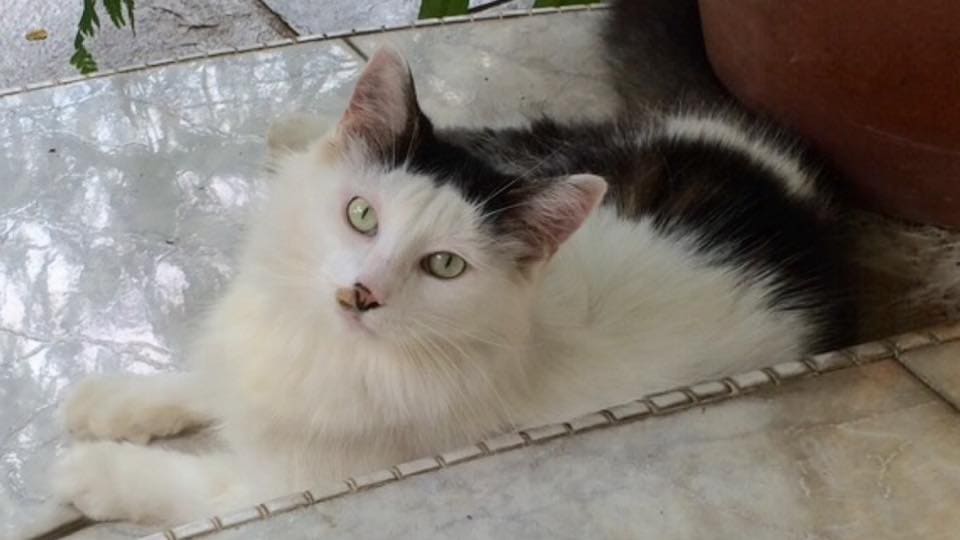
Much like chocolate, caffeine is another stimulant that poses a risk to cats. Found in coffee, tea, energy drinks, and certain medications, caffeine can lead to restlessness, rapid breathing, heart palpitations, and muscle tremors. Cats are much more sensitive to caffeine compared to humans, so inadvertent consumption could quickly escalate into a medical emergency. Keep all caffeinated products safely stored away.
7. Dairy Products
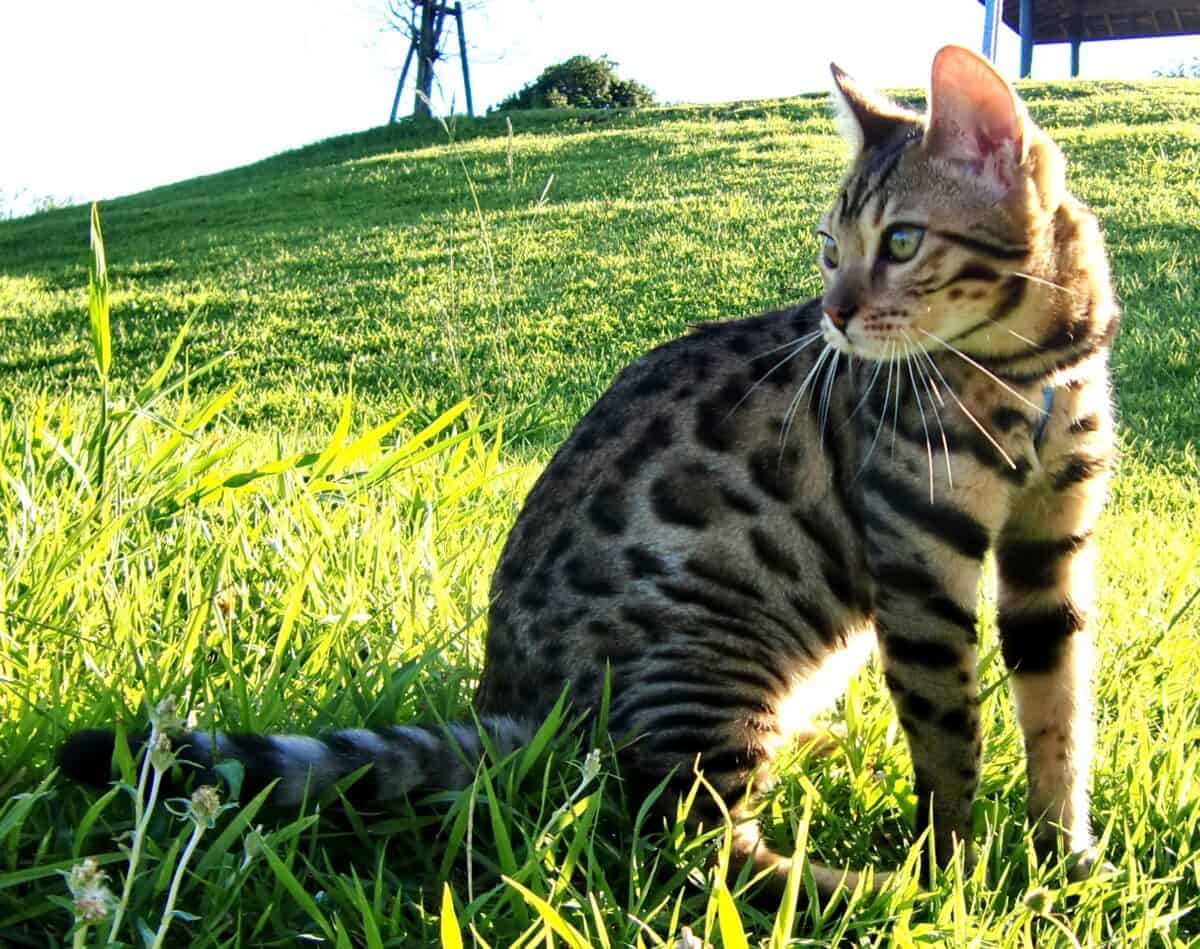
Many people mistakenly believe that cats love milk. In reality, most adult cats are lactose intolerant and cannot properly digest lactose, the sugar found in milk. Consuming dairy products can lead to upset stomach, diarrhea, and discomfort. If you wish to treat your cat to a milky delight, opt for lactose-free alternatives formulated specifically for cats.
6. Raw Eggs
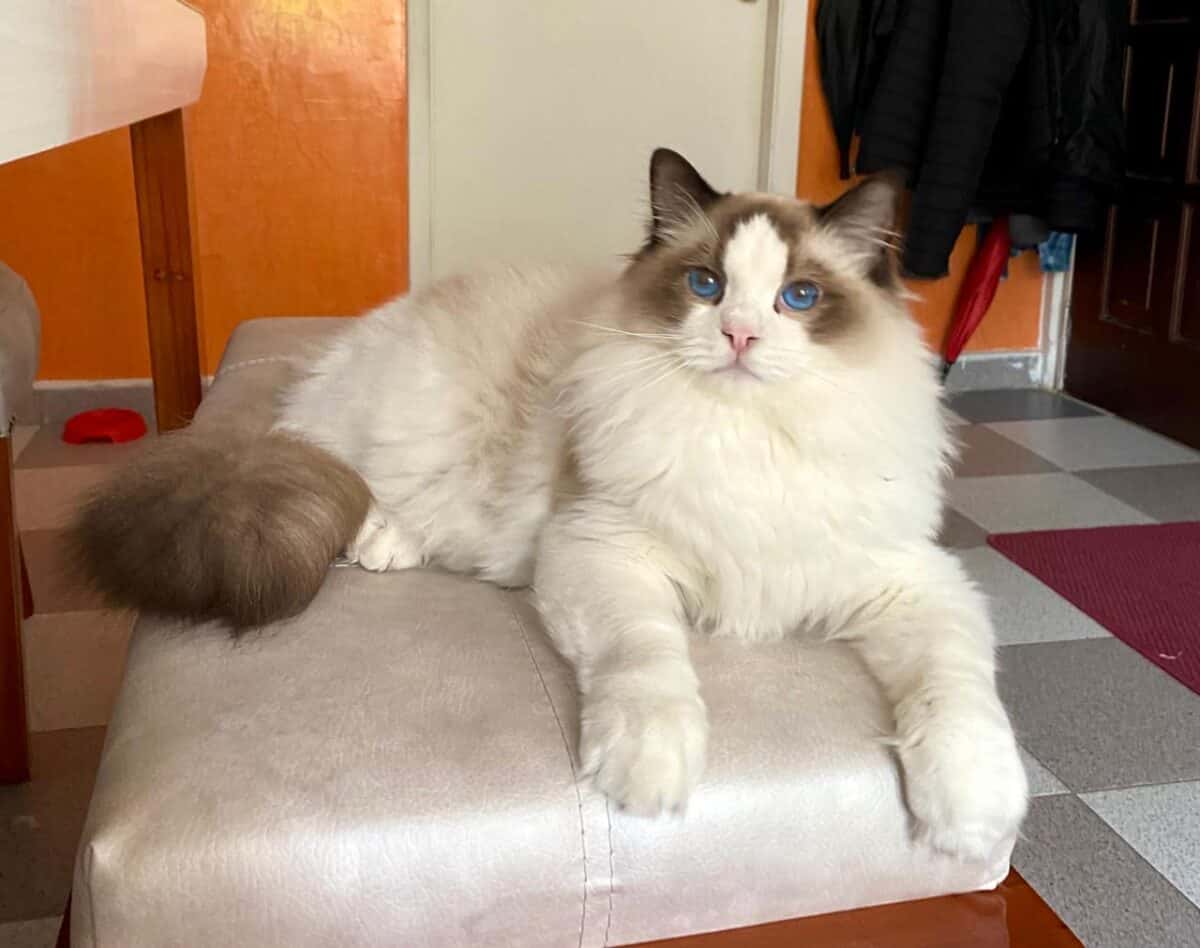
Raw eggs present a dual threat to cats. They may contain Salmonella or E. coli, bacteria that can lead to food poisoning. Additionally, raw egg whites contain avidin, a protein that can interfere with the absorption of biotin, a vital B vitamin. This can lead to skin and coat problems over time. Cooked eggs, on the other hand, can be a safe and nutritious treat in moderation.
5. Raw Fish

While cats are often associated with fish, feeding raw fish can be harmful. It may contain harmful bacteria and parasites that can cause food poisoning. Moreover, some raw fish contain an enzyme, thiaminase, which destroys thiamine, an essential B vitamin. A lack of thiamine can result in neurological issues and seizures. Cooked fish, free from any bones and served in moderation, is a safer option.
4. Fat Trimmings and Bones

Feeding your cat fat trimmings and bones may seem like a natural choice, but it can be dangerous. Fat trimmed from meat, whether cooked or uncooked, can cause pancreatitis in cats. Bones, on the other hand, can splinter and cause blockages or tears in the digestive tract. Stick to balanced cat food to ensure your pet receives proper nutrition without risk.
3. Dog Food

At a glance, dog food might seem like an acceptable substitute if you’ve run out of cat food, but this is not advisable. Cats have specific dietary needs, such as requiring higher levels of protein and the amino acid taurine, which are not adequately addressed by dog food formulations. Long-term consumption of dog food can lead to malnutrition, making it essential to provide your cat with a proper feline diet.
2. Xylitol

Xylitol, a sugar substitute found in sugar-free gum, toothpaste, and baked goods, is highly toxic to cats. While its effects on cats aren’t as well-documented as they are in dogs, where it causes hypoglycemia and liver failure, it’s still wise to prevent exposure. Symptoms of xylitol toxicity include vomiting, decreased activity, and a loss of coordination. Be cautious with products containing xylitol and keep them out of your pet’s reach.
1. Avocado

Avocado contains persin, a substance that can be toxic to many animals, including cats, in large amounts. While a small amount of avocado may not be deadly, it’s not recommended due to potential gastrointestinal upset. Additionally, the pit poses a choking hazard and can cause blockages if ingested. Safe feline treats are a much better alternative to satisfy your cat’s curiosity.
Conclusion:

In conclusion, while sharing food with your feline friend might be tempting, it’s crucial to be aware of the potential dangers lurking in seemingly innocuous treats. By understanding which foods to avoid, you can help ensure your cat’s diet stays safe and balanced. Always consult with your veterinarian if you suspect your cat has ingested something harmful or if you need advice on cat-safe foods.

As a little kid, I fell in love with nature, wildlife, and animals. Living in the USA, South Africa, Italy, China and Germany gave me the opportunity to discover the world's Wildlife. My favorite animals are Mountain Gorillas, Siberian Tigers, and Great White Sharks.
I'm a certified PADI Open Water Diver, went to Everest Base Camp and Trekked Gorillas in Uganda. I hold a Master of Science in Economics and Finance.
Please send any feedback to feedback@animalsaroundtheglobe.com
- The 10 Rarest Dog Breeds Making a Comeback in America - July 19, 2026
- 13 Creatures That Survived Mass Extinctions - July 19, 2026
- 12 Pets That Are Perfect for Seniors - July 19, 2026