
Most gardeners plant flowers because they’re beautiful. But there’s a second story happening just inches above the soil, one that’s entirely about survival. Pollinators like butterflies, hummingbirds, and bees play a role far beyond garden charm – they could be responsible for roughly one in every three bites of food we eat. That’s a staggering thought when you’re standing in front of a seed rack at your local garden center.
Pollinators need a diverse source of nectar and pollen throughout the growing season, and as natural habitats shrink and weather patterns shift, home gardens have become an essential refuge. The right flowers make all the difference. What follows are twelve garden blooms that don’t just look good – they work hard for the creatures that keep our ecosystems humming.
#1 – Echinacea (Purple Coneflower)
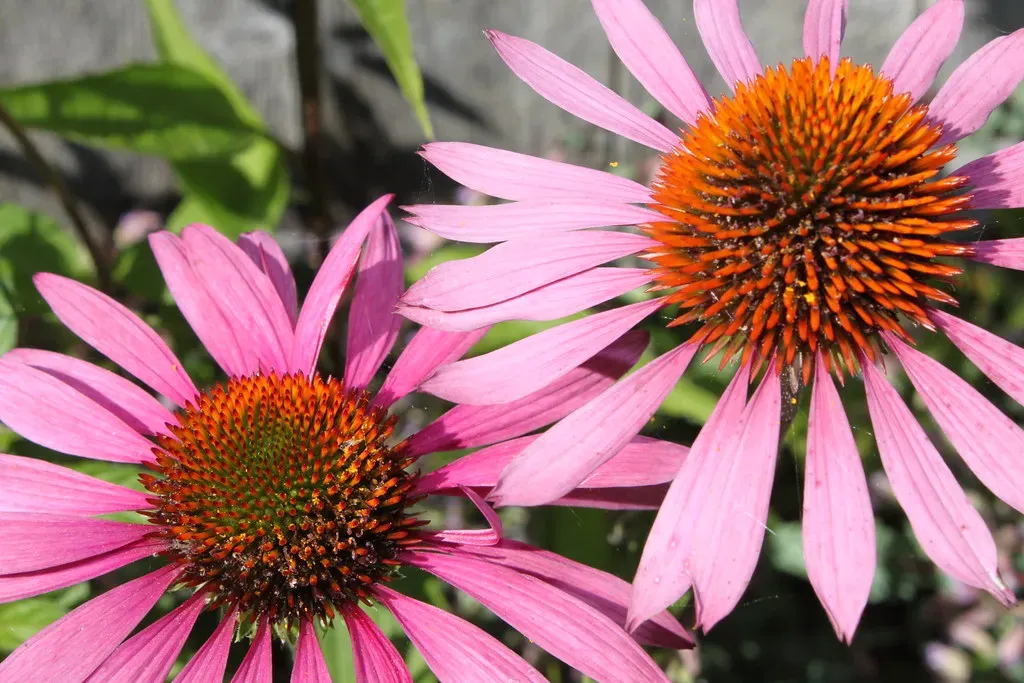
Echinacea purpurea, commonly known as Purple Coneflower, is a hardy perennial known for its striking large purple blossoms that appear throughout summer. Supported by robust stems and dark green leaves, these nectar-rich flowers attract butterflies and hummingbirds, and the plant thrives in various conditions including heat, drought, and poor soil. It’s the kind of plant that earns its keep without asking much in return.
Echinacea is a staple of summer, attracting beneficial insects of all kinds and bringing cheerful color to the garden, with cut flowers that can last ten days or more in bouquets. It features large, daisy-like flowers with drooping purple petals and prominent, spiky orange-brown cones that serve as a landing pad for pollinators. Plant it in a sunny border and expect a busy season.
#2 – Bee Balm (Monarda)
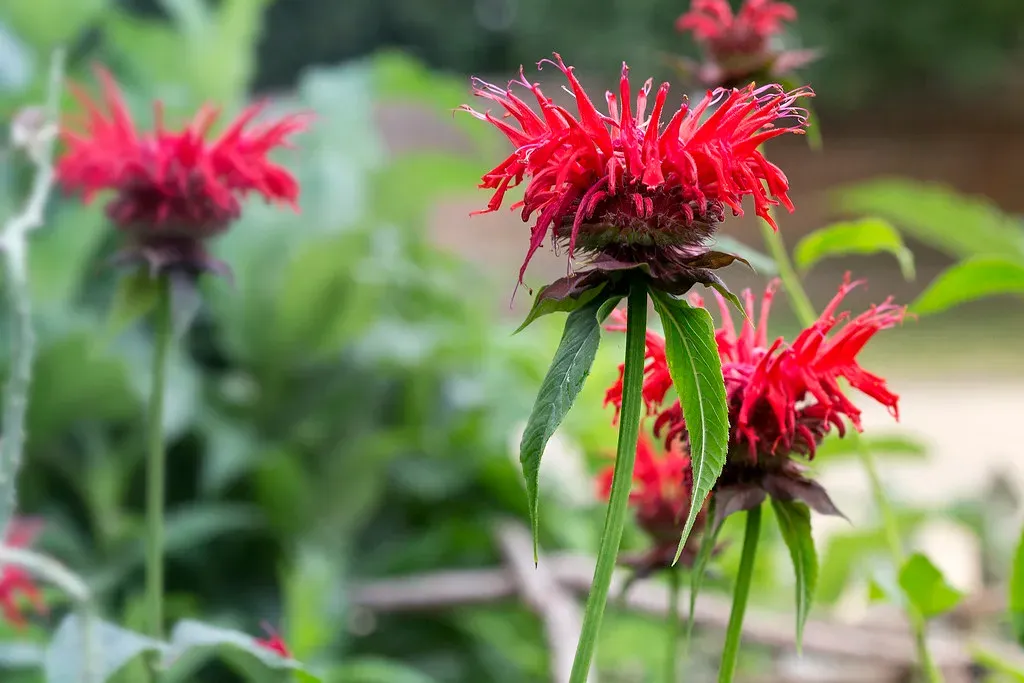
Monarda didyma, or Scarlet Bee Balm, is a dazzling native perennial adored for its fiery red blooms, minty fragrance, and phenomenal pollinator appeal. This moisture-loving plant brightens borders, meadows, and cottage gardens while inviting hummingbirds, bees, and butterflies all summer long. The blooms have an almost firework-like quality up close.
Bee balm feeds a wide range of pollinators because the bloom shape is busy from every angle. Hummingbirds work the tubular florets, butterflies land on the clustered heads, and bees keep the whole plant humming through midsummer. Give it decent airflow, especially in humid climates, and divide spreading clumps when the patch starts to crowd itself. It’s a genuine all-rounder with serious curb appeal.
#3 – Lavender
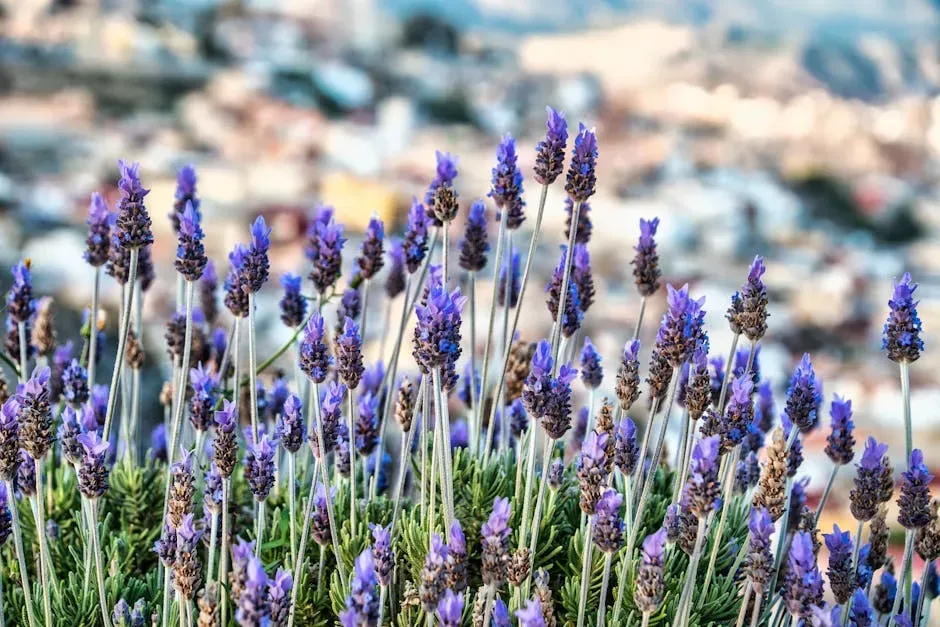
Aromatic and attractive to bees, lavender is as useful as it is beautiful. Use it along walkways or in garden borders to create a sensory experience for both you and the pollinators. Its silver-grey foliage gives the garden structure even when it isn’t in bloom, making it a smart long-term investment.
Fragrant and drought resistant, lavender thrives in full sun and well-drained soil, and is loved by bees and hummingbirds alike. Several studies across the country found that catmint and lavender-adjacent ornamentals like Russian sage are highly attractive to bees. Few garden plants manage to look this refined while doing this much ecological work.
#4 – Black-Eyed Susan (Rudbeckia)
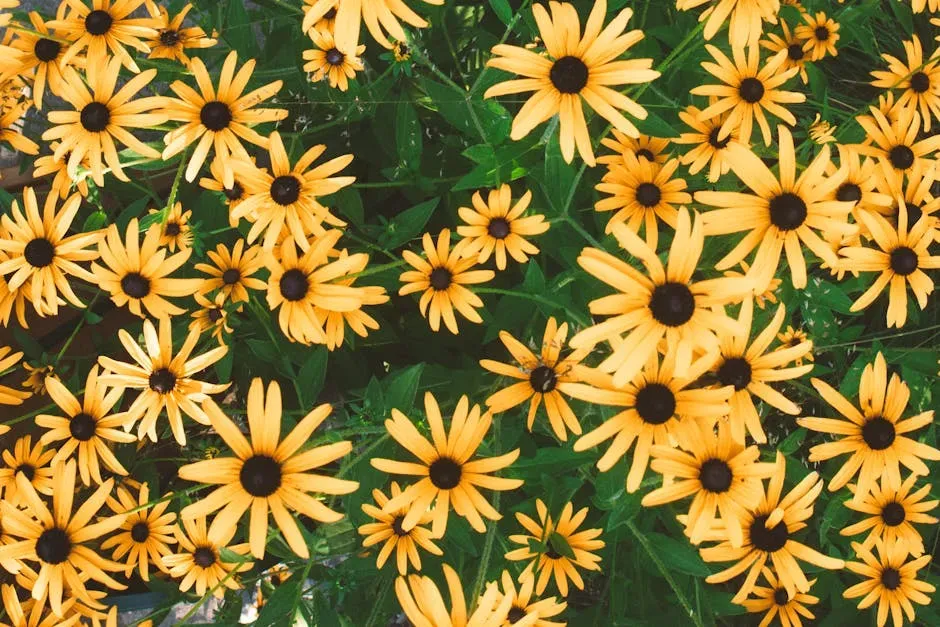
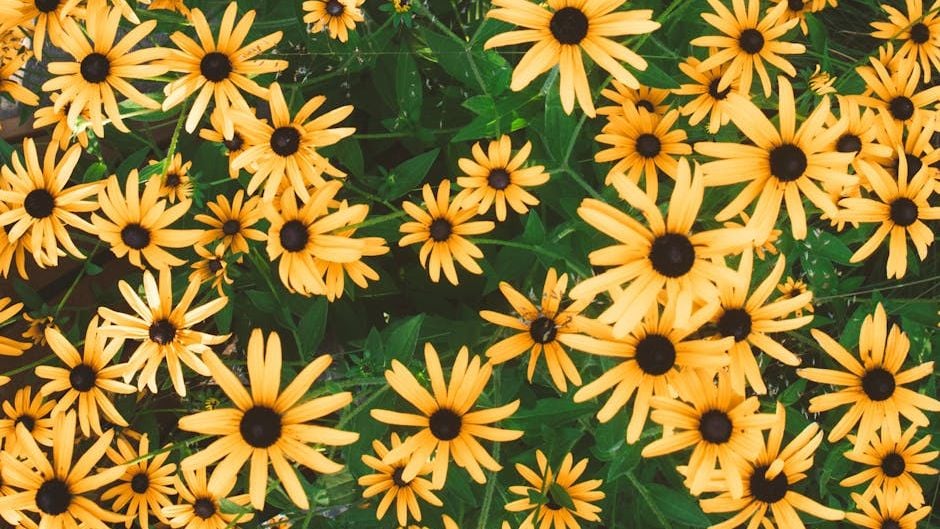
Rudbeckia fulgida is a clump-forming perennial wildflower that floods sunny borders with golden black-eyed Susan blooms from midsummer to fall. Tough, easy, and drought tolerant once established, it attracts bees, butterflies, and seed-loving birds while thriving in average soil, making it a joyful backbone of pollinator-friendly gardens all season long.
Lovely as a background planting or in a wildflower garden, black-eyed Susan also shines when grouped with other daisy-shaped flowers. The plants range from one to six feet in height, offering big visual impact in any size yard. Butterflies appreciate the landing pad the blooms provide, bees flock to the bright yellow color, and birds love the late-fall seed heads. It’s genuinely hard to go wrong with this one.
#5 – Agastache (Anise Hyssop)
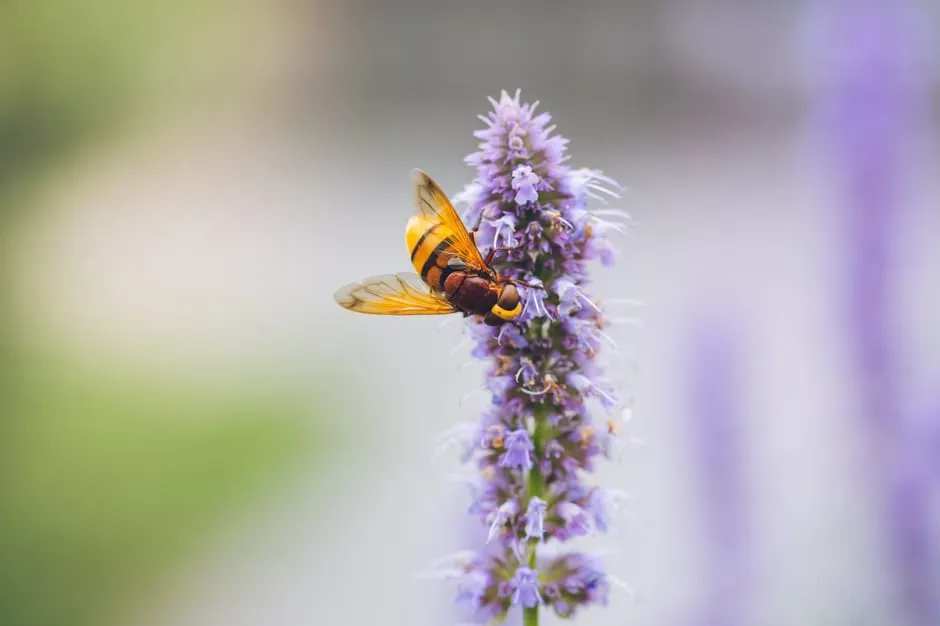
Agastache foeniculum, or Anise Hyssop, is a fragrant perennial loved for its long-lasting purple blooms, drought tolerance, and exceptional pollinator appeal. Ideal for borders, meadows, and herb gardens, it attracts bees, butterflies, and hummingbirds while offering easy care and delightful aromatic foliage. The scent alone makes it worth growing.
Bushy and studded with blooms from mid to late summer, agastache is a favorite of hummingbirds, butterflies, and bees. Flower spires in pink, orange, yellow, blue, or violet reach two to six feet high, and the plant thrives in full sun and well-draining, fertile soil. It produces tons of blue to purple blooms beloved by bees and butterflies, and each tubular little flower is the perfect length for a hummingbird to take a nectar drink.
#6 – Milkweed (Asclepias)
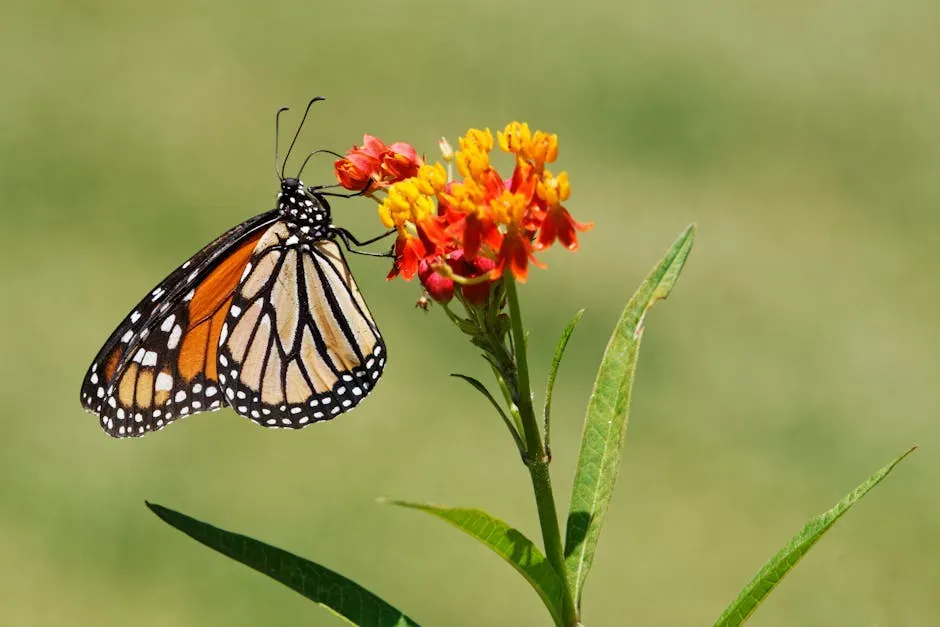
Milkweed is a special plant because it is essential to the survival of monarch butterflies. While the butterflies feed on nectar from a wide variety of plants, the females exclusively lay their eggs on milkweeds, and when the caterpillars hatch, they feed on milkweed and nothing else. This makes milkweed not just a garden flower but a lifeline.
Milkweed might be best known as the only source of food for monarch butterfly larvae, but it is also a great source of nectar for many other species of butterflies and bees. It’s important to grow a variety native to your area in order to support monarch butterflies in your region. Many experts recommend avoiding tropical milkweed, which does not die back in winter and might disrupt migration patterns, suggesting instead native varieties like antelope horn milkweed (Asclepias asperula).
#7 – Liatris (Blazing Star)
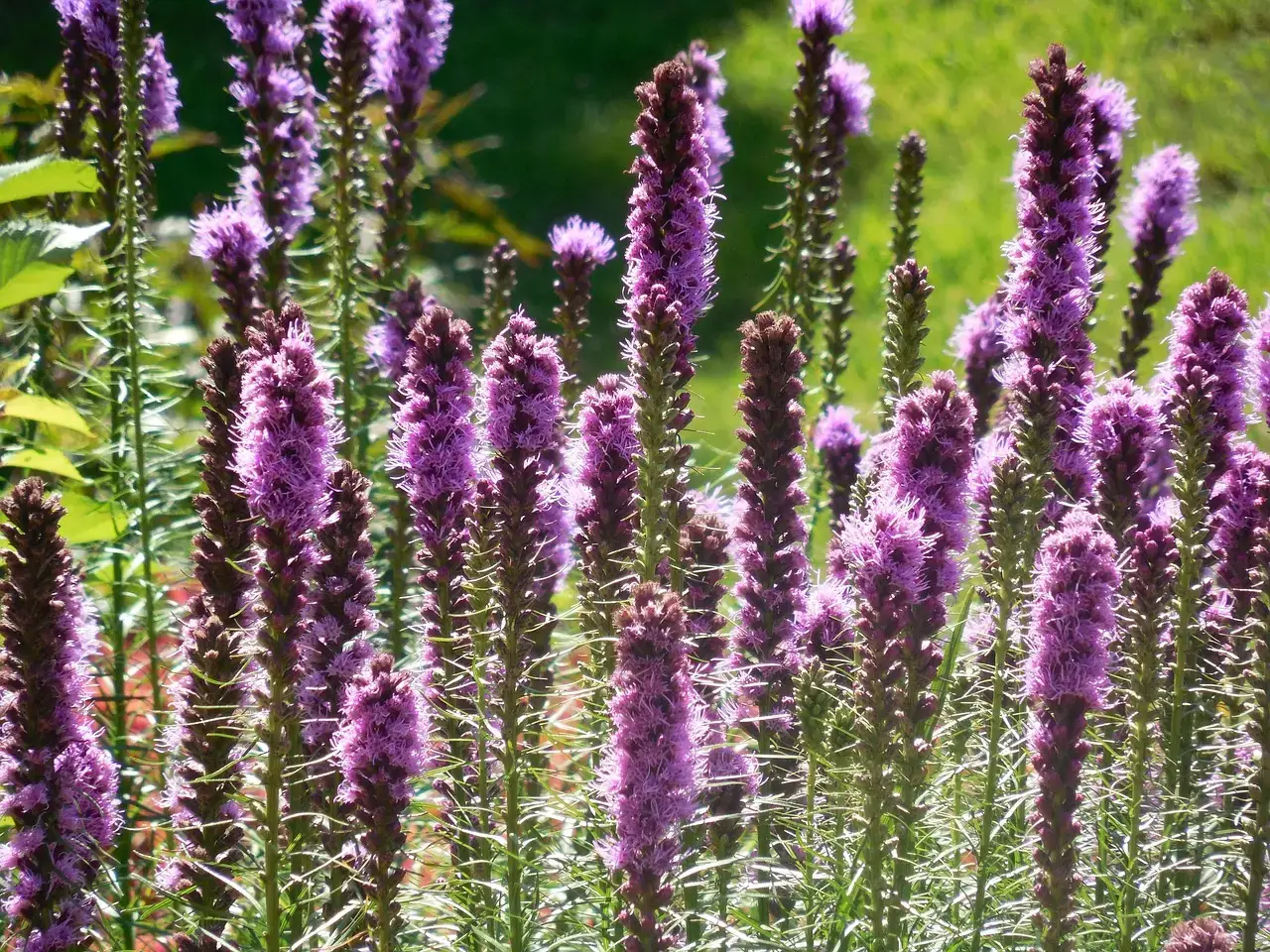
Liatris spicata is a bold perennial wildflower with tall, feathery purple flower spikes and fine, grasslike foliage. This sun-loving prairie plant draws in bees, butterflies, and hummingbirds, shrugs off heat and short drought, and adds strong vertical color to borders, meadows, and wildlife-friendly gardens through the summer months. That vertical spike is what separates it visually from most other pollinator plants.
The nectar of this spiky plant is a butterfly favorite, especially when it comes to the silver-spotted skipper. After the flowers fade, birds favor the seeds, which are easy to pick out in the garden. Blazing star reaches up to six feet tall, though some types, like Kobold, are much shorter at roughly eighteen inches. That size range makes it adaptable to almost any garden scale.
#8 – Zinnia
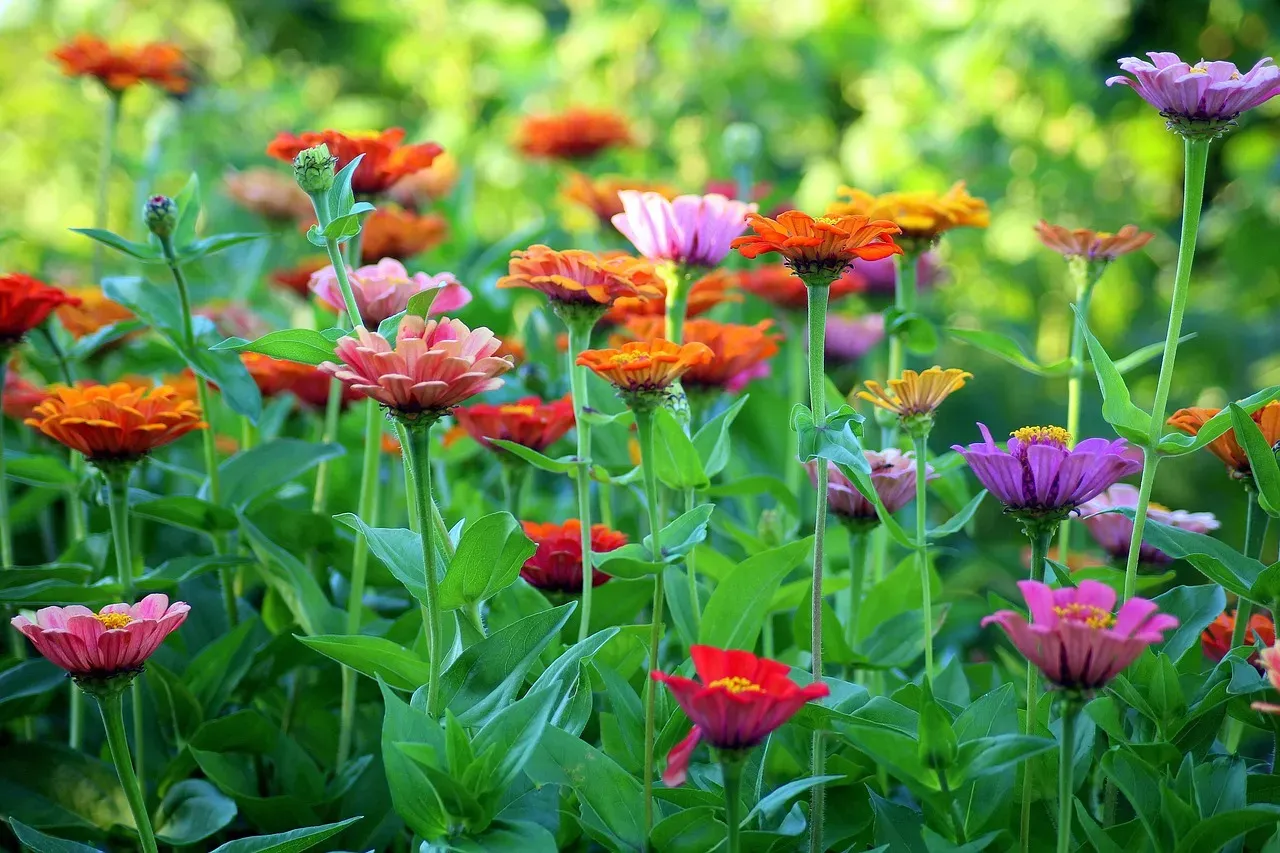
Zinnia is a butterfly and hummingbird garden go-to, and several varieties of sparrows, finches, and juncos eat the seeds later in the year. The annual pollinator plants are bee-friendly too, attracting honeybees, bumblebees, and some solitary bees, and it reaches up to three feet and blooms until the first frost. Few annuals offer that kind of season-long return.
A wide array of hummingbirds, butterflies, and bees collect the nectar of this annual garden plant. Zinnias come in an extraordinary range of colors and are forgiving to grow, making them one of the most accessible entries into pollinator gardening. Planning your garden so that something is always blooming across as many months as possible is essential, since many pollinators, especially bees, forage during the entire growing season. Zinnias pull a long shift in that relay.
#9 – Penstemon (Beardtongue)
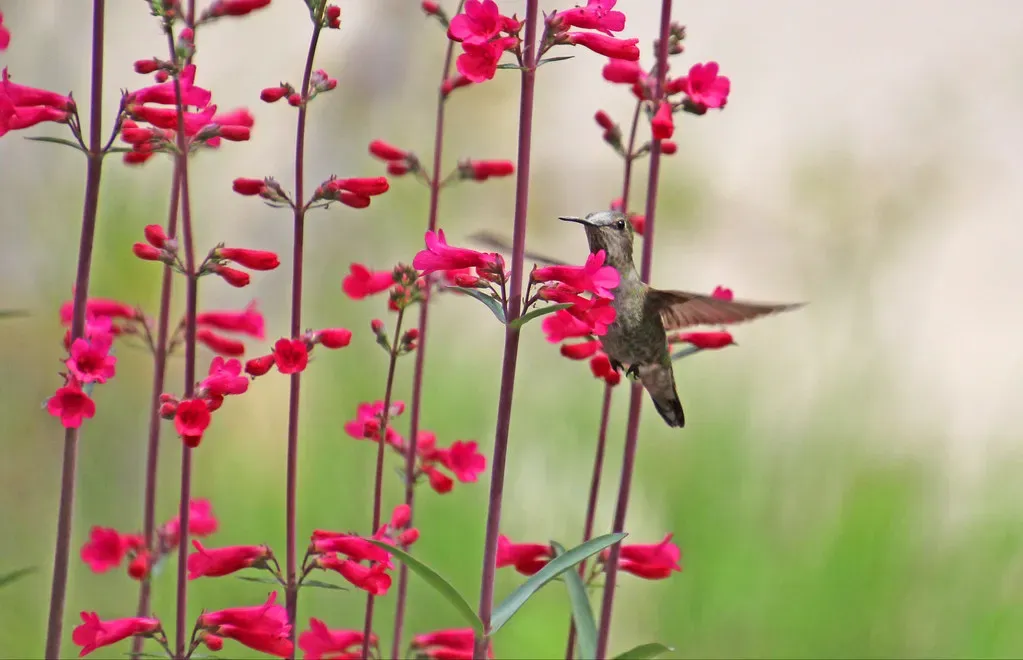
There are over fifty Penstemon species native to the Pacific Northwest alone, and the lovely flowers are irresistible to hummingbirds, bees, butterflies, beetles, moths, and more. This perennial thrives in well-drained soil and grows anywhere from six inches to six feet tall, depending on the variety. That versatility in size is worth noting for smaller gardens.
Penstemon digitalis features foxglove-like tubes that fit mason bees and bumblebees perfectly, while hummingbirds sip from them early in the season, and leaving the stems through winter provides native bee nesting habitat. Look for bright, tubular flowers like penstemon and foxglove to attract hummingbirds to your garden. It’s a plant that does double duty across seasons.
#10 – Yarrow (Achillea)
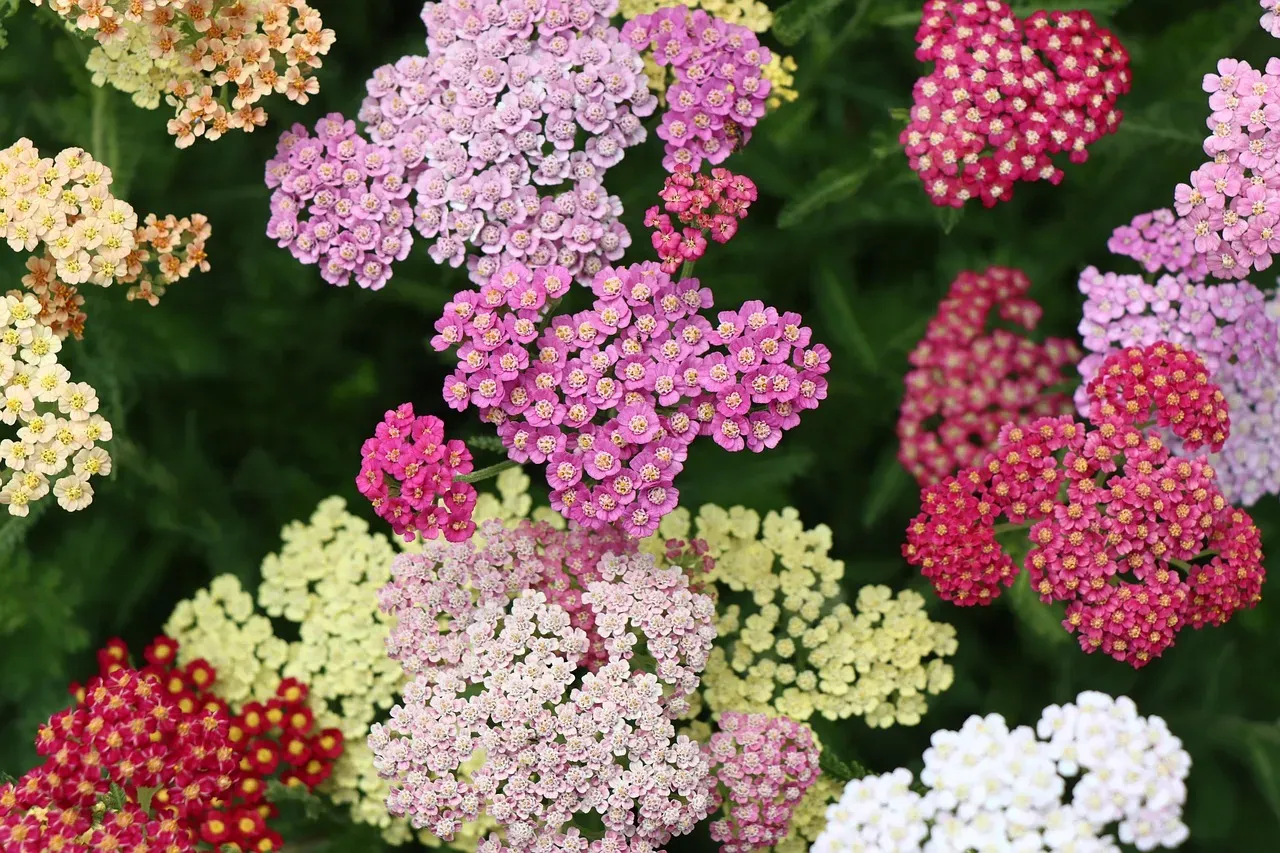
Yarrow is a flowering perennial that is drought tolerant once established, thrives in hot, dry spots, and attracts a bevy of pollinators to the garden with its long-lasting blooms in an array of colors, growing to two to three feet tall and wide. It’s one of those plants that genuinely rewards neglect.
Yarrow makes for great pollinator food because the pollen is super accessible – it’s like a welcome mat for the good guys, including mason bees, bumble bees, beetles, and butterflies. Plant yarrow once and it will come up again and again. Its flat-topped flower clusters also offer butterflies a stable platform to settle on while feeding, which not every garden flower provides.
#11 – Salvia
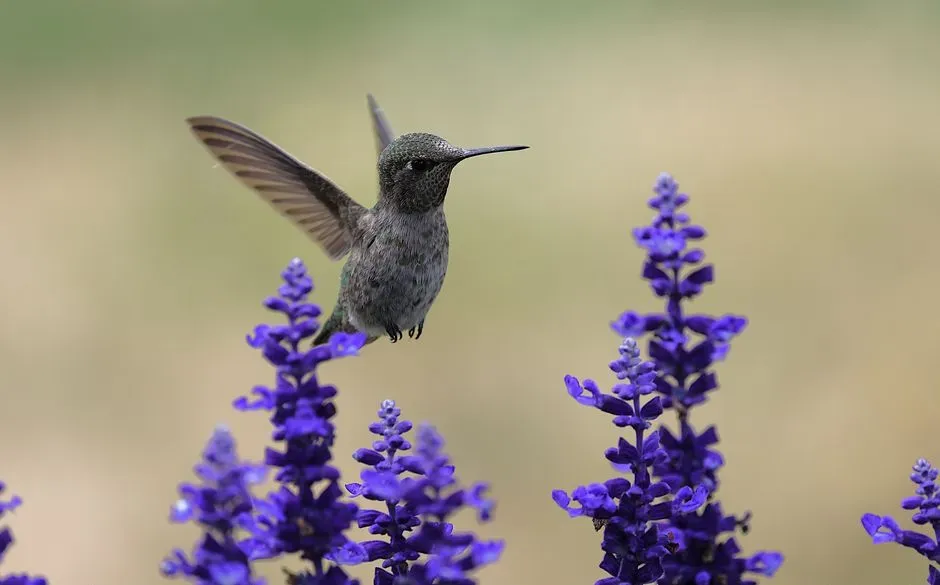
Hummingbirds are highly attracted to vibrant red, orange, and pink flowers, and they use their long tongues to sip nectar out of tubular blooms. Salvia checks both boxes decisively. Its tall spikes of red, purple, or blue flowers are structured almost perfectly for hummingbird feeding, with the tubular shape allowing deep nectar access that most insects can’t compete for.
Salvia, alongside petunia and bee balm, attracts both hummingbirds and butterflies, with accessible nectar and a long enough bloom window to make repeat visits worthwhile. Hummingbirds notice red quickly, but flower shape matters more than color alone – a blue or purple tubular flower can outdraw a red bloom that does not fit the way they feed. Salvia manages both color and form beautifully.
#12 – Aster
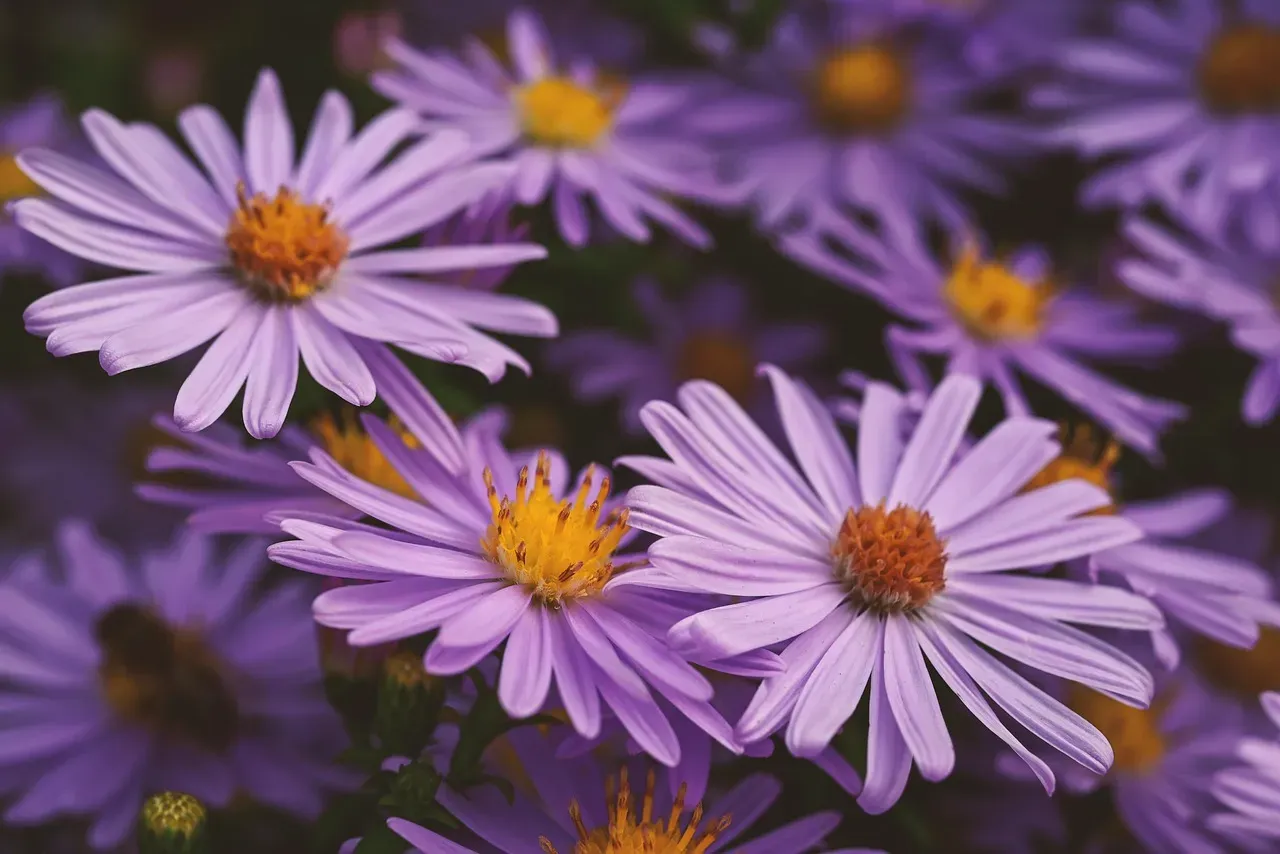
Perennial asters are one of the best flowers for late summer and fall color in the garden, blooming in vibrant shades of pink, purple, blue, and white. Pollinators appreciate having a feast of aster nectar in the fall when many other flowers are dying down, and they grow from one to six feet tall depending on the variety. That late-season timing is what makes asters genuinely irreplaceable.
Asters are late-blooming perennials that provide essential nectar and pollen sources for pollinators as the season winds down, with daisy-like flowers in various colors including purple, blue, pink, and white. New England Aster and Smooth Aster are popular choices for their vibrant blooms and hardiness. Late-season blooms like asters help pollinators fuel up for winter hibernation in the case of bees, or for migration in the case of monarch butterflies and hummingbirds. Ending the season on a full stomach matters.
Building a Garden That Works All Season
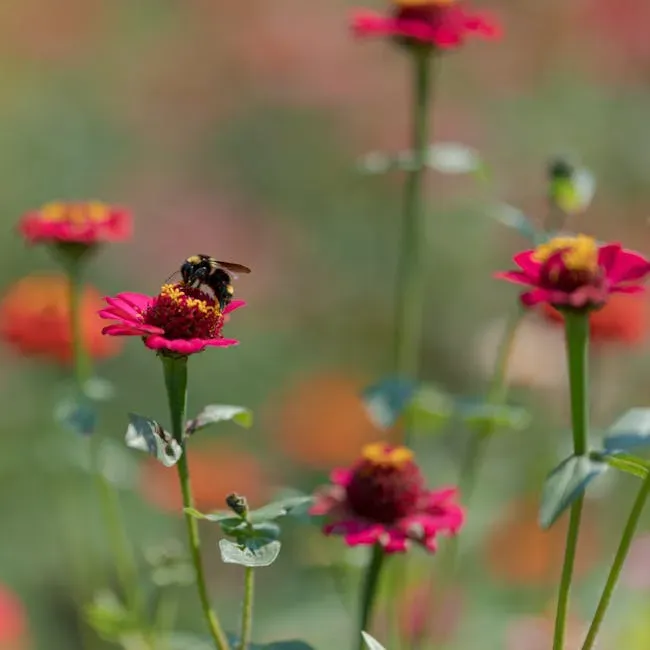
A mix of native and ornamental flowers can boost pollinator diversity and garden health significantly. The twelve flowers above each offer something distinct: different bloom times, different flower forms, and different degrees of specialization toward bees, butterflies, or hummingbirds. The real magic happens when you layer them together.
Providing flowers from early spring to late fall and including variety in flower color, shape, and size is central to a well-functioning pollinator garden. Skipping pesticides matters too – even organic sprays can harm bee larvae and butterfly caterpillars. A garden like this doesn’t need to be large or elaborate. It just needs to be intentional.
Think of it less as landscaping and more as habitat. The bees, butterflies, and hummingbirds were here long before formal gardens existed, and they’re asking for surprisingly little: a few well-chosen flowers, a little water, and a space that isn’t doused in chemicals. Give them that, and they’ll show up every season like they were always meant to be there.

- 15 Tender Things Old Dogs Do the Closer the End Quietly Comes - July 21, 2026
- 14 Ways a Rescue Cat Shows It Has Given You Its Fragile Heart - July 21, 2026
- 13 Familiar Things That Bring an Aging Dog Deep, Quiet Comfort - July 21, 2026