
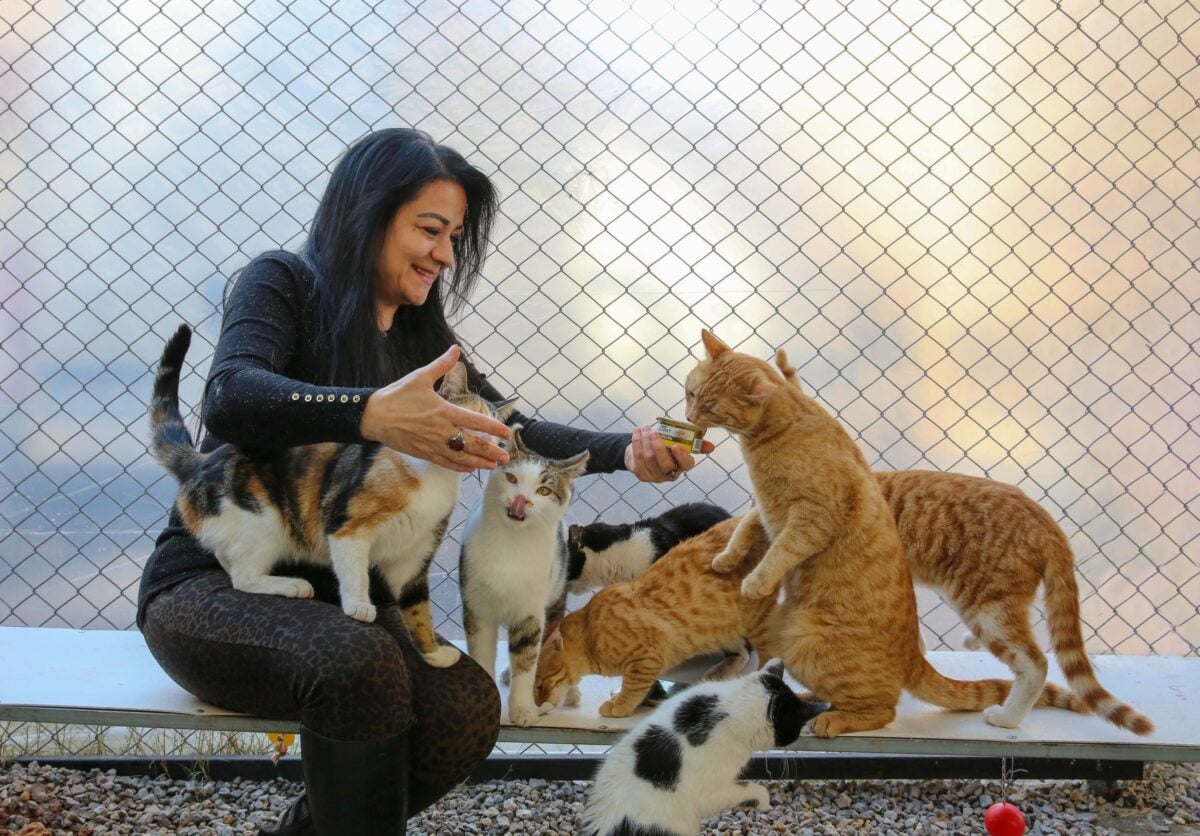
Most people assume a rescue cat “loving you” looks exactly like any other cat curled up on the couch. It doesn’t. Rescues carry history with them – stress, broken trust, sometimes outright trauma – and that history rewrites the whole rulebook for how affection gets expressed.
When a rescue cat finally opens up, the signals are quieter, stranger, and far more loaded than people expect. Miss them, and you’ll swear your cat is standoffish. Catch them, and you’ll realize this animal just handed you the most fragile thing it owns: its trust. Here’s what behaviorists and long-time rescuers say actually counts – including the moment on this list most owners never forget.
#14 – They Stop Hiding When You Walk In
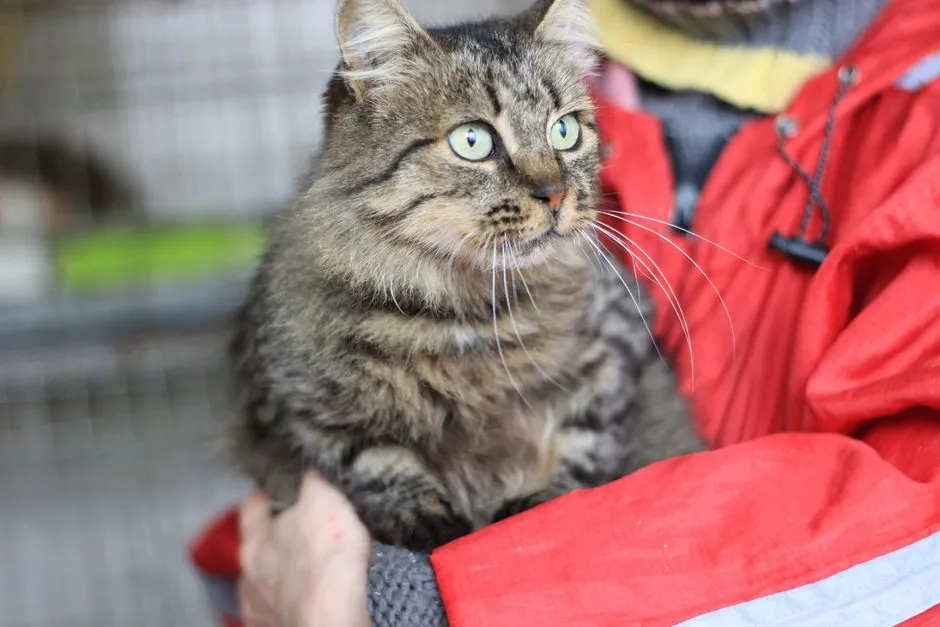
Most people assume a hiding cat is just shy. In rescue cats, it’s often pure survival mode. When your rescue stops vanishing under the bed every time you move, that’s not random – it’s a trust upgrade.
A cat who chooses visibility over safety is betting on you. They’re deciding your footsteps mean comfort, not danger, and the shift usually happens in phases.
- First, they peek from a doorway.
- Then they sit in the open but stay tense.
Finally, one ordinary day, you walk in and they don’t flinch at all. They might stay sprawled on the floor, only flicking an ear to acknowledge you. That “lazy” response is actually huge – hypervigilant animals don’t relax out in the open, so when your rescue chooses exposure over escape, it’s their way of whispering, “I trust what you’re going to do next.”
#13 – They Turn Their Back On You
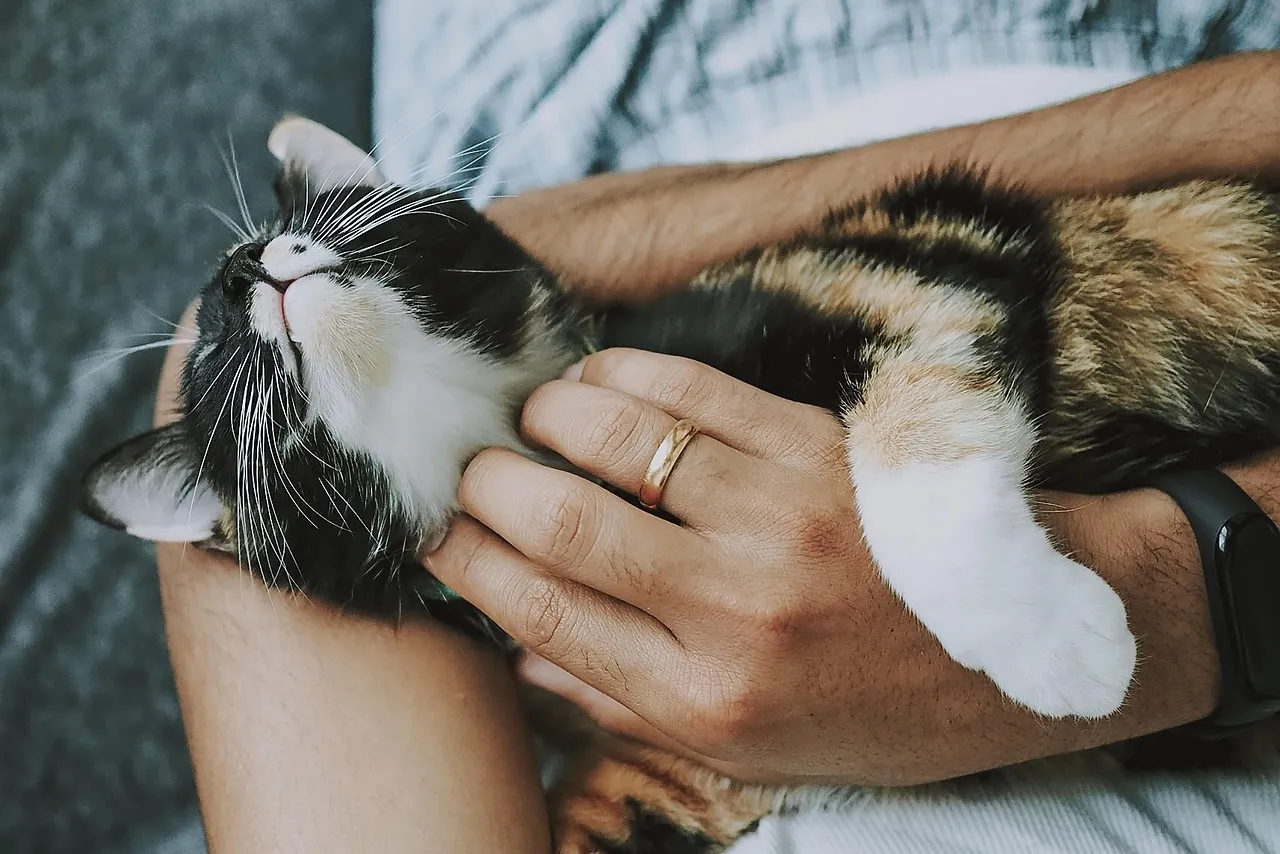
In human terms, turning your back can feel rude. In cat language, it’s the opposite. A rescue cat sitting with its back to you – especially within arm’s reach – is making a wild statement.
“I’m safe enough to let you out of my direct line of sight.” Prey animals don’t do that lightly, especially ones with rough starts. Watch for it in quiet moments.
- They perch on the back of the couch, facing away from you.
- They curl up with their spine pressed against your leg.
Behaviorists call this “confident proximity.” Your cat is giving you the most vulnerable angle of their body and trusting you won’t misuse it. Many new adopters misread this as indifference because there’s no eye contact – but eye contact can actually feel threatening to a cat. Turning away while staying close is their gentler version of a hug.
#12 – They Slow-Blink Like They’re Half Asleep Around You
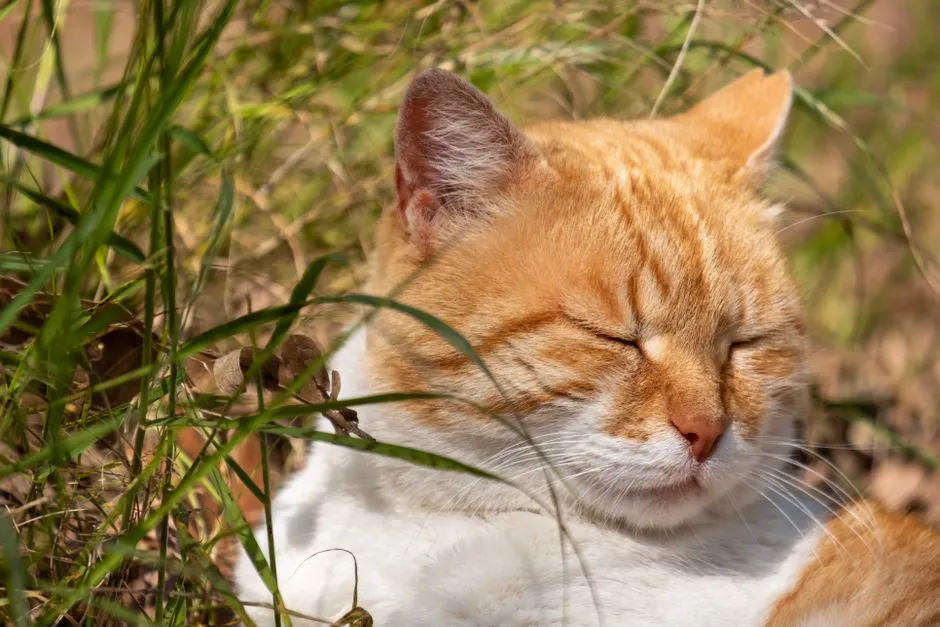
Everyone shares the “cat slow blink” on social media now, but with rescues it hits different. A cat who has been let down by humans doesn’t just hand out soft eyes for free.
When they half-close their eyes and give you that drowsy slow blink, they are literally disabling their own threat radar. That’s not cute – it’s profound. You’ll usually see it when you’re sitting still, not trying to pet them, and the house is quiet with no sudden noises.
Fast Facts
- Cat half-blinks and eye narrowing occurred more frequently in response to owners’ slow blink stimuli towards their cats compared to no interaction at all.
- Cats had a higher propensity to approach a person after a slow blink interaction than when that person adopted a neutral expression.
- Nervous cats who had been identified as needing desensitisation to humans tended to spend more time producing slow blink sequences in response to human slow blinks than a non-desensitisation group.
- Shelter cats that responded more strongly to human slow blinks were rehomed faster, according to the same research.
If you slow-blink back – eyes relaxed, closing and opening slowly – many rescues will repeat it, almost like a private language. Some people call this “overhyped,” but long-time rescuers disagree; their most fearful cases only started slow-blinking once they truly felt safe. It’s not a guaranteed love confession on its own, but paired with other signs, it’s one of the clearest “I trust your energy” messages you’ll get.
#11 – They Choose To Sleep In Your Space (Not Just Your House)
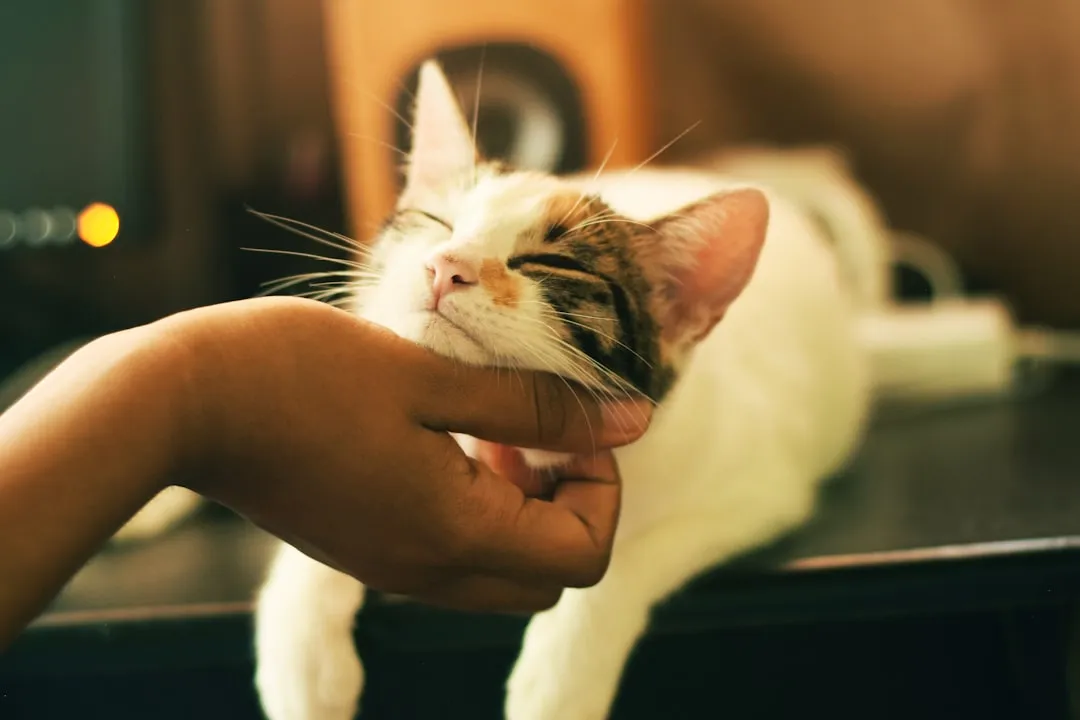
Any cat can nap on your furniture. The real tell with rescues is where they choose to go limp. Sleep is the most vulnerable state an animal enters.
If your rescue starts sleeping in your bedroom, on your pillow, or at the foot of your bed, that’s not convenience – that’s trust. They’re selecting your scent cloud as their safest zone on earth.
At first, they may sleep far from you but within the same room – against a wall, under a chair, on a dresser. Over time, the radius shrinks. Suddenly they’re napping on your sweatshirt or curling into the corner of the bed you never use.
When they sleep deeply enough to twitch, dream, or even expose their belly near you, you’re no longer the “unknown human.” You’ve become home base. Cats with trauma don’t check out like that unless their nervous system finally believes, “Nothing bad happens when I close my eyes here.”
#10 – They Start “Claiming” You With Scent
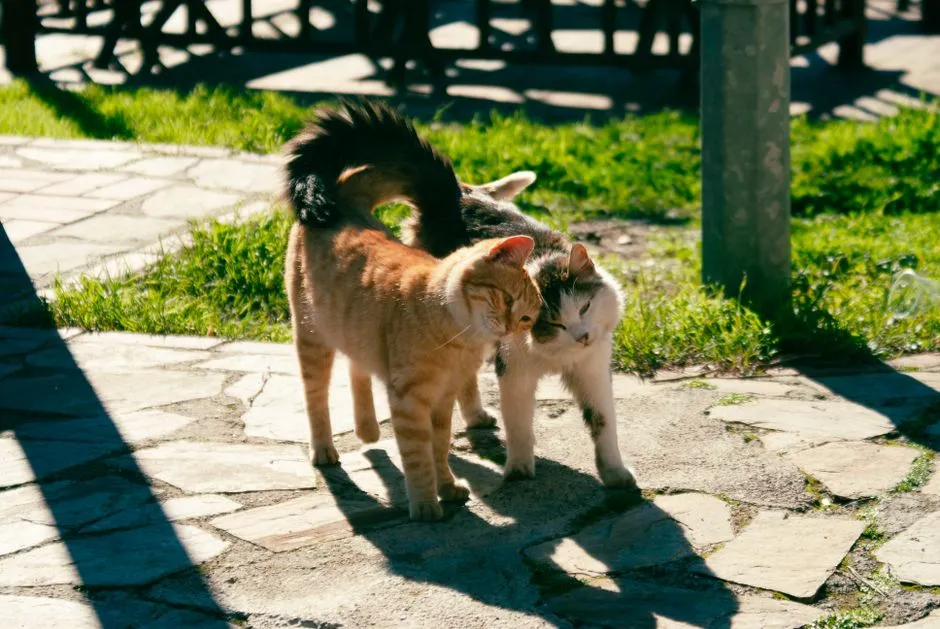
Everyone knows about cats rubbing their faces on furniture. What most people don’t get is that on a nervous rescue, that cheek rub on you is a milestone. Cats have scent glands on their cheeks and head, and when they mark you, they’re updating their internal map.
“This human equals safe territory.” You’ll notice it as gentle head-butts against your hand, legs, even your face, and long, exaggerated rubs from cheek to shoulder against your calves.
Lots of adopters celebrate the first head-butt, and they should. But the real breakthrough is consistency – when your rescue seeks you out just to rub and then walks away, they’re doing maintenance on a bond they care about. Some behaviorists argue this is more about ownership than affection, but that’s kind of the point: in a world that once failed them, they’re choosing to claim you as theirs. That possessiveness is their fragile heart showing.
#9 – They Eat Comfortably When You’re Nearby
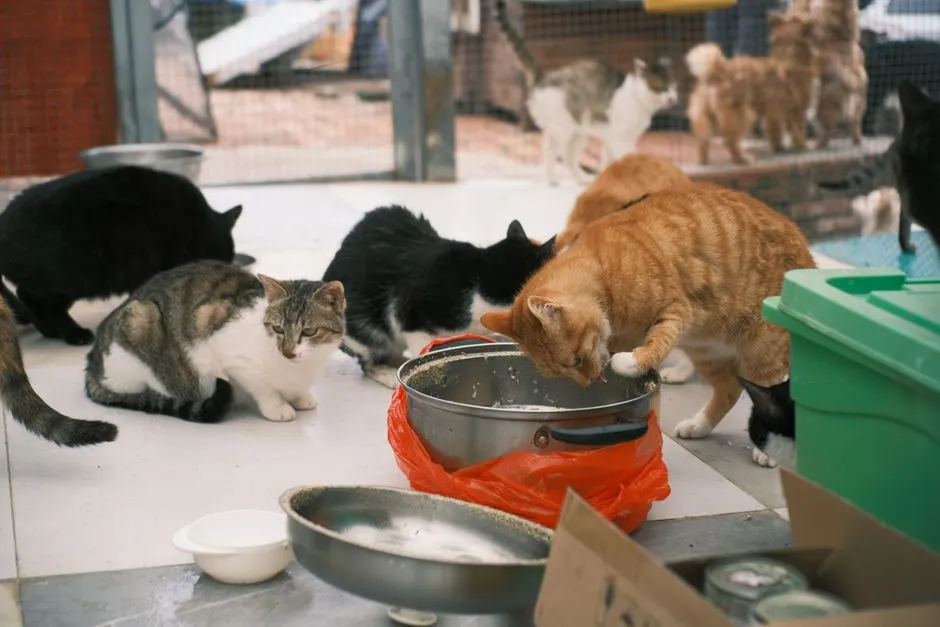
A traumatized cat will often only eat alone, in silence, with an escape route mapped out. Food time is risk time. So when a rescue cat starts eating while you’re in the room – and then while you’re close – that’s a quiet but massive shift.
Predators that feel threatened don’t pause to chew in front of you. At first, you might notice they wait for you to leave before touching the bowl, or freeze mid-bite if you walk past.
Worth Knowing
- Eating in the open is one of the most vulnerable acts a prey animal can perform.
- Newly adopted shelter cats often eat fastest and most privately during their first weeks home.
- Slower bites and relaxed shoulders at the bowl usually signal falling stress levels.
- Sticking to consistent meal times and locations can speed up this stage of trust-building.
Then something flips. They stay at the dish as you move around, maybe even meowing to remind you it’s dinner before diving in while you stand right there. Some cat parents dismiss this as “well, they’re just hungry,” but that misses the bigger pattern – hunger has always existed, safety hasn’t. When they prioritize your presence over constant vigilance, that’s nervous system healing happening in real time.
#8 – They Let You See Their “Ugly” Emotions
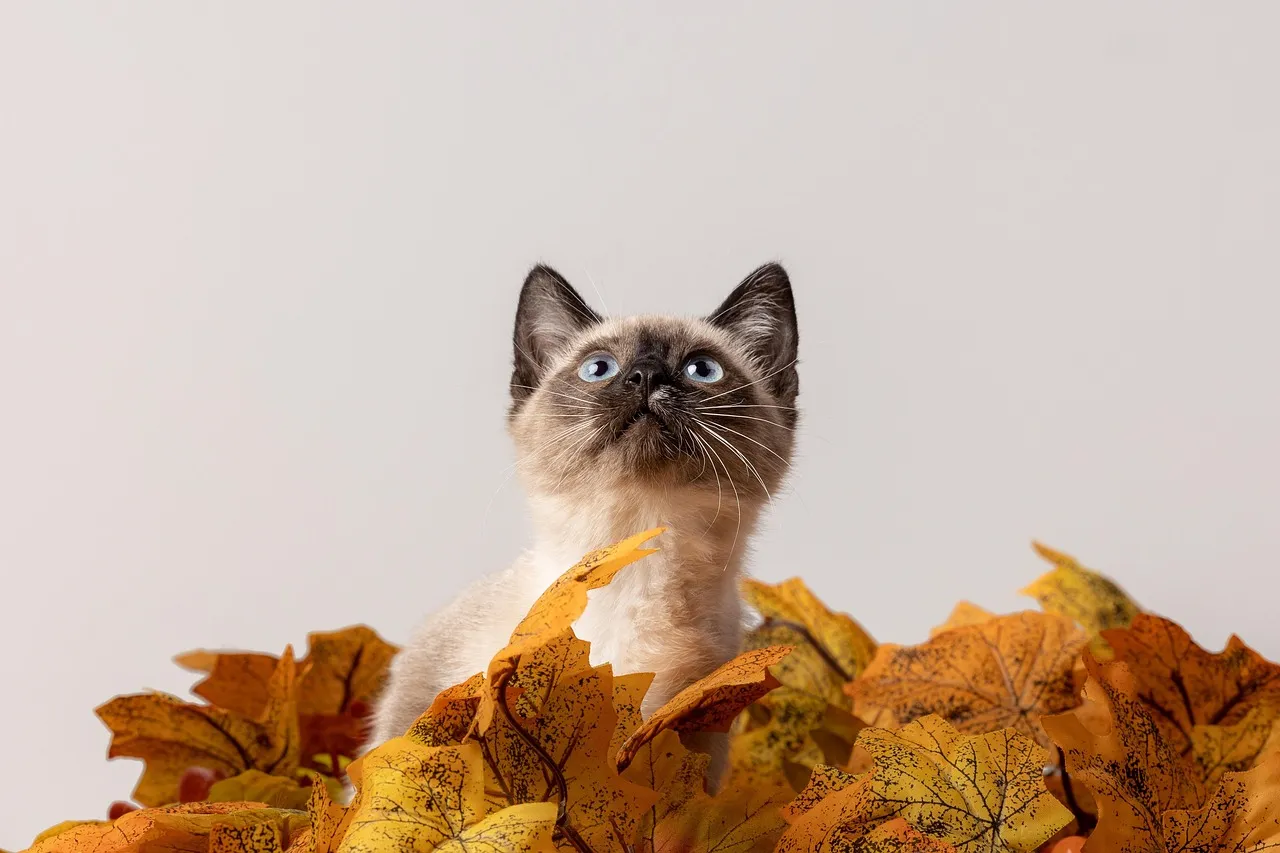
A lot of people wrongly assume a “good” bond with a rescue cat means they’re calm, sweet, and grateful all the time. Reality check: a truly secure cat will sometimes be bratty, vocal, even annoyed – because they finally feel safe enough to be honest.
Emotional flatness can actually be a stress response. Watch for chirps and complaints when you’re late with dinner, tail flicks, dramatic sighs, or walking away mid-pet the moment they’ve had enough.
Many first-time adopters mistake this for rejection. In rescue work, it’s often seen as a win – the cat isn’t suppressing everything out of fear anymore. They’re trusting that you can handle their full personality without abandoning or hurting them. That doesn’t mean you tolerate aggression, but it does mean respecting their boundaries. That mutual respect is exactly what a fragile heart needs to stay open.
#7 – They Start Initiating Contact On Their Terms
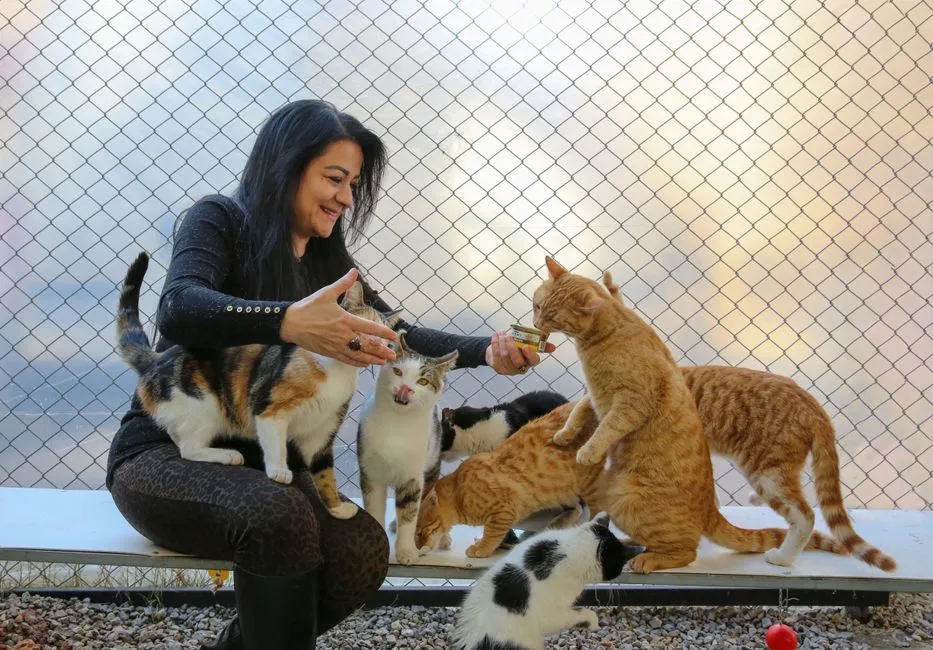
In the beginning, you do all the work – offering treats, slow-blinking, sitting on the floor like unpaid furniture. The real turning point is when your rescue flips the script and comes to you first.
The first time they deliberately cross a room just to touch you, you’ve been upgraded from background character to chosen person. You’ll notice little patterns: they hop on the couch and press against your leg without being called, or paw gently at your arm or laptop when they want attention.
Some cats will even meow and walk a few steps away, clearly inviting you to follow. Is it a little manipulative? Sure – but that’s social behavior. Rescues who were once shut down often blossom into surprisingly clingy companions once they realize you’re safe. People who call this “needy” forget that for a former stray or shelter cat, choosing connection over self-protection is a radical act.
#6 – They Tolerate (Or Even Enjoy) Gentle Handling
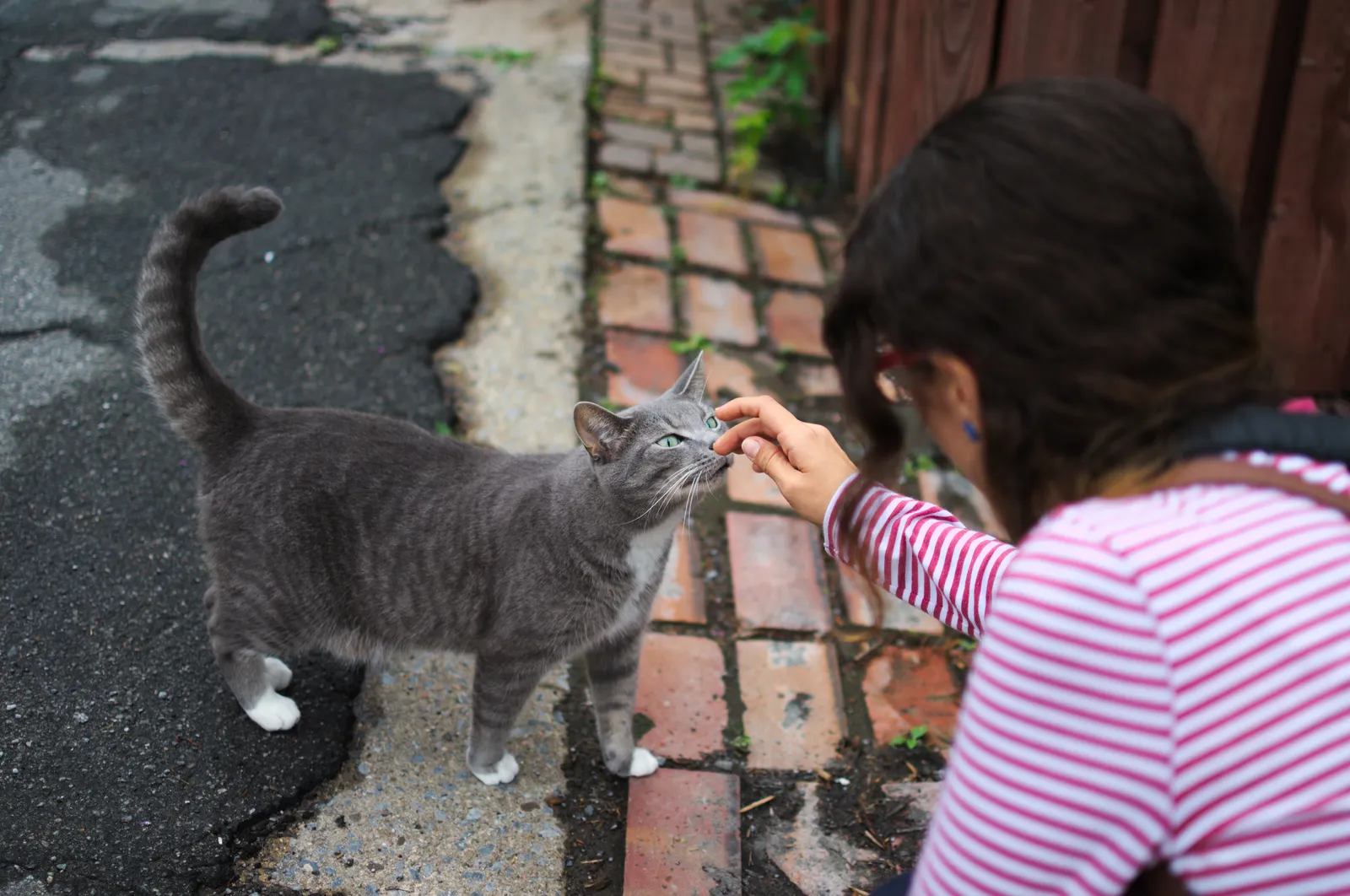
Not every cat likes being picked up, and forcing it is a mistake. But there’s a specific rescue milestone that’s easy to miss: the moment your cat stops flinching at casual touch and starts leaning into it instead.
A cat who relaxes under your hand is literally allowing you access to their most vulnerable spots. It might start small – letting you briefly touch their back without darting away, or accepting a few chin scritches before retreating.
Over months, that can grow into full-body strokes, cheek rubs, even rolling onto their side to invite more. Some cats will eventually tolerate nail trims, harness fittings, or vet prep specifically when you’re the one handling them. Behaviorists will tell you: you don’t measure love by how much a cat endures, but by how much they choose to stay. When your rescue’s body stops bracing and starts melting, that’s attachment, not obedience.
#5 – They “Guard” You From A Distance
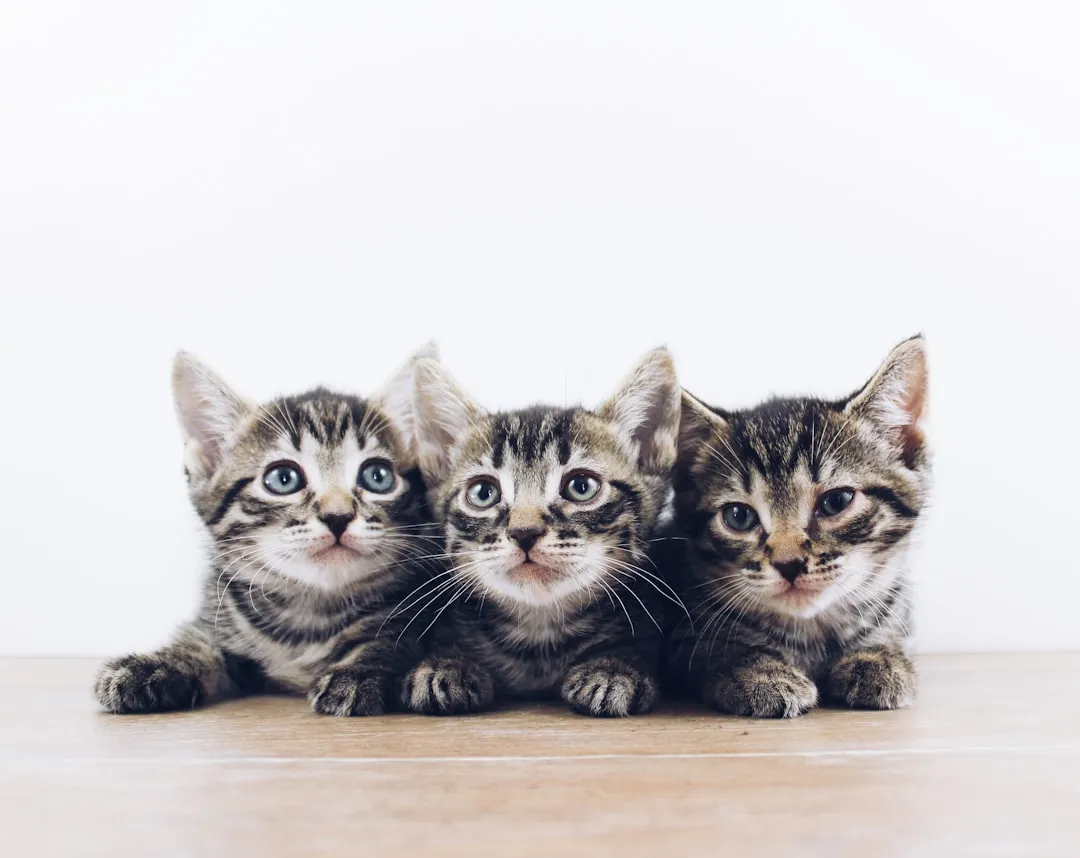
Guarding isn’t just for dogs. A rescue cat who’s truly bonded will often position themselves like a quiet security camera.
If they’re always vaguely in your orbit – doorway, windowsill, hallway corner – they’re tracking you because you matter. To a formerly unsafe animal, knowing where their person is can be grounding. They might sit facing the door when you’re in the shower, or park themselves at the edge of the room during your Zoom calls.
Critics say, “They’re just curious,” but the pattern runs deeper. Many owners report their rescue cats materialize when they cry, argue, or get sick – then watch, hover, or settle nearby. They may not climb into your lap, but their chosen vantage point lets them monitor the situation. For an animal that once had zero control over bad events, “keeping an eye on you” is their version of protection and partnership.
#4 – They Show You Their Belly (And Don’t Immediately Attack)
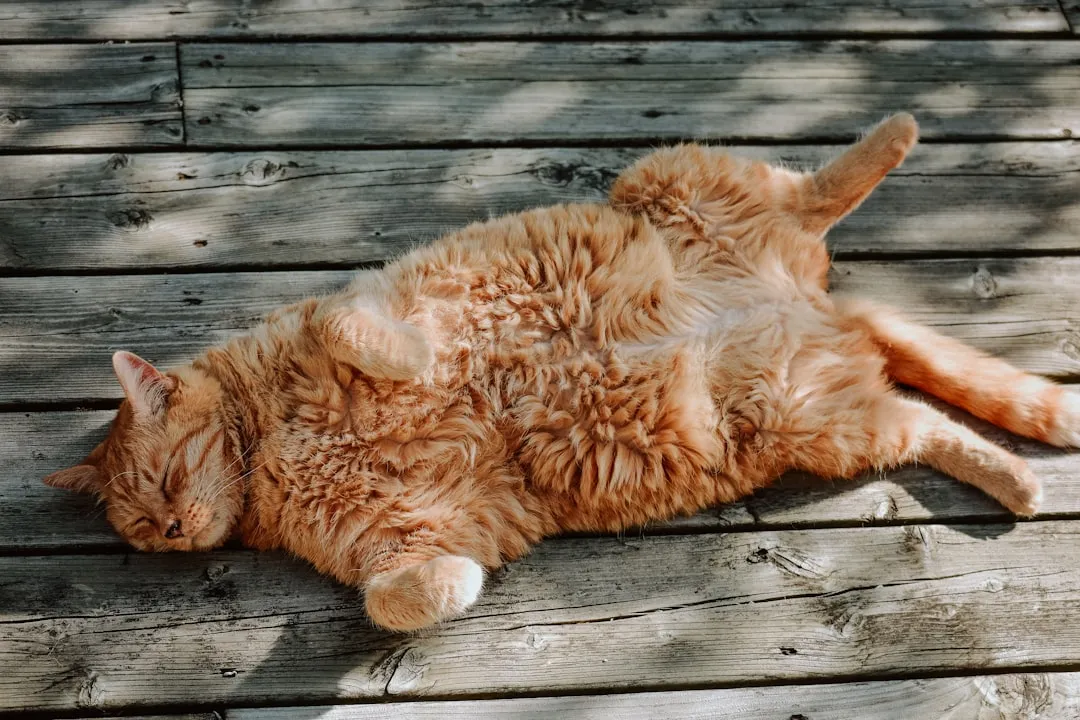
The internet has lied to people about cat bellies. A flop doesn’t always mean “rub here” – sometimes it’s a trap, sometimes it’s just a stretch, sometimes it’s play. With rescues, though, the nuance matters even more.
Quick Compare
- Trap flop: Quick roll, tense body, claws ready – a play invitation, not a request.
- Stretch flop: Long, loose stretch after waking – simple comfort, no hidden message.
- Trust flop: Slow roll, soft eyes, loose paws – deliberate vulnerability shown around you specifically.
A cat who repeatedly exposes their belly near you – and doesn’t instantly grab and bunny-kick when you glance at it – is displaying extreme vulnerability. Look for context: they roll onto their back when you enter but stay loose and relaxed, or stretch out beside you with their spine curved and paws in the air.
You don’t have to touch the belly to “validate” it – in fact, respecting it is often better. Over time, some rescues will allow brief, gentle belly strokes; others never will, and that’s fine too. What matters is that they’re willing to lie in the most defenseless position possible in your presence. For a prey animal with a history, that’s nearly an act of faith.
#3 – They Follow You From Room To Room Like A Shadow
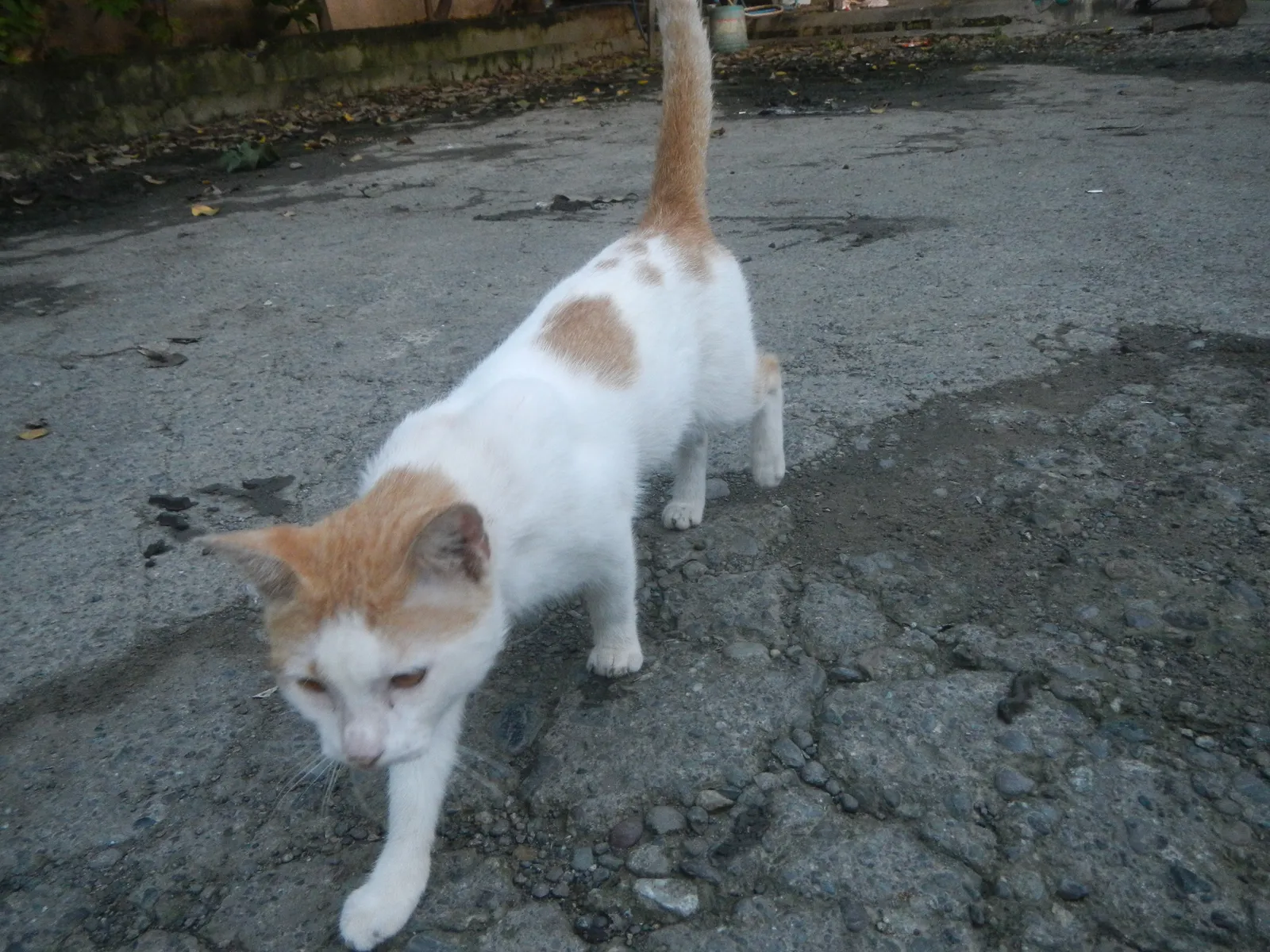
Some people dismiss this as “clingy” or “annoying,” but for many rescues, following behavior is attachment made visible.
A cat who abandons a sunbeam or a comfy spot just to relocate with you is prioritizing connection over convenience. That’s not casual. You stand up, they stand up. You go to the bathroom, they wait outside the door.
In multi-human homes, who they follow matters. If your rescue could chill with anyone but consistently tracks you, that’s your answer about who they’ve attached to. Some experts argue this may stem from insecurity – “if I don’t know where you are, something bad might happen” – and that might be partly true. But safety and love are tangled together for traumatized animals. What matters is they’ve decided you’re their safest moving landmark in a chaotic world.
#2 – They Bring You “Gifts” (Even Weird Or Gross Ones)
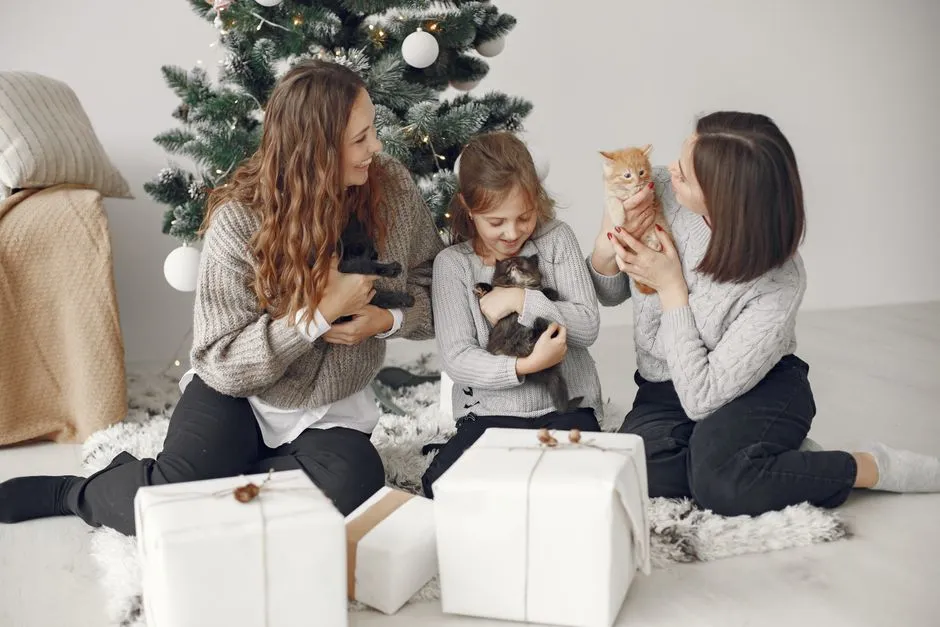
Not every cat is a gift-bringer, but when a rescue starts doing this, it’s loaded with meaning. Toys, socks, random objects – even the occasional unfortunate bug – are all part of the same system.
They’re sharing resources and victories with you, which is high-level social behavior for a small predator. They might drop a toy at your feet, then stare or meow expectantly, or trot into the room with something in their mouth, clearly showing it off.
At a Glance
- Toys: A social invitation – they want you to notice and engage.
- Household objects: Often just habit, but still delivered to you specifically.
- Bugs or small prey: A genuine “catch” being shared, especially common in former outdoor cats.
- Repeated gifting: A sign they see you as part of their trusted circle, not just a roommate.
Some people scold or act disgusted, especially with bugs or, for former outdoor cats, small animals. That reaction is understandable, but it misses the point. This isn’t them being gross – it’s them including you in their world. For a rescue who once had to survive alone, deciding to share instead of hoard is massive. They’re not just saying “look what I did.” They’re saying, “You’re part of my hunting party now.”
#1 – They Greet You Like You Actually Came Back
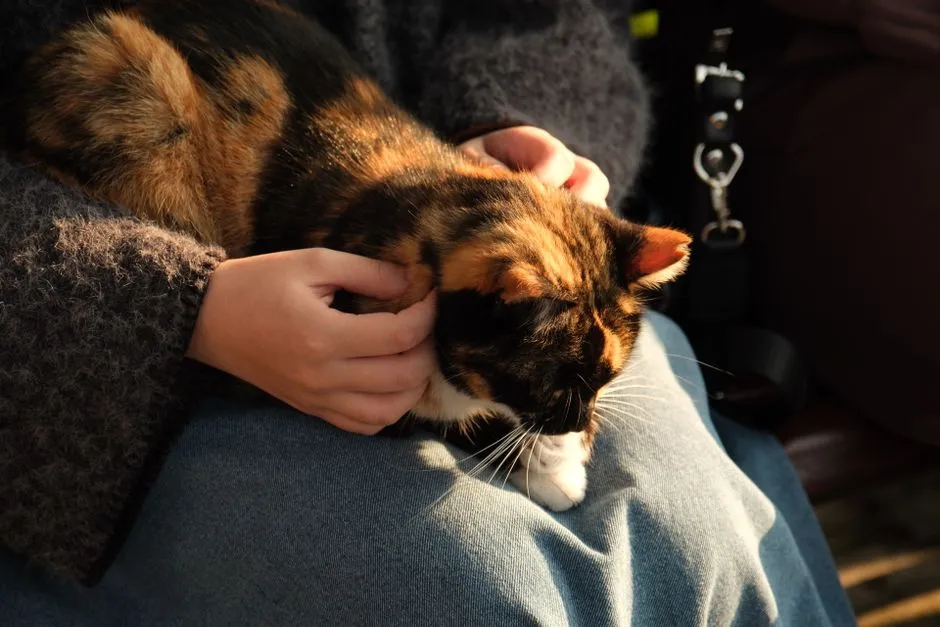
This is the moment most rescue owners never forget. At first, you come home and your new cat is gone – or watching silently from the shadows. Then one day, everything changes.
You walk in and they appear – tail up, maybe chirping, maybe weaving around your legs – as if your return is the highlight of their day. For a cat who once learned that people leave and don’t come back, that greeting is a complete rewrite of their story.
Watch the body language: tail held high or curved like a little question mark, quick steps toward you, sometimes with excited meows. Some will flop dramatically at your feet; others will lead you straight to the food bowl or their favorite chair, like “You. Here. Now.”
Behaviorists call this secure base behavior: they missed you, but they trusted you’d return. That trust – after whatever they went through before you – is their fragile heart, handed to you in the most mundane, everyday ritual. You walked in the door, and they were honestly happy you did.
The Bottom Line
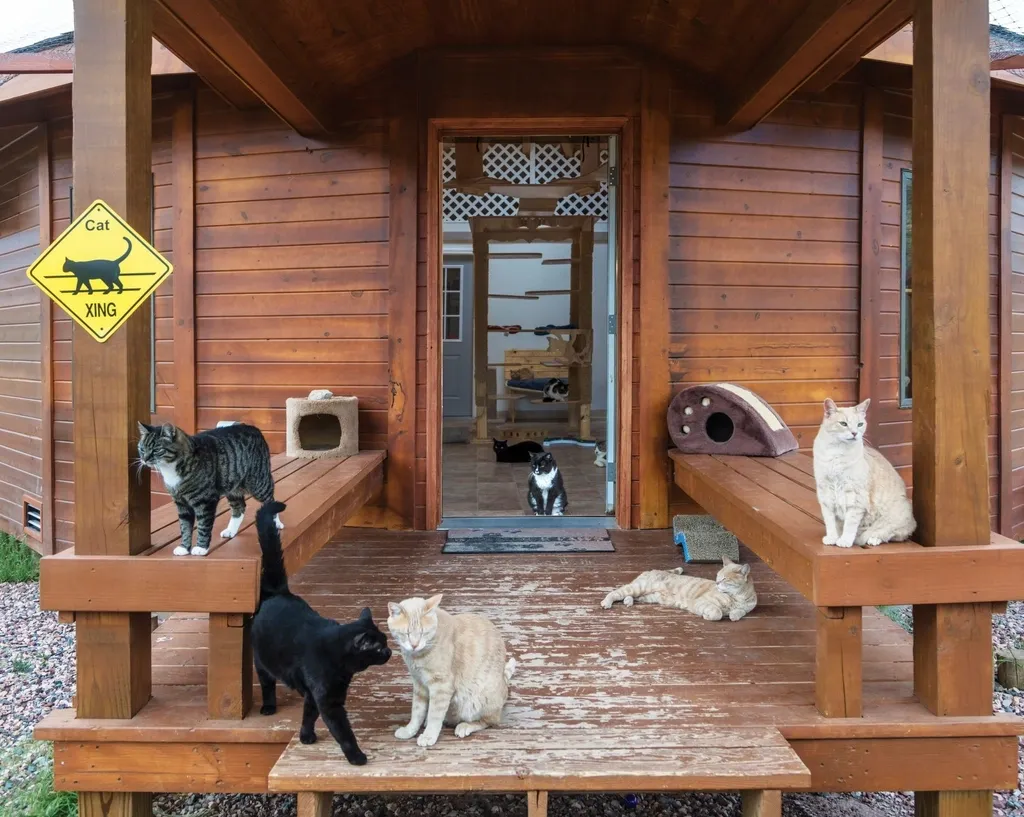
Rescue cats don’t hand over their hearts in some movie-style instant. They do it in tiny, easily-missed upgrades: a blink held a little longer, a nap a little closer, a meal eaten while you stand nearby.
The real love story isn’t the first cuddle; it’s the slow disappearance of fear you didn’t cause but chose to help heal.
Some people still insist cats are aloof, ungrateful, or incapable of deep bonds. Anyone who has earned the trust of a once-terrified rescue knows that’s simply wrong. Every behavior on this list is a risk they’re taking on you – and honestly, your only job is to keep proving they were right to take it.
So which sign was your rescue’s “I choose you” moment? Because if you ask me, people massively underestimate just how much invisible work these little hearts are doing every single day.

- 14 Ways a Rescue Cat Shows It Has Given You Its Fragile Heart - July 21, 2026
- 13 Familiar Things That Bring an Aging Dog Deep, Quiet Comfort - July 21, 2026
- 13 Wild Visitors That Return to a Yard the Moment It Feels Safe - July 21, 2026