
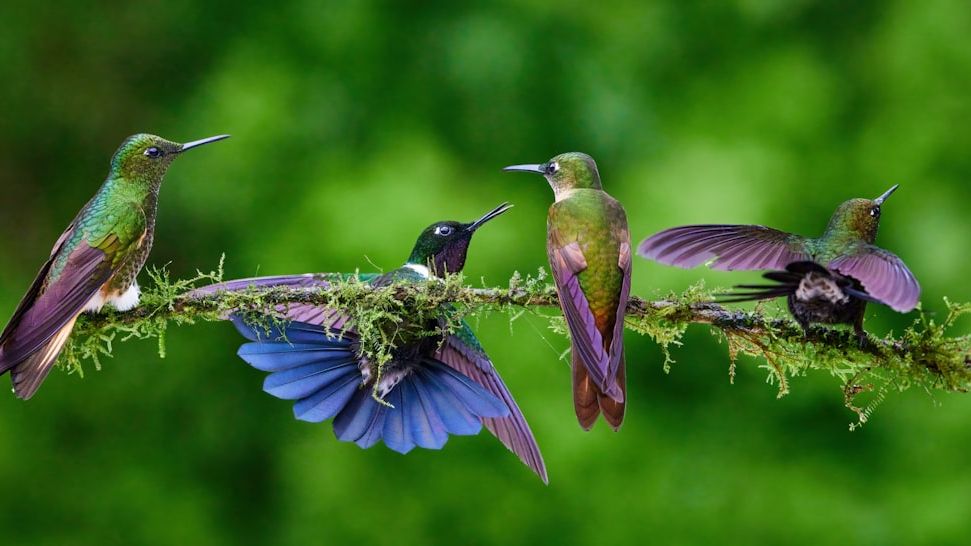
Most people see a hummingbird as pure magic. A flash of iridescent green, a whirring blur at the garden feeder, gone in an instant. It’s easy to watch one and feel nothing but delight. What’s harder to see is the weight of survival pressing down on every second of that tiny creature’s life.
These birds operate at the very edge of what biology will allow. Their hearts beat faster than any other warm-blooded animal, they burn through energy in a matter of hours, and they migrate alone across open ocean with no guide and no guarantee. The next time one hovers outside your window, you might look at it differently.
#1: The Vast Majority Don’t Survive Their First Year
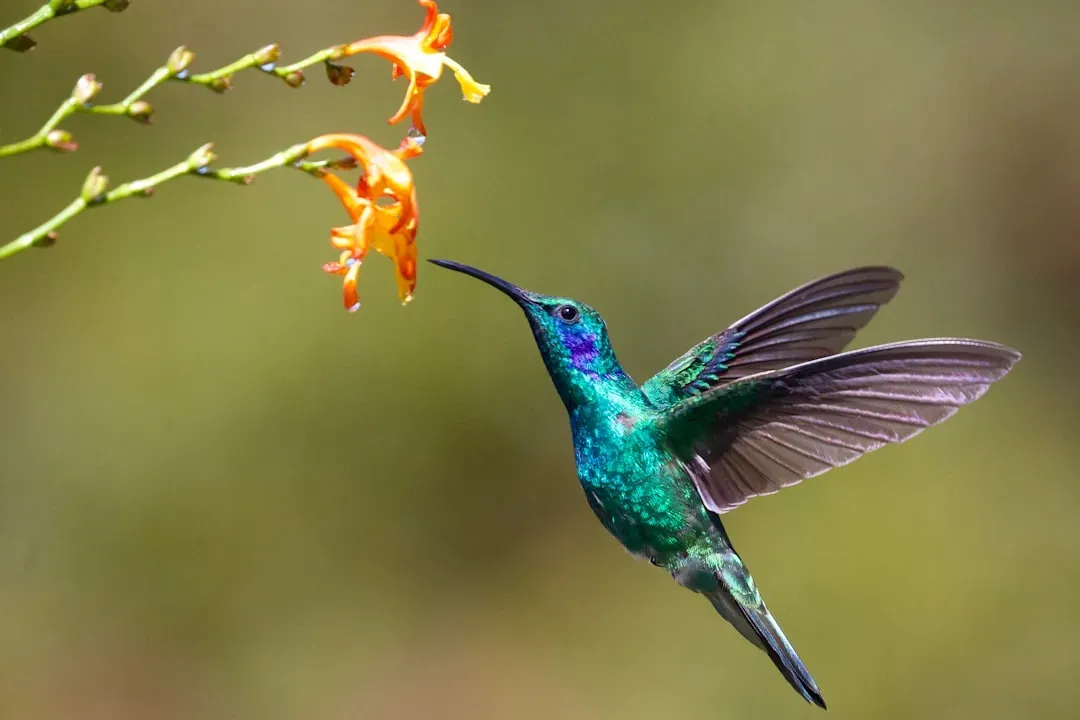
Between 80 and 90 percent of hummingbirds do not survive their first twelve months. That number is hard to sit with. The birds that charm us at feeders every summer are the rare survivors of a brutal first year that most of their kind simply don’t make it through.
The hazards stack up fast for a young bird. It faces predators it has never encountered before, and it must find food constantly, visiting hundreds of flowers or a reliable feeder each day, or starve within hours. Most North American species must also complete a migration, sometimes crossing hundreds of miles of open water, on their very first attempt, with no experience and no guidance.
#2: They Can Starve to Death in a Matter of Hours
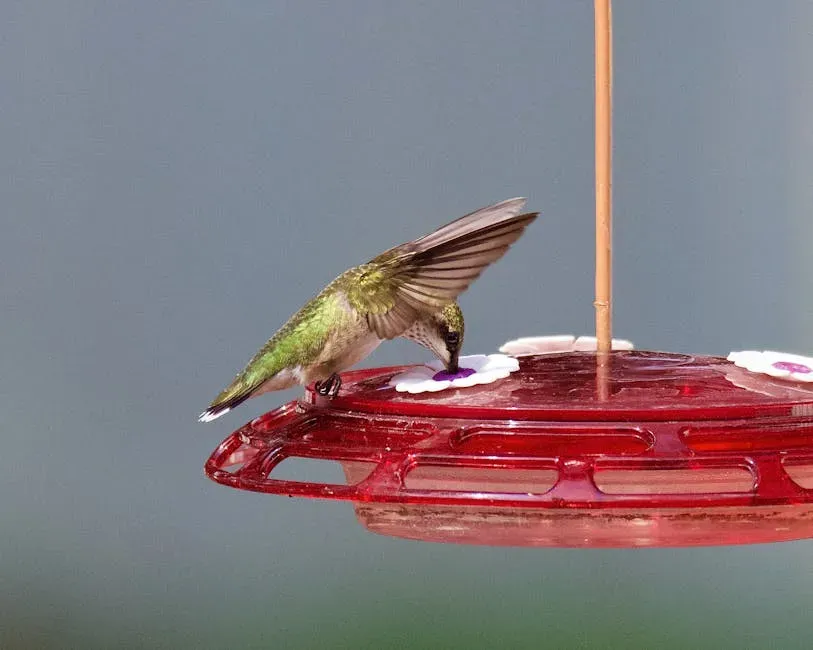
Hummingbirds have extremely high metabolisms and can starve to death within a few hours, so if they are unable to quickly find a replacement for lost food sources, they will not survive. This isn’t a slow, gradual decline. It’s a cliff edge, and they live within inches of it every single day.
In a worst-case scenario, a hummingbird deprived of all food would likely succumb in less than 24 hours, emphasizing the constant, life-or-death urgency of their foraging behavior. In areas with scarce flowers or during migration, hummingbirds can starve quickly because of their high metabolism. Every flower that disappears from a landscape, every pesticide-sprayed garden, is a meal that could have mattered enormously.
#3: Waking Up from Torpor Is Its Own Kind of Danger
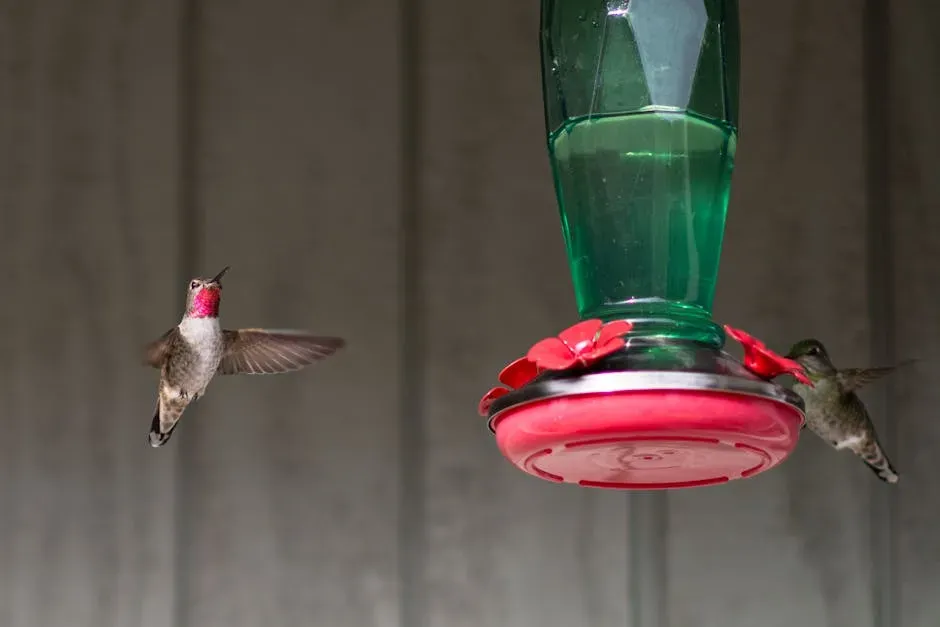
By drastically lowering their body temperature and metabolic rate, a hummingbird in torpor can survive an overnight fast and even endure cool temperatures. However, upon waking, they are vulnerable and stiff and must immediately find food to refuel and raise their body temperature back to normal. It’s a nightly gamble most people never consider.
If they cannot find food within an hour or two of waking, they will perish. On cold nights or when food is scarce, a hummingbird drops its heart rate, breathing rate, and body temperature dramatically to conserve energy until morning. A bird in torpor can look dead, hanging upside down, cold to the touch, unresponsive. The morning light that signals safety to us signals a race against death to them.
#4: The Mother Raises Every Chick Completely Alone
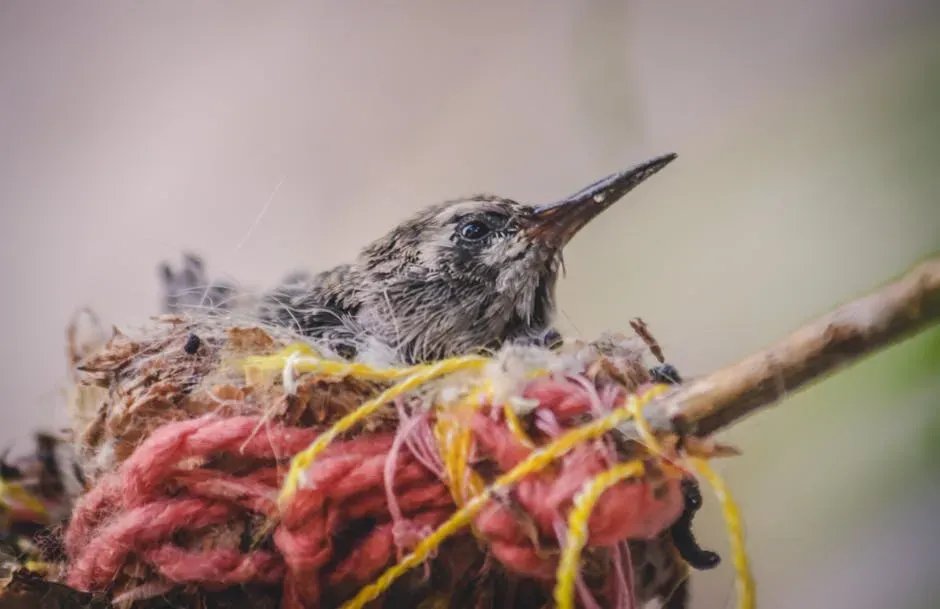
Male and female hummingbirds do not form a pair-bond after mating, and the female is left to care for eggs and chicks alone. There’s no partnership here, no shared burden. After mating, the male moves on entirely, leaving her to manage everything that follows.
After the male and female copulate, the female raises the chicks alone. She builds the nest, lays the eggs, incubates them, broods the chicks and feeds them until they are 22 to 25 days old. Mother hummingbirds may leave the nest up to 200 times a day in search of food. That relentless back-and-forth, hundreds of times a day, carried out entirely solo, is extraordinary.
#5: Chicks Are Born Blind, Featherless, and Completely Helpless
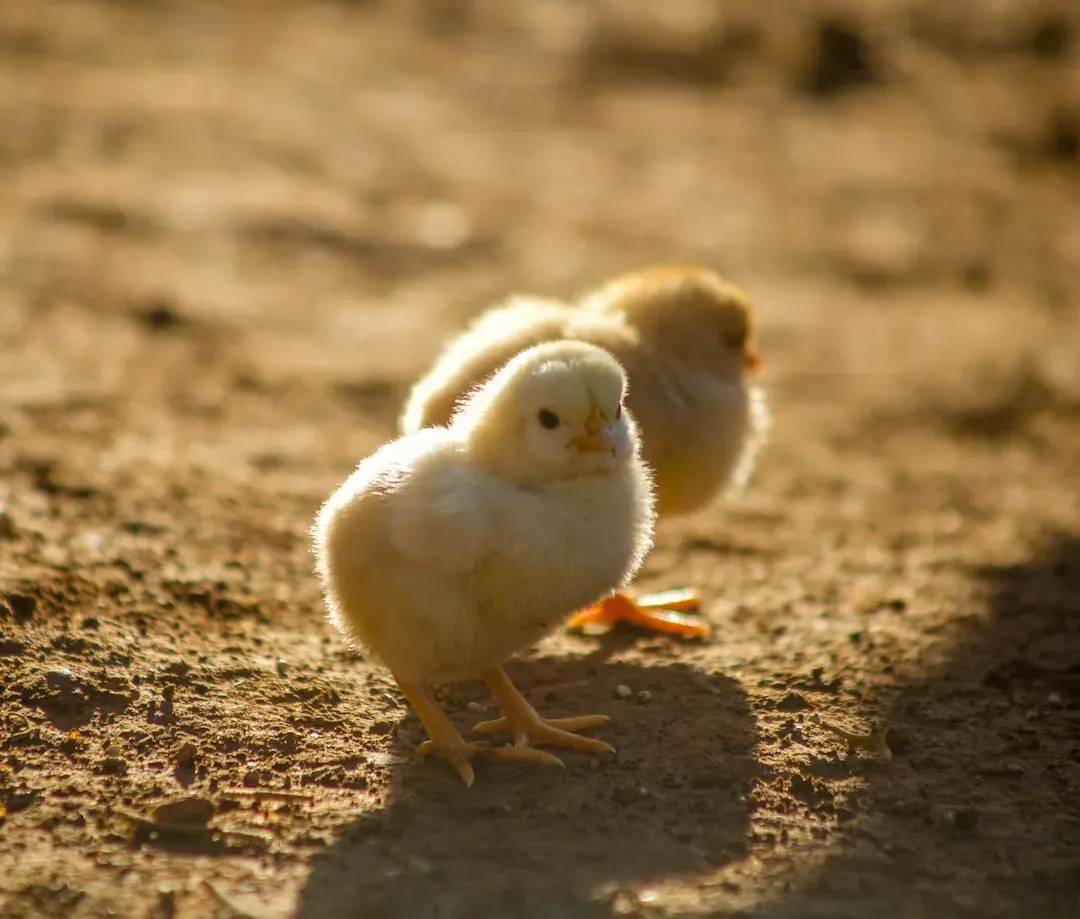
Chicks are born blind, featherless, and helpless, relying entirely on their mother in the first few weeks of life. She feeds them every 20 minutes. Born into a world of vulnerability, these tiny birds are entirely dependent on one solitary parent who must also keep feeding herself at a frantic pace.
Female hummingbirds spend large amounts of time sitting on their nests during the first three to four weeks of the nesting cycle, incubating the eggs and brooding the tiny, featherless chicks. The nestlings need this near-constant attention at first because they are cold-blooded at hatching and require their mother’s body heat to live and grow. A single cold night without her, and they wouldn’t make it.
#6: Fledglings Leave the Nest and Are Immediately On Their Own
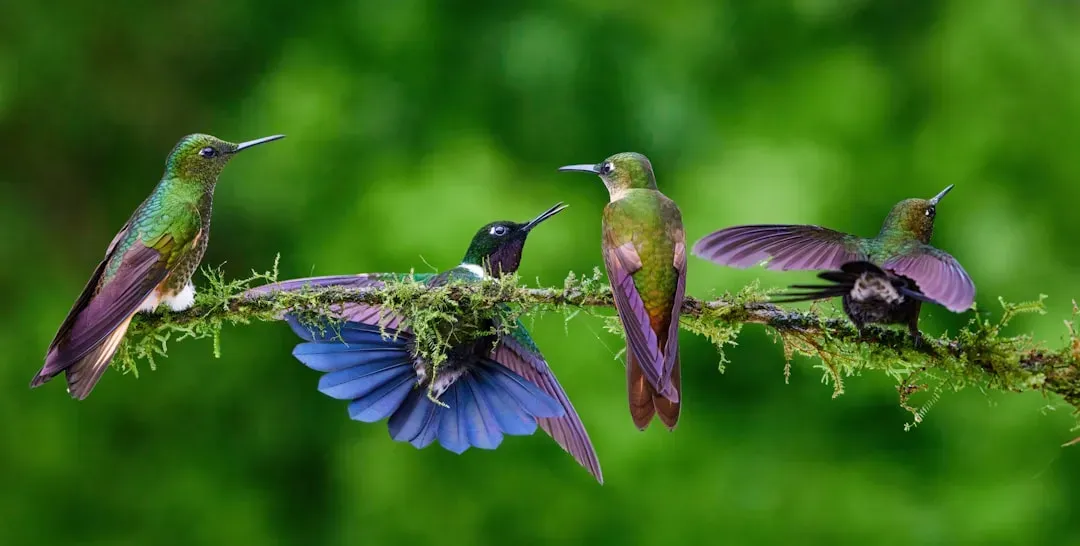
Fledglings begin practicing flight just days before they leave the nest. Once they’re out, they’re on their own. There’s no extended period of guidance, no adult bird showing them the route south or which flowers carry the most nectar. They simply go.
Most hummingbird life cycles include a period of being fed by their mothers after leaving the nest. This learning period teaches them how to survive and gather food by themselves. As soon as hummingbirds are out on their own, most mothers will begin building the next nest to lay her eggs and start the process over again. The goodbyes, if you can call them that, are brief.
#7: They Migrate Alone, Often Crossing Hundreds of Miles of Open Ocean
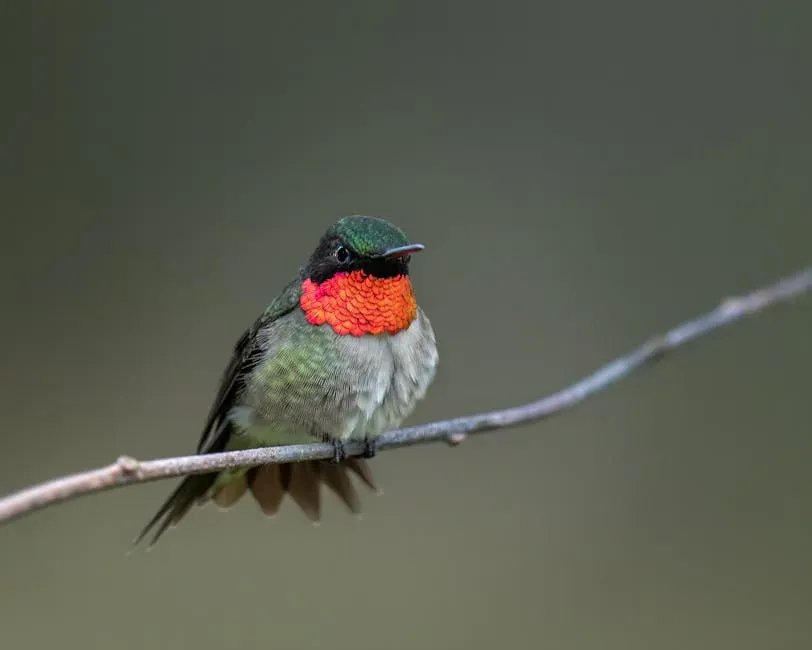
Migratory ruby-throated hummingbirds have no problem flying 18 to 20 straight hours to cross the Gulf of Mexico, powered by their fat stores and given a bit of help from winds. That crossing, nonstop over open water, with nowhere to land and no margin for error, is one of the more quietly astonishing feats in the natural world.
As calculated by displacement of body size, the rufous hummingbird makes perhaps the longest migratory journey of any bird in the world. At just over 3 inches long, rufous hummingbirds travel 3,900 miles one-way from Alaska to Mexico in late summer. Bad weather, an exhausted food supply, or flying too late in the season can lead to death during migration. Every year, some don’t make it.
#8: Their Hearts Beat at an Almost Incomprehensible Rate
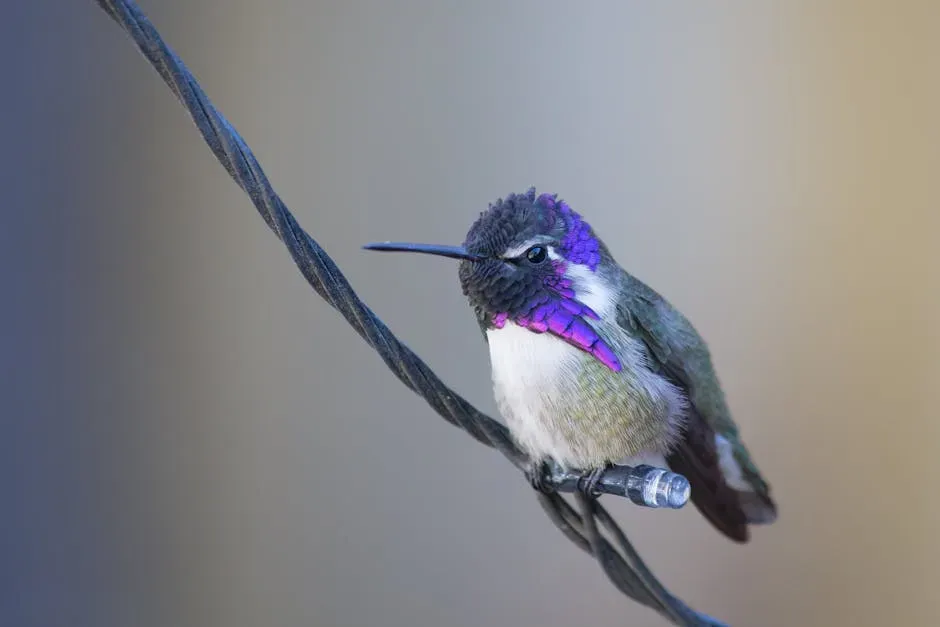
A ruby-throated hummingbird’s heart beats from 225 times per minute when the bird is at rest to more than 1,200 times per minute when it is flying. To put that in any kind of human context, it’s almost impossible. A resting human heart beats roughly 70 times per minute. These birds, even at rest, are running on overdrive.
A hummingbird’s heart is relatively the largest of all animals at 2.5% of its body weight. A hummingbird’s metabolism is about 100 times faster than an elephant’s. That heart, that metabolism, powers something extraordinary. It also means every system must function perfectly, every single day, without rest. The slightest disruption tips toward collapse.
#9: They Live Almost Entirely Alone
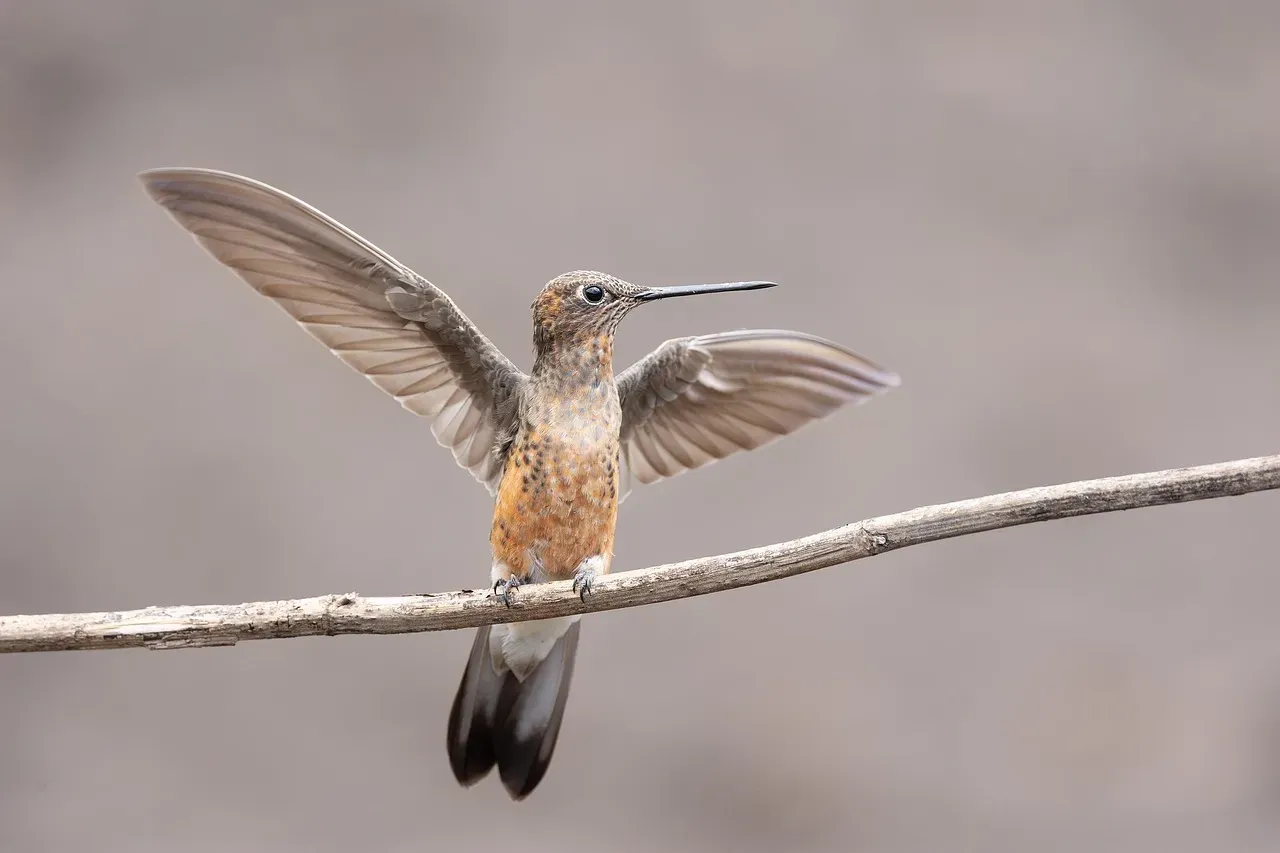
Hummingbirds are, for the most part, unsociable. The adjectives pugnacious and feisty are often appropriate. When more than one hummingbird is around, it is often a scene of repeated high-speed chases. What looks like playful aerial acrobatics is actually territorial aggression, driven by the desperate need to protect food.
Hummingbirds do not need the help of other hummingbirds to locate food or fend off predators. Other hummingbirds are competitors for the flower nectar upon which they thrive. The effects of torpor mean that a hummingbird doesn’t need to depend on the body heat of other hummingbirds to survive as they sleep. They are built for solitude, which is efficient, but it also means every threat is faced alone.
#10: Their Brilliant Colors Are Fragile Illusions
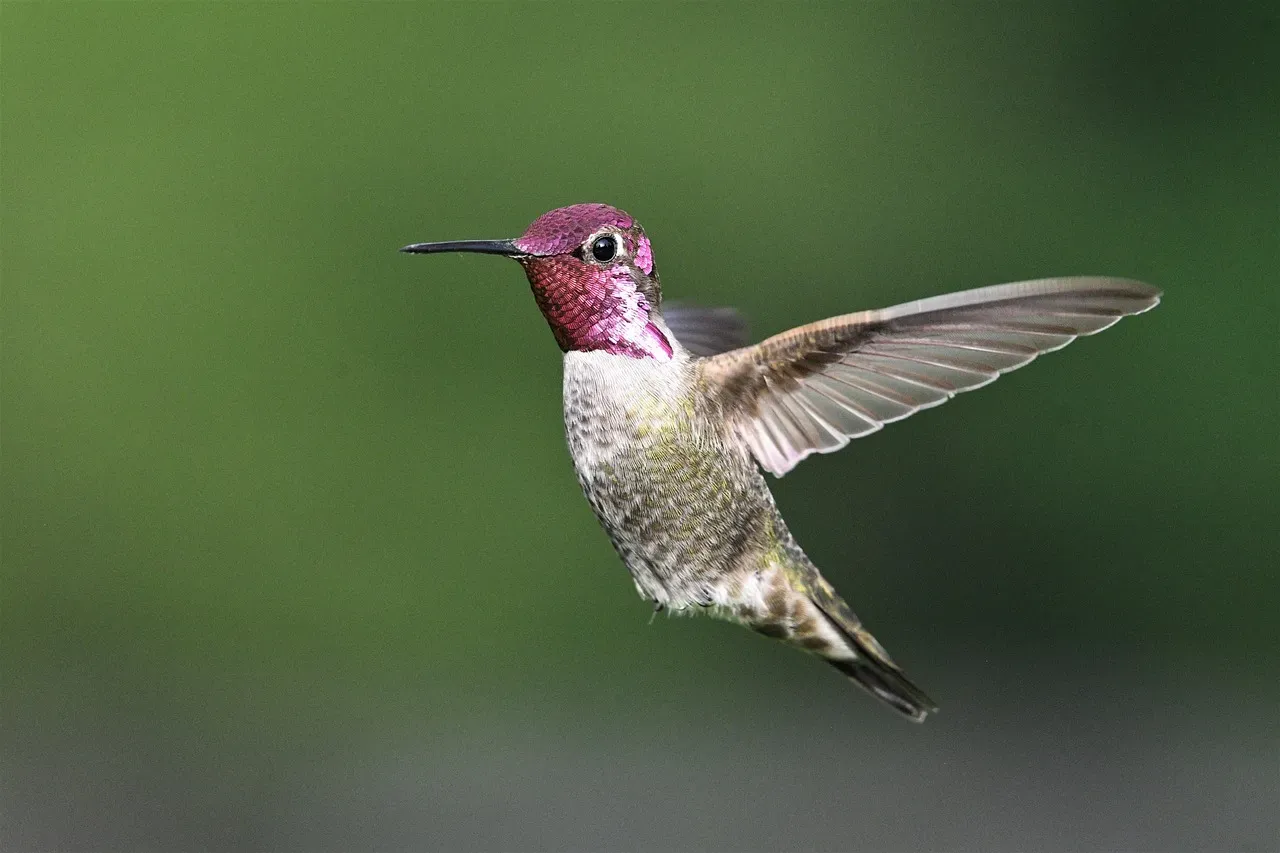
Their bright feathers reflect light due to microscopic structures, not actual color. That dazzling ruby throat or electric green back isn’t pigment at all. It’s light bending through feather architecture, a structural trick that vanishes entirely depending on the angle of the sun. The bird you see is partly a trick of physics.
This means those colors can appear to simply switch off. A male hummingbird showing off for a female may appear almost black or brown from the wrong angle, his spectacular display invisible from that position. The vivid beauty that captivates us is conditional, fleeting, and deeply tied to light. Much like the birds themselves.
#11: Habitat Loss Is Quietly Pushing Multiple Species Toward Extinction
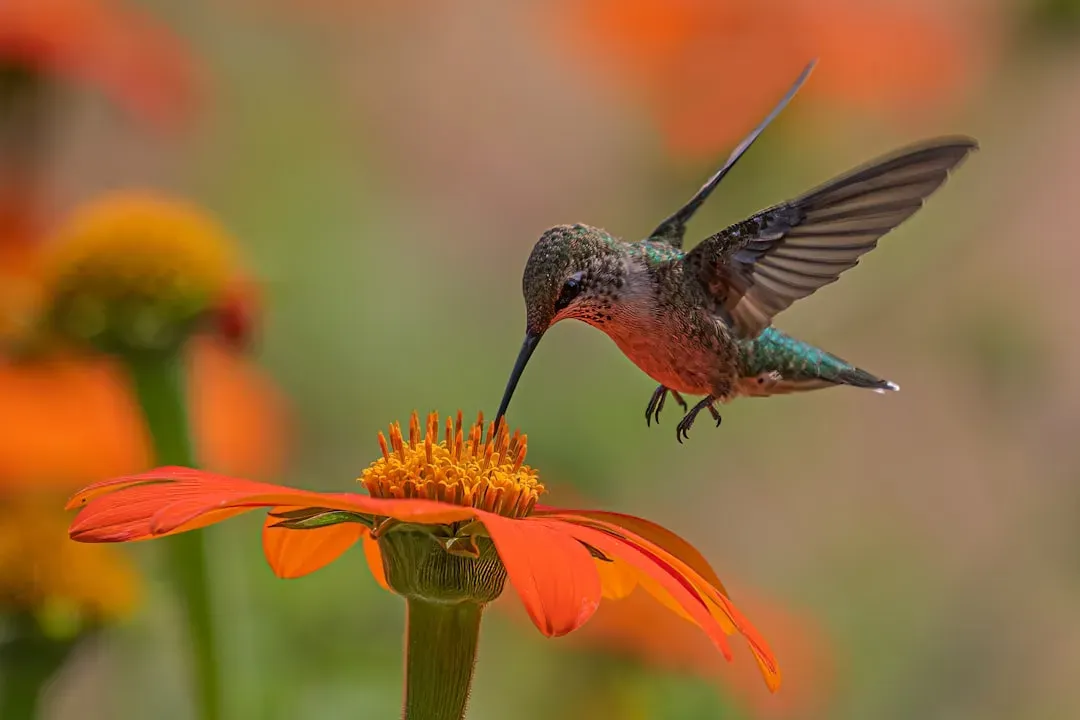
Hummingbirds aren’t often included in discussions about threatened bird species, but according to Birdlife International, 28 species of New World hummingbirds are now considered vulnerable, with at least 8 nearing extinction. These numbers don’t make headlines the way tigers or polar bears do, but the trajectory is serious.
One of the largest and most immediate threats to many hummingbirds is loss of habitat. Many of their natural environments are being cleared for agricultural purposes. This is especially true in Central and South America where several species are endangered. If the native plants they use for nectar are cleared to make way for vast fields of crops, the hummingbirds lose much of their food source. Climate change and habitat loss pose formidable challenges to hummingbirds, as changing weather patterns disrupt their feeding cycles and influence migration patterns.
#12: The Dangers We Create Are Among the Most Preventable
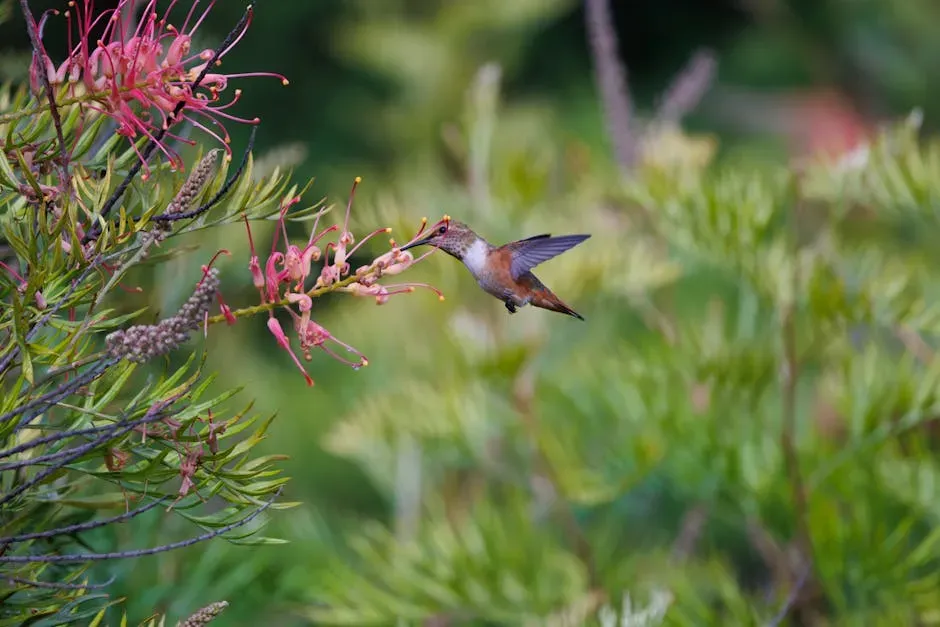
Threats to hummingbird survival are the same as they are for most bird species in decline: habitat loss from urban expansion, predation by domestic cats, window collisions, and pesticides. What makes this particularly heavy is that so many of these threats are entirely within human control. We built them, and we could reduce them.
Collisions with glass and other human-made structures are a leading cause of death for birds, and hummingbirds may be especially vulnerable. Pesticides can harm hummingbirds directly or indirectly by reducing their insect prey. Light pollution can impact all species in a variety of ways, but especially impacts birds and insects when they are migrating at night. They can become disoriented and exhausted by the lights when they would otherwise use the starry night sky to navigate. The threats are everywhere, and most of them have a simple human fix.
What All of This Actually Means
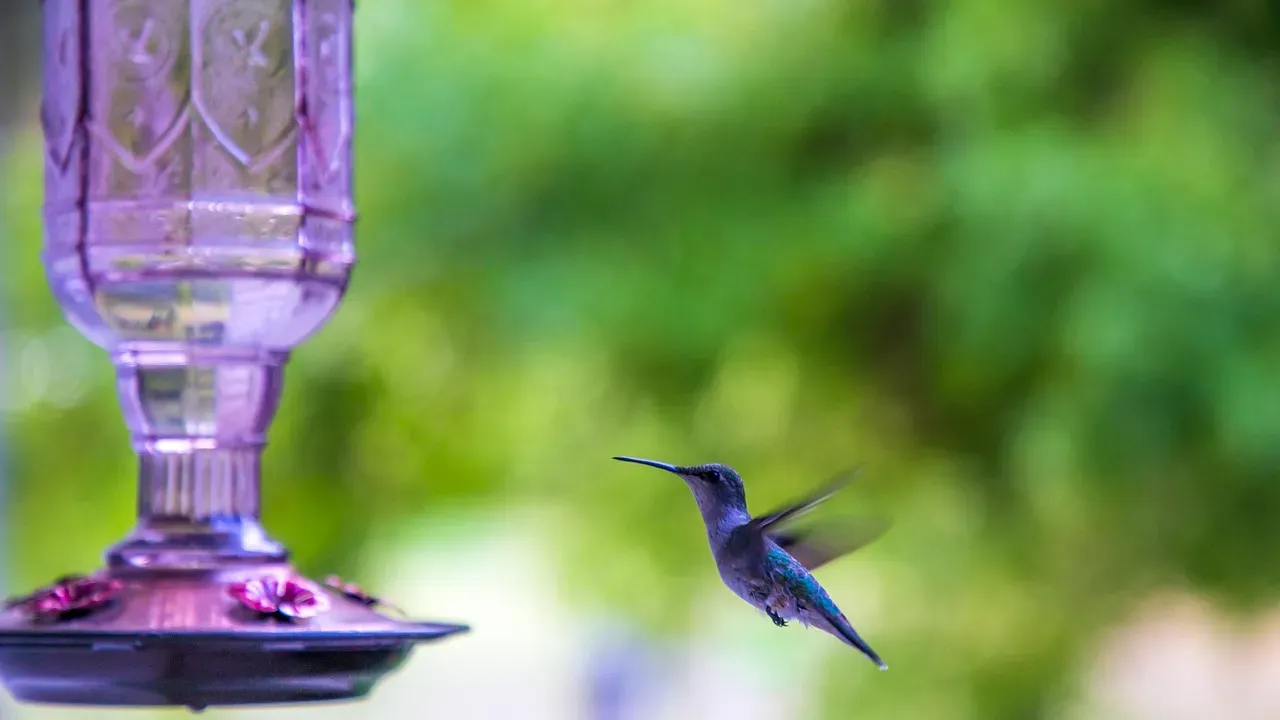
There’s something quietly humbling about understanding what a hummingbird actually carries. Not just the physical weight of a bird that barely tips the scale of a nickel, but the biological burden of living permanently at the edge of what’s possible. Every hover at your feeder represents a creature that has beaten extraordinary odds to be there.
The heartbreaking facts aren’t meant to diminish the wonder. They deepen it. When you understand that a female built her nest alone, survived migrations across open water, woke each morning from a near-death state, and managed to find enough food in a world increasingly stripped of it, that flash of color in your garden becomes something far more remarkable.
The least we can do is make sure it has a clean feeder, a pesticide-free garden, and one less window without a decal. Small gestures for us. For them, it can make all the difference.
