
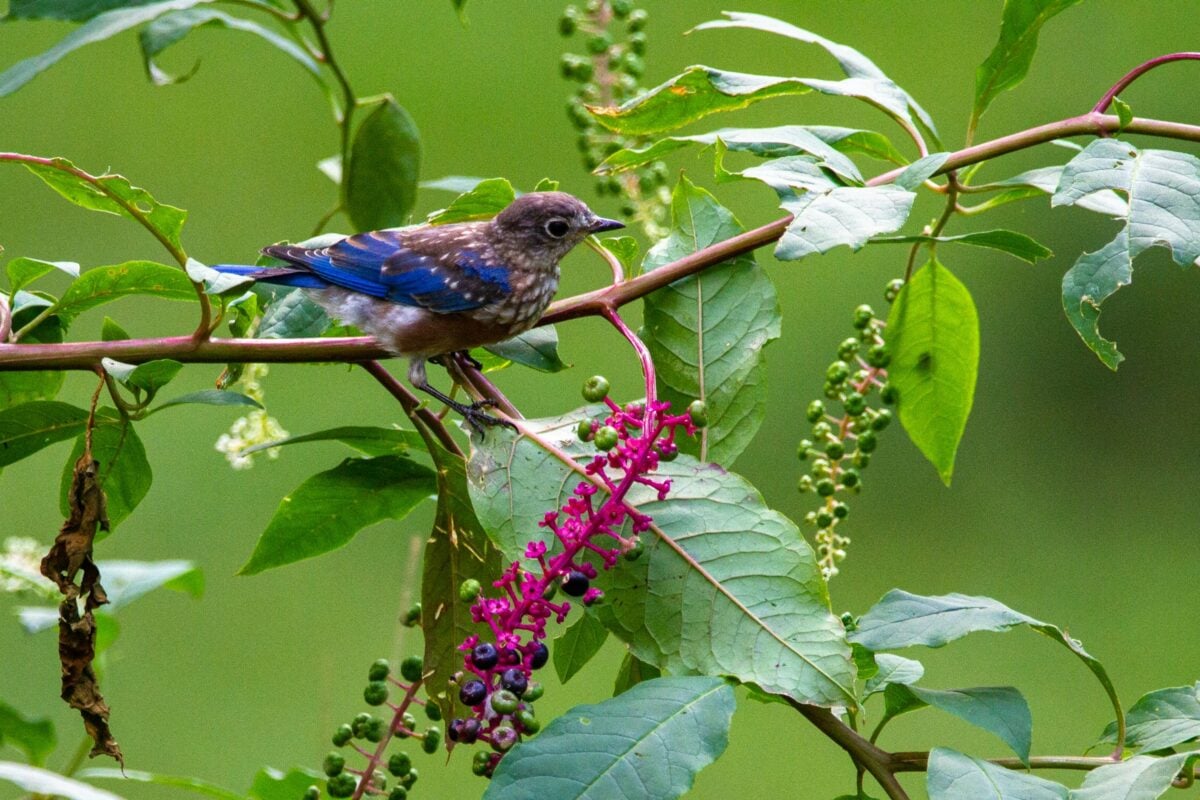
Most yard owners think birds choose a yard because of a feeder, a birdbath, or maybe a pretty flower bed. They’re wrong. The single biggest factor determining which species show up – and whether they actually stick around to raise a family – has been standing thirty feet away the whole time, never getting a second thought: the trees.
The species, age, height, and even the pruning schedule of the trees in your yard function like a secret code birds read instantly. Skip the wrong signal and you get pigeons and starlings crowding out everything else. Send the right one and you get orioles, warblers, and woodpeckers quietly building nests in your backyard, year after year. Here’s what ornithologists and habitat researchers actually say is deciding who moves in – and who never bothers to look twice.
#1 – Native vs. Non-Native: The Food Web Test Birds Run First
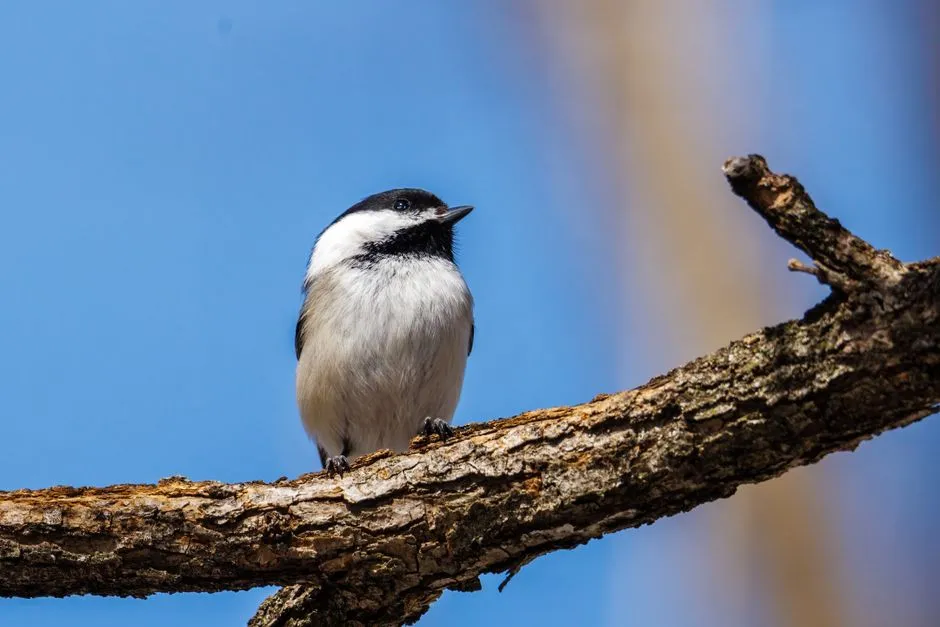
Before a bird ever lands to nest, it’s running a quiet calculation: can this tree actually feed my babies? Native trees pass that test almost every time. Imported ornamentals almost always fail it.
That’s because native trees co-evolved with local insects for thousands of years, while imported species never got the memo. Research on nesting Black-capped Chickadees found that yards dominated by introduced plants produced 75 percent less caterpillar biomass – and were far less likely to fledge a healthy brood.
Caterpillars aren’t a side dish for baby birds. They’re practically the whole menu, whether the parents are cardinals, wrens, or bluebirds. A yard full of “pretty” but foreign trees can look lush and still be a nutritional desert.
Most homeowners have no idea their landscaping is secretly starving the birds they’re trying to attract. And the next tree on this list shows just how wide that food gap can get.
#2 – Oak Trees Are Basically a Bird Restaurant Chain
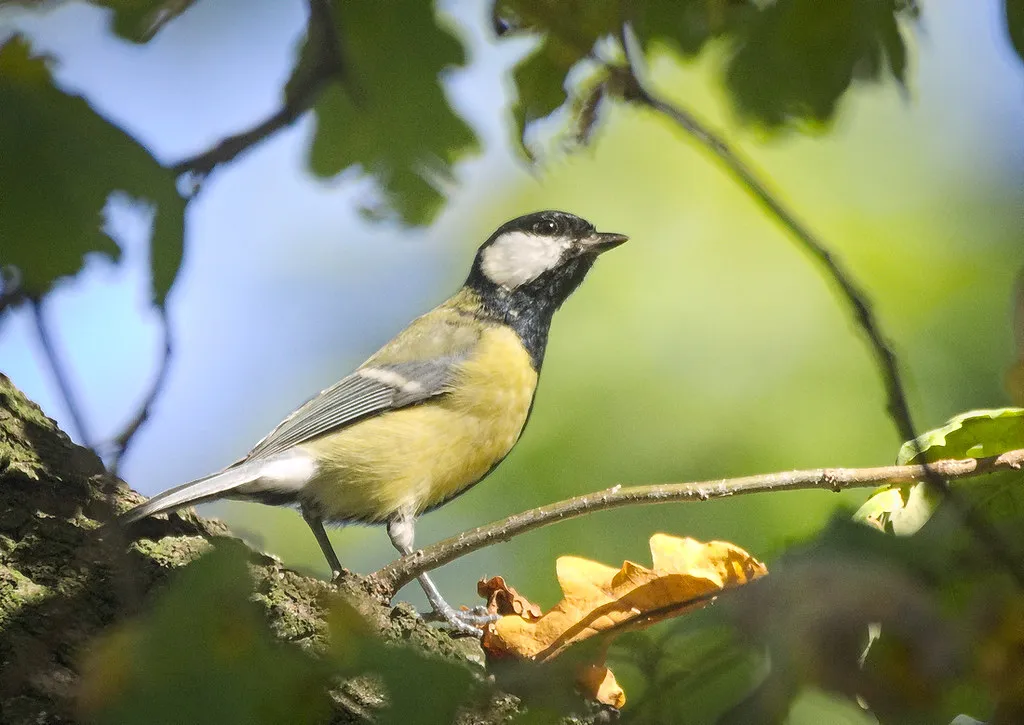
If you only plant one tree for birds in your lifetime, insiders say it should be an oak – and the reasoning is almost absurd once you see the numbers.
Oaks are the host plant for more than 1,000 species of moth and butterfly caterpillars, supporting an almost unmatched diversity of wildlife. Compare that to other common yard trees: native birch hosts just over 400 caterpillar species, while elm hosts around 200.
That gap isn’t small. It’s the difference between a fully stocked pantry and an empty shelf, and these caterpillars are the single most important protein source parent songbirds need to raise their young – from cardinals and chickadees to wrens, vireos, and thrushes.
“Chickadees need 6,000 to 9,000 caterpillars to feed one clutch.”
Doug Tallamy, entomologist
One tree, a thousand food sources. But raw food supply is only half the equation – the next factor is about where birds are even willing to look for it.
#3 – Vertical Layering Decides Which Species Even Notice Your Yard
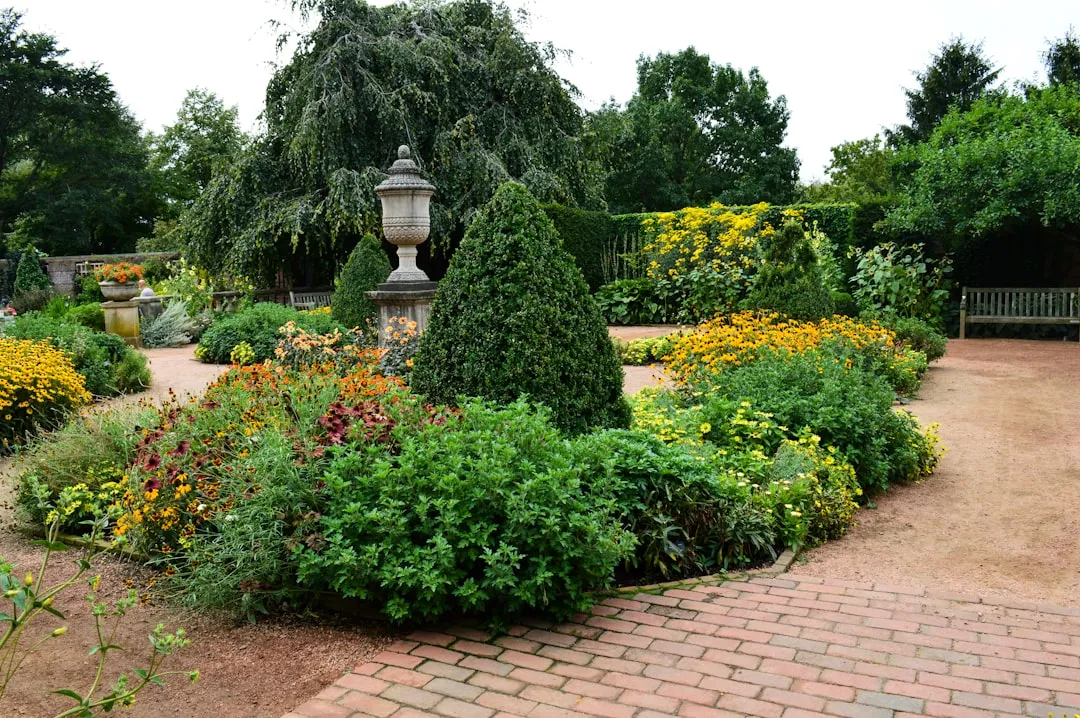
Birds don’t just study a tree – they study the entire vertical structure of a property, and a single-layer yard is basically invisible to half the local bird population.
A yard with only a manicured lawn and a couple of tall shade trees is missing the “middle”: the shrub and understory layer where sparrows, wrens, and towhees forage and nest. Most bird-watchers never realize that gap between ground and canopy is the number one reason certain species never show up, no matter how many feeders get hung.
Birds have evolved to occupy specific niches – ground foragers, mid-story nesters, and canopy dwellers rarely overlap. A yard with a tall canopy tree, a mid-height flowering tree, and a low shrub layer effectively triples the number of “apartments” available for different species.
Flat, single-tier yards look tidy to human eyes but feel empty to birds. Which brings up a season most people completely forget to plan for.
#4 – Evergreens Are the Winter Insurance Policy Birds Actually Check
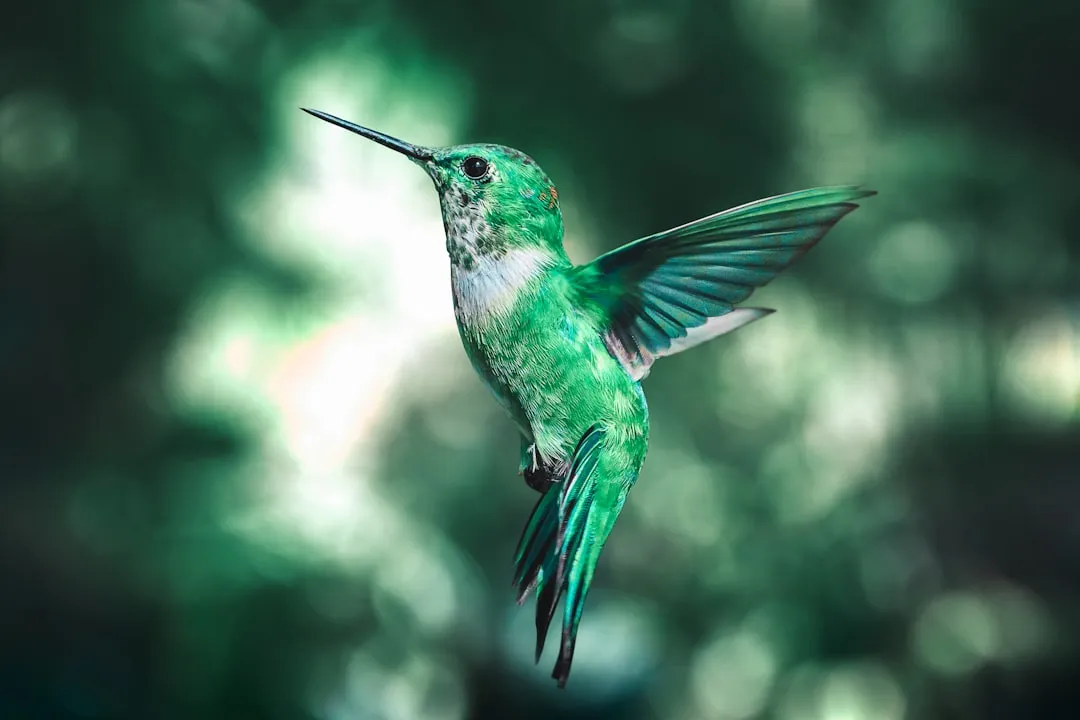
While deciduous trees get all the springtime credit, evergreen conifers are quietly doing the heavy lifting during the months that actually determine survival.
When temperatures crash and deciduous trees stand bare, spruce, pine, and cedar keep their dense needle cover year-round. That density blocks wind, traps a warmer microclimate underneath, and hides roosting birds from hawks circling overhead.
Many birds choose a yard specifically because it has thick evergreen cover – not because of anything happening in summer at all. Chickadees, juncos, and cardinals frequently huddle inside conifer branches overnight in freezing weather, conserving body heat they’d lose fast out in the open.
Without at least one solid evergreen, a yard can look perfect from April to September and still get abandoned every winter. Homeowners chasing summer curb appeal often skip the exact tree birds rely on most – and the next entry is even more controversial.
#5 – Dead Trees Are Secretly the Most Valuable Tree You Own
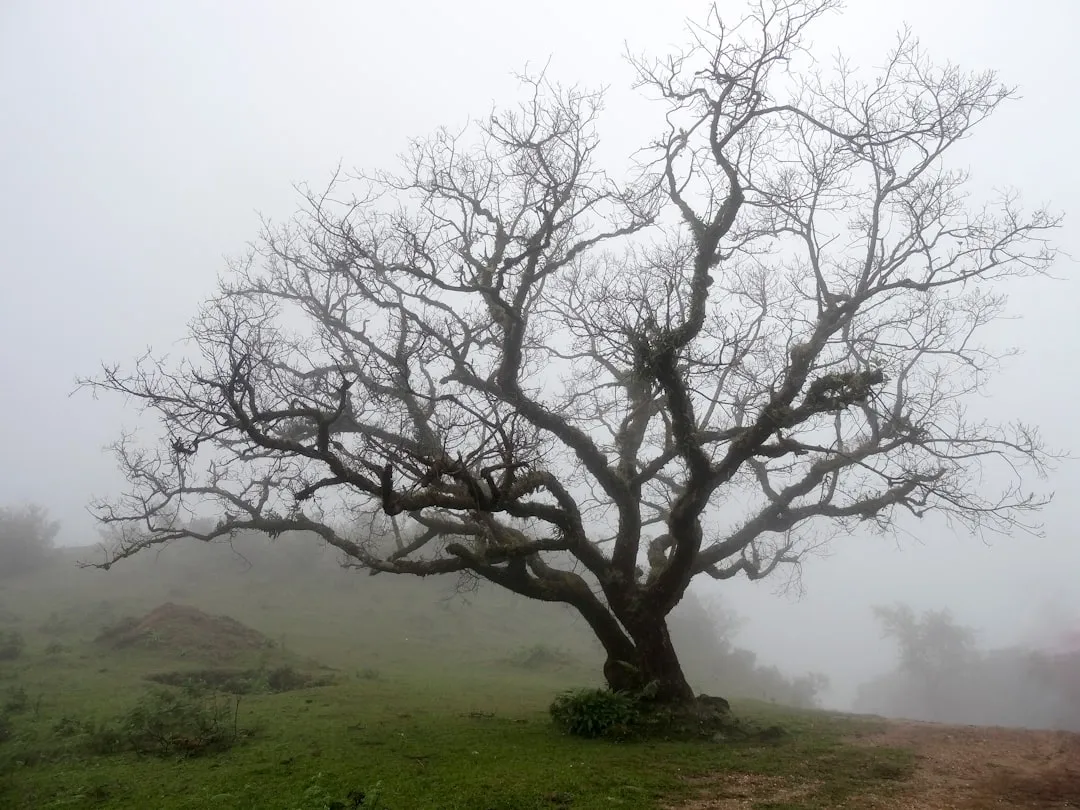
This one triggers arguments at every homeowners’ association meeting, but arborists who work with wildlife habitat keep saying the same thing: that “ugly” dead tree might be doing more for birds than every living one combined.
Standing dead trees, called snags, are riddled with soft, decaying wood that’s perfect for excavation. Woodpeckers carve out cavities, use them for a single season, then abandon them for chickadees, nuthatches, bluebirds, and even small owls to move into afterward.
Removing every dead or dying tree from a property can eliminate the only nesting cavities available to an entire neighborhood of cavity-nesting species. Manufactured nest boxes help, but they never fully replace the real thing.
Some habitat experts now argue leaving one dead tree standing, safely away from structures, does more for local birds than any amount of decorative landscaping. It’s not pretty. It works anyway.
#6 – Berry and Fruit Trees Fuel the Migration Nobody Sees
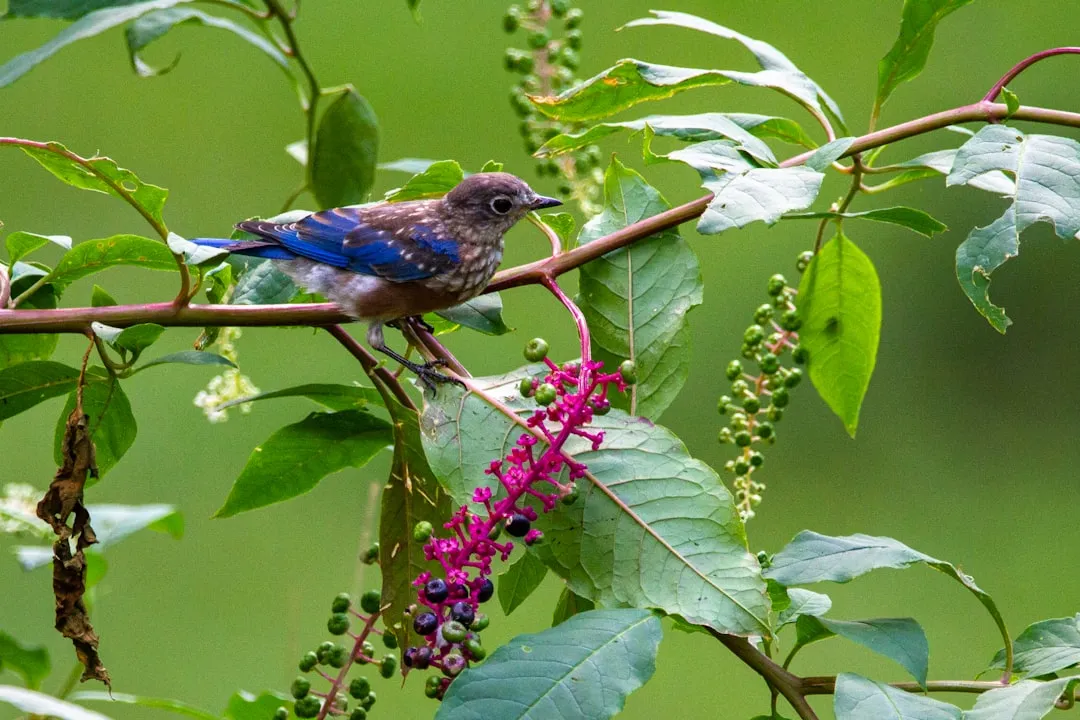
Every fall, an invisible traffic jam of songbirds passes directly over – or through – backyards, and the trees loaded with berries are the only gas stations along the route.
Species like dogwood, serviceberry, elderberry, and native holly produce small fruits timed almost perfectly to migration season. Flowering dogwood alone produces white or pink bracts in spring and red berries through fall that support over 36 species of birds and pollinators.
That’s not decoration – that’s a fueling station keeping exhausted migrants alive on a multi-thousand-mile trip. A yard with fruiting native trees can attract dozens of transient species that never touch a single seed feeder, especially waxwings, thrushes, and robins.
Skip these trees and a yard becomes a flyover zone instead of a rest stop – birds pass right through without ever landing. Height, as it turns out, plays its own separate role in who even stops to look.
#7 – Tree Height Sorts Birds Like an Invisible Zoning Law
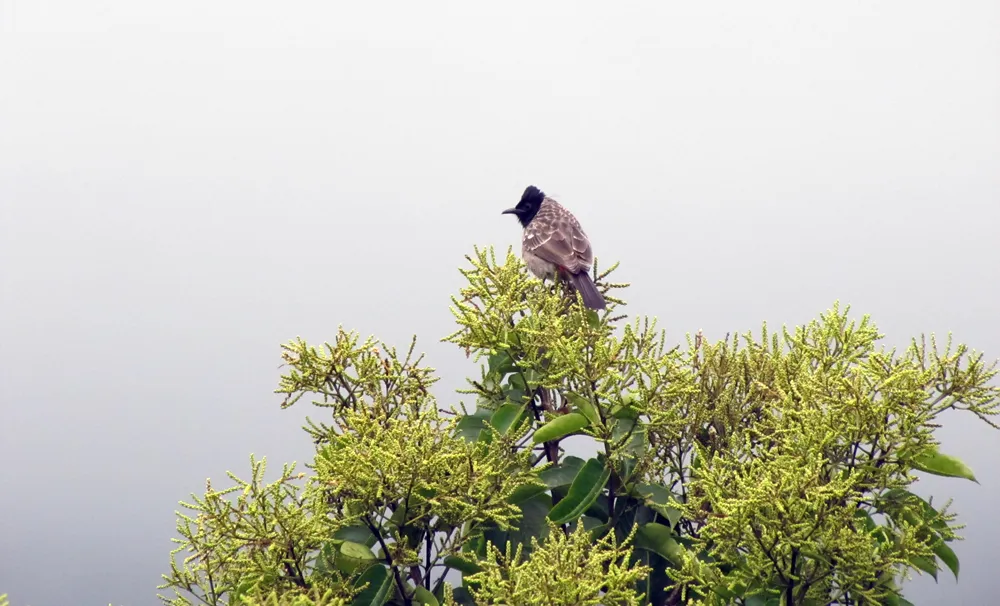
Birds enforce their own zoning code, and tree height is the line they draw. Get the height wrong and the “right” species simply won’t move in.
Ground- and shrub-nesting birds like towhees and certain sparrows want low, dense cover under ten feet, while canopy specialists like tanagers and many warblers stay almost exclusively in the upper reaches of tall mature trees. Mid-story birds, including orioles and many vireos, often skip yards entirely if there’s nothing between six and twenty feet tall.
A property with only a manicured lawn and one enormous oak looks green and healthy to human eyes, but to a bird it’s a building with a penthouse and a basement – and no floors in between.
At a Glance
- Ground & shrub layer (under 10 ft): towhees, native sparrows
- Mid-story layer (6-20 ft): orioles, vireos, many warblers
- Canopy layer (tall mature trees): tanagers, migrating warblers
- Missing a layer usually means missing that entire group of species
Mixing tree heights isn’t just aesthetic variety. It’s the difference between hosting three species and hosting fifteen. And for one particular bird, height matters less than timing.
#8 – Flowering Trees Quietly Decide If Hummingbirds Ever Show Up
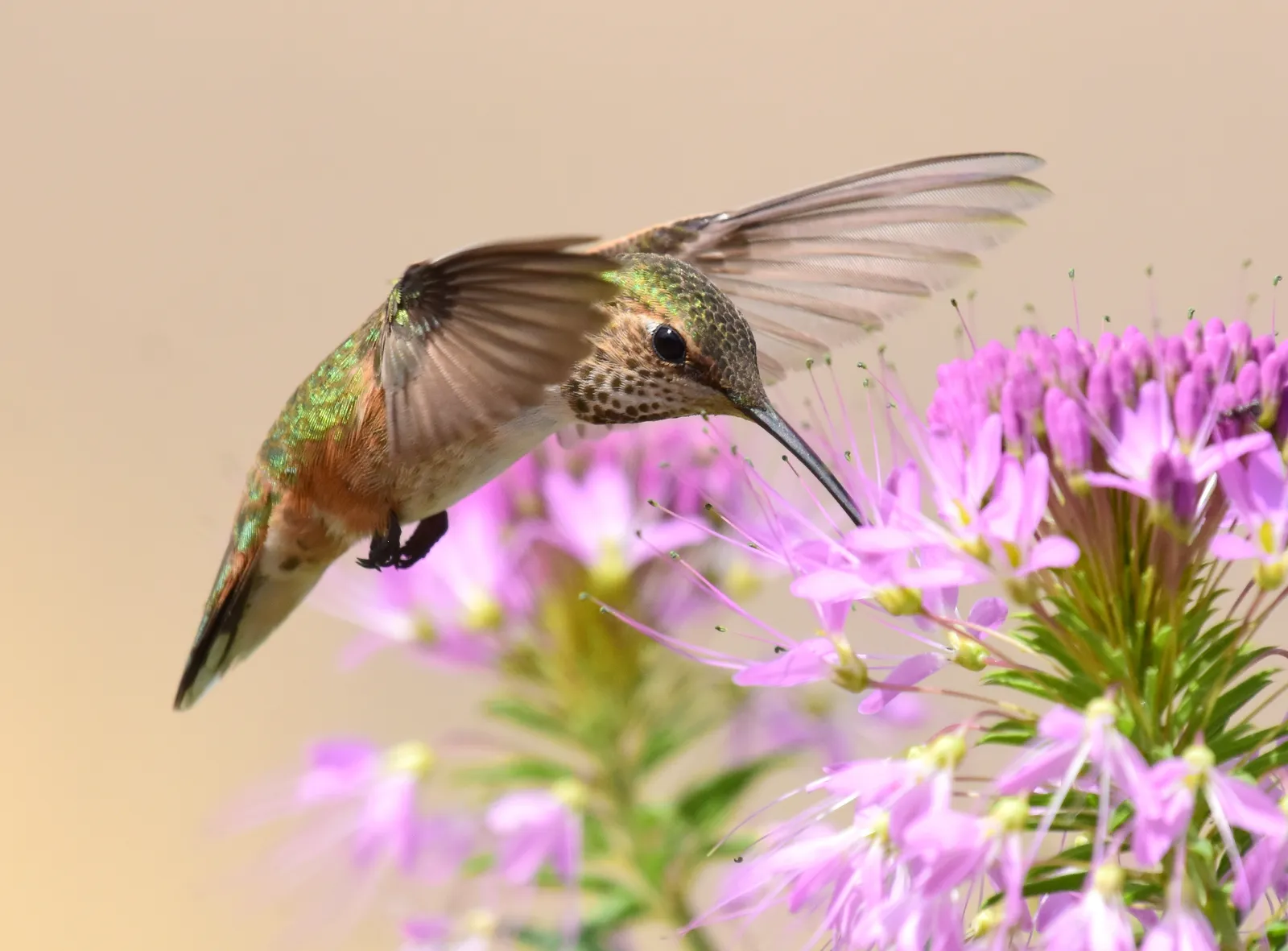
Most people assume hummingbirds are drawn purely to feeders, but insiders in bird habitat circles say that’s backwards – trees usually get there first.
Native flowering trees that bloom in spring, timed to hummingbird migration, act as the original nectar source, long before backyard feeders ever existed. A yard without any early-blooming native trees can go an entire season without a single hummingbird visit, even with feeders hung everywhere.
Flowering trees also draw the small flying insects hummingbirds rely on for protein – something sugar water can’t replicate. Timing matters enormously here; trees that bloom too late miss the migration window completely.
Many gardeners fixate on feeder placement while ignoring the canopy that actually pulled the birds into the neighborhood in the first place. But nectar and fruit aren’t the only thing on a bird’s mind – safety is just as urgent.
#9 – Thorny, Dense Trees Are the Safe Rooms Birds Demand
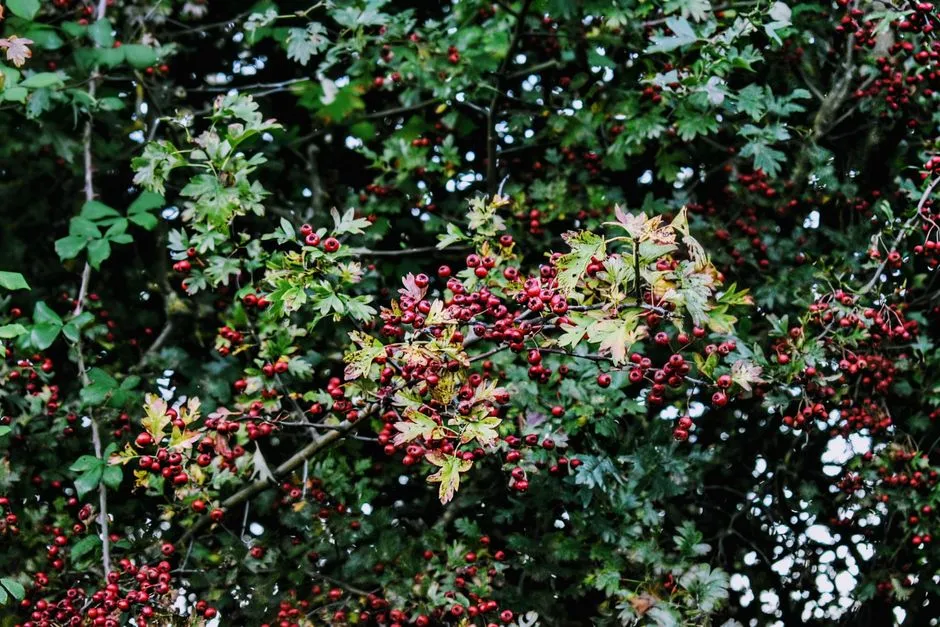
While open, airy trees look elegant to homeowners, many nesting birds actively avoid them, because visibility works both ways and predators can see straight in.
Hawthorn, holly, and other dense, thorny species create a tangled barrier that hawks, cats, and snakes struggle to penetrate. Some of the highest nest-success rates recorded in backyard habitat studies come from thorny, congested trees that most people consider messy or unattractive.
A single open-branched ornamental tree, however lovely, can leave a nest completely exposed to aerial predators circling above. Birds instinctively weigh safety over comfort, and a spiky, crowded tree usually wins that trade.
Homeowners chasing a manicured look may be unknowingly removing the exact security feature birds are searching for. Which leads to the tree most people plant without ever meaning to hurt anything.
#10 – Invasive Ornamentals Are Quietly Sabotaging Your Yard
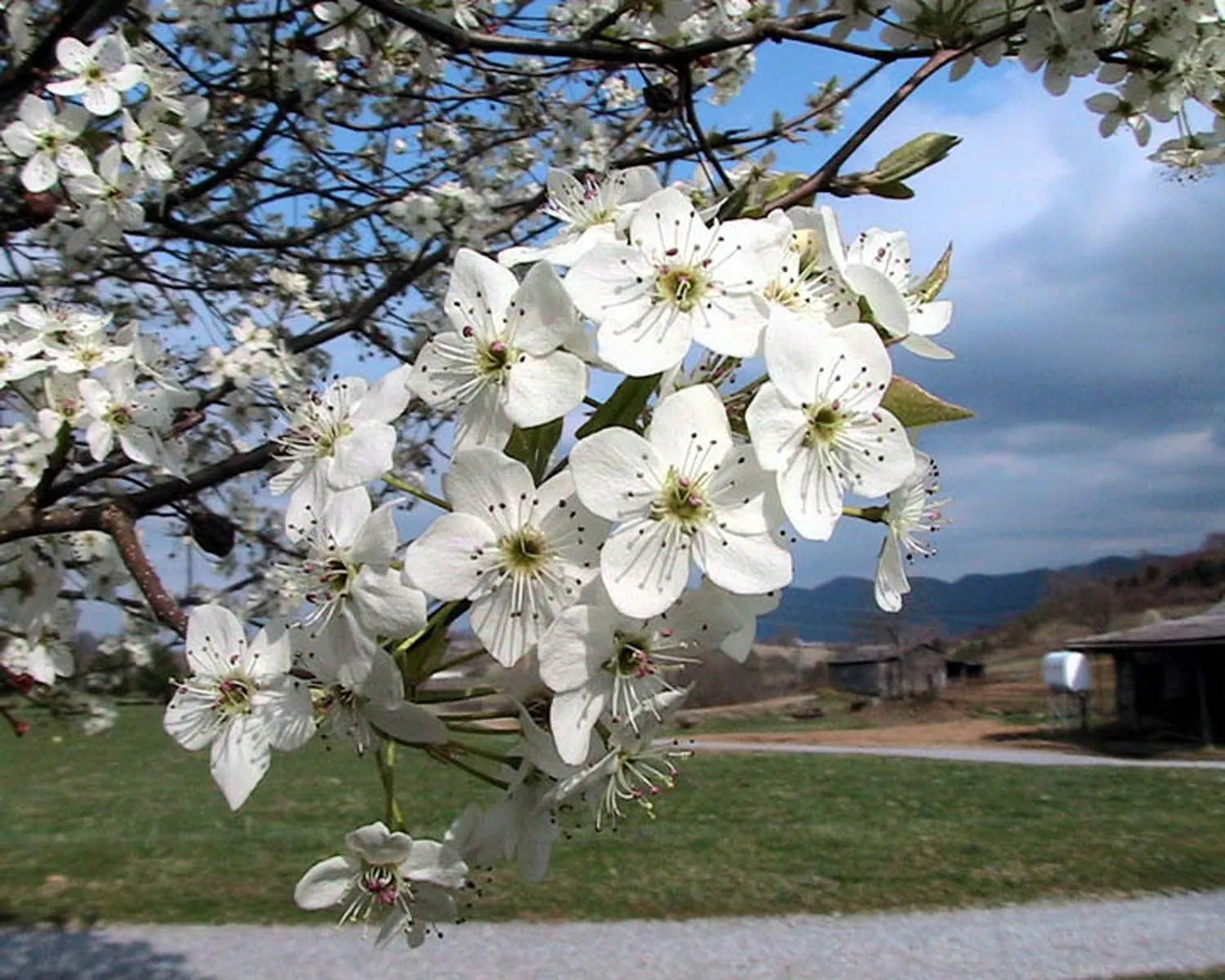
This is the one that upsets people the most, but it needs to be said: one of the most commonly planted “beautiful” trees in America is actively working against the birds it appears to attract.
The Bradford (Callery) pear is a textbook case. Unlike native trees, Bradford pears support few insects – especially caterpillars, the critical food source nesting birds need to feed their young.
Worse, as they mature, Bradford pears form dense, thorny thickets that suppress other plants, and they leaf out before most native species in early spring, outshading and outcompeting them before the season even starts.
A tree that looks stunning in April can be quietly starving an entire neighborhood’s bird population by summer. Several states now offer bounty programs paying homeowners to remove them – because sometimes the biggest upgrade isn’t planting a tree. It’s cutting one down.
Worth Knowing
- Bradford (Callery) pear was imported from Asia decades ago purely as an ornamental street tree
- Studies comparing it to native oaks have found it hosting only a handful of caterpillars, compared to hundreds on a similarly sized oak
- Several states, including Ohio and South Carolina, now run buy-back programs trading a free native tree for a removed Bradford pear
- Its brittle branch structure also makes it prone to splitting apart in storms, a hazard oaks rarely share
#11 – Distance From the House Determines Life or Death, Not Just Nesting
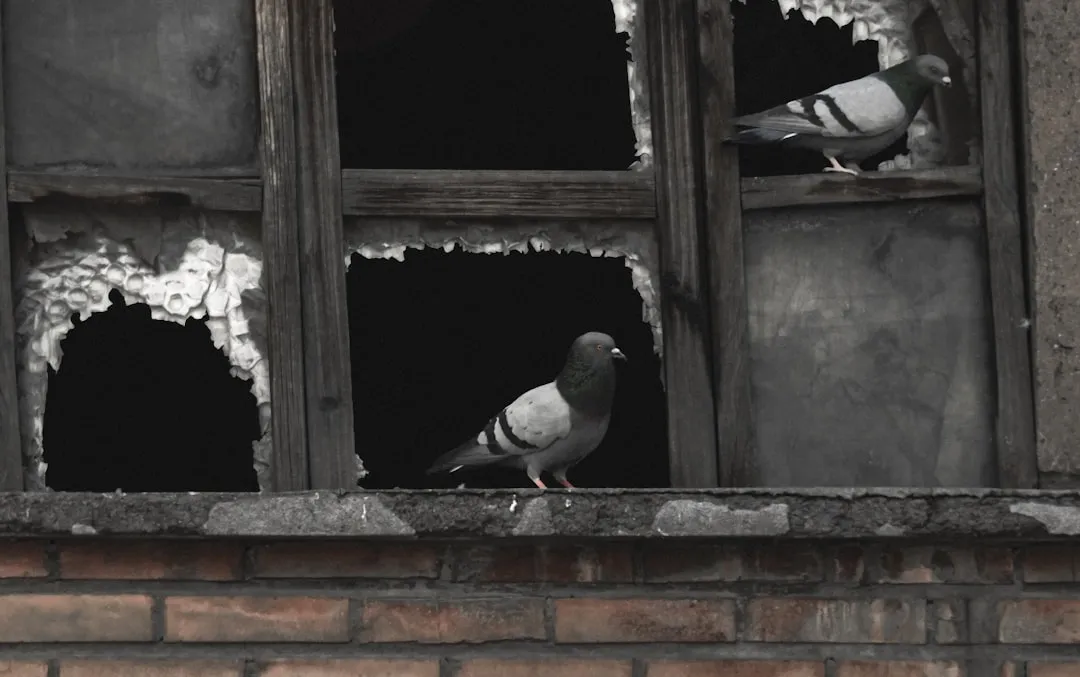
Where a tree sits relative to windows isn’t a cosmetic decision. It’s frequently a fatal one, and almost nobody plans around it.
Trees planted too close to large windows create reflection zones where birds see sky and foliage mirrored back at them, then fly directly into the glass at full speed. Collision deaths are one of the most under-discussed threats facing yard birds, and tree placement is a leading contributing factor.
Trees planted farther away, or paired with visual breaks like decals or screens, dramatically cut this risk. On the flip side, trees placed too far from any structure lose the “edge habitat” benefit many species prefer, where forest meets open space.
The sweet spot balances safety with usable cover – not too close, not too distant. Get the distance right, and a nearby water source can multiply everything the tree already offers.
#12 – Trees Near Water Multiply Everything
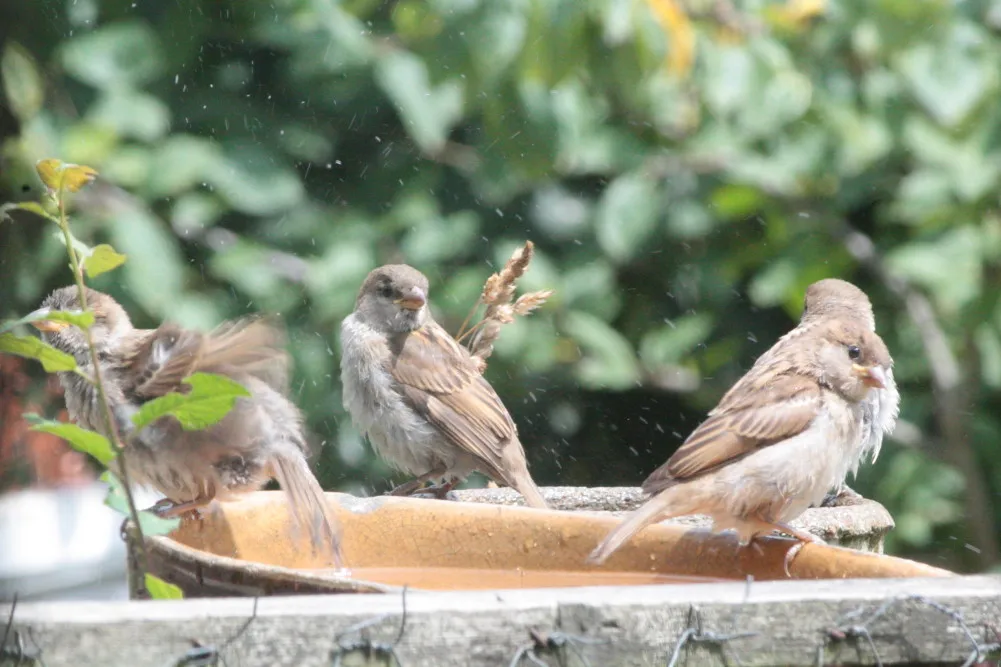
A single tree standing near a pond, stream, or even a birdbath does dramatically more work than the same tree standing alone in open lawn – and it’s rarely intentional.
Water draws insects, and insects draw birds looking for food and drinking access in one stop. A tree positioned within sight of standing water can effectively double as both a nesting site and a feeding station, cutting down the energy birds spend traveling between resources.
This matters most during hot, dry stretches when natural water sources dry up elsewhere. Species that would normally pass through a yard often linger and nest nearby specifically because the water-tree combination reduces their daily travel.
A modest birdbath positioned near existing trees can turn an average yard into a genuine hotspot almost overnight. Timing, though, can undo all of it in a single afternoon.
#13 – Pruning Timing Can Wipe Out an Entire Nesting Season
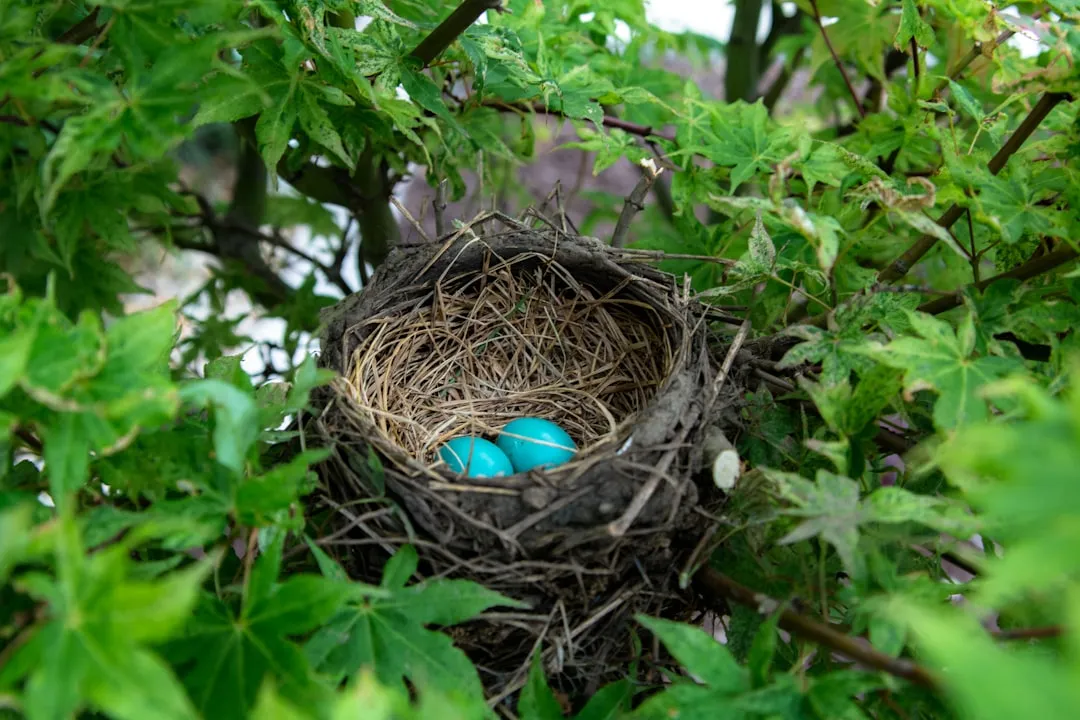
Most homeowners prune trees whenever it’s convenient, but that convenience can accidentally destroy months of bird activity in a single afternoon.
Cutting branches during active nesting season can destroy eggs, injure chicks, or cause parent birds to abandon a nest entirely – sometimes without the homeowner ever realizing a nest was there. Timing pruning for late fall or winter, well outside the spring and summer nesting window, is one of the simplest, least-known ways to protect an entire season’s worth of broods.
Beyond timing, over-aggressive pruning that strips interior branches removes the dense cover many birds specifically choose for concealment. A lightly pruned, slightly “messy” tree interior is frequently more valuable to nesting birds than a heavily shaped, hollowed-out one.
Landscaping schedules built around curb appeal rarely account for any of this. And the last factor on this list isn’t something better timing can fix at all.
#14 – Old, Mature Trees Are Simply Irreplaceable
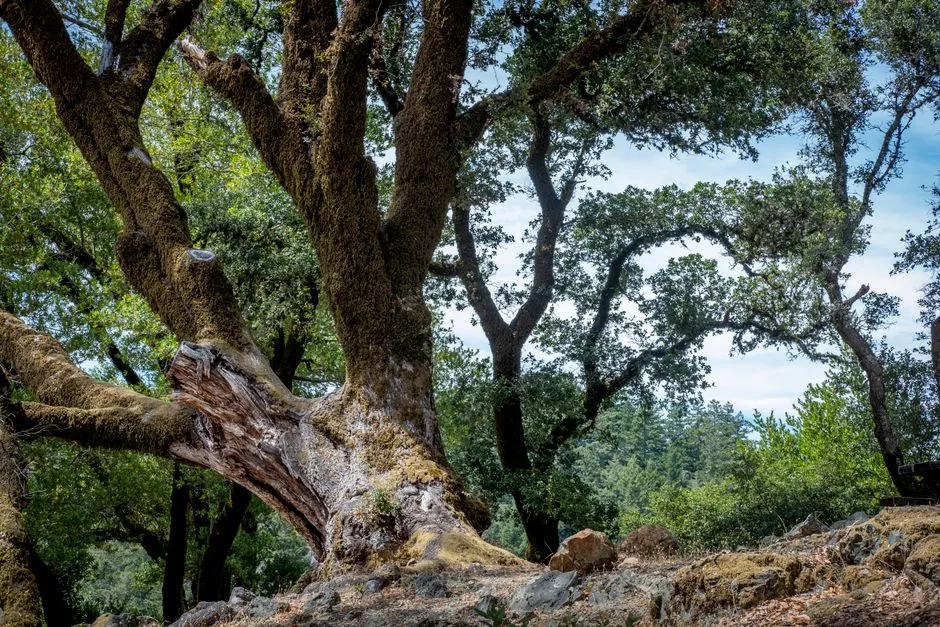
Of every factor on this list, tree age might be the one insiders treat as most non-negotiable – because nothing planted today can substitute for it.
Mature trees have thicker bark that supports far more insect life, larger canopies that provide better cover, and the accumulated cavities and cracks that decades of weather create naturally. A newly planted sapling, even of the exact same species, simply hasn’t had time to develop any of it.
Fast Facts
- Mature oaks can live 200 to 400 years, often outlasting the homes built near them
- Thicker, more fissured bark on older trees shelters far more insect life than smooth young bark
- Natural cavities can take 50-plus years of decay to form – nest boxes can’t replicate that timeline
- Removing one mature shade tree can eliminate more usable bird habitat than planting a dozen young saplings
A single mature oak or maple can host more nesting cavities, more insect biomass, and more usable structure than an entire row of young replacement trees combined. This is why habitat experts consistently push back against removing large old trees for minor convenience reasons like leaf cleanup or shade preference.
Once a mature tree is gone, its ecological value doesn’t just get replanted. It takes decades to rebuild – if it ever fully does.
The Bottom Line
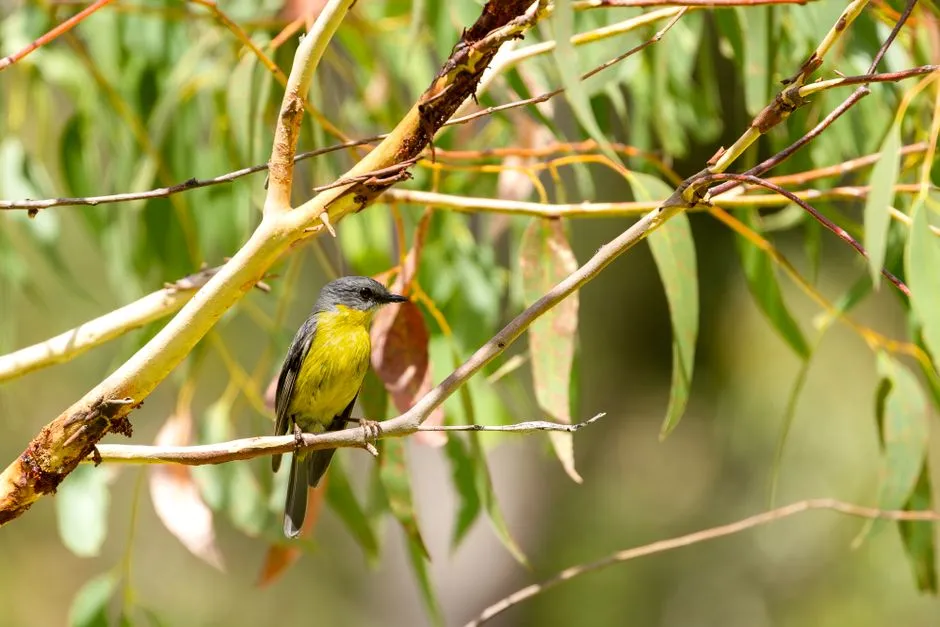
The trees already standing in a yard are doing more to decide which birds show up than any feeder, birdhouse, or bath ever could. Native species, mature age, layered heights, and even pruning timing all quietly control the guest list – while invasive ornamentals like Bradford pear can undo the effort entirely.
The uncomfortable truth is that the most bird-friendly move many homeowners could make isn’t planting something new – it’s finally removing the wrong tree, or simply leaving the dead one standing. Curb appeal and bird appeal don’t always agree, and it’s time more people admitted that.
What’s the oldest or strangest tree in your yard – and have you noticed which birds keep coming back to it? Drop it in the comments.
