

There’s a particular kind of grief that settles in before the loss itself. It’s the quiet moment when you notice something has shifted in your dog’s eyes, a stillness in the house that wasn’t there before, a paw that doesn’t reach for you the same way. Dogs can’t speak their goodbyes, not in words. Yet those who have loved and lost them will often tell you, with absolute certainty, that their dog found a way to say it anyway.
Some veterinarians and animal behaviorists believe that dogs may have a sense of their impending death due to changes in their bodies and behavior. While dogs may not understand the concept of death as humans do, they experience an instinctual awareness of their declining health. What follows are twelve of the most heartbreaking ways a dog communicates that farewell, each one worth understanding so that when the time comes, you can be truly present for them.
#1. Seeking Out Extra Closeness and Clinginess

One of the earliest and most noticeable shifts in behavior can be a change in your dog’s usual social interactions. Some dogs may become excessively clingy, constantly seeking your attention, following you from room to room, and becoming anxious when left alone. It’s as though they feel an internal shift they cannot name, and the only comfort they know is you.
Some dogs seek extra cuddles, while others prefer to be left alone, and both responses are normal. What they really “know” is that they feel very tired, unwell, or in pain, and their instincts tell them to rest and stay safe. If a dog who was previously independent starts shadowing your every step, take it seriously. That closeness is a quiet request, not a coincidence.
#2. Withdrawing Into Solitude

Dying pets may behave differently around people, often becoming more distant or sometimes more clingy. Choosing to hide or isolate themselves may reflect fatigue and a desire for quiet, or an instinct to separate oneself from others when the end is near. For a naturally social dog, this withdrawal is particularly striking.
Some dogs begin to withdraw from their families. Spending hours hiding and sleeping in a quiet corner could be warning signs your dog is dying. Some dogs seem to know when they are about to die and wander off to a secluded location in the house or yard for their final moments. It’s a deeply instinctual response, and while it can feel like rejection, it’s simply their way of processing the quiet that is coming.
#3. Refusing Food and Losing Interest in Water

A common sign that a dog is close to death is when they start refusing to eat or becoming fussy with certain foods. If they feel sick or take medication that causes a loss of their sense of smell or taste, the pet may also lose their appetite. This refusal isn’t stubbornness. The body is genuinely beginning to release its need for sustenance.
Pets may lose interest in food or water as vital organ functions begin to shut down and end-of-life behaviors set in. Your dog or cat may be reluctant to approach their food bowl, but continue to take treats, or they may stop eating altogether. Watching a dog turn away from their favorite meal is one of the most painful early signals. It means something fundamental has changed inside them.
#4. Sleeping Far More Than Usual

Older dogs often sleep more than younger ones, but a significant increase in sleeping or lethargy can be a sign of declining health. Your dog may appear tired even after minimal activity, preferring to rest more frequently. This increased need for rest is a common indicator that your dog is nearing the end of its life.
Extreme lethargy is one of the most common changes in dog behavior before death. Dogs may no longer have the energy for their usual activities, such as playing, going on walks, or greeting family members. The dog who once met you at the door now barely lifts their head. It isn’t apathy. Their body is conserving everything it has left, and rest has become their primary language.
#5. Losing Interest in Beloved Activities

When dogs are nearing their final stage, they may lose interest in activities they once enjoyed. A friend that once tugged at the leash, ready to trot outside, might suddenly ignore the door, choose to rest instead of walk, or even decline a short stroll. This shift may indicate that the body is no longer functioning as it once did.
This is one of the most common signs that the dying process has begun. Lying in one spot, not interested in toys or walks, barely acknowledging family members – in other words, just not acting like themselves. The ball that once sent them into a frenzy now sits untouched. Their joy hasn’t disappeared, it has simply moved inward, into the warmth of your presence rather than the chase.
#6. Changes in Breathing Patterns

Abnormal breathing patterns, or signs of breathing difficulty even while resting, is another common dog behavior before death. An example is open-mouth breathing, or if the dog stops breathing for a moment periodically and then resumes again. These irregular rhythms can be subtle at first, easy to dismiss as a deep sleep.
Irregular, shallow, or labored breathing is a warning sign that a dog or cat may be dying. Particularly in a pet’s final hours, a gasping breath pattern may occur. Because breathing difficulties can be painful and distressing, you should seek timely veterinary care or rapid euthanasia to reduce suffering if you notice this end-of-life behavior in your pet. If your dog’s breathing feels different to you, trust that instinct and consult your vet without delay.
#7. Unusual Vocalizations or Going Silent

Your dog might bark excessively, whine or, in some cases, stop barking altogether. Unusual vocalizations or a change in vocalization to a lower tone may indicate stress or pain. A dog who suddenly grows eerily quiet can be just as alarming as one who cries through the night.
Like people, dogs can experience anxiety when they don’t understand what’s happening around them or within their bodies. This is especially true if your dog is in pain. So if you notice that your dog is whining, pacing, crying or panting, it may be a symptom of anxiety. Either extreme, excessive noise or sudden silence, is the dog attempting to communicate discomfort in the only way available to them.
#8. Glassy, Distant Eyes

Dogs near the end of their life often have a change in their eyes. You may notice that your dog’s eyes seem glassy or dull. A change in the appearance of the eye alone is often simply a sign of an eye problem, but these changes in conjunction with other signs can indicate the end of life.
A dog’s body language can be a window into their emotional state. A once vibrant tail may become still, or engaged eyes might appear distant, both possible signs of an inner knowing that their time is near. There’s something almost indescribable about looking into a dog’s eyes and sensing they’re already somewhere else. It’s one of the most intimate and heartbreaking moments a pet owner can experience.
#9. Confusion and Disorientation

Some pets become mentally disoriented as they decline, which may reflect serious cognitive dysfunction or a health condition affecting the brain. Affected pets may pace, stare, vocalize, develop anxiety, or seem lost in their once-familiar home. Watching a dog become confused in the house they’ve known for years is deeply unsettling.
Disorientation and confusion are also common. You might find your dog staring at walls, getting stuck in corners, or forgetting where their water bowl is as canine cognitive dysfunction sets in, a condition similar to dementia in humans. It’s important not to interpret this confusion as distress alone. With gentle reassurance and a calm environment, you can still offer them something steady to hold onto.
#10. Loss of Bladder and Bowel Control

Dying pets may lose control of their bladder or bowels in the days before passing. Accidents can occur due to weakness, decreased mobility, nervous system problems, or organ failure, even after previously perfect housetraining. For a dog that has spent years being reliably trained, this loss of control can be clearly distressing to them.
Incontinence is often upsetting for our pets because they usually don’t mean to soil the house. So avoid yelling at your pet or punishing them if they have an accident, as this will generally cause even more stress. Compassion matters enormously here. Your reaction tells them whether they are still safe with you, and in those moments, that reassurance is everything.
#11. Significant Weight Loss and Physical Decline
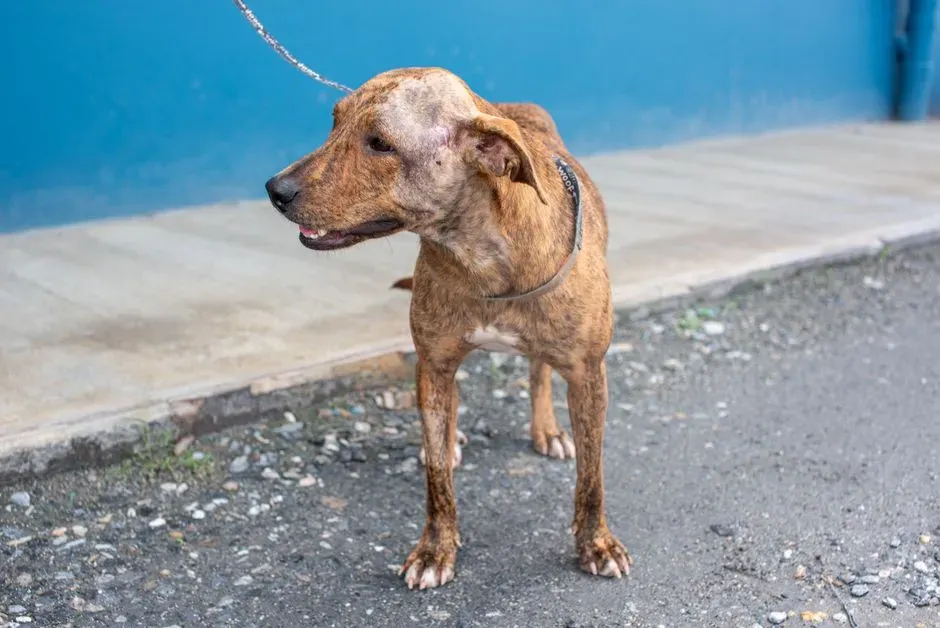
Slow, steady weight loss is common in pets with chronic illness, but sudden or worsening weight loss can be a sign your dog or cat is dying. This phenomenon occurs because of metabolic changes and is particularly common in pets with cancer. The body, in its final stage, begins to let go of what it no longer needs to sustain.
This is the last stage of a dog’s life, where they exhibit more severe symptoms. Signs may include loss of appetite, significant weight loss, and difficulties in breathing. When a dog is at this stage, the time to say goodbye is not far off. Seeing a once-sturdy dog become frail is one of the cruelest aspects of this journey, but understanding what’s happening physically can help you respond with informed, steady love rather than panic.
#12. A Final Surge of Affection or Awareness
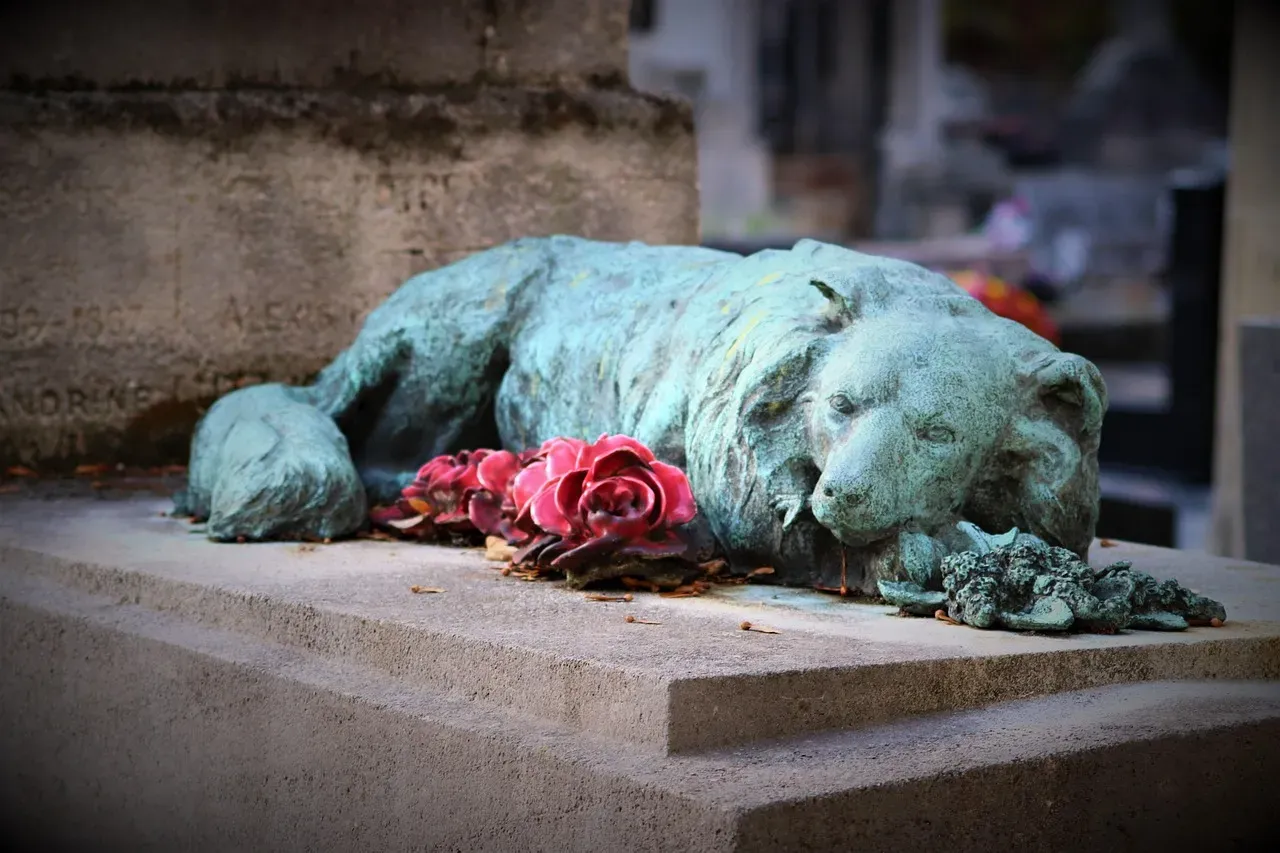
In the final period, dogs often exhibit certain behaviors that suggest they might be preparing to say goodbye. It’s not as explicit as human farewells, yet subtle signs suggest a dog’s awareness of their own mortality. When a dog is close to passing, behavioral, physical, and psychological changes are sometimes subtle but can hold deep meaning.
While dogs can’t speak their goodbyes, some pet owners have observed behavior at the end of life that could be a dog communicating their goodbye, like seeking out extra companionship or solitude. Many owners describe a final moment of eye contact, a tail that moves slowly but deliberately, or a head resting gently against a hand. A dog’s companionship is measured by years of shared moments. They have been loyal through laughter and tears. Their exit from this world does not erase the times they greeted us at the door, made us smile when days were heavy, or curled up close when we felt alone.
Being There Is the Most Important Thing You Can Do
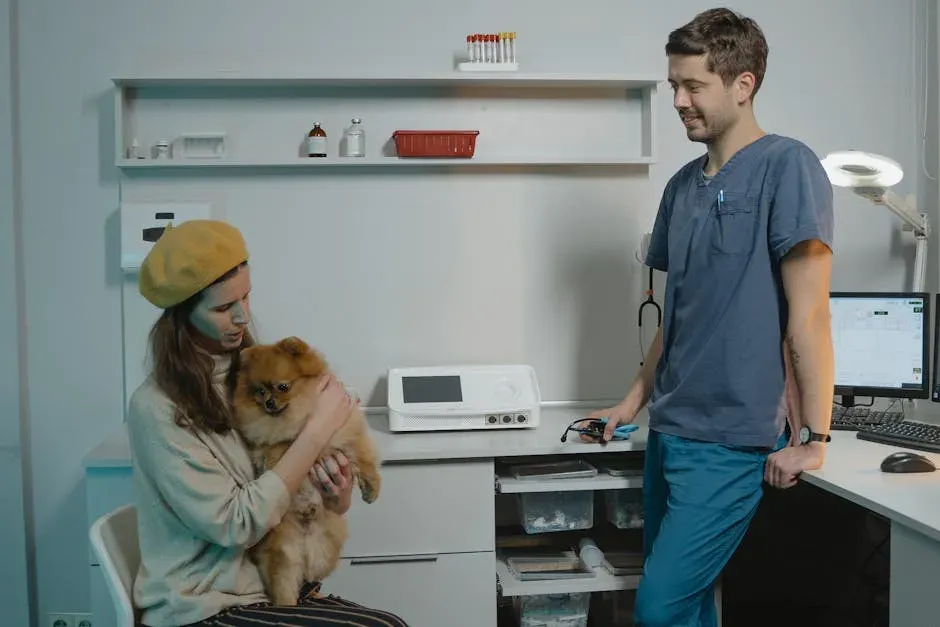
These signs can also be vague indicators of other non-terminal health issues, so it’s important to have your dog examined by their regular vet if you notice a change or decline in their health or daily routine at home. Changes may develop as early as three months prior to death. Not every sign listed here means the end is imminent. A vet visit first is always the right call.
Staying close by, as your presence can be the most comforting thing for your dog in their distress or confusion. Those final moments together are about presence. The most important thing you can offer amid signs your dog is dying is the peace of knowing they are not alone. Grief is not a sign that you loved too much. It’s the evidence of a bond that was real, irreplaceable, and worth every single goodbye.
The final goodbye doesn’t always come with warning. Sometimes it does, carried in small, quiet signals that a paying attention eye will recognize. When it does arrive, the greatest gift you can offer is presence, patience, and the willingness to let love look like letting go.

- 6 Exotic Bird Species You Can Spot in U.S. National Parks - July 19, 2026
- 11 Iconic American Birds Facing New Challenges and How You Can Help - July 19, 2026
- 10 Friendliest Animals in the World - July 19, 2026