

#1. The Beale Ciphers – Bedford County, Virginia
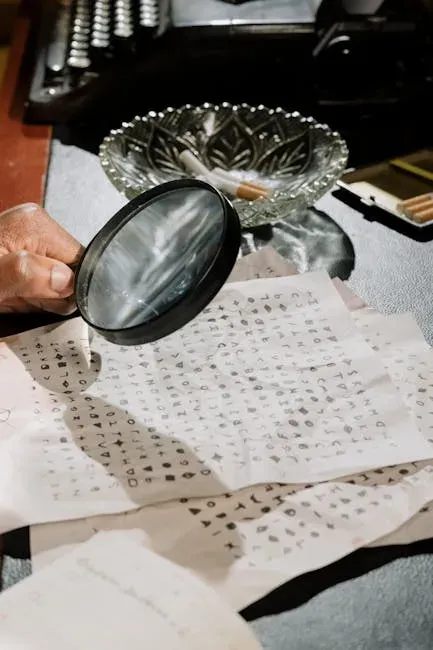
The Beale Ciphers are one of America’s greatest unsolved mysteries. In the early 1800s, a man named Thomas J. Beale reportedly led a group that discovered gold and silver in the Rockies, transported the treasure to Bedford County, Virginia, and buried it in a secret location. To safeguard its whereabouts, Beale created three coded messages. He detailed what the treasure was, where it was located, and the contact information of the people who helped him bury it, placing the letters in an iron box and giving them to a friend with instructions to open them only if he hadn’t returned in ten years.
To date, only one cipher has been cracked – the one describing the contents, estimated at over $60 million in today’s money. The others remain a mystery, despite decades of effort by cryptographers, treasure hunters, and amateur sleuths. Some believe the story is an elaborate hoax; others are convinced the treasure is still hidden beneath Virginia soil, locked away by numbers no one has yet unraveled. The cipher key for the one decoded message? The Declaration of Independence. That detail alone has kept this legend alive for well over a century.
#2. The Lost Dutchman’s Gold Mine – Superstition Mountains, Arizona
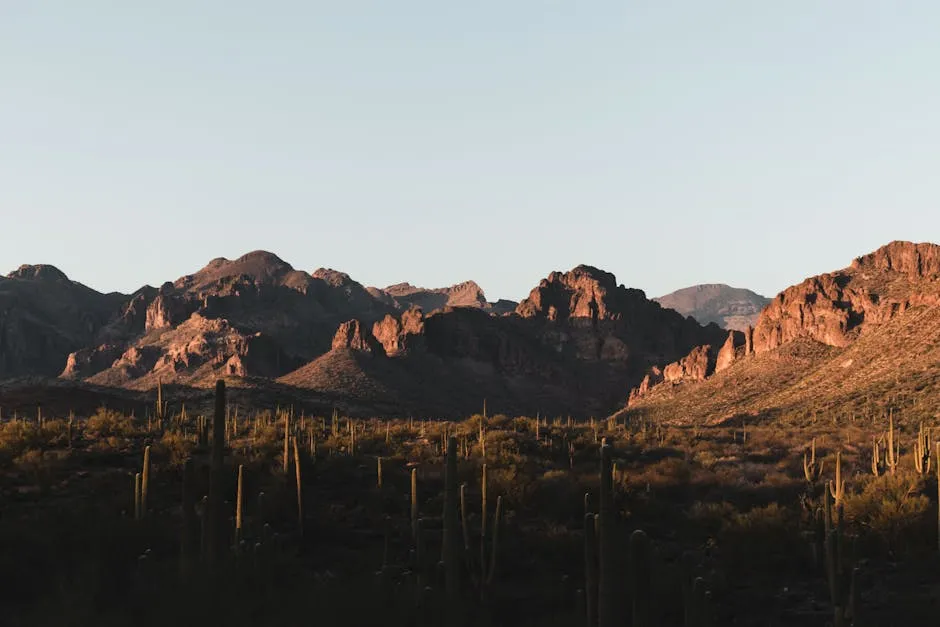
The Lost Dutchman’s Gold Mine is, according to legend, a rich gold mine hidden in the Southwestern United States, with its location generally believed to be in the Superstition Mountains near Apache Junction, east of Phoenix, Arizona. The mine is named after German immigrant Jacob Waltz, who purportedly discovered it in the 19th century and kept its location a secret. Waltz took his secret to the grave in 1891, at around the age of 83 – though lending some credibility to the lore, he had remarkably high-grade gold ore in a candle box under his deathbed.
In more than a century of searching, none have found the fabled Lost Dutchman’s Gold Mine, though more than 30 people have died exploring the 160,000-acre Superstition Wilderness Area in hopes of making it rich. In 1984, the federal government passed a law forbidding prospecting and digging in that area – meaning that even if you were to find the mine, you’d have to figure out a way to remove the gold under the nose of the federal government, which would lay claim to it. The mountain, it seems, has its own way of protecting whatever secrets it holds.
#3. Dutch Schultz’s Buried Fortune – Catskill Mountains, New York
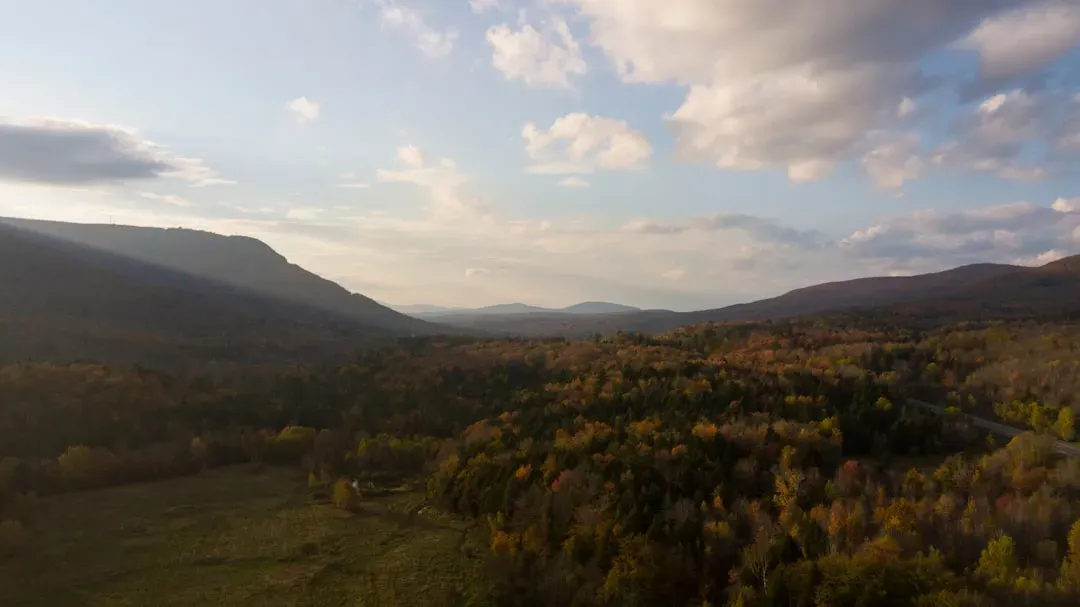
Whether Dutch Schultz feared going to jail or anticipated his own death, he had a special airtight and waterproof safe made, into which he placed an estimated $7 million in cash, bonds, and gold. He and his personal bodyguard, Bernard “Lulu” Rosenkrantz, drove the safe to an undisclosed location near Phoenicia, New York, and buried it. Shortly after he returned from Phoenicia, Schultz was killed in Newark, New Jersey in 1935. He died without ever revealing the location.
In Schultz’s box are believed to be diamonds, gold coins, gold-backed $1,000 bills, and uncashed bonds, in total worth an estimated $50 to $150 million dollars today. Before his death, he gave a series of rambling and cryptic statements, making several references to the buried treasure, including the words: “Lulu, drive me back to Phoenicia… wonder who owns these woods?… he’ll never know what’s buried in ’em.” In recent years, the mystery has been featured in films and documentaries, and even psychics have been utilized to help find the lost loot.
#4. Blackbeard’s Treasure – Atlantic Coast

History’s most famous pirate, real name Edward Teach, is thought to have served as a British privateer during the War of Spanish Succession before embarking on his brief but notorious career in piracy. From 1716 to 1718, Blackbeard and his 40-gun flagship, Queen Anne’s Revenge, prowled the West Indies and the Atlantic coast of North America, preying on ships heading back to Spain laden with gold, silver, and other treasures. The pirate was notably secretive regarding his riches, never disclosing any hints as to where they were buried, and he met his end in 1718 on Ocracoke Island in modern-day North Carolina, taking the location of his treasure to his grave.
Blackbeard’s treasure, which he claimed to have hidden, has been rumored to be in the mudbanks near Sullivan’s Island near Charleston, buried in or near Bath in North Carolina, on Oak Island, off Delaware Bay, on Tangier Island in the Chesapeake, and in numerous other locations along the east coast of the United States and the Caribbean. To many scholars, the idea of buried treasure is ludicrous, despite Blackbeard’s clear intent of increasing his share by reducing his crew and his statement that only “the devil” knew where his loot was hidden. That one boast has sent generations of treasure hunters across a thousand miles of coastline.
#5. The Lost Confederate Gold – Georgia and Beyond

As the Confederate States of America faced defeat in the spring of 1865, rumors swirled that Confederate President Jefferson Davis fled with a large cache of gold, silver, and jewels meant to rebuild the South. With Union troops closing in, his convoy was reportedly ambushed and the treasure vanished. Some say it was buried hastily in Georgia or Alabama to avoid capture; others believe it was stolen by those meant to protect it.
As the Civil War drew to a close in 1865, the Confederate government faced imminent collapse. In a desperate bid to preserve their assets, officials gathered gold, silver, and other valuables from Richmond, Virginia, and transported them southward. The treasure’s trail winds through Georgia, with rumors of caches buried in various locations to prevent capture by Union forces. One popular legend suggests that a significant portion was hidden in or near Lake Michigan, possibly intended to fund a resurgence of the Confederacy. The exact fate and location of these riches remain a tantalizing mystery.
#6. Jean Lafitte’s Gulf Coast Treasure – Texas and Louisiana

Pirate Jean Lafitte is as much a myth as a man. Operating in the Gulf of Mexico during the early 1800s, Lafitte ran a smuggling empire and amassed enormous wealth from looting Spanish ships. Though he worked briefly with the U.S. government during the War of 1812, Lafitte quickly returned to piracy and vanished from history shortly after. Legends say Lafitte buried parts of his fortune in various coastal spots from Texas to Louisiana, and Galveston Island, where he once established a pirate base called Campeche, is often cited as a likely location.
As pressure from U.S. authorities mounted, Lafitte and his men were forced to abandon their strongholds. Before leaving Galveston in 1821, they reportedly buried vast amounts of treasure in undisclosed locations along the Gulf Coast. Over the years, numerous legends have emerged about the possible locations of Lafitte’s hidden wealth. Some tales suggest treasure is buried near the Pirate Beach community in Galveston, at a site once known as Three Trees, while other stories propose that Lafitte’s loot lies along the Sabine River or in the bayous of Louisiana. Estimates suggest that Jean Lafitte’s hidden treasure could be worth over $50 million today.
#7. Mosby’s Raiders’ Buried Loot – Fairfax County, Virginia

There are reports of a cache of Civil War-era valuables worth upwards of $350,000 buried deep in the woods of Fairfax County, Virginia. It all started when Confederate Colonel John Singleton Mosby launched a daring night raid in early March of 1863, in which Mosby and his men captured 42 Union soldiers camping at the Fairfax County Courthouse without firing a single shot. The Confederate army also, according to legend, found a burlap sack containing family heirlooms and treasures taken from the homes of Virginia’s wealthiest planters, including jewelry, candlesticks, coins, and more.
On their way back, Mosby’s Raiders ran into trouble when scouts discovered a huge contingent of Union soldiers ahead. Mosby, unwilling to let the valuables fall back into Union hands, took his most trusted sergeant and buried the treasure in the woods “between two pine trees,” marking them with an X so he could find it again. He had every intention of recovering the goods as soon as it was safe, but things didn’t work out that way. He sent his sergeant with six of his best men to retrieve the loot, but before Mosby’s men could reach it, they were captured by Union soldiers and hanged. Mosby was the only person left alive who knew where the treasure was buried.
#8. The Dents Run Civil War Gold – Elk County, Pennsylvania
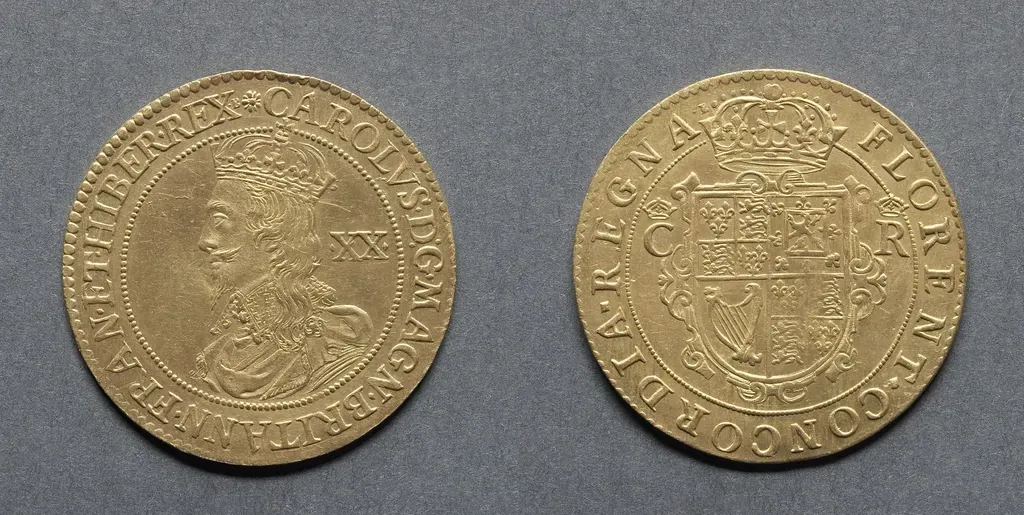
This treasure’s origins date back to the American Civil War. In 1863, a special Union detachment was transporting more than a thousand pounds of gold to the United States Mint. The gold never made it to Philadelphia. Somewhere near Dents Run, the detachment was ambushed, and the bars of gold were subsequently lost and buried nearby. Rumors of the lost loot have circulated for decades, even drawing the eye of the modern United States government. In 2018, the FBI spent several days digging for the lost treasure in Elk County but came up empty-handed – or so they say.
According to reporting from the New York Times, there were 52 bars originally thought to be 26, “with each 14-carat bar weighing 50 pounds, making the trove potentially worth millions of dollars.” The fact that the FBI got involved at all has only added fuel to speculation that something genuinely significant might be there. Throughout the Civil War, paymasters transporting gold to troops were frequent targets, and some shipments disappeared entirely. Whether buried, stolen, or lost in battle, these funds were never accounted for, representing one of the most widespread treasure losses in American history.
#9. Jesse James’s Hidden Loot – Oklahoma and the Ozarks
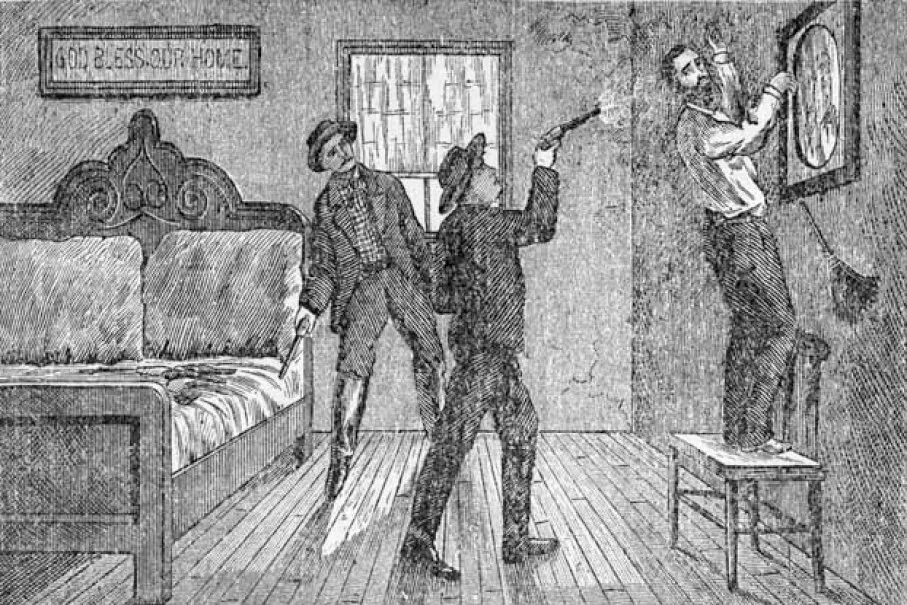
Somewhere in Oklahoma, most likely somewhere in the vicinity of Robbers Cave in the Wichita Mountains, there is said to be over $1 million worth of hidden treasure, left behind by Jesse James and his band of outlaws back in the 19th century. Jesse James is one of the most famous outlaws in history, but he apparently left behind more than tall tales. The hunt for his lost treasure, believed to be worth millions in the form of gold, has been going on for decades. His brother Frank searched the rocky formation of Buzzard’s Roost and rode around the Keechi Hills, following mysterious carved clues left behind by Jesse, and thousands of treasure seekers from all over the world have followed in Frank’s footsteps.
Jesse James, legendary outlaw and folk hero, is believed to have buried his heists across the Ozarks and beyond, with rumors of stashes in Missouri, Oklahoma, and Minnesota igniting imaginations. Despite exhaustive searches, the loot, potentially worth millions, stays elusive. After robbing a stagecoach or train, many outlaws hid their treasures and, when pursued by a posse, often buried the loot only to be captured before they could retrieve it. For Jesse James, the method was deliberate – and so far, brilliantly effective.
#10. Victorio Peak Gold – New Mexico
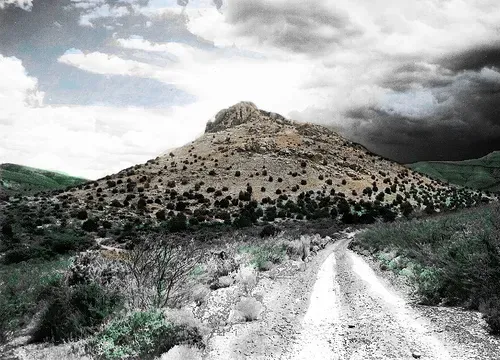
Possibly the most controversial treasure legend in the U.S., the Victorio Peak story begins in 1937 when a man named Doc Noss claimed to discover a cache of gold bars inside a shaft on Victorio Peak, located within New Mexico’s White Sands Missile Range. He reported finding an underground chamber packed with treasure, Spanish armor, and documents. But when he attempted to retrieve the bars, the entrance supposedly collapsed. Doc was later shot and killed under suspicious circumstances before he could prove the treasure existed.
For decades, his widow and others fought the U.S. government for access to the site. Rumors swirled that military officials secretly removed the gold, though no official record confirms it. Despite multiple excavations and legal battles, nothing definitive has ever been unearthed. Still, believers insist that somewhere under the desert, the gold remains buried, along with a long-running conspiracy to keep it hidden. The fact that the land sits inside an active military range makes independent investigation nearly impossible, which, depending on who you ask, is either a coincidence or the point entirely.
#11. John Dillinger’s Suitcase – Manitowish Waters, Wisconsin

One of America’s most famous gangsters, John Dillinger, spent the spring of 1934 hiding at the Little Bohemia Lodge near Manitowish Waters, Wisconsin. After a phone call tipped them off to the gang’s location, FBI agents raided the lodge but ended up in a shootout with Dillinger and his men. In the confusion, Dillinger apparently escaped out the back door with a suitcase containing $200,000 in small bills. The legend says that he buried the suitcase in the backyard of the Lodge.
In April 1934, one of America’s most infamous gangsters managed to escape from the Little Bohemia Lodge in Mercer, Wisconsin before he could be captured by the FBI. According to the legend, Dillinger escaped through the back door with a suitcase full of $200,000 in unmarked bills and ran north a few yards and buried the suitcase where it remains to this day. The Lodge still operates as a restaurant and museum. Visitors come for the history, the food, and perhaps the quiet hope that somewhere just beyond the treeline, an old suitcase is still waiting in the dark.
#12. The 1715 Spanish Treasure Fleet – Florida’s Treasure Coast
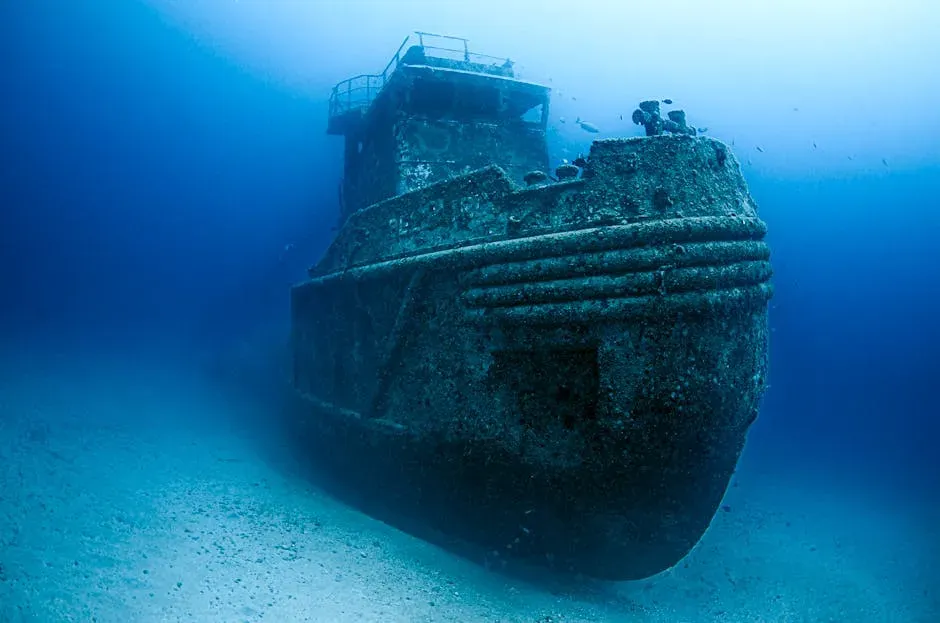
The story of this calamity goes all the way back to the early 18th century, a time of sea fare, piracy, and Spain’s dominance in the New World. Fleets loaded with treasure often traversed the seas between Spain and America, and in July 1715, twelve such ships sailed from Havana, Cuba, to Spain, carrying silver, gold, and gemstones valued at about 14 million pesos. Their voyage took them into the heart of a fierce hurricane, where immense waves pulled eleven ships to the depths of the ocean.
This region is now known as the Treasure Coast, named after the precious relics from those eleven sunken ships that continue to wash ashore. To date, $175 million of the treasure has been found, including one of the largest discoveries when divers found 350 gold coins worth $4.5 million in the Atlantic waters. Historians believe additional cargo drifted and remains undiscovered along Florida’s coast. Storms scattered gold and silver across a wide area, and modern salvage operations still occasionally recover coins, suggesting that large portions remain hidden beneath the ocean floor. Here, you don’t even need a map. The sea gives things back on its own schedule.
A Final Thought Worth Sitting With
What makes these twelve stories remarkable isn’t necessarily the gold. It’s the layers of real history underneath each one – Civil War logistics, Prohibition-era crime, colonial trade routes, pirate lore. Every single legend on this list is attached to something that actually happened, to people who actually lived and died.
Honestly, the most interesting thing about America’s hidden treasures isn’t that they might still be out there. It’s that so many of them involve someone dying before they could go back for what they buried. The outlaw, the gangster, the pirate, the soldier. They all planned to return. None of them did.
That’s the real story here. Not lost gold, but lost time. The treasure is almost secondary – it’s the human drama wrapped around it that’s kept people digging, decoding, and dreaming for centuries. Whether or not anyone ever finds a single coin, these legends say something true about greed, hope, and the stubborn belief that the right map, the right clue, or the right moment might still be just around the corner.

- 8 Fascinating Facts About the Andean Condor – The Giant Bird of South America - July 19, 2026
- 12 Common Mistakes Pet Owners Make That Can Harm Their Beloved Animals - July 19, 2026
- Why Mangroves Are Vital to Florida’s Coast - July 19, 2026