
You don’t need a spaceship to feel like you’ve left Earth behind. Honestly, sometimes all it takes is a road trip across the American Southwest, a hike through an Idaho lava field, or a sunrise at a Colorado dune field to completely shatter your sense of reality. The United States holds some of the most jaw-dropping, mind-bending terrain on the planet – terrain so alien, so spectacularly strange, that it leaves even seasoned travelers questioning what world they’re standing on.
From bubbling thermal springs that look like psychedelic alien artwork to ancient salt flats that seem to stretch toward infinity, these 12 landscapes are proof that the most extraordinary journeys don’t require a passport to another galaxy. Let’s dive in.
1. White Sands National Park, New Mexico – The Blank, Blinding Desert That Defies Reality
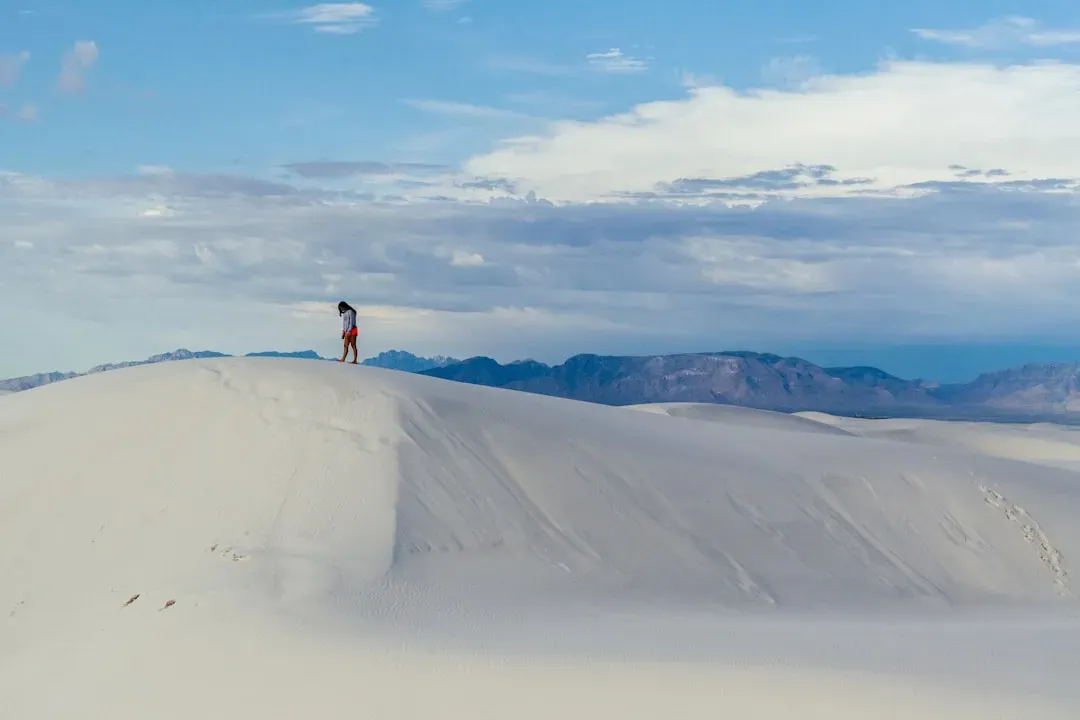
Here’s the thing about White Sands: photographs simply do not prepare you for it. Nothing does. The rolling dunes of White Sands National Park shimmer like waves of snow, but they are made entirely of gypsum crystals, with this brilliant white expanse stretching across 275 square miles and creating a stark, alien environment that seems to glow under the desert sun.
It is, in every sense, a sensory overload. The blinding whiteness presses in from every direction. Hikers and photographers are drawn here for its surreal beauty, especially during sunrise and sunset when the dunes shift from cool blues to fiery oranges.
Think of it like standing inside a freshly erased canvas – every footprint feels like a transgression against something pristine and ancient. There is life here, in many forms, despite what looks like a blank and empty canvas, with tough desert flora and equally hardy fauna making it their home. Underrated doesn’t even begin to cover it.
2. Grand Prismatic Spring, Yellowstone National Park, Wyoming – Earth’s Psychedelic Eye
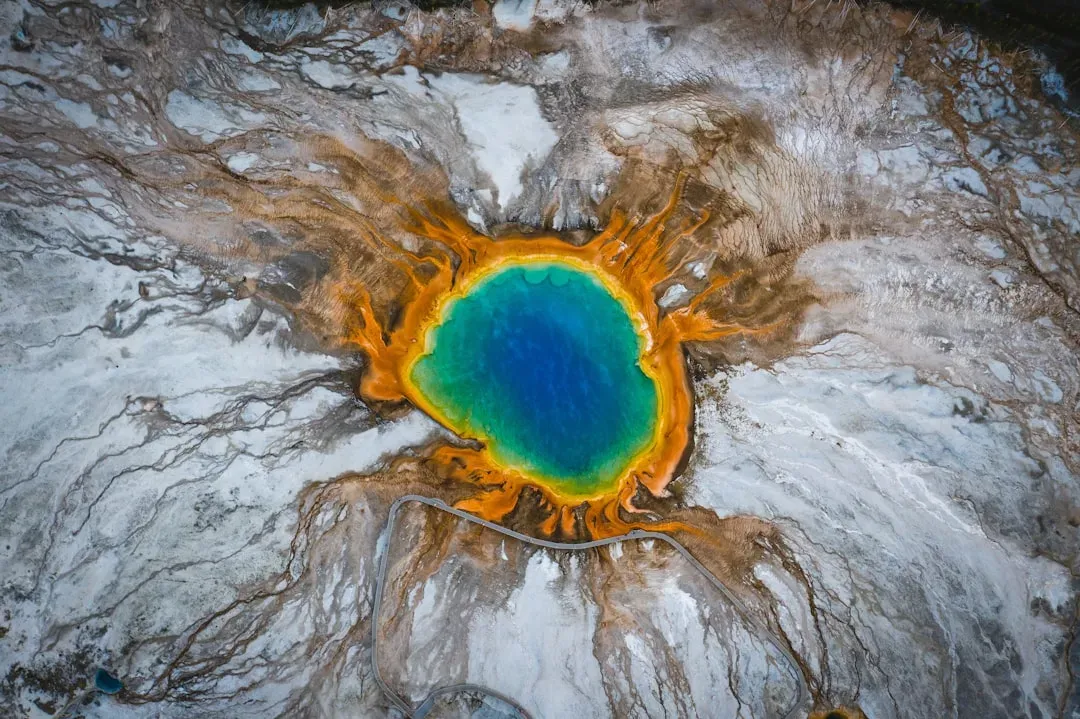
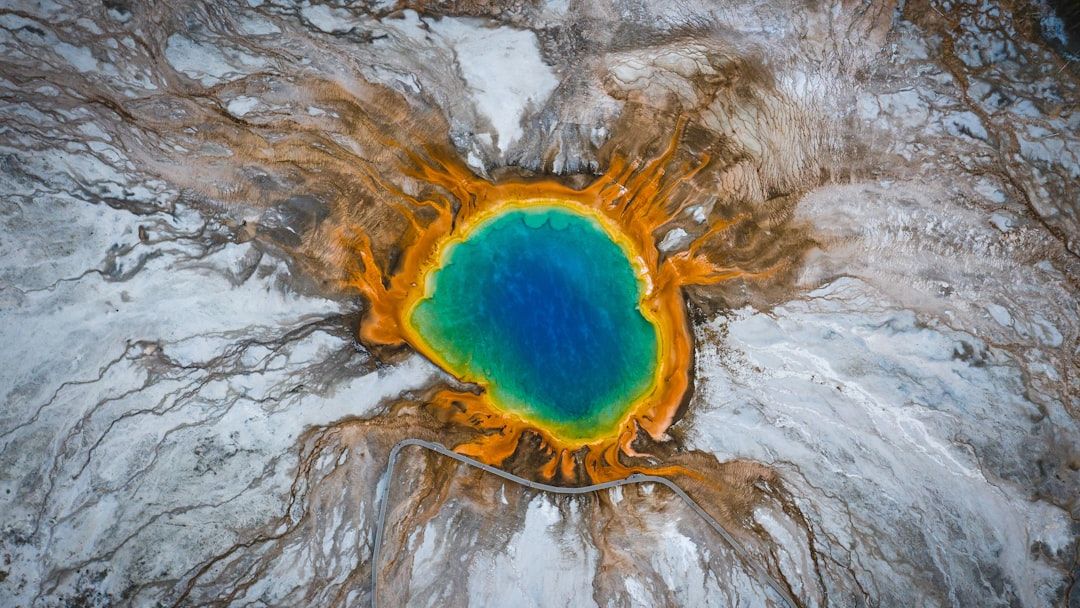
If you’ve ever seen an aerial image of Grand Prismatic Spring and thought it looked digitally enhanced, I completely understand. It looks fake. It’s not. Grand Prismatic Spring is the largest hot spring in the United States and one of the most colorful natural wonders, known for its vivid rainbow hues created by different types of bacteria that thrive in the hot water.
Yellowstone’s largest hot spring measures 200 to 330 feet in diameter and over 121 feet in depth, according to the National Park Service. That’s roughly the size of a football field, filled with boiling, impossibly vivid water. Standing next to it feels like peering into the eye of another planet.
More vibrant than a spaceship control panel, the Grand Prismatic Spring emanates color like Earth’s psychedelic masterpiece, packing a punch of reds, yellows, greens, and blues that is visible even from space. The steam rising off the surface only adds to the drama, giving it a mystical, almost theatrical quality you won’t soon forget.
3. Bryce Canyon National Park, Utah – A Forest of Stone Spires From Another World
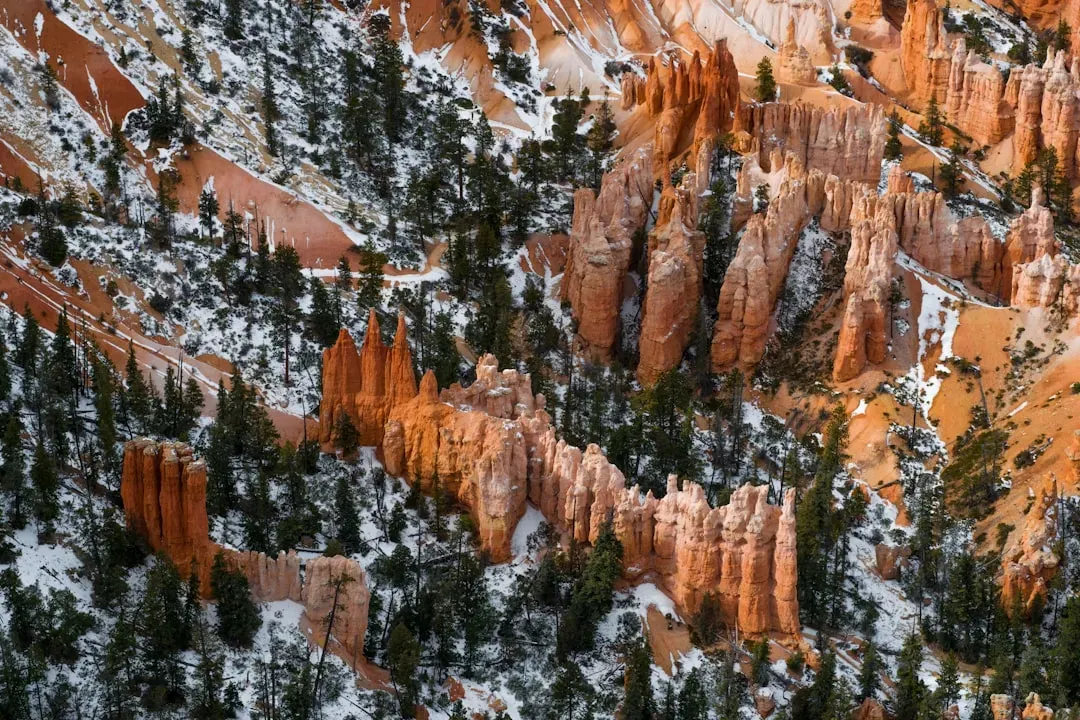
Bryce Canyon in Utah has the largest concentration of hoodoos found anywhere on Earth, and these spiraled, towering rock formations created from weathering seem to come from another planet entirely. Walking through the amphitheater feels like wandering into a city built by a civilization that no longer exists.
No two hoodoos are exactly the same, thanks to how the rocks are deposited on each other and continual erosion from water and climate. It’s this wild variability that makes Bryce so visually compelling. You keep looking, and it keeps changing.
The most famous viewpoint, Sunrise Point, offers breathtaking views of these stone spires, especially during golden hour when they seem to glow like alien beacons, and the park experiences over 200 freeze-thaw cycles annually, meaning the landscape is constantly evolving. A living, breathing, slowly transforming alien world – right in southern Utah.
4. Craters of the Moon National Monument, Idaho – Where NASA Astronauts Trained for the Lunar Surface
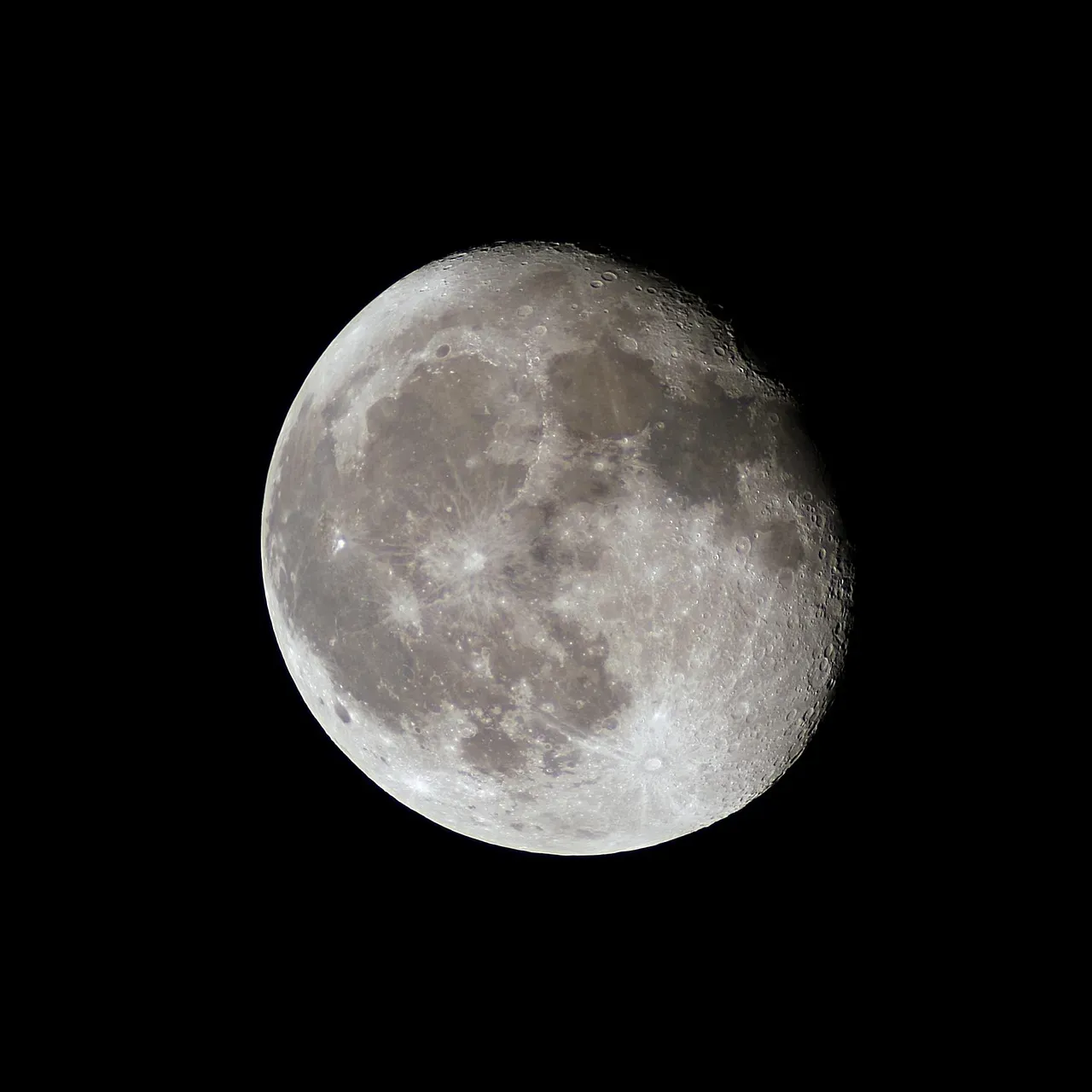
Let’s be real: the name alone should tell you everything. Spanning 750,000 acres, Craters of the Moon offers the closest thing to a lunar experience without leaving Earth, created by eruptions along the Great Rift, a 62-mile-long crack in the Earth’s crust, with the most recent eruptions occurring about 2,000 years ago – creating a landscape of hardened lava flows, cinder cones, and lava tubes that mirrors the Moon’s surface so closely that NASA astronauts trained here for lunar missions.
That detail still blows my mind. The same terrain American astronauts used to prepare for moonwalks is something you can visit on a Tuesday afternoon. Rivers of lava once flowed freely throughout this vast, stark landscape, and today you can walk several paths through the remnants of these volcanoes, with lava rocks surrounding them in all shades of blacks, grays, and browns, and paths through time leading into dark caves of left-behind lava tubes.
5. Mono Lake, California – Ancient, Eerie, and Utterly Haunting
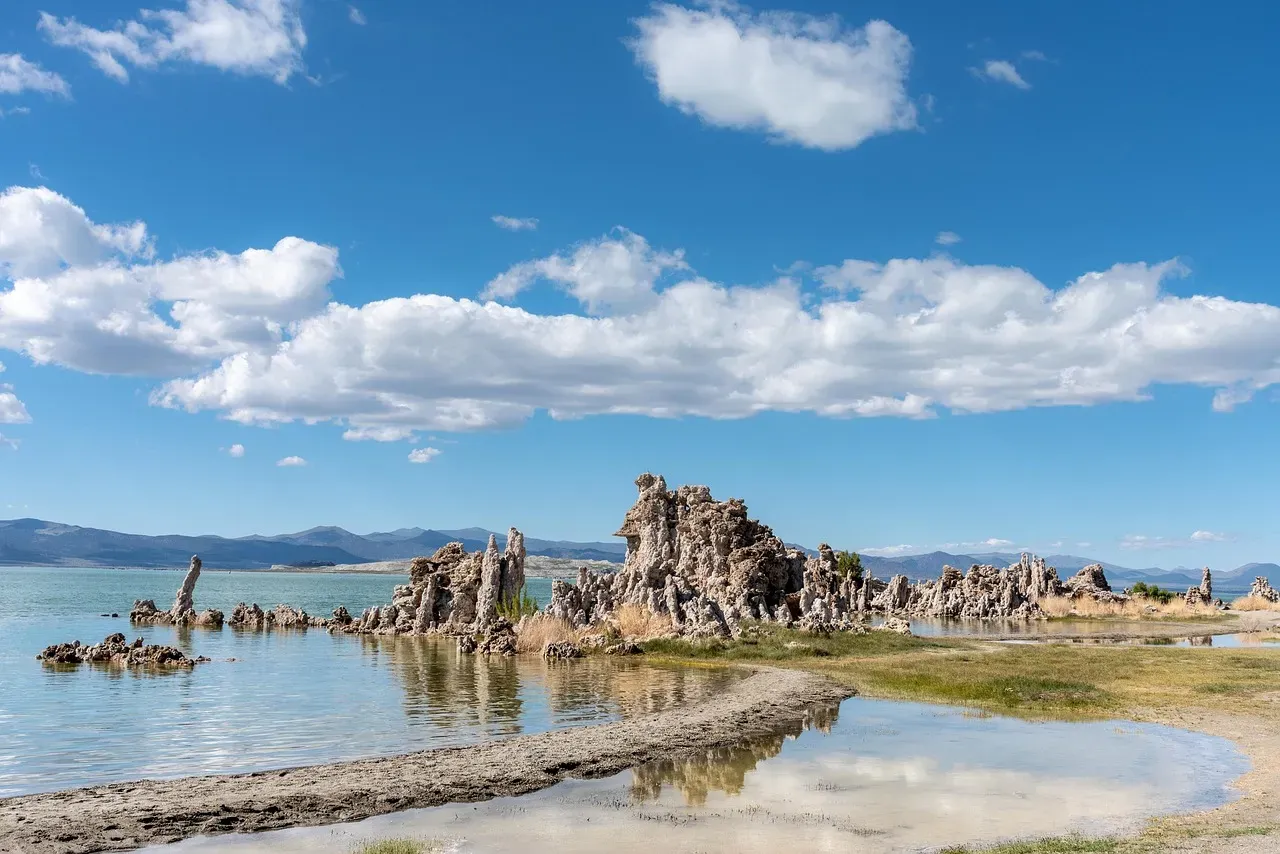
Mono Lake, one of North America’s oldest lakes at over one million years old, presents a landscape that seems lifted from an alien world, with its most striking features being its limestone tufa towers – bizarre, knobby spires that rise from the water like ancient alien structures, formed when calcium-rich freshwater springs mixed with the lake’s carbonate-rich waters.
At dawn, when the water is perfectly still and the tufa towers reflect in the glassy surface, the scene is almost indescribably strange. The lake’s extreme salinity, 2.5 times saltier than the ocean, and alkaline conditions support unique ecosystems, including trillions of brine shrimp and alkali flies, and its alien-like qualities have made it a popular filming location for science fiction movies.
It’s one of those places where silence feels earned. You stand there, listening to nothing, looking at formations that took thousands of years to grow, and you genuinely feel small. Pleasantly, profoundly small.
6. The Wave, Arizona-Utah Border – A Sandstone Dream in Slow Motion
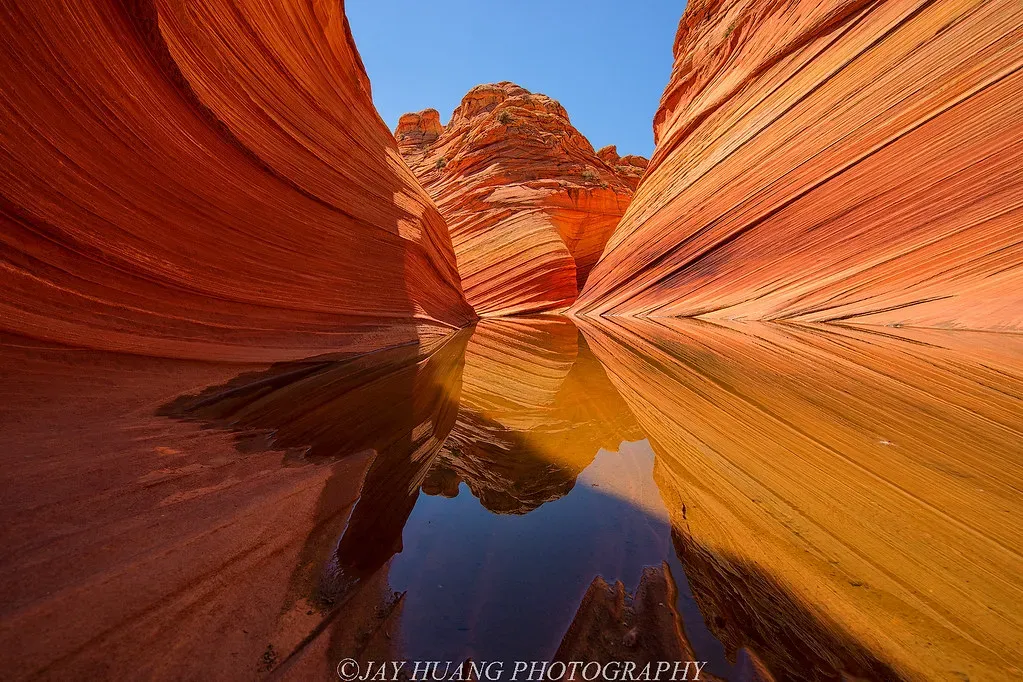
Located in the Vermilion Cliffs National Monument, The Wave is a sandstone formation that looks like the surface of another planet, with rock swirling in smooth, layered curves of orange, red, cream, and pink – colors and patterns created over 190 million years by wind, water, and shifting dunes slowly turning to stone – and photographs of it look almost digitally enhanced, but the real thing is even more saturated and surreal.
Hidden within the Coyote Buttes North area of the Paria Canyon-Vermilion Cliffs Wilderness, The Wave’s distinctive appearance results from cross-bedded sandstone layers deposited during the Jurassic period when the area was covered by a vast sand dune desert, with wind and water erosion exposing these layers and revealing the intricate patterns that make The Wave so mesmerising.
Access is intentionally limited by permit lottery, and honestly, that scarcity makes it more precious. The texture under your fingertips – smooth in some places, rippled in others – adds a tactile dimension that flat images erase entirely, along with the profound quiet of being in such a remote, restricted location, surrounded by rock that has been forming since dinosaurs roamed the earth.
7. Badlands National Park, South Dakota – The Original Alien Frontier
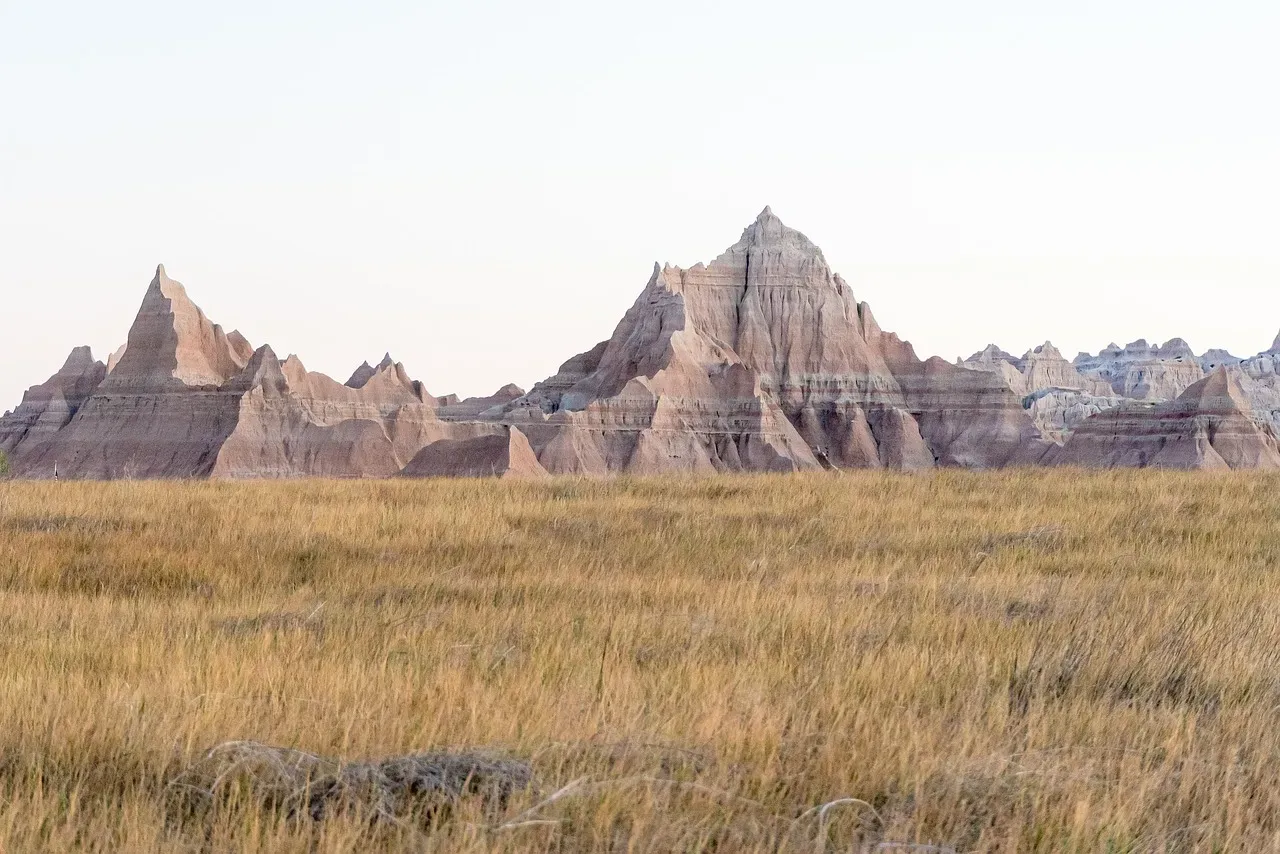
The Badlands National Park in South Dakota is a unique destination that features a rugged, alien landscape characterized by eroded buttes, pinnacles, and canyons. Nothing about this place looks like it belongs in the American Midwest. It looks like something from a distant, desiccated world, perhaps the surface of Mars after a long, violent storm.
The scale is disorienting in the best possible way. Colors shift from burnt ochre to purple to pale grey depending on the hour. Canyonlands and similar formations like Badlands offer sweeping views of endless desert stretching to the horizon, with dramatic rock formations and isolated landscapes providing an almost cosmic sense of scale.
I think part of what makes the Badlands so emotionally powerful is the silence. There are no trees, no real shade, no softness. Just raw, stripped geological time laid bare for your inspection. Standing there is humbling in a way few places are.
8. Great Sand Dunes National Park, Colorado – Towering Dunes Against Snowy Peaks
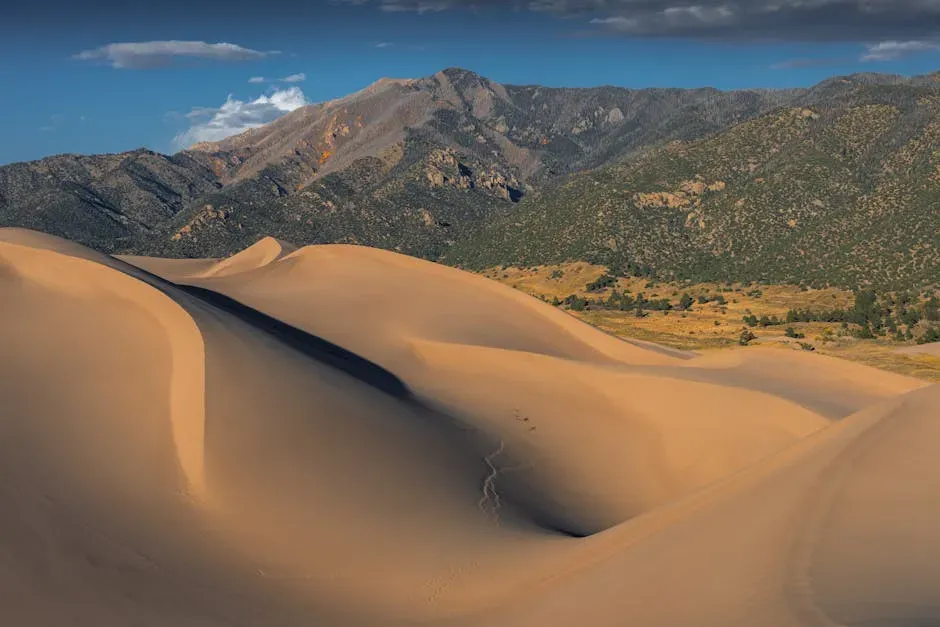
This one catches people completely off guard. Most visitors driving through southern Colorado don’t expect to suddenly encounter the tallest dunes in North America flanked by snow-capped mountains. Towering up to 750 feet, the dunes in this Colorado park are the tallest in North America, with their smooth, windswept curves creating a desert within a mountainous landscape – a strange and beautiful contrast – and hiking across the dunes feels like trekking through another planet, especially under the vast blue sky.
The juxtaposition is almost comically dramatic. Desert sand piled high against alpine wilderness. It’s the kind of scene that makes you wonder if someone moved the scenery while you weren’t looking. The tower dunes of Great Sand Dunes National Park in Colorado are nestled against the backdrop of the Sangre de Cristo Mountains, and the place really makes you feel like you’ve stumbled onto a Martian desert.
Visit at dusk and the entire dune field turns gold, then copper, then deep rose. It’s a slow-motion spectacle worthy of a science fiction epic.
9. Bisti Badlands, New Mexico – The Most Forgotten Alien Landscape in America
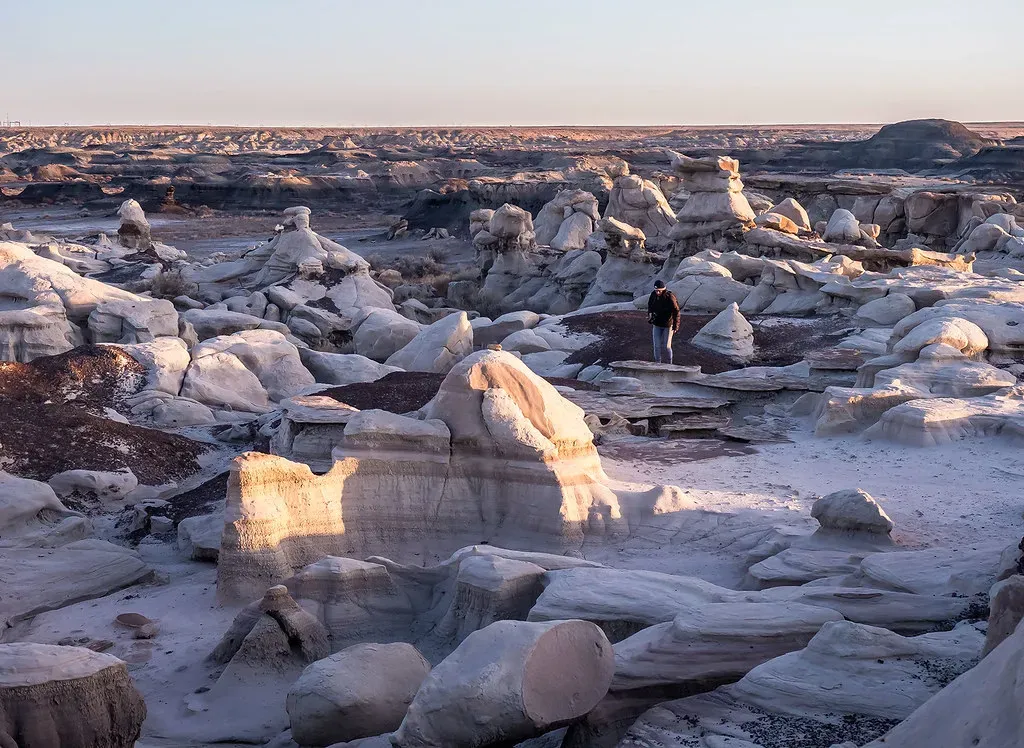
Most people have never heard of Bisti Badlands. That’s a genuine shame, because this remote corner of New Mexico may be the single most otherworldly place in the entire country. At first glance, the windblown sandstone landscape of the Bisti/De-Na-Zin Wilderness looks like the most desolate place on Earth – an inhospitable expanse of sky, sand, and oddly shaped rock formations called hoodoos – covering 45,000 acres of badlands just south of Farmington, New Mexico, featuring a vast landscape containing some of the most unique rock formations on this planet.
The area is known for its fossils and dinosaur bones from the Late Cretaceous period, and it’s also home to incredible geological features like the “Cracked Eggs,” which are large spheres that have been split open to reveal their colorful insides. I know it sounds crazy, but those formations genuinely look like something a Hollywood set designer dreamed up.
From the Alien Egg Hatchery and Hoodoo City to Manta Ray Wing and King of Wings, the unique nature of these formations is truly otherworldly, with spires and hoodoos shaped by wind and erosion ranging from a few feet tall to two stories high. There are no trails here. You simply wander into the maze and try not to lose yourself.
10. Antelope Canyon, Arizona – The Cathedral Built by Water and Time
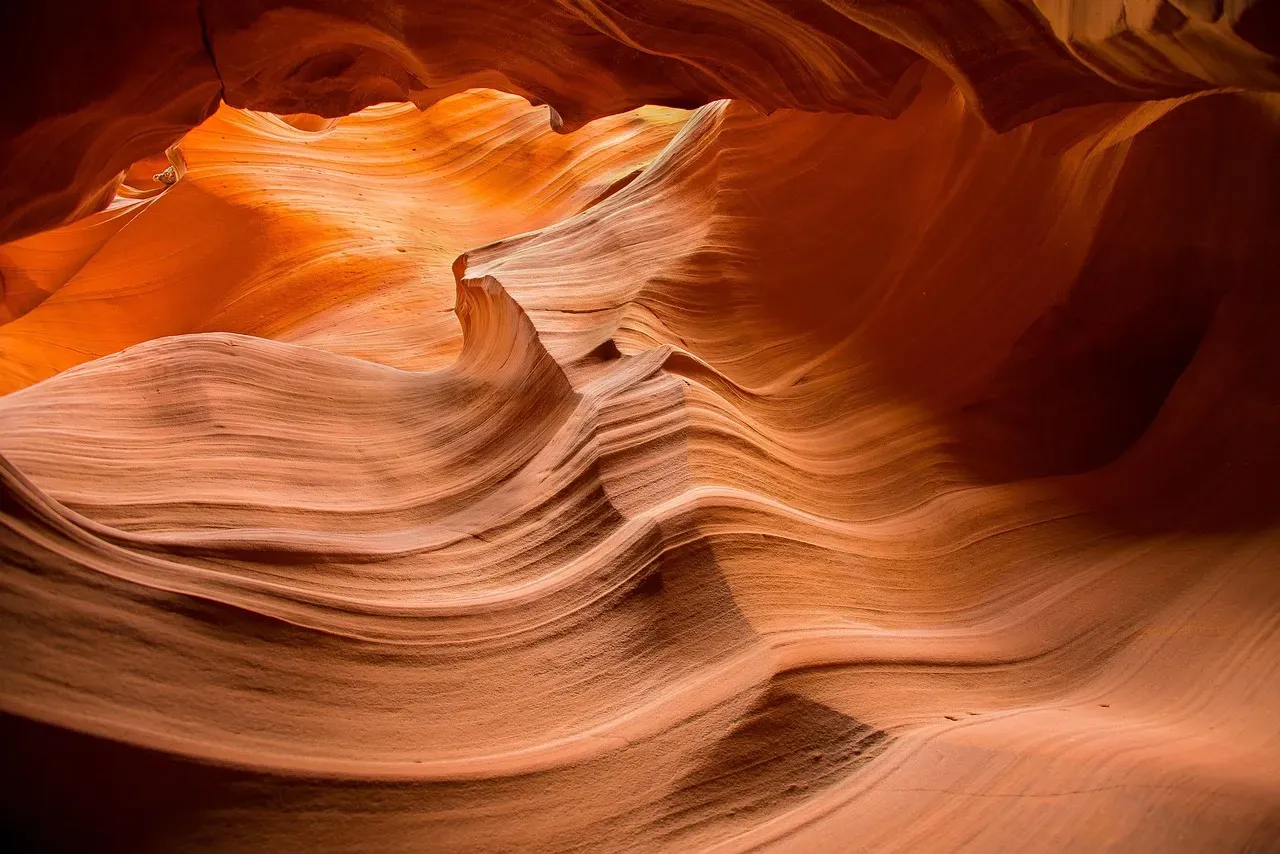
Antelope Canyon is one of the most photographed slot canyons in the world, with narrow passageways illuminated by beams of light from above, and walls that twist and curve in fluid shapes, glowing in shades of orange, purple, and gold – walking through feels like entering an alien cathedral, sculpted not by human hands but by centuries of rushing water.
Antelope Canyon is a slot canyon in the Navajo Nation just east of Page, Arizona, where the Navajo names translate to “the place where water runs through rocks” and “spiral rock arches,” with water and sand producing the erosion that formed the canyons over time, creating the flowing shapes that characterize this otherworldly site today.
The light beams that pour through the narrow ceiling openings at midday are something you genuinely cannot describe to someone who hasn’t seen them. They look less like sunlight and more like something supernatural has decided to visit. It’s breathtaking in the most literal sense of that word.
11. Painted Hills, Oregon – Layers of Color Written in Deep Time
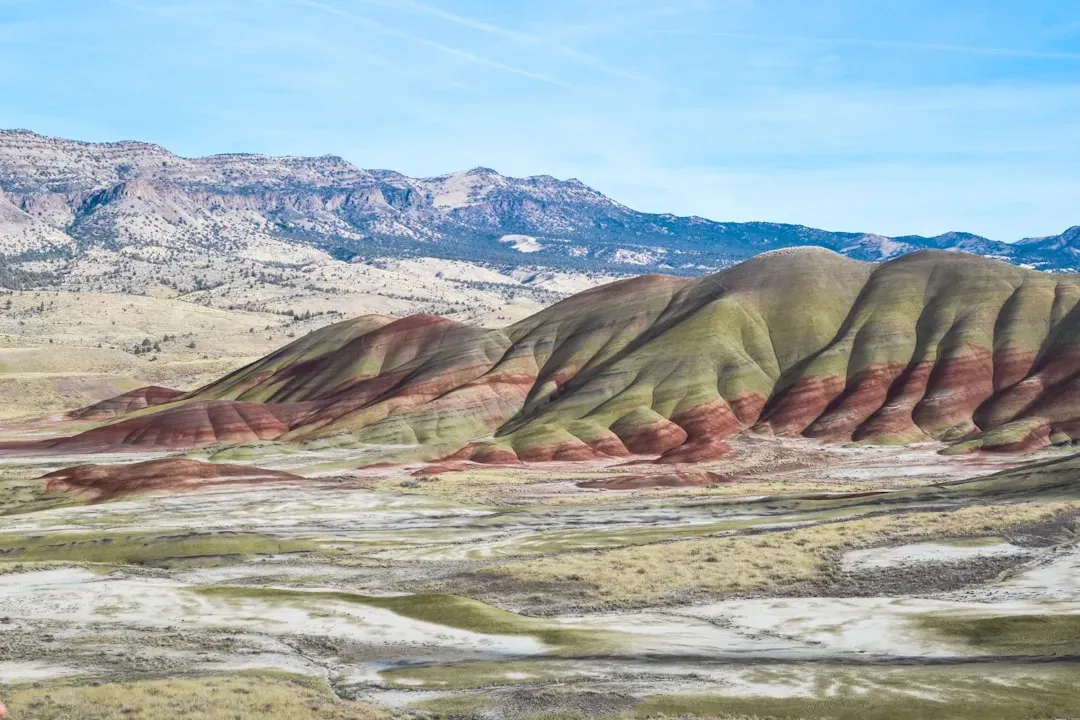
Oregon doesn’t get nearly enough credit for its alien landscapes. The Painted Hills, tucked into the John Day Fossil Beds region of central Oregon, are among the most quietly spectacular places in America. Part of the John Day Fossil Beds National Monument, the Painted Hills in Oregon are layered with bright hues of red, gold, black, and orange.
Each colored band represents a different era of geological time, a different climate, a different world entirely. The vibrant hues come from minerals and sediment deposits laid down over millions of years, and driving through or hiking within feels like traveling across a distant planet where the ground itself seems alive with shifting tones.
What makes the Painted Hills so stirring is their quiet quality. There’s no roaring river, no dramatic cliff edge. Just soft, rolling, impossibly colorful hills under a wide Oregon sky. It’s the kind of beauty that sneaks up on you and then lingers for days.
12. Goblin Valley State Park, Utah – The Valley That Walks the Line Between Dream and Nightmare
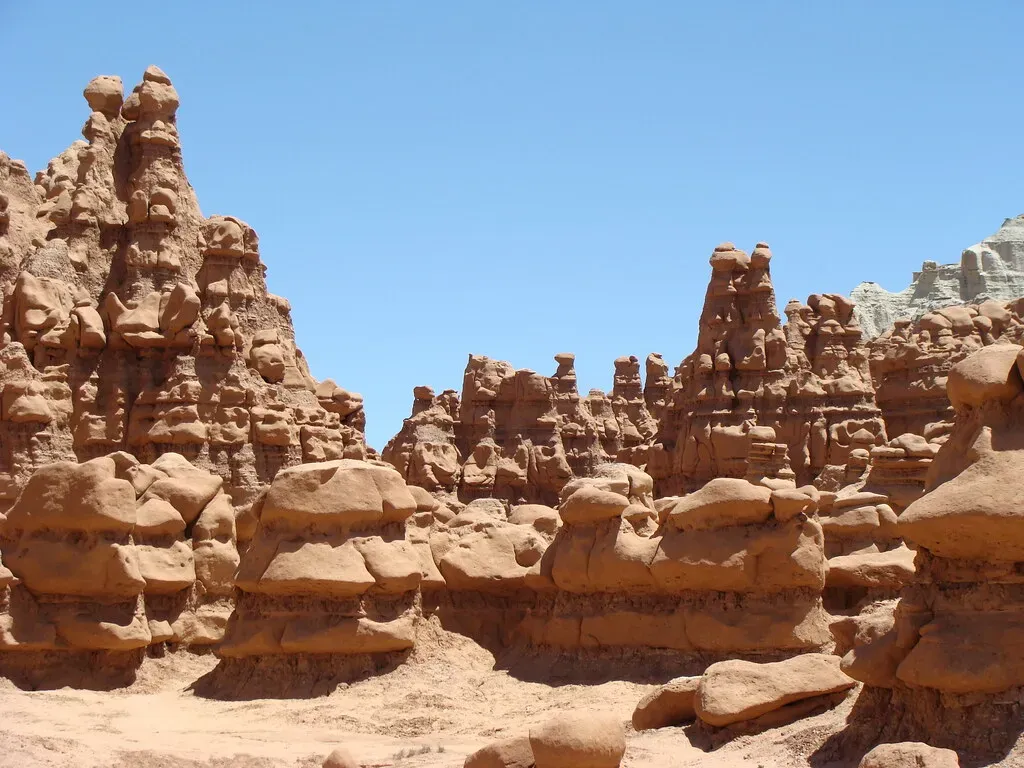
Save arguably the most bizarre for last. Goblin Valley in southern Utah is a place that photographers have to shoot carefully, because no composition looks believable. Goblin Valley in southern Utah is home to some of the most bizarre rock formations on Earth, with thousands of mushroom-shaped sandstone rocks, known as “goblins,” filling the valley and creating a surreal and alien-like landscape.
Named after the goblin-like rock formations that make up this unique landscape, Goblin Valley State Park may be the closest thing to feeling like you’re walking on Mars. It’s one of those places where the scale keeps tricking your brain. Are those formations two feet tall or twenty? You can never quite tell from a distance.
The valley’s remote location and unique geology have made it a popular filming location for science fiction movies, further cementing its alien reputation. Wander through at golden hour, with the goblins casting long shadows in every direction, and you’ll understand immediately why filmmakers keep coming back. It’s already a set. Nature just built it first.
The Final Takeaway: Earth Is Wilder Than You Think
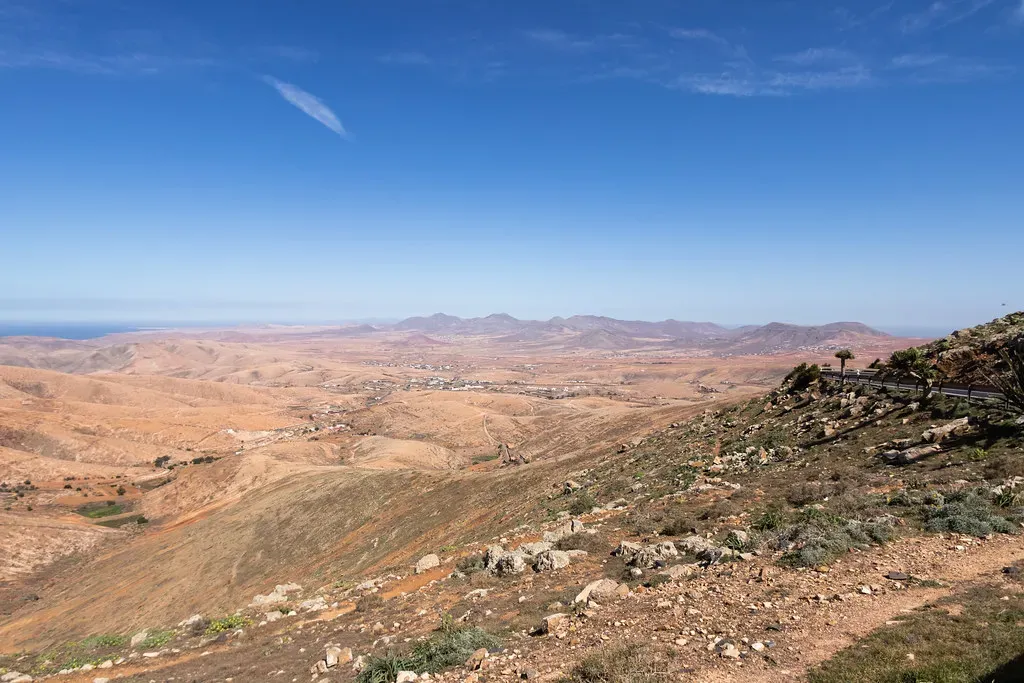
Here’s what strikes me most after reflecting on all twelve of these places: the United States alone contains enough alien-looking terrain to fill a lifetime of exploration. The deserts of the United States hold some of the most unusual and breathtaking scenery in the world, with landscapes that often feel more like they belong on Mars than on Earth.
We spend so much time looking upward toward distant planets and galaxies, dreaming of what might exist out there, when geological wonders of staggering strangeness are sitting right here, accessible by road, waiting patiently. When we open our eyes to otherworldly places, often right in our backyards, we come across beauty that seems surreal – snow-capped peaks, red desert vistas, star-riddled skies, vast expanses of white sand, underworlds of ice caves, creviced shorelines, and more making for out-of-this-world sights right in this country.
So the real question is this: how many of these twelve have you actually stood inside, not just scrolled past on a screen? Because there is a genuine difference – and it’s the difference between knowing something and feeling it in your bones. Which one is calling to you first?
