
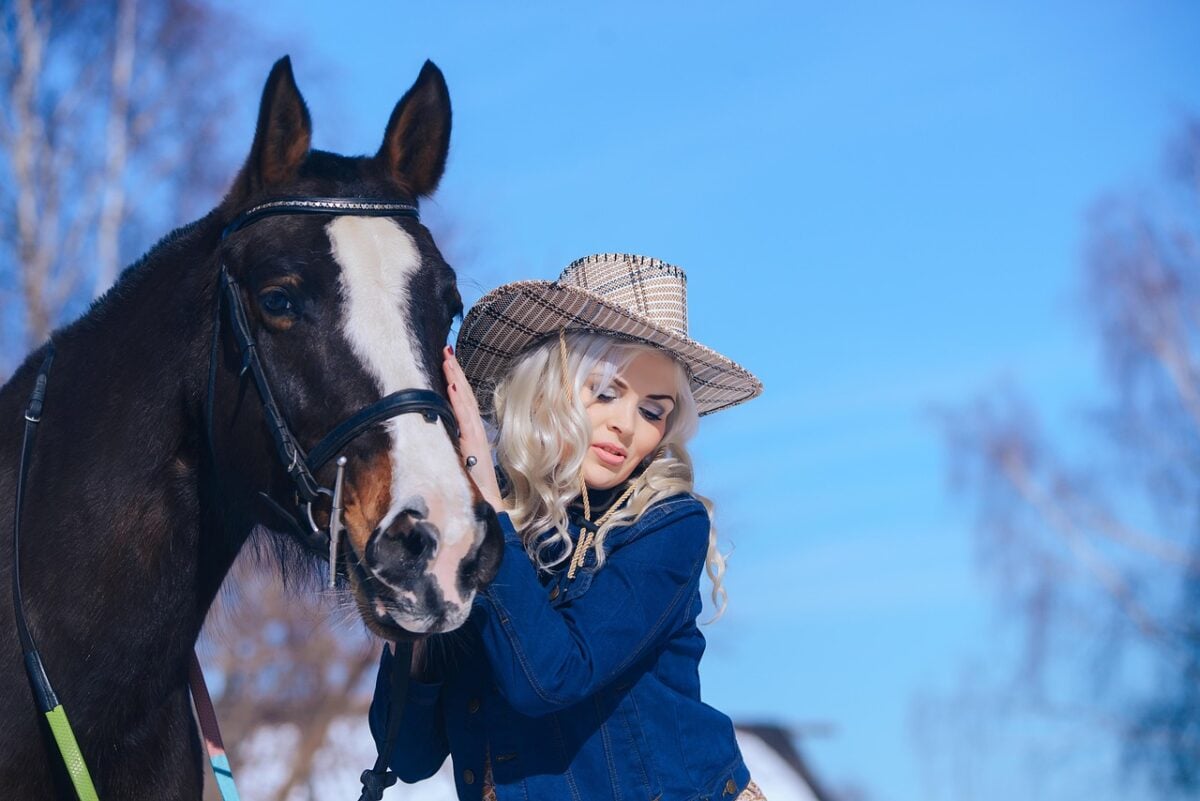
Most riders think imprinting only happens in the first hour of a foal’s life, when it locks eyes on its mother and follows her every move. That’s not the story here. The bond that never quite transfers to a new owner is built slower, quieter, and almost invisibly – one small, easy-to-miss moment at a time.
Some horses will accept almost any capable handler without much fuss. Others choose exactly one person, and everyone else becomes background noise – tolerated, maybe even liked, but never trusted the same way. If you’ve ever suspected your horse picked you specifically, there are precise behavioral signals trainers and horse people watch for, and they go far beyond a nicker at the gate.
#12 – They Track You, Not the Herd
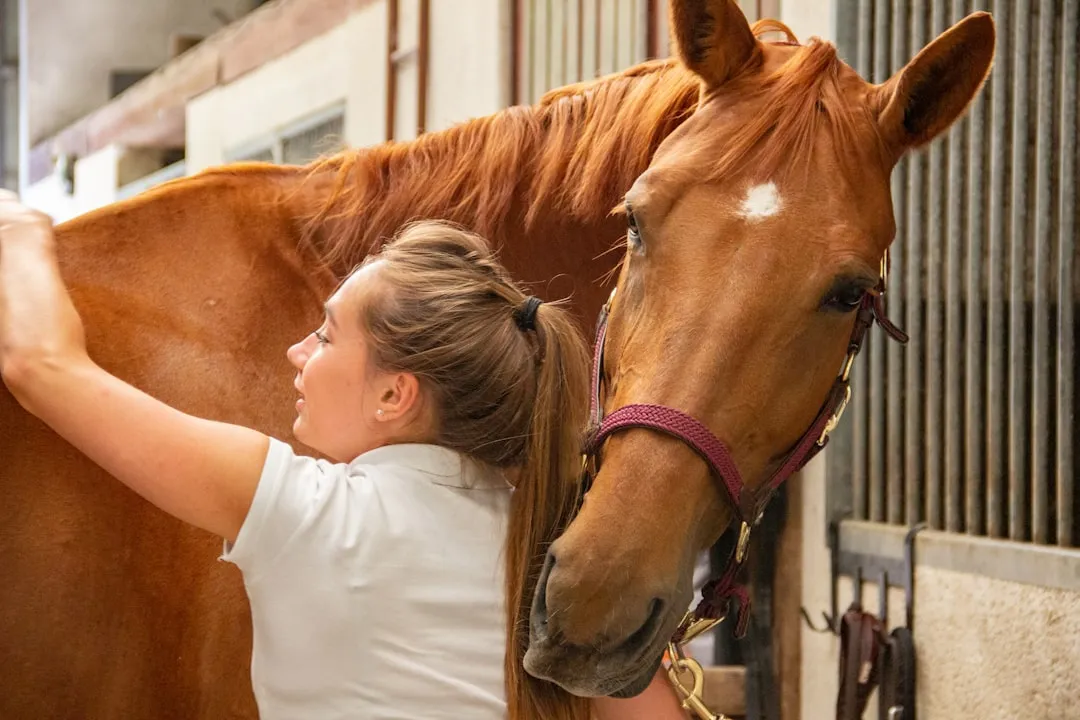
When a horse truly locks onto one human, they organize their whole world around that person, not the herd. You’ll see it the moment you step onto the property. Instead of scanning for other horses, their head snaps toward you, they track your path along the fence, and they even pause mid-bite to watch where you go.
The clearest tell shows up when the herd moves off one way and your horse lingers, torn, then chooses to drift after you instead. Leaving the safest place – the group – to shadow one person is a real social risk in horse language. Most horses care more about the herd than any individual human. An imprinted horse quietly flips that priority, even when you show up empty-handed.
At a Glance
- Wild horse herds typically run 3 to 20 animals, built entirely around safety in numbers
- Isolation from the group is one of the biggest natural triggers for a horse’s flight instinct
- Choosing one human over the herd overrides a survival strategy far older than domestication
- Domesticated horses still default to herd-first thinking unless something specific rewires that instinct
#11 – Your Stress Hits Them Like a Lightning Rod
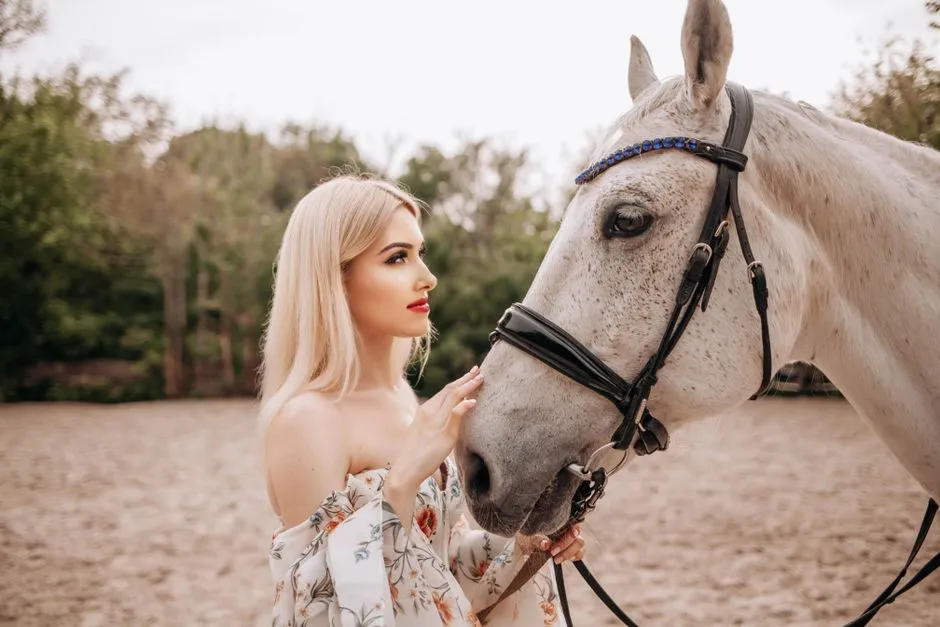
A horse that has imprinted on one person doesn’t just notice that human’s mood, they mirror it, sometimes to an unsettling degree. On days you’re tense or distracted, this horse gets edgy for no obvious reason. Their usual chill evaporates, they spook at things they normally ignore, and they may crowd your space or go strangely quiet, watching your face like they’re reading subtitles.
You’ll notice the flip side too. Walk in relaxed and grounded, and they melt – head drops, blinking slows, and they blow out a long exhale right after you do, as if you flipped a switch inside them. Most riders call these horses “overly sensitive,” but behaviorists see something deeper: your nervous system has basically become their weather report. Step away from their life suddenly, and some stay unsettled for months.
#10 – They Ignore Bribes From Other People
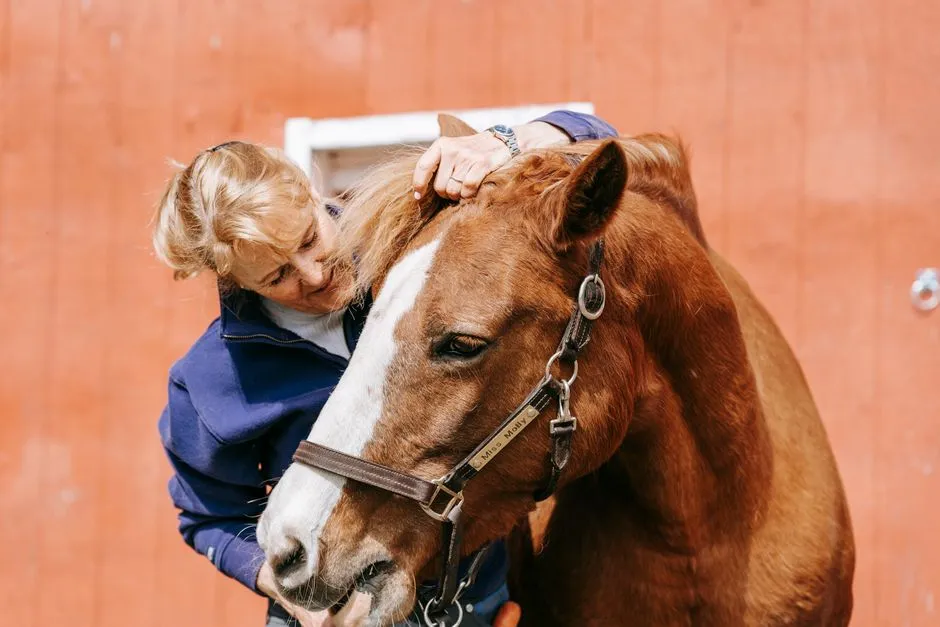
Most horses can be bought with a treat. An imprinted horse will politely take the snack from someone else, then keep scanning the crowd for you. Watch what happens when another person rattles a grain bucket at the gate. With a “normal” horse, that person instantly becomes the center of the universe.
With a bonded horse, you’ll see hesitation first. Ears flick toward the sound, but the eyes bolt back to you, almost asking permission. Some will eat the treat and then walk straight back to your side instead of lingering by the new vending machine. Barn owners sometimes read this as fussiness. Really, it’s the ultimate compliment – your horse has decided that snacks are fine, but emotional safety only lives in one place.
Quick Compare
- Average horse: a treat appears, and attention transfers instantly to whoever’s holding it
- Imprinted horse: takes the treat, then eyes and body drift straight back to their person
- Average horse: lingers near the new “treat source,” testing for more
- Imprinted horse: treats register as nice, never as a reason to relocate trust
#9 – They Read Micro-Cues You Don’t Remember Giving
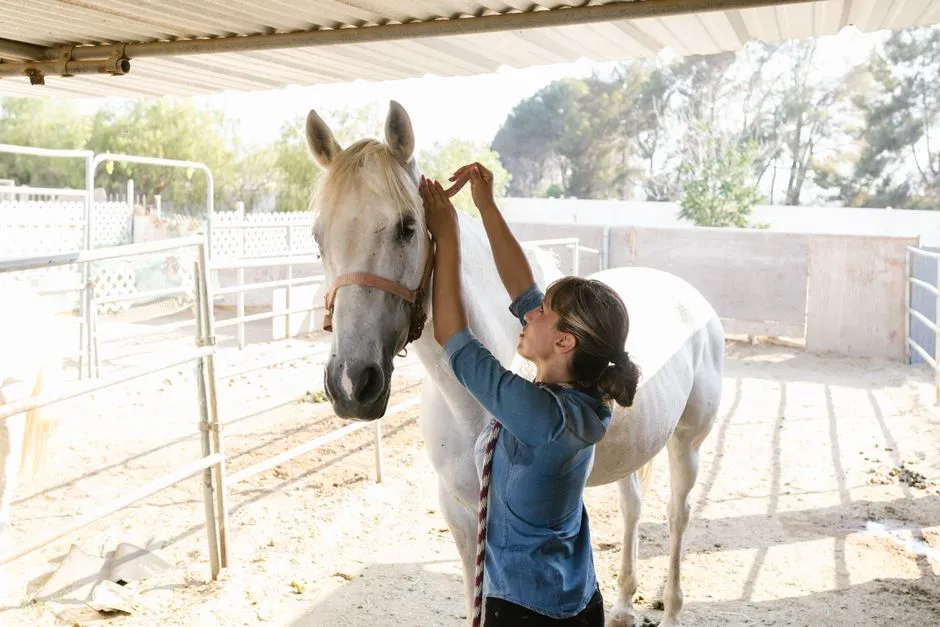
Truly imprinted horses respond to body language you never taught on purpose. You think “let’s walk,” shift your weight a hair, and they’re already stepping off. You glance toward the corner, and they drift that way before you touch the rein.
This is why riders sometimes insist, “only I can ride this horse well.” It isn’t magic, it’s thousands of quiet repetitions where the horse chose to study you more closely than anything else around it. Other people climb on and complain the horse feels dull or overreactive. Really, the horse is just confused – none of the familiar signals are there, and big, mechanical cues from a stranger can actually make things worse, not better.
#8 – Separation From You Hurts More Than Separation From Horses
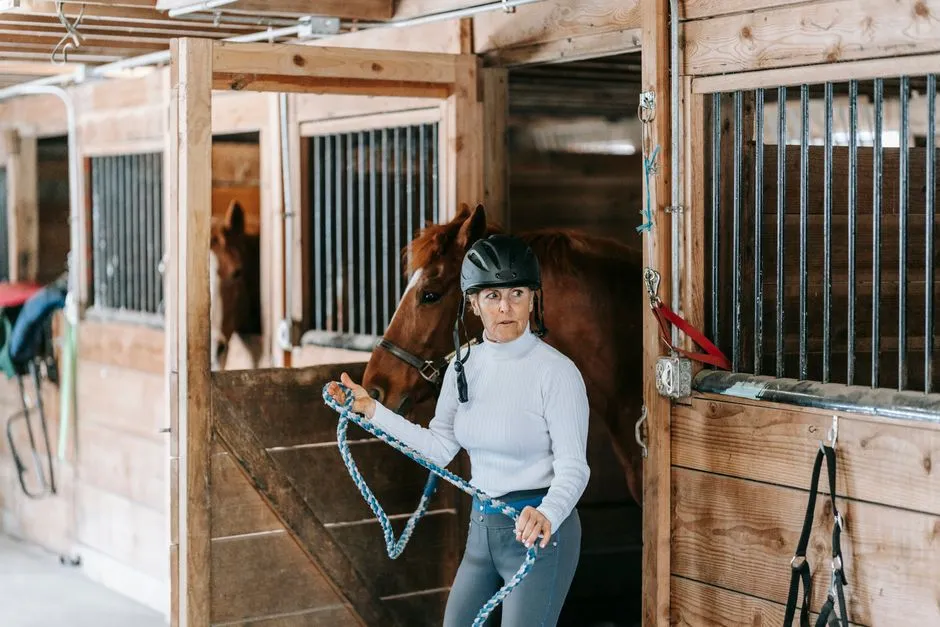
Most owners obsess over herd separation anxiety, but an imprinted horse flips the script entirely. Losing sight of you is the real emergency. Test it gently: have a friend lead your horse away while you stand quietly in the field, out of reach but still visible.
A horse bonded mostly to the herd will fret as it leaves the group, then settle once it’s back with other horses. An imprinted horse does the opposite – calm while it can see you, then calling and pacing the moment you vanish around a corner. Some will drag toward the last place they saw you, ignoring the comfort of horses standing right next to them. Trainers hate admitting it, but this level of trust often just doesn’t transfer to a new owner, even years down the road.
#7 – They Offer “Check-Ins” in New or Scary Places
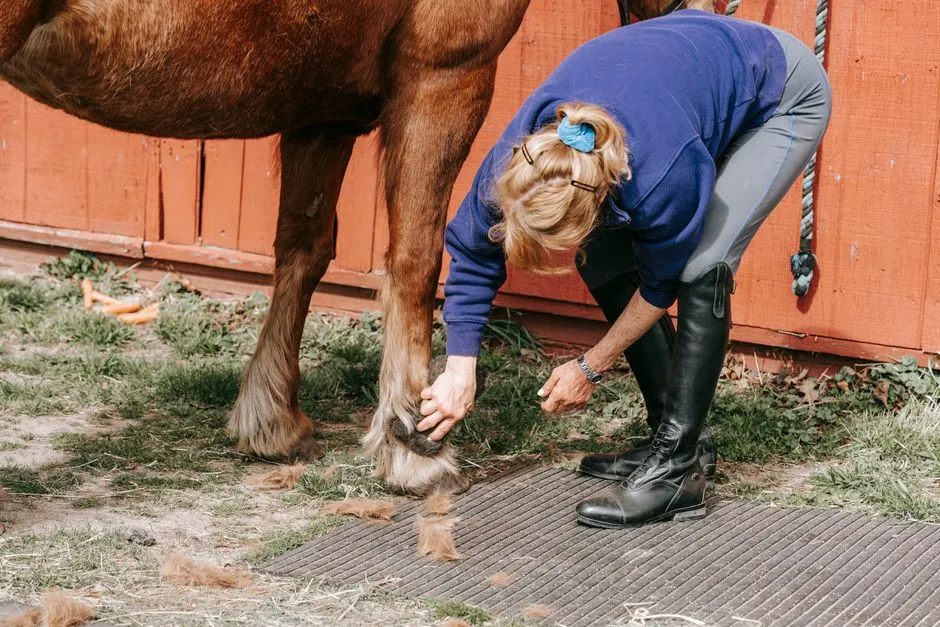
In an unfamiliar arena, an unknown trail, or a chaotic showground, imprinted horses run every decision past their chosen human first. You’ll feel it under saddle: instead of locking onto every spooky banner, they swing one ear toward the scary thing and keep one glued to you, glancing back like they’re asking, we good?
On the ground it looks like tiny check-ins – a nose bump to your arm, a quick sniff of your shoulder, a moment of standing still with soft eyes on your face. Horses that don’t particularly care who’s riding them just react. Horses tied to one human pause for input first, the same way a kid squeezes a parent’s hand walking through a crowded room.
Fast Facts
- A horse’s ears rotate independently and can swivel nearly 180 degrees to track sound
- One ear forward, one ear back is a classic sign of split focus between two points of interest
- Nose bumps and shoulder sniffs are common bonding behaviors, not idle habits
- Checking in with a trusted human mirrors how herd members check in with a lead mare
#6 – Your Routine Has Rewired Their Expectations
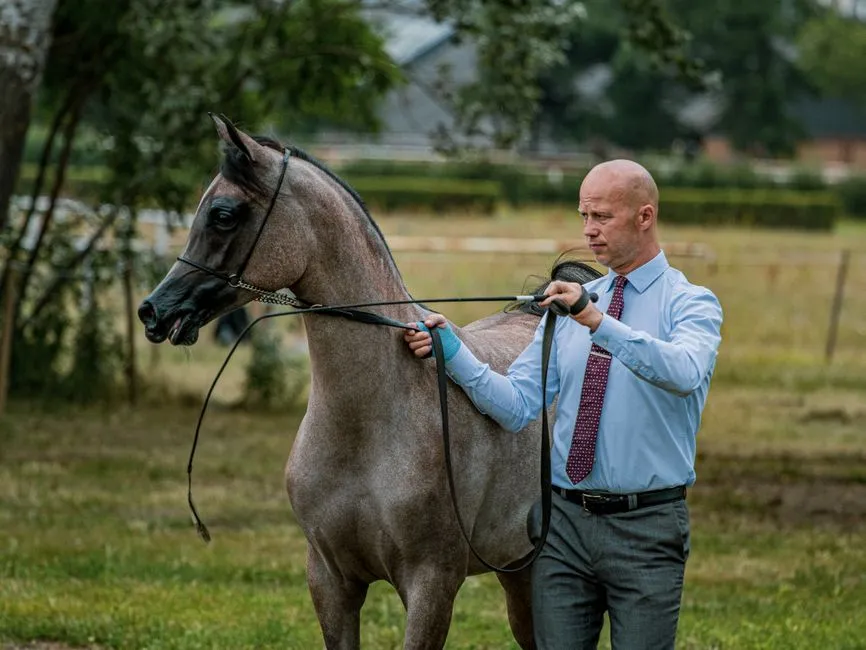
A horse truly keyed into one human doesn’t just know the schedule, they anticipate your version of it. Change barns, and within a week they’ve adjusted, because they’re following you, not the facility. Turnout order, grooming routine, the exact path you walk to the arena – your horse slots into it like they’ve rehearsed it for years.
Watch what happens if barn staff try to catch them on a day you normally show up. Some will dodge politely, not aggressively, then walk straight into the halter the second you appear. They’re not being bratty. They built a high-priority mental map around your habits, and it doesn’t rebuild easily with someone new.
#5 – They Tolerate From You What They’d Never Tolerate From Others
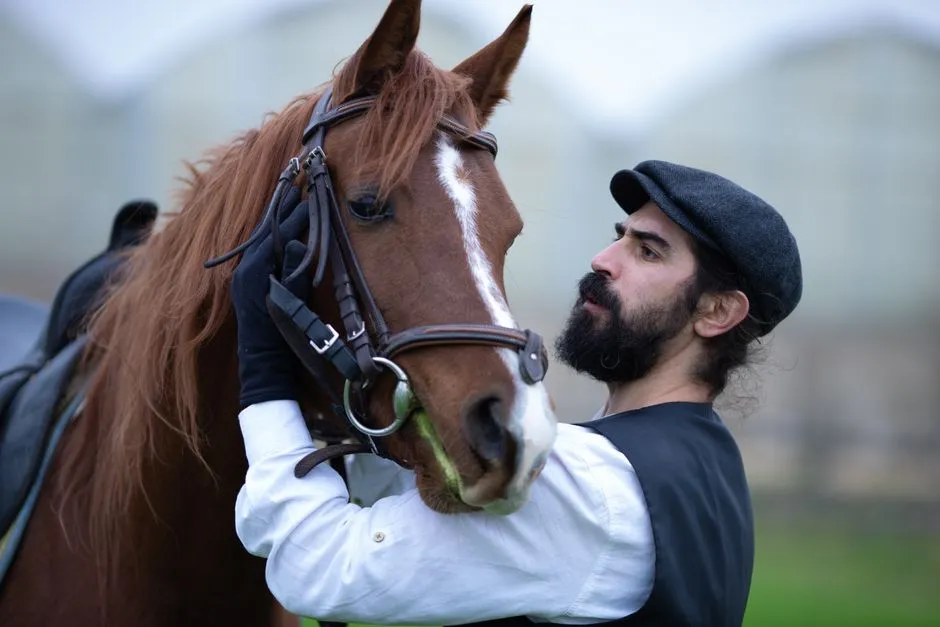
Nobody likes admitting this, but it’s one of the strongest signs of a bond that won’t transfer. You can clip their ears, cold-hose a cut, or adjust an ill-fitting blanket, and they stand there fidgeting but fundamentally trusting you. Another person tries the exact same thing, same skill level, and the horse turns defensive or flat-out refuses.
This inconsistency drives professionals crazy, but it’s textbook selective trust. The horse has logged enough experiences where discomfort from you led to relief or fair treatment. With everyone else, that benefit of the doubt just isn’t on the table. People call them “one-person horses,” and honestly, they’re right.
#4 – They Default to Your Commands Over Their Own Instinct
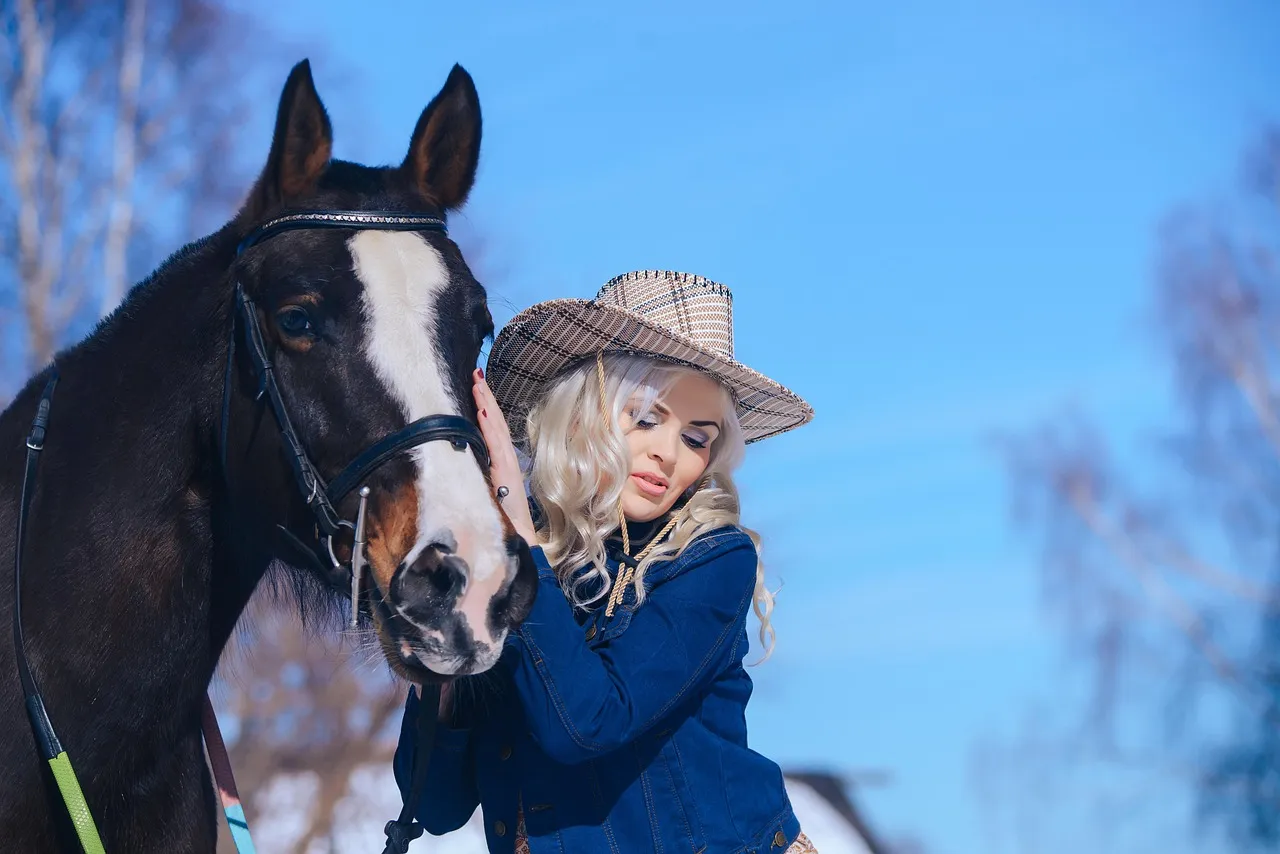
Every prey animal runs on one baseline rule: survive first, think later. Imprinted horses sometimes override that instinct, but only for one person. A plastic bag explodes across the arena. Most horses spin or bolt before they even remember there’s a rider up there.
A deeply bonded horse may start to, then snap back the instant they feel you sit deep and exhale your familiar “easy” cue. You’ll literally feel their body tremble between flight and obedience – and obedience wins. On the ground, it shows up as them walking with you into dark barns during storms or past machinery they’d normally never approach. Other people might eventually earn that same response, but with a true imprint, the difference is stark: instant trust for you, a long persuasion campaign for anyone else.
#3 – They Seek You Out for Comfort, Not Just Reward
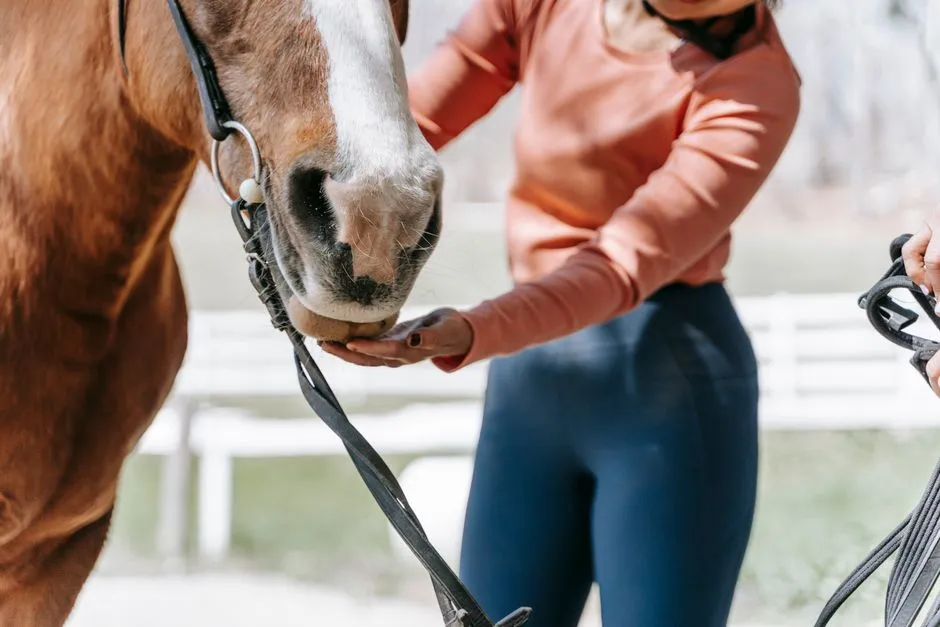
Most horses are opportunists, gravitating toward whoever looks like food or freedom. Imprinted horses do something different: they come to you specifically when they’re unsure. A strange truck in the driveway, a windy day, new horses next door – watch where your horse drifts. If they angle toward your usual spot instead of running with the herd, that’s not random.
In the barn, you might notice them pressing their body close to yours during a loud storm or a farrier visit, using your presence as an actual physical shield. That’s not neediness. That’s a social animal reaching for its safest attachment figure. Horses that do this consistently also tend to visibly struggle when you’re gone for a while – less appetite, more calling, unfocused under saddle with anyone else.
#2 – They Guard Your Space Like It’s Theirs
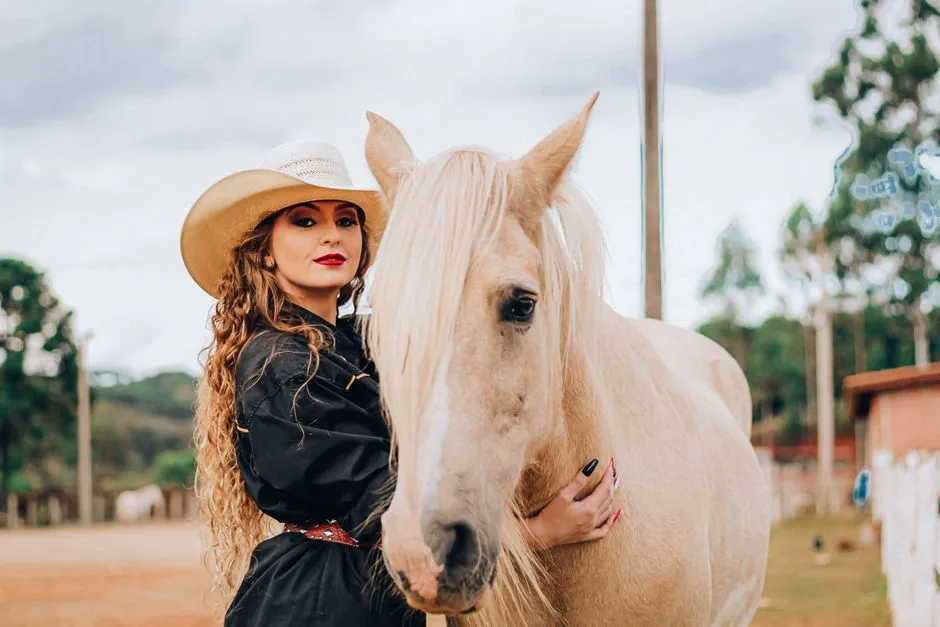
This is the sign that sparks the most arguments among horse people. In a crowded paddock or a busy grooming aisle, watch what your horse does when other horses crowd you. Some will snake their neck, pin their ears, or swing their hindquarters to block others from walking right up, quietly saying, this one is mine.
The same horse might be perfectly polite with herd mates any other time, sharing hay and grooming nose to nose without issue. The possessiveness shows up specifically around you, and pretending it isn’t a sign of a powerful, possibly non-transferable bond is denial. It’s not cute, and it absolutely needs boundaries for everyone’s safety, but it’s real.
Worth Knowing
- Ear pinning, neck snaking, and hindquarter swings are warning signals, not tantrums
- Even a friendly, bonded horse can push, bite, or kick when guarding its person
- Trainers recommend teaching a horse to yield space on cue, even from an owner it trusts deeply
- Clear boundaries protect the horse, the owner, and bystanders without erasing the bond itself
#1 – They Don’t Fully “Replace” You, Even Years Later
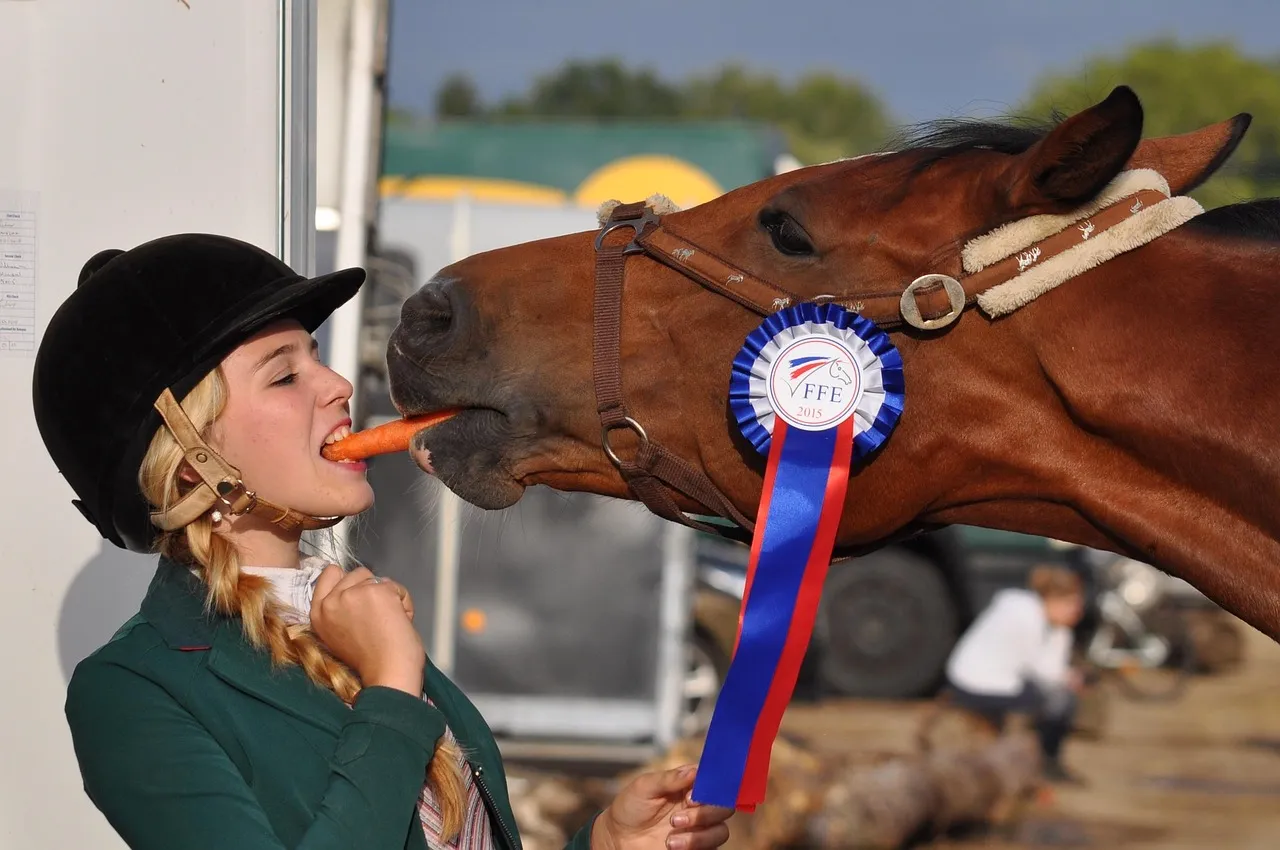
The most controversial sign of all: time passes, ownership changes, and the horse never quite loves anyone else the same way. New riders will insist the horse is perfectly rideable, even sweet, but there’s a missing layer. The micro-cue sensitivity never fully develops again. The horse stays steady but a little emotionally flat, or on the flip side, forever slightly guarded, like their softest parts are locked behind a door.
Trainers blame the new owner. Sometimes that’s fair. Sometimes the truth is harsher: the horse already picked their person, and everyone after is just trying to overwrite history.
Behaviorally, this shows up as a lifelong pattern of being “better with one handler” no matter the barn, or a stubborn, low-grade resistance that only melts when the original person visits. Many riders hate this idea because it clashes with the comforting belief that love plus time can fix anything. Some horses absolutely can transfer deep trust to someone new. Others, once imprinted, simply don’t hand over that level of vulnerability again.
The Bottom Line
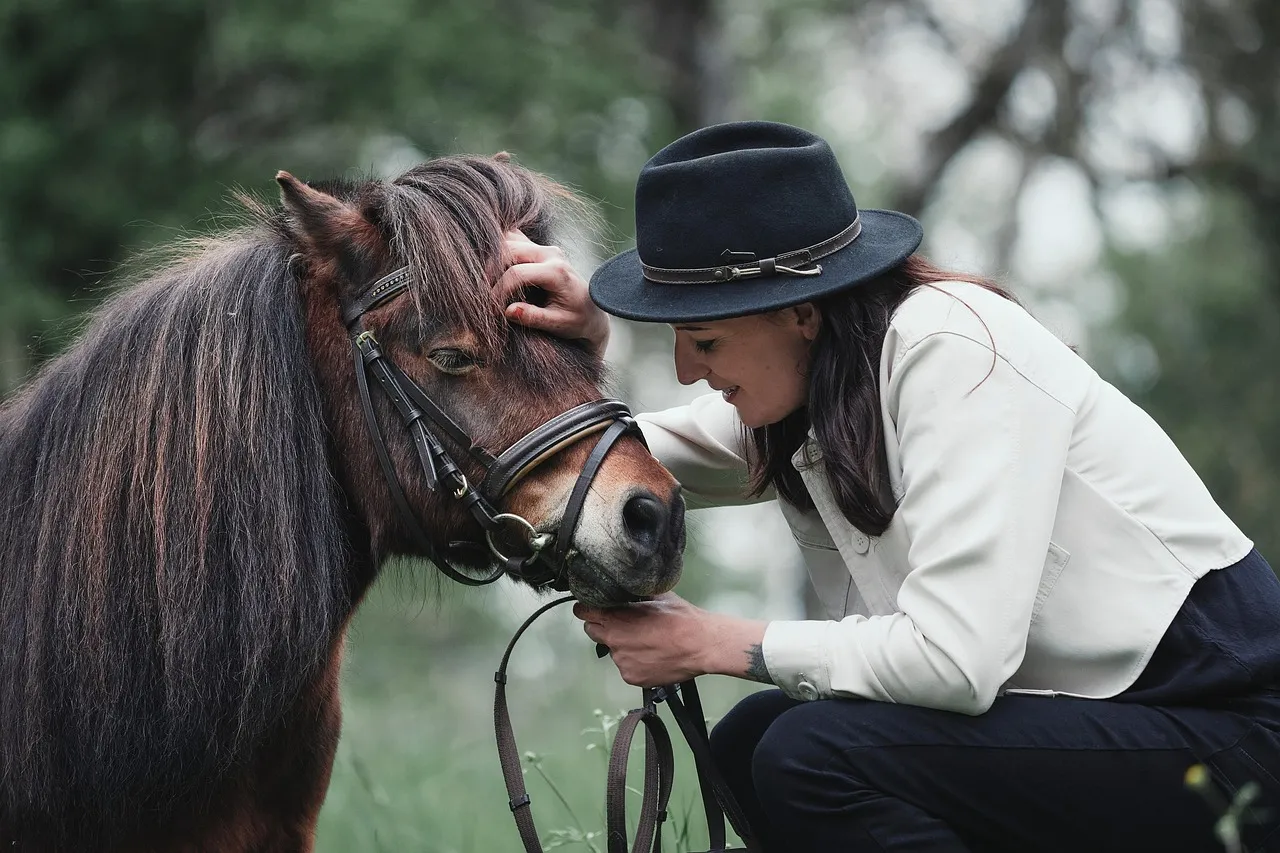
Not every clingy or reactive horse is “imprinted,” and not every bonded horse is doomed to be a one-person ride forever. But when you stack these signs together – tracking you over the herd, ignoring bribes, overriding survival instinct because you said so, struggling to fully replace you even years later – you’re not imagining things.
Some horses form attachments so specific and so deep that trying to hand off that trust like a used saddle is wildly unrealistic. That doesn’t mean you’re soulmates in some fairy-tale sense. It means you’ve become their safest prediction in a chaotic world, and that’s not nothing.
In my view, if you recognize your horse in more than a few of these signs, you have a responsibility: either plan your life around keeping them, or be honest with yourself about whether they’ll ever truly settle with somebody else. Did any of this match your experience with a one-person horse, or do you think the whole idea is overblown? I’d genuinely like to know.
