

Tool use was once considered a uniquely human trait, setting us apart from other animals. However, over decades of research, scientists have discovered that numerous species utilize objects as tools to accomplish tasks, with primates demonstrating particularly sophisticated abilities. Among our closest relatives, monkeys exhibit remarkable ingenuity in manipulating their environment using natural objects as tools. This article explores twelve monkey species that have demonstrated tool use in ways that parallel human behaviors, showcasing the intelligence and adaptability of these fascinating primates.
Capuchin Monkeys The Stone Tool Specialists

Capuchin monkeys are perhaps the most renowned tool users among New World monkeys. Wild capuchins in Brazil have been observed using stones as hammers to crack open nuts placed on flat rocks that serve as anvils. This behavior requires considerable skill, as the monkeys must select appropriately sized stones and use them with sufficient force to crack shells without crushing the edible contents. Research published in Current Biology revealed that capuchins have been engaging in this behavior for at least 3,000 years, leaving behind archaeological evidence similar to early human tool use. Some populations of capuchins even select stones based on specific qualities like weight and hardness, demonstrating an understanding of tool efficiency that parallels early human stone tool selection.
Long-tailed Macaques Dental Hygienists

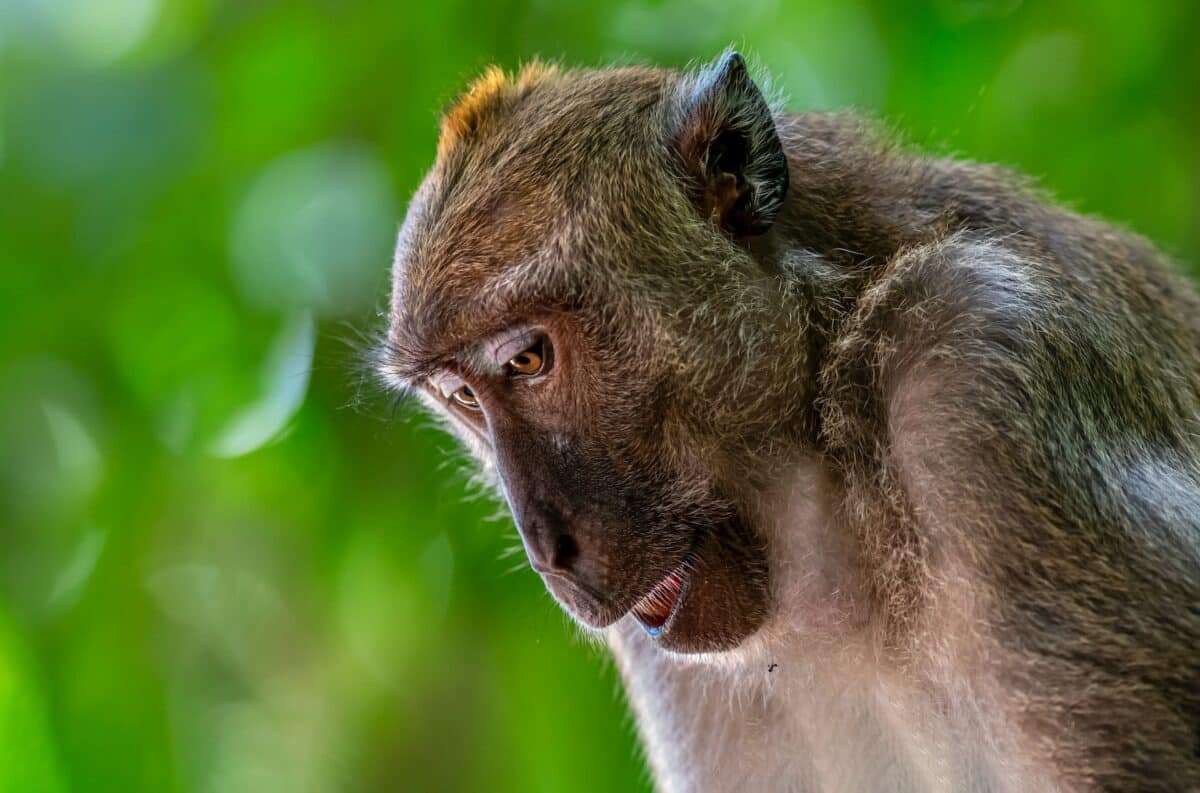
Long-tailed macaques in Thailand have developed an unusual form of tool use related to dental hygiene. These resourceful primates have been documented using human hair, feathers, grass, and even unraveled clothing threads as dental floss. They carefully pull these fibers between their teeth to remove food particles, demonstrating an understanding of oral hygiene that’s remarkably similar to human practices. This behavior appears to be culturally transmitted, with young macaques learning by observing older group members. Researchers have noted that this dental flossing behavior is more prevalent in areas with human contact, suggesting the macaques may have initially observed humans flossing before adopting and adapting the behavior themselves.
Japanese Macaques Potato Washing Innovators

One of the earliest documented cases of cultural transmission of tool use in non-human primates comes from Japanese macaques on Koshima Island. In 1953, researchers observed a female macaque named Imo washing sandy sweet potatoes in a freshwater stream. This novel behavior spread through the population as other monkeys observed and imitated her effective cleaning technique. Later, Imo innovated again by washing potatoes in saltwater instead, which not only cleaned the food but also seasoned it. Within a decade, over 90% of the troop had adopted this behavior. The potato washing tradition continues today, having been passed down through multiple generations, representing a form of cultural evolution similar to human traditions.
Burmese Long-tailed Macaques Specialized Fishing Tools
Burmese long-tailed macaques living near coastal areas have developed sophisticated tool use for obtaining food from aquatic environments. These innovative primates use a variety of tools for fishing and shellfish collection. They select specific stones to crack open oysters and shellfish attached to rocks, showing remarkable precision in their strikes. Even more impressively, some populations have been observed using their hair as “dental floss” after meals. Research published in the International Journal of Primatology documented how these macaques modify and prepare tools differently depending on their intended use, demonstrating a level of cognitive flexibility once thought unique to humans. They also appear to teach these techniques to their offspring, establishing cultural traditions of tool use.
Chacma Baboons Hair Plucking Tools
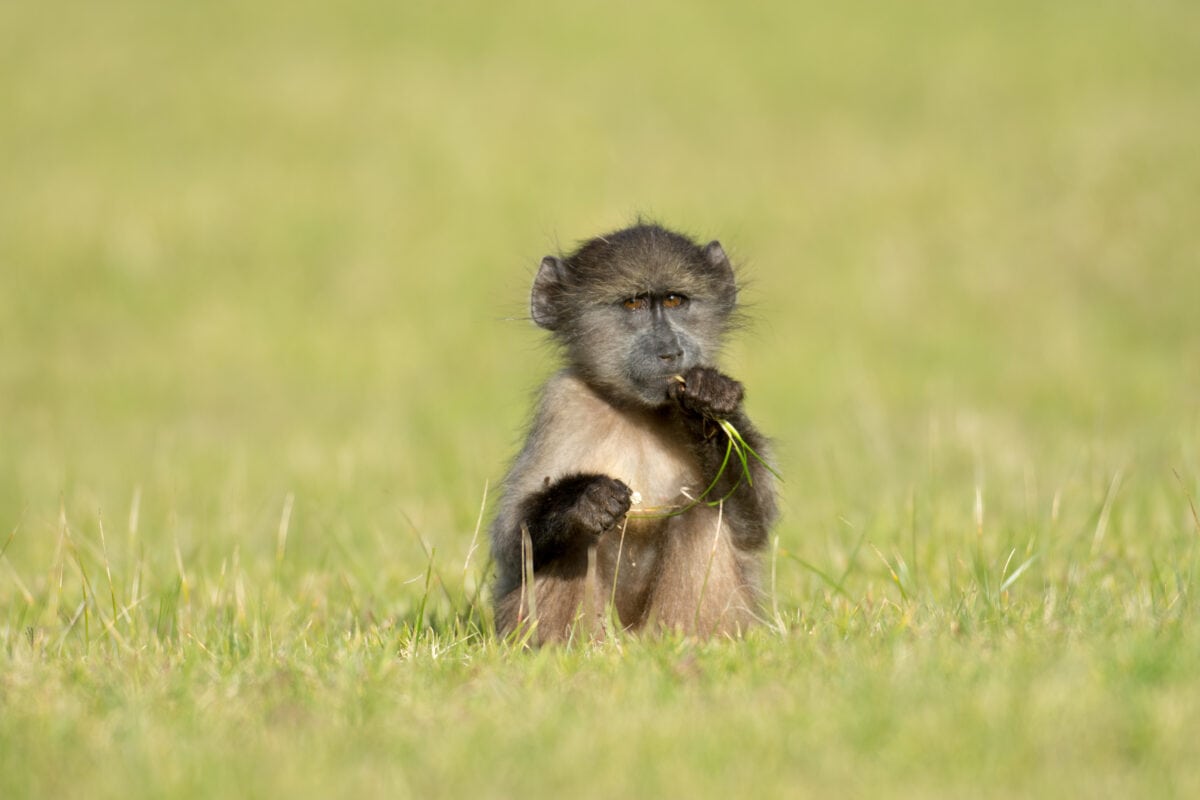
Chacma baboons of southern Africa have developed a unique form of tool use related to grooming. These baboons have been observed using modified twigs and grass stems to pluck out parasites from their fur. They carefully select and modify natural materials, stripping leaves from twigs or shaping grass stems to create more effective tools for extracting ticks and other ectoparasites. This behavior demonstrates not only tool use but also tool modification—crafting an object specifically for a particular purpose. What makes this behavior particularly noteworthy is that it appears to be learned socially, with younger baboons observing and imitating the techniques of experienced group members, similar to how human cultural practices are transmitted across generations.
Crab-eating Macaques Stone Hammers for Seafood

Crab-eating macaques (Macaca fascicularis) of Southeast Asia have developed tool use specific to their coastal environment. These ingenious primates use stones as hammers to crack open shellfish, crabs, and other hard-shelled marine organisms they collect from the intertidal zone. Research published in the Journal of Human Evolution documented how these macaques select stones of appropriate size and weight, demonstrating an understanding of the relationship between tool properties and effectiveness. Some populations have been observed using different tools in sequence—first using stones to dislodge shellfish from rocks, then employing different stones to crack them open. This sequential tool use displays a level of planning and cognitive sophistication previously thought to be exclusive to great apes and humans.
White-faced Capuchins Insect Extraction Experts
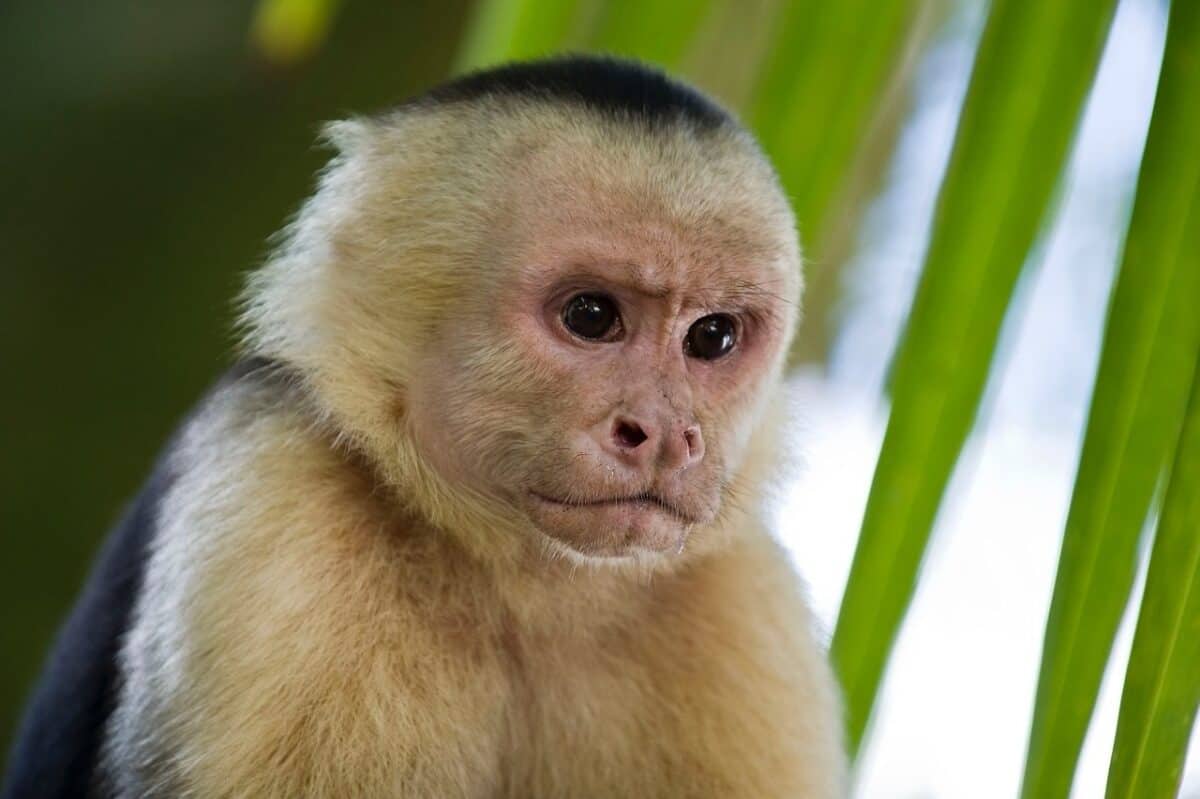
White-faced capuchins of Central America demonstrate sophisticated tool use when hunting for insects. These clever monkeys use sticks as probes to extract insects from tree holes, termite mounds, and other cavities that would otherwise be inaccessible. Studies conducted in Costa Rica have documented how these capuchins modify branches by stripping off leaves and twigs to create more effective probing tools. They often prepare these tools in advance of finding an insect nest, showing foresight and planning. Particularly impressive is their ability to adjust their technique based on the target prey—using gentle probing motions for ants but more vigorous movements when extracting larger insects. This adaptability in tool use strategy parallels the way humans adjust techniques based on specific tasks.
Bonnet Macaques Urban Tool Innovators
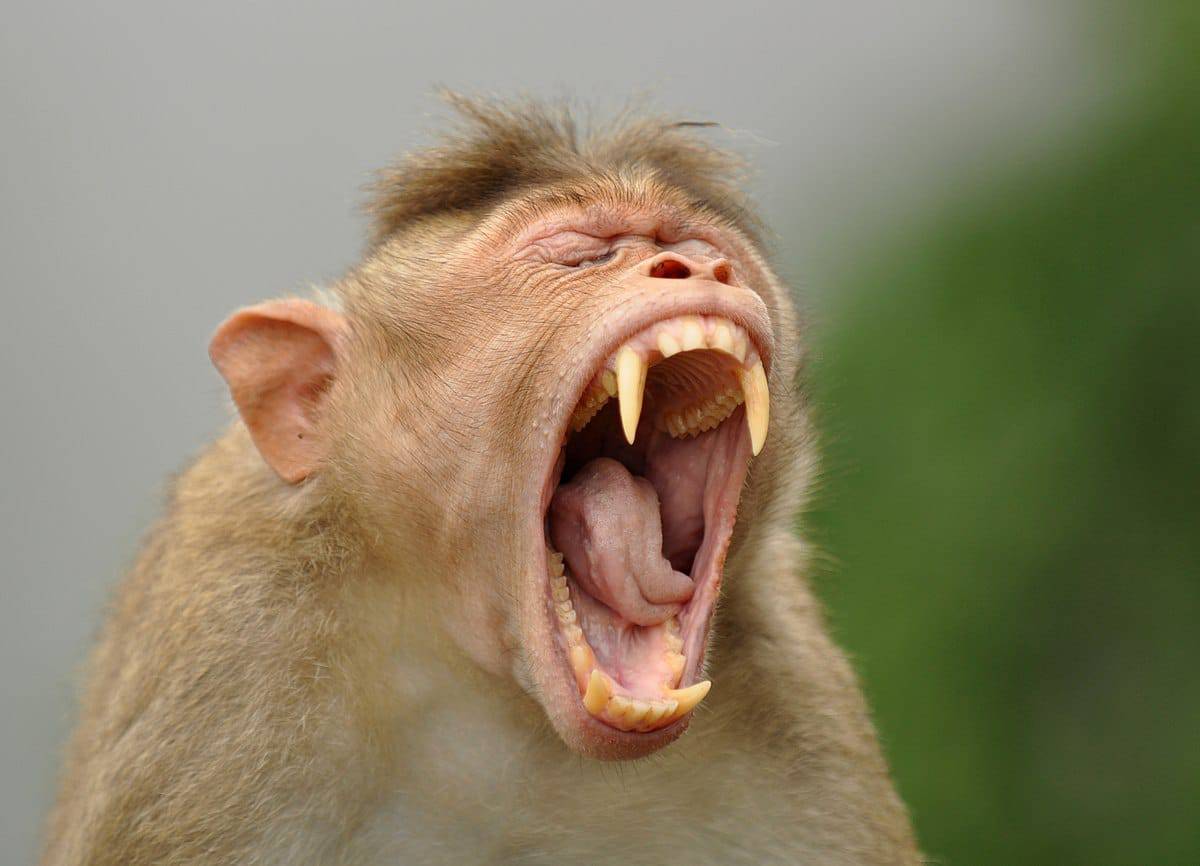
Bonnet macaques living in urban environments across India have adapted their tool use to exploit human-modified landscapes. These adaptable primates have been observed using coins as tools to operate vending machines after witnessing humans doing the same. They’ve also been documented using sticks to pry open garbage bins and containers to access food inside. In temple areas, where they frequently interact with humans, some bonnet macaques have learned to use cloth or paper as makeshift containers to carry water from fountains or to collect food offerings. What makes their behavior particularly fascinating is how quickly they adapt to novel urban environments, learning to use human artifacts as tools through observation and trial-and-error, cognitive abilities once thought limited to great apes.
Pig-tailed Macaques Specialized Seed Extraction Tools

Pig-tailed macaques in Thailand and Malaysia have developed specialized tool use for accessing difficult-to-reach seeds. These resourceful primates have been observed using sticks and small branches to extract seeds from durian and other hard-shelled fruits that would otherwise be inaccessible. Research published in the American Journal of Primatology documented how these macaques select tools of appropriate length and thickness for specific fruits, demonstrating an understanding of tool functionality. They frequently modify their tools by stripping away leaves or breaking them to appropriate sizes before use. Impressively, they often carry preferred tools between foraging sites, showing foresight and planning. This type of tool transport was previously considered a more advanced form of tool use limited to great apes and humans.
Brown Capuchins Self-medication Tool Users
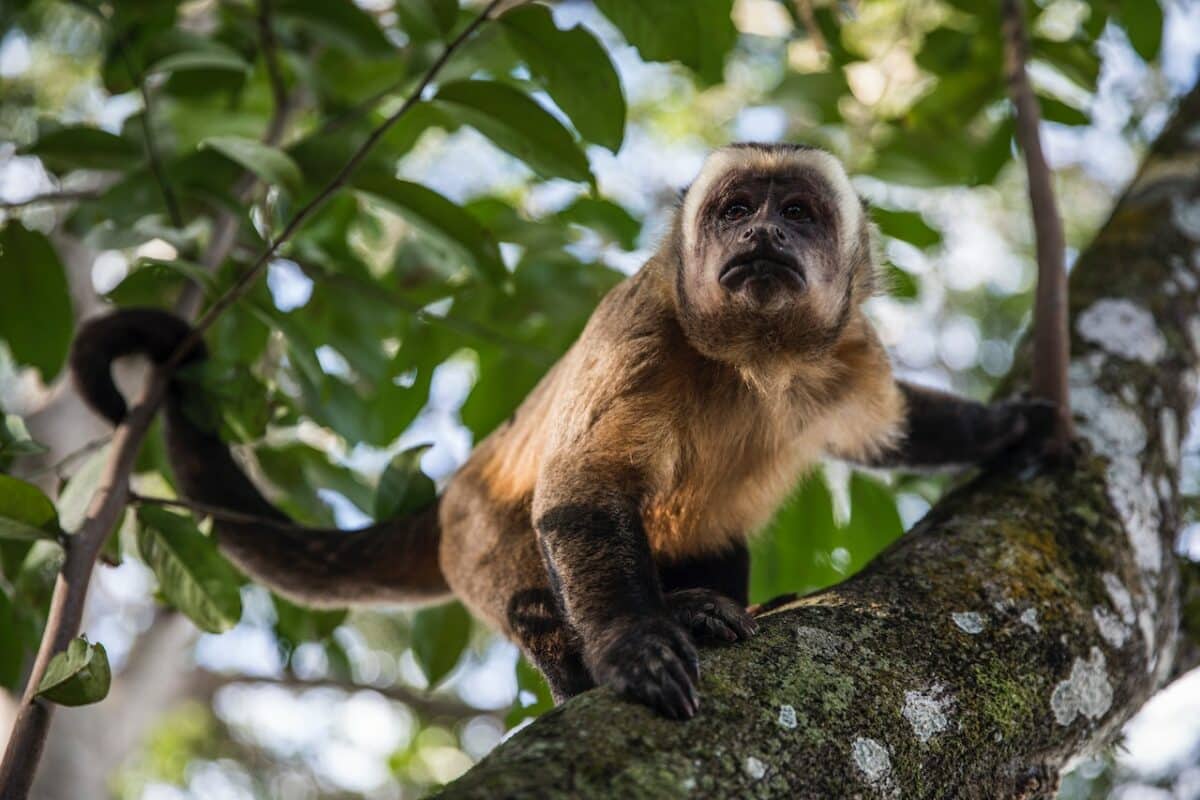
Brown capuchins of South America have been observed using tools for self-medication and hygiene purposes. These innovative monkeys use specific plants with insecticidal or anti-parasitic properties, crushing them between leaves or applying them directly to their fur to repel insects and parasites. Research in the Brazilian Amazon documented how these capuchins select certain plants with known medicinal properties, demonstrating botanical knowledge that parallels traditional human medicine. In some populations, capuchins have been observed using sticks and twigs to clean their ears, eyes, and other body parts, showing an understanding of personal hygiene. What makes this behavior particularly remarkable is the selective nature of their plant choices, suggesting an understanding of different plant properties—a form of natural pharmacology once thought unique to humans.
Rhesus Macaques Dental Tool Specialists

Rhesus macaques have developed a form of tool use related to dental care that parallels human behaviors. These ingenious primates have been observed using human hair, feathers, and thin plant fibers as makeshift dental floss. Research published in the journal Primates documented how rhesus macaques carefully pull these fibers between their teeth to remove food particles, demonstrating an understanding of oral hygiene. Some individuals have been observed teaching this behavior to their offspring, showing cultural transmission of tool use. In captive settings, rhesus macaques have been documented using small sticks to clean under their fingernails and toenails, further demonstrating their understanding of hygiene tools. This sophisticated self-care behavior shows remarkable parallels to human grooming practices and underscores the cognitive similarities between humans and non-human primates.
Baboons Weapons and Defensive Tools

Various baboon species have been documented using tools as weapons and for defensive purposes, showing a sophisticated understanding of objects as extensions of their physical capabilities. Olive baboons and chacma baboons have been observed using sticks and branches as clubs and spears when threatened by predators or during conflicts with other baboon groups. Research in Kenya documented how these primates select branches of appropriate size and weight, sometimes modifying them by removing leaves or breaking them to appropriate lengths. In some cases, baboons have been observed throwing stones at predators or human observers, demonstrating an understanding of projectile physics. What makes this behavior particularly noteworthy is the intentional selection and preparation of objects specifically for defense or aggression, parallel to early human weapon use.
Conclusion: Evolutionary Insights and Future Research Directions

The diverse tool-using capabilities of monkeys provide profound insights into the evolution of intelligence and culture. These examples demonstrate that advanced cognitive abilities evolved multiple times across primate lineages, suggesting that tool use may be more fundamental to primate cognition than previously thought. The fact that monkeys and humans independently evolved similar tool-using solutions to comparable problems highlights the power of convergent evolution in shaping intelligent behaviors. Future research directions include investigating the neural mechanisms underlying tool use in different primate species, examining how environmental factors influence the development of tool use, and exploring whether monkey tool use exhibits cumulative cultural evolution similar to human technology. As research techniques advance, particularly in non-invasive brain imaging and long-term field studies, our understanding of monkey cognition and its relationship to human evolution will continue to deepen, potentially revolutionizing our perspective on what makes human intelligence unique—or perhaps not so unique after all.

As a little kid, I fell in love with nature, wildlife, and animals. Living in the USA, South Africa, Italy, China and Germany gave me the opportunity to discover the world's Wildlife. My favorite animals are Mountain Gorillas, Siberian Tigers, and Great White Sharks.
I'm a certified PADI Open Water Diver, went to Everest Base Camp and Trekked Gorillas in Uganda. I hold a Master of Science in Economics and Finance.
Please send any feedback to feedback@animalsaroundtheglobe.com
- 15 Places in the U.S. With the Most Tornadoes - July 26, 2026
- Elephant vs. Hippo - July 26, 2026
- 23 Ancient Animals that Still Alive Today - July 26, 2026