
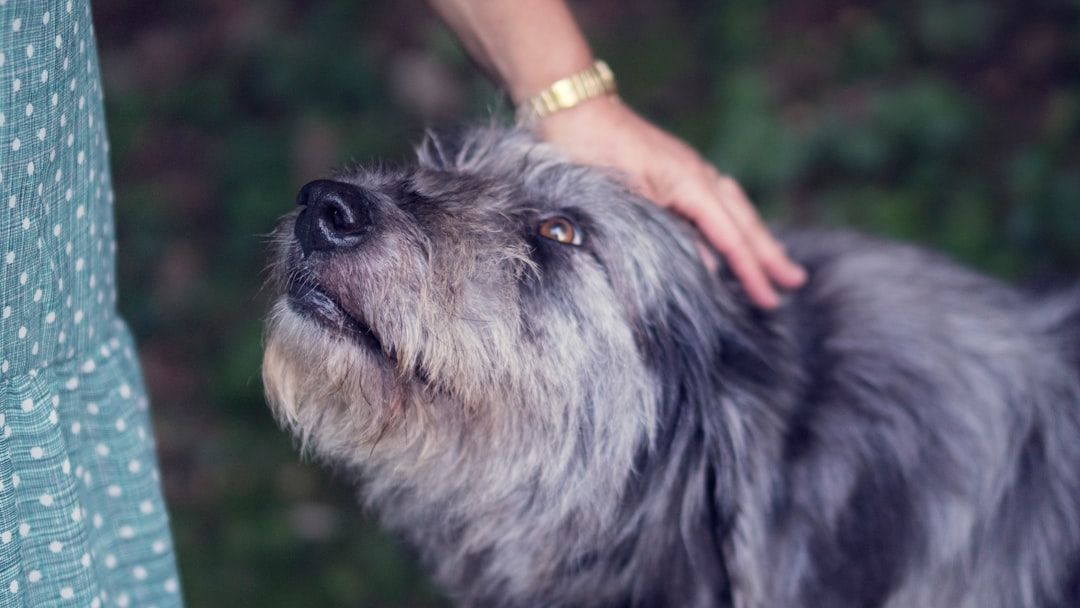
You’ve probably told yourself you’d know. That when the time came, your dog would make it obvious – some unmistakable signal that would prepare you for what’s ahead. Most owners believe exactly that. And most owners are wrong. Dogs don’t announce their goodbye. They whisper it, slowly, in ways that are easy to explain away as aging, boredom, or just “one of those days.”
What follows are 14 of the quietest, most consistently overlooked signs that veterinarians and longtime dog owners have identified – the kind that only make heartbreaking sense in hindsight. Some of them will surprise you. A few might stop you cold. And at least one of them is probably happening right now in your own home, hiding in plain sight.
#1 – Seeking One Specific Person for Quiet Company
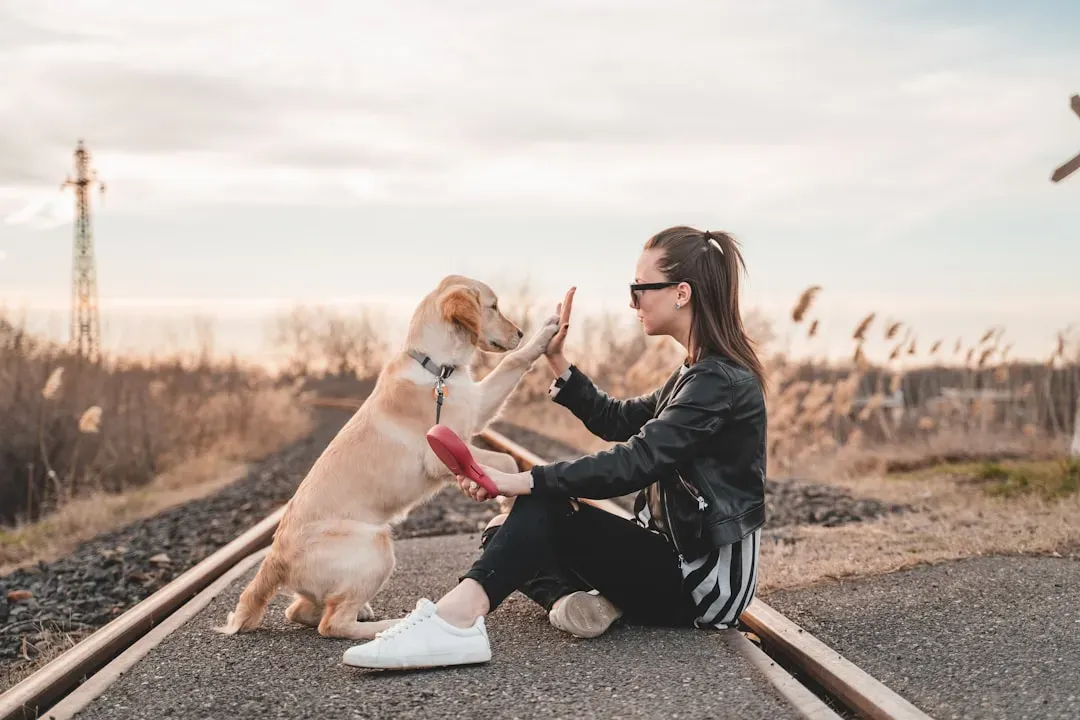
In the final weeks or days, something shifts. Your dog stops spreading their attention evenly across the household and begins gravitating toward one person – not dramatically, not with tail-wagging urgency, but with a quiet, deliberate closeness. They simply position themselves near that person during rest. They follow them from room to room without asking for anything. They just want to be near.
What makes this sign so easy to miss is how unremarkable it looks in the moment. It reads like contentment, like a dog finally mellowing out. But what’s actually happening is a form of intentional comfort-seeking – a narrowing of the world down to what feels safest. The person chosen isn’t always who you’d expect. Sometimes it’s the quietest family member, or someone who sits still a lot. And sometimes that sudden attachment shifts mid-week to someone else entirely, revealing bonds that nobody in the house ever consciously tracked. Pay attention to who your dog orients toward when the energy is low and the room is quiet.
At a Glance
- The chosen person is often whoever moves least and speaks most softly
- Following without soliciting interaction is the defining feature – this isn’t about play
- The bond may shift between family members across different days
- Dying pets may become more distant or more clingy – both are recognized patterns
- If this closeness appeared suddenly and recently, it carries more weight than a lifelong preference
#2 – Faint Disinterest in Household Sounds

Your dog used to materialize in the kitchen the second the refrigerator opened. The jingle of keys sent them to the door. The crinkle of a plastic bag triggered full-body excitement. Then, gradually, those responses go quiet. Not all at once – selectively. The fridge opens and they don’t move. The keys jangle and they lift their head, then set it back down.
This isn’t hearing loss in the conventional sense. Dogs in decline often still react sharply to truly unfamiliar sounds – a stranger’s voice, a new noise from outside. What fades is their investment in the familiar daily soundtrack they used to monitor like a second job. The world they’re paying attention to is getting smaller, and the household routine is slowly falling outside its edges. Test this gently with sounds you know they’ve always responded to. The pattern, once you see it, is hard to unsee.
#3 – Slight Coolness in Ear Tips and Paws
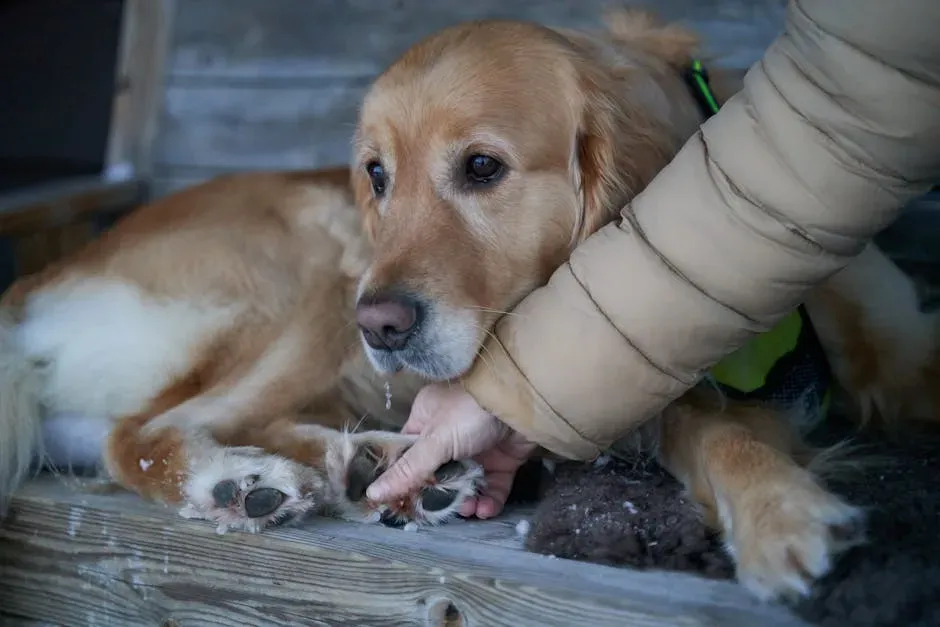
Run your hand over your dog’s ears right now. Then press your palm gently against a paw pad. If things are normal, there’s warmth there – steady, reliable, alive. When circulation begins to slow as the body starts conserving energy for its core functions, that warmth retreats from the extremities first. The ear tips and paw pads grow subtly cooler, especially in the evenings.
The reason most owners miss this is that they’re conditioned to check for fever – warmth as a warning sign. Nobody thinks to notice the absence of warmth as one. Critically, the nose often stays warm even as the ears and paws cool, which makes the overall picture seem normal at a glance. Veterinarians recognize this peripheral cooling as an early circulatory marker worth noting – as circulation slows, a dog’s body temperature drops and their paws or ears may feel noticeably cold. You don’t need a thermometer. Just pay attention during routine petting, the kind of quiet moment you probably share with your dog every evening without thinking twice about it.
Fast Facts
- Cold paws and cooler breath are among the physical changes veterinarians note as circulation slows near end of life
- Pale or bluish gums alongside cold extremities can signal that the heart is struggling to pump blood effectively
- The nose frequently remains warm even when ear tips and paw pads have already cooled – making the overall picture deceptively normal
- A light blanket can offer comfort when you notice your dog feeling cold, but avoid heavy ones that may feel oppressive
#4 – Quiet Loss of Toy Interaction
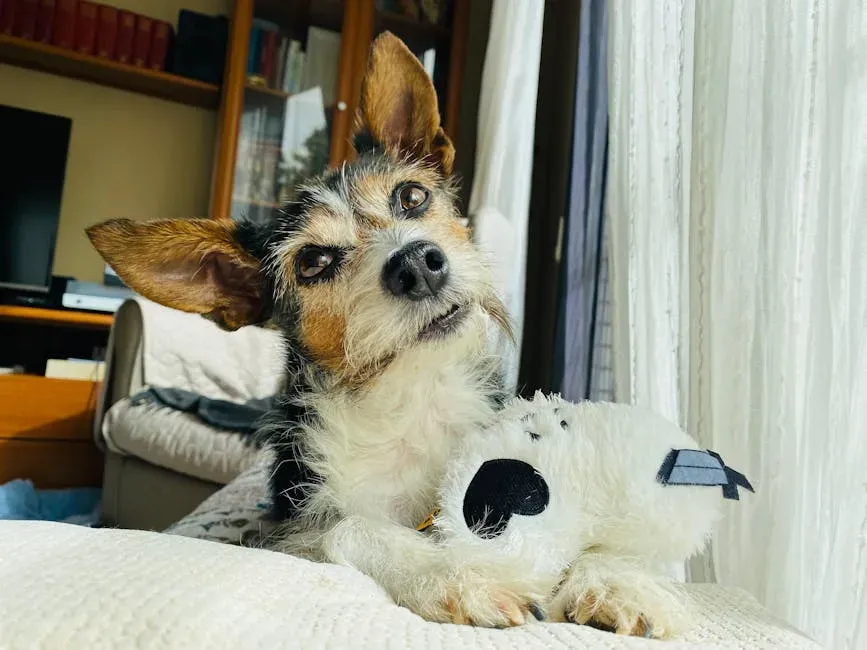
There’s a specific toy – you know the one. The ratty rope, the squeaky hedgehog, the tennis ball that’s been through three backyards. Your dog used to carry it around like a prize, drop it at your feet, nudge it insistently until you engaged. Then one day they walk past it. They might sniff it. They might glance at it. But the game is over.
Owners almost always attribute this to boredom and buy a new toy, which the dog may briefly investigate before losing interest again. But here’s the detail that tends to break people when they look back on it: some dogs, in their final weeks, will gently push a beloved toy toward their owner – not to initiate play, but almost as if offering it away. A quiet act of giving that gets misread as an invitation. Watch for this during calm evenings. It’s one of the most tender things a dog will do, and it rarely gets recognized for what it is.
#5 – Subtle Paw Licking Without Any Redness
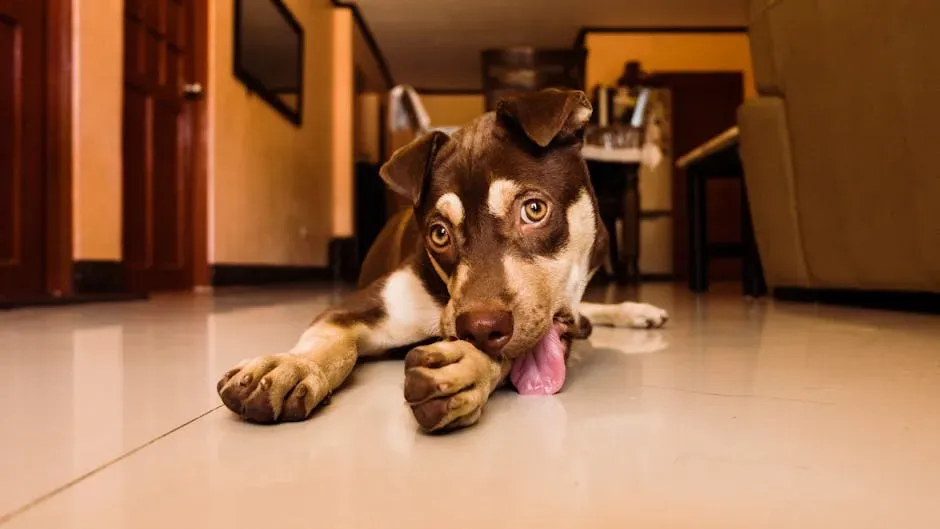
Paw licking is easy to dismiss because it looks like grooming. But there’s a specific pattern that emerges near the end of a dog’s life that’s different from allergy-related or anxiety-driven licking. It’s rhythmic, brief, and calm – more meditative than frantic. There’s no redness, no raw skin, no signs of irritation. The paws look completely fine.
What’s actually happening is self-soothing in response to internal discomfort the dog can’t articulate and won’t vocalize. The licking tends to intensify right before rest periods – during the transition from sitting to lying down – which is a timing pattern tied to pain management rather than hygiene. It replaces earlier behaviors like exploring the yard or initiating play. If you notice your dog has developed a new, quiet licking habit that didn’t exist six months ago, and everything looks physically normal, don’t dismiss it. The absence of visible symptoms is exactly the point.
#6 – Minor Incontinence During Deep Sleep
This one is almost always attributed to a UTI or age-related bladder weakness, and it gets addressed medically – which is the right instinct. But when treatment doesn’t resolve it, and the accidents remain small, isolated to deep sleep only, and absent during waking hours, it’s worth considering what else might be happening. The underlying cause here is relaxed muscle control during sleep, the body’s increasing difficulty maintaining the tension it once held easily.
What catches people off guard is that the dog often knows. Many dogs wake, register what’s happened, and quietly shift position to move away from the spot – a flicker of awareness that owners rarely give them credit for. The spots are small, easy to miss on dark bedding, and the dog’s daytime behavior seems unchanged, so the full picture doesn’t assemble itself easily. Make it a habit to check bedding in the morning. Not with dread, but with the kind of gentle attention your dog has always deserved.
“Dying pets may lose control of their bladder or bowels in the days before passing… even after previously perfect housetraining.”
Lap of Love Veterinary Hospice
#7 – Reduced Interest in Window Watching
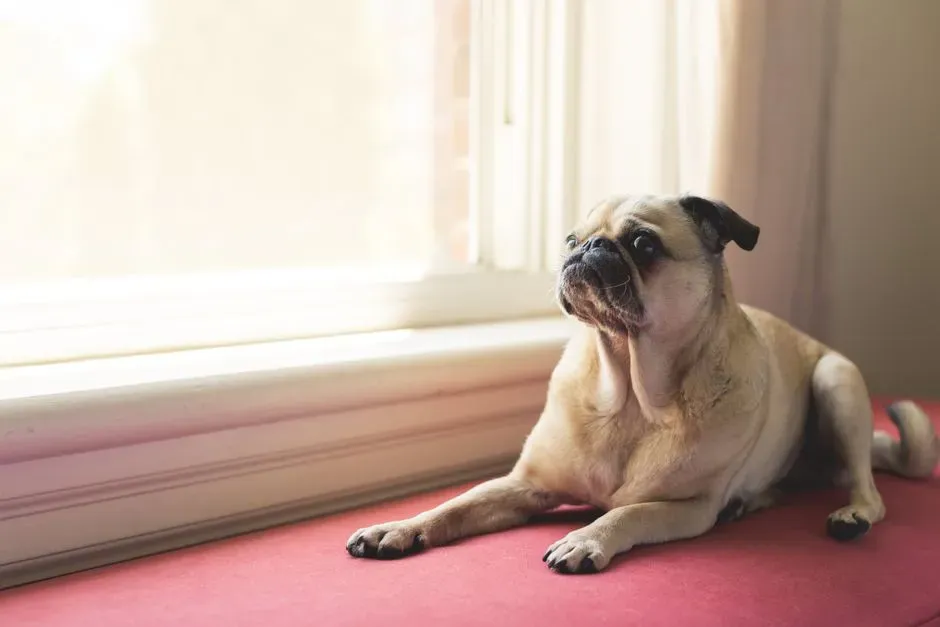
For years, the window was appointment television. Squirrels, joggers, delivery trucks, the neighbor’s cat – all of it demanded commentary and surveillance. Your dog had a whole system. Then the vigil quietly ends. They still settle near the window sometimes, but the tracking is gone. A squirrel crosses the yard and they don’t move.
This isn’t sadness or depression – it doesn’t look like either. The dog seems comfortable, even relaxed. What’s changed is the radius of what they’re investing energy in. The outside world, which once felt urgent and interesting, has become background noise. They may still respond to loud or genuinely alarming sounds – a sharp bark, a car door – but the small visual triggers they once tracked obsessively go unregistered. Compare their current window behavior to what it looked like six months ago at the same time of day. The contrast is usually striking once you’re looking for it.
#8 – Faint Changes in Breathing Sounds at Rest
This one requires stillness and quiet to catch. During an ordinary evening – TV off, house settled – sit near your dog while they rest and just listen. In healthy sleep, their breathing has a rhythm you’ve probably absorbed without realizing it. When that rhythm begins to change, it’s subtle at first: slightly shallower, occasionally faster, sometimes punctuated by a soft rhythmic sigh that wasn’t there before.
Most households are too noisy to notice this during regular hours. The change gets lost under the sound of daily life. But some dogs develop a quiet sigh pattern during sleep – not distressed, not labored, just different – that reflects reduced lung efficiency rather than deep relaxation. It’s easy to romanticize as a contented sleeping sound. Early respiratory shifts like these often precede more obvious panting or breathing effort by weeks. The window to notice them is narrow, and most people only recognize them afterward when they think back to what they heard and didn’t question.
Worth Knowing
- Irregular or shallow breathing during rest is a recognized early end-of-life marker in dogs
- A soft, repetitive sigh during sleep is different from a deep breath of relaxation – the cadence and timing are distinct
- More obvious labored breathing or open-mouth breathing typically appears weeks after subtle changes begin
- Sitting quietly beside your dog for 10 uninterrupted minutes is often enough to detect a pattern you’d otherwise miss
#9 – Gentle Avoidance of Stairs or Jumps
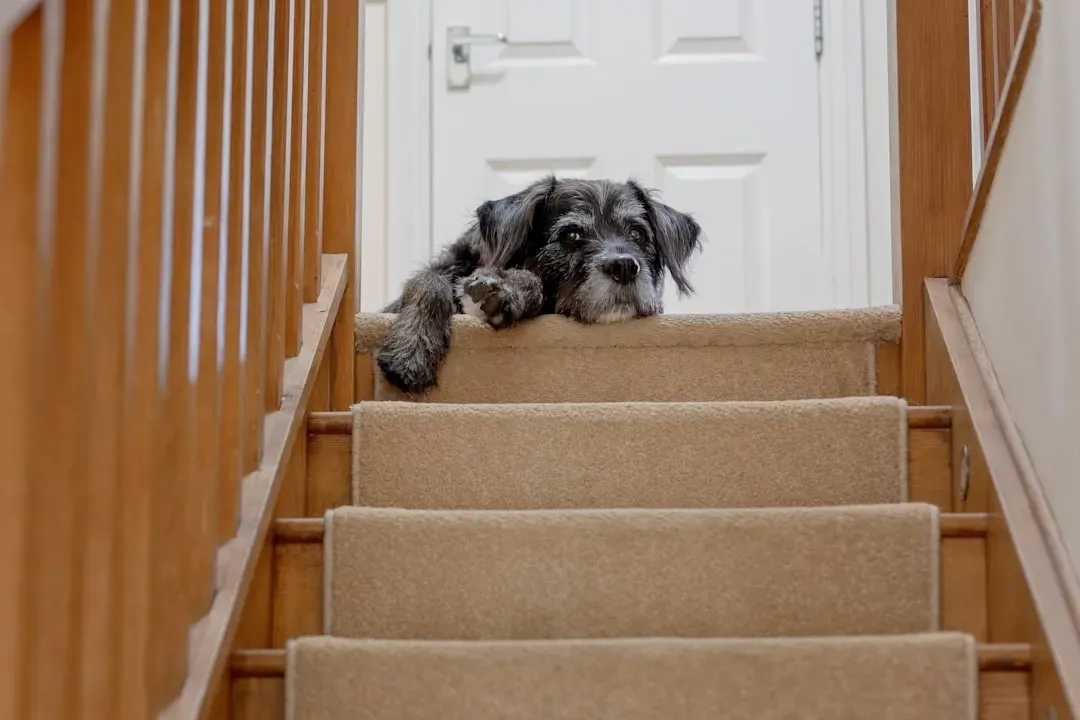
It starts with a pause at the bottom of the stairs that lasts a half-second longer than normal. Then the pause becomes a full stop. Then the dog takes the long way around, or waits at the base until someone carries them, or simply doesn’t follow you upstairs anymore. There’s no whining, no obvious limping, no dramatic signal. Just hesitation, and then a quiet rerouting of the path.
The reason this reads as gradual rather than alarming is that dogs are remarkably good at adapting their movement to compensate for what’s fading. Some shift more weight to their front legs to pull themselves up rather than push with their hindquarters – a compensatory move that looks effortful but functional. By the time most owners register it as a real pattern, the dog has been quietly working around the limitation for weeks. Watch daily routines around the house. The detours your dog is taking will tell you more than any single moment of obvious struggle.
#10 – Subtle Slowing of Response to Their Name
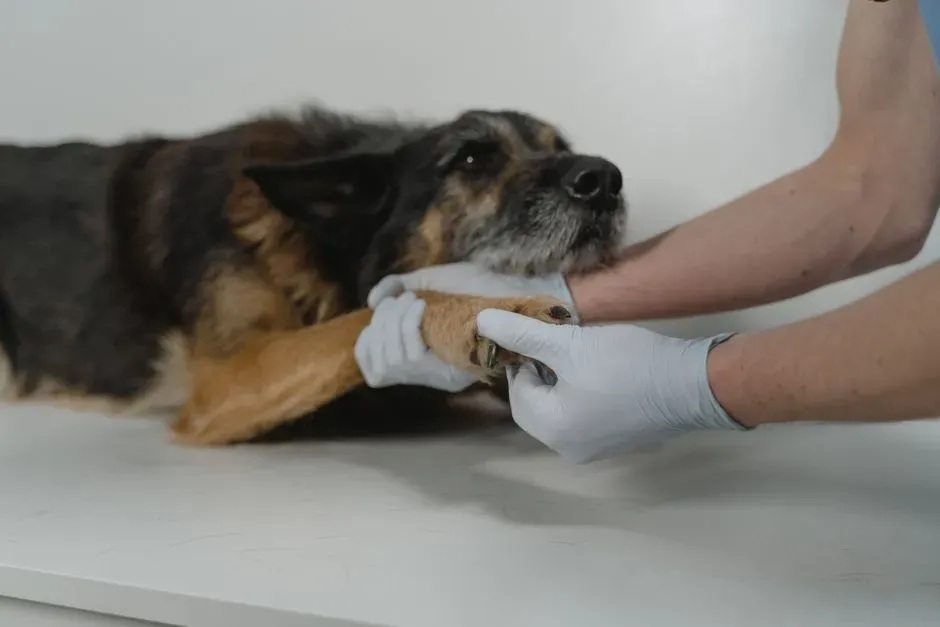
Say your dog’s name. They look up – but there’s a pause before the body follows. Where they once scrambled to their feet almost before you’d finished saying it, there’s now a moment. A full beat. They heard you. They registered it. And then, slowly, they begin to move. Most owners interpret this as distraction or stubbornness, especially in a dog with a history of selective listening.
But the pattern is consistent and telling when you observe it across quiet moments – not during high-distraction situations, but in a calm room, at a calm hour, when there’s nothing competing for their attention. The delay isn’t selective hearing. It’s the cognitive and physical cost of response rising while available energy falls. Test it gently during low-distraction times and watch not just whether they come, but how long it takes them to decide to. That micro-delay is a window into something most people don’t think to look through.
Quick Compare: Normal Aging vs. End-of-Life Response
- Normal aging: Slower to rise, but still engaged and motivated by your voice
- End-of-life pattern: Registers the call, pauses noticeably, then moves with a kind of deliberate effort
- Normal aging: Selective hearing in distracting environments
- End-of-life pattern: Delayed response even in quiet, low-distraction rooms with nothing competing
- Key tell: The change is recent, consistent, and present across multiple days – not just occasional
#11 – Slight Increase in Time Spent Facing Away

Your dog starts resting with their back to the room more often. They choose corners. They tuck themselves under furniture. They position themselves where they can hear the household without being in the middle of it. It doesn’t look like rejection. There’s no growling, no stiffness when you approach, no behavioral signal that anything is wrong. They’ll still accept affection when offered. They just stop positioning themselves to seek it.
Veterinarians recognize this as a protective withdrawal instinct – a self-preservation behavior rooted deep in animal biology. A vulnerable animal instinctively guards its back. What’s poignant is that the dog still wants connection; they choose spots where they can hear everything happening. They’re not leaving the family. They’re just managing how much of the world they’re directly facing. Notice if your dog has developed new preferences for specific corners, edges, or low-profile spots they didn’t favor before. The geography of where they rest is telling its own story.
#12 – Quiet Reduction in Tail Wagging
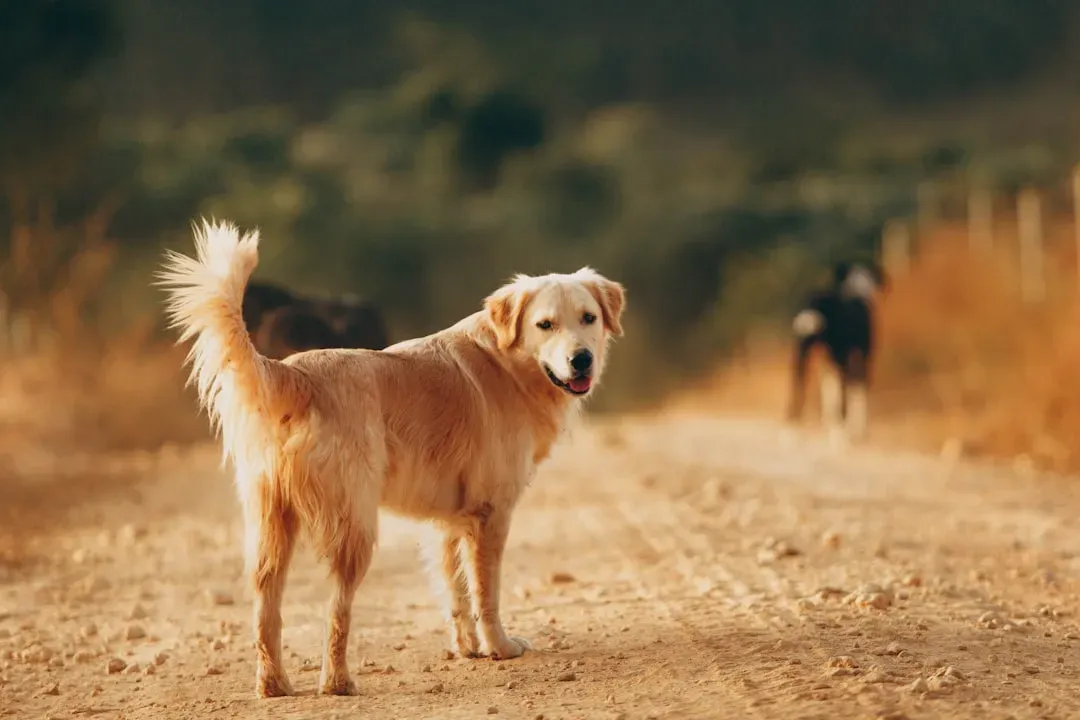
The tail wag doesn’t disappear – it just becomes a fraction of what it was. Where it once swept wide arcs, it now moves a few inches. Where it once launched them forward to greet you at the door, it now offers a slow half-sweep without the forward momentum. The dog doesn’t seem sad. They come to you. They look at you. They’re glad you’re there. The wag just doesn’t have the energy behind it anymore.
This is one of the signs that hits owners hardest in retrospect, precisely because it was so easy to read as calm instead of decline. “He was just mellowing out,” people say. “She was always a low-key dog.” And maybe that was true for years. But when a dog that once greeted you with full-body enthusiasm begins offering a quiet, abbreviated version of the same gesture, that change is worth marking. Watch it specifically during routine homecomings – the moments that used to reliably bring out their best reaction. Measure the wag against its own history, not against some other dog’s baseline.
#13 – Minor Changes in Sleeping Positions
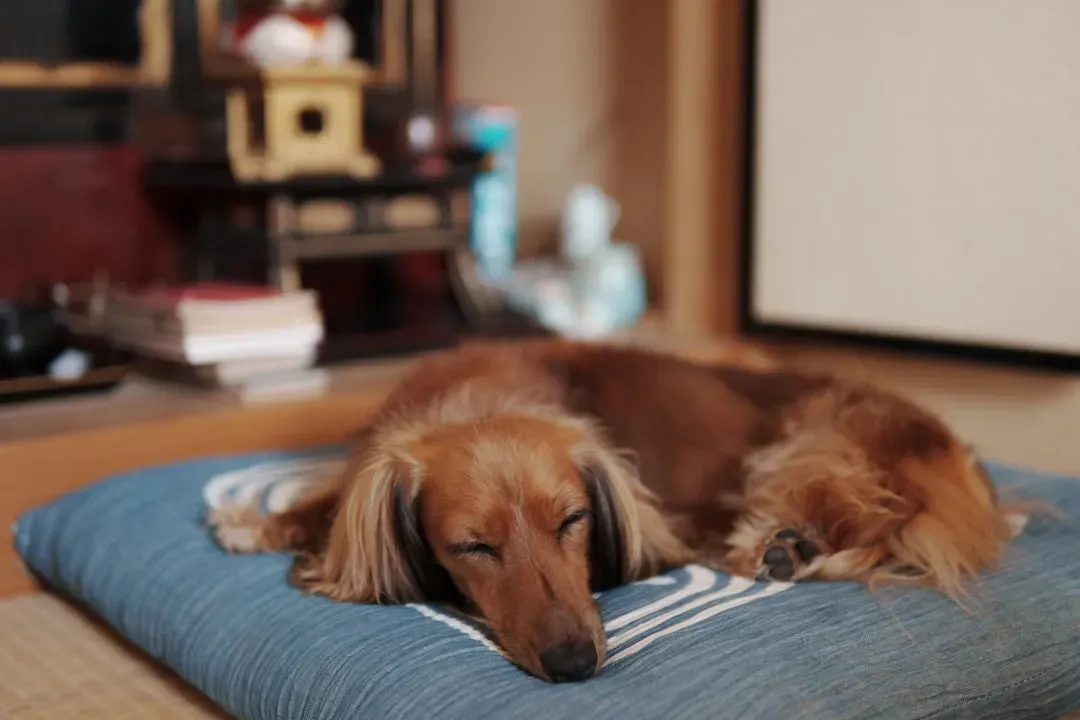
Dogs are creatures of habit, and sleeping position is one of the most consistent habits they have. Your dog probably has a signature curl, a preferred side, a way they always tuck their nose. When that starts to shift – when the tight curl gives way to a stretched-out sprawl, when they begin favoring one side heavily, when they start resting with their head slightly elevated on a surface edge – it’s worth paying attention.
These adjustments are the dog’s quiet, uncomplaining response to discomfort they have no way of telling you about. The head elevation, in particular, is something veterinarians recognize as a subtle sign of breathing effort – the dog instinctively finding a position that makes each breath slightly easier. It doesn’t look like distress. It looks like a dog getting comfortable. And that’s exactly why it gets missed. If your dog’s sleeping position has shifted noticeably from their lifelong norm, especially combined with anything else on this list, take it seriously.
Fast Facts
- A dog switching from a tight curl to a full sprawl may be relieving pressure on joints or internal organs
- Head elevation during sleep is a known compensatory posture for early breathing difficulty
- Consistently favoring one side can reflect localized pain or discomfort the dog cannot vocalize
- Restlessness – frequently changing positions during the night – is also a recognized end-of-life comfort-seeking behavior
#14 – Subtle Shifts in Favorite Treat Acceptance
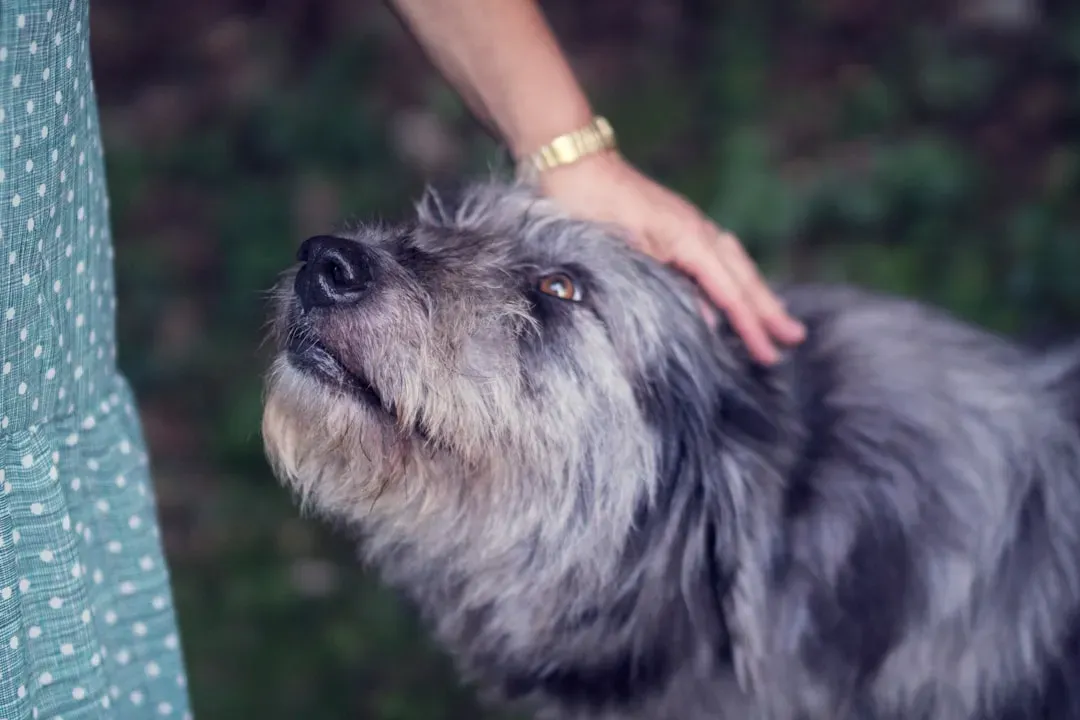
This one tends to arrive so quietly that owners don’t even register it as a pattern until weeks have passed. The dog doesn’t refuse food. They still eat their meals. But that one treat – the high-value thing they used to lose their mind over, the smell alone sending them into frantic circles – gets a sniff and a polite turn of the head. Or they take it gently and then set it down. Or they simply walk away.
What makes this so disarming is that a dog still eating regular meals reads as a dog who is fine. Owners replace the treat, try a different flavor, assume pickiness. But the body’s metabolic slowdown as organ function begins to decline changes what’s appealing and what costs too much energy to process. The regular food is familiar and manageable. The rich, high-value treat is suddenly too much. Watch for this pattern across several days, not just a single moment of disinterest. One off day means nothing. A consistent, gentle refusal of something they once treasured means something worth paying attention to.
What These Signs Are Really Telling You
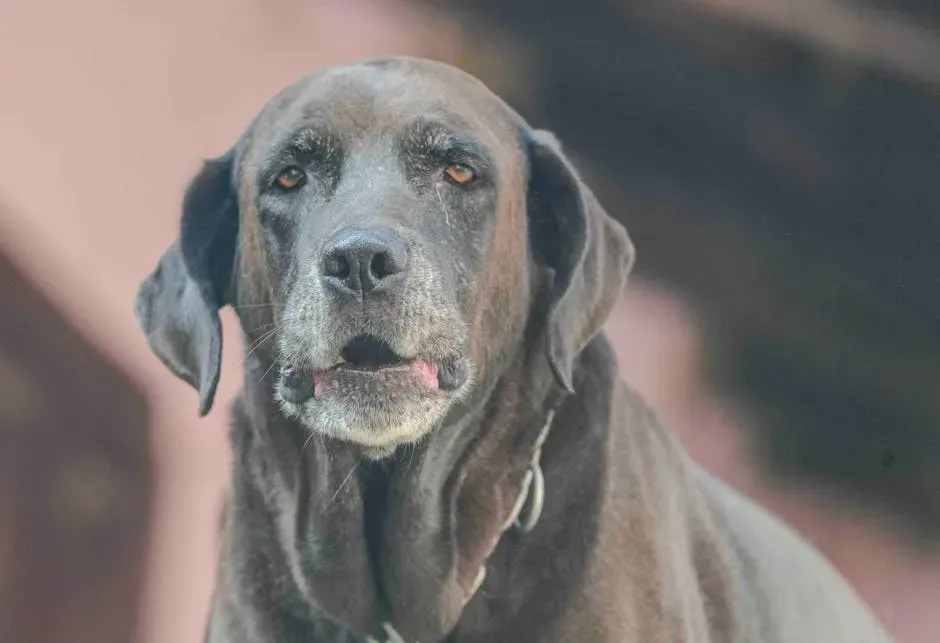
Here is my honest opinion, having looked at all fourteen of these together: the reason most owners miss these signs isn’t inattention. It’s love. We see what we want to see in the animals we’ve built our lives around. A slower tail wag reads as maturity. A preference for corners reads as independence. A quiet dog who stays close reads as a dog who has finally, beautifully, settled. And sometimes that’s all it is. But sometimes it isn’t.
The most important thing these signs share is their cumulative nature. One of them, in isolation, means very little. Three or four of them, showing up together over the course of a few weeks? That’s your dog communicating in the only language they have – behavior, proximity, and quiet. They are not being dramatic about leaving. They are being a dog about it: dignified, present, and trusting you completely to notice. The kindest thing we can offer them in return is to actually look. Not with dread, but with the same full attention they’ve given us every single day of their lives. They’ve earned that much. They’ve earned far more than that.
Why It Stands Out
- These signs can also point to treatable conditions – a vet visit is always the right first step, not a final conclusion
- Behavior changes may begin as early as several weeks before death, giving families time to plan and connect
- Quality-of-life tools like the HHHHHMM Scale (used by veterinarians) can help you track changes objectively alongside your own observations
- In-home euthanasia services are widely available and allow a dog to pass in the comfort of a familiar environment with loved ones present
- Whatever you decide, your dog experiences your calm presence as comfort – being there, steady and close, is always the right move
