

In the vast tapestry of Earth’s biodiversity, certain creatures remain tucked away, their riveting lives unbeknownst to the common eye. While some of the planet’s most dangerous animals like lions and sharks, have captured our imagination and fears alike, numerous lesser-known species pose significant risks due to their unique adaptations and ecological niches. This article uncovers these obscure yet perilous inhabitants of our world, focusing on their intriguing qualities that warrant both respect and awareness.
Blue-Ringed Octopus

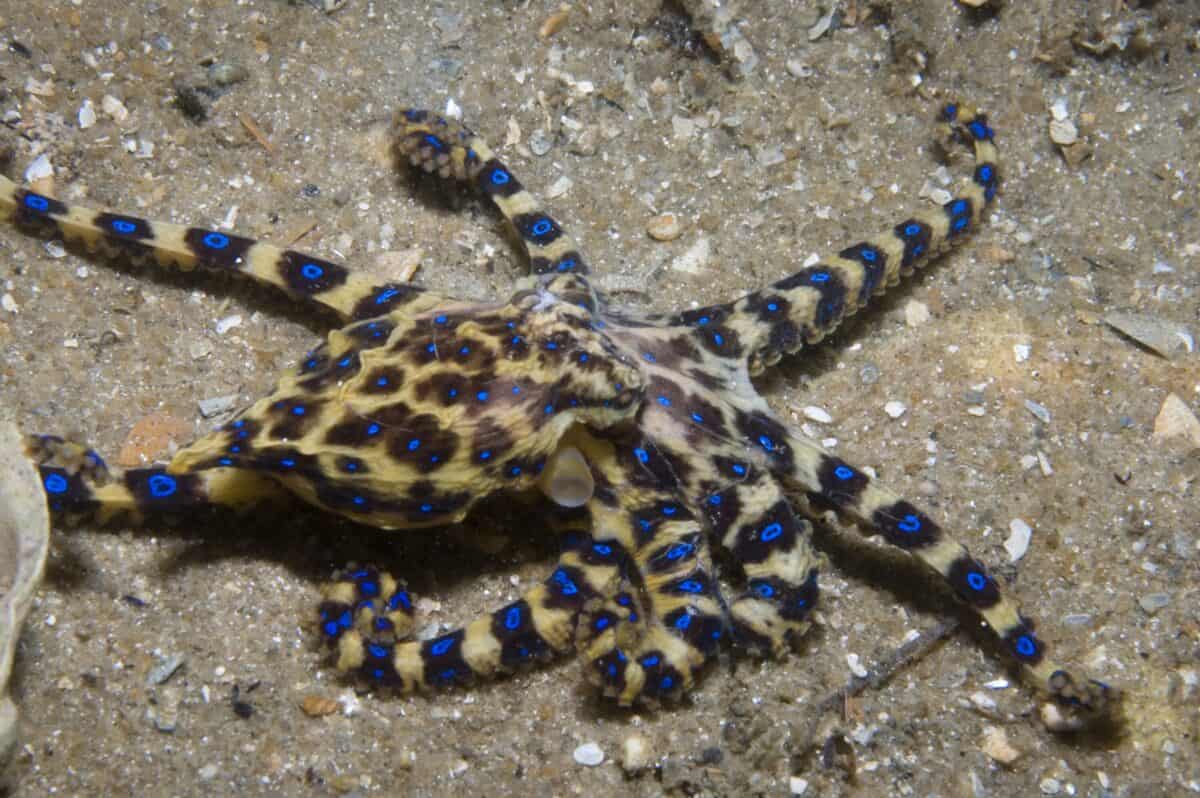
At first glance, the blue-ringed octopus might seem harmless, with its small size and mesmerizing iridescent blue rings. Found in the tide pools and coral reefs of the Pacific and Indian Oceans, this creature packs a deadly punch. Its venom contains tetrodotoxin, a potent neurotoxin that can cause paralysis and even death in humans. Remarkably, there’s no antidote, making it crucial for individuals to seek immediate medical attention after contact. The octopus’s vibrant rings serve as a stark warning to potential predators and humans alike.
Cone Snail

While many might not equate snails with danger, the cone snail is a notable exception. Indigenous to tropical waters, these beautifully patterned creatures harbor a cocktail of toxins used for immobilizing prey. A sting from a cone snail can result in “Conus striatus”, which can cause paralysis or even fatal respiratory failure. Researchers today study these toxins for their potential medicinal benefits, underscoring the intricate balance between danger and healing found in nature.
Box Jellyfish

The box jellyfish holds a lethal reputation among marine animals. Residing mainly in the warm waters of the Indo-Pacific, its tentacles are laden with nematocysts capable of delivering potent venom. This venom attacks the heart, skin cells, and nervous system, often with fatal consequences. Encounters can lead to immediate and intense pain, and in severe cases, cardiac arrest. Swimmers in affected regions are advised to heed local warnings and wear protective clothing.
Stonefish

Beneath the sands of the Pacific and Indian Oceans looms the stonefish, camouflaged with a likeness to a rock. Its unique appearance provides both predatory advantages and defenses against threats. Equipped with venomous spines, a step on these fish can introduce venom that causes severe pain, swelling, and even death if untreated. Prompt and correct medical care, typically involving anti-venom and hot water immersion, is essential to alleviate symptoms and prevent complications.
Inland Taipan

Also known as the “fierce snake,” the inland taipan is revered as the most venomous snake in the world. Native to the semiarid regions of central Australia, this snake’s venom contains neurotoxins capable of killing a human in under an hour. Thankfully, the inland taipan is reclusive and rarely encountered by humans. Its striking accuracy and speed make it a fascinating subject for herpetologists and a source of awe and caution for the public.
Brazilian Wandering Spider
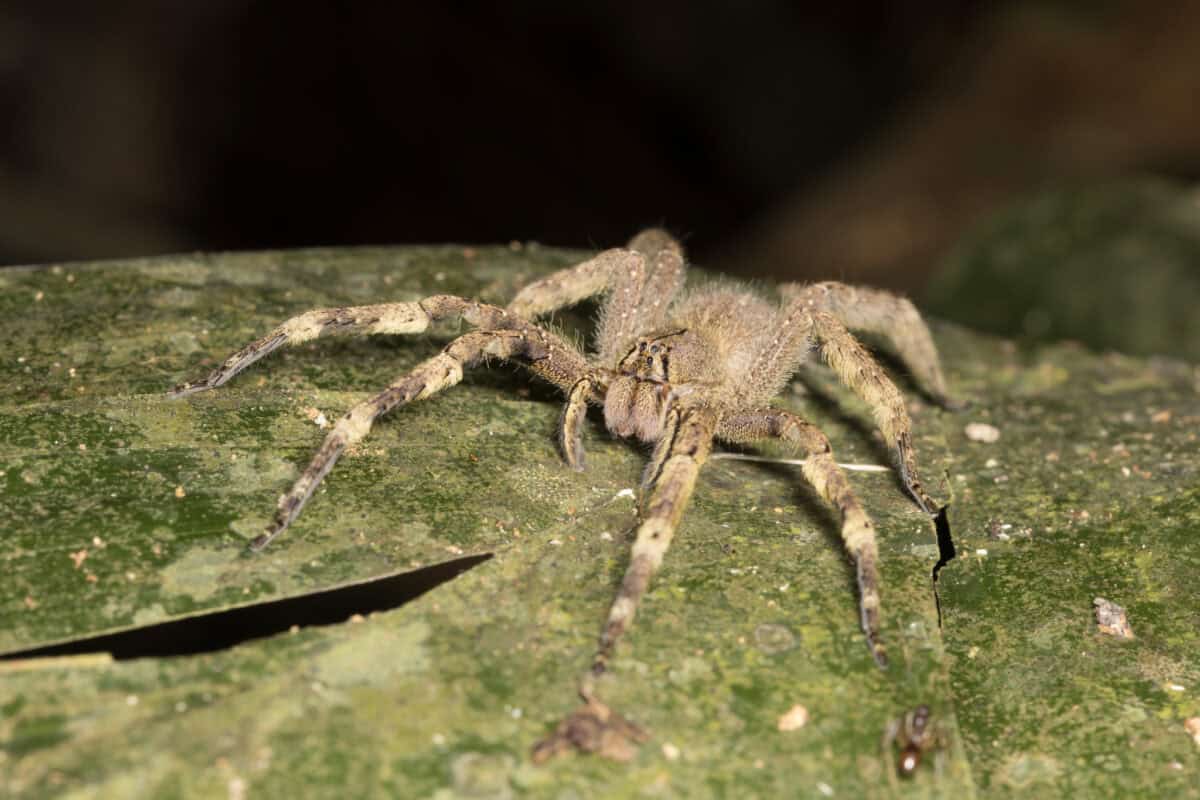
Renowned for its aggressive and erratic behavior, the Brazilian wandering spider roams the forest floor of South America during the night. Its venom holds a complex mix of toxins, causing intense pain, paralysis, and sometimes death. Interestingly, it also contains compounds under research for their potential in treating erectile dysfunction. Due to its potent venom, caution and respect in its presence are paramount.
Irkandji Jellyfish

Though diminutive in size, the irukandji jellyfish is responsible for one of the most painful stings in the animal kingdom. Found in northern Australian waters, this jellyfish can cause Irukandji syndrome, characterized by severe pain, nausea, and anxiety, leading to life-threatening conditions. The delay in symptom onset makes it particularly elusive, stressing the importance of prompt medical attention in stung individuals.
Bullet Ant
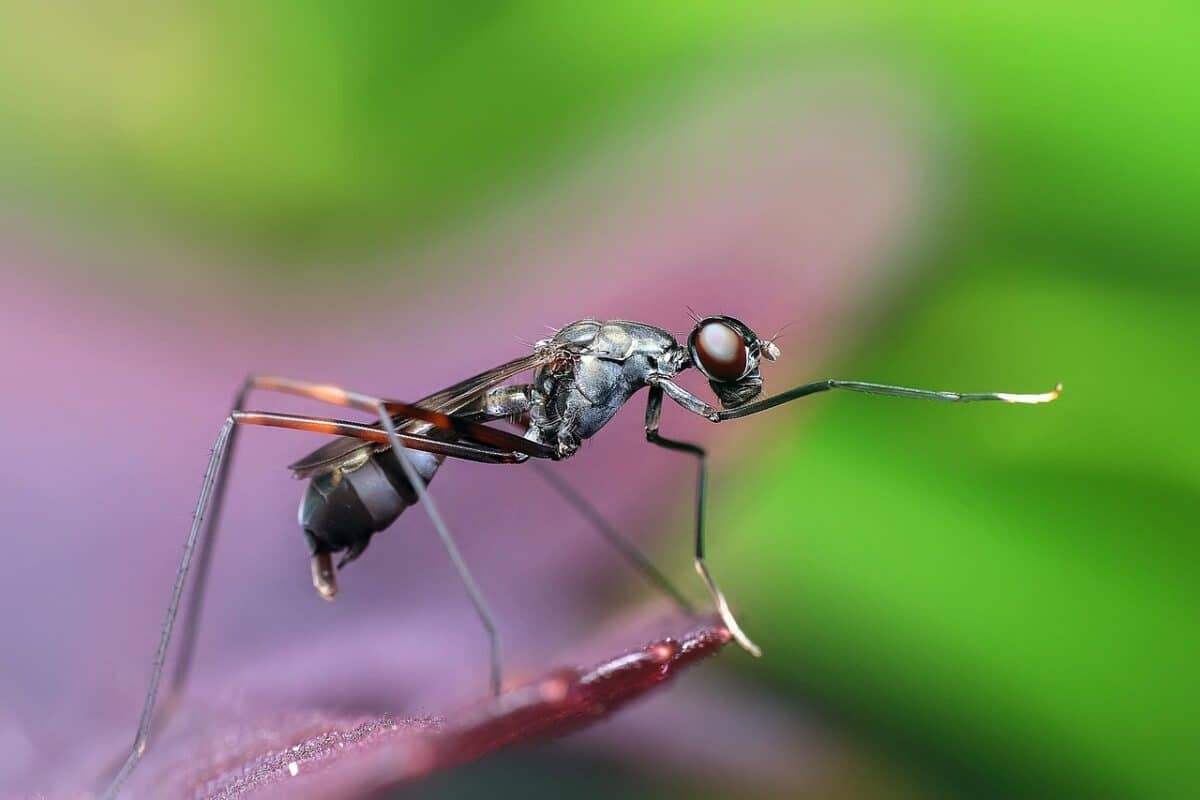
Referred to as the insect with the most painful sting, the bullet ant inhabits the rainforests of Central and South America. Its sting is likened to being shot, hence the name. The pain, lasting up to 24 hours, is accompanied by waves of burning and thrumming sensations. Surprisingly, these ants play a role in the initiation rituals of some indigenous tribes, demonstrating their cultural as well as ecological significance.
Pufferfish
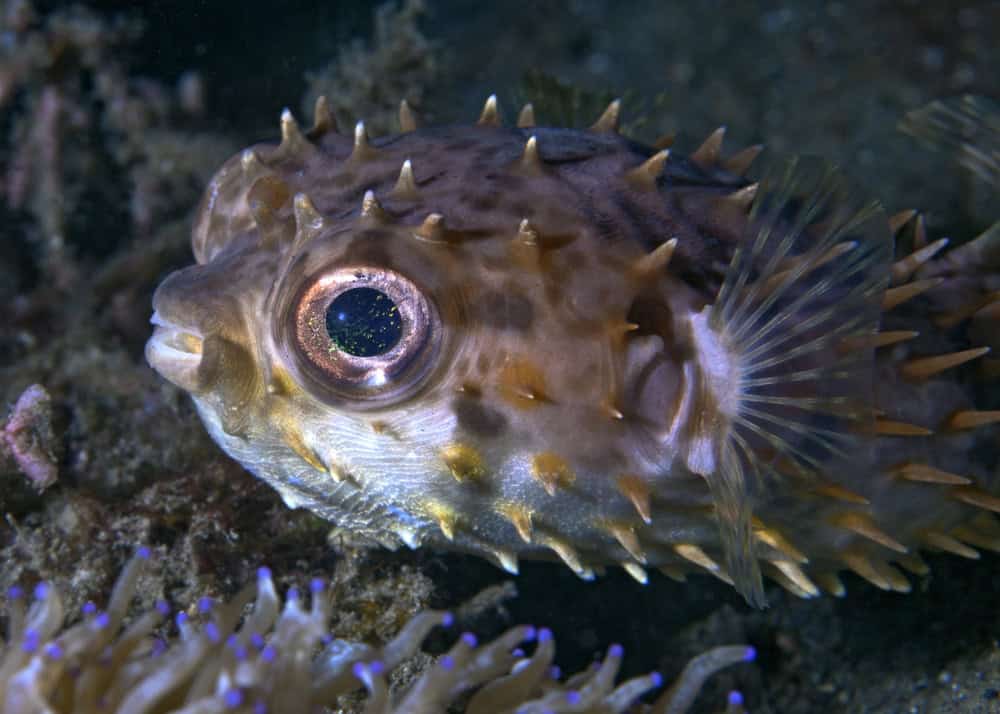
Pufferfish, or fugu, are celebrated in Japanese cuisine yet pose significant risks due to their tetrodotoxin-filled organs. This toxin, also found in the blue-ringed octopus, is lethal and meticulous preparation is required to render fugu safe for consumption. Licensed chefs undergo intensive training to ensure the fish is prepared correctly, highlighting the blend of danger and tradition surrounding this unique culinary experience.
Deathstalker Scorpion

Occupying the arid desert regions from North Africa to the Middle East, the deathstalker scorpion is notorious for its venomous sting. Although rarely fatal to healthy adults, the sting can cause excruciating pain and necessitate immediate medical care for vulnerable individuals, such as children and the elderly. Research into its venom promises potential medical breakthroughs, including cancer-fighting properties.
Komodo Dragon

The largest living species of lizard, the Komodo dragon is a formidable apex predator on the Indonesian islands. These dragons rely on their strength and venomous bite to subdue prey, delivering toxins that induce shock and prevent blood clotting. Despite their fearsome reputation, they remain protected as a vulnerable species, with conservation efforts underway to preserve their natural habitats.
Candiru
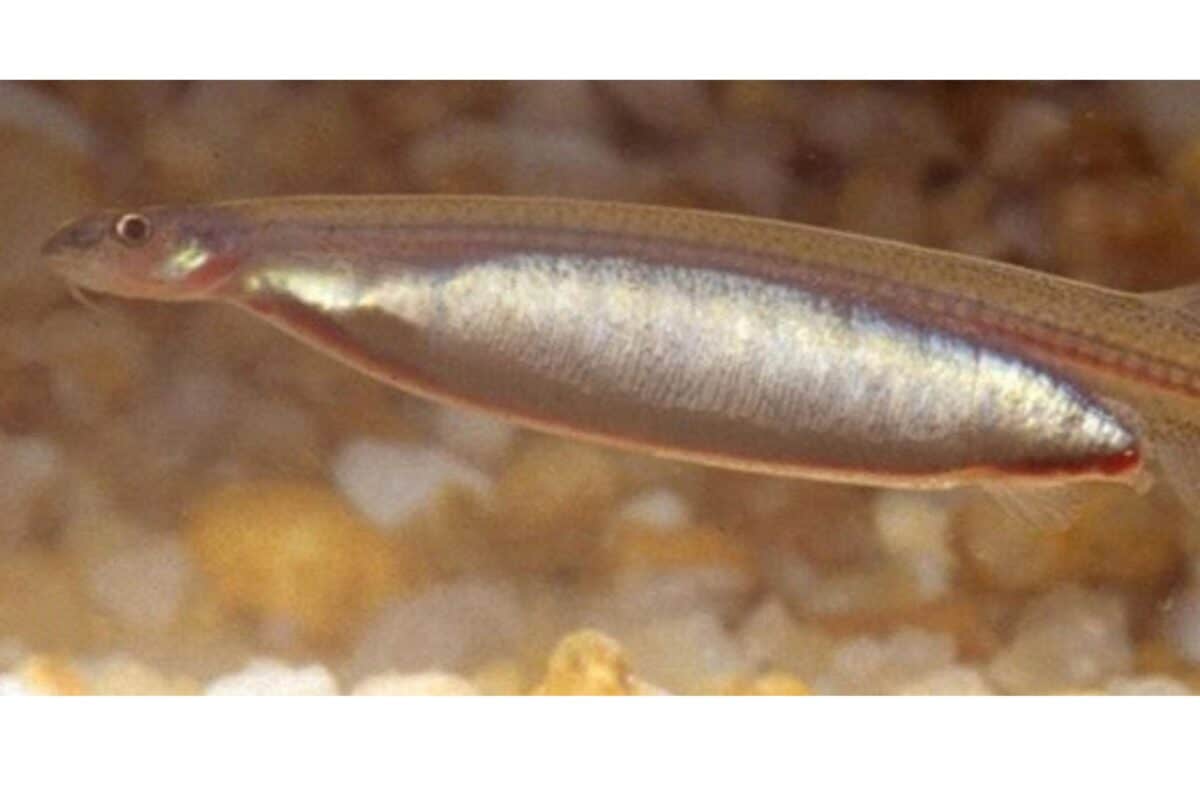
The candiru fish, or toothpick fish, is a parasitic catfish inhabiting the Amazon Basin. Infamous for its alleged attraction to urine, the candiru can penetrate the urethra of unsuspecting bathers, causing immense pain and difficulty in removal. While some claims about their dangers are debated, they remain a symbol of the Amazon’s enigmatic and sometimes perilous aquatic life.
Conclusion

In exploring these lesser-known yet dangerous creatures, we gain a greater appreciation of nature’s complexity and the incredible- and sometimes terrifying- adaptations that help define it. Awareness and respect for these animals and their habitats are crucial in appreciating the delicate interplay of ecosystems. Whether situated in the most remote oceans or deepest jungles, these creatures demand our acknowledgment as formidable and intriguing parts of our world.

As a little kid, I fell in love with nature, wildlife, and animals. Living in the USA, South Africa, Italy, China and Germany gave me the opportunity to discover the world's Wildlife. My favorite animals are Mountain Gorillas, Siberian Tigers, and Great White Sharks.
I'm a certified PADI Open Water Diver, went to Everest Base Camp and Trekked Gorillas in Uganda. I hold a Master of Science in Economics and Finance.
Please send any feedback to feedback@animalsaroundtheglobe.com
- 13 Cat Breeds That Get Along with Dogs - July 20, 2026
- The 12 Largest Dog Breeds That Still Love to Cuddle - July 20, 2026
- 12 Pet Habits That Secretly Mean They Love You - July 20, 2026