


The animal kingdom is full of fascinating creatures that form unwavering bonds, showcasing loyalty that rivals even the most devoted pet. Unlike domesticated pets, many wild animals exhibit loyalty through complex social structures, monogamous relationships, and cooperative survival strategies. This article explores the 12 most loyal animal companions in the wild, offering insight into their behaviors and social dynamics. Whether it’s the faithful pairing of avian couples or the steadfast bonds within mammalian packs, these creatures exemplify loyalty at its finest. Let’s delve into these remarkable stories of fidelity and devotion.
Gray Wolves The Pack Loyalty

Gray wolves are renowned for their pack dynamics, forming tight-knit family units where cooperation is key. Each pack is led by an alpha pair, often monogamous, that guides and protects the group. Loyalty within the pack is vital for hunting and ensuring the survival of the members. Gray wolves communicate and coordinate through complex vocalizations and body language, fostering strong social bonds. In packs, each member has specific roles, and the loss of one can greatly impact their social structure, demonstrating their reliance and faithfulness to one another.
Swans Symbols of Eternal Love
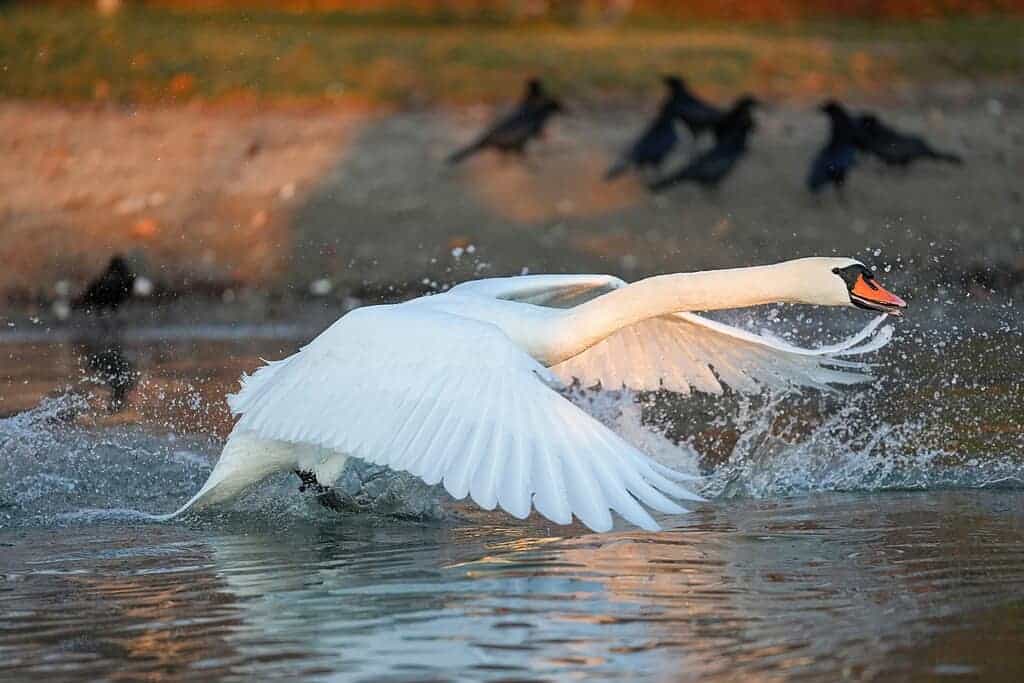
Swans are iconic symbols of love and fidelity. Known for their lifelong monogamous pairings, swans work together to build nests, incubate eggs, and raise their cygnets. Their loyalty extends beyond mere companionship as they also defend their territory from intruders and predators. The synchronized movements, such as the famous “heart” shape formed by their necks, showcase their deep bonds and dedication to each other. Swans’ loyalty is a testament to their preference for stable and cooperative relationships.
Beavers Cooperative Builders
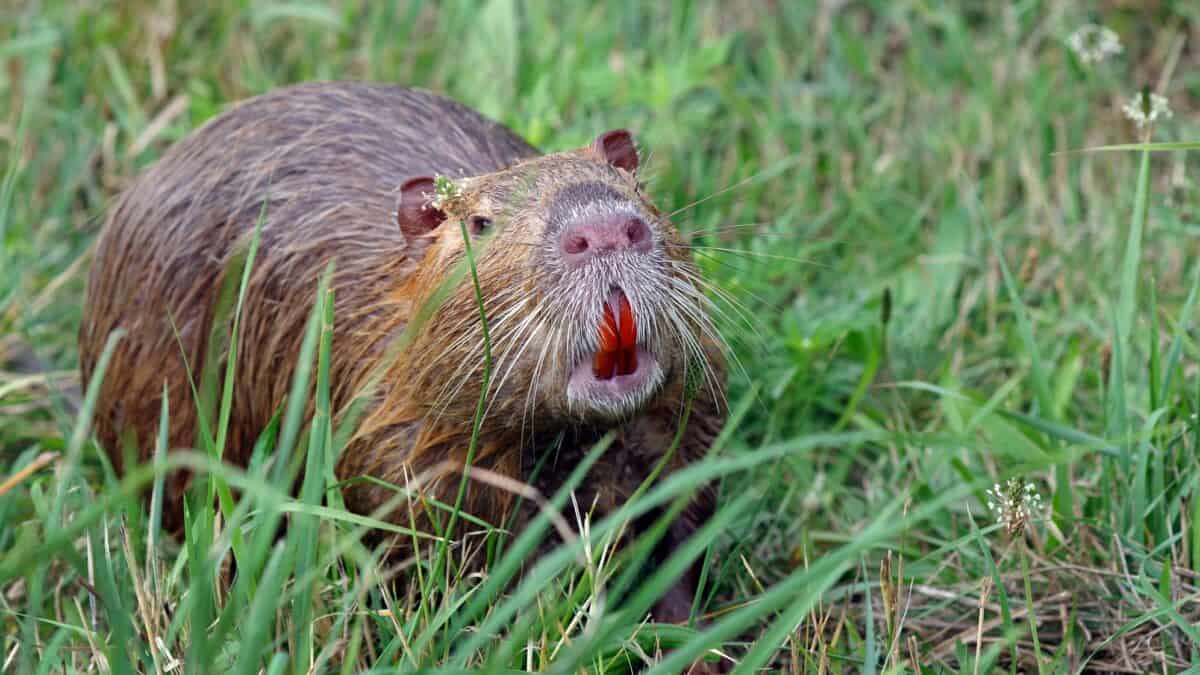
Beavers are remarkable creatures known for their ability to construct intricate lodges and dams. These monogamous animals live in family units, displaying strong loyalty to their mates and offspring. Beavers work tirelessly to maintain and protect their homes, a collective effort that ensures the safety and well-being of the group. Each member of the family has a role, from cutting down trees to caching food supplies. Beavers’ commitment to their family unit underscores the importance of teamwork and loyalty in the wild.
African Elephants Matriarchal Bonds

African elephants are known for their complex social structures led by a matriarch. These family groups are characterized by strong bonds and unwavering loyalty among members. The matriarch, usually the oldest and wisest female, guides the herd to find food and water and teaches the younger generations. Elephants show extraordinary empathy and care, consoling one another in times of distress. Such deep-rooted loyalty within their family units is crucial for their survival in the harsh environments of the African savannas.
Penguins Lifetime Partnerships
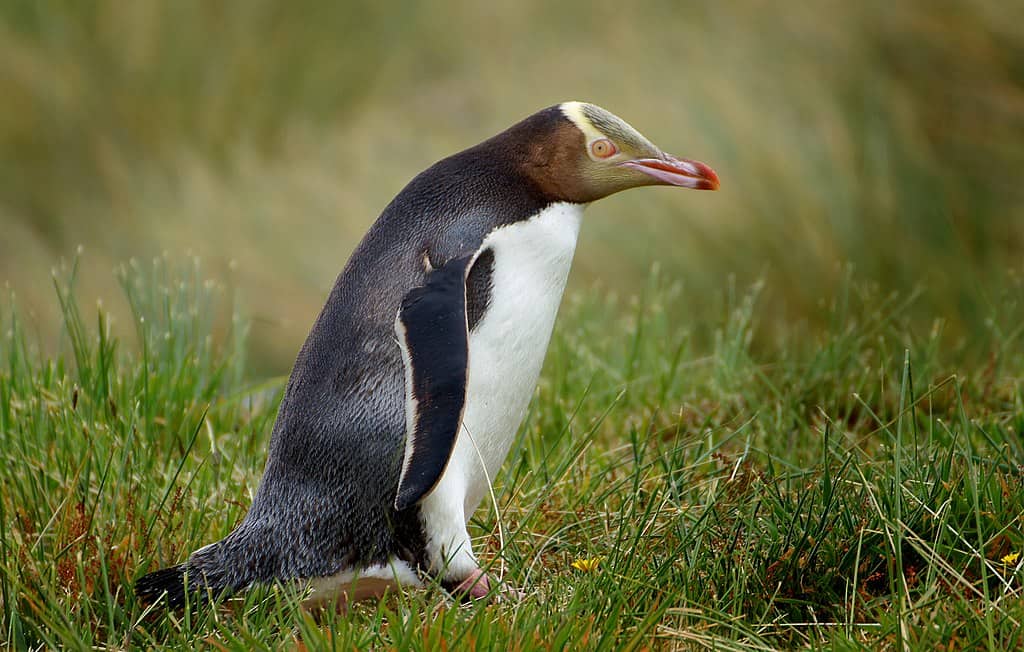
Penguins, particularly Emperor and Adelie species, are known for their lifelong monogamous relationships. These birds engage in elaborate courtship rituals to select a mate, and once paired, they return to the same partner each breeding season. Together, they face the harsh Antarctic conditions, united in raising their offspring. The male and female take turns incubating the egg and foraging, demonstrating equality and mutual trust. Penguins’ enduring partnerships are a testament to loyalty and team effort in extreme environments.
Bald Eagles Majestic Commitment

Bald eagles form monogamous pairs that often last for life. These birds of prey demonstrate their loyalty by returning to the same nesting site annually, where they build and maintain their nests together. The division of labor is evident as one eagle guards the nest while the other hunts for food. Their long-lasting partnerships are underscored by clear communication and mutual protection, which is crucial for raising their young. Bald eagles epitomize loyalty through their cooperative efforts and shared responsibilities.
Gibbons Vocal Duets of Devotion
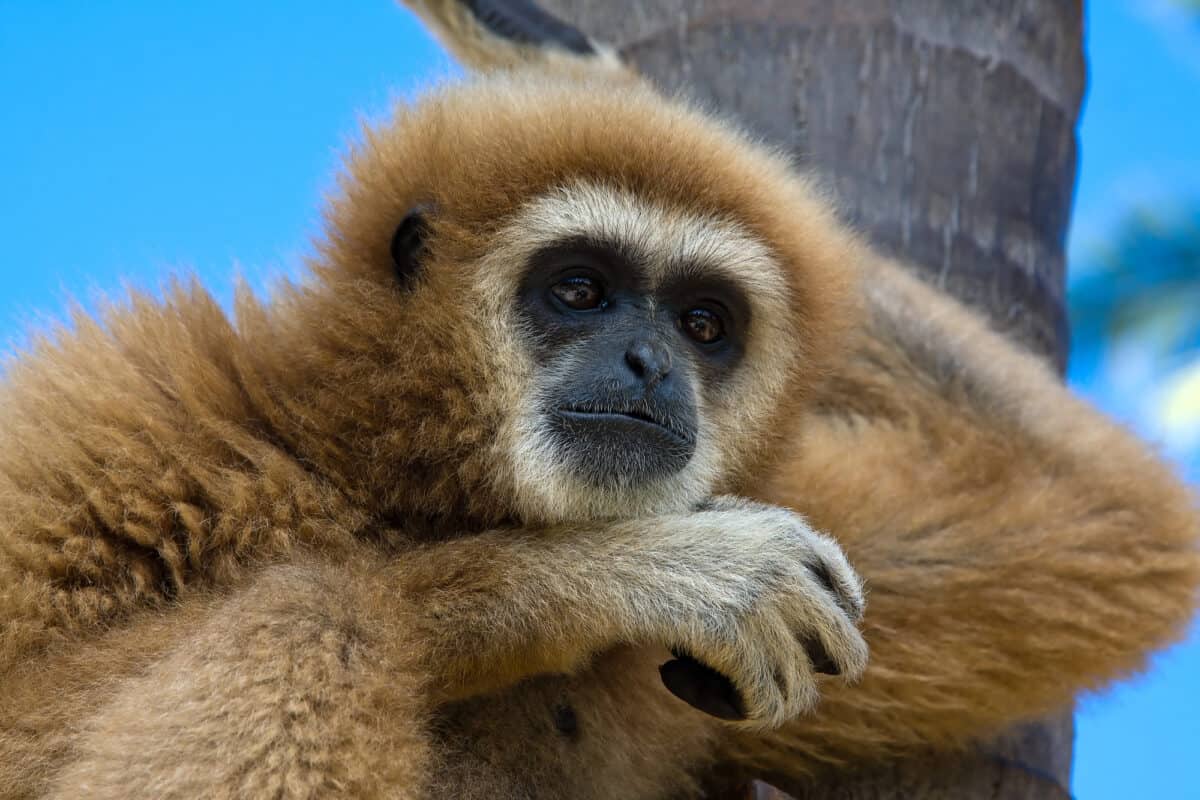
Gibbons are small apes known for their incredible agility and duetting calls. These calls are more than just communication; they signal their monogamous partnership to other gibbons. Gibbons form lifelong bonds, living in small family groups where each member plays a role in caring for the young. Their vocalizations are a display of loyalty and territorial defense, ensuring the stability and safety of their family unit. Gibbons’ strong pair bonds reflect the importance of communication and support in maintaining relationships.
Coyotes Cooperative Family Units

Coyotes are highly adaptable animals known for their close-knit family groups led by a monogamous pair. These social units teach and protect the younger members, demonstrating strong family loyalty. Coyotes work together to hunt and defend their territory, relying on each pack member’s strengths. The familial loyalty within their groups ensures their resilience and success in diverse habitats across North America. The cooperative nature of coyote packs highlights the power of collective effort and mutual trust.
Albatrosses Lifelong Flight Partners
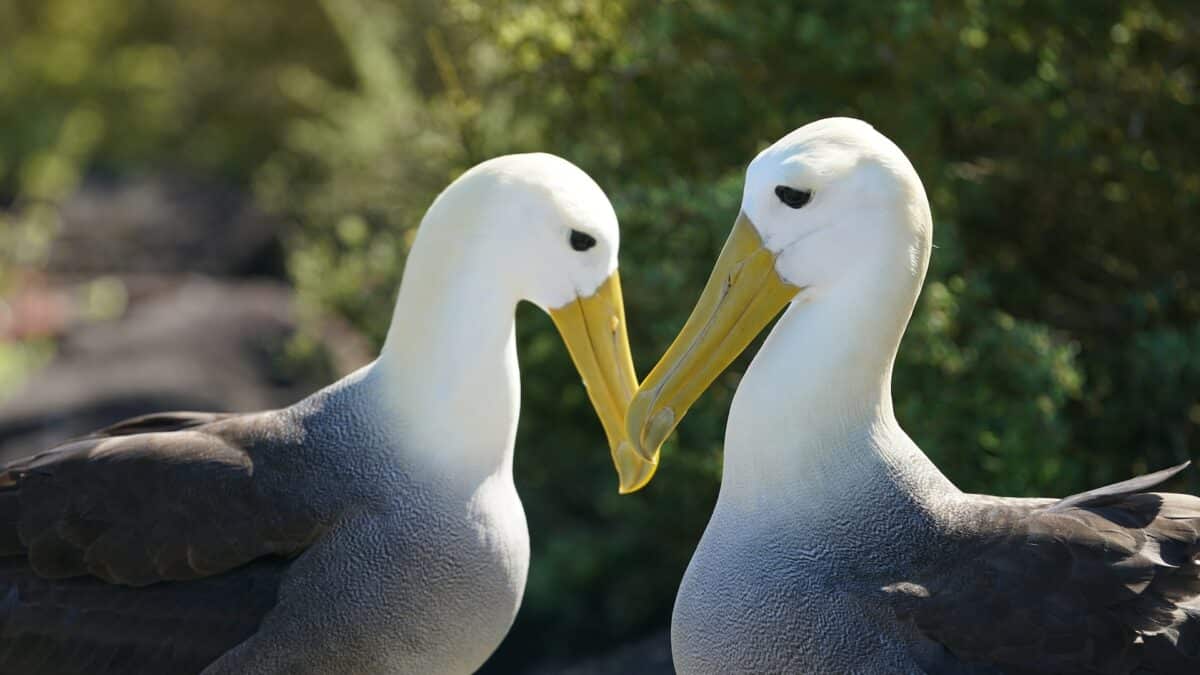
Albatrosses are large seabirds famous for their extensive flights over the oceans. They form monogamous bonds that can last for decades. During mating season, these birds perform complex dances to reaffirm their partnership. Albatrosses rely on their loyalty to raise their chicks, taking turns incubating the egg and foraging at sea. Their commitment is such that they return to the same nesting sites year after year. Albatrosses’ lasting partnerships illustrate the dedication required for survival in the vast and lonely expanses of the ocean.
Meerkats Sentries of Solidarity
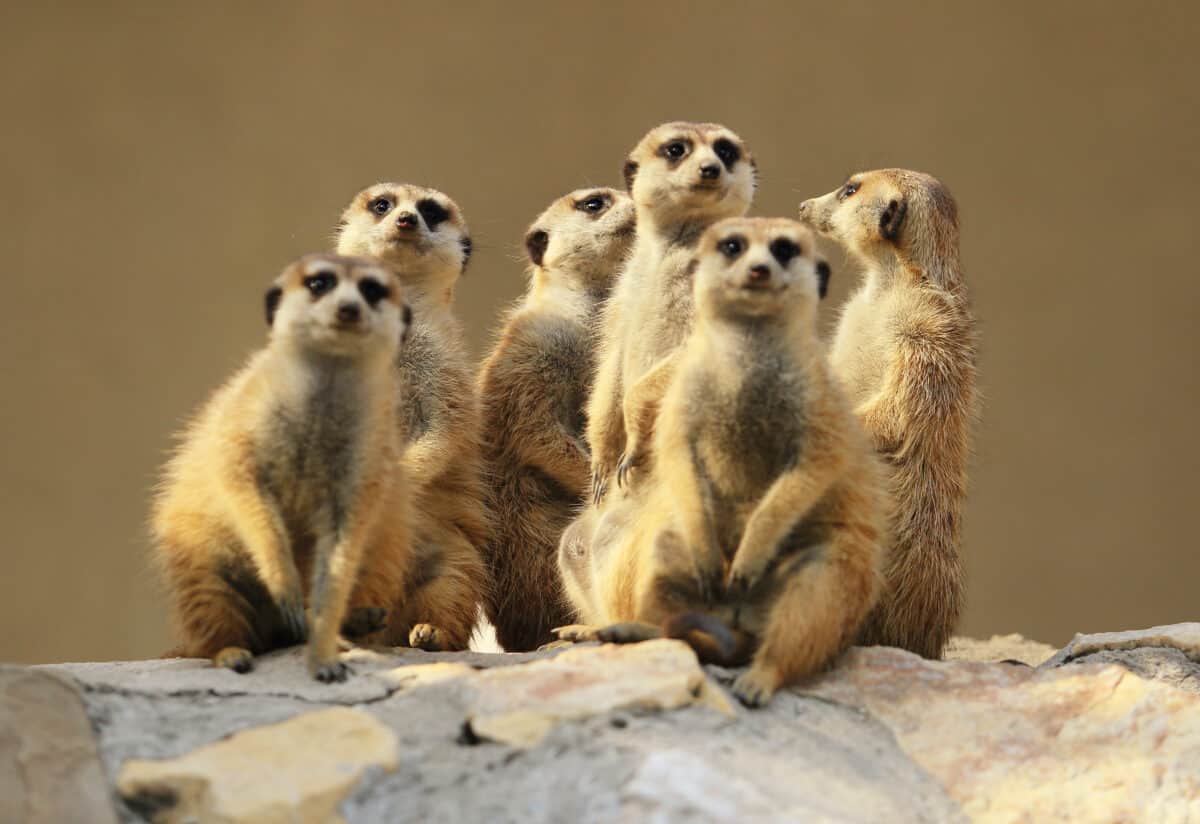
Meerkats are highly social animals that live in large groups, or mobs, in the harsh environments of Southern Africa. Within these groups, meerkats display remarkable loyalty and cooperation. Members take on different roles, from sentries that watch for predators to those who teach the young how to forage. Each meerkats loyalty to the group ensures their collective safety and success. The selfless behavior observed in meerkats underscores the importance of group cohesion and mutual support in their survival strategy.
Prairie Voles The Affectionate Rodents

Prairie voles are small rodents notable for their monogamous bonds and affectionate behavior. Unlike many other rodent species, prairie voles form lifelong partnerships, sharing a nest and cooperating in raising their young. They exhibit behaviors such as grooming and huddling, reinforcing their bonds. Studies have shown that prairie voles have a strong neurological basis for their loyalty, with brain chemistry that promotes social bonding. This species highlights how biological factors can drive deep-seated loyalty and partnership.
Conclusion

These animal companions in the wild offer compelling examples of loyalty, cooperation, and social unity—traits often revered in human relationships. From the steadfast bonds of swans and albatrosses to the cooperative efforts of meerkats and wolves, these animals illustrate the vital role loyalty plays in survival and stability in nature. Understanding these dynamics not only enriches our knowledge of the animal kingdom but also offers insights into the universal importance of commitment and teamwork. The loyalty observed in these creatures serves as an enduring inspiration for fostering similar bonds in our lives.

As a little kid, I fell in love with nature, wildlife, and animals. Living in the USA, South Africa, Italy, China and Germany gave me the opportunity to discover the world's Wildlife. My favorite animals are Mountain Gorillas, Siberian Tigers, and Great White Sharks.
I'm a certified PADI Open Water Diver, went to Everest Base Camp and Trekked Gorillas in Uganda. I hold a Master of Science in Economics and Finance.
Please send any feedback to feedback@animalsaroundtheglobe.com
- 11 Creatures That Can Survive a Nuclear Blast - July 21, 2026
- 10 Animals That Embody the Zodiac Sign of Capricorn - July 21, 2026
- 25 Dangerous U.S. Lakes & Rivers Where Swimming Could Be Risky – Don’t Ignore #1 - July 21, 2026