


Nature, in its unending diversity, churns out creatures that surprise us with their beauty, strangeness, and sometimes, perceived ugliness. While the allure of some animals is undeniable, others evoke fascination with their unusual appearances. Welcome to the world of nature’s most peculiar and, some might say, visually challenging creatures. Let’s embark on a journey to meet 13 of the ugliest animals you’ve ever laid eyes on.
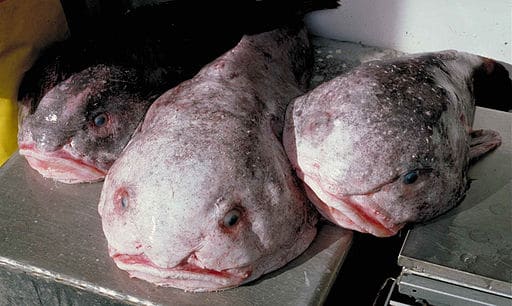
12. Blobfish
🔥 Would you like to save this?
We'll email this post to you, so you can come back to it later!
Regarded widely as the world’s ugliest animal, the blobfish (Psychrolutes marcidus) resides in the deep waters off the coast of Australia and Tasmania. Due to its gelatinous body optimized for a life of extreme pressure, this fish appears comically deformed and flabby when brought to the surface. Despite its looks, the blobfish has become an intriguing symbol of deep-sea creatures’ adaptive evolution.
11. Naked Mole-Rat

🔥 Would you like to save this?
We'll email this post to you, so you can come back to it later!
The naked mole-rat (Heterocephalus glaber) might be a contestant for the title of least visually appealing mammal. Native to East Africa, this burrowing rodent has a nearly hairless, wrinkly body and large, protruding teeth. Remarkably, naked mole-rats are resistant to cancer and have an impressive lifespan for rodents, sometimes living over 30 years.
10. Proboscis Monkey

🔥 Would you like to save this?
We'll email this post to you, so you can come back to it later!
Known for their distinctive appearance, proboscis monkeys (Nasalis larvatus) boast unusually large and bulbous noses. Found in the forests of Borneo, their noses have different theories surrounding their function—ranging from aiding vocalization to attracting mates. Despite their peculiar appearance, these monkeys are skilled swimmers, using their webbed feet to traverse waterways.
9. Star-Nosed Mole:

🔥 Would you like to save this?
We'll email this post to you, so you can come back to it later!
The star-nosed mole (Condylura cristata) sports a nose fringed with twenty-two fleshy appendages, making it one of the most uniquely adapted creatures in North America. This remarkable nose is not just for show; it’s a sensory powerhouse used for detecting prey with astonishing speed, even under murky conditions.
8. Aye-Aye

🔥 Would you like to save this?
We'll email this post to you, so you can come back to it later!
Hailing from Madagascar, the aye-aye (Daubentonia madagascariensis) might be one of the world’s most peculiar primates. It has a long, bony middle finger it uses to tap on wood to locate insect larvae. The aye-aye’s nocturnal habits, coupled with large eyes and ever-growing incisors, give it an unsettling, if not captivating, appearance.
7. Anglerfish:

🔥 Would you like to save this?
We'll email this post to you, so you can come back to it later!
Residing in the dark depths of the ocean, the anglerfish is as eerie as it is fascinating. The females of the species are known for the bioluminescent lure on their heads, which attracts prey. Their disproportionately large mouths and fearsome teeth contribute to their reputation as one of the sea’s most intimidating creatures.
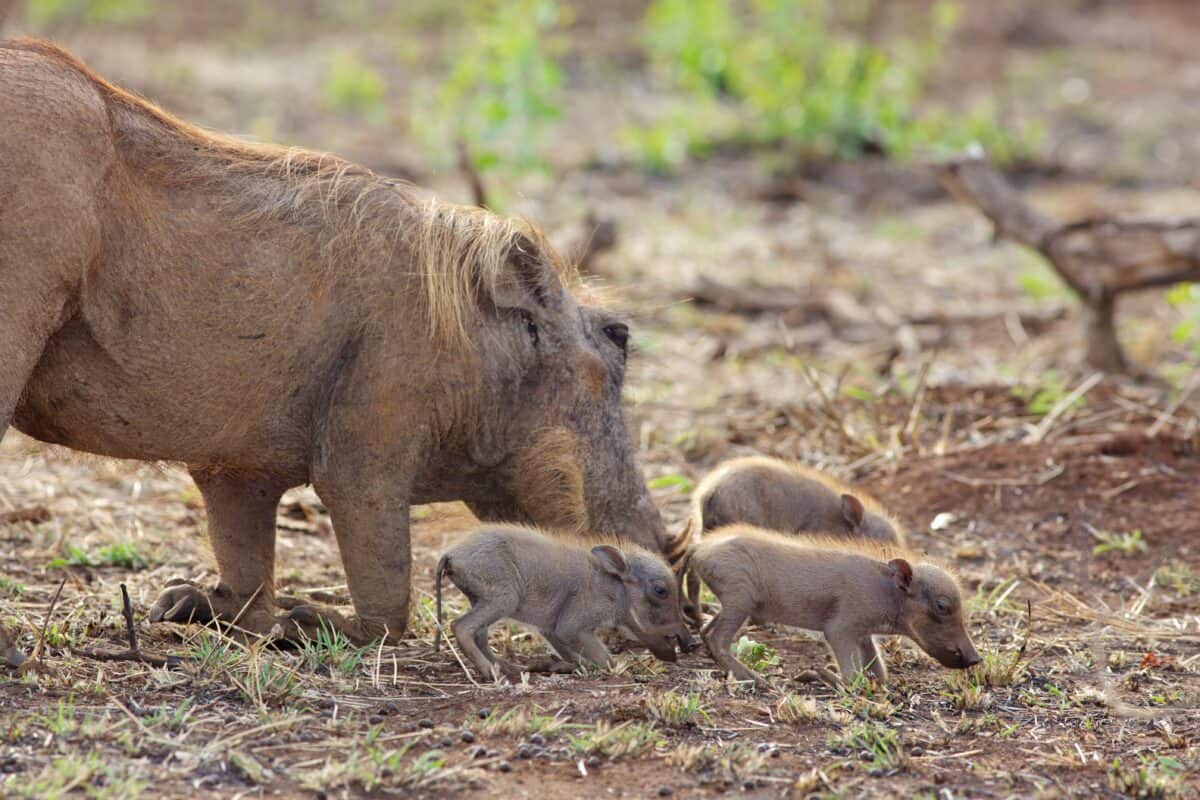
6. Warthog
🔥 Would you like to save this?
We'll email this post to you, so you can come back to it later!
Sporting a rugged look, the warthog (Phacochoerus africanus) of Africa is characterized by facial “warts” and large tusks. Despite their appearance, warthogs are social animals with complex family groups. Their distinct looks belies their gentle nature and adaptive prowess in the African savannah.
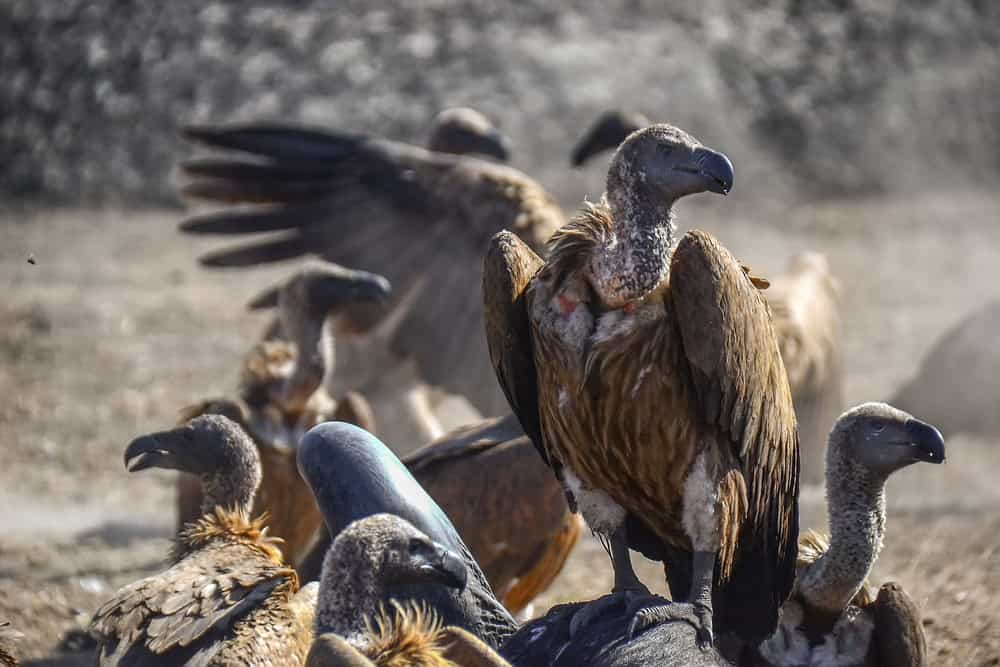
5. Vulture
🔥 Would you like to save this?
We'll email this post to you, so you can come back to it later!
Considered unattractive by many, vultures play an essential ecological role as nature’s cleanup crew, feasting on carrion. With their bald heads and hooked beaks, vultures are well-adapted to their scavenger lifestyle. Their role in preventing the spread of disease underscores their importance beyond their appearance.
4. Hagfish

🔥 Would you like to save this?
We'll email this post to you, so you can come back to it later!
Hagfish resemble eels but are infamous for their ability to excrete large amounts of slime when threatened. These ancient creatures lack a jaw and possess a skull but no vertebrae. Living in oceanic depths, hagfish feed on dead and dying marine animals, furthering their reputation as misunderstood uglies.
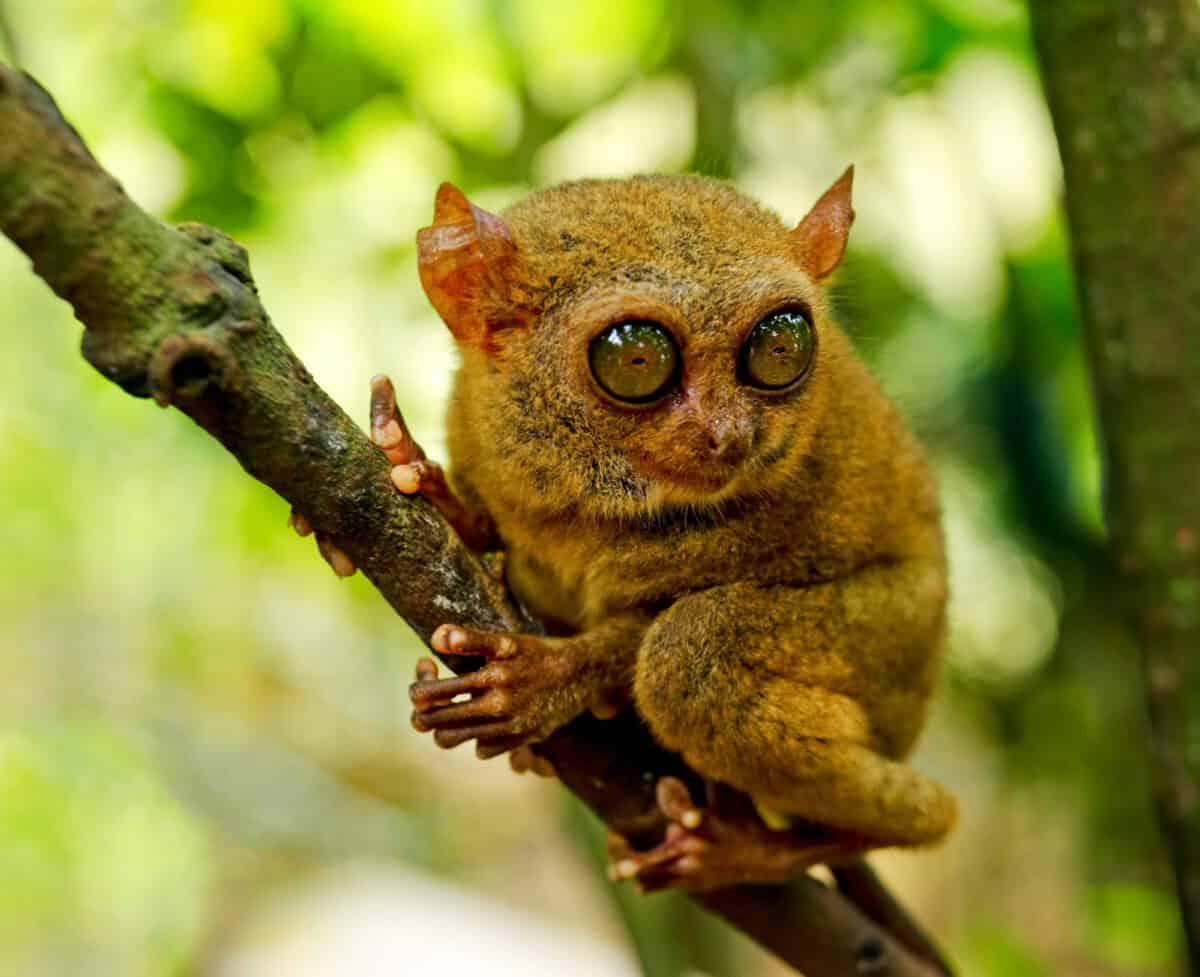
3. Tarsier
🔥 Would you like to save this?
We'll email this post to you, so you can come back to it later!
Native to the islands of Southeast Asia, the tarsier’s (Tarsius spp.) large, goggly eyes are almost the same size as its brain, giving it an eccentric visage. These adept hunters leap from tree to tree, using their keen eyesight to catch prey at night, making them fascinating despite their disconcerting appearance.
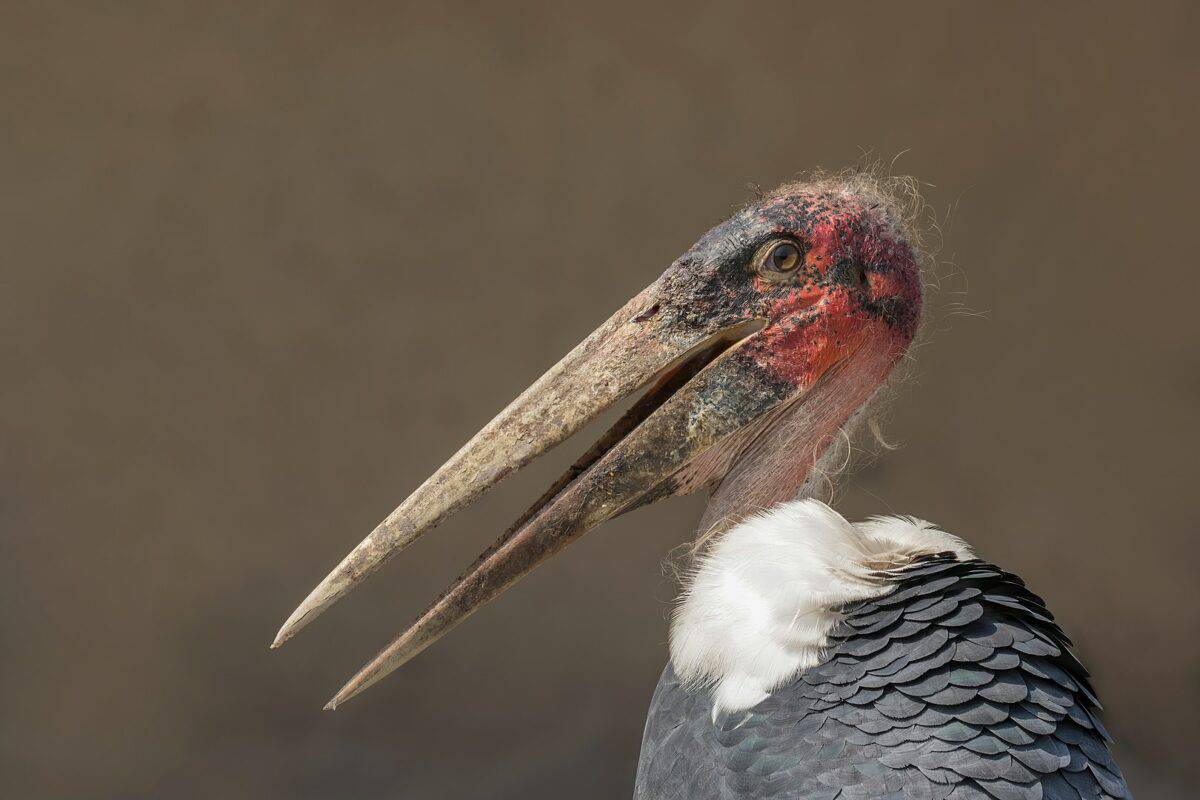
2. Marabou Stork
🔥 Would you like to save this?
We'll email this post to you, so you can come back to it later!
The marabou stork (Leptoptilos crumenifer), with its massive stature and unkempt appearance, is a common sight in Sub-Saharan Africa. Its bald head and large, pendulous throat sac are adaptations to its scavenging niche. Despite its appearance, the marabou stork is an important part of the ecosystem, aiding in waste removal.
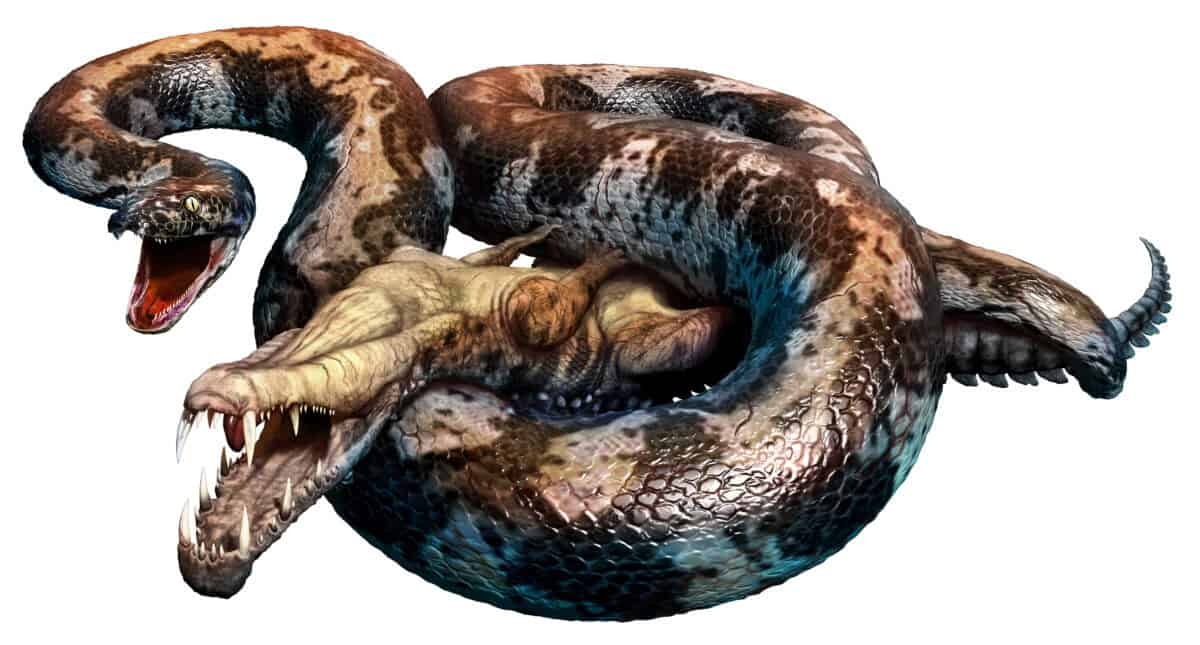
1. Titano boa
🔥 Would you like to save this?
We'll email this post to you, so you can come back to it later!
While not currently alive, the fossil remains of the Titanoboa cerrejonensis give it a spot on this list. This prehistoric snake, which lived approximately 60 million years ago, is estimated to have been over 40 feet long. It remains a subject of fascination for nature lovers and a chilling example of ancient megafauna.
The Beauty of the Unusual

🔥 Would you like to save this?
We'll email this post to you, so you can come back to it later!
While these creatures might not win any beauty contests, each one plays a vital role in its ecosystem. Their “ugliness” often reflects unique adaptations that have allowed them to thrive in diverse environments. Exploring the weirder side of the animal kingdom reminds us of nature’s endless creativity and the importance of protecting even the least conventionally attractive species.

From exploring the marine wonders in the Azores and witnessing the vast savannas of Kenya, to delving deep into the rich biodiversity of South Africa and traversing iconic landscapes in Australia and the US like Yellowstone, Chris's experiences are vast.
With a penchant for diving alongside sharks, the ocean holds a special place in his heart.
Through his academic insights, he champions wildlife conservation, striving with 'Animals Around The Globe' to cultivate a profound connection between humans and animals, enhancing our mutual appreciation.
Connect with him at Feedback@animalsaroundtheglobe.com.
- 15 Wild Animals You Might Spot in U.S. National Parks - November 5, 2026
- Top 10 Animals and Wildlife in Hawaii - November 4, 2026
- Top 10 Animal Encounters in Europe - November 3, 2026