

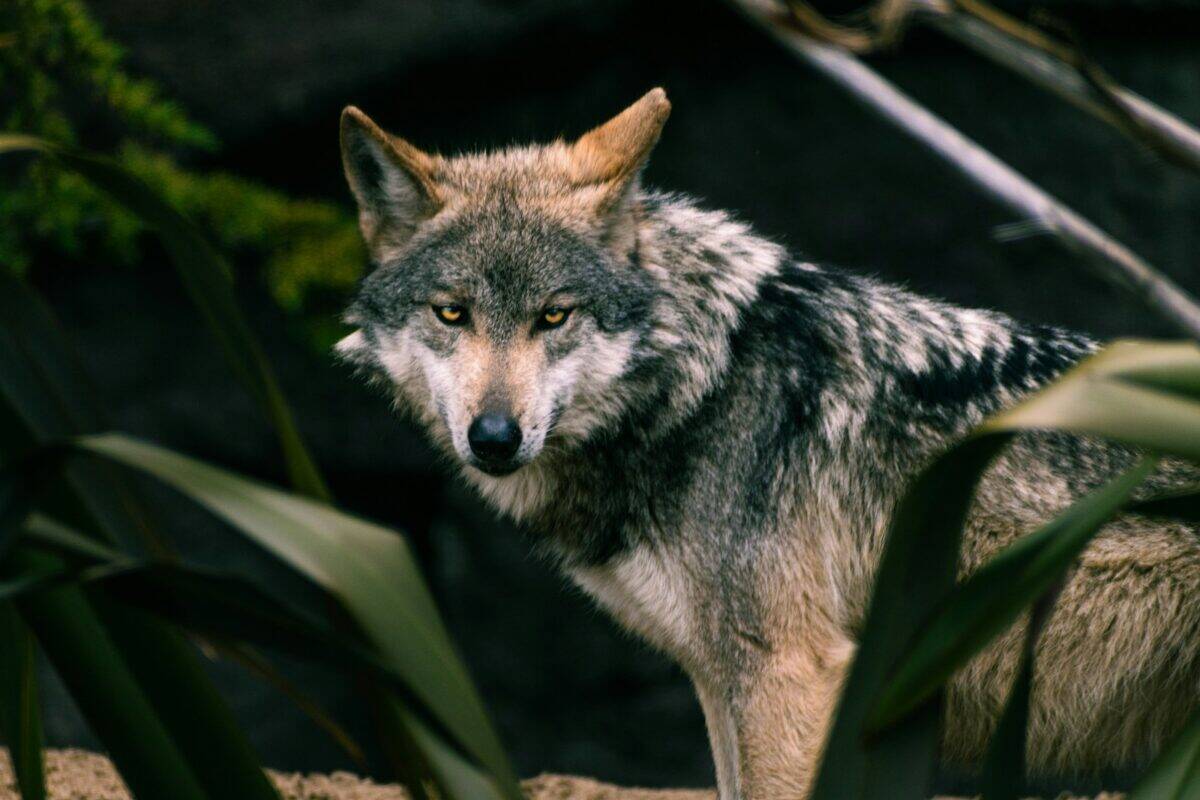
The haunting howl of a gray wolf piercing through the wilderness sends shivers down the spine of anyone lucky enough to hear it. These magnificent predators, once the most widely distributed mammals on Earth, have seen their territories shrink dramatically over the past century. Yet against all odds, gray wolves continue to thrive in some of the world’s most remote and challenging landscapes, while completely avoiding others that might seem perfect for their survival.
What drives these intelligent pack hunters to choose certain territories over others? The answer lies in a complex web of prey availability, human interference, climate conditions, and terrain features that determine whether a landscape becomes a wolf paradise or a no-go zone. From the frozen tundra of Alaska to the dense forests of Romania, gray wolves have adapted to environments that would challenge even the most seasoned wilderness explorer.
Yellowstone National Park – The Ultimate Wolf Success Story
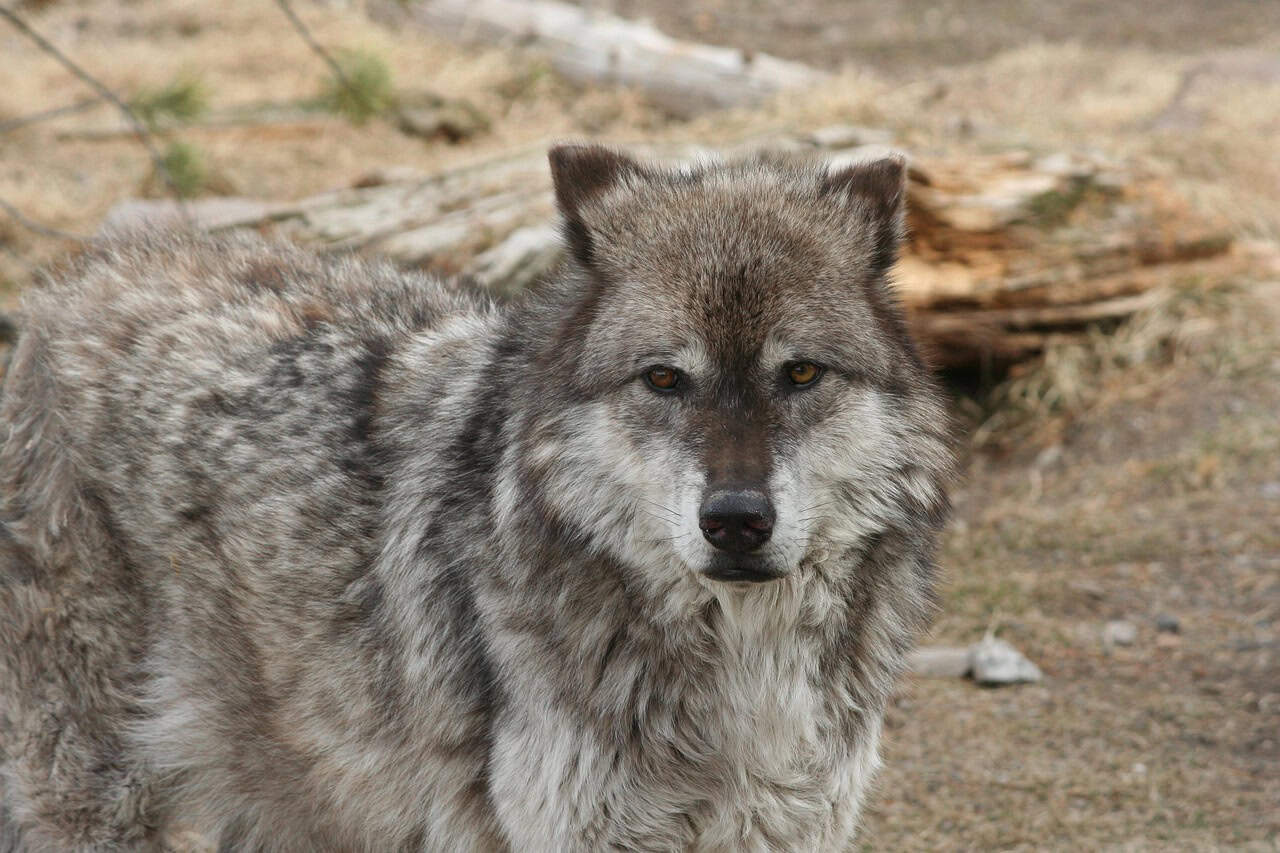
Yellowstone National Park stands as perhaps the most famous wolf habitat in North America, representing one of conservation’s greatest triumphs. When wolves were reintroduced here in 1995 after a 70-year absence, the ecosystem transformed dramatically through what scientists call a “trophic cascade.”
The park’s 2.2 million acres provide the perfect wolf habitat with abundant elk, deer, and bison populations. The Lamar and Hayden valleys serve as prime hunting grounds, while the park’s strict protection policies ensure wolves can live without human persecution. Today, approximately 95 wolves roam Yellowstone in 8-10 packs, making it one of the most studied wolf populations in the world.
Visitors flock to Yellowstone specifically for wolf watching, with the early morning hours offering the best chances of spotting these elusive predators. The park’s wolf restoration has become a model for similar programs worldwide, proving that apex predators can successfully return to landscapes they once called home.
Alaska’s Denali National Park – Wild and Untamed

Denali National Park in Alaska represents wolf habitat in its most pristine form, where these predators roam across six million acres of untouched wilderness. The park’s wolf population fluctuates between 50-100 individuals, spread across territories that can span hundreds of square miles.
The subarctic environment challenges wolves with extreme temperatures dropping to -40°F, but the abundant caribou, moose, and Dall sheep provide sufficient prey. Denali’s wolves have adapted to hunt in the open tundra, developing strategies that differ significantly from their forest-dwelling cousins. Pack sizes here tend to be larger, sometimes reaching 20 individuals, as they need more hunters to take down massive prey like adult moose.
The park’s remote location and limited human access create ideal conditions for wolves to maintain their natural behaviors. Research conducted here has provided crucial insights into wolf pack dynamics, territorial behavior, and hunting strategies that inform conservation efforts globally.
Minnesota’s North Woods – America’s Wolf Stronghold
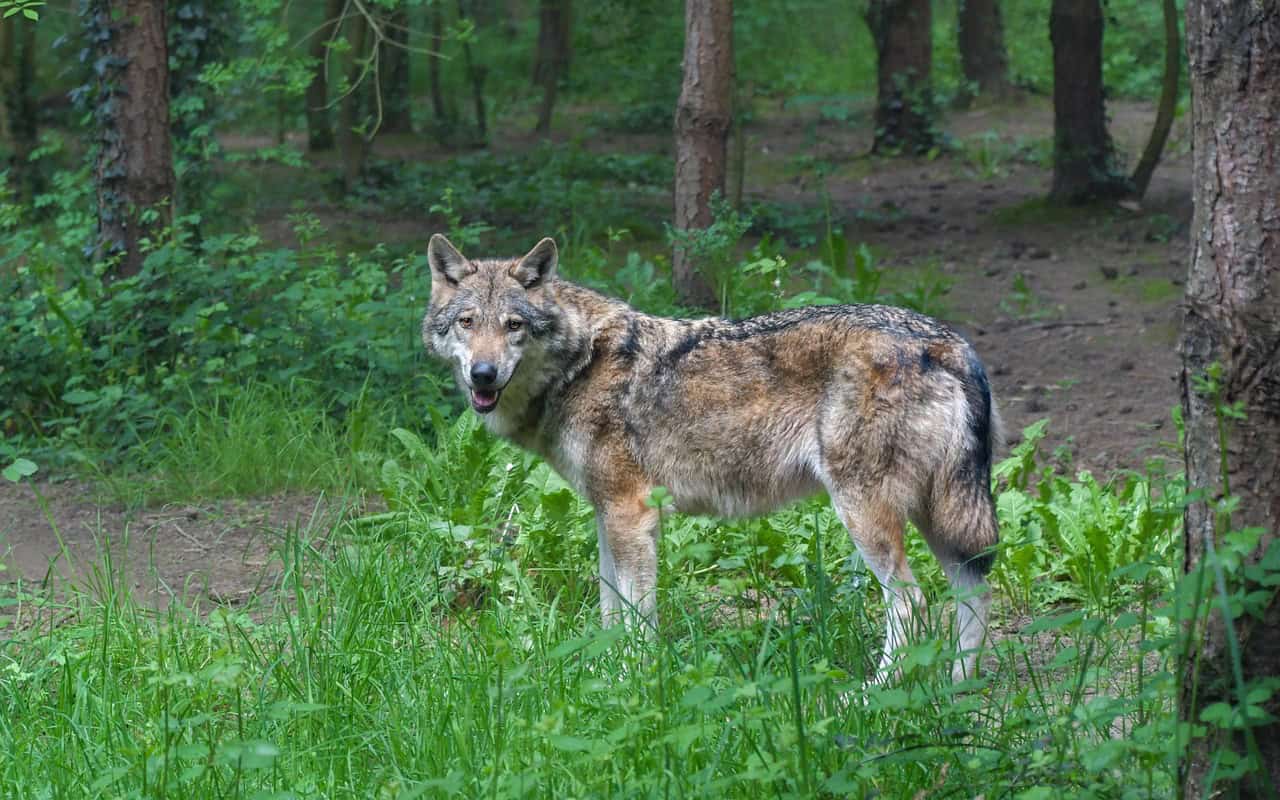
Minnesota hosts the largest wolf population in the lower 48 states, with an estimated 2,700 wolves distributed across the northern third of the state. The Superior National Forest and Boundary Waters Canoe Area Wilderness provide millions of acres of protected habitat where wolves can thrive without human interference.
The dense forests, interconnected lake systems, and abundant white-tailed deer create perfect conditions for wolf survival. Minnesota’s wolves have learned to navigate the maze of waterways, often using frozen lakes as hunting corridors during winter months. The state’s long history of wolf conservation has created a relatively stable population that serves as a source for natural recolonization of neighboring states.
What makes Minnesota unique is the coexistence between wolves and human communities in rural areas. While conflicts occur, especially with livestock, the state has developed successful programs that compensate farmers for losses while maintaining healthy wolf populations. This model demonstrates that wolves and humans can share landscapes when proper management strategies are implemented.
Romania’s Carpathian Mountains – Europe’s Last Wilderness
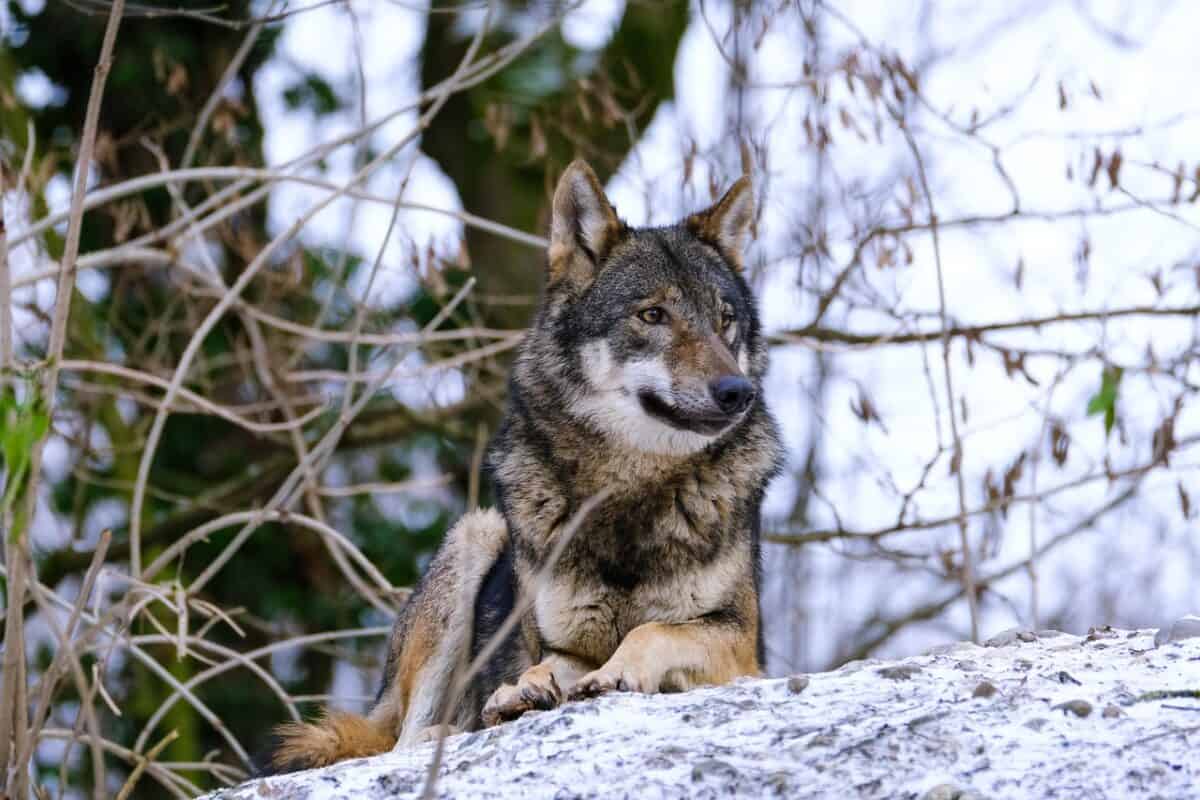
The Carpathian Mountains of Romania harbor Europe’s largest wolf population, with an estimated 2,500 wolves roaming through ancient forests that have remained largely unchanged for centuries. These mountains provide the perfect combination of dense forest cover, diverse prey species, and minimal human disturbance that wolves require.
Romanian wolves have adapted to hunt everything from red deer and wild boar to smaller prey like rabbits and fish. The mountainous terrain offers numerous den sites in caves and rocky outcrops, while the extensive forest network allows packs to maintain large territories without human conflict. The presence of other large predators like brown bears and lynx indicates the health of these ecosystems.
Traditional Romanian culture has maintained a complex relationship with wolves, viewing them as both threats and symbols of wilderness strength. This cultural acceptance, combined with vast protected areas, has allowed wolf populations to remain stable even as they’ve declined elsewhere in Europe. The Carpathian wolves represent a genetic reservoir crucial for the species’ long-term survival across the continent.
Canada’s Boreal Forest – The Wolf Highway

Canada’s boreal forest stretches across the northern portion of the country, creating a massive corridor that supports an estimated 50,000-60,000 wolves. This vast ecosystem of spruce, fir, and pine forests interspersed with lakes, rivers, and wetlands provides ideal wolf habitat across multiple provinces.
The boreal forest’s abundance of prey species, including moose, caribou, deer, and smaller mammals, supports some of the highest wolf densities in North America. Wolves here have adapted to seasonal migrations, following caribou herds across hundreds of miles during their annual journeys. The forest’s interconnected nature allows genetic exchange between distant populations, maintaining healthy genetic diversity.
Climate change poses new challenges as warming temperatures alter prey distributions and habitat conditions. However, the sheer size of Canada’s boreal forest provides buffer zones that allow wolf populations to adapt and shift their ranges as conditions change. This ecosystem remains one of the most important wolf habitats globally, supporting stable populations that serve as sources for recolonization efforts elsewhere.
Russia’s Siberian Wilderness – Wolves of the Taiga
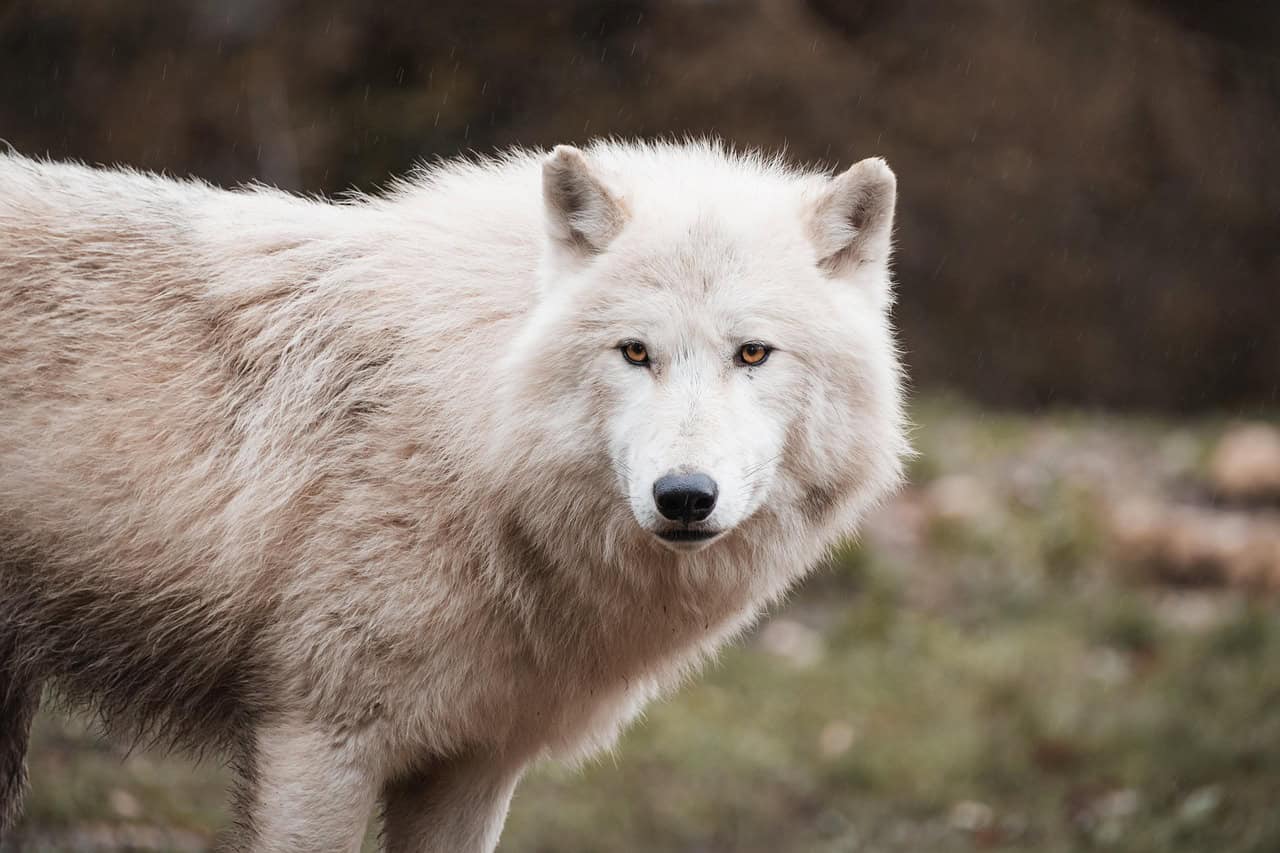
Siberia’s endless taiga forests support the world’s largest wolf population, with estimates ranging from 25,000 to 50,000 individuals across this vast region. The extreme climate and remote location have preserved wolf habitat largely intact, creating conditions similar to what existed thousands of years ago.
Siberian wolves are among the largest in the world, with some individuals exceeding 140 pounds as adaptations to the harsh climate and large prey species. They hunt everything from reindeer and elk to smaller game, with pack sizes varying dramatically based on prey availability and seasonal conditions. The taiga’s boom-and-bust cycles of prey populations have shaped wolf behavior patterns that demonstrate remarkable adaptability.
Human presence remains minimal across much of Siberia, allowing wolves to maintain natural population dynamics without significant interference. However, industrial development and climate change are beginning to fragment some habitats, making conservation efforts increasingly important for maintaining these pristine wolf populations.
Mongolia’s Steppes – Wolves of the Grasslands

Mongolia’s vast steppes present a unique challenge for gray wolves, who have adapted to hunt in open grasslands rather than forested environments. An estimated 10,000-20,000 wolves roam across Mongolia’s 1.5 million square kilometers, making it one of the few places where wolves still occupy their historical range.
These grassland wolves have developed hunting strategies specifically adapted to open terrain, often pursuing prey across miles of open country. They primarily hunt gazelles, wild sheep, and occasionally livestock, which has created ongoing conflicts with nomadic herders. Pack sizes tend to be smaller than forest wolves, typically 3-6 individuals, as the open environment makes coordinated hunting more challenging.
The traditional nomadic lifestyle of Mongolian herders has created a complex relationship with wolves that dates back thousands of years. While wolves are respected as powerful predators, they’re also persecuted for livestock attacks. Conservation efforts focus on reducing human-wolf conflict while maintaining traditional land use practices that have sustained both wolves and herders for generations.
Poland’s Białowieża Forest – Ancient European Sanctuary
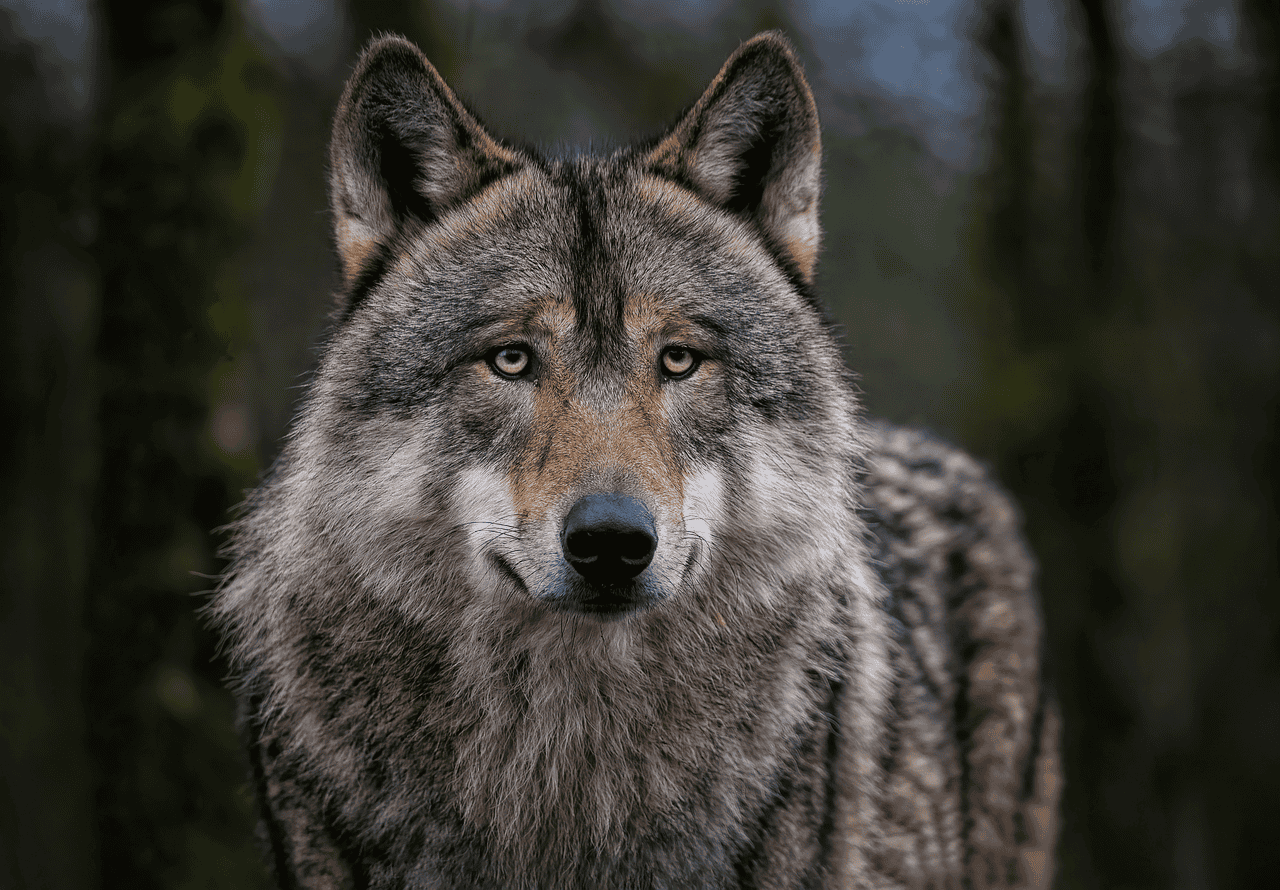
Białowieża Forest, straddling the border between Poland and Belarus, represents one of Europe’s last primeval forests and supports a stable wolf population of approximately 30-40 individuals. This UNESCO World Heritage site provides a glimpse into what European forests looked like before human modification.
The forest’s diverse ecosystem supports wolves, European bison, lynx, and numerous other species in a complex web of predator-prey relationships. Wolves here hunt primarily wild boar, red deer, and roe deer, with pack territories averaging 100-200 square kilometers. The presence of European bison, the continent’s largest land mammal, provides occasional opportunities for wolves to hunt truly massive prey.
Strict protection measures and limited human access have allowed natural processes to continue largely undisturbed. However, the forest’s relatively small size makes it vulnerable to external pressures, and maintaining connectivity with other wolf populations remains a conservation priority. Research conducted here provides insights into wolf behavior in restored European ecosystems.
Turkey’s Anatolian Highlands – Crossroads of Continents

Turkey’s diverse landscapes support an estimated 5,000-7,000 wolves distributed across the country’s mountainous regions, forests, and steppes. The Anatolian Highlands provide particularly important habitat, offering a mixture of forest cover, open grasslands, and rocky terrain that wolves utilize for hunting and denning.
Turkish wolves demonstrate remarkable adaptability, hunting everything from wild boar and deer to smaller prey species depending on local conditions. The country’s position at the crossroads of Europe and Asia makes these populations genetically important for maintaining connectivity between European and Asian wolf populations. However, human-wolf conflict remains significant, particularly in areas with intensive livestock grazing.
Traditional Turkish culture includes both positive and negative perceptions of wolves, viewing them as symbols of strength while also fearing their impact on livestock. Modern conservation efforts focus on developing compensation programs for livestock losses while educating communities about wolf ecology and behavior. The success of these programs will determine the long-term survival of wolves in this biogeographically important region.
India’s Western Ghats – Tropical Wolf Haven

The Indian wolf population, estimated at 2,000-3,000 individuals, occupies a unique ecological niche in the subcontinent’s diverse landscapes. While most wolves are associated with cold climates, Indian wolves have adapted to tropical and subtropical conditions across various habitat types.
The Western Ghats provide crucial habitat for wolf populations, offering forest cover, diverse prey species, and water sources essential for survival in hot climates. These wolves are smaller than their northern cousins, typically weighing 40-60 pounds, as an adaptation to warmer temperatures and different prey species. They hunt primarily wild boar, deer, and smaller mammals, with pack sizes generally remaining small due to lower prey densities.
Human-wolf conflict poses the greatest threat to Indian wolves, as expanding agriculture and urbanization fragment their habitats. Conservation efforts focus on protecting remaining forest corridors and developing community-based programs that reduce conflict while maintaining traditional land uses. The survival of Indian wolves depends on finding sustainable solutions that benefit both wildlife and local communities.
Iran’s Alborz Mountains – Persian Wolf Territory

Iran’s Alborz Mountains support an estimated 1,000-1,500 wolves across diverse elevations ranging from 500 to 5,600 meters above sea level. This mountain range provides varied habitats from dry steppes to alpine meadows, supporting wolf populations adapted to dramatic seasonal changes.
Persian wolves have developed unique hunting strategies for mountainous terrain, often pursuing prey across steep slopes and rocky outcrops. They hunt wild sheep, goats, deer, and occasionally livestock, with pack sizes typically smaller than those in flatter terrain due to the challenging topography. The mountains provide excellent denning sites in caves and rocky crevices, essential for raising pups in this harsh environment.
Traditional Persian culture has maintained complex relationships with wolves, viewing them as both threats and symbols of wilderness power. Modern conservation challenges include habitat fragmentation from development, human-wolf conflict, and climate change impacts on prey species. Protecting Iran’s wolves requires balancing traditional land uses with modern conservation needs while maintaining connectivity between mountain populations.
Finland’s Karelian Forests – Nordic Wolf Frontier

Finland’s eastern Karelian forests represent the western edge of European wolf distribution, supporting a small but genetically important population of 150-200 individuals. These forests, characterized by mixed coniferous and deciduous trees, lakes, and wetlands, provide ideal habitat for wolves returning from Russia.
Finnish wolves face unique challenges as they attempt to recolonize historical territories in a landscape heavily modified by human activities. The forests provide adequate prey in the form of moose, deer, and smaller mammals, but human intolerance remains high due to conflicts with hunting dogs and livestock. Pack sizes remain small, typically 3-5 individuals, as social hunting pressure limits population growth.
Conservation efforts focus on reducing human-wolf conflict through compensation programs, education, and habitat protection. The genetic importance of Finnish wolves for European populations makes their conservation crucial, as they provide connectivity between Scandinavian and Russian populations. Success here could pave the way for natural wolf recovery across northern Europe.
Urban Areas – The Forbidden Territory

Cities and densely populated urban areas represent absolute no-go zones for gray wolves, despite their remarkable adaptability to various environments. The combination of high human density, lack of natural prey, traffic dangers, and active persecution makes urban environments completely unsuitable for wolf survival.
Wolves require large territories, typically 50-1,000 square miles per pack, which urban areas simply cannot provide. The concrete jungle offers no denning sites, no natural prey species, and constant human activity that triggers wolves’ natural avoidance behaviors. Even the most adaptable wolves cannot overcome the fundamental incompatibility between their ecological needs and urban environments.
Occasional wolf sightings in urban peripheries usually represent dispersing individuals seeking new territories, not established populations. These encounters typically end tragically for the wolves, who become confused and stressed in unfamiliar environments. Urban expansion continues to fragment wolf habitats, making cities permanent barriers to wolf movement and population connectivity.
Intensive Agricultural Regions – Hostile Landscapes

Large-scale agricultural areas with intensive farming practices create landscapes completely unsuitable for wolf survival, despite appearing to offer open space. These monoculture environments lack the habitat diversity, prey species, and cover that wolves require for successful survival and reproduction.
Industrial agriculture eliminates natural prey species, replacing diverse ecosystems with single-crop fields that provide no food sources for wolves. The extensive use of pesticides and herbicides further reduces biodiversity, creating ecological deserts where wolves cannot find adequate nutrition. Additionally, the high human activity levels associated with modern farming create constant disturbance that wolves instinctively avoid.
Farmers in intensive agricultural regions typically maintain zero tolerance for large predators due to concerns about livestock and economic losses. This human hostility, combined with the ecological poverty of agricultural landscapes, makes these areas permanent barriers to wolf movement. Even wolves attempting to cross agricultural regions face high mortality rates from vehicle strikes, shooting, and starvation.
Desert Regions – Too Harsh Even for Wolves
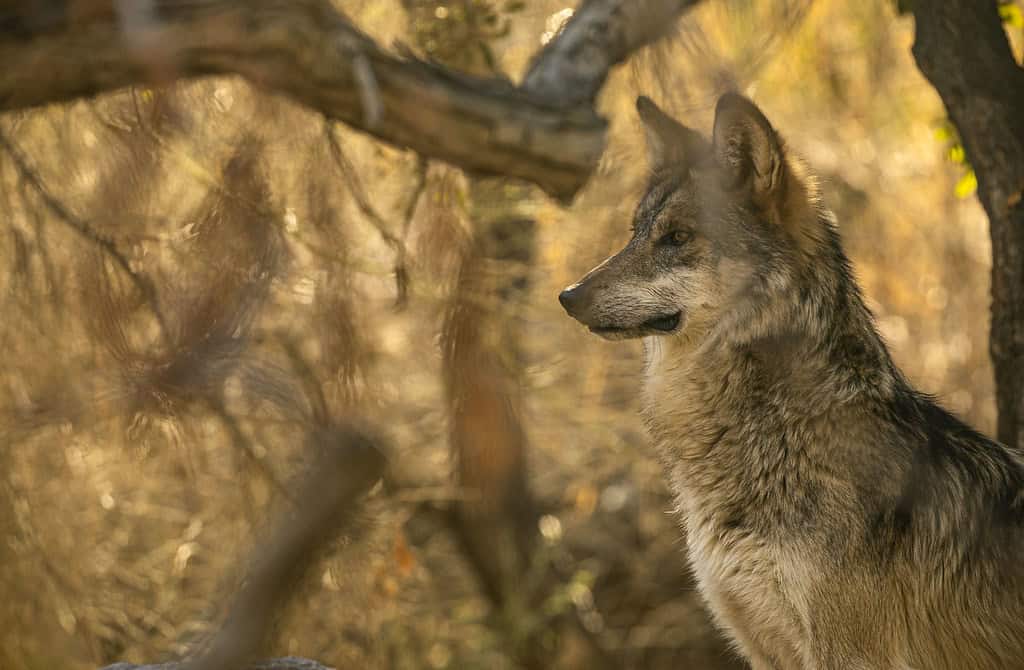
True desert environments represent natural barriers that even the adaptable gray wolf cannot overcome, despite their presence in semi-arid regions. The extreme temperatures, lack of water sources, and absence of suitable prey make deserts completely uninhabitable for these social predators.
Deserts lack the prey biomass necessary to support wolf packs, which require substantial food resources to maintain their social structure and territorial behavior. The few mammals present in desert environments are typically small, nocturnal species that cannot sustain large predators like wolves. Water scarcity poses another insurmountable challenge, as wolves require regular access to water sources, especially during hot weather and after consuming prey.
The open nature of desert landscapes also provides no cover for denning or hunting, leaving wolves vulnerable to extreme weather conditions and unable to employ their natural hunting strategies. While wolves can survive in arid grasslands and semi-desert regions with adequate prey and water, true deserts remain permanently off-limits to these remarkable predators.
Conclusion
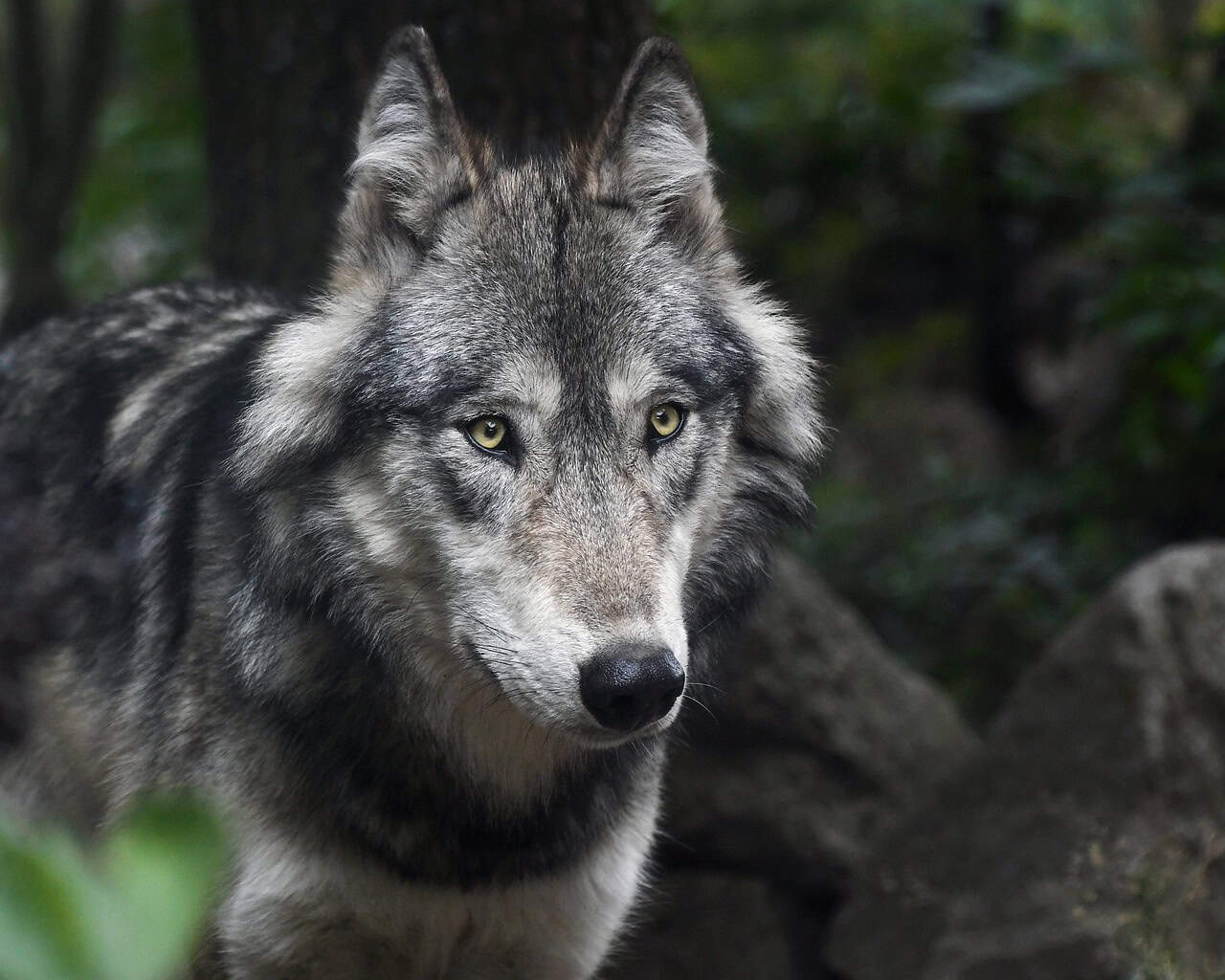
The global distribution of gray wolves reveals a species both remarkably adaptable and surprisingly limited by specific environmental requirements. From Alaska’s frozen tundra to Romania’s ancient forests, wolves have proven their ability to thrive in diverse conditions when given adequate space, prey, and protection from human persecution.
Yet the three landscapes they avoid completely – urban areas, intensive agriculture, and true deserts – highlight the fundamental ecological needs that even the most adaptable predator cannot overcome. These no-go zones serve as stark reminders of how human activities and extreme environments can create permanent barriers to wildlife survival.
The future of gray wolves depends on our ability to maintain and restore the wild spaces they need while finding ways to coexist in the landscapes we share. As we’ve seen in places like Yellowstone and Minnesota, successful wolf conservation requires not just suitable habitat, but also human tolerance and active protection efforts.
Understanding where wolves roam and where they cannot survive helps us make better decisions about land use, conservation priorities, and wildlife management. The wolf’s story is ultimately our story – a reflection of how we choose to share this planet with the wild creatures that make it truly alive. What kind of world do we want to leave for the next generation of wolves to explore?

- 12 Places Gray Wolves Roam — And 3 They Avoid at All Costs - July 16, 2026
- 12 Cat Breeds That Love Affection — And 6 That Prefer Space - July 14, 2026
- 10 Breeds That Love Being Alone — And 8 That Crave Company - July 9, 2026
Leave a comment
You must be logged in to post a comment.