

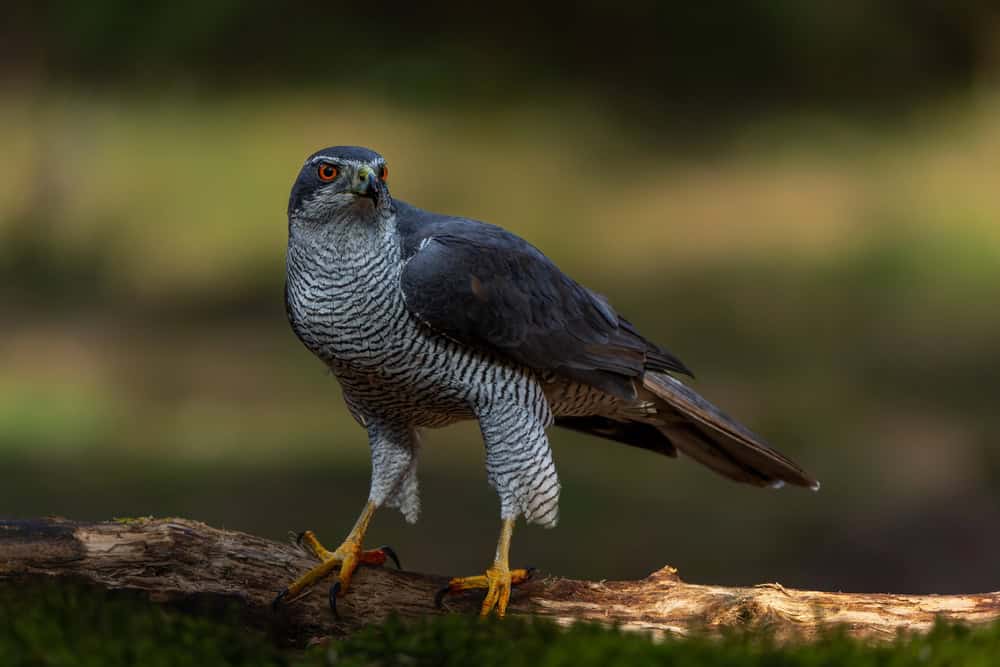
Raptors, also known as birds of prey, are among the most fascinating avians gracing the skies over America. These majestic creatures are known for their keen eyesight, formidable talons, and vital roles in their ecosystems. From the iconic Bald Eagle to the elusive Peregrine Falcon, North America hosts a diverse array of raptors that captivate bird watchers and nature enthusiasts alike. This article delves into twelve remarkable raptors that redefine the skies, exploring their unique characteristics, behaviors, and the roles they play in maintaining ecological balance.
12. Bald Eagle

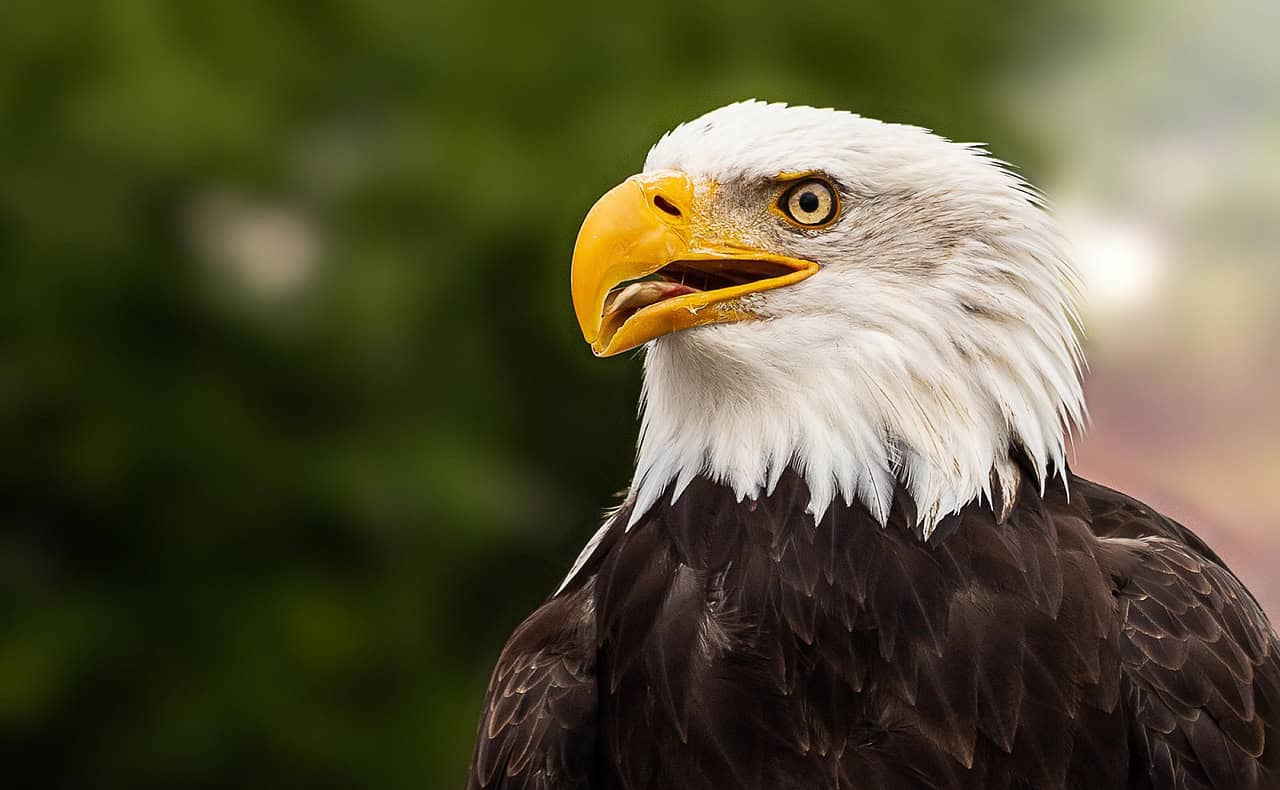
The Bald Eagle, America’s national emblem, epitomizes strength and freedom. Found across North America, particularly near large bodies of open water, these eagles are recognized by their distinctive white heads and tail feathers, contrasting with their dark brown bodies. With a wingspan of up to 8 feet, they are expert hunters, primarily feeding on fish. Conservation efforts have successfully removed them from the endangered species list, making them a symbol of wildlife preservation success.
11. Golden Eagle

Sweeping across the western United States, the Golden Eagle is revered for its power and hunting prowess. With a wingspan that rivals the Bald Eagle, the Golden Eagle is a formidable predator, using its speed and agility to hunt mammals like rabbits and ground squirrels. These eagles are adept soarers, often seen gliding gracefully over remote areas in search of prey.
10. Red-tailed Hawk
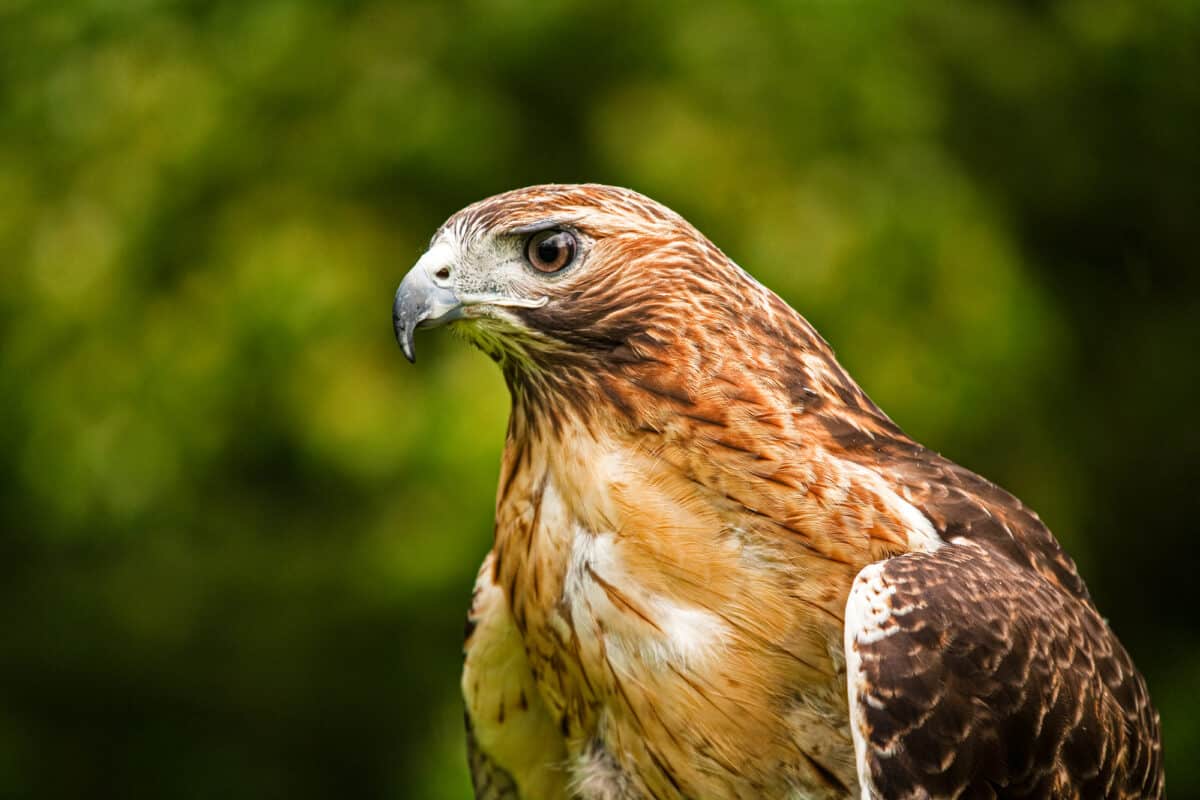
Perhaps the most widespread raptor in North America, the Red-tailed Hawk is easily identified by its characteristic red tail feathers. Adaptable to diverse habitats, these hawks are commonly seen perched along highways. Their varied diet ranges from small mammals to reptiles and birds, making them skilled hunters and valuable members of their ecosystems.
9. Peregrine Falcon

Known for being the fastest bird in the world, the Peregrine Falcon can reach speeds exceeding 240 mph during a hunting stoop. Found on every continent except Antarctica, they are adept hunters, primarily preying on other birds mid-flight. Peregrine Falcons faced a severe population decline due to pesticide poisoning but have made a remarkable recovery thanks to conservation efforts.
8. American Kestrel

The American Kestrel, North America’s smallest falcon, is a vibrant and active predator. Despite its size, it is an effective hunter, feeding on insects, rodents, and small birds. Recognizable by its reddish-brown back and blue-grey wings, the American Kestrel exhibits a unique hunting behavior known as hovering, allowing it to spot prey from above.
7. Osprey

Known as the “fish hawk,” the Osprey is a specialist, with fish making up the bulk of its diet. This raptor is found near water bodies throughout North America during breeding season, displaying unique adaptations like reversible outer toes and spines on the soles of its feet to grasp slippery fish. Its dramatic hunting dives are a spectacle, showcasing the Osprey’s agility and precision.
6. Northern Harrier
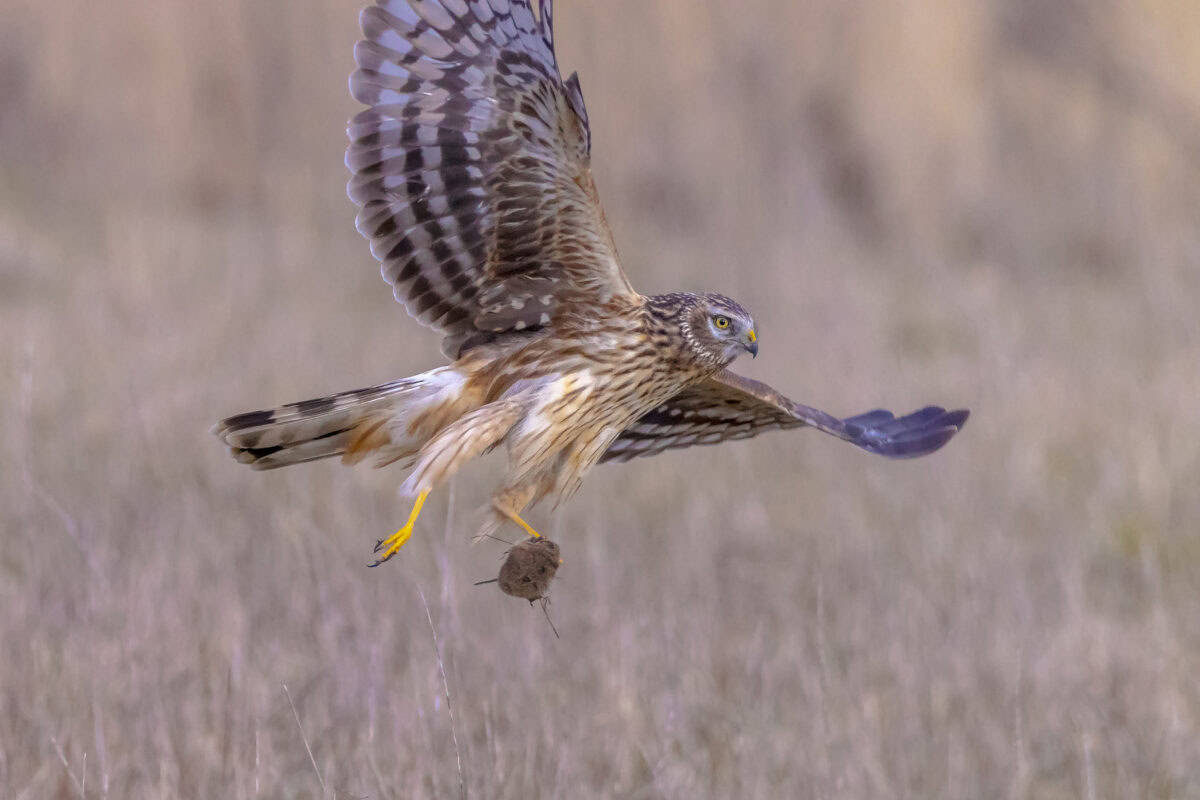
The Northern Harrier is easily distinguished by its owl-like face and low, slow flight over grasslands and marshes. This medium-sized raptor exhibits slight sexual dimorphism, with females being larger and darker than males. Harriers rely on their acute hearing to locate and capture small mammals and birds, using their facial disks to amplify sound.
5. Cooper’s Hawk
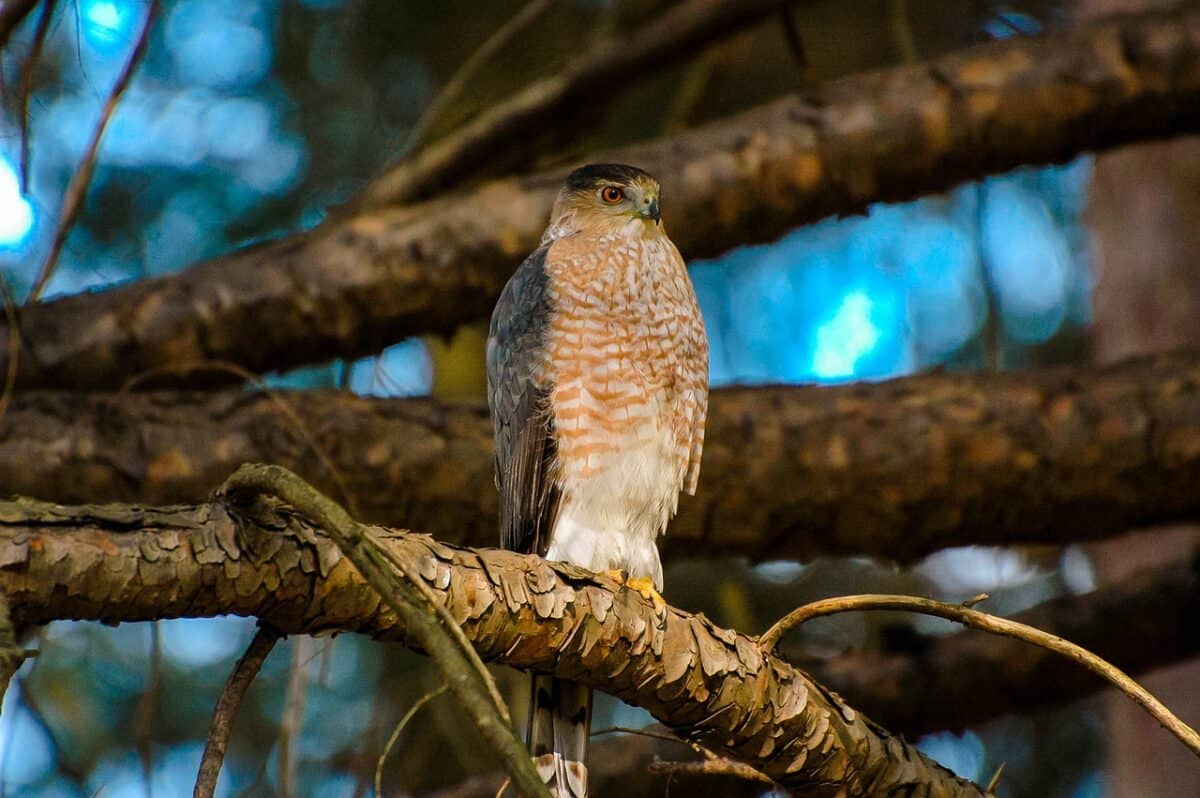
Agile and stealthy, Cooper’s Hawks are formidable bird predators, often seen darting through wooded areas or suburban landscapes in pursuit of prey. These medium-sized hawks have adapted well to urban environments, feeding on smaller birds and mammals. Their incredible speed and maneuverability make them skilled hunters in dense habitats.
4. Sharp-shinned Hawk
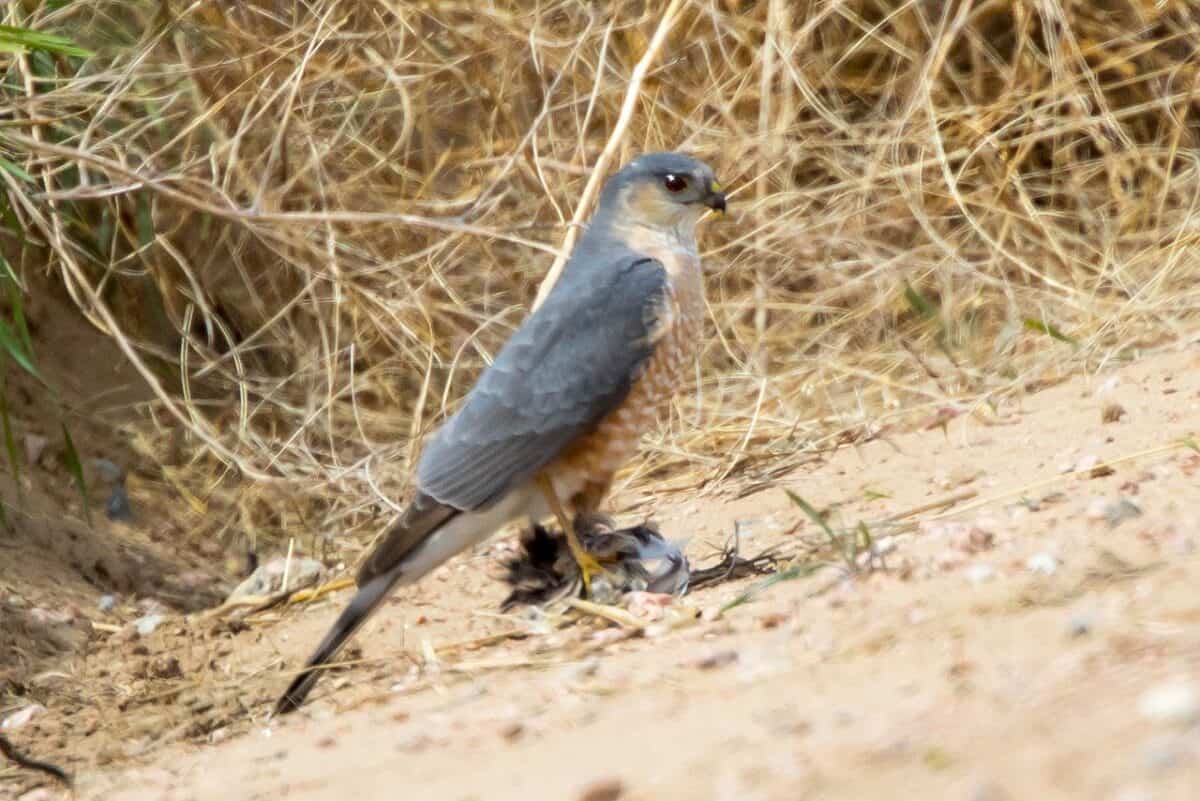
The diminutive Sharp-shinned Hawk shares much of its range and appearance with the Cooper’s Hawk but is smaller and more secretive. These hawks are agile fliers, preying primarily on small birds, often capturing them by surprise attacks. They primarily inhabit forests and woodlands, where their hunting skills are in full display.
3. Swainson’s Hawk

Swainson’s Hawks are migratory raptors, traveling from North America to South America annually. During breeding, they’re found in grasslands and agricultural areas, feeding on insects and small mammals. Known for their large congregations during migration, these hawks are a sight to behold as they soar across the continents.
2. Ferruginous Hawk
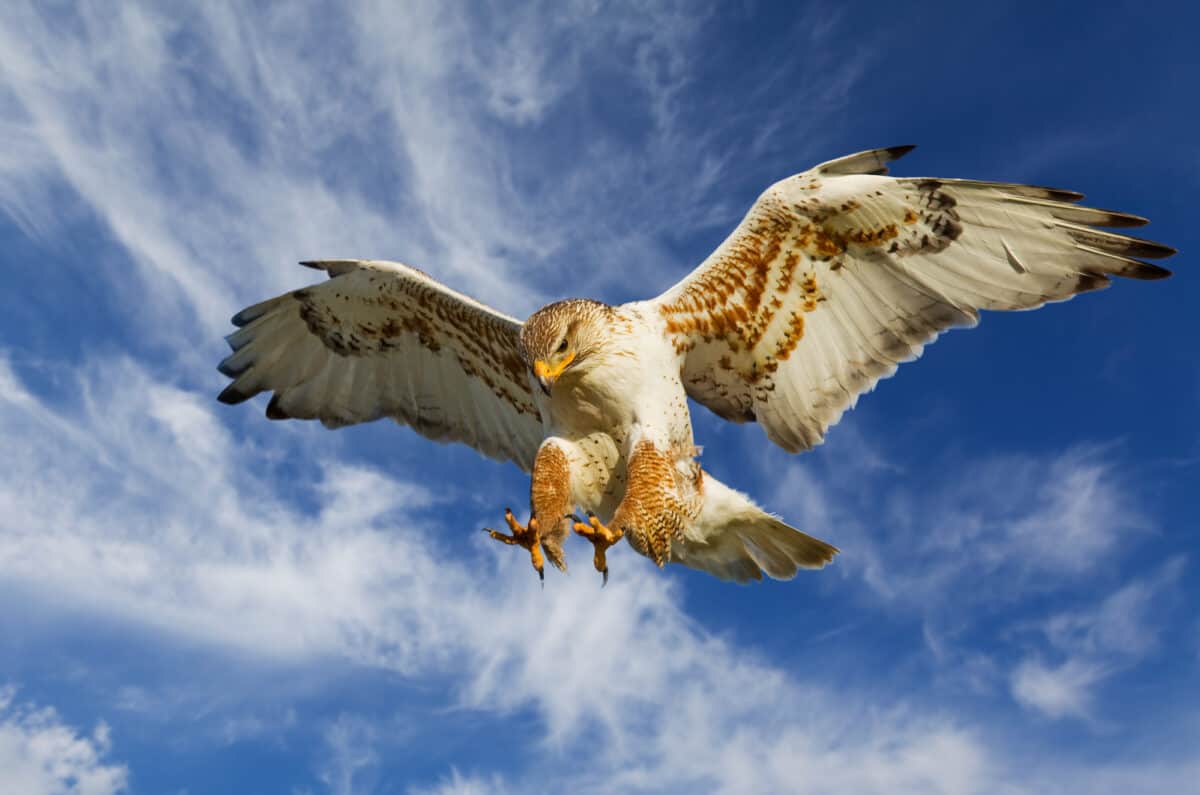
As the largest hawk in North America, the Ferruginous Hawk is named for its rusty-colored plumage. These majestic birds inhabit open grasslands and prairies, where they prey on rodents and rabbits. Their impressive size and robust nature make them masters of their open terrain ecosystems.
1. Northern Goshawk

The Northern Goshawk is a powerful and elusive forest dweller, known for its fierce hunting abilities. They prefer dense forests, preying on birds and mammals with their speed and stealth. Their presence is often a marker of a healthy forest ecosystem, reflecting the delicate balance of predator and prey.
Conclusion:
In conclusion, these twelve raptors ruling the American skies are not only fascinating in their behaviors and adaptations but also crucial to maintaining ecological balance. Their diverse habitats and diets highlight the intricate tapestry of life across the continent. As guardians of the skies, these raptors remind us of the importance of conservation efforts and the need to protect the diverse ecosystems they inhabit.

As a little kid, I fell in love with nature, wildlife, and animals. Living in the USA, South Africa, Italy, China and Germany gave me the opportunity to discover the world's Wildlife. My favorite animals are Mountain Gorillas, Siberian Tigers, and Great White Sharks.
I'm a certified PADI Open Water Diver, went to Everest Base Camp and Trekked Gorillas in Uganda. I hold a Master of Science in Economics and Finance.
Please send any feedback to feedback@animalsaroundtheglobe.com
- 15 Stunning Landmarks in Malaysia That Should Never be Missed - July 18, 2026
- The Fascinating World of Cats Unraveling Their Mysteries and Charms - July 18, 2026
- 10 Traits of a Strong Pack And 3 That Signal Trouble - July 18, 2026