


The United States serves as a critical corridor for countless animal species making their annual migrations across the continent. From the skies to the seas and across the land, these remarkable journeys represent some of nature’s most spectacular phenomena. Driven by instinct, the need for suitable breeding grounds, or the search for seasonal food sources, these migrations showcase the incredible resilience and navigational abilities of wildlife. Each year, millions of animals traverse thousands of miles across the American landscape, following ancient routes that their ancestors have taken for generations. These 18 migrations highlight the biological diversity of North America and underscore the importance of habitat conservation across international boundaries.
18. Monarch Butterflies

The monarch butterfly migration stands as one of the most remarkable insect journeys on Earth. Each fall, millions of these delicate orange and black creatures embark on a 3,000-mile voyage from the northern United States and Canada to overwintering grounds in central Mexico. Unlike birds or mammals, no single butterfly completes the entire round trip. Instead, it takes four generations of monarchs to complete the annual cycle, with each new generation continuing the journey. As they pass through states like Texas, Kansas, and Missouri, these butterflies create spectacular orange clouds that captivate observers. Sadly, monarch populations have declined by approximately 80% over the past two decades due to habitat loss, pesticide use, and climate change, making their migration increasingly precarious.
17. Sandhill Cranes

Each spring and fall, the central plains of the United States witness one of the greatest avian gatherings on the continent when sandhill cranes converge along the Platte River in Nebraska. Approximately 80% of the world’s sandhill crane population—over 600,000 birds—stops here during their migration between northern breeding grounds in Canada, Alaska, and Siberia and wintering areas in the southern United States and Mexico. The shallow braided channels of the Platte provide safe roosting sites, while nearby cornfields offer essential nutrition. During peak season in March, tens of thousands of these elegant gray birds create a spectacular dawn and dusk spectacle as they move between feeding and roosting areas, filling the air with their distinctive rolling calls that can be heard for miles.
16. Gray Whales

The eastern North Pacific gray whale undertakes one of the longest mammalian migrations on the planet, covering approximately 10,000 miles round trip each year. These massive marine mammals, weighing up to 40 tons, travel from feeding grounds in the Bering and Chukchi Seas near Alaska to warm breeding lagoons along Mexico’s Baja California Peninsula. Their coastal route takes them past California, Oregon, and Washington, where whale watchers can observe their distinctive blow spouts and occasional breaches from December through May. Gray whales typically travel alone or in small groups, moving at a steady pace of about five miles per hour. After nearly being hunted to extinction in the early 20th century, eastern gray whales have made a remarkable recovery, with populations now estimated at around 20,000 individuals.
15. American Bison
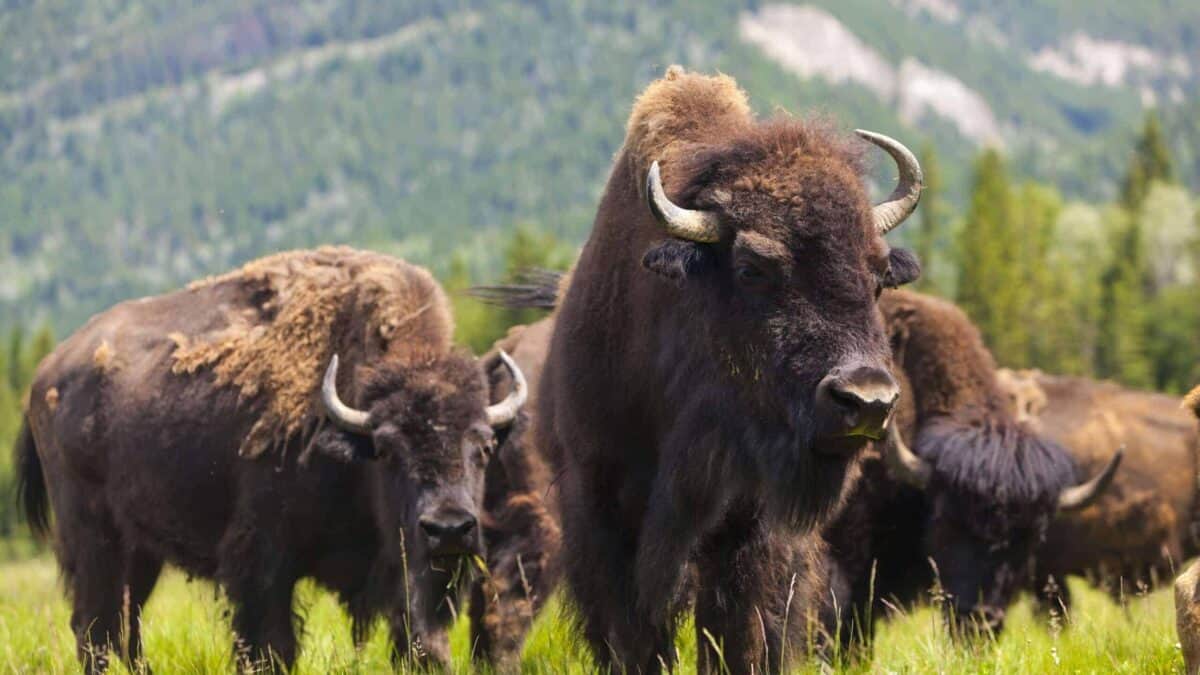
While no longer undertaking the vast continental movements of their ancestors, some American bison herds still maintain seasonal migrations within protected areas like Yellowstone National Park. These movements, though shorter than historical patterns, represent one of the few remaining examples of large ungulate migration in North America. Each spring, Yellowstone’s approximately 5,000 bison move from lower elevation valleys to higher mountain meadows, following the growth of nutritious grasses. Their migration covers elevational changes of up to 3,000 feet across distances of 30-50 miles. This movement creates a ripple effect throughout the ecosystem, as bison grazing patterns influence plant composition, nutrient cycling, and habitat conditions for numerous other species. The preservation of these migration corridors remains crucial for maintaining healthy bison populations and the ecological processes they drive.
14. Ruby-throated Hummingbirds
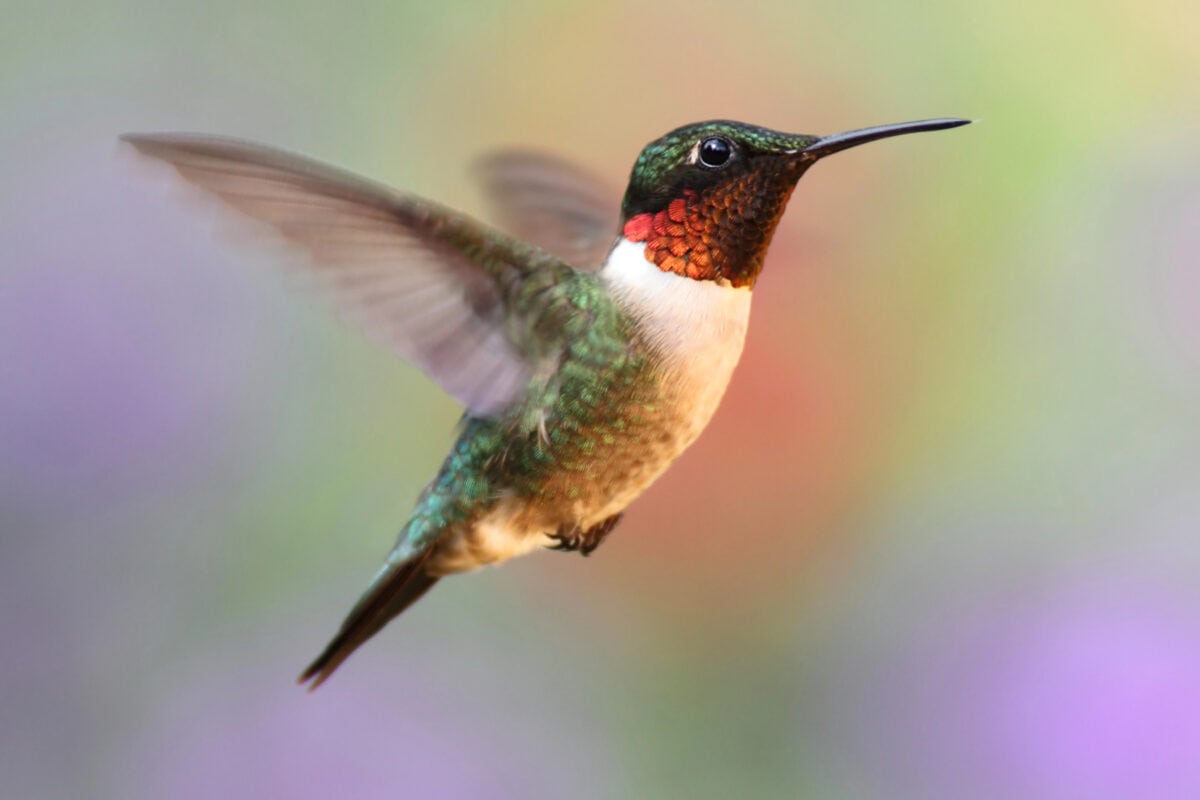
Weighing less than a nickel, the ruby-throated hummingbird accomplishes an astonishing migratory feat twice each year. These tiny birds winter in Central America and Mexico before flying across the Gulf of Mexico in a single 500-mile, non-stop journey that takes approximately 20 hours. They then spread throughout the eastern United States and southern Canada for breeding season. Before their Gulf crossing, ruby-throats nearly double their body weight by consuming vast quantities of nectar and insects, fueling their incredible journey. Their migration timing is closely tied to the flowering of certain plants along their route, making them particularly vulnerable to climate change disruptions. Males typically begin the northward journey in late February, while females follow a few weeks later, with the birds reaching northern states by May. Their fall return journey occurs from August through October.
13. Pronghorn Antelope

North America’s fastest land animal, the pronghorn, makes one of the continent’s most impressive terrestrial migrations. A herd of about 400 pronghorn travels 150 miles between summer ranges in Grand Teton National Park and winter grounds in Wyoming’s Green River Basin. This route, known as the “Path of the Pronghorn,” represents the longest land migration in the contiguous United States and has been used by these animals for at least 6,000 years. Unlike many migrating species, pronghorn don’t take the easiest path—they navigate narrow corridors through mountains, cross highways, and traverse ranches and energy developments. Their migration is timed precisely with seasonal changes, as they must reach winter grounds before deep snow accumulates. Conservation efforts have focused on protecting this ancient corridor through public and private land agreements to ensure this spectacular migration continues.
12. Broad-winged Hawks

Every autumn, broad-winged hawks create one of North America’s most impressive aerial spectacles as they journey from breeding territories across the eastern United States and Canada to wintering grounds in South America. Unlike many migratory birds that travel individually, these hawks gather in massive groups called “kettles” that can contain thousands of birds spiraling upward on thermal air currents. These kettles form particularly large concentrations at geographic bottlenecks like Pennsylvania’s Hawk Mountain and Texas’s Corpus Christi, where observers have counted over 10,000 birds passing in a single day. The hawks cover approximately 4,500 miles during their two-month journey, traveling about 70 miles daily. Their migration is precisely timed, with most birds passing through the southern United States in late September and early October before continuing across the Gulf of Mexico to Central America and beyond.
11. Caribou

While most Americans associate caribou migrations with Canada and Alaska, the Porcupine Caribou Herd makes an annual journey that includes parts of Alaska before crossing into Canada’s Yukon Territory. This herd, numbering approximately 200,000 animals, undertakes one of the longest terrestrial migrations on Earth, traveling up to 1,500 miles round-trip between winter ranges in Alaska’s interior and calving grounds on the coastal plain of the Arctic National Wildlife Refuge. Their migration follows ancient pathways determined by geography, food availability, and predator avoidance. The timing is precisely synchronized with the Arctic’s brief growing season, as caribou arrive on the coastal plain just as nutritious new plant growth emerges following snowmelt. This migration faces increasing threats from climate change, which alters vegetation patterns, and potential oil development in critical calving areas.
10. California Sea Lions
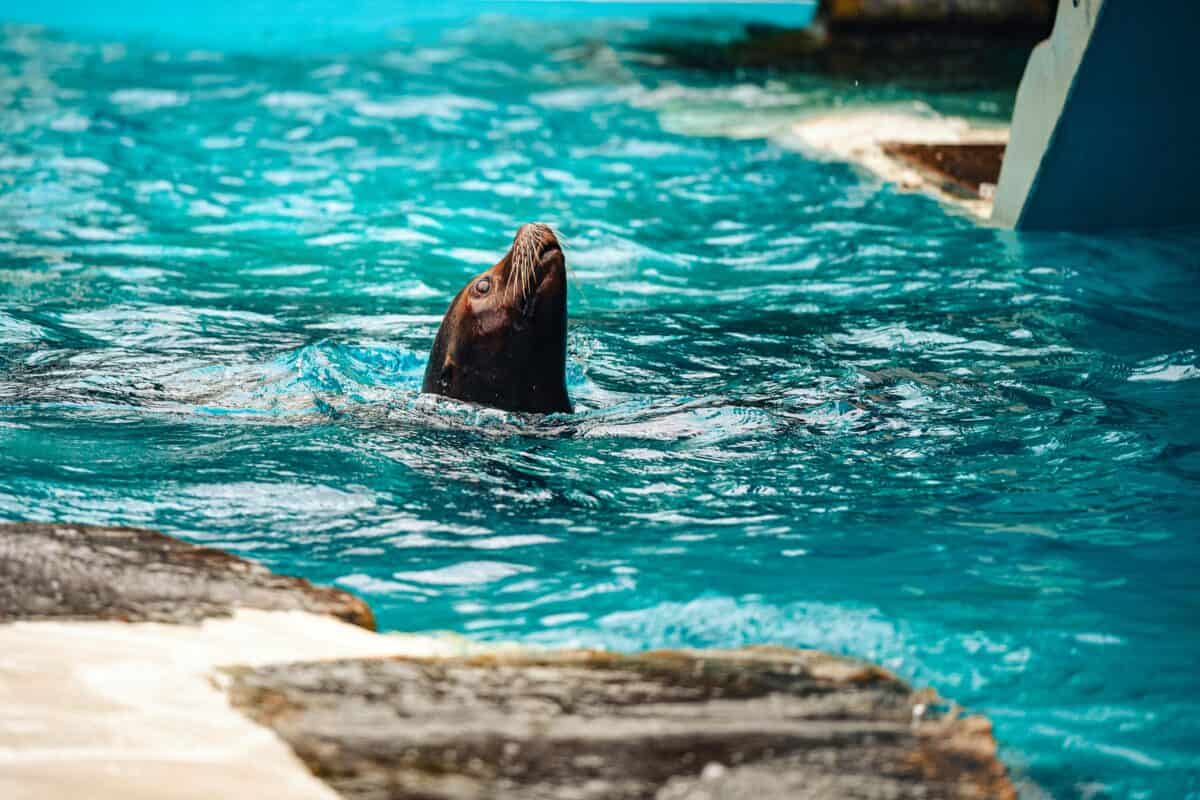
Male California sea lions undertake a significant annual migration along the Pacific coast of the United States. After breeding season ends in the Channel Islands off Southern California, adult males travel northward to feeding grounds that stretch from Oregon to Alaska. This journey, covering up to 1,000 miles, allows them to access the rich marine resources of the northern Pacific during summer and fall months. By contrast, females and juveniles tend to remain closer to the breeding colonies year-round. The males’ migration creates a noticeable seasonal pattern at locations like Oregon’s Sea Lion Caves and San Francisco’s Pier 39, where hundreds of these charismatic marine mammals gather during certain months. Their movements are influenced by oceanic conditions and prey availability, particularly anchovy, squid, and salmon populations, making their migration patterns sensitive indicators of marine ecosystem health.
9. Snow Geese
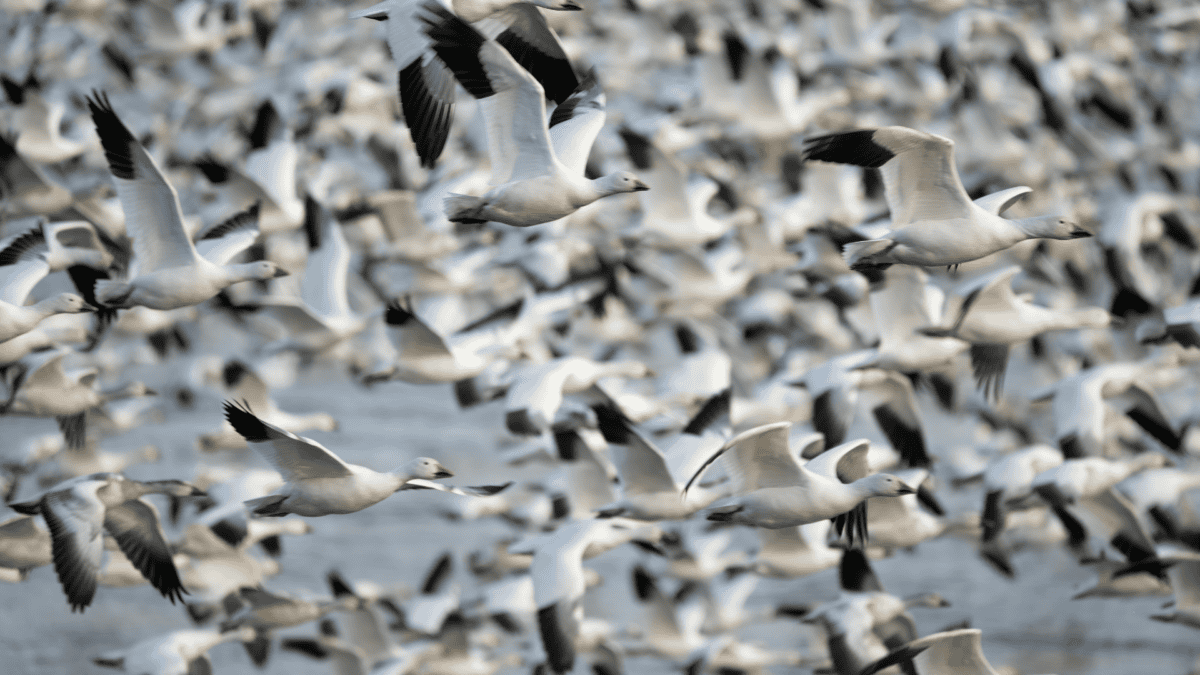
The snow goose migration represents one of North America’s most dramatic avian spectacles, with millions of these white birds moving between Arctic breeding grounds and southern wintering areas. Their migration corridors follow four primary flyways across the United States, with major concentrations in the Mississippi and Central flyways that pass through states like Missouri, Arkansas, and Louisiana. During peak migration periods, certain stopover sites like Squaw Creek National Wildlife Refuge in Missouri can host over one million snow geese simultaneously, creating a breathtaking display of white birds against the sky. These geese have adapted remarkably to agricultural landscapes, feeding extensively in grain fields during migration. Their population has grown exponentially in recent decades, from approximately 50,000 birds in the 1960s to over 15 million today, creating both conservation challenges and spectacular viewing opportunities for wildlife enthusiasts.
8. Painted Lady Butterflies
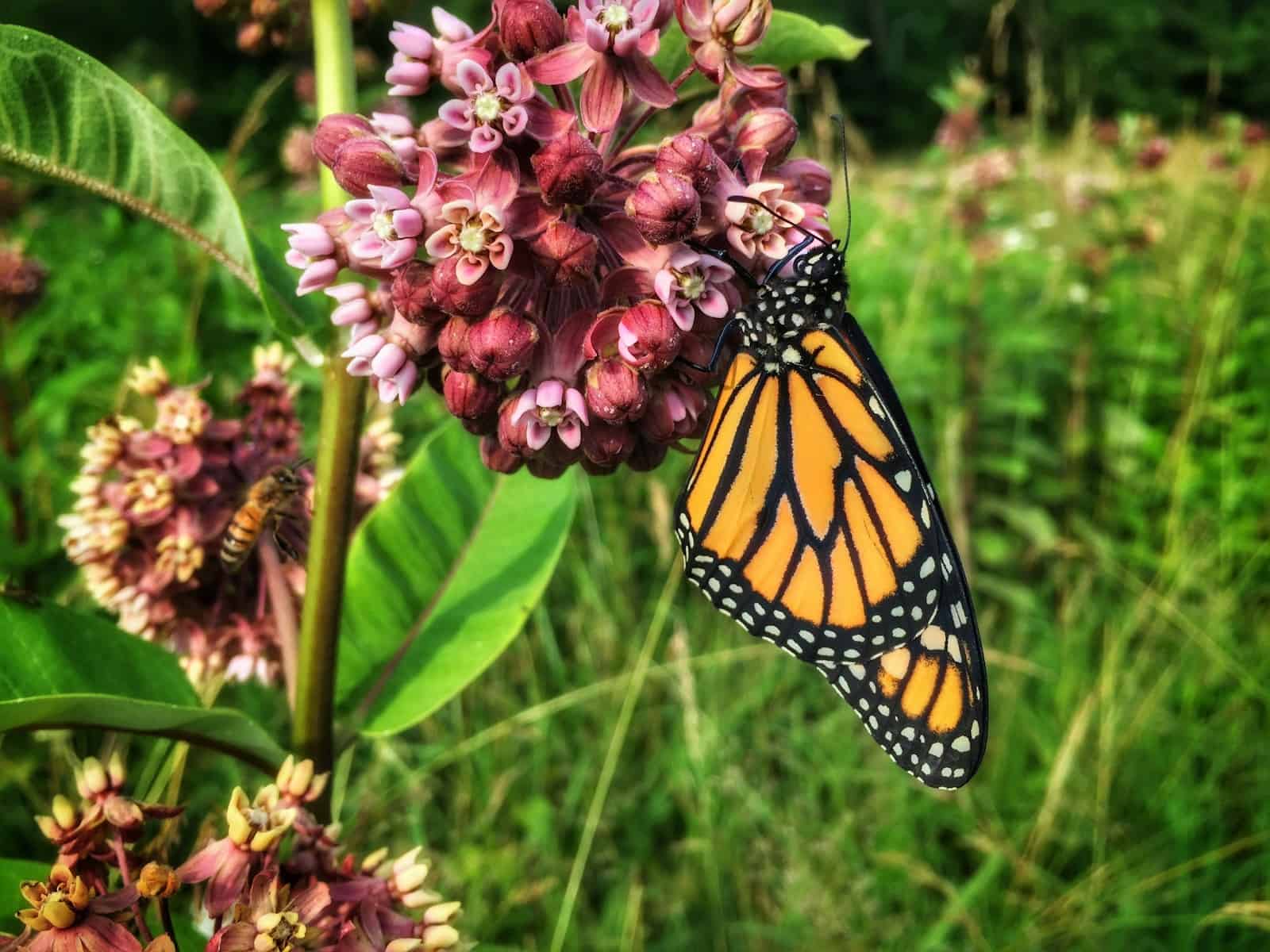
The painted lady butterfly undertakes a multi-generational migration spanning North America, though its patterns are less predictable than those of monarchs. In years with favorable conditions, these orange and black butterflies make a remarkable journey from the deserts of northern Mexico and the southwestern United States to the Pacific Northwest and southern Canada, with some individuals traveling over 2,500 miles. Unlike strictly seasonal migrants, painted lady migrations can be sporadic, occasionally resulting in “superbloom” years when billions of butterflies fill the skies across California and other western states. The 2019 migration was particularly spectacular, with butterflies passing through California at a rate of over one million per hour. These mass movements follow the spring bloom of wildflowers northward, with each generation of butterflies living only two to four weeks before producing offspring that continue the journey.
7. Salmon

Pacific salmon undertake one of the most iconic migrations in the American West, moving from the ocean to their natal freshwater streams across Washington, Oregon, California, Idaho, and Alaska. These remarkable fish journey hundreds—sometimes thousands—of miles against powerful currents, leaping up waterfalls and navigating obstacles to reach their spawning grounds. Unlike most migratory animals, salmon make this journey only once, as they die after spawning. Five species (Chinook, coho, sockeye, chum, and pink) follow distinct migration patterns, with some traveling up to 900 miles inland to high-elevation streams in Idaho. Their homing ability is extraordinarily precise, as they use their sense of smell to identify the exact stream where they were born. This migration not only perpetuates salmon populations but also transfers crucial marine nutrients to inland ecosystems, benefiting everything from bears and eagles to trees and insects.
6. American White Pelicans

American white pelicans, with their impressive nine-foot wingspans, conduct a vast migration across the United States twice annually. Unlike their coastal brown pelican relatives, white pelicans breed primarily at inland lakes across the northern plains and mountain states before wintering along the Gulf Coast, California, and Mexico. Their migration follows both Mississippi and Central flyways, with key stopover points including Utah’s Great Salt Lake, North Dakota’s Chase Lake, and Minnesota’s Pelican Island. These massive birds migrate in spectacular V-formations and use thermal updrafts to minimize energy expenditure, often soaring at altitudes of 10,000 feet or higher. Unlike many migratory birds that travel at night, white pelicans migrate during daylight hours, creating striking visual displays as hundreds of birds move together. Their population has increased significantly since the 1970s, with current estimates at approximately 180,000 birds across North America.
5. Bats of Bracken Cave

The world’s largest bat colony makes its summer home at Bracken Cave near San Antonio, Texas, where approximately 20 million Mexican free-tailed bats gather after migrating from central Mexico each spring. This remarkable concentration of mammals creates one of nature’s most spectacular emergences each evening as the colony streams from the cave mouth in a swirling vortex that can last up to four hours. The bats travel up to 1,000 miles during their migration, with pregnant females leading the journey to establish maternity colonies in Texas and other southern states. After raising their young through the summer months, they return to Mexico in autumn. During their residence in the United States, these bats provide invaluable ecosystem services, consuming an estimated 140 tons of insects nightly—primarily agricultural pests. Their migration timing has shown subtle shifts in recent decades, with spring arrivals occurring approximately two weeks earlier than in the 1970s, potentially reflecting climate change influences.
4. Leatherback Sea Turtles
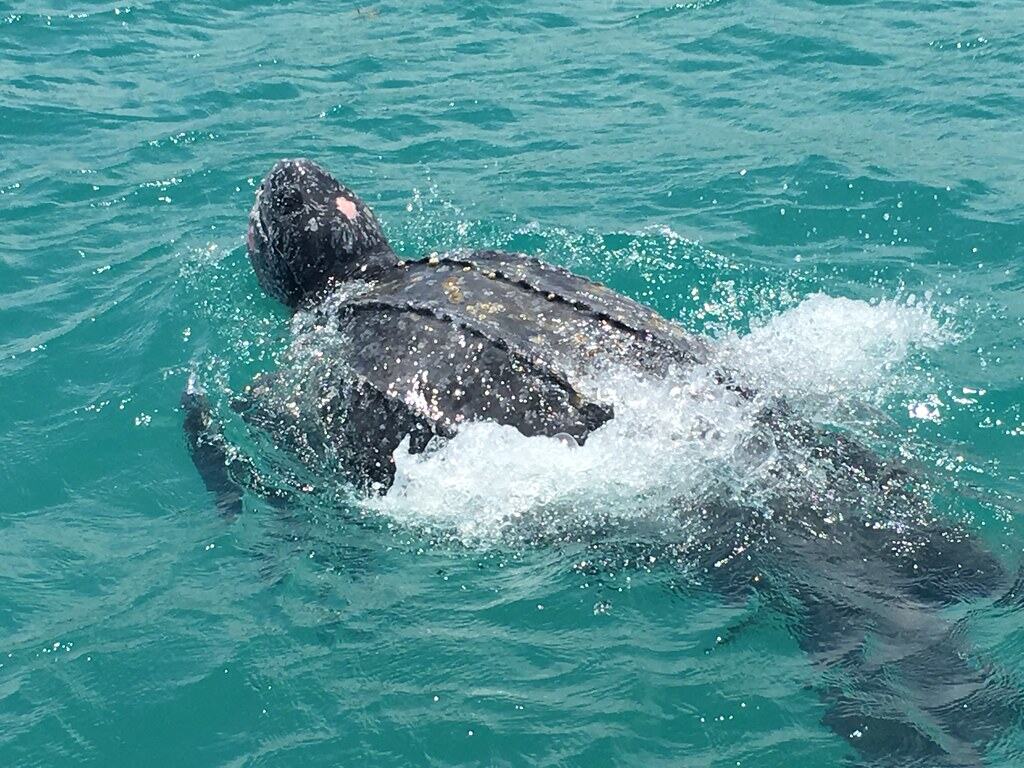
The leatherback sea turtle, Earth’s largest turtle species, undertakes one of the ocean’s most extensive migrations, with some individuals traveling over 10,000 miles annually. While their primary nesting beaches lie in the Caribbean and South Pacific, these ancient reptiles make seasonal foraging migrations into U.S. waters along both the Atlantic and Pacific coasts. Atlantic leatherbacks travel northward along the Eastern Seaboard during summer months, following jellyfish blooms as far north as Maine and Nova Scotia. Pacific leatherbacks make even longer journeys, traveling from Indonesian nesting beaches to feeding grounds off California and Oregon. These massive turtles, weighing up to 2,000 pounds, can dive to depths exceeding 4,000 feet during their migrations and maintain body temperatures significantly warmer than surrounding waters—unusual traits for reptiles. Despite their impressive adaptations, leatherback populations have declined by over 80% in recent decades due to fishing bycatch, plastic pollution, and beach development.
3. Whooping Cranes
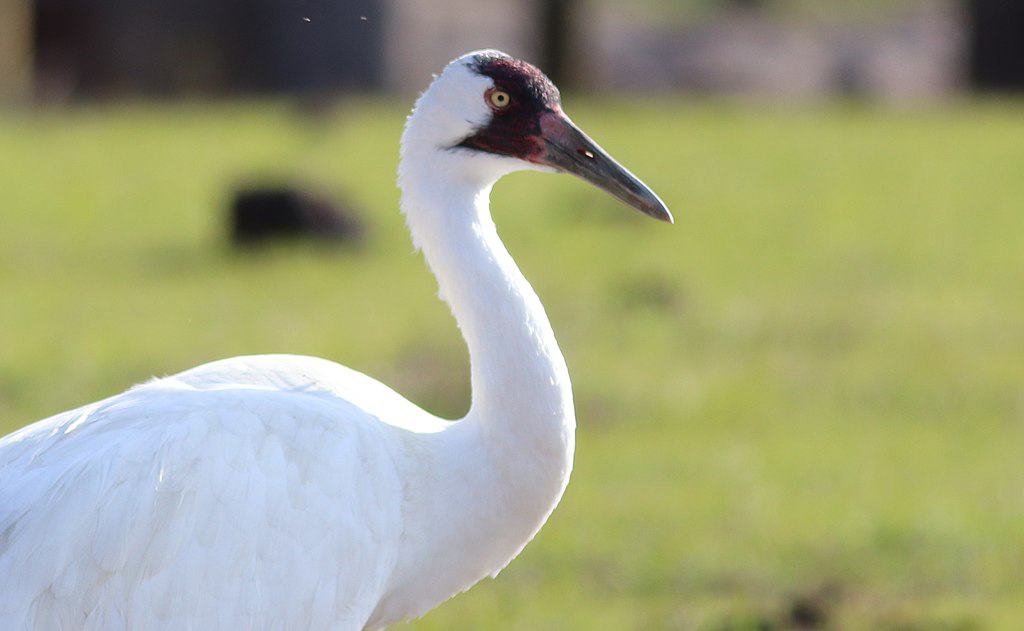
North America’s tallest bird, the endangered whooping crane, makes a remarkable 2,500-mile migration between Wood Buffalo National Park in northern Canada and Aransas National Wildlife Refuge on the Texas Gulf Coast. Once reduced to just 15 individuals in 1941, conservation efforts have helped this population grow to approximately 500 birds today. Their migration follows a narrow corridor through the Great Plains, including stops in the Dakotas, Nebraska, Kansas, and Oklahoma. Unlike many migratory birds that travel in large flocks, whooping cranes typically migrate in family groups or small parties of 2-7 birds, making their journey particularly vulnerable to hazards like power lines and habitat loss. A separate reintroduced eastern population, established through a unique program where ultralight aircraft led captive-reared cranes along migration routes, travels between Wisconsin and Florida. Their distinctive calls, audible for over two miles, announce their presence during migration.
2. Humpback Whales

Humpback whales undertake one of the longest mammalian migrations on Earth, traveling up to 5,000 miles between feeding and breeding grounds. The North Pacific population spends summers feeding in the nutrient-rich waters of Alaska before journeying to breeding areas around Hawaii, Mexico, and Central America. These 40-ton mammals travel at a steady pace of about 3-9 miles per hour, completing their one-way journey in approximately 4-8 weeks. Unlike many migratory species, humpbacks typically fast during most of their migration and breeding season, relying on fat reserves accumulated during summer feeding. Their movements create seasonal whale-watching opportunities along the entire U.S. West Coast, with peak sightings in Washington and Oregon during spring and fall transition periods. Through satellite tracking and photo identification, researchers have documented remarkable migration fidelity, with individual whales returning to the same feeding and breeding areas year after year, sometimes with navigational precision of less than a mile.
1. Lesser Snow Geese
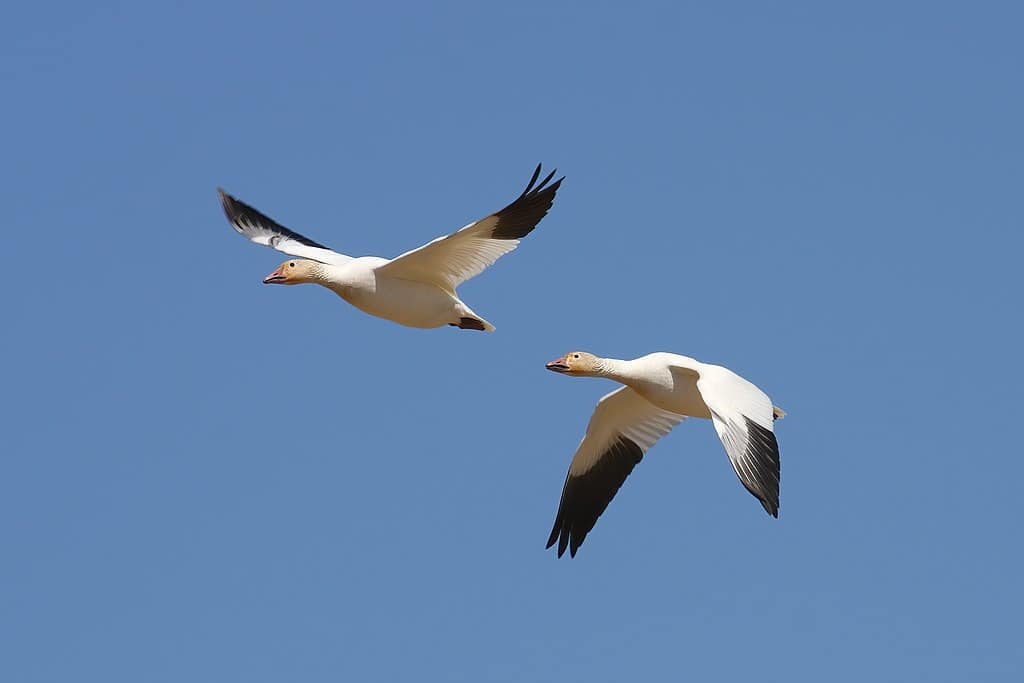
The lesser snow goose undertakes a spectacular migration through the central United States, with over 15 million birds moving between Canadian Arctic breeding grounds and wintering areas along the Gulf Coast. Their spring migration creates one of the continent’s greatest wildlife concentrations when hundreds of thousands gather at stopover sites like Nebraska’s Rainwater Basin and Missouri’s Squaw Creek National Wildlife Refuge. These geese have dramatically altered their migratory behavior in recent decades, increasingly utilizing agricultural landscapes for refueling. Their population has exploded more than twentyfold since the 1960s, leading to severe habitat degradation in some Arctic breeding areas. The birds’ adaptation to human-modified landscapes has changed traditional migration patterns, with new stopover sites emerging and historical ones sometimes being abandoned.
Conclusion:

From the fluttering wings of monarch butterflies to the thunderous marches of caribou and the deep-ocean odysseys of leatherback sea turtles, the United States is crisscrossed each year by some of the most awe-inspiring animal migrations on Earth. These 18 journeys represent more than just seasonal movement—they are lifelines for species survival, tightly choreographed with the rhythm of ecosystems, climate patterns, and ancient instinct. They also serve as vivid reminders of the interconnectedness of habitats across borders and the critical need for conservation on a continental scale. As changing climates, habitat fragmentation, and human development place growing pressure on migratory pathways, protecting these corridors has never been more urgent. Supporting and preserving these extraordinary migrations is not just about safeguarding wildlife—it’s about maintaining the natural heritage and ecological health of the continent for generations to come.

As a little kid, I fell in love with nature, wildlife, and animals. Living in the USA, South Africa, Italy, China and Germany gave me the opportunity to discover the world's Wildlife. My favorite animals are Mountain Gorillas, Siberian Tigers, and Great White Sharks.
I'm a certified PADI Open Water Diver, went to Everest Base Camp and Trekked Gorillas in Uganda. I hold a Master of Science in Economics and Finance.
Please send any feedback to feedback@animalsaroundtheglobe.com
- 14 Stunning Animals You Can See in India - July 18, 2026
- The Most Enormous Lobster Ever Pulled From Maine Waters - July 18, 2026
- The Most Dangerous Waters for Sharks in North America - July 18, 2026