


Did you ever catch your dog staring at you, tilting its head to one side, looking almost like it’s trying to solve a riddle? For many dog owners, this quirky gesture is both adorable and mysterious. Is your furry friend trying to understand your words, or is there something deeper going on? Head tilting sparks curiosity and warms our hearts, but the truth behind this cute habit might surprise you. Let’s dig into the real reasons your dog tilts its head—you might find it’s not what you think.
12. Trying to Hear You Better

Dogs have an incredible sense of hearing, but sometimes they need to adjust their ears just right to catch certain sounds. When your pup tilts its head, it might be trying to figure out where a noise is coming from, or to hear your voice more clearly. Imagine yourself turning your head in a noisy room to catch someone’s words—dogs do the same! This little movement helps them tune into frequencies, especially high-pitched sounds or unfamiliar noises. Head tilting can be their way of focusing on your tone, not just your words. Next time you notice it, think of your dog as a furry little sound engineer. Their ears are their superpower, and the tilt is their tool.
11. Interpreting Human Emotions

Dogs are highly sensitive to our feelings. When you speak with excitement, sadness, or confusion, your dog might tilt its head to soak in all those emotional clues. They’re not just listening; they’re reading your face, your gestures, and the energy in your voice. A head tilt is like their way of saying, “Are you okay? Should I be concerned, or is this playtime?” In many ways, this gesture bridges the gap between canine and human communication. If you’re having a bad day, your dog’s curious tilt can feel like a warm, silent hug. It’s their way of empathizing with your mood, almost as if they’re trying to wear your shoes for a moment.
10. Trying to Understand New Words

Ever notice your dog tilting its head when you say a new word, like “vet” or “walkies”? Dogs are surprisingly smart when it comes to picking up on vocabulary. That curious tilt could mean they’re working hard to connect the dots—matching your words with actions or experiences. For them, every new sound is a mystery waiting to be solved. This is especially true if you use an excited or unusual tone. They want to make sure they’re not missing out on something important, be it a treat or a trip to the park. It’s almost like they’re detectives, piecing together a puzzle with every twitch of their ears.
9. Adjusting Their Field of Vision
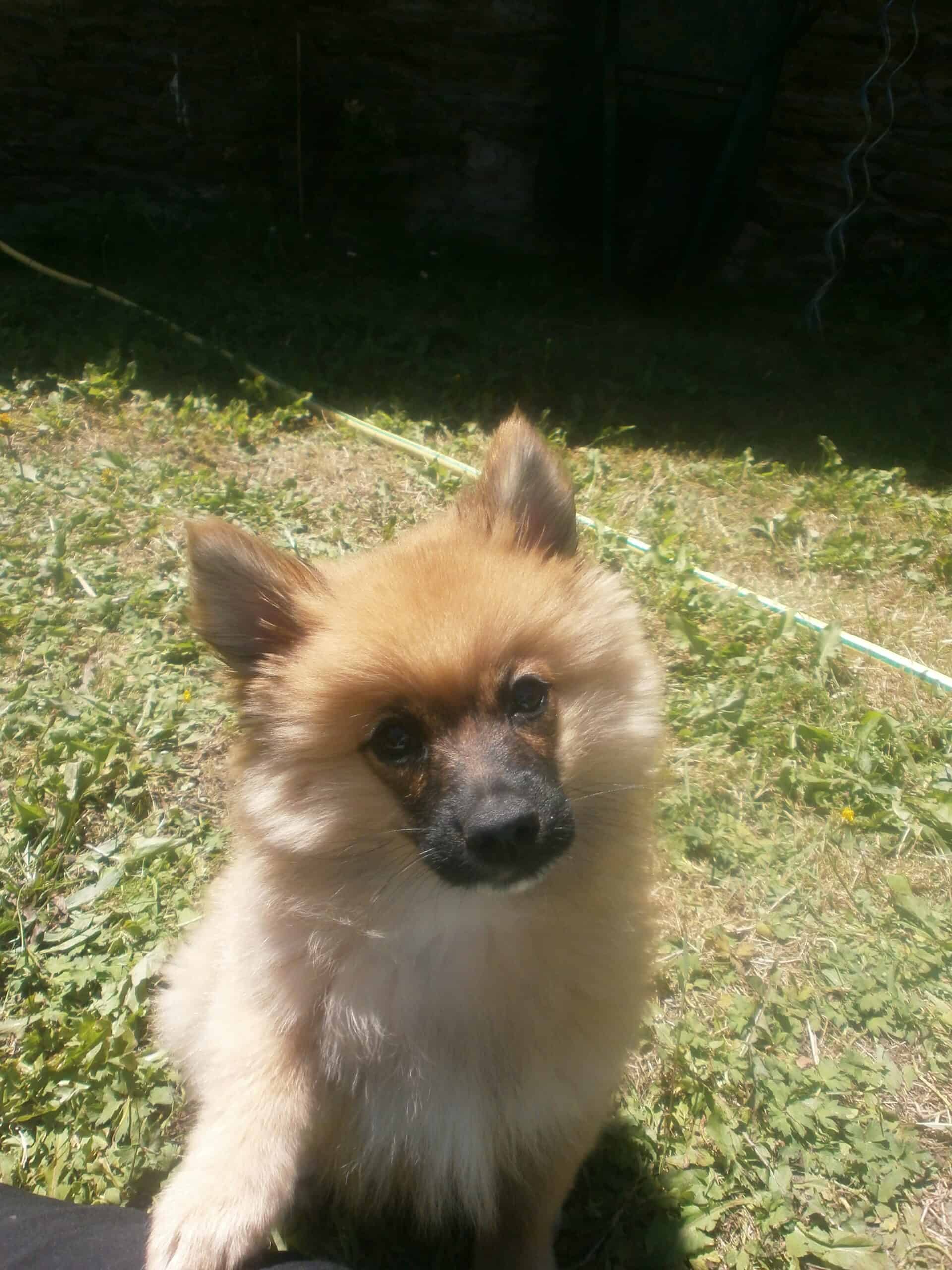
Some experts believe that dogs tilt their heads to adjust their line of sight. Many breeds have long snouts or fluffy faces that can block their view. By tilting their head, they can get a better look at your face or see what you’re holding in your hand. Imagine trying to peek around a tall fence—sometimes you have to move your head just right. This practical adjustment helps them read your facial expressions, spot a favorite toy, or keep an eye on a treat. The head tilt, in this case, is less about hearing and more about seeing the world from a different angle.
8. Showing Curiosity

Head tilting is often a sign of pure curiosity. When something odd or unexpected happens—a new sound, a strange object, or even a funny noise you make—dogs want to know more. The tilt is like their version of raising an eyebrow or saying, “What’s that all about?” This natural curiosity keeps them engaged with their environment and can be a sign of a happy, healthy mind. You might even notice your dog tilting its head when you try a new command or bring home a new gadget. It’s their way of saying, “I’m paying attention. Teach me more!”
7. Trying to Please You

Dogs are people pleasers at heart, and head tilting can be part of their charm offensive. If you laugh, smile, or give a treat whenever your dog tilts its head, they quickly learn that this gesture brings positive attention. They may repeat the behavior just to see you happy—or to score a snack. Some clever pups even use the head tilt as a tool to get what they want! It’s a little like a child making a funny face because it always gets a giggle from Mom or Dad. This playful communication strengthens the bond between you and your dog, making everyday moments feel special.
6. Responding to High-Pitched Sounds

Certain sounds catch a dog’s attention more than others—think squeaky toys, whistles, or even a high-pitched baby voice. When dogs hear these frequencies, they might tilt their head to pinpoint exactly where the sound is coming from or to process it better. This is especially true for breeds with upright, mobile ears. The tilt helps them capture and funnel sound waves more efficiently, like adjusting an antenna for better reception. It’s a fascinating reminder of how finely tuned a dog’s senses really are, and how closely they interact with their environment.
5. Mimicking Human Behavior

Believe it or not, some dogs learn to copy their humans, including tilting their heads. If you often cock your head in curiosity or lean in when talking to your dog, they may mimic this gesture. Dogs are masters at reading body language and often mirror our actions to connect with us. It’s a little like a toddler imitating a parent’s smile or a friend’s laugh. This mirroring builds social bonds and helps dogs feel closer to their favorite people. Next time you tilt your head at your pup, don’t be surprised if they do it right back!
4. Checking for Approval

Sometimes, a head tilt is your dog’s way of checking in with you. Maybe they’re unsure about a command, a new trick, or even an unfamiliar guest. The tilt is a silent question: “Am I doing this right? Is this okay?” Dogs look to their humans for reassurance, just like we look for a thumbs-up from a friend. A gentle head tilt can signal that your dog is paying close attention and wants your approval before taking the next step. It’s endearing, and it shows just how much they care about getting things right.
3. Experiencing Ear Problems

Not every head tilt is cute or harmless. Sometimes, it can signal an ear problem, like an infection, mites, or even a lodged object. If your dog tilts its head often, shakes it, or seems uncomfortable, it’s time to pay attention. Persistent tilting, especially with scratching or whining, could mean your pup is in pain. Just as we might tilt our heads if we have water trapped in one ear, dogs do the same to try and relieve discomfort or balance issues. It’s important to check with your vet if this behavior seems out of the ordinary or is accompanied by other symptoms.
2. Navigating Balance and Orientation

Dogs use their inner ear for balance, much like humans do. A sudden tilt can sometimes be a sign that your dog is trying to steady itself. Conditions affecting the vestibular system—the part of the inner ear that manages balance—can cause tilting. This system helps dogs know which way is up, even when spinning or playing rough. If your dog suddenly starts tilting their head frequently, seems disoriented, or walks in circles, it could be a medical issue needing prompt attention. Not all head tilts are playful; sometimes, they’re a dog’s way of coping with dizziness or vertigo.
1. Expressing Personality and Playfulness
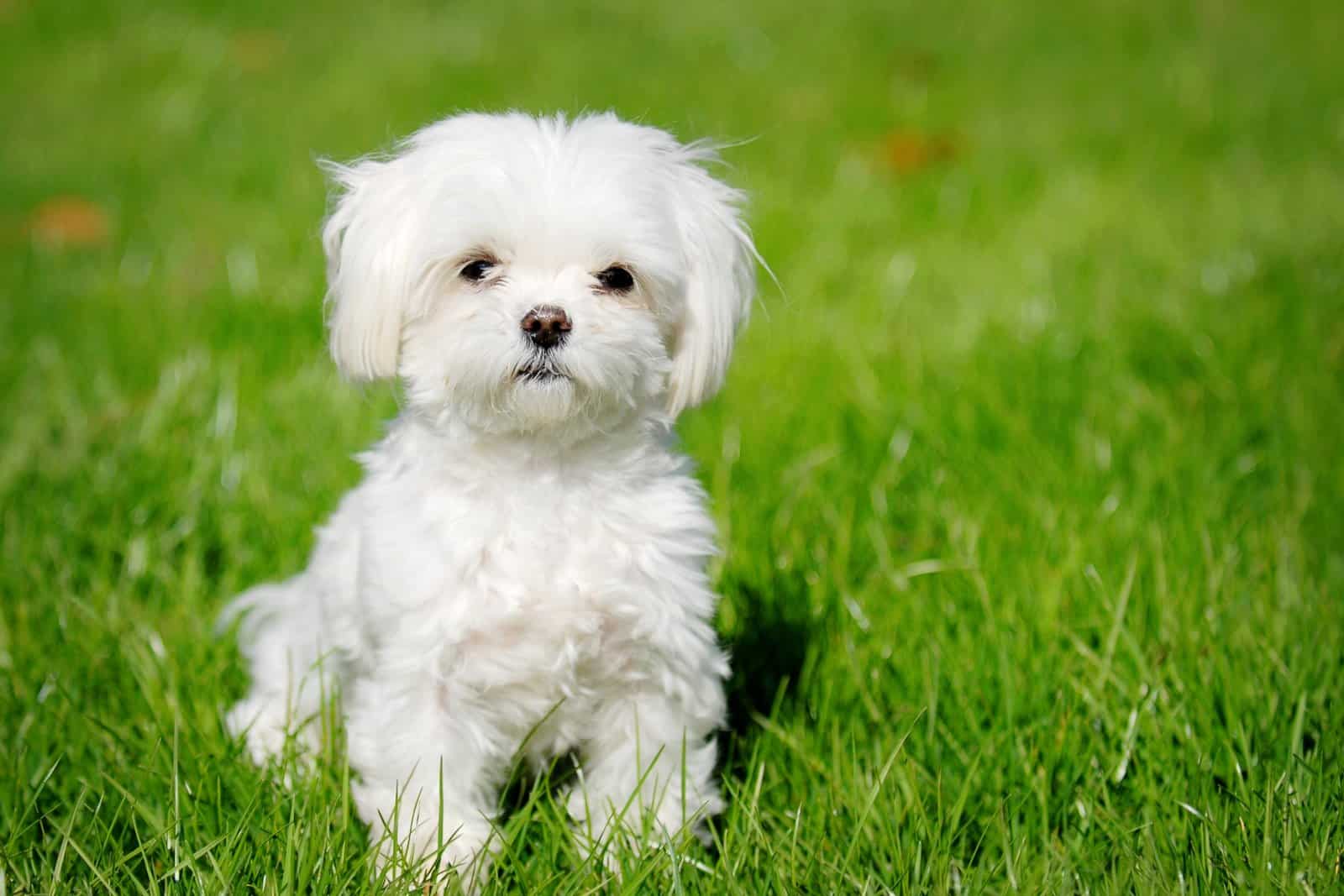
Every dog is unique, and some simply tilt their heads more than others because it’s part of their personality. Just like people, dogs have quirks that set them apart. For some, the head tilt is a playful gesture, a sign of excitement, or even a way to invite you to interact. Maybe you’ve noticed your pup tilting their head during games or when they’re feeling particularly cheeky. This behavior can be as individual as a wagging tail or a goofy grin, and it’s one of the many ways dogs express themselves. Embrace it—it’s just another reason to love your furry companion.
Conclusion
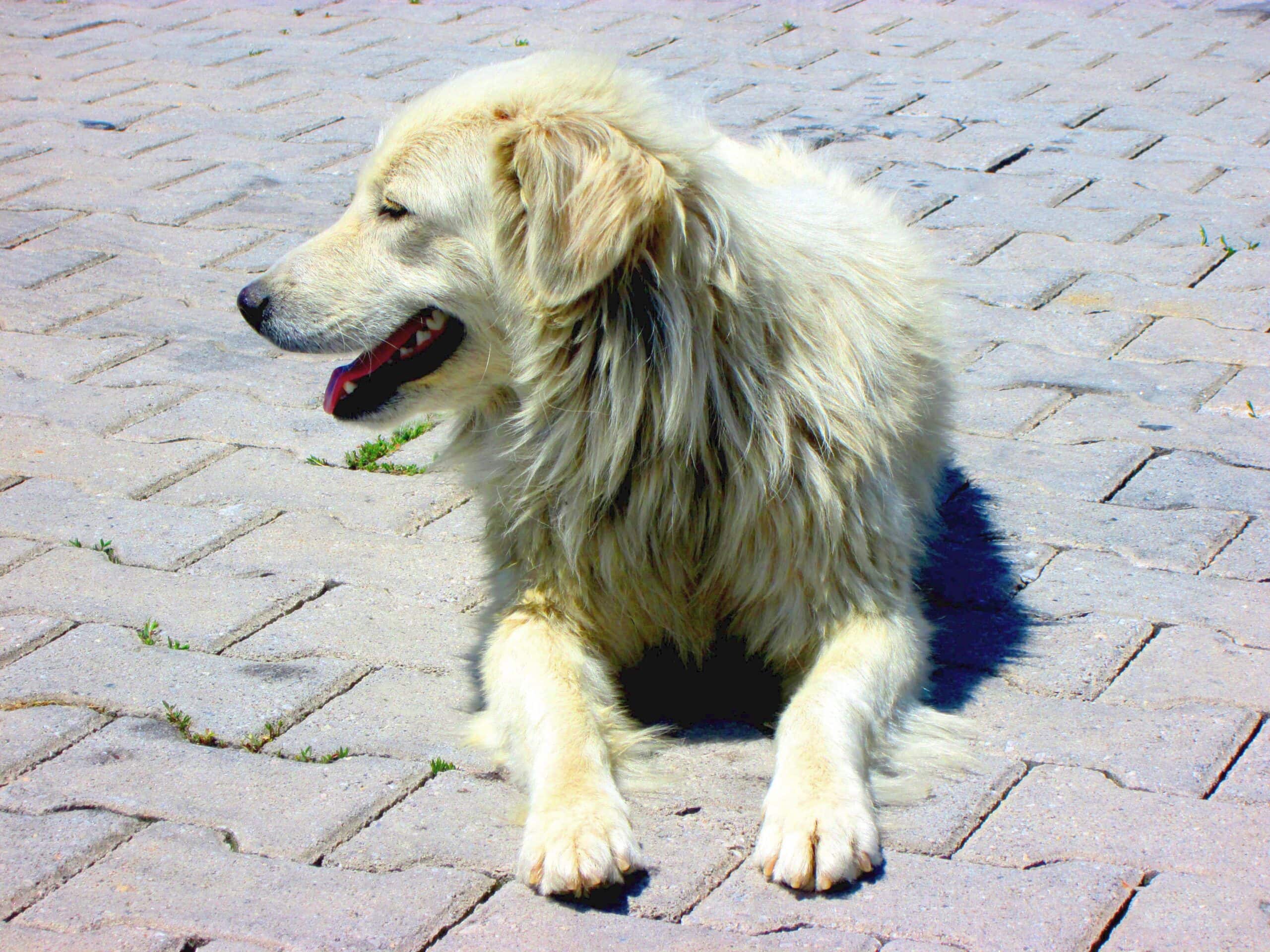
Head tilting in dogs is much more than just an adorable pose. From tuning into sounds and emotions to seeking approval, showing curiosity, or expressing their unique personalities, our canine friends have a whole world of reasons for this fascinating habit. Sometimes, it’s a way to bond with us, and other times, it might signal something more serious that needs attention. The next time your dog gives you that irresistible tilt, you’ll know there’s a lot more going on behind those soulful eyes. Isn’t it amazing how much our dogs say without ever speaking a word?

As a little kid, I fell in love with nature, wildlife, and animals. Living in the USA, South Africa, Italy, China and Germany gave me the opportunity to discover the world's Wildlife. My favorite animals are Mountain Gorillas, Siberian Tigers, and Great White Sharks.
I'm a certified PADI Open Water Diver, went to Everest Base Camp and Trekked Gorillas in Uganda. I hold a Master of Science in Economics and Finance.
Please send any feedback to feedback@animalsaroundtheglobe.com
- 13 Cat Breeds That Get Along with Dogs - July 20, 2026
- The 12 Largest Dog Breeds That Still Love to Cuddle - July 20, 2026
- 12 Pet Habits That Secretly Mean They Love You - July 20, 2026