


Exploring the far reaches of our planet often reveals how beautifully diverse and harsh Earth can be. As advanced as human civilization has become, there remain places so extreme that survival is impossible. These remote locales present environmental challenges that even the hardiest humans cannot endure. From freezing temperatures and suffocating pressures to barren deserts and toxic atmospheres, let’s embark on a journey to 12 places where human life cannot persist.
Antarctica’s Inner Ice Shelf
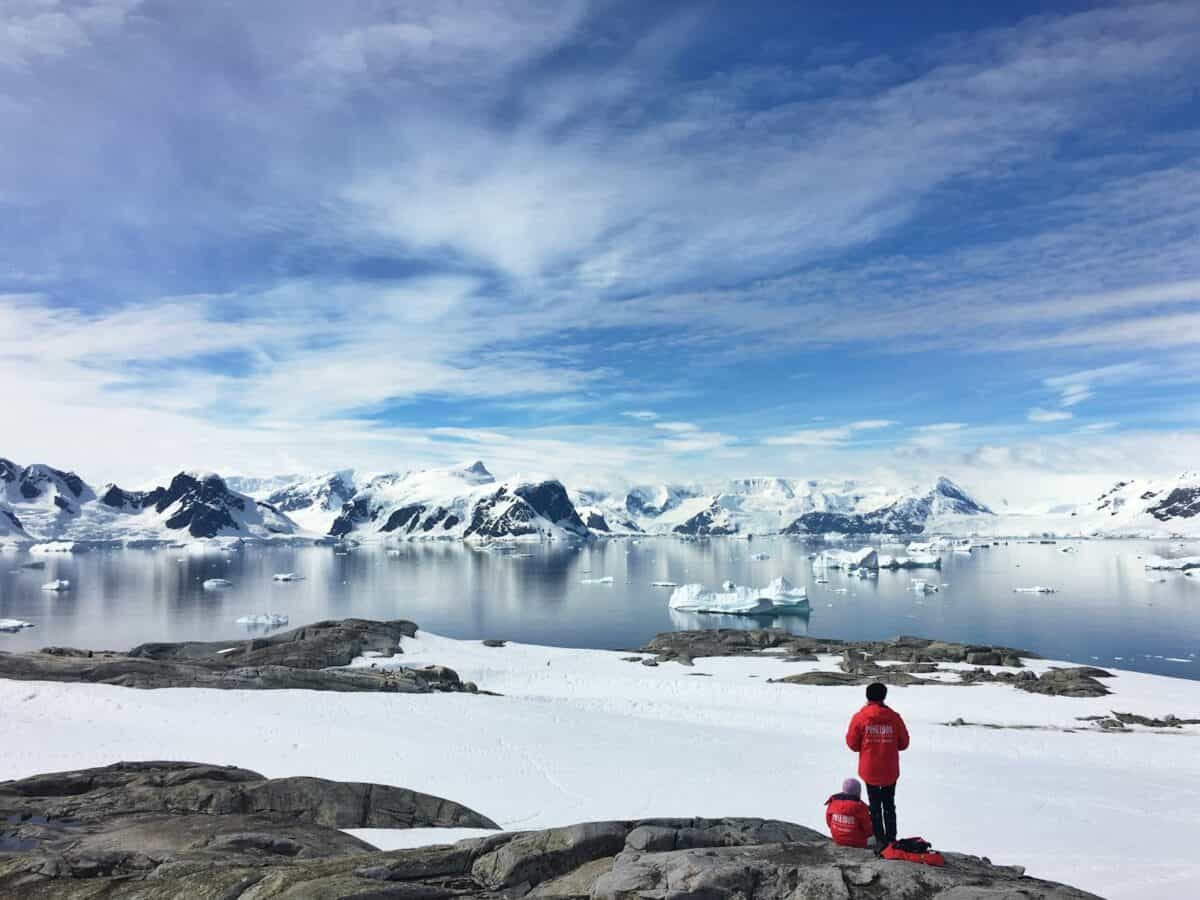
Antarctica’s frozen interior is one of the deadliest places on Earth, where temperatures can plummet as low as -128.6 degrees Fahrenheit. The severe cold, combined with powerful katabatic winds that can exceed 200 miles per hour, creates an environment where human survival is impossible without sophisticated life support equipment. The absence of moisture and extreme cold ensures that no vegetation or animal life can sustain itself here, making Antarctica’s inner ice shelf a truly inhospitable place.
The Atacama Desert, Chile

Known as the driest non-polar desert in the world, the Atacama Desert receives less precipitation annually than most deserts receive in a month. Some weather stations in the region have never recorded rain. This hyper-arid climate, combined with intense solar radiation and nutrient-poor soil, makes it impossible for humans and most forms of life to survive without bringing their own water and sustenance.
Mount Everest’s Death Zone

The ‘Death Zone’ of Mount Everest, above 26,000 feet, presents a lethal challenge to those who dare to venture that high. The air contains only a fraction of the oxygen available at sea level, leading to severe hypoxia. The freezing temperatures, dangerous icefall, and intense winds make survival without supplementary oxygen incredibly unlikely. Climbers often face exhaustion, frostbite, and altitude sickness, underscoring the risks of even brief exposure.
The Mariana Trench
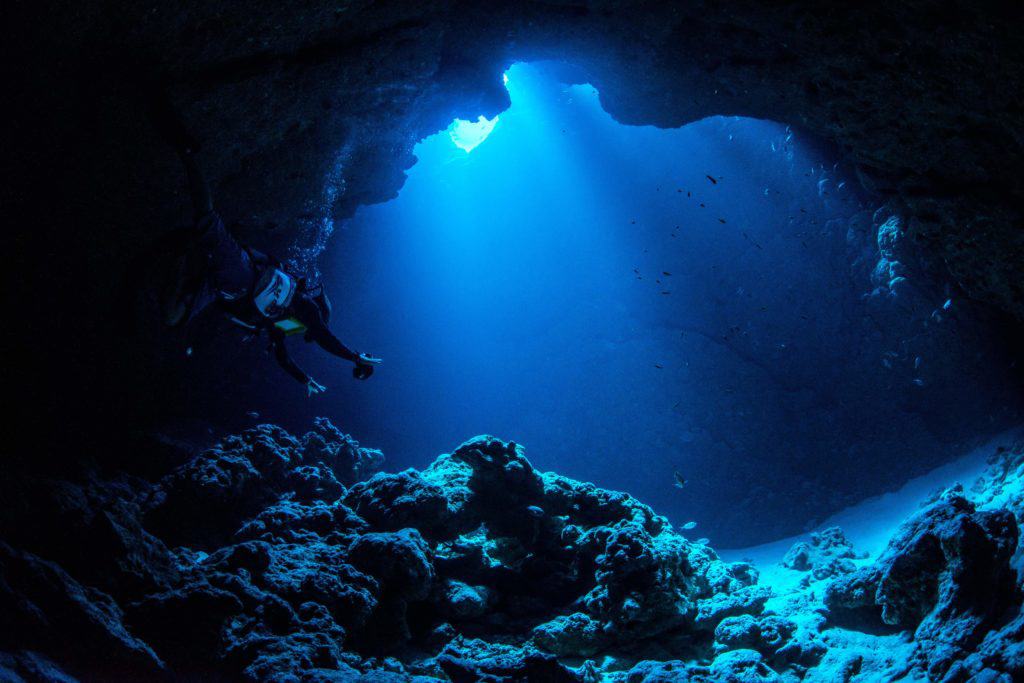
Located in the Western Pacific Ocean, the Mariana Trench is the deepest part of the world’s oceans. With crushing pressures over 1000 times that at sea level and temperatures just above freezing, human life cannot be sustained here. The depths are so forbidding that only a select few unmanned and manned submarines have made the risky descent to Challenger Deep, the trench’s lowest point.
Oymyakon, Russia

Oymyakon holds the record for the lowest temperature ever recorded for a permanently inhabited location, dipping to -90 degrees Fahrenheit. This remote Siberian village exemplifies extreme cold that poses severe threats to human survival. Prolonged exposure can lead to frostbite and hypothermia within minutes without appropriate gear and shelter. Residents have adapted, but the harsh climate makes this area nearly uninhabitable for those unprepared.
The Danakil Depression, Ethiopia
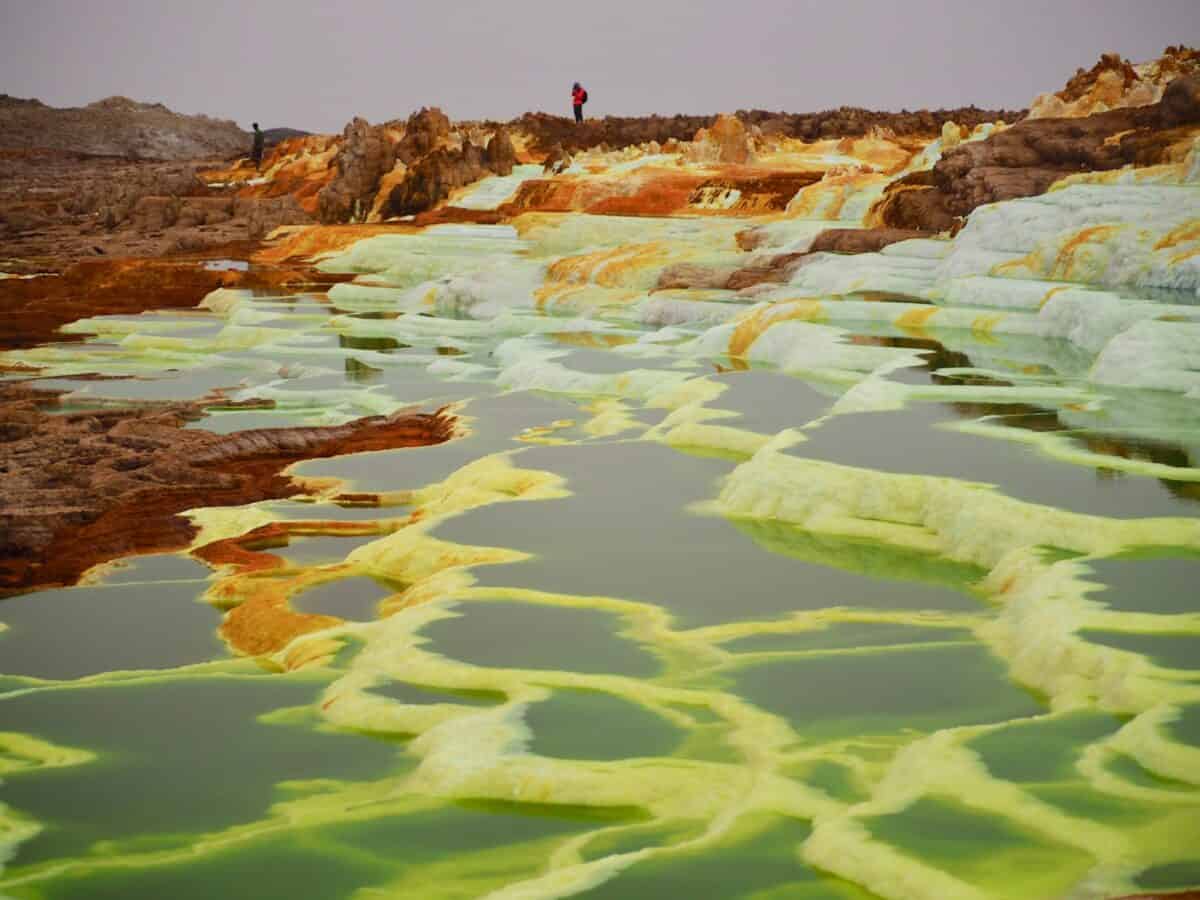
One of the hottest places on Earth, the Danakil Depression experiences yearly average temperatures exceeding 94 degrees Fahrenheit, with summer highs reaching unbearable limits. The volcanic activity has created a toxic landscape, filled with sulfur springs and acidic pools that emit dangerous gases. Any attempts at survival would require innovative technological support to withstand the extreme heat and corrosive environment.
The Summit of K2, Pakistan
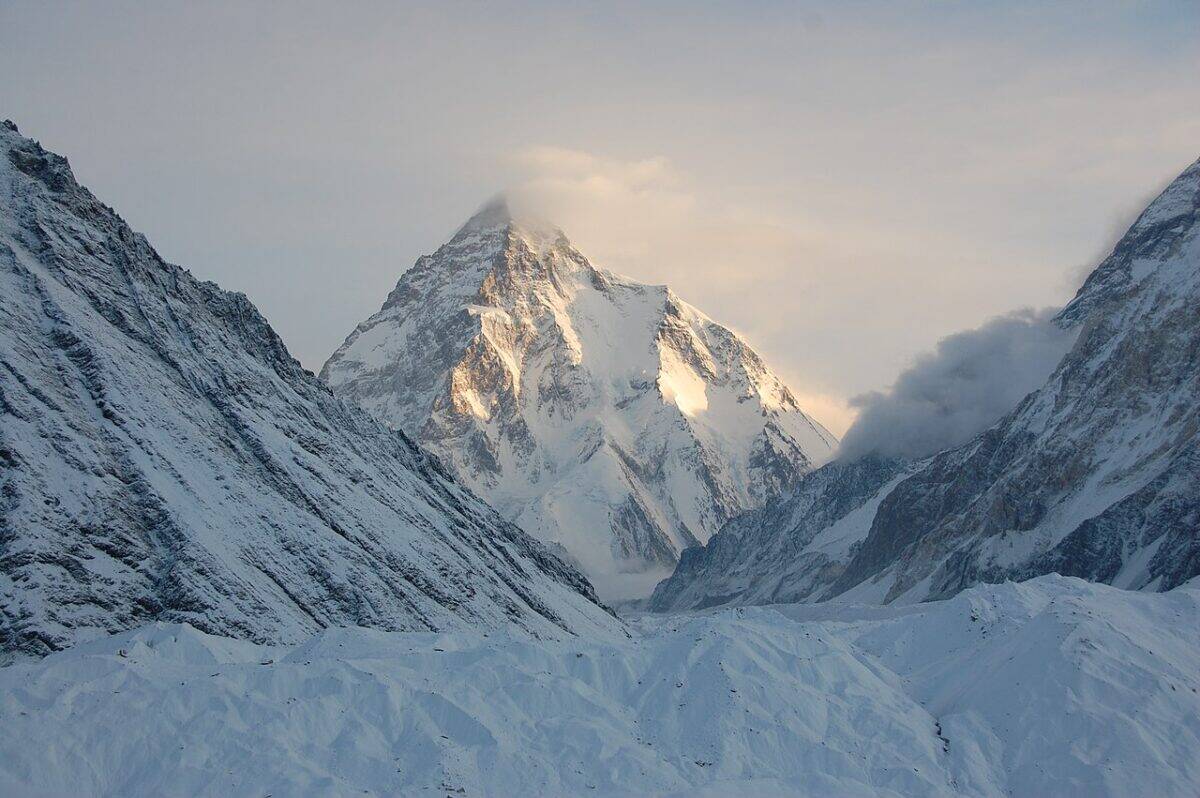
K2, the second-highest mountain on Earth, presents more dangers than even Mount Everest. Its unpredictable weather and avalanche hazards contribute to a high fatality rate among climbers. The thin atmosphere at its peak offers insufficient oxygen, and the treacherous paths require supreme technical skill and endurance. Permanently inhabiting K2 would be a suicidal endeavor due to its deadly conditions.
Death Valley, USA
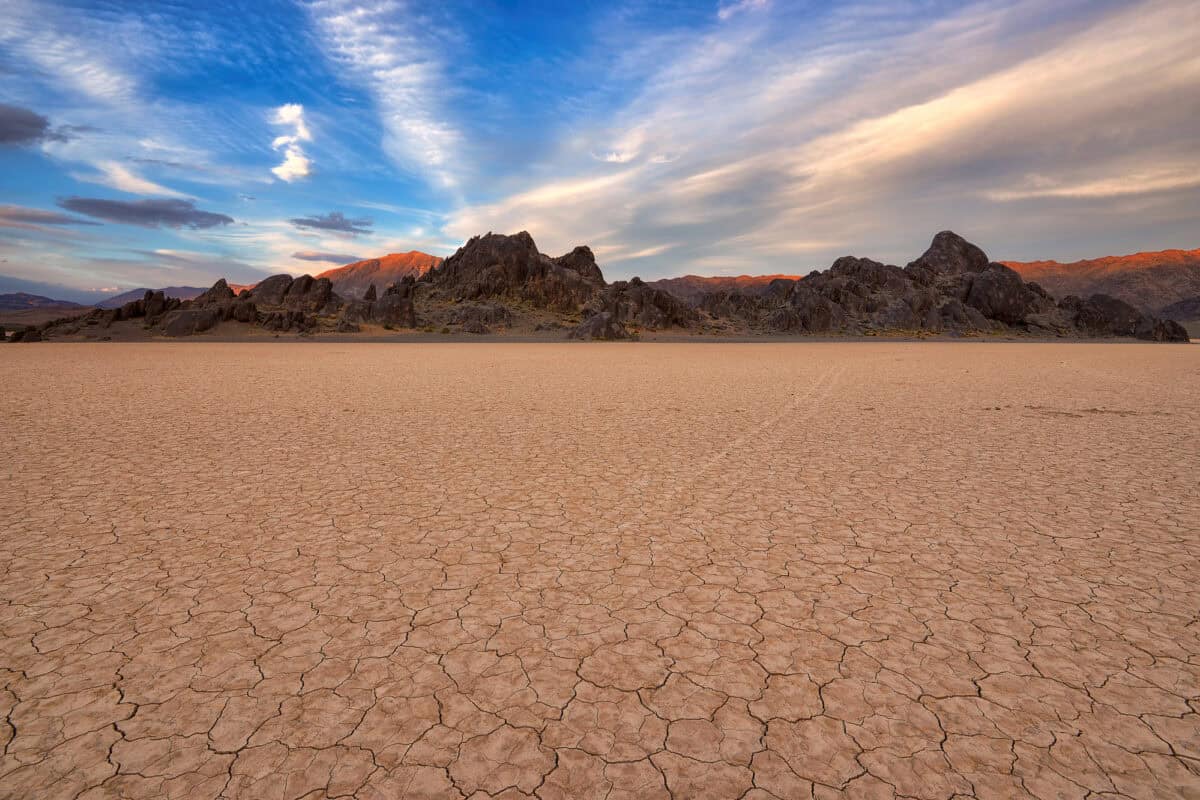
Famous for its searing heat, Death Valley holds the record for the highest ground temperature ever recorded on Earth, at 201 degrees Fahrenheit. With summer temperatures routinely exceeding 120 degrees Fahrenheit, dehydration and heat stroke are constant threats. The barren, rocky terrain offers little to no shade or water, rendering sustained human presence impractical without artificial means.
The Sahara Desert’s Tanezrouft Region
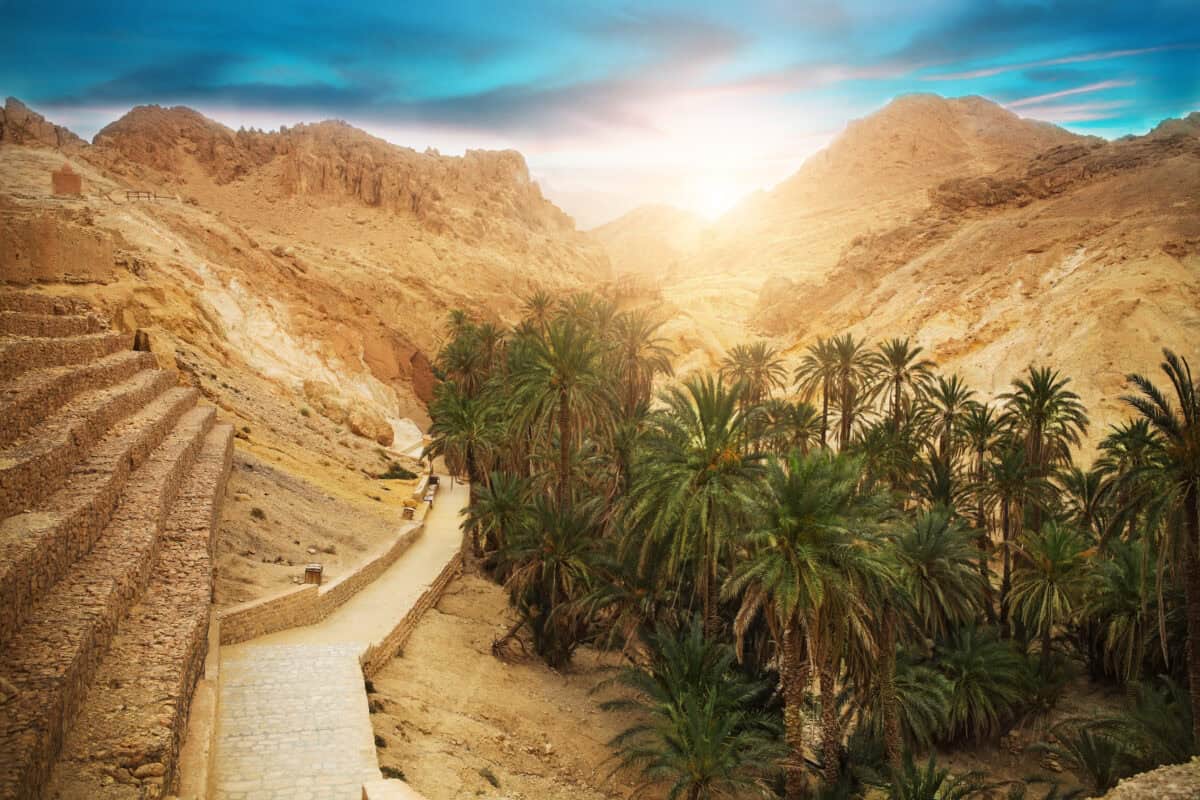
Known as the “Land of Terror,” the Tanezrouft region within the Sahara Desert is one of the most unforgiving places on the planet. It features scorching temperatures, no permanent water sources, and little vegetation. This desert’s extreme heat and expansive arid conditions provide insurmountable challenges for human life without advanced technology to provide hydration and protection.
Marum Crater, Vanuatu
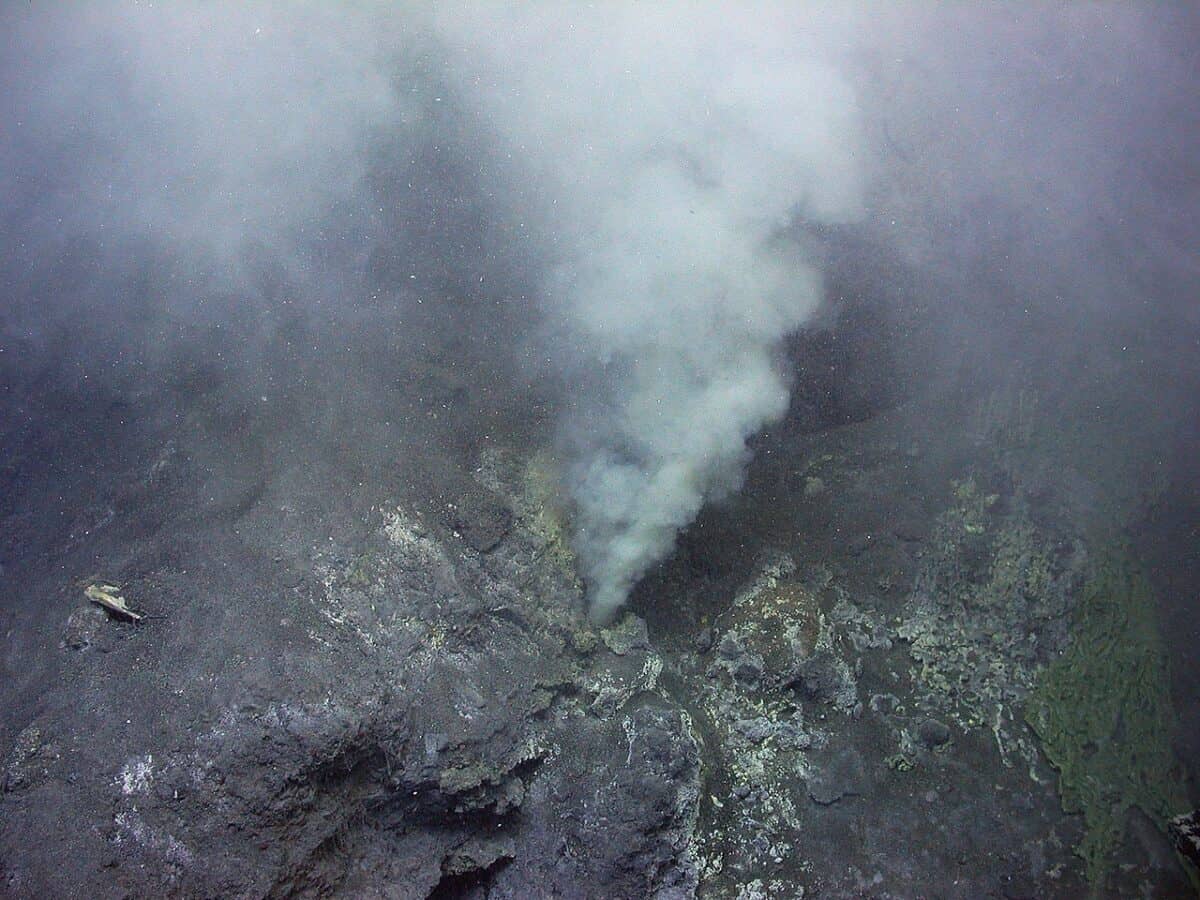
The Marum Crater on the island of Ambrym in Vanuatu contains a constantly active lava lake. The volcanic gases emitted are toxic to inhale, and the intense heat near the lava poses immediate risks of death. Any humans attempting to approach without protective gear and respiratory equipment would quickly succumb to the acrid environment.
Lake Natron, Tanzania
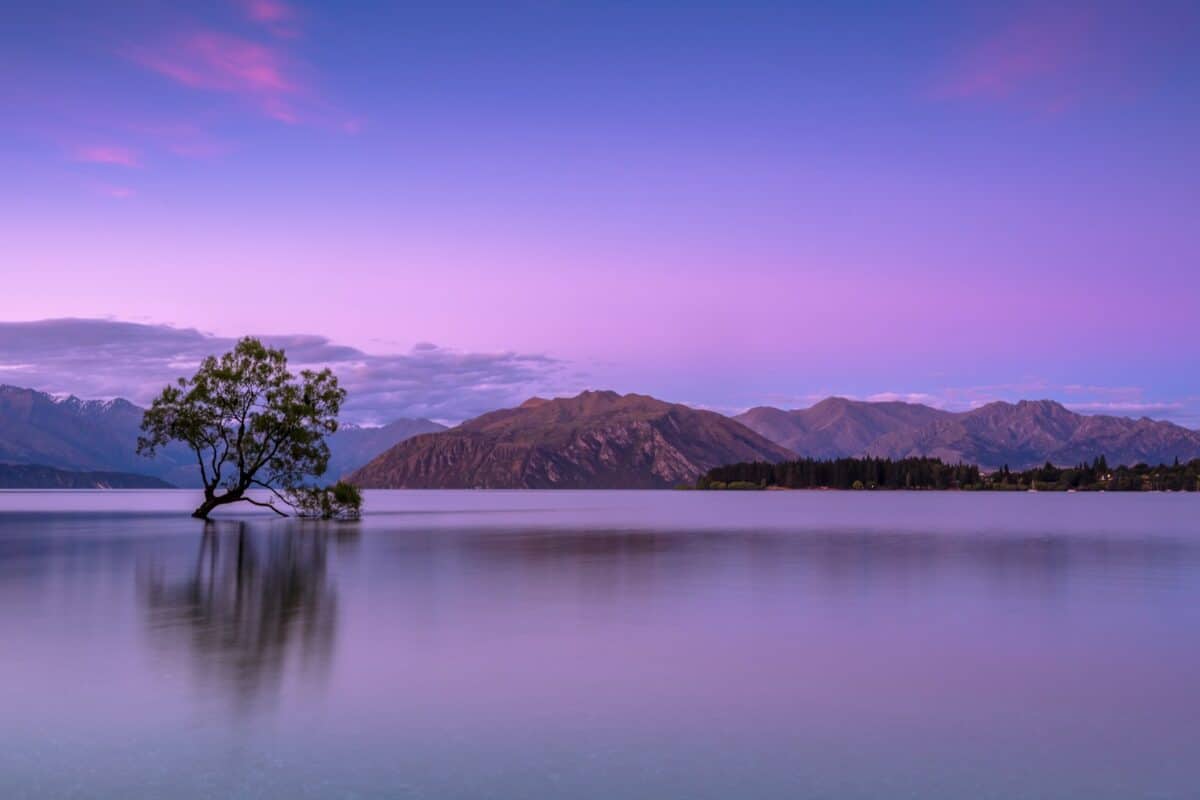
Lying in the Eastern Rift Valley, Lake Natron is a highly alkaline body of water with a pH that can reach 12.0, akin to ammonia. The presence of sodium carbonate decahydrate gives the lake its caustic nature, making survival impossible for most life forms. The extreme alkalinity can burn skin and eyes, and the high salt content means drinking water is unavailable.
The Yungas Road, Bolivia
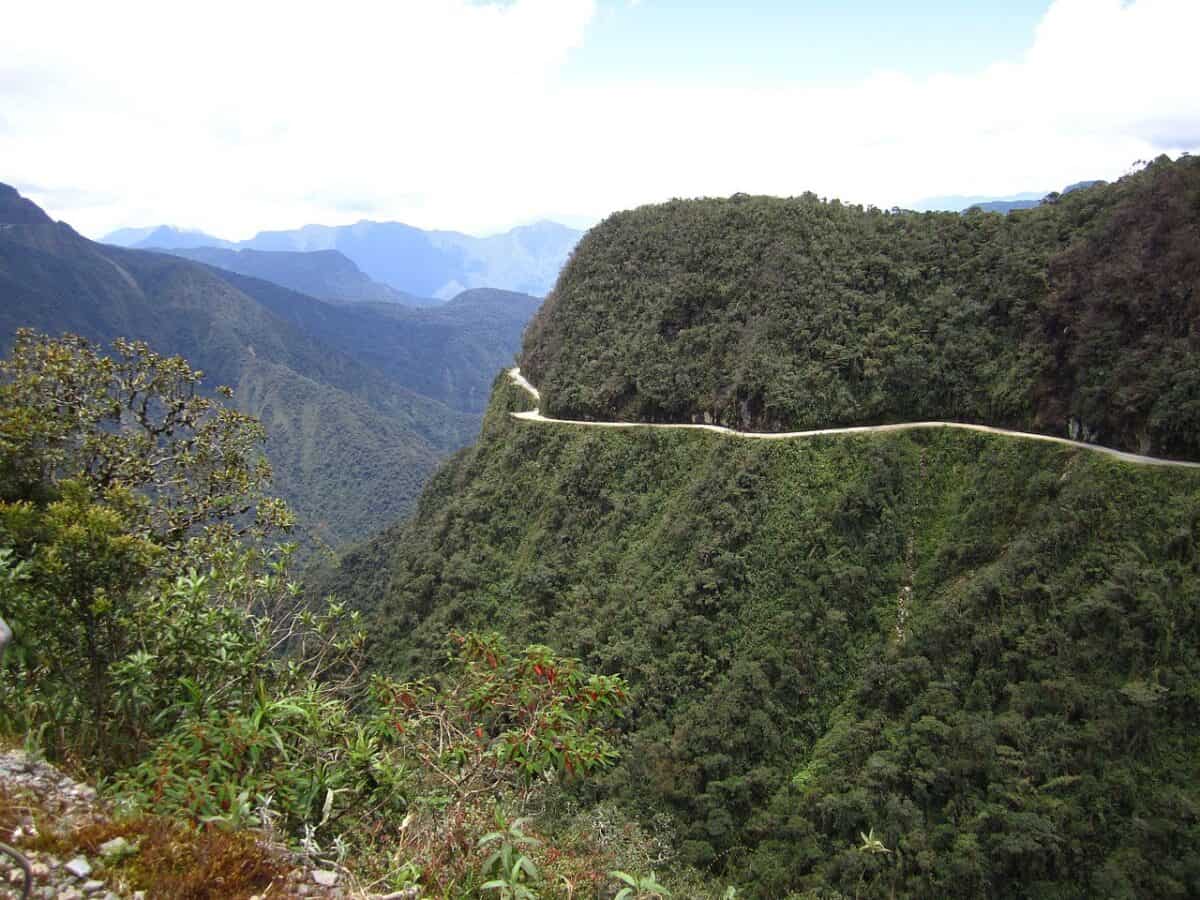
Known as “Death Road,” this precarious pathway stretches through the Amazon rainforest to the city of La Paz. Characterized by steep drops and narrow, unpaved stretches, the road presents both a logistical challenge and a lethal risk. The threat comes not just from the geography but also from landslides, rockfalls, and the unpredictable weather. Sustained habitation along this road is unthinkable due to its perilous nature.
Conclusion:

In conclusion, while human ingenuity has allowed us to visit or even temporarily stay in some of these places with advanced technology and careful planning, they underscore the formidable forces of nature. These sites challenge our understanding of survival and remind us of our planet’s vastness and the boundaries of human exploration.

As a little kid, I fell in love with nature, wildlife, and animals. Living in the USA, South Africa, Italy, China and Germany gave me the opportunity to discover the world's Wildlife. My favorite animals are Mountain Gorillas, Siberian Tigers, and Great White Sharks.
I'm a certified PADI Open Water Diver, went to Everest Base Camp and Trekked Gorillas in Uganda. I hold a Master of Science in Economics and Finance.
Please send any feedback to feedback@animalsaroundtheglobe.com
- The Largest Snake Ever Found in a US Swamp And It Is Still Growing - July 14, 2026
- 11 Predators Smaller Than Their Prey - July 14, 2026
- 10 Animal Record Holders That Will Leave You Speechless - July 14, 2026