
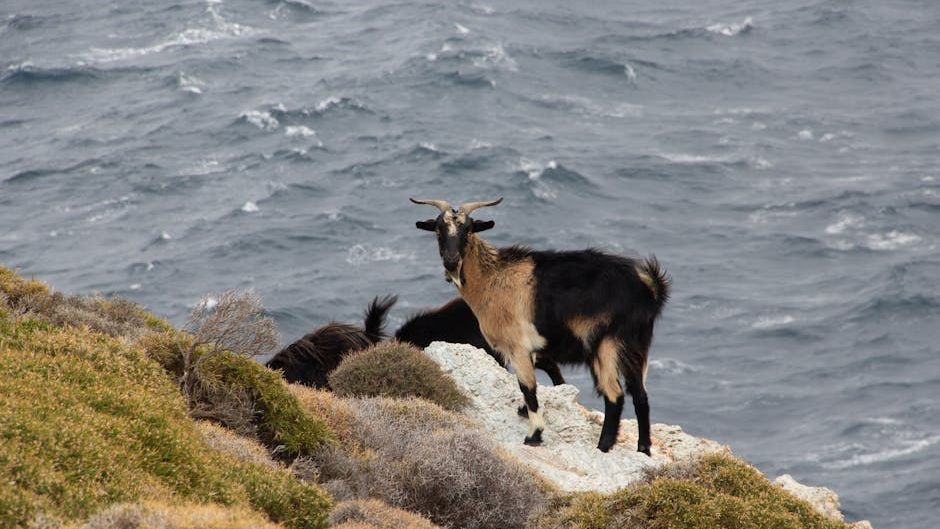
Most people who know a Capricorn think of them as driven, serious, maybe a touch stubborn. What fewer people stop to wonder is why their zodiac symbol is one of the strangest creatures in all of mythology: a creature with the body of a goat and the tail of a fish. It’s a genuinely odd image when you look at it cold, and the story behind it turns out to be far older and far stranger than most horoscope columns let on.
Among the twelve signs of the zodiac, Capricorn stands out with its unique duality: a creature combining the form of a goat with the tail of a fish. This intriguing symbol, known as the Sea Goat, is not merely a celestial figure; it carries rich mythology, symbolism, and an enigmatic essence that reflects the complexities of human nature. The journey from ancient river valleys to your birth chart is one that spans thousands of years, several civilizations, and at least one terrifying monster.
#1: The Ancient Babylonians Were the First to Draw the Sea Goat
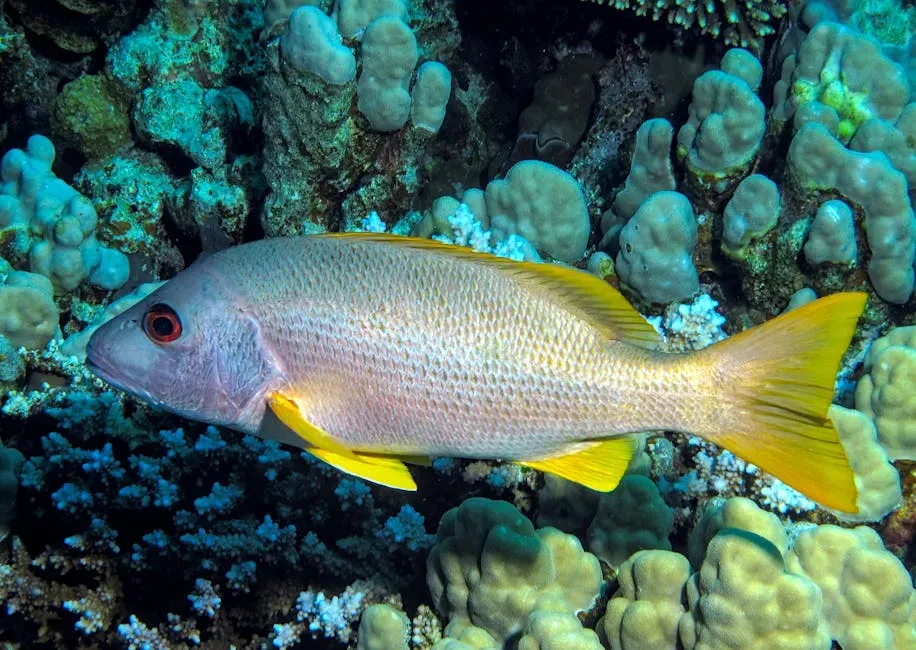
The image of the goat-fish didn’t originate in Greece. It goes much further back than that, all the way to the river civilizations of Mesopotamia. Despite its faintness, the constellation Capricornus has one of the oldest mythological associations, having been consistently represented as a hybrid of a goat and a fish since the Middle Bronze Age, when the Babylonians used MULSUḪUR.MAŠ, meaning “The Goat-Fish,” as a symbol of their god Ea.
The roots of Capricorn’s mythology can be traced back to ancient Mesopotamia, around five thousand years ago. The Sumerians first noted the constellation, associating it with the god Enki, the deity of water, wisdom, and creation. Enki was often depicted with the body of a goat and the tail of a fish, a form that directly mirrors the Sea Goat.
Images of the creature represented by Capricornus, often with the head and body of a goat and the tail of a fish, have been found in three-thousand-year-old Babylonian tablets. Recognition of the constellation is probably even older. The fact that this exact same image, an animal split between land and water, was drawn by multiple cultures across long stretches of time tells you something. This wasn’t a casual artistic choice. It meant something deep to the people who recorded it.
The constellation was first attested in depictions on a cylinder-seal from around the twenty-first century BCE, and was explicitly recorded in the Babylonian star catalogues before 1000 BCE. That’s a continuous visual tradition stretching back more than three thousand years before most of us were ever told what sign we were born under.
#2: The Greek God Pan and His Wild Escape from a Monster
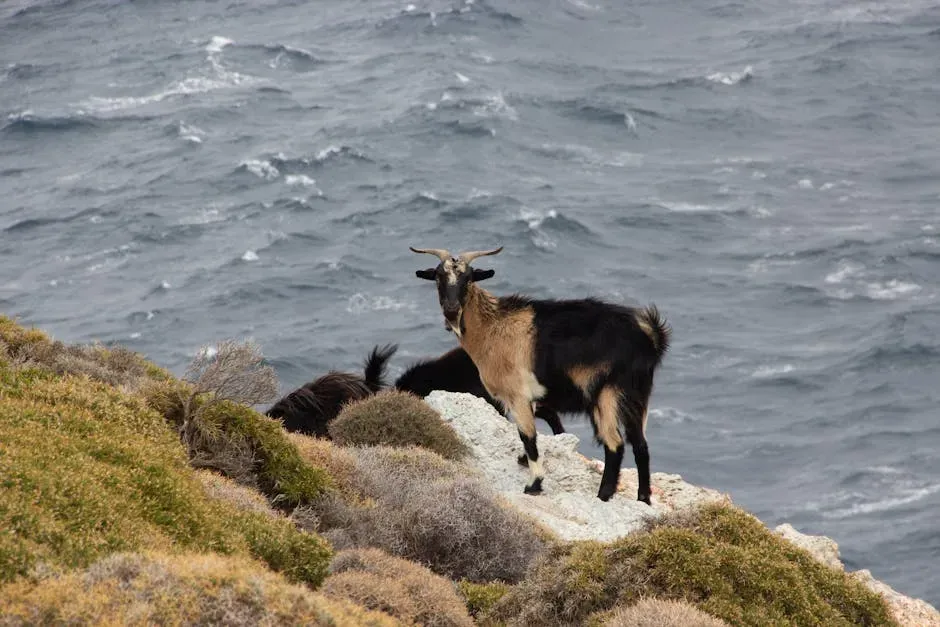
When Greek mythology absorbed the Babylonian goat-fish image, it gave the symbol a dramatic new story. The ancient Greek myth behind the zodiac sign of Capricorn is of the satyr Pan, who saved himself from Typhon by turning into a sea-goat. Pan was already a half-goat figure, part human, part animal, spending his days roaming the forests and wild pastures of Arcadia.
In order to escape the monster Typhon, the gods transformed themselves into animals and ran away. All except Pan, who jumped into the river, where his lower half, submerged in water, became a fish, while his upper half, still dry, remained a goat. Pan had been transformed into a sea-goat. It’s one of those mythological moments that feels almost comical until you realize it ended up written into the stars.
Pan cast himself into the river, making the lower part of his body a fish, and the rest a goat, and thus escaped from Typhon. Zeus, admiring his shrewdness, put his likeness among the constellations. The fact that Zeus chose to honor Pan’s cleverness with a permanent place in the sky says something about how the Greeks valued adaptability under pressure.
Upon seeing that Typhon had caught hold of Zeus, Pan scrambled out of the river and came to his rescue. Ever grateful, Zeus promised to place Pan, as a sea-goat, in the skies as the constellation of Capricorn. Survival, loyalty, transformation. It’s a richer backstory than most people expect from a zodiac sign.
#3: The Tragic Legend of Pricus, Father of the Sea Goats
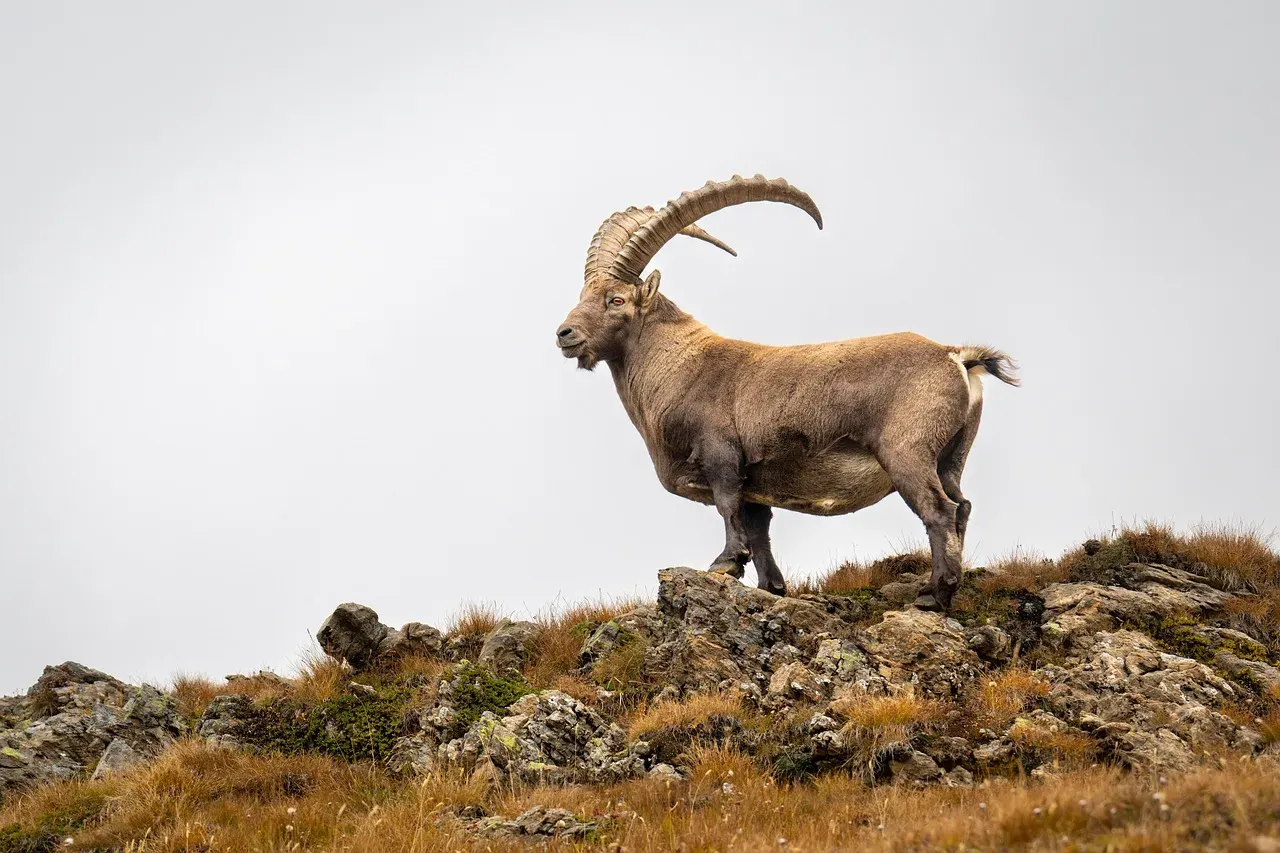
There’s a lesser-known but genuinely moving myth tied to Capricorn that rarely makes it into mainstream astrology content. It involves a creature called Pricus, considered the father of all sea-goats. Pricus was the father of all Sea-Goats, intelligent and honorable creatures who could speak and think as humans. The young Sea-Goats loved to leave the sea and soak up the sun on the beach. The longer they lazed in the sun, however, the more they came to resemble regular goats; their fish tails became legs, and the hot sun addled their brains, causing them to be unable to speak or think.
This story carries a surprisingly melancholy undercurrent. Pricus watched his children, one by one, transform into ordinary animals by choosing comfort over their true nature. He tried to reverse time, to call them back, but the pull of the shore was too strong. The myth reads almost like a parable about what happens when intelligent, capable beings abandon the depth that makes them who they are.
Realizing that he could not control the future of his children, Pricus, in his misery, begged Chronos, the personification of time, to let him die, as he could not bear to be the only Sea-Goat left. Taking pity on him, Chronos instead allowed Pricus to live in the sky as the constellation Capricorn, where he could see his children from the stars, even on the highest mountain tops. There’s something quietly devastating about that ending. A father watching his descendants from the sky, unable to reach them.
#4: The Sky Region Known as “The Sea” and What It Tells Us
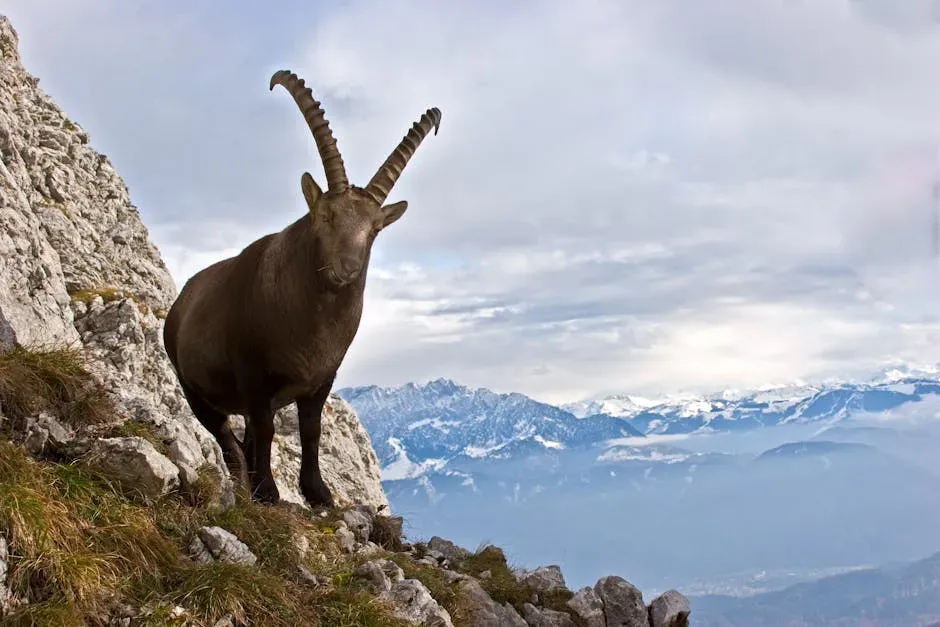
Capricorn doesn’t just carry the imagery of water in its mythology. It sits in a literal region of the sky the ancients called the Sea. The constellation is located in an area of sky called the Sea or the Water, consisting of many water-related constellations such as Aquarius, Pisces, and Eridanus. The goat-fish creature belongs there almost by geographical logic, positioned among its watery neighbors like it was always meant to stand at the border of two worlds.
Two to four thousand years BCE, the sun would have reached winter solstice when passing through Capricorn. In the ancient civilizations of that time, the winter solstice was recognized as the “bottom” of the sun’s yearly path. From there it rose again, higher and for longer periods in the northern sky as the seasons progressed toward summer. The Sea Goat’s position in the sky wasn’t arbitrary. It marked a turning point in the year, a moment of descent followed by renewal.
Symbolizing the dual nature of humanity and its ability to reach both height and depth, it also reflects the movement of the sun at winter solstice, which appears to plunge into the sea to be reborn. That cosmic choreography shaped how ancient astronomers read the sign and why a creature of both land and water made such perfect symbolic sense for the season.
#5: What the Goat Half and the Fish Half Actually Represent
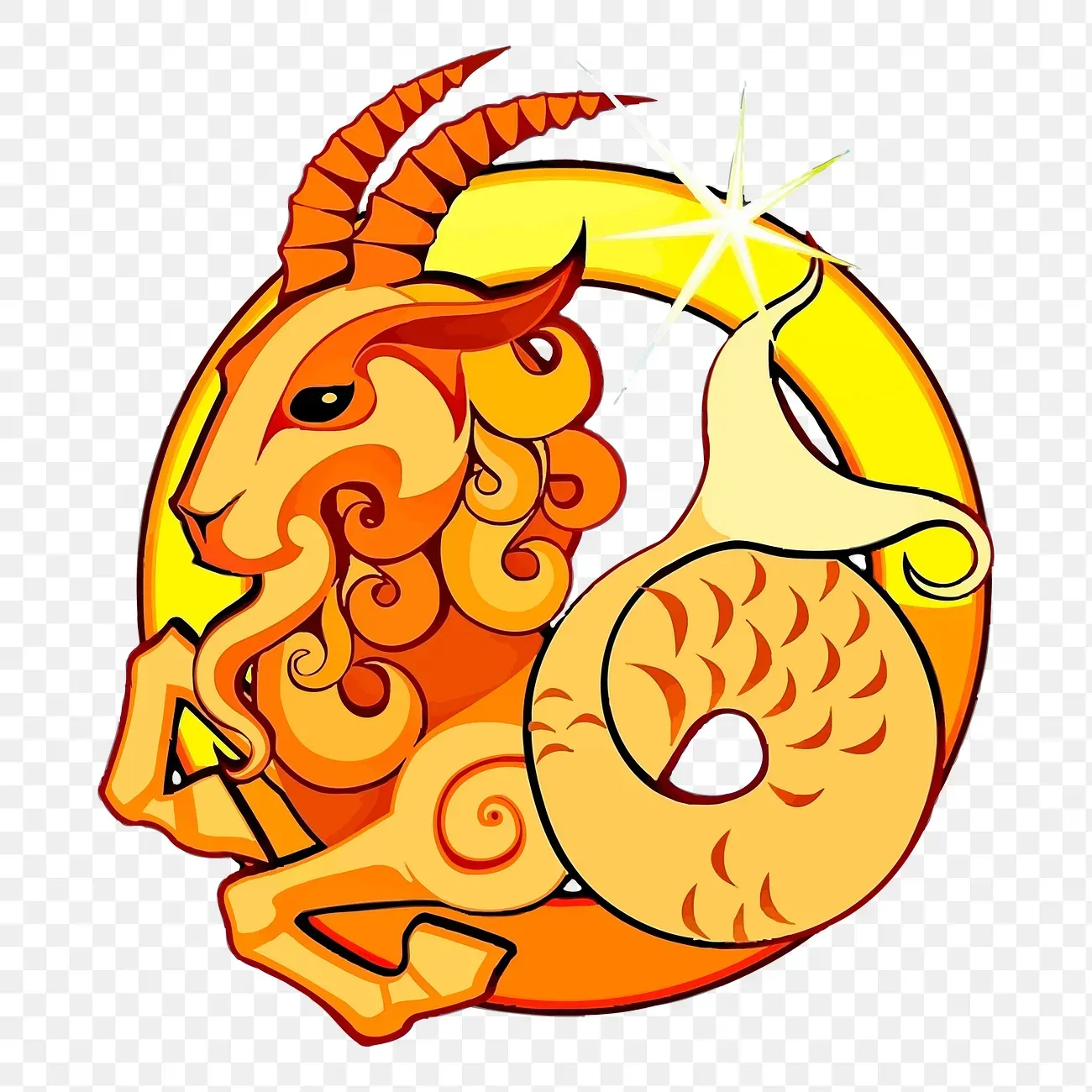
Strip away the mythology and you’re still left with a remarkably coherent symbol. The two halves of the Sea Goat aren’t random. They represent opposing but complementary forces that many astrologers argue mirror the inner life of Capricorn-born individuals. The unique composition of Capricorn, the goat and the fish, embodies the idea of duality. The goat is often linked to ambition, reaching for the heights of success, while the fish resonates with emotions, intuition, and the subconscious. This dual nature reflects the struggle and harmony between material aspirations and inner fulfillment.
The goat part is what’s most associated with Capricorn; it’s the part that manifests and accomplishes goals. For that, it also needs the part that dreams those goals: the fish part. When the two don’t align, life doesn’t feel quite as engaging. There’s a genuine philosophical clarity to that reading. The ambition without the inner depth becomes hollow, and the depth without the ambition goes nowhere.
In modern astrology, the interpretation of Capricorn has evolved but remains deeply rooted in its mythological heritage. The sign has become synonymous with professionalism, leadership, and resilience. Yet those qualities, at least in the original symbolic framework, were never meant to exist without their quieter counterpart: the submerged, emotional, intuitive fish half that most Capricorns quietly carry around and rarely talk about.
Capricorns are often seen as the wise sages of the zodiac. Just as the Sea Goat navigates both land and sea, Capricorns are known for their ability to traverse the challenges of their physical environment while remaining grounded in their emotional truths. They balance practicality with intuition, leading to a profound understanding of life’s complexities. Whether you take astrology seriously or not, that’s a portrait worth sitting with.
Conclusion: A Symbol That Has Earned Its Strangeness
The half-goat, half-fish image of Capricorn is not a quirk of ancient design. It is the product of thousands of years of human beings looking at the sky during the coldest, darkest part of the year and asking what kind of creature could survive at the edge of two different worlds. Every civilization that inherited the symbol kept it, which is about as strong an endorsement as mythology ever gets.
What strikes me most is how the Sea Goat resists oversimplification. It isn’t a lion, proud and singular. It isn’t a set of scales, cleanly balanced. It’s a creature caught mid-transformation, built from contradiction, functional precisely because of its strange combination. That feels honest in a way that few symbols manage to be.
The real reason Capricorn is half goat and half fish isn’t just mythology. It’s a long record of human beings recognizing that the most capable creatures, celestial or otherwise, are the ones that refuse to be limited to a single element.

- Animal Psychology Says If You See a Large Gathering of Crows in Your Yard at Dawn It Is a Sign of Complex Social Behaviour – and the Cognitive Power Required for It Belongs to an Elite Group of Species - July 14, 2026
- 10 World’s Most Beautiful Gardens - July 14, 2026
- 10 Fascinating Facts About American Crows That Changed How Scientists See Birds - July 14, 2026