
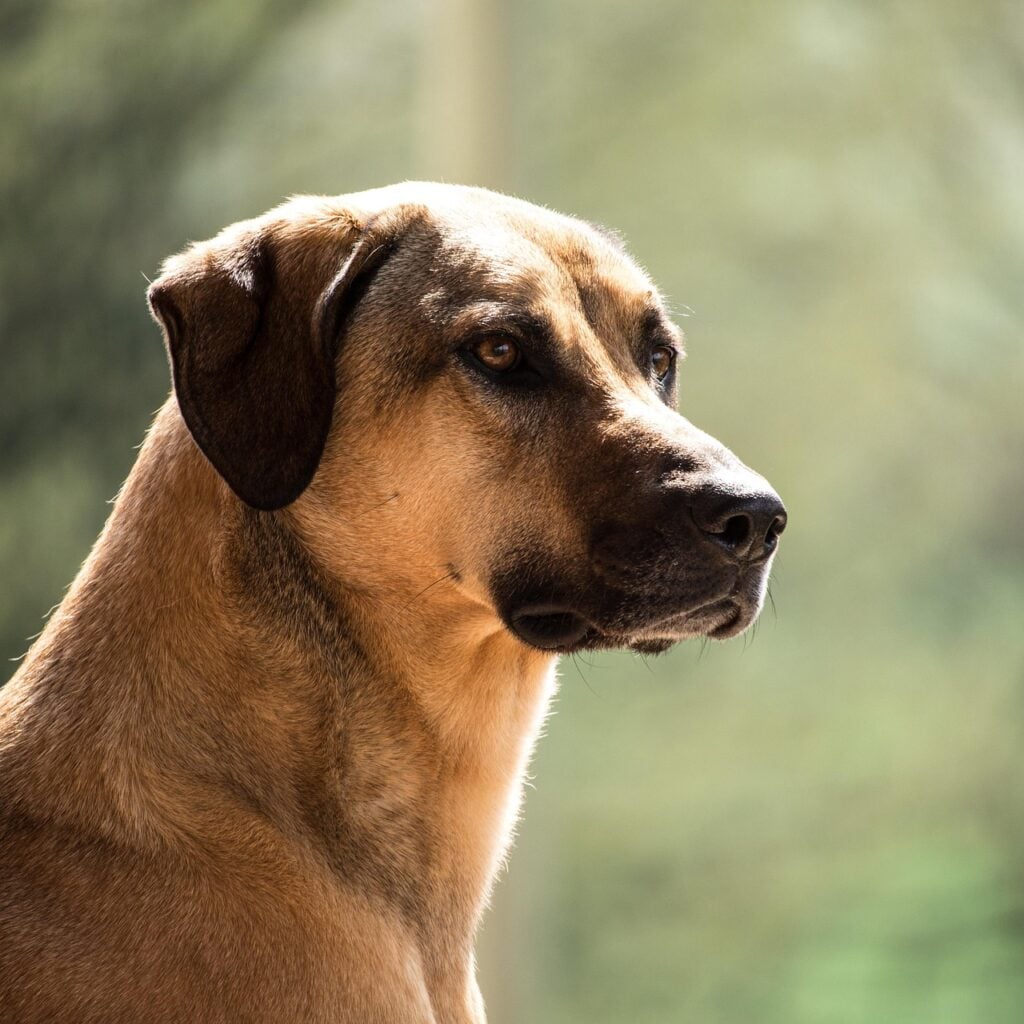
You walk your own farm every day. You know the fences, the weather, the stock, the gate you fixed last spring. Your dog walks the exact same ground and reads a completely different farm – one built out of smell, sound, tension, and movements so small your eyes will never catch them.
Researchers who study canine perception keep landing on the same uncomfortable conclusion: dogs pick up danger signals minutes, sometimes hours, before humans notice a thing. That “gut feeling” your dog seems to get right? It’s not mystical instinct. It’s information – and your dog is already running the numbers on twelve things happening on your farm right now that you haven’t noticed at all.
#1 – The One Animal That’s About to Snap
🔥 Would you like to save this?
We'll email this post to you, so you can come back to it later!
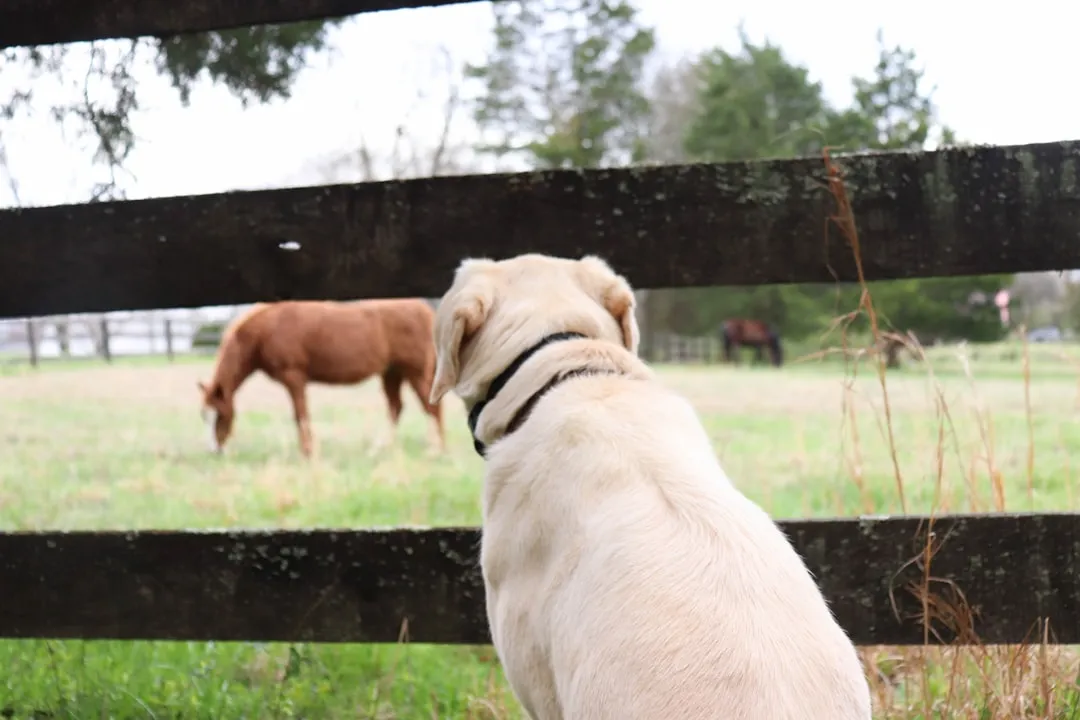
Your dog almost always knows which cow, ewe, or goat is about to cause trouble long before you do. You look at the mob as a whole. Your dog locks onto the outlier – the one body doing something none of the others are doing yet.
A good dog is constantly scanning for tiny changes: a head raised a fraction too high, a tail carried a few degrees stiffer, a series of micro-steps forward and back that mean nothing to you but everything to them. Dogs can read subtle shifts in body tension and eye contact that signal aggression or panic before the first charge or breakaway ever happens. That’s why some dogs quietly widen out, slow down, or flat-out refuse a direct line on one particular animal.
- Slightly raised head and a fixed, locked stare
- Tail carriage a few degrees higher than the rest of the mob
- Micro-steps forward, then back, as tension builds
Novice handlers often call this “disobedience.” In reality, the dog is trying to defuse a situation you haven’t even clocked yet. When a dog suddenly shifts its weight, hard-stares one animal, or starts flanking on its own without being asked, it isn’t being random. It’s already doing risk management while you’re still counting heads.
#2 – The Flock’s Emotional Weather, Long Before It Breaks
🔥 Would you like to save this?
We'll email this post to you, so you can come back to it later!
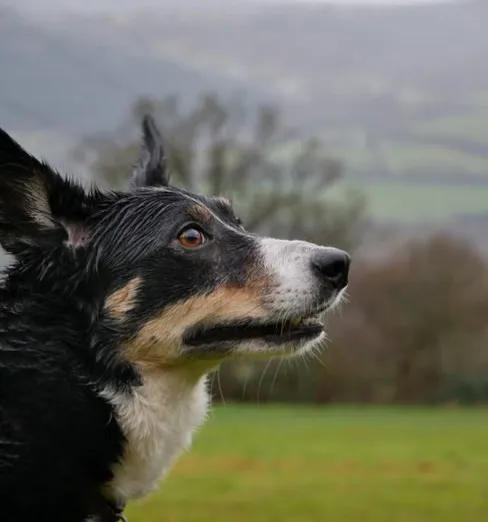
Most people judge stock by how fast they’re moving. A working dog is reading the emotional climate of the entire group – the difference between checking a thermometer and actually feeling a storm roll in.
Dogs pick up on breathing rhythm changes across the whole mob, and the way a group “tightens” or “loosens” without moving far at all. A flock that looks perfectly calm to you may already be on edge to your dog, because dogs can detect stress-related chemical changes and body-language shifts that humans simply don’t have the sensory equipment to catch.
- Breathing rhythm shifting across the whole mob at once
- The group visibly “tightening” or “loosening” with no obvious trigger
- The dog slowing, lowering its body, or arcing wider on its own
Here’s the part that ruffles feathers: experienced dogs will sometimes ignore a whistle command that would push already-edgy stock too hard. Handlers call that stubborn, or too soft. Plenty of seasoned stockmen now quietly admit the dog was right. When your dog hesitates to push, the whole emotional weather system of the mob might be one second from breaking.
#3 – Scent Trails That Rewrite the Whole Job
🔥 Would you like to save this?
We'll email this post to you, so you can come back to it later!
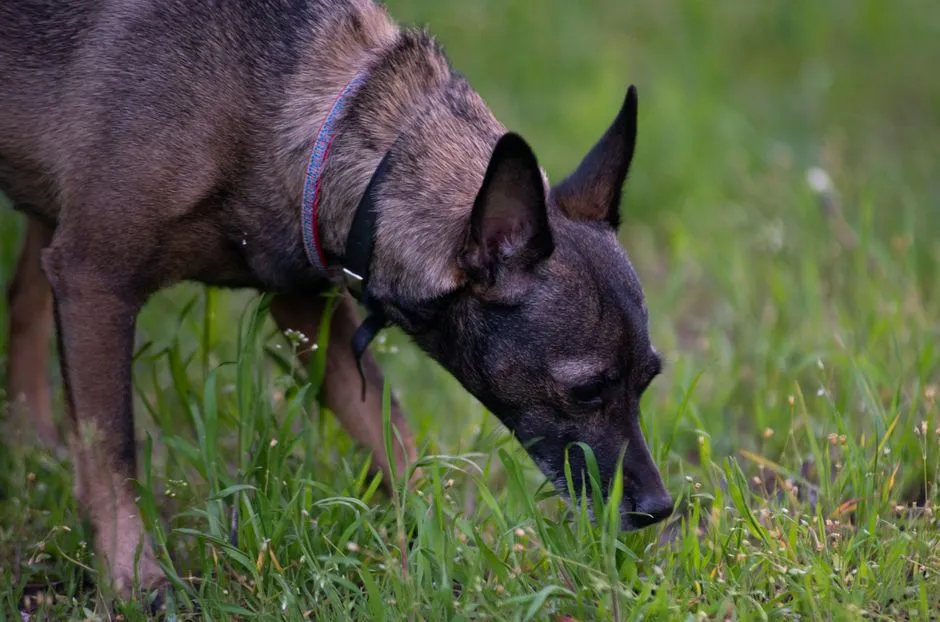
You see a paddock. Your dog sees a scent highway. Every hoof, boot, predator, and vehicle that has crossed that ground has left a trail, and those trails completely change how the job feels from a dog’s-eye view.
A dog’s nose is estimated to be tens of thousands of times more sensitive than a human’s, which means it’s working inside a three-dimensional map of information you’ll never perceive. Fresh scent can pull stock off the line at a gateway, tell the dog exactly which direction animals moved hours earlier, or flag that a predator, stranger, or strange dog passed through recently.
- Old scent pulling stock off-line at crossings or gateways
- Direction-of-travel information invisible to the human eye
- Warning signals from predators, stray dogs, or recent panic events
Fast Facts
- Dogs have up to roughly 300 million scent receptors, compared with about 6 million in humans
- The smell-processing area of a dog’s brain is proportionally many times larger than a human’s
- Working dogs can often pick up scent trails that are hours, and sometimes a day, old
This is why a dog might refuse to walk a straight line through a gateway where a bull fought last month, or where sheep once crashed through a fence in a panic. You think today is a clean slate. Your dog is walking through old fear, old adrenaline, and old adrenaline-soaked ground that never actually went away.
#4 – The Limp You Haven’t Spotted Yet
🔥 Would you like to save this?
We'll email this post to you, so you can come back to it later!
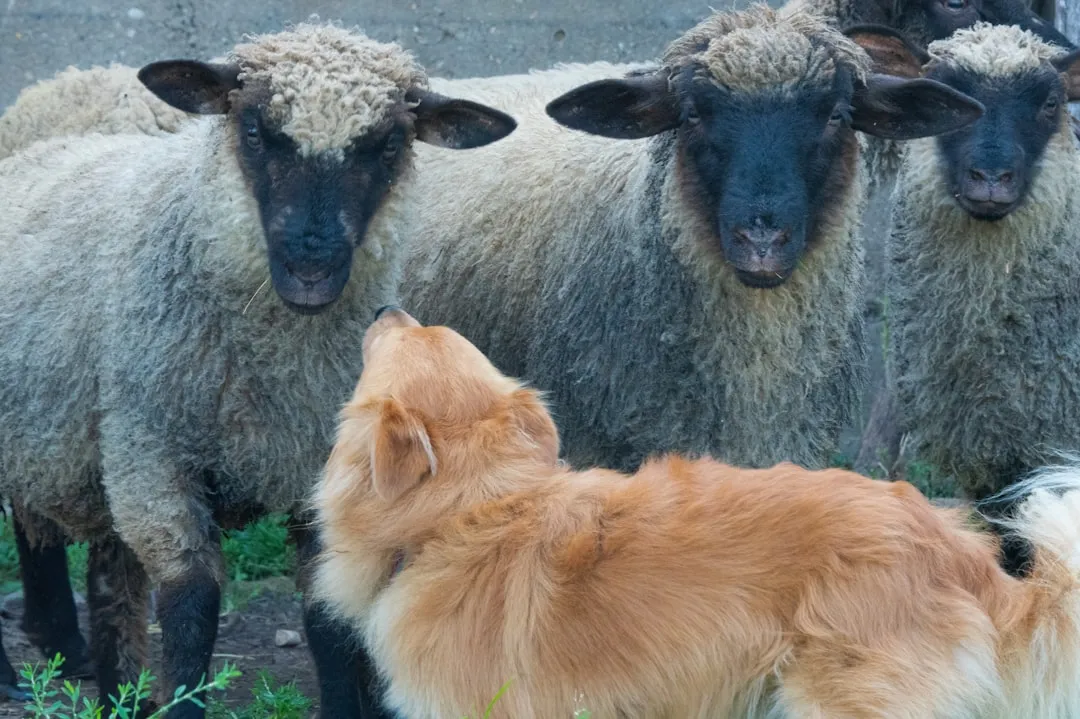
Most handlers don’t notice a limp until it’s obvious enough to see from across the paddock. A working dog often flags the problem while it’s still barely there – sometimes days before you’d catch it yourself.
Watch for a dog that starts hesitating to pressure one specific animal, circling wide so a sore or weak animal doesn’t have to move as hard, or repeatedly glancing between you and the same individual like it’s trying to tell you something. Dogs are expert pattern recognizers, and a body that isn’t moving quite like the rest of the herd stands out to them instantly.
- Hesitating to put pressure on one specific animal
- Circling to spare a weak or sore animal from hard movement
- Repeated glances between the handler and the same individual
Some farmers quietly admit their best early-warning system for animal health is the dog that keeps shadowing the same ewe or steer for no obvious reason. Sometimes it’s mastitis. Sometimes it’s early respiratory trouble or a pregnancy complication nobody’s caught yet. A dog that won’t push “that one cow” isn’t being difficult – it might simply be more accurate than you.
#5 – Ground and Footing Dangers Before You’ve Felt a Thing
🔥 Would you like to save this?
We'll email this post to you, so you can come back to it later!
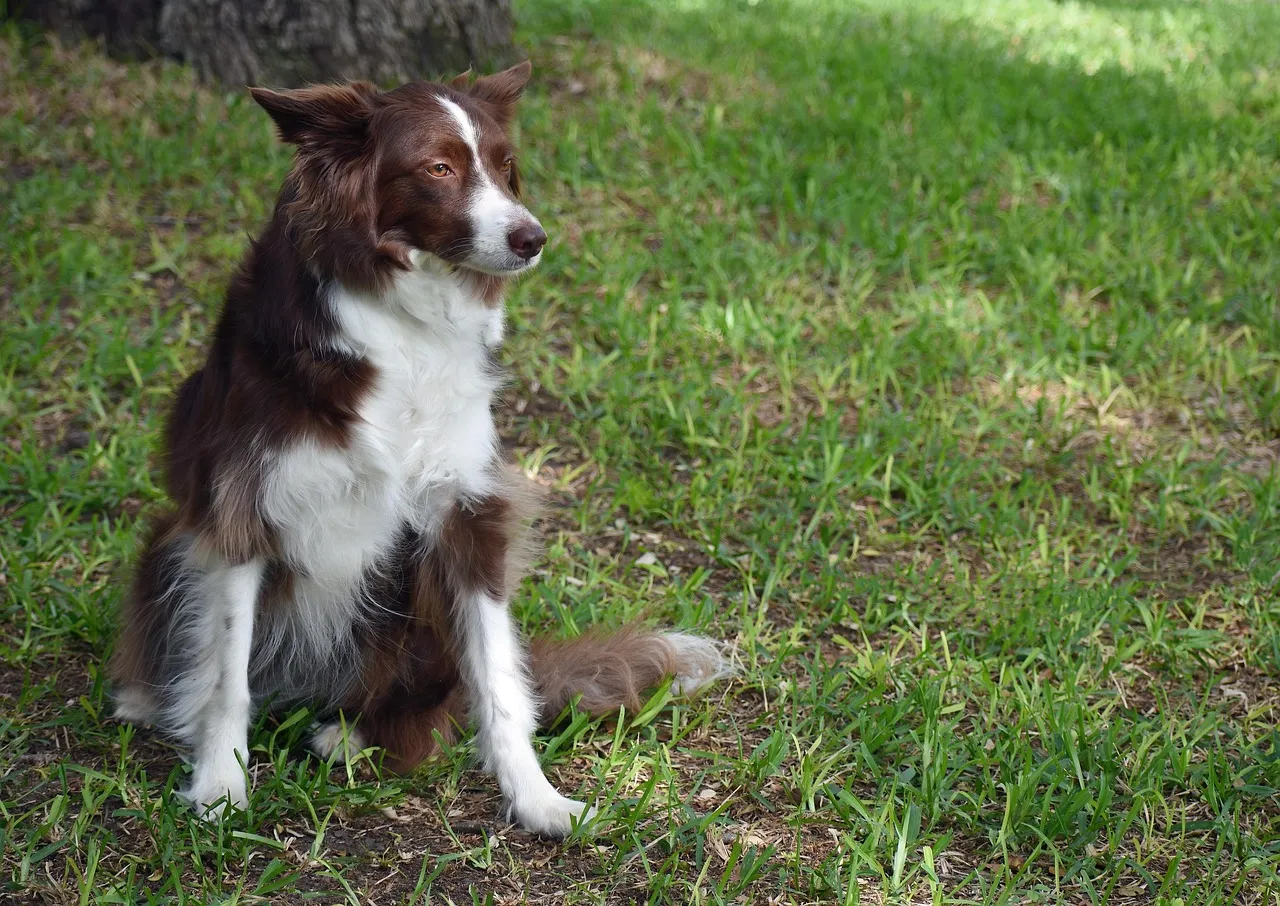
Most people assume dogs are only obsessed with stock. A serious worker is just as obsessed with terrain, because bad footing can genuinely kill – an animal, a dog, or a handler on a quad.
Dogs have pressure-sensitive paw pads and a much lower center of gravity than we do, which means they feel micro-changes in ground stability almost instantly. Long before you notice the ground turning soft or uneven, your dog has already shortened its stride, arced around a hidden hole, or started refusing to drive stock into a patch that feels wrong under its feet.
- Shortened stride in slick or boggy ground
- Arcing wide around unstable footing or hidden holes
- Refusing to drive stock toward dangerous ground
To you, it’s “a bit muddy.” To your dog, it’s a broken leg, a stuck animal, or a rollover waiting to happen. Many handlers nag their dog back onto the direct path anyway, assuming it’s cutting corners or being lazy. In reality, the dog is doing real-time risk assessment while the human is still thinking about the shortest route.
#6 – Weather Turning Before It Ever Reaches the Sky
🔥 Would you like to save this?
We'll email this post to you, so you can come back to it later!
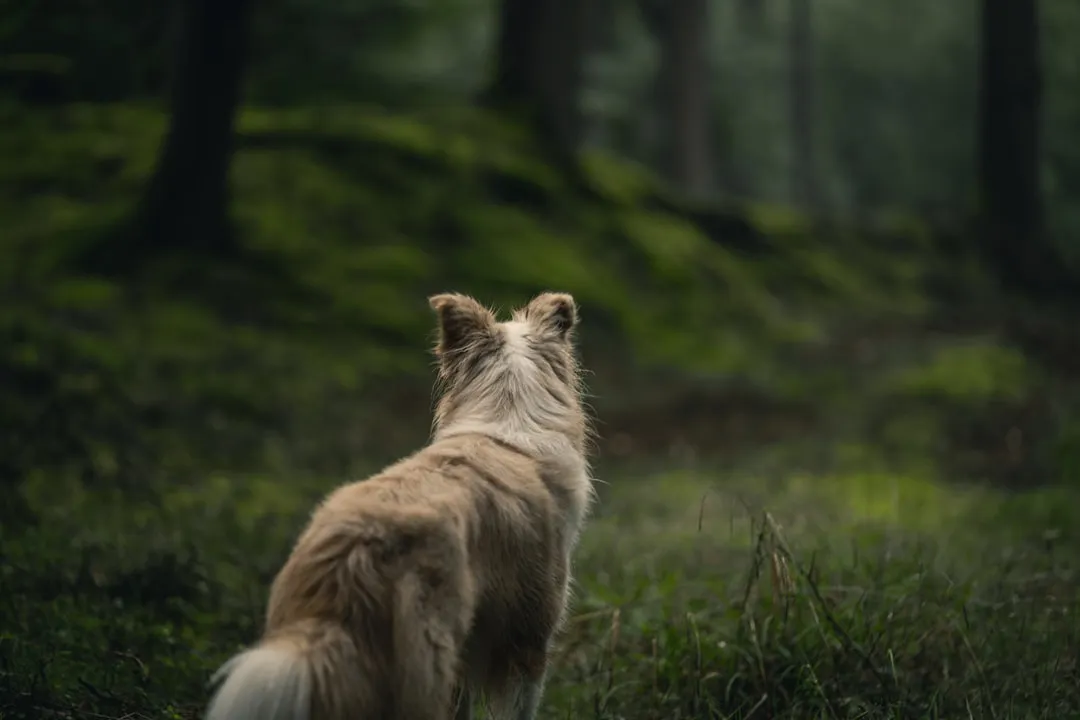
While you’re watching the horizon, your dog is reading pressure, wind, and ground-level scent – and picking up a shift in conditions long before there’s a single cloud to prove it.
Dogs are sensitive to changes in barometric pressure and static electricity, which lets them sense incoming storms and sudden temperature swings earlier than humans can. You’ll notice sudden restlessness or clinginess, a refusal to range out as far as usual, or repeated sniffing straight into the wind.
- Sudden restlessness or unusual clinginess
- Refusing to range out to the usual working distance
- Increased sniffing into the wind and repeated head lifts
A dog that suddenly wants to push harder “to get it done now,” or one that keeps steering stock toward shelter, isn’t being odd. It’s reacting to a hit of weather that hasn’t shown up on your radar app yet. Plenty of experienced handlers admit they trust their dog’s vibe over the forecast – and more often than not, the dog wins.
#7 – Your Own Mood, Read Before You’ve Said a Word
🔥 Would you like to save this?
We'll email this post to you, so you can come back to it later!
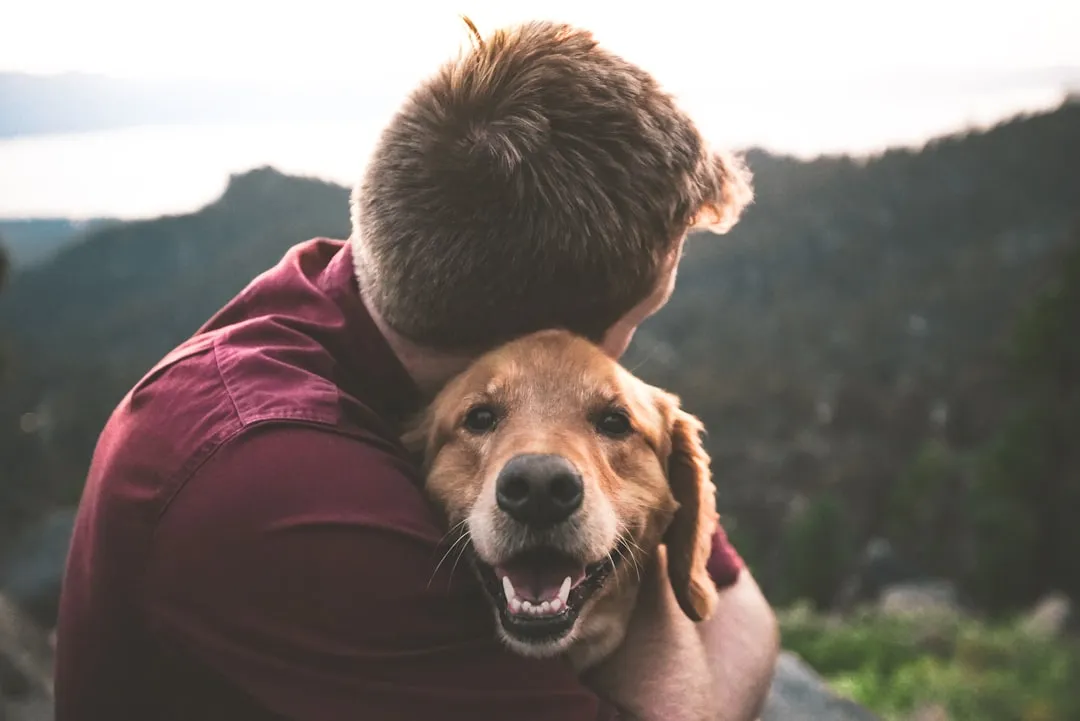
You can pretend you’re calm all you want. Your dog already scored your emotional temperature the second you stepped out of the truck.
Dogs can detect cortisol changes, micro-expressions, and even shifts in human body odor linked to stress. That means your dog is constantly adjusting its speed, distance, and willingness to take initiative based on how safe it feels to disobey you if it needs to. If you’re tense, it might cling, over-flank, or avoid creative solutions entirely – because it already knows a wrong move gets it yelled at.
- Frustrated or rushed handler energy
- Tired but patient handler energy
- Distracted or anxious handler energy
Quick Compare
- Calm handler: dog ranges out, thinks independently, and takes smart shortcuts
- Tense handler: dog stays close, waits for instructions, and avoids initiative
- Calm handler: a mistake gets corrected once and forgotten
- Tense handler: a mistake gets replayed, causing hesitation next time
Here’s the part few people want to hear: some dogs work badly not because they’re poor workers, but because they’re constantly managing a volatile or inconsistent human. The best dogs take more risks and show more initiative for calm handlers, and turn rigid and mechanical around explosive ones. Your dog read your mood before you ever whistled.
#8 – Predators and Strangers at Distances You Can’t Imagine
🔥 Would you like to save this?
We'll email this post to you, so you can come back to it later!
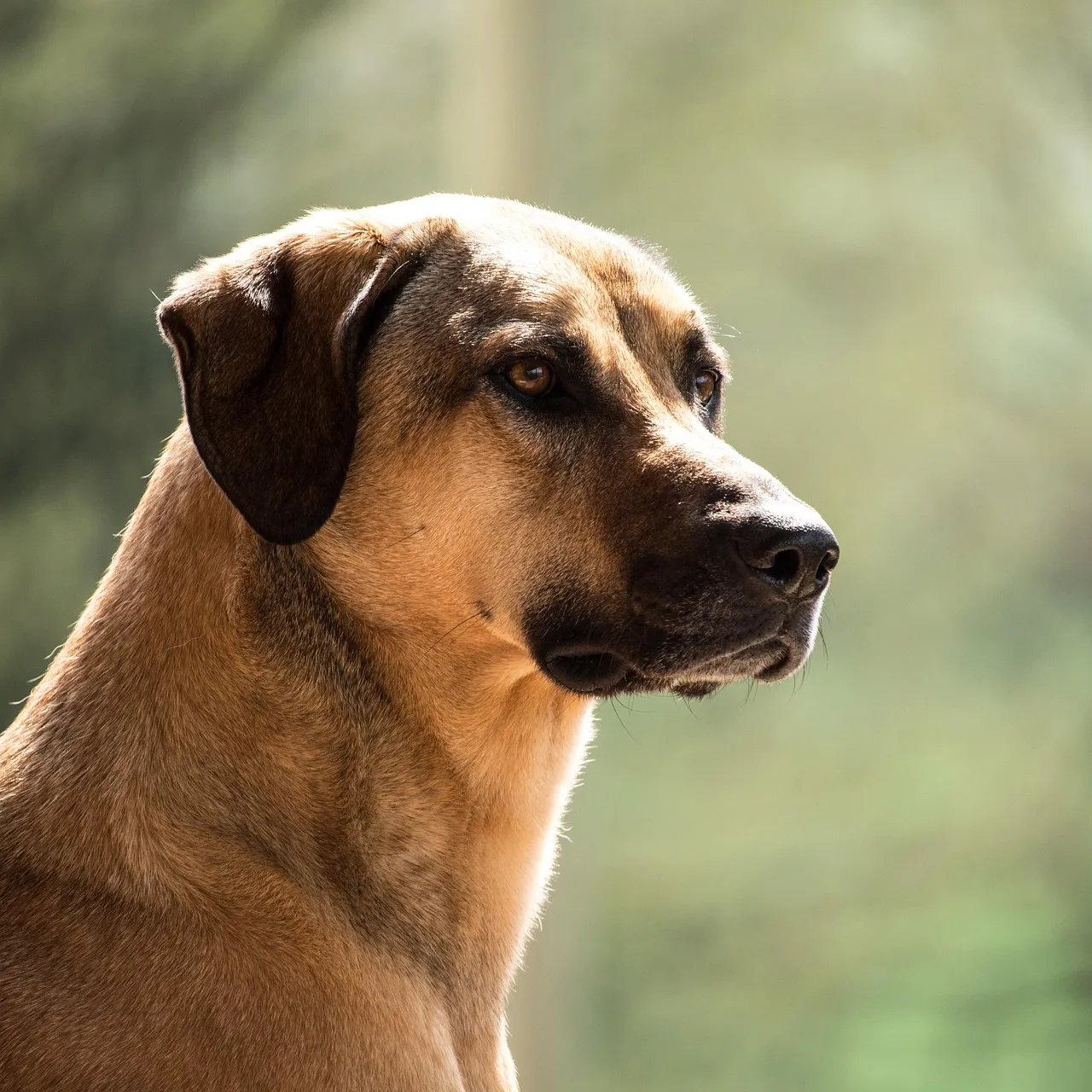
You think the coyotes have been quiet lately. Your dog knows exactly how wrong that assumption is.
A dog’s hearing and sense of smell operate on a different level than ours entirely. They can pick up faint yips, distant footfalls, or day-old scent from strange dogs, foxes, coyotes, or unfamiliar humans – well before a threat is anywhere near visible range. Watch for a sudden hard stare toward a tree line, freezing mid-task to raise the nose into the wind, or a low growl with no target in sight.
- Hard stare fixed toward tree lines or distant hills
- Freezing mid-task to scent-check the wind
- Low growl or tail change with no visible trigger
Some people write this off as paranoid dog behavior. Experienced handlers know better: when a usually balanced dog keeps flagging the same direction, it’s time to check fences, gates, and vulnerable stock. Ignoring that early warning is exactly how you end up with a lamb that’s been attacked, or a fence that’s busted in a way you “never saw coming.”
#9 – The Fence Gap Your Stock Hasn’t Found Yet
🔥 Would you like to save this?
We'll email this post to you, so you can come back to it later!
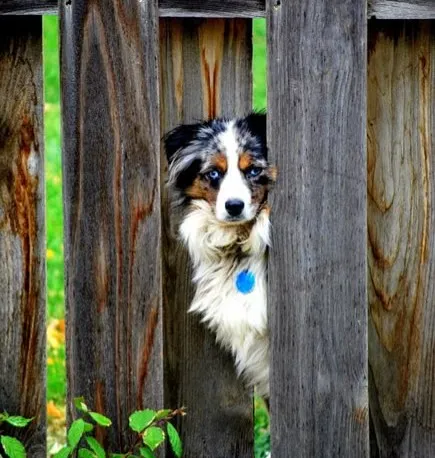
You see fences as binary – up or down, fine or broken. Your dog sees a porous barrier full of potential escape routes, some of them just waiting for the wrong animal to find them at the wrong time.
Dogs will sniff intensely at one small section of fence, hesitate to drive stock too close to a weak corner, or keep glancing back toward a half-latched gate like it’s bothering them. To you, everything looks good enough. To your dog, that wire is a little looser than it should be, that panel has a gap, and that latch smells recently disturbed.
- Intense sniffing at one specific section of fence
- Hesitation to drive stock near a weak corner
- Repeated glances back toward a half-latched gate
A lot of “mysterious” breakouts weren’t mysterious at all to the dog that kept stalling near a particular stretch of fence line for days beforehand. Some handlers now openly admit their best preventative maintenance routine is simply following the dog’s nose along the fence instead of waiting for visible damage to appear.
#10 – The Hidden Politics Running the Herd
🔥 Would you like to save this?
We'll email this post to you, so you can come back to it later!
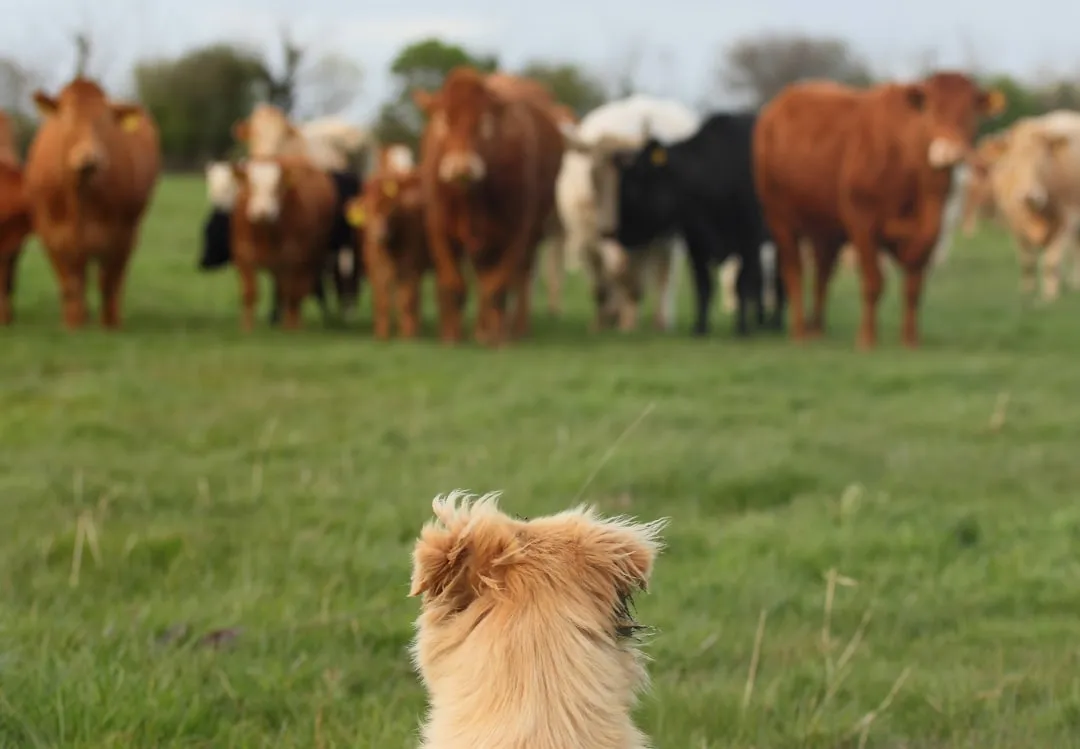
Most people see a bunch of cows or a mob of sheep. Your dog sees politics – who pushes whom, who yields first, and who’s secretly running the whole show from the middle of the group.
Strong social hierarchies exist inside herds and flocks, and dogs exploit them constantly. A smart dog avoids putting heavy direct pressure on the true boss animal, uses that leader to move the rest of the group instead of fighting everyone at once, and keeps extra eyes on the low-ranking animals most likely to bolt under stress.
- Avoiding direct pressure on the true dominant animal
- Using the leader to move the rest of the group
- Watching low-ranking animals most likely to panic
Worth Knowing
- Herd hierarchies can shift with age, health, and pregnancy status, not just size or horns
- Dominant animals often move last and eat first, asserting priority calmly rather than loudly
- Lower-ranking animals typically show more glancing, yielding, and repositioning around the group
Here’s the twist: humans usually assume the biggest or loudest animal is in charge, but dogs sometimes key in on a quieter leader nobody would suspect. If your dog seems weirdly obsessed with one ordinary-looking ewe, there’s a decent chance she’s the social pivot the entire flock actually follows.
#11 – The Exact Second Pressure Turns Into Panic
🔥 Would you like to save this?
We'll email this post to you, so you can come back to it later!
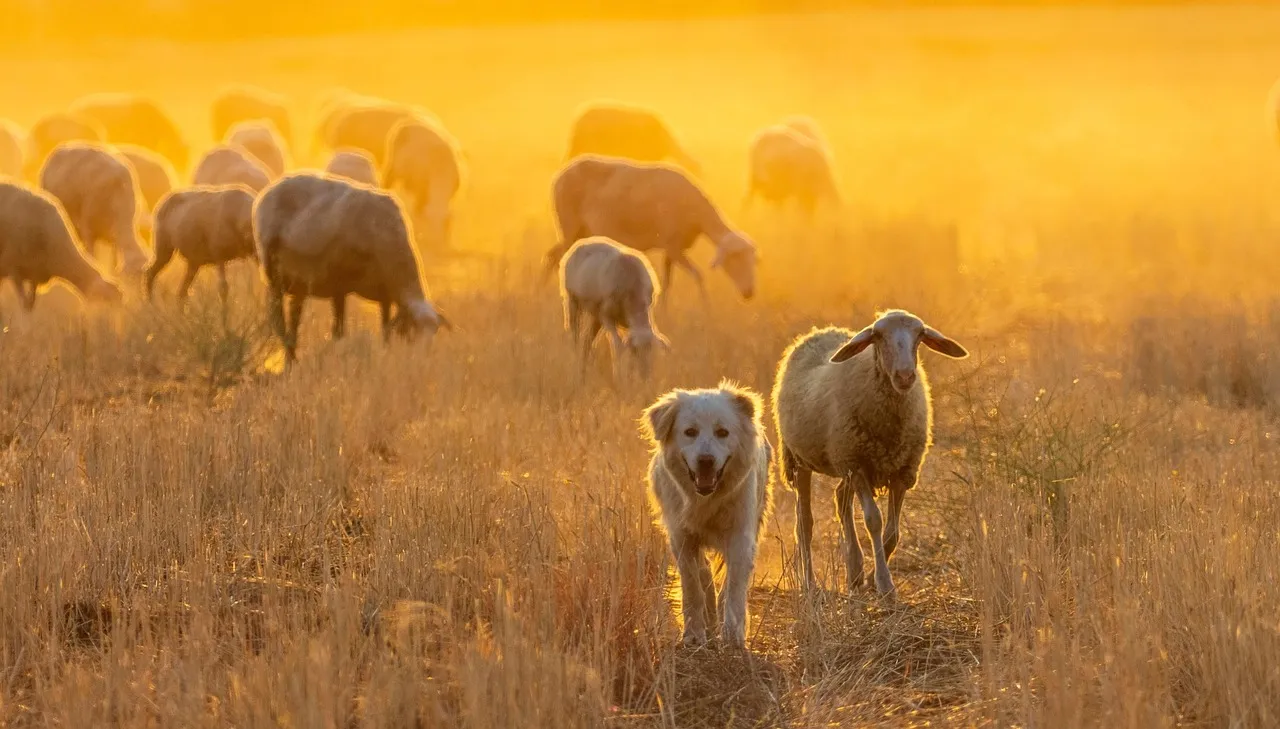
Handlers love to talk about “good feel” and “working off pressure,” but most still push a little too hard for a little too long. Dogs live inside the tiny window between productive pressure and full-blown panic, and they know exactly where that line sits.
They’re watching ear angle changes across multiple animals at once, a shift from gliding steps to choppy, high-tension movement, and heads popping up in a chain reaction rather than one at a time. At the exact moment you think “we can push a bit more,” your dog often already knows you’ve crossed the red line.
- Ear angle changes spreading across the group at once
- Movement shifting from smooth to choppy and tense
- Heads popping up in a chain reaction, not individually
When a dog slows or widens against your command in this moment, it isn’t losing power – it’s trying to bleed pressure out of the system before it boils over. The pileups, broken horns, and calves separated from cows that follow a blown push are usually predicted by the dog two or three steps before they happen.
#12 – The Moment the Job Quietly Stops Being Fun
🔥 Would you like to save this?
We'll email this post to you, so you can come back to it later!
Most people assume working dogs are bottomless machines – if they’re moving, they’re happy. In reality, a good dog knows the exact moment the job crosses from satisfying work into burnout, and it feels that line long before its body ever fails.
Watch for a slight delay on a recall or send the dog usually explodes into, a lower and flatter wag with less motion overall, and small mistakes creeping into work that used to be flawless. A dog that starts lagging, over-flanking, or getting sticky isn’t always being willful – often it’s telling you, as clearly as it can, that it’s mentally or physically maxed out.
- A slight delay on the recall or send it usually nails
- Lower, flatter tail motion during work
- Small mistakes it never used to make
At a Glance
- Reduced enthusiasm for tasks the dog once loved
- Slower recovery after work, including heavier or longer panting
- Noticeable changes in appetite or sleep during the busiest working stretch
Dogs experience chronic stress and fatigue the same way people do, and it shows up in their work long before it shows up as obvious lameness or illness. Many handlers ignore these signs completely, then act shocked when a proven dog quits a season early or develops anxiety around a task it used to love. Some of the “washouts” and “quitters” out there were never bad dogs at all – they were ultra-sensitive, high-talent workers who simply hit the point where the farm’s demands permanently crossed their fun line.
The Bottom Line
🔥 Would you like to save this?
We'll email this post to you, so you can come back to it later!
Working dogs aren’t four-legged motors bolted to your whistle. They’re running a constant risk-and-behavior audit on your farm, from which animal is about to blow up to where the fence will fail to when your own mood is warping the work. Every “disobedience” moment on this list is really the dog quietly overruling a bad human decision with better information.
If there’s a real gap on most farms, it was never in the dog’s instincts. It’s in the handler’s willingness to actually listen. Treat the next hesitation, detour, or stubborn refusal as data instead of defiance, and you’ll notice something uncomfortable but true: the farm runs safer, smoother, and cheaper every time you assume your dog already knows something you don’t.

- 23 Warm Corners an Elderly Cat Keeps Returning To All Winter - October 29, 2026
- 16 Behaviours Showing a Cat Considers a House Permanent Now - October 29, 2026
- 15 Wildlife Programmes a Lifetime Pass Holder Over 62 Can Join Free - October 29, 2026