
1. Hickory Nuts
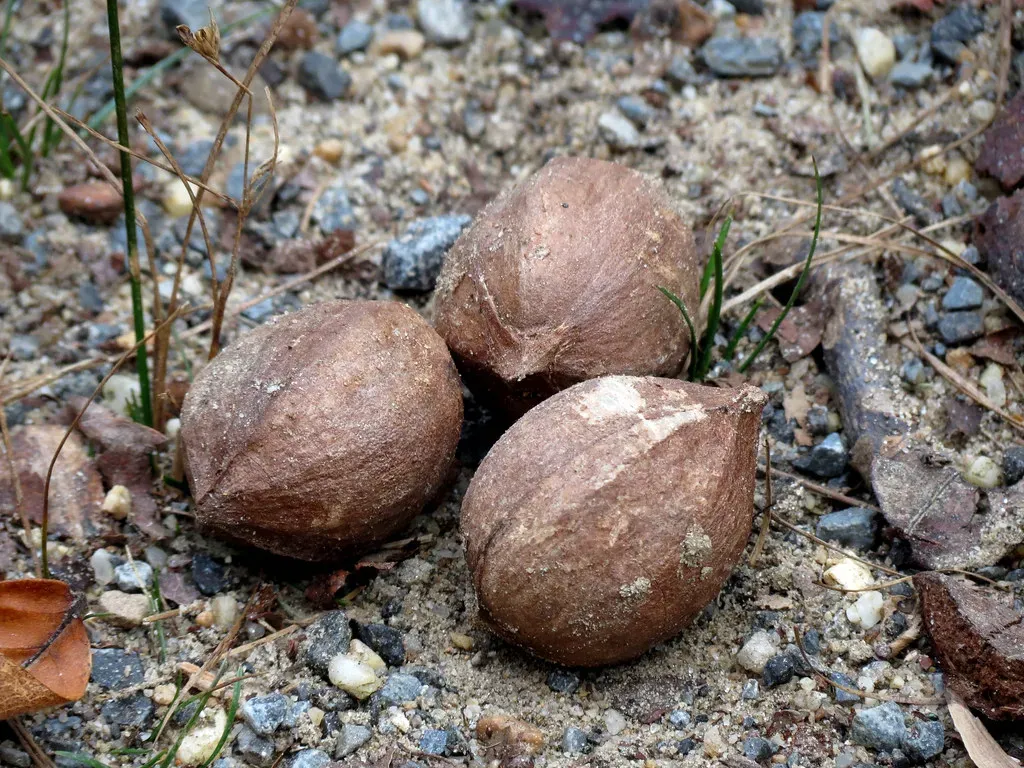
Hickory nuts rank among the most prized items in a squirrel’s winter pantry. Squirrels’ favorite natural foods are hickory nuts, pecans, black walnuts, and acorns. Hickory nuts are dense in fat and calories, making them an especially efficient food source during lean months when a squirrel needs every bit of energy it can recover.
Depending on where they live, squirrel species rely on a range of food sources, including hickory nuts, walnuts, hazelnuts and acorns. When a squirrel buries a hickory nut deep in your yard, it’s making a calculated investment. Those it never retrieves can germinate and contribute to the slow, quiet spread of hickory trees across a landscape – a process that has been reshaping North American forests for thousands of years.
2. Walnuts
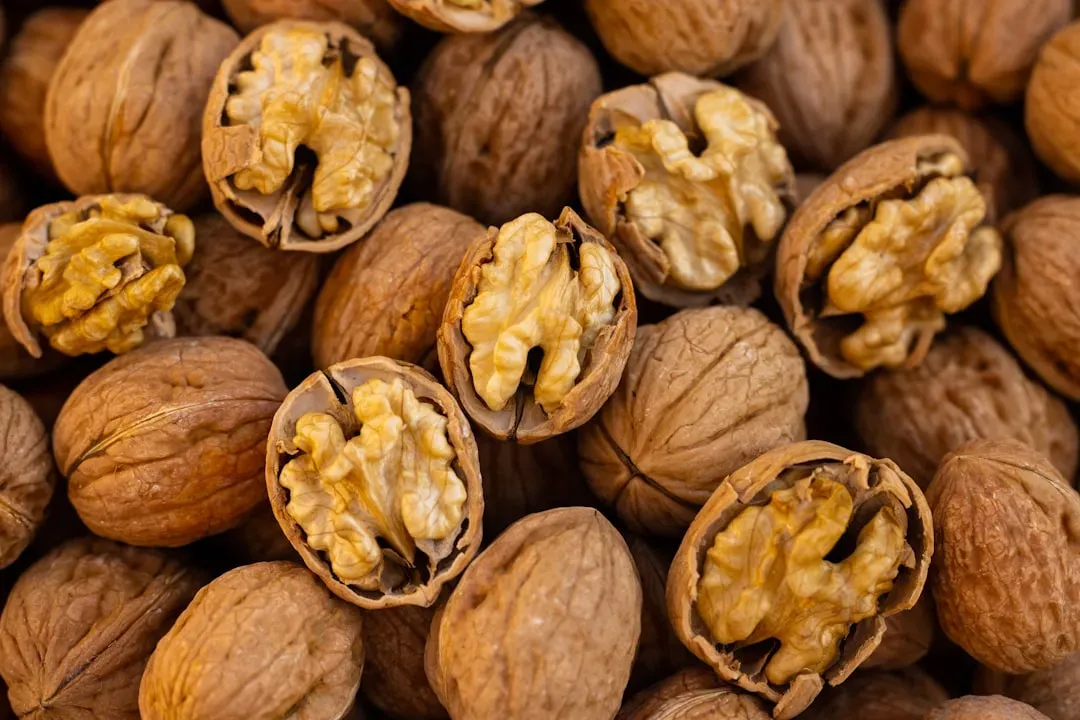
Walnuts are another high-value cache item that squirrels take seriously. Their thick shells make them naturally durable, meaning they can sit underground for months without spoiling – exactly the kind of long-shelf-life food a squirrel prioritizes. Grey squirrels, at least, take the perishability of a food item into account when deciding whether to bury it or eat it now, and one very interesting idea is that squirrels decide whether to bury a nut or seed based on its tannin content.
In field experiments, researchers fed marked, free-ranging Eastern fox squirrels varying types of nuts including walnuts, and tracked through GPS where the squirrels subsequently buried the prizes. Walnuts, with their large size and low perishability, consistently made the cut for burial. If you have a walnut tree nearby and keep finding suspiciously round lumps in your garden soil, now you know why.
3. Pecans
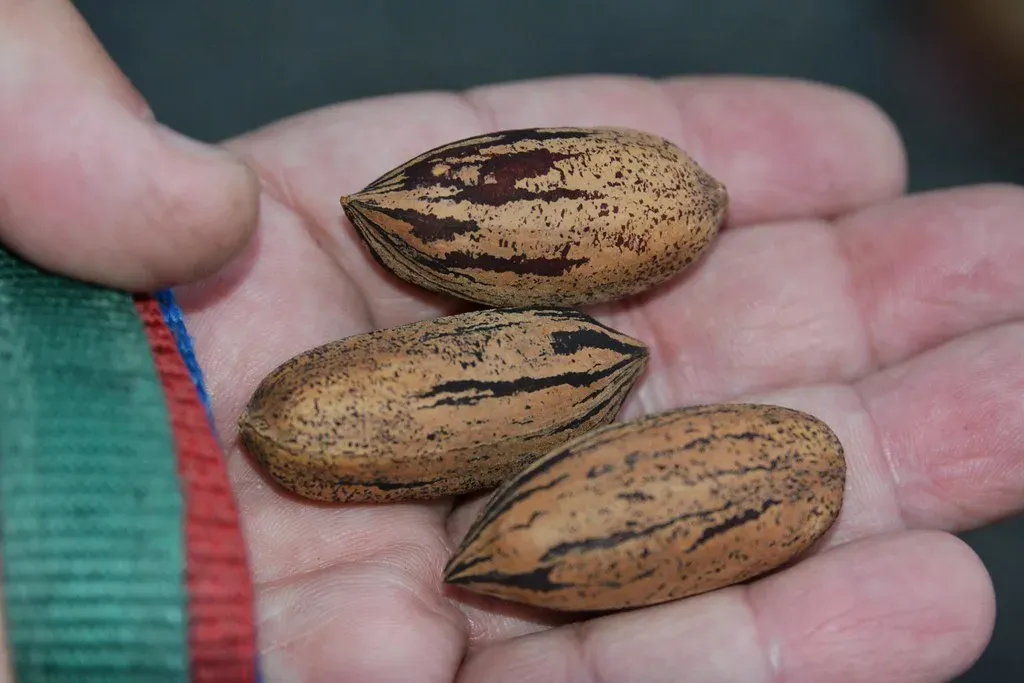
Although gray squirrels are particularly fond of acorns, other seeds stored include honey locust, pecan and chestnut. Pecans sit high on the desirability list thanks to their caloric richness and relatively manageable shell. Squirrels living near pecan trees often cache them across a wide radius, which means the pecans in your garden may have traveled from a tree you can’t even see from your yard.
The act of burying pecans has a ripple effect that goes beyond squirrel survival. Estimates suggest squirrels may be responsible for planting anywhere from ten to twenty percent of certain tree species, particularly oaks and hickories, depending on the ecosystem. Pecans, as a nut in that same broad ecological category, benefit from similar inadvertent planting behavior whenever squirrels lose track of their caches.
4. Beechnuts
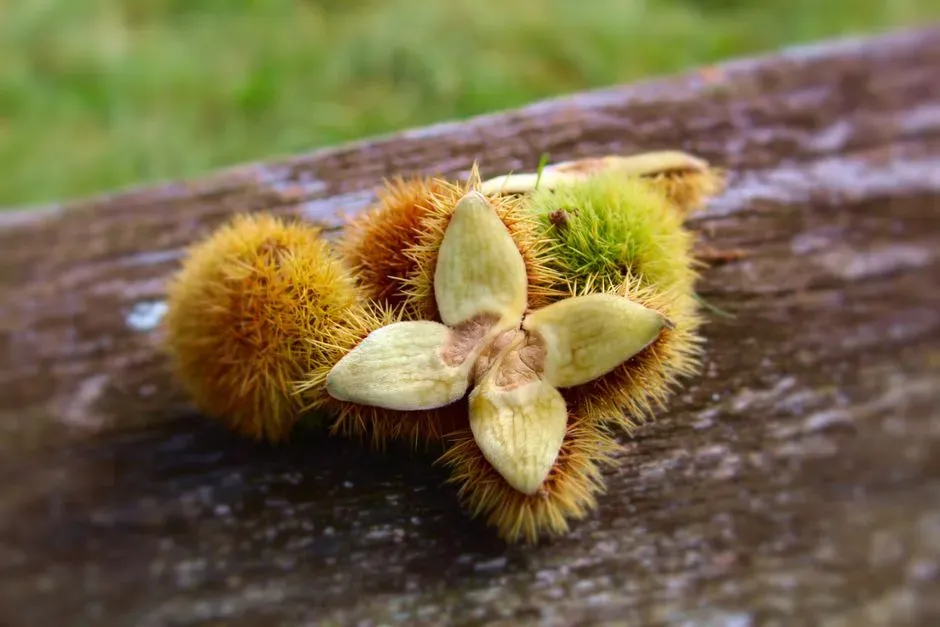
Beechnuts are small, sharply three-sided, and surprisingly fat-rich for their size. Squirrels cache them enthusiastically in autumn when beech trees produce their mast crops. A variety of walnuts, hickory nuts, white oak acorns, and beechnuts make for a great squirrel diet, and beechnuts in particular offer a concentrated energy source that squirrels seem well aware of when selecting what to bury versus what to eat on the spot.
Grey and Red squirrels scatter cache, which means they hide each food item separately rather than putting them all together in a single large larder. Beechnuts, being small, are often grouped two or three per hole. Gray squirrels most often bury seeds in the ground, putting up to three seeds in each quarter- to half-inch-deep hole. That tight grouping increases the odds that any beechnuts left behind will germinate closely together, creating small dense patches of beech seedlings in gardens and lawns.
5. Hazelnuts
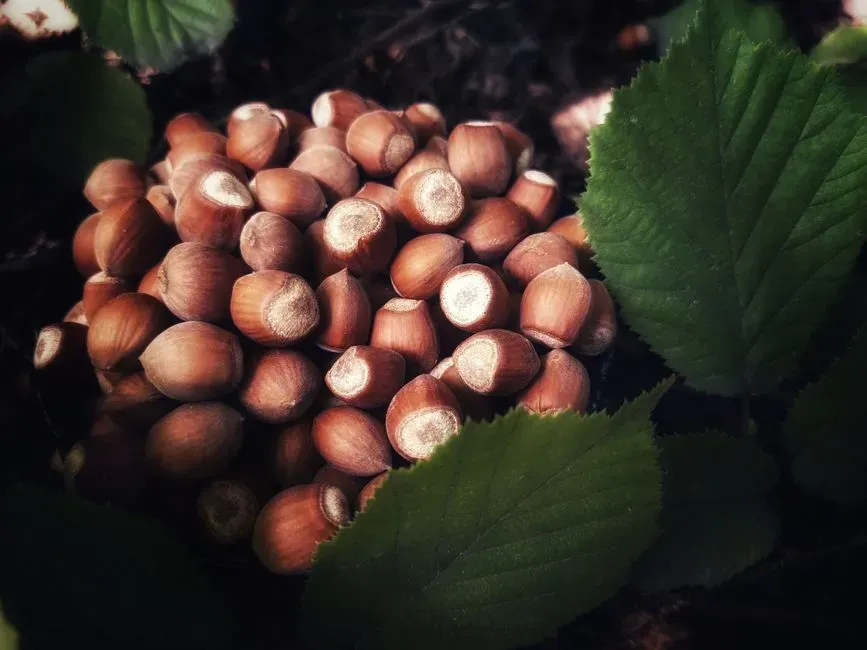
Hazelnuts are compact, hard-shelled, and reliably nutritious – basically a perfect caching food from a squirrel’s point of view. Hazelnuts are among the nuts that squirrels like to eat, and they also bury them for winter retrieval. Their round shape and moderate size mean they’re easy to carry in the cheek pouches and equally easy to inter in a shallow hole.
Tree squirrels use spatial chunking to sort and bury their nut stores by size, type, and perhaps nutritional value, and hazelnuts tend to be grouped with similarly sized items in a squirrel’s mental map. This organizational behavior is one reason researchers believe squirrel memory for cache locations is far more sophisticated than random sniffing. A squirrel that buries hazelnuts in your garden border isn’t being careless – it knows roughly where it left them.
6. Sunflower Seeds
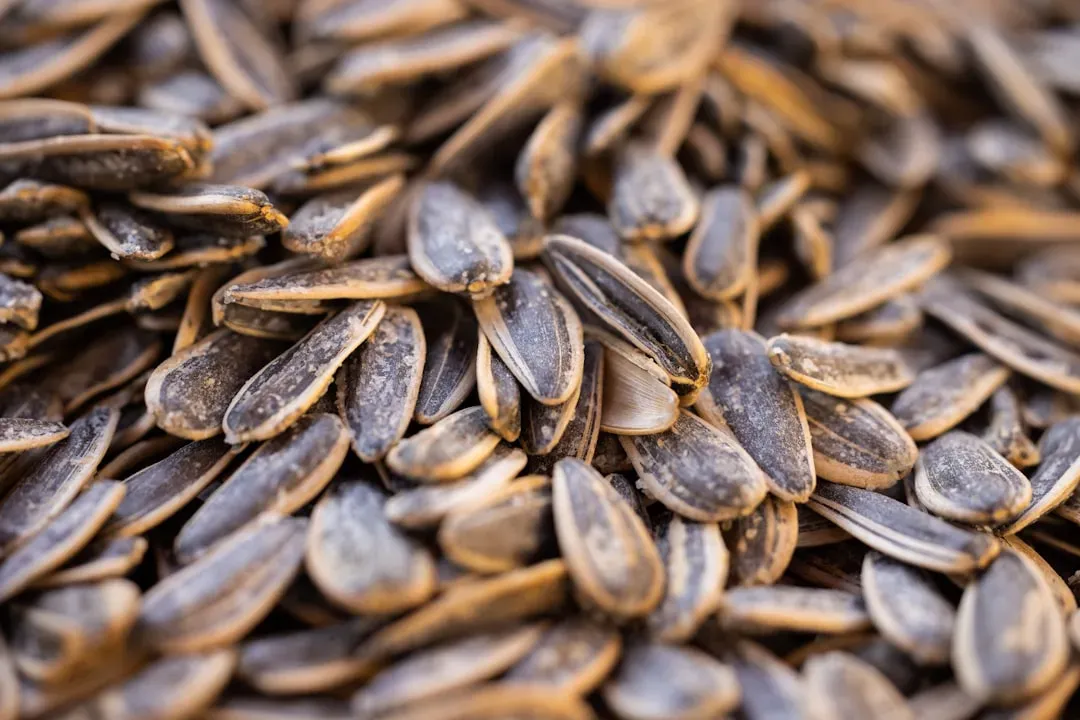
If you have a bird feeder in your yard, you’ve almost certainly watched a squirrel raid it. What you may not have noticed is what happens next. Squirrels’ favorite feeder food is black oil sunflower seeds. Rather than eating every seed immediately, they often carry loads away and bury them – turning your bird feeder, in effect, into a free supply depot for a squirrel’s private winter larder.
Sunflower seeds, pumpkin seeds, and pine seeds are readily consumed and often cached for later use. The ecological consequence here is subtle but real. Sunflower seeds that are never retrieved have a decent chance of germinating, which is one reason people occasionally find unexpected sunflower plants sprouting in odd corners of their yards far from any feeder. The squirrel planted them, even if it had no intention of doing so.
7. Pine Nuts and Pine Cone Scales
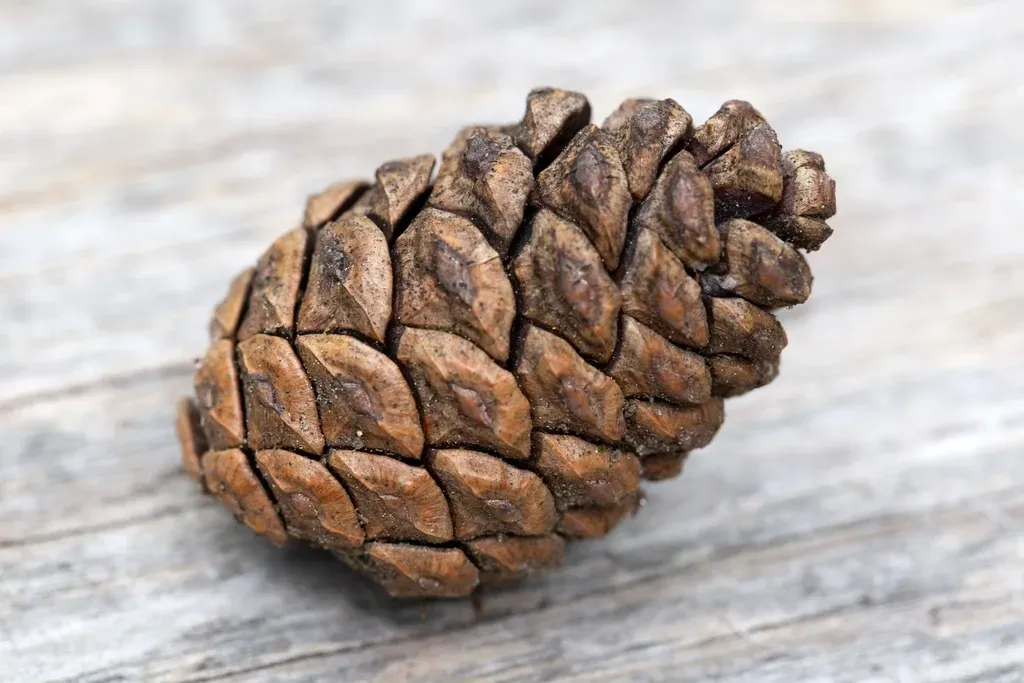
While nuts are a staple in the squirrel diet, they also bury other types of seeds, including acorns, hickory nuts, and even pine cones containing seeds. Pine nuts extracted from cones represent a calorie-dense food that squirrels actively seek out. The work involved in getting them out of a cone is considerable, which may be one reason squirrels sometimes cache partially opened cones alongside loose seeds.
In coniferous forests, squirrel caching of pine seeds can lead to more even seed distribution, reducing competition among seedlings and increasing overall survival rates. This matters in suburban yards too. When a squirrel buries pine seeds at the edge of a garden bed or beneath a lawn, it’s participating in a dispersal system that conifer trees have relied upon for millennia. The squirrel and the pine tree have, in a real sense, co-evolved around this exchange.
8. Chestnuts
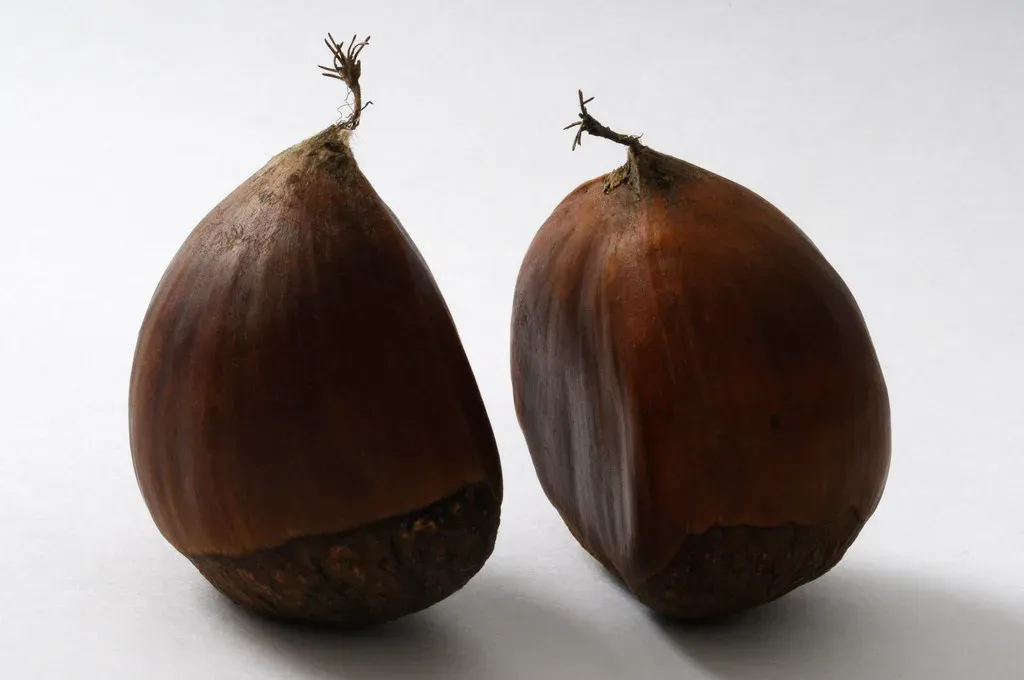
Chestnuts are among the bulkier items squirrels choose to bury, and their size means a squirrel typically commits to a slightly deeper hole and a more deliberate location. Seeds stored by gray squirrels include honey locust, pecan and chestnut, and chestnuts, with their high starch content, offer a different nutritional profile than the fat-heavy nuts squirrels usually prefer – useful variety for a winter diet.
The general pattern is that large food items are preferable options to cache, as well as items which are less susceptible to spoilage. Chestnuts qualify on both counts. They’re large enough to be worth the effort of a dedicated cache site, and their hard outer shell keeps them viable underground for an extended period. Any chestnut a squirrel buries and forgets has a genuine chance of sprouting into a tree – a process that has contributed to chestnut distribution across woodland edges for generations.
9. Fungi and Mushrooms
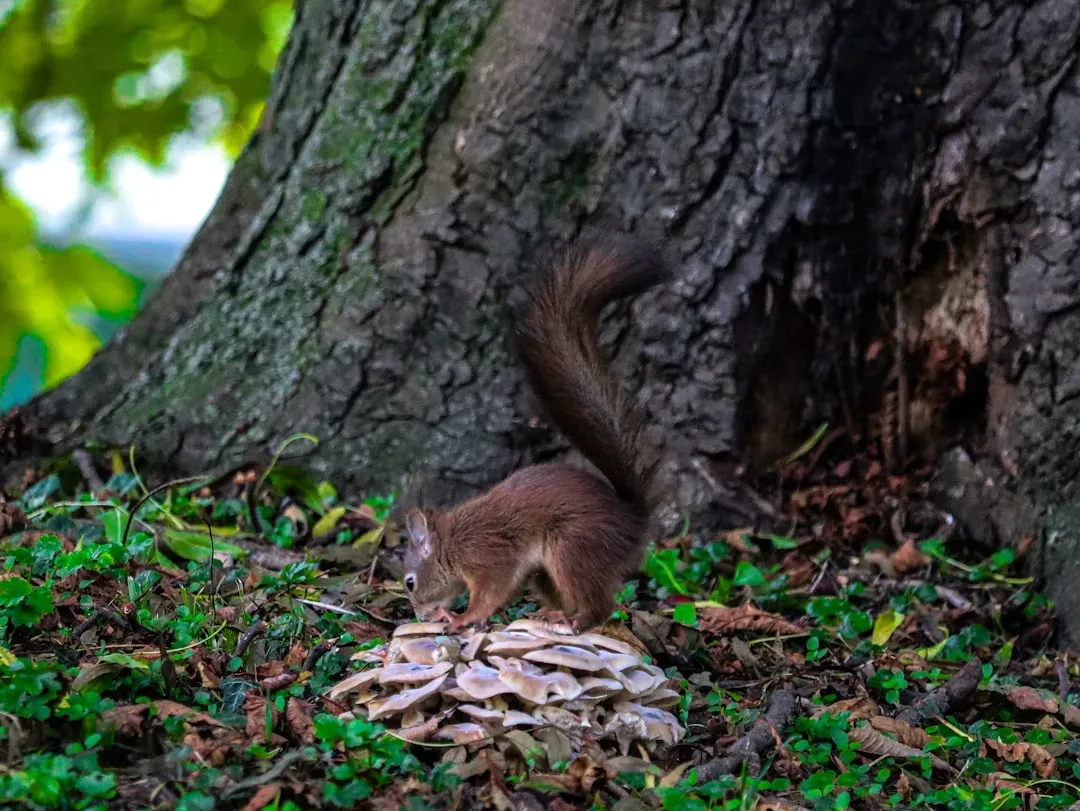
This one surprises most people. Certain species of squirrels, particularly those in forested areas, bury fungi like truffles and other mushrooms, and fungi are buried in shallow holes and often covered with leaves or soil to preserve moisture and prevent decay. Fungi don’t keep as long as hard-shelled nuts, so squirrels tend to cache and retrieve them faster – but the behavior is real and documented.
Fungi provide essential nutrients and fiber, supplementing the squirrel’s diet of nuts and seeds, and burying fungi helps in their decomposition and dispersal, contributing to the health of forest ecosystems. From a gardening perspective, a squirrel burying mushroom material in your soil is introducing fungal spores to new locations. Whether that strikes you as beneficial or concerning probably depends on what you were hoping to grow there.
10. Berries and Small Fruits
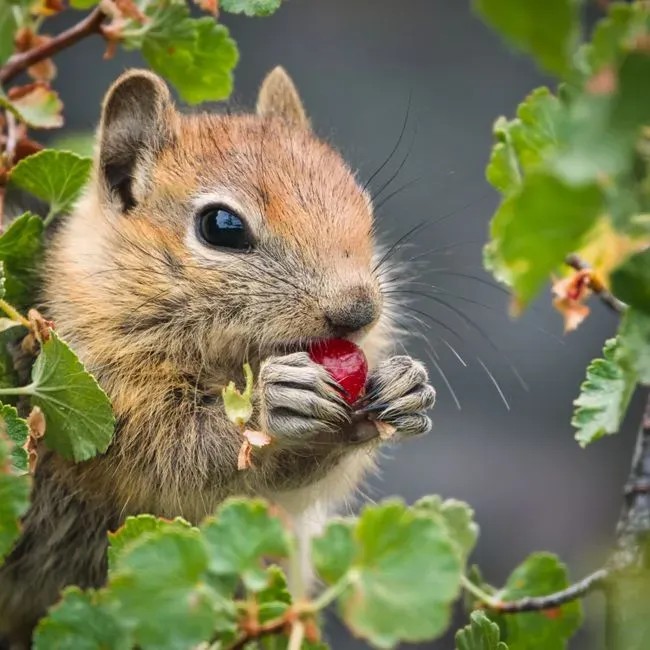
Squirrels eat a variety of nuts, berries, fruit, conifer tree cones, greens, and fungi. While berries are generally eaten fresh rather than cached – their high moisture content makes them poor candidates for long-term storage – squirrels do occasionally bury them when they find an unusual abundance. It’s an opportunistic behavior rather than a strategic one, driven more by immediate surplus than by careful winter planning.
Berries, apples, grapes, and other fruits provide vital vitamins and minerals, as well as sugars for quick energy. When buried berries are forgotten, they can germinate under the right conditions, introducing berry-producing shrubs to corners of a yard where they were never intentionally planted. Gardeners who’ve found mysterious wild berry canes sprouting near fences or hedges have likely witnessed this exact process, even if they didn’t connect it to squirrel behavior at the time.
11. Pumpkin Seeds and Other Garden Seeds
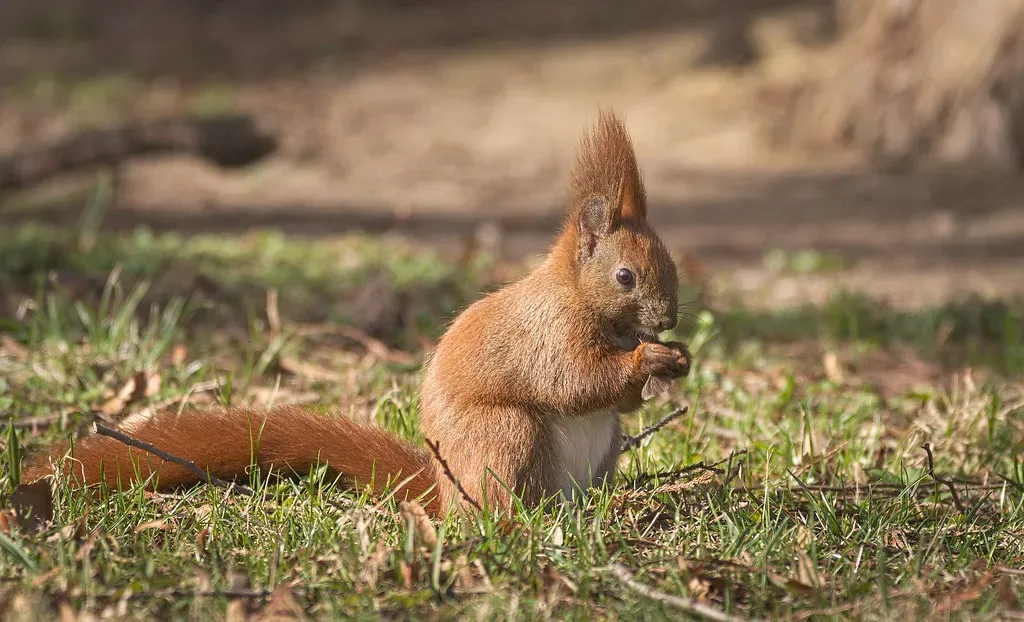
If you grow a vegetable garden or leave seasonal decorations outdoors in autumn, squirrels are paying attention. Squirrels enjoy snacking on pine nuts from pinecones, poppy seeds, pumpkin seeds, safflower seeds, and sunflower seeds. Pumpkin seeds in particular are frequently raided from decorative gourds, and what isn’t eaten on the spot is often cached in nearby soil.
Seeds including sunflower seeds, pumpkin seeds, and pine seeds are readily consumed and often cached for later use. This has a genuinely practical implication for gardeners: pumpkin or squash seedlings appearing in unexpected places in spring aren’t always a mystery. They’re often the result of a squirrel caching seeds from a carved pumpkin or compost pile the previous fall and then failing to go back for them. Your squirrel, inadvertently, became your gardening assistant.
12. Beech Mast and Other Mast Crop Seeds
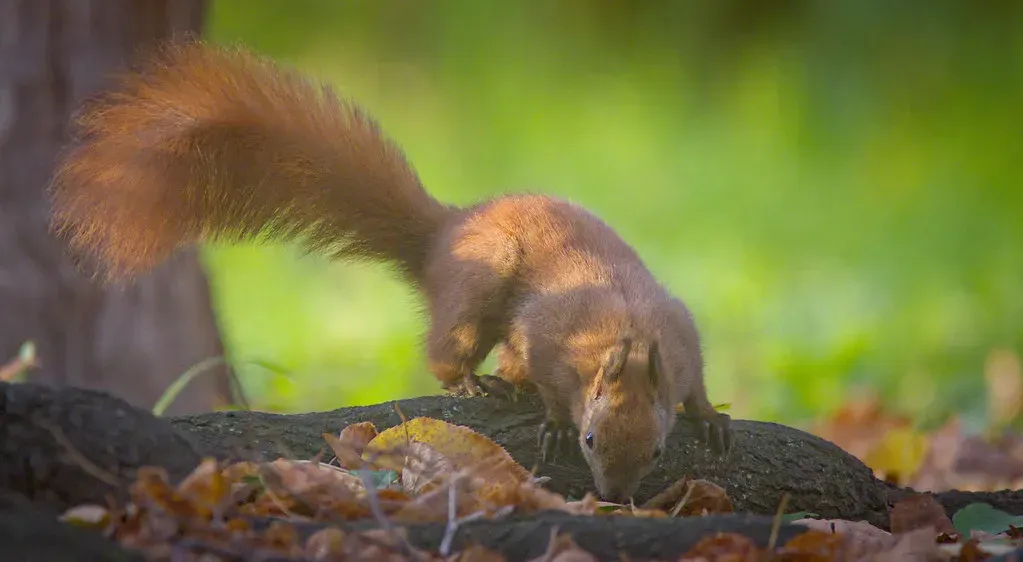
Mast years – the periodic boom years when certain trees produce enormous quantities of seeds – trigger a dramatic surge in squirrel caching activity. Beyond beechnuts specifically, “beech mast” refers broadly to the mass seed fall that includes a range of small woody seeds squirrels respond to intensely. Surplus food is cached for retrieval when food is scarce, and nuts and seeds are generally cached during late summer and autumn for retrieval in winter. Mast crops give squirrels far more material than they can possibly eat immediately.
One of the most notable impacts of squirrel burrowing is soil aeration – as squirrels dig and create underground spaces, they loosen the soil, allowing air to penetrate deeper layers, which enhances the exchange of gases essential for root respiration and microbial activity. Mast year caching intensifies this effect dramatically, with thousands of small holes turned over in a short period. Your lawn may look like it’s been visited by an enthusiastic amateur archaeologist, but the soil underneath is measurably better for it.
Why It All Matters More Than You’d Think
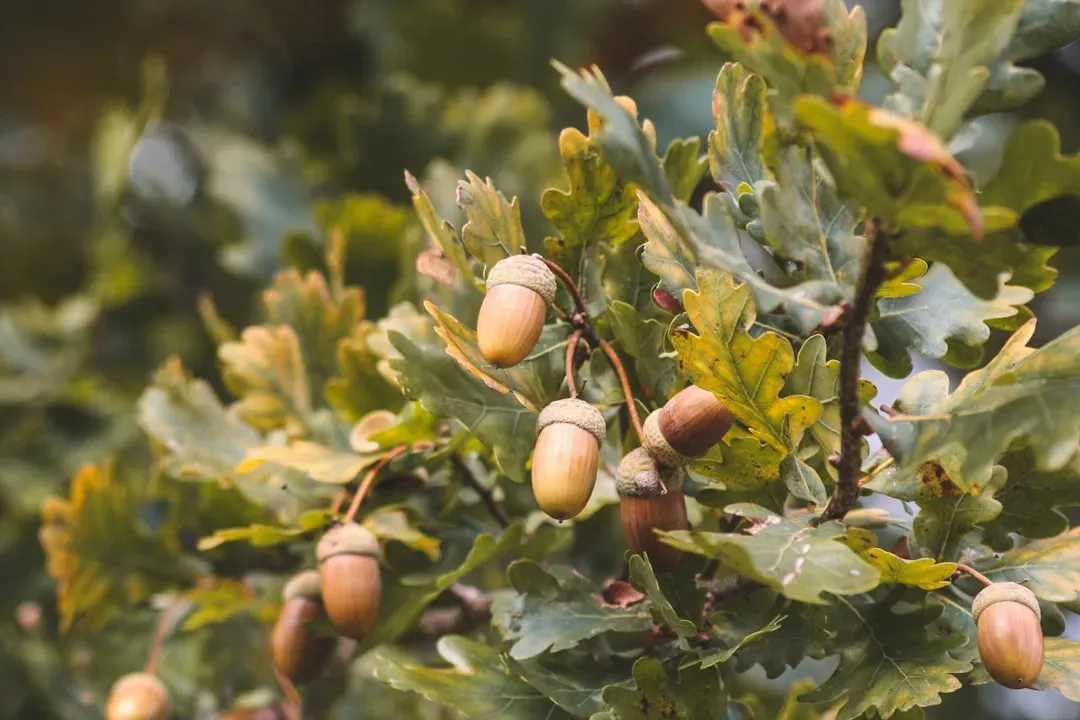
The broader ecological picture here is one that easy to overlook when you’re filling in yet another squirrel-shaped hole in a flower bed. The daily activities of burying, retrieving, consuming, and forgetting thousands of seeds contribute to larger processes such as tree regeneration, soil turnover, and ecosystem resilience – and scientists increasingly view these small-scale behaviors as major drivers of ecosystem pattern and resilience.
The burrowing activity of squirrels facilitates water infiltration into the soil, and aerated soil can absorb and retain water more effectively, reducing runoff and erosion. During heavy rainfall, water is more likely to seep into the ground rather than flow over the surface, helping prevent soil loss and maintain moisture levels for vegetation. That’s a meaningful ecosystem service being delivered, quietly, by an animal most people consider little more than a feeder thief.
A study done at the University of Richmond found that squirrels fail to recover up to 74% of the nuts they bury, and this misplacing of so many acorns is likely responsible for oak forest regeneration. Across every item on this list – walnuts, sunflower seeds, chestnuts, fungi, and all the rest – the same principle applies. What looks like forgetfulness is, in ecological terms, something closer to involuntary generosity.
Conclusion
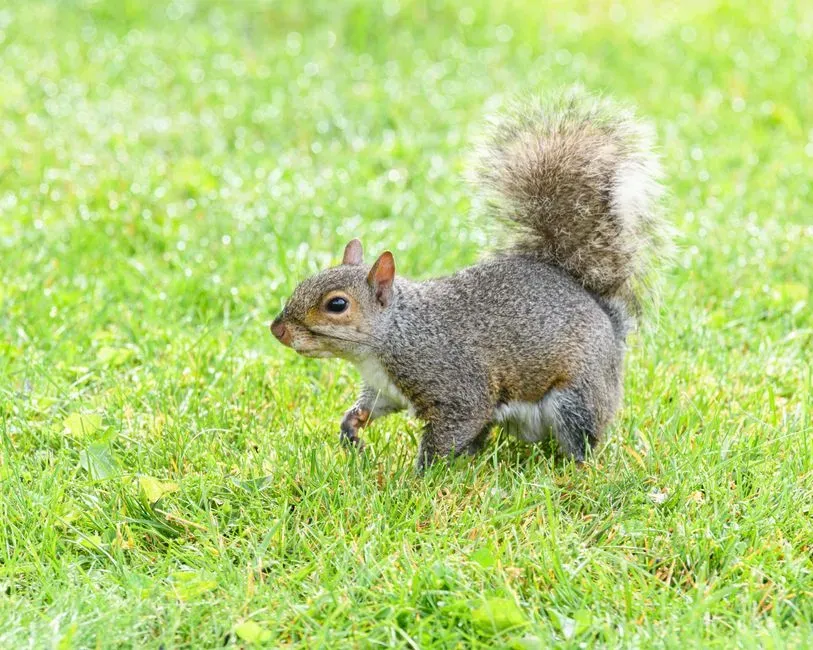
The squirrel digging up your lawn isn’t your garden’s adversary. It’s a sophisticated, spatially intelligent animal running an elaborate caching operation that benefits soil structure, plant diversity, and tree regeneration simultaneously. Inconvenient? Often. Irrelevant? Far from it.
What strikes me as genuinely worth sitting with is this: the squirrel didn’t evolve to be a conservationist. It evolved to survive. The fact that its survival strategy happens to plant trees, aerate soil, and distribute fungi across entire neighborhoods is one of those quiet coincidences that nature keeps turning out. We get so focused on the holes in the garden that we miss the forest – sometimes, quite literally, being built around us.
Next time you catch a squirrel sprinting across the yard with something that clearly isn’t an acorn, maybe don’t chase it off quite so fast. There’s a decent chance it’s doing your yard a quiet favor.

- The 5 Best Birdwatching Spots in Arizona - August 14, 2026
- Wildlife Biology Says Bobcats Often Live Within Sight of Busy Neighborhoods - August 14, 2026
- Wildlife Biology Says River Otters Return Before Most Rivers Are Fully Restored - August 14, 2026